

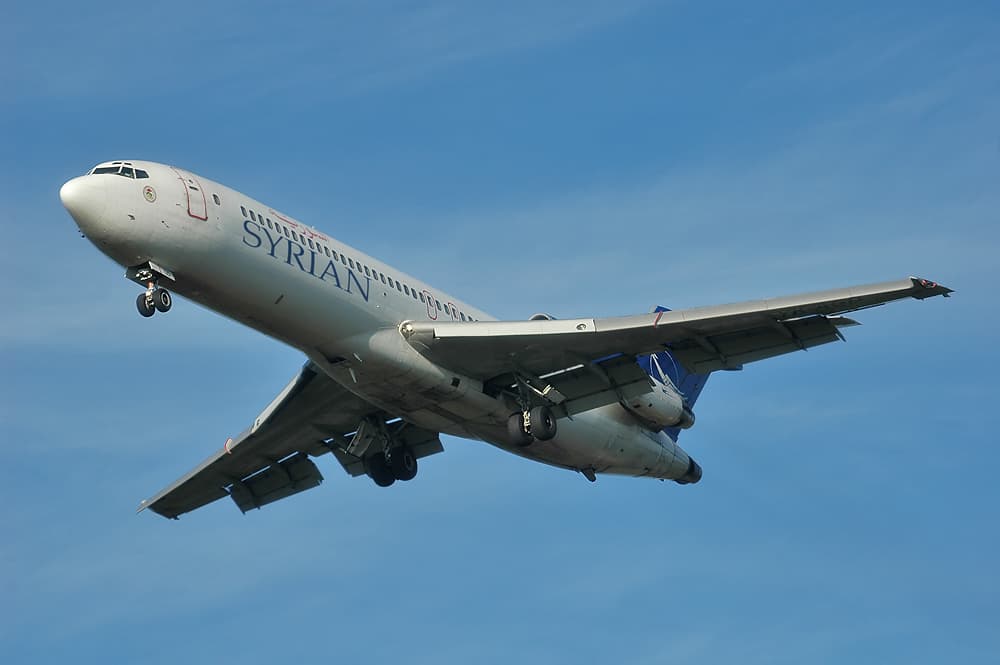
Image: The original uploader was Mottld at English Wikipedia . · Public domain · via Wikimedia Commons
FedEx's Boeing 727 Fleet Retired as Cargo Operations Modernize
FedEx phased out its iconic Boeing 727 fleet after decades of service, replacing them with newer cargo aircraft to boost efficiency and meet environmental standards.
The gist
FedEx has retired its Boeing 727s, marking the end of an era as it upgrades to newer freighters.
The Boeing 727 was long synonymous with FedEx’s cargo operations, serving as a backbone for the company’s domestic overnight delivery network. As passenger versions of the 727 were retired worldwide, FedEx’s cargo versions continued flying well into the 21st century. However, by the mid-2020s, the company concluded that the aging tri-jets no longer met its operational and environmental needs.
FedEx’s 727s were gradually retired and replaced by modern, more fuel-efficient aircraft such as the Boeing 757 and Airbus A321 freighters. These newer models offer improved range, payload, and significantly reduce fuel burn and emissions, aligning with FedEx’s goals for sustainability and cost reduction. The company publicly acknowledged this fleet transition as a necessary evolution to support future growth.
Historically, the 727 fleet was pivotal in developing FedEx’s reliable overnight delivery promise. Its unique three-engine design allowed access to shorter runways and regional airports critical to FedEx’s hub-and-spoke model. However, advancements in aviation technology and stricter noise and emissions regulations made the continued operation of the 727 fleet increasingly impractical.
FedEx’s exit from the Boeing 727 era reflects broader industry trends where legacy aircraft are phased out in favor of newer, greener freighters. This shift not only improves operational efficiencies but also helps cargo operators comply with emerging environmental regulations. FedEx’s strategic fleet update ensures it remains competitive in the evolving air cargo market.
Looking ahead, FedEx plans to expand its use of next-generation freighters and invest in alternative propulsion technologies. The retirement of the 727 signals a commitment to modernization and sustainability that will shape the company’s fleet decisions over the next decade.
Read more
All Cargo →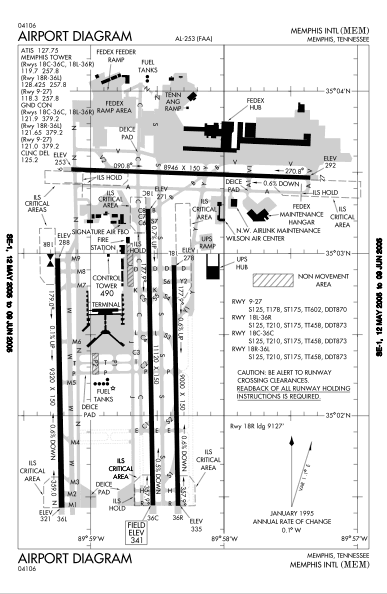
Memphis International Airport Renamed to Honor FedEx Founder Frederick W. Smith with New Significance
FedEx announced: On August 11, 2026, the Memphis community and FedEx team members worldwide came together to honor the legacy of the late FedEx founder Frederick W. Smith. In a dual tribute, the Memphis-Shelby County Airport Authority celebrated the renaming of the Memphis International Airport in his honor, coinciding with the inaugural FedEx FWS Day […]
Airbus A330 Emerges as Quiet Successor to Boeing 767 on Cargo Routes
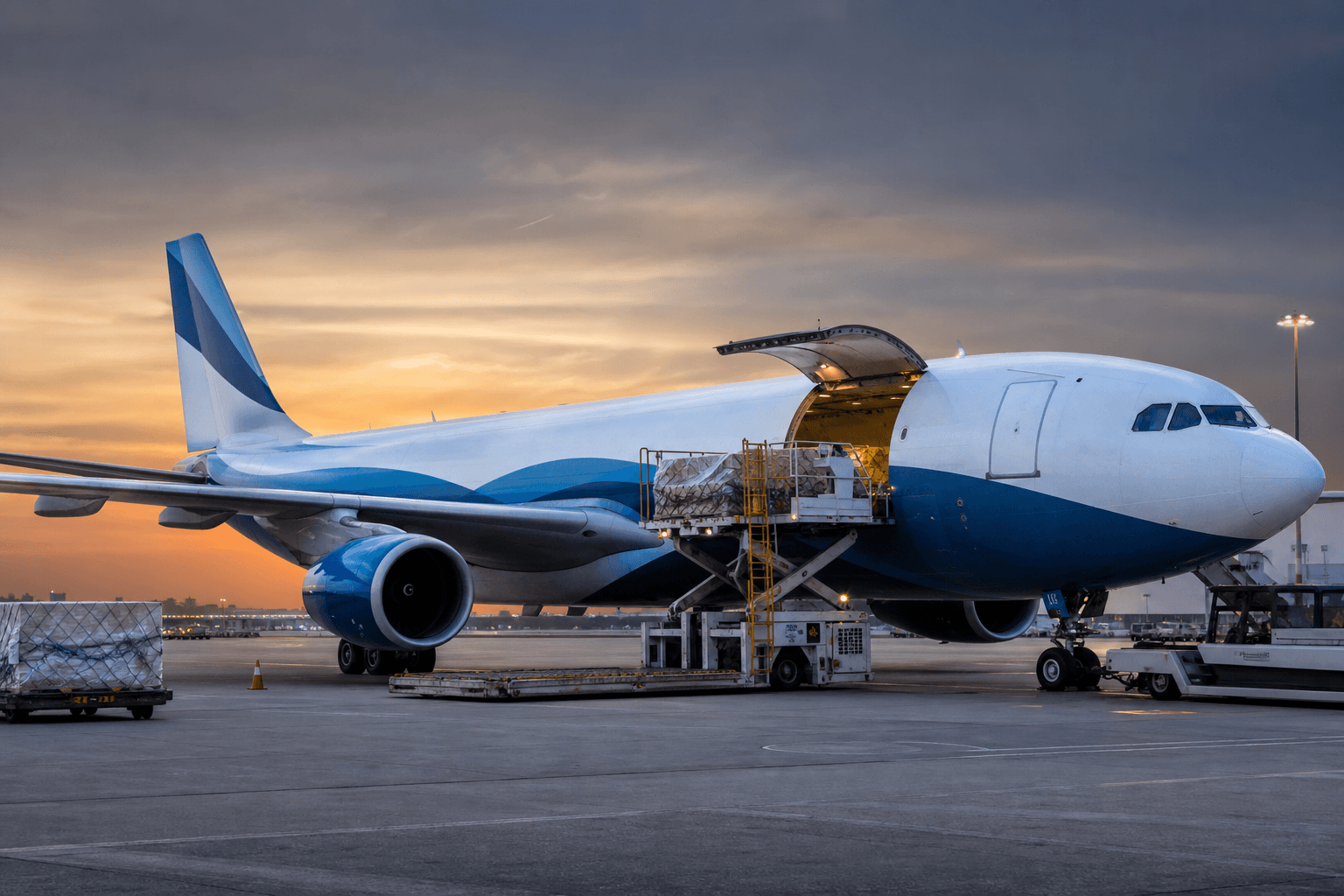
For decades, the Boeing 767 has been one of the defining aircraft of the global air cargo industry. It has become the backbone of fleets operated by dedicated cargo carriers, freight specialists, and airlines that found new life for aging passenger aircraft through passenger-to-freighter conversions. Its combination of payload, range, operating economics, and widespread availability made it the obvious solution for operators seeking a medium-capacity widebody freighter.

National Airlines Expands Fleet with New GE90 and CF6 Engines for Boeing Freighters
GE Aerospace (NYSE: GE) announced on July 23, 2026 that National Airlines has committed to purchase one GE90-110B and six CF6-80C2 engines to power their Boeing 777F/747F cargo airplanes. The GE90 engine family powers all Boeing 777 models and is the exclusive powerplant on the 777-300ER, -200LR, and Freighter. The GE90 engine features several technology […]
Embraer and Azorra ink deal for up to 30 E-Freighter aircraft
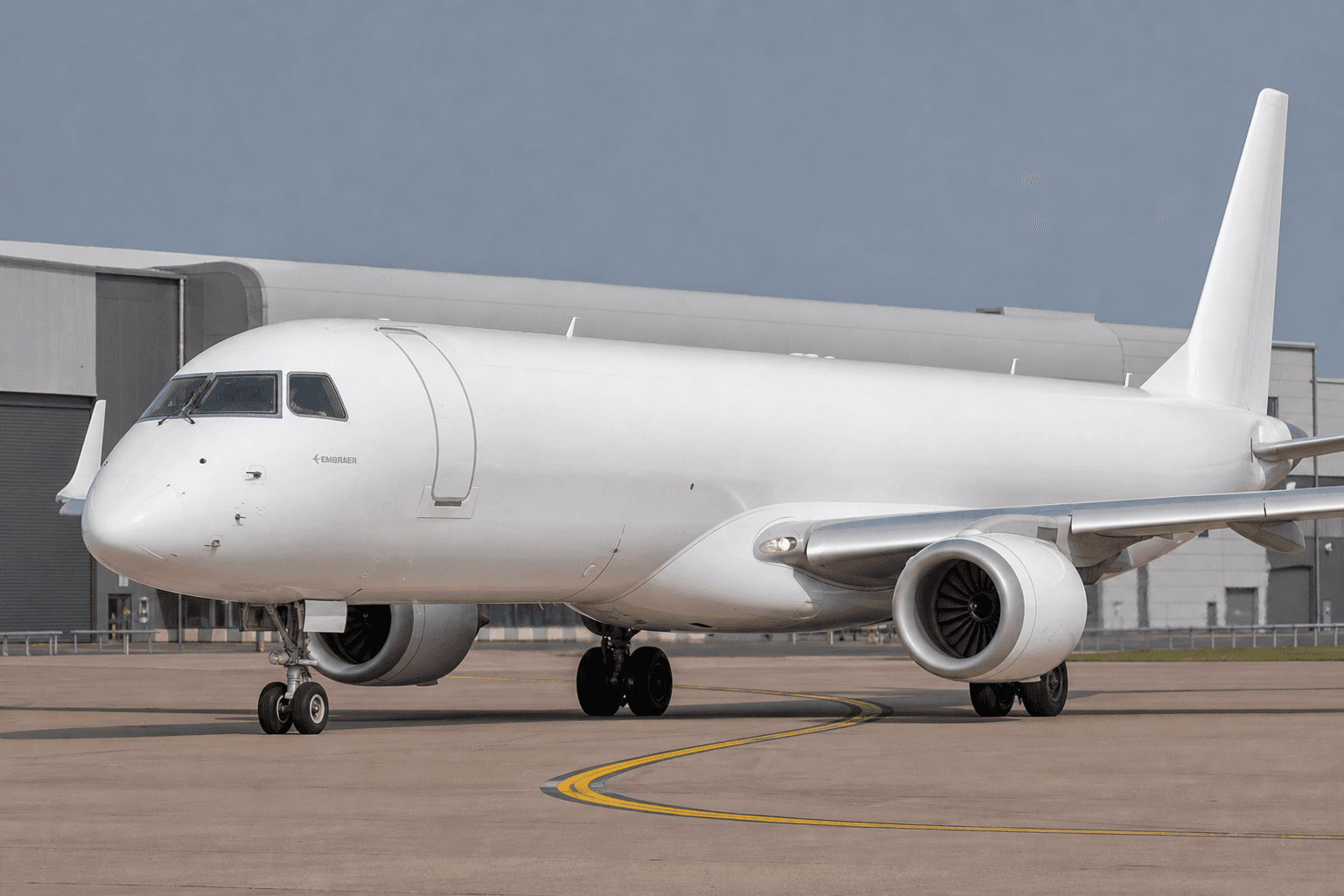
Embraer and aircraft lessor Azorra have announced a significant agreement for up to 30 E-Freighters. The deal, signed at the Farnborough International Airshow on July 21, 2026, includes 20 firm orders and 10 purchase rights. ezstandalone.cmd.push(function () { ezstandalone.showAds(119); }); This partnership highlights growing demand for efficient, sustainable cargo solutions in the express air freight sector. The agreement builds on the successful entry into service of the E190F earlier this year. It marks Azorra’s entry into the freighter leasing market and positions the company as one of the first lessors to commit to Embraer’s new E-Freighter conversions. ezstandalone.cmd.push(function () { ezstandalone.showAds(127); }); Strong Partnership and Market Confidence John Evans, CEO of Azorra , expressed enthusiasm about the long-standing relationship with Embraer. “Our partnership with Embraer has been built over many years and is rooted in a shared belief in the long-term value and reliability of the E-Jet platform,” he said. Evans highlighted the E-Freighter as a natural extension that addresses the needs of the growing express cargo market. ezstandalone.cmd.push(function () { ezstandalone.showAds(128); }); He noted its advantages as a replacement for older 737 freighters, including Stage 4 noise compliance and low operating costs when paired with Azorra’s CF34 engine program. Arjan Meijer, President and CEO of Embraer Commercial Aviation , welcomed the deal as a strong endorsement of the E-Freighter. “This agreement reflects growing demand for efficient, right-sized cargo solutions worldwide,” Meijer stated. ezstandalone.cmd.push(function () { ezstandalone.showAds(129); }); Carlos Naufel, President and CEO of Embraer Services & Support , added that Embraer’s comprehensive support network will help operators maximize aircraft performance from day one. Photo Credit: Embraer Key Advantages of the E190F Freighter The E-Freighter is based on Embraer’s proven E-Jets platform, which has decades of reliable service. The E190F model provides more than 100 cubic meters of cargo volume across lower and upper decks, with a payload capacity of up to 13.5 tons. This design supports cost-efficient transport of express cargo; meeting demands for fast deliveries to high-yield markets. ezstandalone.cmd.push(function () { ezstandalone.showAds(130); }); Industry experts see the E-Freighter as a smart solution that fills the gap between turboprops and larger narrowbody aircraft. Compared to classic narrowbodies, it offers around 30% lower operating costs with similar cargo volume and range. It also provides 35% extra volume capacity and more than three times the range of large cargo turboprops. As the quietest and greenest jet freighter in its class, the E190F emphasizes efficiency, flexibility, and sustainability. These features make it ideal for high-frequency, time-sensitive operations. The aircraft will help improve regional connectivity and open new trade routes in key growth markets such as Latin America, Southeast Asia, and the Middle East and Africa—regions where Azorra already has strong expertise. ezstandalone.cmd.push(function () { ezstandalone.showAds(131); }); Photo Credit: Embraer Strategic Context for Both Companies This freighter deal follows Azorra’s recent order for additional Embraer E195-E2 passenger aircraft. In June 2026, Azorra placed a firm order for 15 more E195-E2s with purchase rights for another 15, bringing its total firm E2 orders to 54. This milestone pushed Embraer’s E2 program beyond 500 firm orders globally. Azorra, a relationship-driven lessor headquartered in Fort Lauderdale, Florida, manages a substantial portfolio of over 300 aviation assets. The company offers leasing, financing, and fleet management services worldwide. Embraer, a leading Brazilian aerospace manufacturer, continues to expand its presence in commercial aviation with innovative solutions and strong aftermarket support. ezstandalone.cmd.push(function () { ezstandalone.showAds(132); }); Conclusion The partnership between Embraer and Azorra signals confidence in the future of sustainable air freight. By converting proven passenger E-Jets into efficient freighters, the companies address environmental concerns while meeting market needs for reliable, cost-effective cargo transport. As global e-commerce and express delivery continue to grow, right-sized aircraft like the E190F offer operators a competitive edge.
The Daily Touch & Go
The day's best aviation news in your inbox. Free, no spam.