

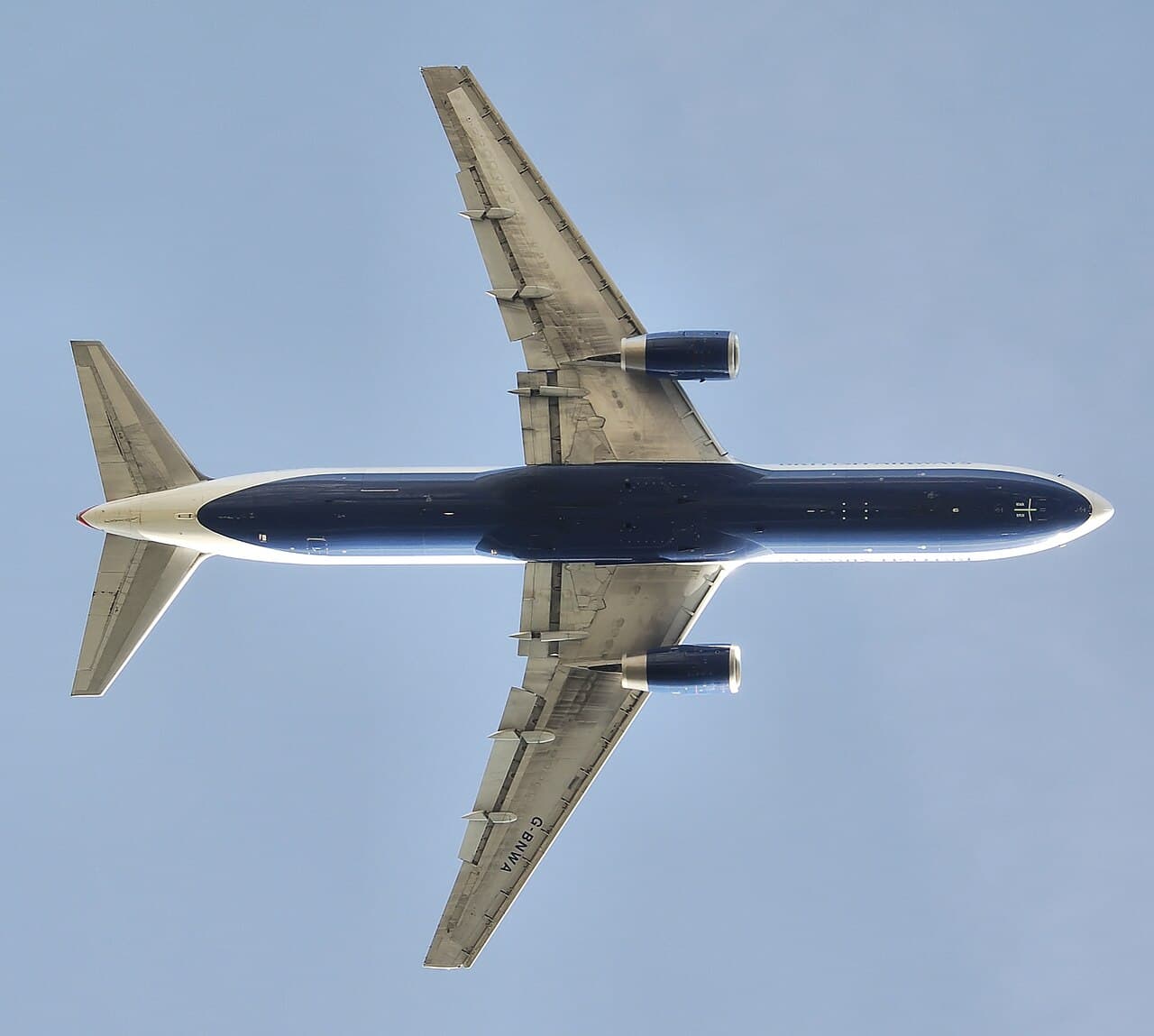
Image: Adrian Pingstone · Public domain · via Wikimedia Commons
UPS Boeing 767 Freighter Executes Safe Landing After Total Instrument Failure in Denver
UPS Airlines flight departing Oklahoma City encountered a total failure of large display screens on approach to Denver but landed safely using standby instruments.
The gist
UPS flight 5X5806 landed safely at Denver despite a total cockpit display failure, relying on standby instruments amid serious technical issues.
On August 15, 2026, UPS Airlines flight 5X5806, operated by a Boeing 767-300 Freighter registered N312UP, experienced a critical technical failure during its domestic cargo flight from Oklahoma City's Will Rogers International Airport to Denver International Airport. As the aircraft approached Denver, the entire suite of large cockpit displays—including the Primary Flight Display, Navigation Display, and Engine Indicating and Crew Alerting System—ceased functioning. This unprecedented instrument failure forced the flight crew to depend completely on the aircraft's standby instruments for navigation and flight control during the final approach.
Despite the severity of the instrument outage, the UPS pilots successfully managed a safe landing on Denver's runway 35L, which measures 12,000 feet and is made of concrete. The flight had departed Oklahoma City at 8:19 p.m. local time, with an initially planned arrival at 8:11 p.m. It touched down at 8:59 p.m., reflecting delays largely attributable to rerouting and the technical issues encountered. The crew’s adept management of the failure underscores the critical importance of redundant systems in modern aircraft cockpits, particularly for highly automated aircraft such as the 767 freighter.
The affected aircraft, N312UP, is among the older members of UPS’s Boeing 767-300F fleet, having been delivered in November 1996 and thus approaching 30 years of service. Despite its age, the aircraft has maintained an active daily schedule, routinely completing up to four internal domestic legs a day. In the days leading up to the incident, N312UP flew multiple segments including routes through Louisville, Richmond, Philadelphia, Ontario, Salt Lake City, and Oklahoma City, highlighting its role as a workhorse within UPS’s domestic air freight network.
Following this incident, N312UP has remained grounded at Denver International Airport for nearly two days, reflecting the seriousness of the instrument malfunction and the precautionary maintenance and inspection protocols triggered by such a failure. This downtime contrasts markedly with the aircraft’s usual rapid turnarounds and frequent revenue flights. The operational halt indicates that UPS and the maintenance crew are conducting a thorough diagnostic evaluation and likely performing repairs before returning the aircraft to service.
The 767-300 Freighter remains an essential asset within UPS’s fleet, with a total of 95 units active and an average operational age of approximately 15 years, substantially younger than the specific aircraft involved. Additionally, UPS continues to expand its fleet, expecting delivery of a further 12 Boeing 767 freighters. This investment in relatively modern widebody freighters reflects UPS’s strategy of using reliable, mid-size aircraft to meet domestic and international cargo demands efficiently.
Incidents like this highlight the durability and resilience of redundant flight systems, such as standby instruments, which are critical fail-safes when primary electronic displays fail. The pilots’ ability to rely on these backup instruments exemplifies rigorous training and operational preparedness when confronting unexpected equipment malfunctions. Such events also emphasize the ongoing need for rigorous maintenance and monitoring, especially as certain aircraft age within cargo airline fleets.
This incident at Denver International Airport is likely to lead to a detailed engineering review of the Boeing 767’s avionics systems within the UPS fleet, considering the total loss of multiple key displays mid-flight. Although the freighter successfully landed without injury or further incident, the prolonged grounding of N312UP indicates that UPS is prioritizing safety and ensuring the aircraft is fully restored to operational standards. This approach aligns with broader industry practices emphasizing cautious response to technical anomalies to maintain fleet integrity and crew confidence.
Frequently asked questions
- What caused the UPS Boeing 767-300 freighter to land with instrument issues?
- The aircraft experienced a total failure of its large cockpit display screens, including key flight and navigation instruments, during approach to Denver.
- How did the pilots manage the flight after losing all major flight displays?
- They relied on the airplane's standby instruments to safely complete the approach and landing despite the loss of primary instruments.
- What is known about the UPS aircraft involved in the incident?
- The Boeing 767-300 freighter N312UP is nearly 30 years old and has been an active cargo workhorse for UPS, typically flying four domestic legs daily before the failure.
Read more
All Cargo →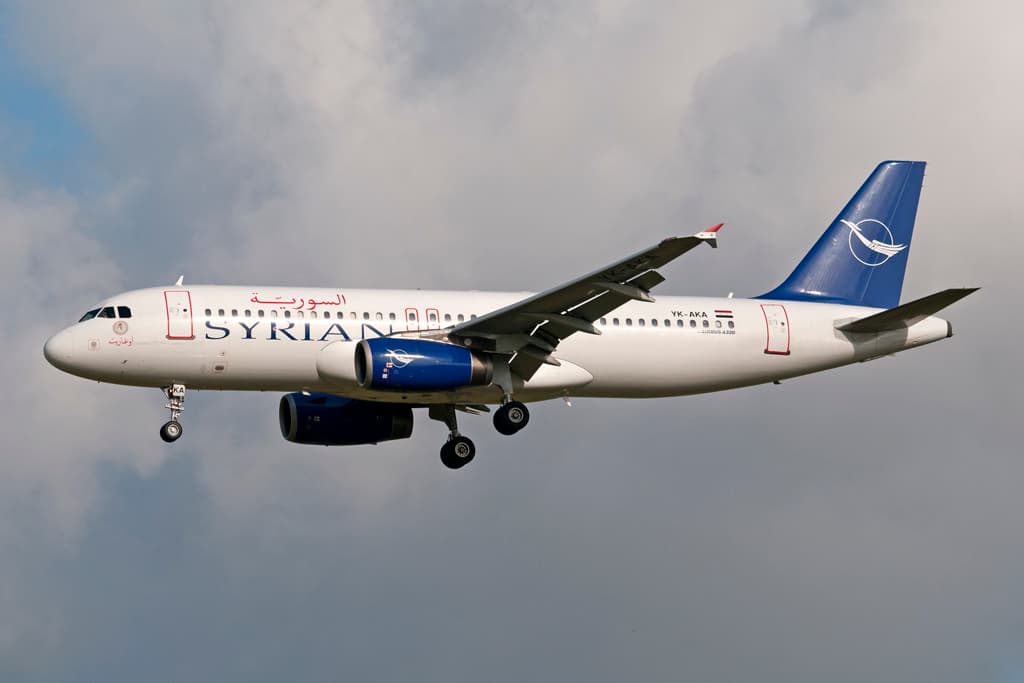
Syrian Airlines Restarts Damascus-Moscow Flights After 18-Month Pause
A Syrian Airlines passenger flight arrived in Moscow's Sheremetyevo International Airport (SVO) on August 16, 2026,, marking the first flight between the Syrian and Russian capitals in more than 1.5 years and the resumption of scheduled service between the two countries. The aircraft landed at 0644 local time, with the return flight to Damascus International Airport (DAM) operating later the same day. Flights between the two capitals, suspended in December 2024 due to Syria's political situation, are expected to resume on a weekly basis, operating every Sunday. Syrian Airlines eyes new routes as it rebuilds global presence Omar Al Hosari, President of Syria's General Authority of Civil Aviation, said the resumption reflects broader efforts to rebuild Syrian Airlines' regional and international presence and reconnect the country with the world. He said the plan includes launching additional direct routes and expanding travel options for Syrian citizens as part of a wider strategy to strengthen the country's air connectivity. Al Hosari added that Syrian Airlines is expected to resume service to several more regional and international destinations in the coming period, including new European routes that will be announced gradually. The Moscow route follows a series of other recent route resumptions for the airline. A direct flight from Berlin arrived in Damascus on August 15, 2026, restoring air connectivity between the two cities after nearly 14 years. Syrian Airlines also returned to the European market with direct Damascus-Amsterdam service on July 2, 2026 and resumed weekly flights to Madinah, Saudi Arabia, on August 11, 2026. A fleet limited by years of sanctions Syrian Airlines, commonly known as Syrianair, has operated under US sanctions since the early 1980s, a restriction that has significantly limited its ability to acquire new aircraft or source spare parts for its existing fleet. According to ch-aviation, the airline's fleet includes eight Airbus A320s, two A340-300s, two Tupolev Tu-134Bs, and two Ilyushin Il-76 cargo aircraft, though six of the A320s and both A340s remain parked due to a lack of available spare parts. Before the fall of the Assad regime, Syrian Airlines operated four routes to five destinations across three countries. The country's only other mainline carrier, Cham Wings Airlines, currently operates a fleet of five A320s serving two routes to three destinations. Rebuilding connectivity Syrian aviation authorities also reported a rise in overall air traffic through the country's airspace, with 20,315 aircraft transiting Syria in July 2026, a sign of gradually returning activity in the region's skies as the country continues working to restore its broader aviation network. RELATED Syrian president plans to order eight Airbus aircraft as Macron visits country
The World's Largest Airports Ranked by Land Area in 2026
When we talk about air travel on a global scale, metrics like passenger numbers, number of flights, or connectivity often take center stage. But another metric, which is less-celebrated but often more spectacular, measures an airport's significance by its physical size. The sheer land area of an airport influences everything from runway capacity to future expansion potential, cargo handling, and even landscape planning.
Ryanair Signs Five-Year AI and Cloud Partnership with Google to Boost Operations
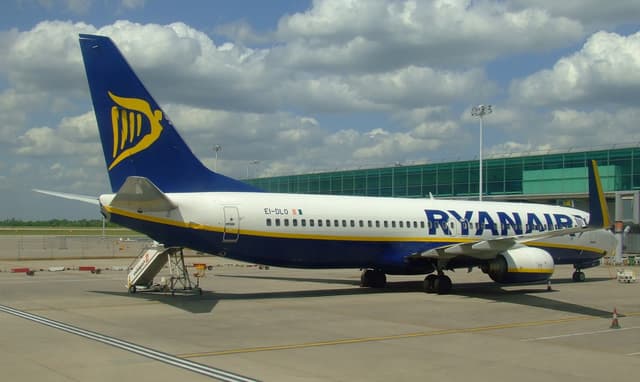
Ryanair, Europe’s largest airline, has teamed up with Google Cloud in a major five-year partnership. The deal, announced on 12 August 2026, brings advanced data and AI tools to the airline’s operations. ezstandalone.cmd.push(function () { ezstandalone.showAds(119); }); It aims to boost efficiency, strengthen systems, and support ambitious growth plans. Under the agreement, Ryanair will roll out Google Workspace and Google Cloud services to its 35,000 employees. This move backs the airline’s target of carrying 300 million passengers each year by 2034. ezstandalone.cmd.push(function () { ezstandalone.showAds(127); }); A key part of the package is Gemini Enterprise. This is Google Cloud’s agentic AI platform. It connects company data, automates workflows, and builds custom AI agents. How the AI Tools Support Operations Gemini Enterprise will play a central role in daily work. Teams can use it to automate decision-making and optimise flight crew logistics. It will also lift overall corporate productivity. ezstandalone.cmd.push(function () { ezstandalone.showAds(128); }); At the same time, the partnership creates a dual-cloud strategy. This adds an extra layer of infrastructure resilience for the growing airline. Ryanair CEO Eddie Wilson highlighted the importance of reliable systems. “Ryanair is on an incredible growth journey to 300 million passengers by 2034,” he said. ezstandalone.cmd.push(function () { ezstandalone.showAds(129); }); “To support this growth, we need to ensure we have excellent infrastructure resilience, and our new dual-cloud strategy provides this, alongside technology partners that match our speed and relentless focus on efficiency.” “With that, we’re pleased to partner with Google Cloud, putting Gemini Enterprise and Google Workspace in the hands of our teams, driving even greater efficiency across our business while bolstering our infrastructure resilience.” Google Cloud’s View on the Partnership Google Cloud also sees strong potential in the collaboration. Maureen Costello, Vice President for UK, Ireland and Sub-Saharan Africa at Google Cloud , commented on the fit with aviation needs. ezstandalone.cmd.push(function () { ezstandalone.showAds(130); }); “Aviation is an industry defined by precision, and Ryanair is a pioneer in operational execution,” she said. “We are thrilled to be Ryanair’s AI transformation partner.” “This agreement demonstrates how deploying generative AI at scale – coupled with modern collaboration tools for frontline workers – can help industry leaders scale securely, reduce operational costs, and redefine the travel experience.” Supporting Scale and Efficiency The partnership focuses on practical gains. Google Workspace will give staff modern tools for everyday collaboration. Meanwhile, the broader Google Cloud platform handles data and AI needs. ezstandalone.cmd.push(function () { ezstandalone.showAds(131); }); Together, these services help Ryanair manage complex operations more smoothly as passenger numbers rise. Flight crew logistics often involve tight schedules and last-minute changes. AI agents can analyse data quickly and suggest better options. Automated decision-making can speed up routine processes. This leaves human teams free to focus on higher-value tasks. The dual-cloud approach further protects systems against disruptions, which matters in a high-stakes industry like aviation. ezstandalone.cmd.push(function () { ezstandalone.showAds(132); }); Ryanair has built its success on low costs and high efficiency. Adding advanced AI and cloud tools aligns with that model. The airline can process more data, respond faster to operational needs, and keep costs under control while expanding. Looking Ahead This five-year deal marks a clear step in Ryanair’s technology journey. By putting Gemini Enterprise and Google Workspace into the hands of thousands of employees, the airline aims to work smarter at scale. The dual-cloud strategy adds resilience at the same time. As Ryanair pushes toward 300 million passengers a year, strong digital foundations will prove essential. The partnership with Google Cloud supplies both the AI capabilities and the collaboration tools needed for that growth. ezstandalone.cmd.push(function () { ezstandalone.showAds(133); }); It positions the airline to maintain its operational edge while handling higher volumes of flights and customers. In short, the agreement combines proven cloud infrastructure with modern AI. Ryanair gains practical tools for efficiency and resilience. Google Cloud partners with a leading airline ready to put those tools to work across a large European network. The result should support smoother operations for years to come. ezstandalone.cmd.push(function () { ezstandalone.showAds(134); });
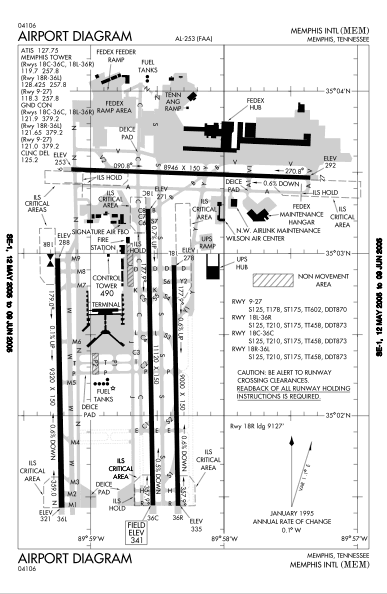
Memphis International Airport Renamed to Honor FedEx Founder Frederick W. Smith with New Significance
FedEx announced: On August 11, 2026, the Memphis community and FedEx team members worldwide came together to honor the legacy of the late FedEx founder Frederick W. Smith. In a dual tribute, the Memphis-Shelby County Airport Authority celebrated the renaming of the Memphis International Airport in his honor, coinciding with the inaugural FedEx FWS Day […]
The Daily Touch & Go
The day's best aviation news in your inbox. Free, no spam.