

Illustration: The Touch & Go
Airbus reveals new A350F test aircraft sporting unique parcel delivery livery
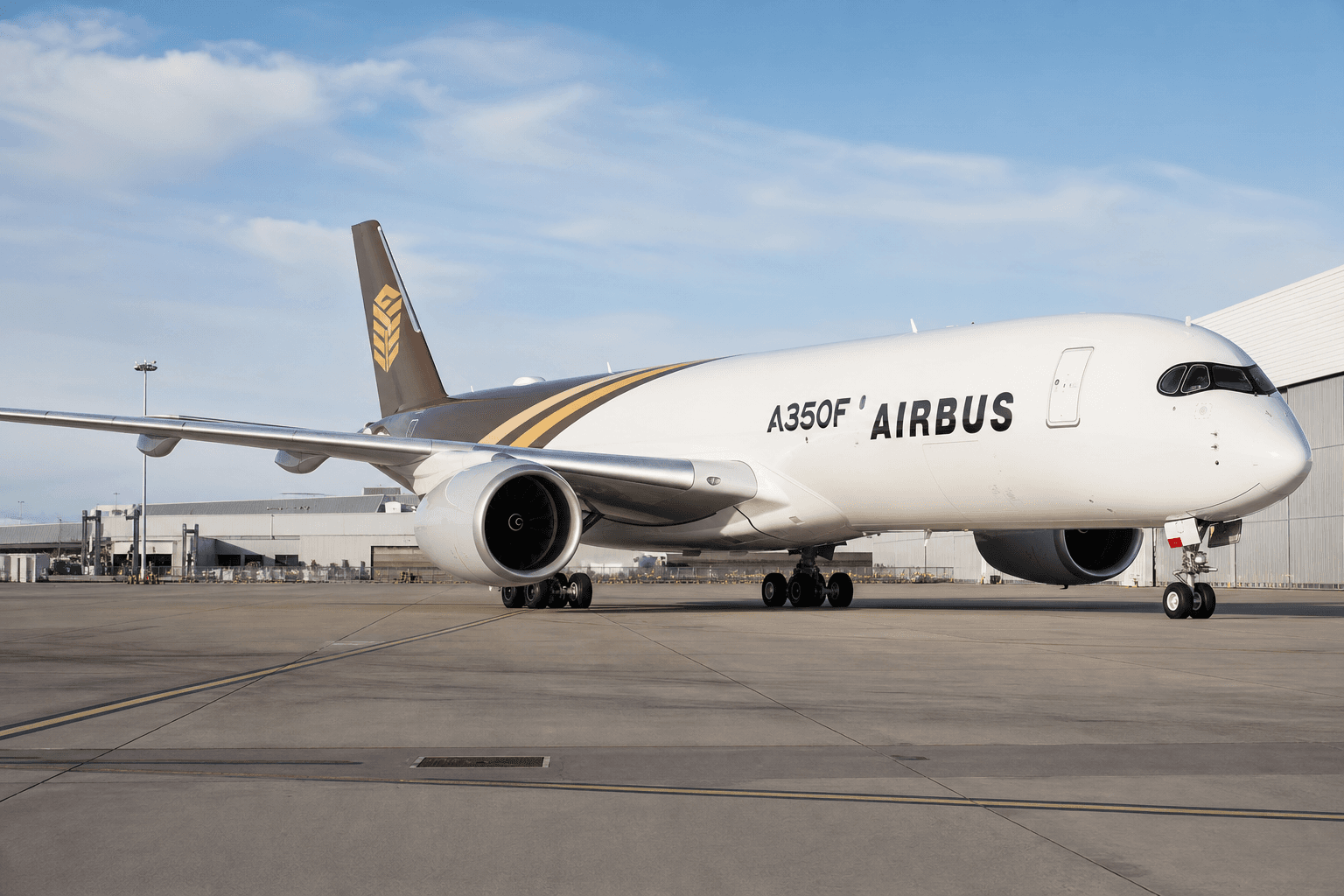
Airbus has unveiled its A350F freighter test aircraft marked by a distinctive parcel-themed paint scheme, selecting fuselage design after competitive evaluation.
The gist
The A350F freighter test plane debuts in eye-catching parcel-inspired colors following a fuselage design competition.
Airbus has taken a significant step forward in its development of the A350F freighter with the debut of a dedicated test aircraft adorned in an innovative parcel delivery livery. This new paint scheme signals the program’s focus on cargo operations and is a break from the traditional airline liveries associated with the type’s passenger variants. The test aircraft will likely be used extensively to validate the design and performance aspects integral to the freighter’s commercial success.
The A350F program has undergone a rigorous phase of design selection, with Airbus reportedly conducting a competition to determine the optimal fuselage configuration tailored to freighter operations. This process would have involved analyzing different structural layouts to maximize payload capacity, cargo volume, and operational efficiency on key routes. The choice of fuselage design is critical to ensuring the A350F can meet the demands of modern freight carriers while leveraging the efficiencies inherent in the A350 family.
This aircraft builds upon the proven technology and aerodynamic advantages of the A350 passenger models but adapts key elements to suit cargo missions. The freighter’s design adjustments typically include a reinforced floor, an enlarged main deck cargo door, and optimized internal arrangements to facilitate containerized freight loads. These modifications are necessary to compete effectively in the growing air freight market, especially on long-haul routes where the A350’s range and fuel efficiency give it an edge.
Airbus’ decision to publicly showcase a test aircraft rather than keep the program entirely behind closed doors demonstrates confidence in the progress made. The distinctive parcel-inspired livery serves a dual purpose: it signals to potential customers the aircraft’s dedicated freight role, and it generates early brand recognition in a sector where aircraft appearance usually conveys purpose and operator identity. The bold paint scheme is likely tailored to appeal to major integrators and parcel carriers.
As the A350F moves through flight testing, the data collected will be critical for certifying the aircraft under cargo operational standards. Flight test activities typically encompass a wide range of assessments including structural integrity under full payload, engine performance in freight configurations, and handling characteristics with altered weight distributions compared to passenger flights. Successful completion will pave the way for entry into service and customer deliveries.
The introduction of the A350F comes as the air cargo industry experiences strong demand growth fueled by e-commerce and global supply chain expansion. Existing routes serviced by freighters often require large payloads with extended range, criteria the A350F aims to satisfy without the operational limitations or efficiency penalties of older freighter models. Airbus seeks to position the new freighter as a next-generation solution for integrators and cargo airlines upgrading their fleets.
Prior to the A350F’s announcement, the freighter market has been dominated by converted passenger aircraft or older freighter types with less fuel-efficient engines. The A350F promises operator cost savings, improved reliability, and reduced emissions, aligning with broader aerospace industry trends focused on sustainability and operational excellence. The program also reflects Airbus’ strategic push into cargo, challenging Boeing’s 777F and 747-8F models in this segment.
By selecting the fuselage design after a competition, Airbus has demonstrated a commitment to optimizing cargo capacity alongside structural and aerodynamic efficiency. Such a competitive process often results in superior performance outcomes, ensuring the aircraft meets stringent certification criteria and commercial requirements. The test aircraft’s flight evaluations will further verify design choices under real-world conditions, an essential step before production ramp-up.
The A350F’s development and unveiling of the parcel-branded test plane mark a milestone for Airbus’ freight ambitions. It will be closely observed by cargo carriers and integrators as a potential new mainstay in their fleets. Continued testing and eventual certification will be key indicators of the program’s trajectory and its ability to satisfy the evolving demands of air cargo logistics.
Frequently asked questions
- What is distinctive about the A350F test aircraft’s appearance?
- The A350F test aircraft features a unique parcel delivery-themed paint scheme that highlights its dedicated cargo role and differs from typical passenger liveries.
- How was the fuselage design for the A350F selected?
- Airbus chose the fuselage design for the A350F after conducting a competition to determine the optimal configuration for freighter operations.
- Why is Airbus developing the A350F freighter variant?
- To meet growing demand in the air cargo sector by offering a fuel-efficient, long-range freighter with improved payload capacity, supporting the needs of integrators and cargo airlines.
Read more
All Cargo →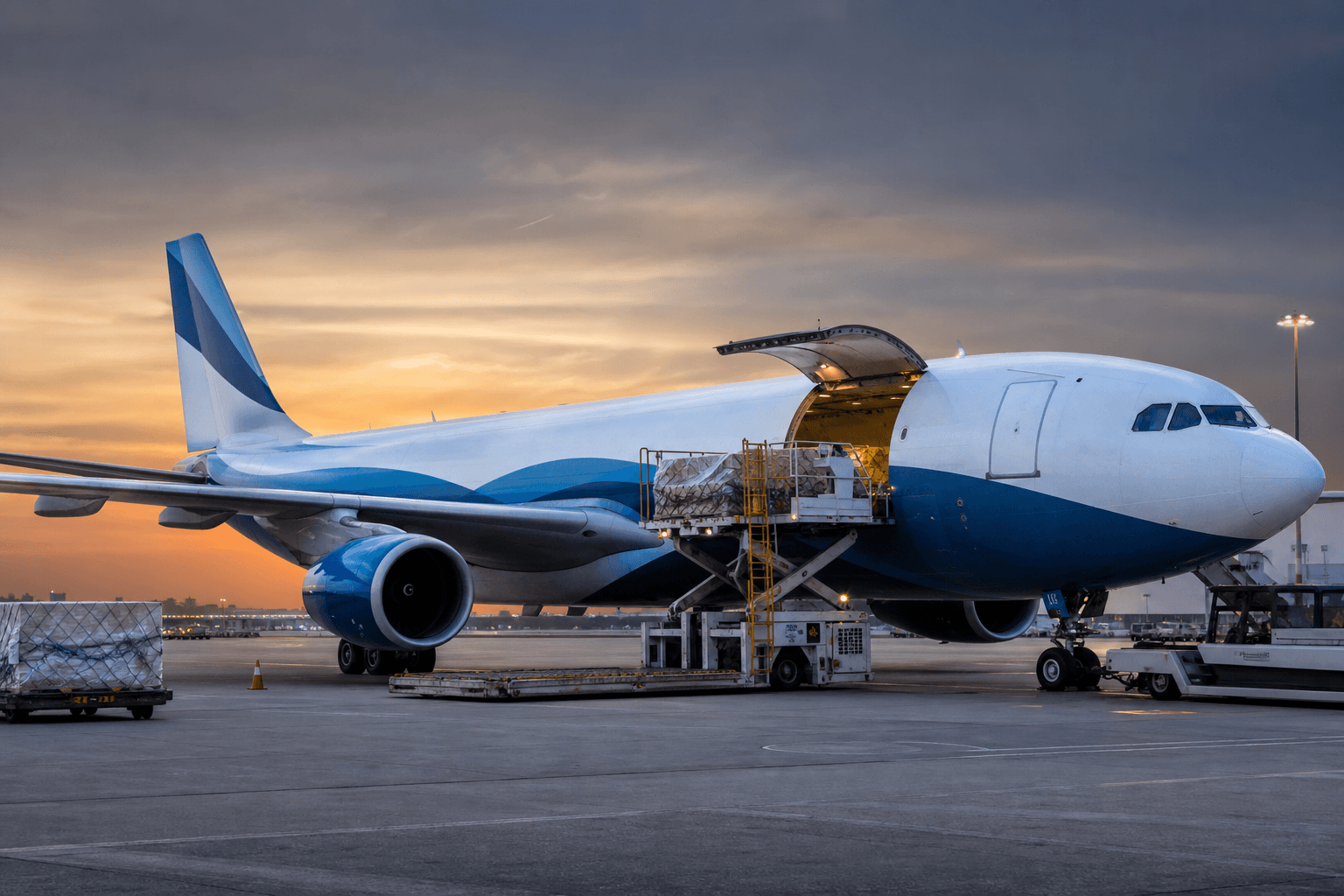
Airbus A330 Emerges as Quiet Successor to Boeing 767 on Cargo Routes
For decades, the Boeing 767 has been one of the defining aircraft of the global air cargo industry. It has become the backbone of fleets operated by dedicated cargo carriers, freight specialists, and airlines that found new life for aging passenger aircraft through passenger-to-freighter conversions. Its combination of payload, range, operating economics, and widespread availability made it the obvious solution for operators seeking a medium-capacity widebody freighter.

National Airlines Expands Fleet with New GE90 and CF6 Engines for Boeing Freighters
GE Aerospace (NYSE: GE) announced on July 23, 2026 that National Airlines has committed to purchase one GE90-110B and six CF6-80C2 engines to power their Boeing 777F/747F cargo airplanes. The GE90 engine family powers all Boeing 777 models and is the exclusive powerplant on the 777-300ER, -200LR, and Freighter. The GE90 engine features several technology […]
Airbus Builds A321XLR Wings in UK and Final Assembly in Germany Across Four Nations
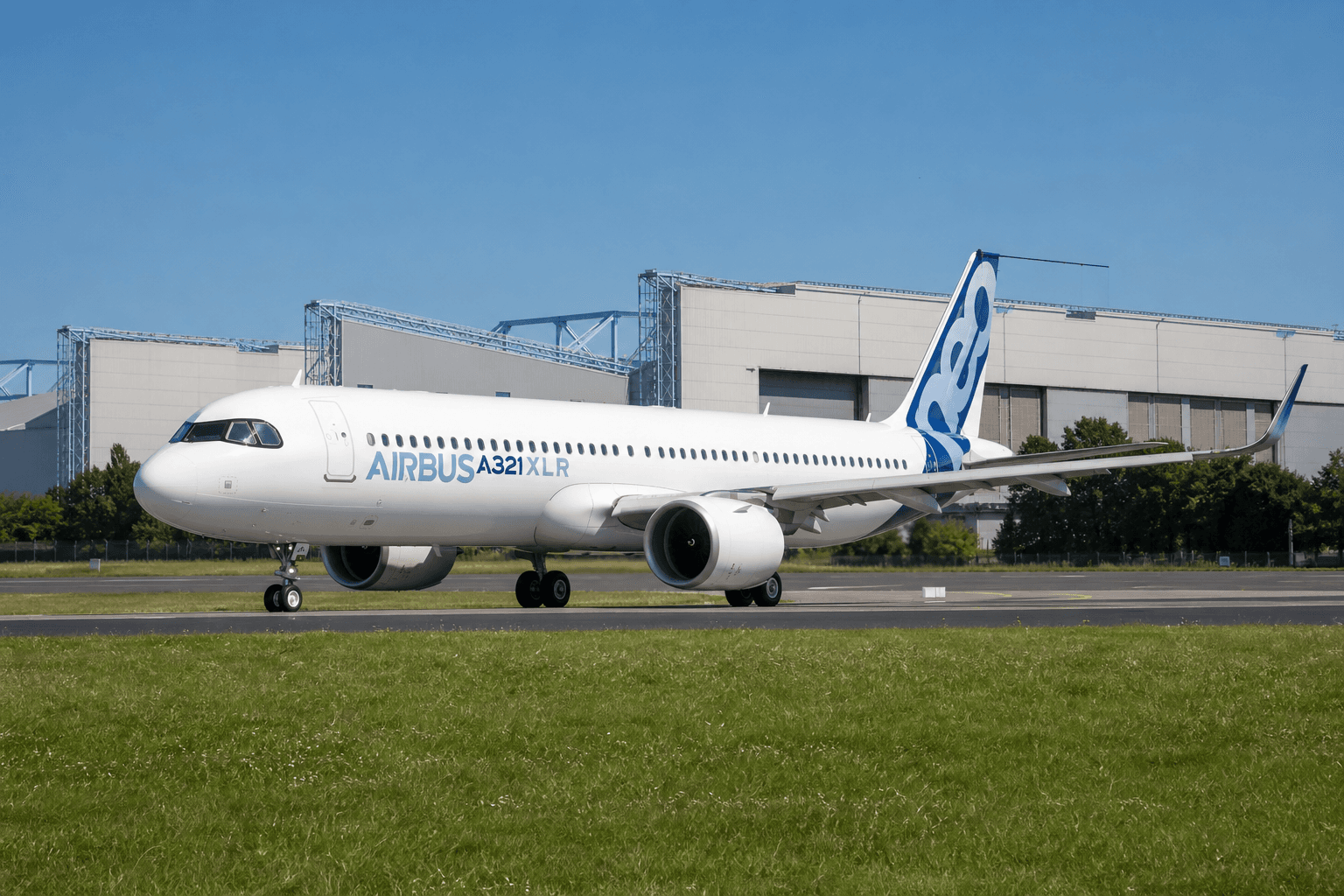
The Airbus A321XLR is built across four countries before it flies. Its wings are manufactured in North Wales, its forward fuselage in western France, its rear fuselage and Rear Center Tank in northern Germany, and its tail in central Spain. The components travel between facilities by road, barge, and a fleet of purpose-built Beluga cargo aircraft before arriving in Hamburg for final assembly.
Airbus Forecasts Doubling of Air Passengers by 2045 Led by Urban Growth and Aircraft Efficiency
Urbanisation, rising GDP, and more efficient aircraft are set to drive robust long-term demand for air travel, according to Airbus’ latest Global Market Forecast (GMF) for 2026-2045. As populations shift and economies grow, air travel is evolving. ezstandalone.cmd.push(function () { ezstandalone.showAds(119); }); Urbanisation is no longer limited to megacities. Instead, smaller urban centres are expanding rapidly—nearly three times faster than larger ones. This shift, combined with a growing middle class and increasing diaspora communities, is creating new opportunities for direct flights between smaller city pairs. Efficient aircraft are making these routes economically viable. Modern planes can now connect cities that were previously too costly or distant to serve profitably. ezstandalone.cmd.push(function () { ezstandalone.showAds(127); }); Examples include routes like Riga to Tenerife or Melbourne to Alice Springs, which the A220 already handles effectively. Newer models with greater range are opening even more possibilities, such as Lisbon-Recife on the A321neo, Dublin-Nashville with the A321XLR, Algiers-Kuala Lumpur via the A330neo, and Taipei-Phoenix on the A350. ezstandalone.cmd.push(function () { ezstandalone.showAds(128); }); Photo Credit: Airbus Airbus Product Line Matches Market Needs Airbus’ strong order book of around 9,000 aircraft reflects this market demand. The company is ramping up production across its range, from the A220 to the A350, with the A320 Family reaching a rate of 75 aircraft per month. Notably, more than 70% of the A320 backlog consists of the larger A321neo and A321XLR variants—ideal for new, thinner routes. Wider-body aircraft like the A330neo serve high-capacity routes, while the A350 handles ultra-long-haul flights and is proving popular in the cargo segment with its freighter version. ezstandalone.cmd.push(function () { ezstandalone.showAds(129); }); Aviation plays a vital role beyond passengers. It transports high-value goods quickly to market and connects people for business, leisure, family visits, and more. For many communities, it serves as an essential economic lifeline. Resilient Passenger Growth Forecast Global air traffic continues to show strong resilience. The number of people in the middle class—the group most likely to fly—is expected to rise by 1.4 billion (+34%) by 2045. Airbus forecasts annual passenger traffic growth of 3.9% over the next 20 years, driven by global GDP growth of 2.6%, an additional 1.3 billion urban dwellers, and expanding middle classes. As a result, annual passenger numbers are projected to more than double, reaching around 10 billion by 2045. ezstandalone.cmd.push(function () { ezstandalone.showAds(130); }); Short-term challenges such as regional conflicts or high fuel prices have not weakened long-term demand, consistent with historical patterns. Growth is particularly strong in the Asia-Pacific region, with dynamic economies in India, Vietnam, Indonesia, and Malaysia leading the way. International migration and visiting friends and relatives (VFR) travel are also boosting international routes. Photo Credit: IATA Strong Demand for New, Efficient Aircraft To meet this growth and replace older planes, the world will need 42,060 new aircraft over the next 20 years. This includes 19,820 replacements and 22,240 for expansion. Single-aisle aircraft will account for 81% of deliveries, with widebodies making up the remaining 19%. These new-generation planes offer better cost efficiency and lower CO₂ emissions. ezstandalone.cmd.push(function () { ezstandalone.showAds(131); }); Fleet renewal is accelerating after COVID-19, as older aircraft are retired faster. By 2045, Airbus expects nearly 100% of the global fleet to consist of new-generation aircraft. This is up from about 39% in 2026. This transition supports profitable operations on both low-density routes and long-haul sectors while improving overall environmental performance. In summary, Airbus’ forecast highlights a decentralised, more connected future for aviation. Thanks to urbanisation trends, economic growth, and increasingly capable aircraft, air travel is poised to connect more people and places than ever before—driving economic benefits worldwide. ezstandalone.cmd.push(function () { ezstandalone.showAds(132); });
The Daily Touch & Go
The day's best aviation news in your inbox. Free, no spam.