
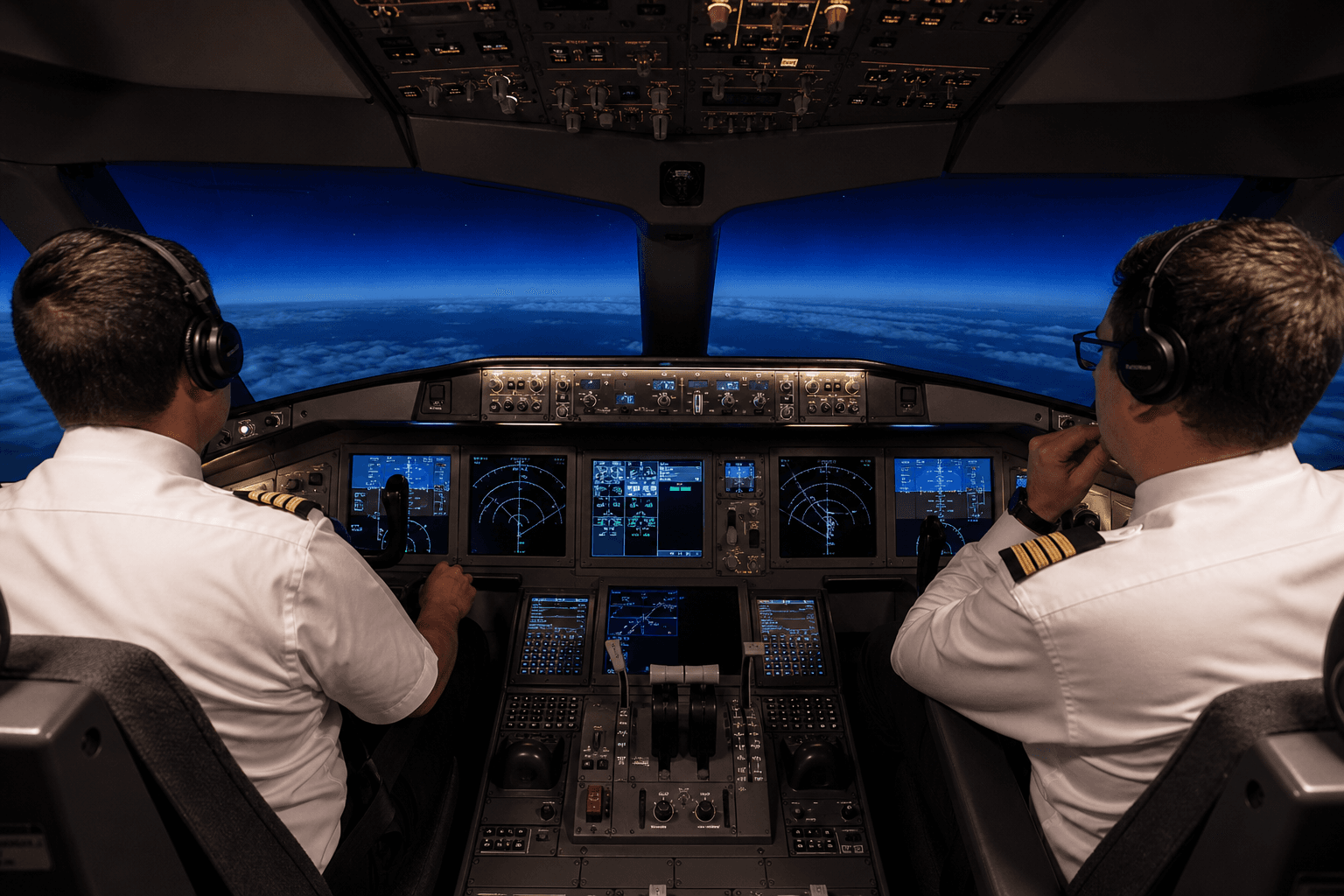
Illustration: The Touch & Go
Pilots Maintain Vigilance and Decision-Making Long After Autopilot Takes Control on Transatlantic Flights
Despite autopilot technology managing cruise phases, pilots actively monitor systems, make critical decisions, and handle communications throughout transatlantic flights.
The gist
Autopilot handles flying, but pilots remain alert, scanning instruments, managing disruptions, and logging flight data on transatlantic journeys.
Transatlantic flights rely heavily on advanced autopilot systems that manage much of the cruising phase, but pilots are far from idle once these systems are engaged. Rather than simply supervising passively, flight crews continuously perform multiple critical tasks to ensure safety, compliance, and optimal performance during the long stretches of automated flight. Understanding these responsibilities highlights why human oversight remains indispensable for modern aviation.
Autopilot functions as a sophisticated tool that follows preprogrammed flight parameters entered by pilots before and during flight. This includes maintaining specific routes, altitudes, and speeds. However, the system’s limitations mean it cannot independently respond to real-time changes such as unexpected air traffic conflicts, weather deviations, or instructions from air traffic control without pilot intervention. Therefore, pilots must remain attentive to manage any required course adjustments or emergency maneuvers that automation alone cannot handle.
One fundamental duty for pilots during the cruise phase is active scanning both inside the cockpit and outside the aircraft. Pilots constantly monitor flight instruments to verify that all aircraft systems, including autopilot functions, operate correctly. This constant vigilance allows them to spot anomalies or malfunctions swiftly, which is critical since data discrepancies between pilots’ displays, though uncommon, can occur. Externally, pilots observe weather formations and other visual cues that help validate instrument readings or detect sensory errors, ensuring situational awareness especially during night or low-visibility conditions.
The need for human judgment comes sharply into focus when unexpected events arise mid-flight. For example, pilots must be prepared to assume manual control during traffic avoidance alerts generated by the aircraft’s Traffic Collision Avoidance System (TCAS). Similarly, they may need to change flight paths to avoid turbulence or adverse weather not foreseen during initial planning. Such operational decisions require careful communication with air traffic controllers and cannot be anticipated or programmed into autopilot systems beforehand.
Beyond handling immediate operational challenges, pilots are responsible for ongoing communication and procedural reporting throughout the flight. This includes providing updates at predetermined waypoints and logging vital flight data such as fuel consumption rates. These reports enable airlines to monitor aircraft performance and make adjustments for upcoming flight segments or future operations. Maintaining thorough documentation during flight supports both safety auditing and efficiency improvements within airline operations.
Modern flight operations still involve maintaining accurate flight logs and paperwork, though much of this is now digital. Pilots record details about any route deviations, system anomalies, or irregularities encountered during the flight. Post-flight reviews of these records become essential for operational analysis and training, helping flight crews reflect on critical incidents or unusual events without the pressures present during active duty.
Keeping abreast of changing geopolitical or airspace restrictions is another ongoing responsibility. While initial briefings cover known disruptions before departure, pilots continually assess updated information streams during flight. This preparation ensures prompt, informed responses to emerging challenges such as airspace closures or conflict zones that may necessitate re-routing or diversions, emphasizing the dynamic nature of in-flight management beyond autopilot capabilities.
The continuous presence of skilled human pilots throughout transatlantic flights balances the strengths of automation with the flexibility of expert judgment. Their integrated role in scanning, decision-making, communication, documentation, and contingency planning ensures the safety and efficiency of long-haul operations under varying conditions and unforeseen developments.
Read more
All Airlines →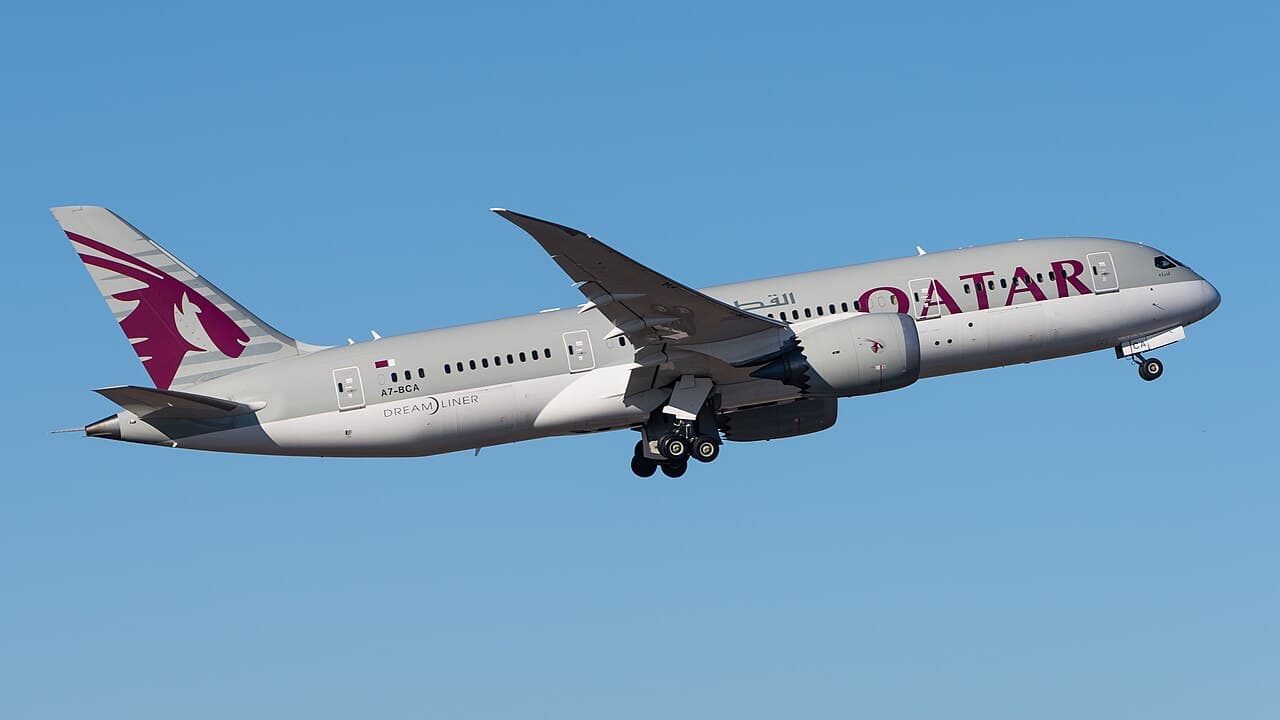
Norse Atlantic Eyes Sale or Merger After IndiGo Leasing Deal Ends
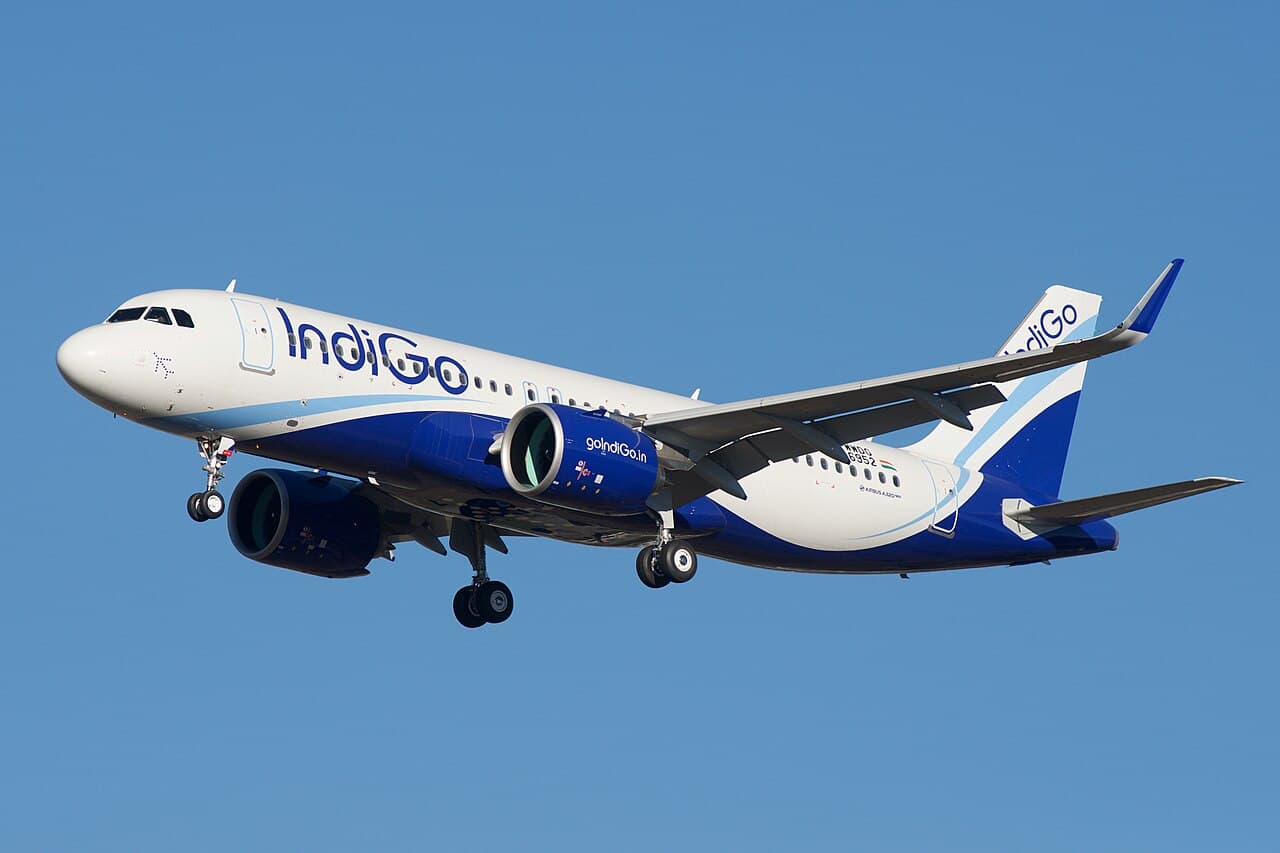
All-Boeing 787 airline Norse Atlantic Airways is pursuing a sale, merger, or partnership, as the airline has otherwise run out of viable options, after India's IndiGo pulled the plug on its aircraft leasing agreement. To Norse Atlantic's credit, the airline sure is putting a positive spin on this . Is there any chance this will work out well for the airline, or is this overoptimism? Norse Atlantic gets back 787s, has nowhere to fly them The airline industry can be a funny business, and there's no clearer example of that than Norse Atlantic Airways. The airline launched in 2022 , with the goal of operating long haul, low cost flights, particularly across the Atlantic. That wasn't exactly a unique business model, because this was exactly what Norwegian did, before it discontinued long haul flights in 2021 . Not only was the idea sort of copied, but Norse Atlantic had some executives from Norwegian, and even picked up the planes that Norwegian previously flew. But as is all too common in the airline industry, clearly they thought it would be different this time around… it wasn't. So in 2024 we saw the airline update its business model , making the focus less about operating regularly scheduled commercial flights, and more about leasing out aircraft, all while reducing its fleet. The company got a lifeline when IndiGo decided to lease some Norse Atlantic 787s to dabble in long haul flying, ahead of the airline taking delivery of its own Airbus A350s . However, between all the airspace closures, high oil costs, and generally declining performance at IndiGo as the airline increasingly moves away from its core strengths, the airline has now decided to scrap that experiment. These planes will be returning to Norse Atlantic as of November 1, 2026. This means Norse Atlantic will be getting back five Dreamliners (beyond the one that has already been returned), just in time for the winter season… which isn't exactly the ideal time of year for a long haul, low cost airline to get more planes! So what's the plan? Norse Atlantic's IndiGo leases are coming to an end Norse Atlantic now open to basically any opportunity What does Norse Atlantic plan to do with these planes that are being returned? Well, let me just quote the airline. Here's what it had to say about fleet deployment: Norse is already engaged in discussions with several airlines regarding ACMI opportunities for up to five aircraft and expects to provide further updates in due course. Moreover, the Company intends to deploy part of the returning fleet within its own network for increased production on selected profitable routes during the upcoming winter season, such as flights from Europe to Orlando and New York. And here's the more interesting point, about a strategic update: The transition provides Norse Atlantic with greater fleet flexibility as the Company advances its strategic review. Given the level of interest received to date as part of the strategic review, the Board has decided to move forward with a formal process, which may result in a sale, merger or partnership. Further information will be provided as and when appropriate. I also can't help but point out this quote from Norse Atlantic CEO Eivind Roald: "The return of these six aircraft opens up strategic opportunities that were not available to us before. We are seeing strong demand for modern, fuel-efficient long-haul aircraft, and we also see attractive opportunities to deploy additional capacity within our own network. Our priority is to use this increased flexibility to improve profitability and create long-term value for our shareholders." Correct, when you run out of business opportunities, that does indeed open up strategic opportunities that were not available before! Now, I'm struggling to see where there's much upside here. Norse Atlantic leases its fleet of planes, so it's not like an "acquisition" of a company that barely has scheduled flights and that is struggling to lease out aircraft adds much value. If Norse Atlantic's own scheduled operations were anywhere close to profitable on a year-round basis, the airline wouldn't be in this situation. If someone wanted the planes, well… they could just do what Norse Atlantic did to Norwegian. Wait until the company goes out of business and the planes are returned to the leasing company, and then pick them up there. I'm not trying to be so flippant, I feel bad for the people who would be losing their jobs here. But we also have to be realistic that basically replicating a failed business model with the same planes and similar routes isn't a recipe for success. We've seen this over and over… just look at what we saw in Iceland with WOW Air and then PLAY Airlines. Norse Atlantic's top cabin is premium economy Bottom line Norse Atlantic is once again finding itself in a tough situation — well, even tougher situation, since I don't think it was ever in a good situation. For the past 18 months or so, the airline has been leasing out a majority of its active fleet to IndiGo, but those planes will be returned as of late 2026. While the airline claims it will try to redeploy the planes on profitable routes, that's easier said than done. It's also reportedly in talks to lease the planes to other airlines. The company is pursuing "strategic opportunities," which could include a sale, merger, or partnership, but the upside seems pretty limited when your planes are leased in the first place. How do you see this situation playing out for Norse Atlantic?
American Airlines' New DFW Schedule Yields Modest On-Time Departure Gains in Q2
The carrier's systemwide on-time rate climbed sharply in the second quarter, but its busiest hub improved only slightly and stayed near the bottom of the national rankings.
British Airways to Power Up to 63 A320neos with Pratt & Whitney Engines, Ending Long CFM Exclusivity
The United Kingdom's primary flag carrier, British Airways, has selected Pratt & Whitney's geared turbofan, or GTF engine to power up to 63 Airbus A320neo family aircraft, ending decades of exclusive reliance on CFM International engines for its Airbus narrowbody fleet. So in this video, we take a look at why the airline is introducing a second engine supplier for the first time on its A320neo family fleet, and what this decision says about how airlines are choosing engines in today's increasingly complex aviation market.
Emirates Crafts 8-Foot Arsenal Badge Sculpture from Retired A380 and 777 Parts
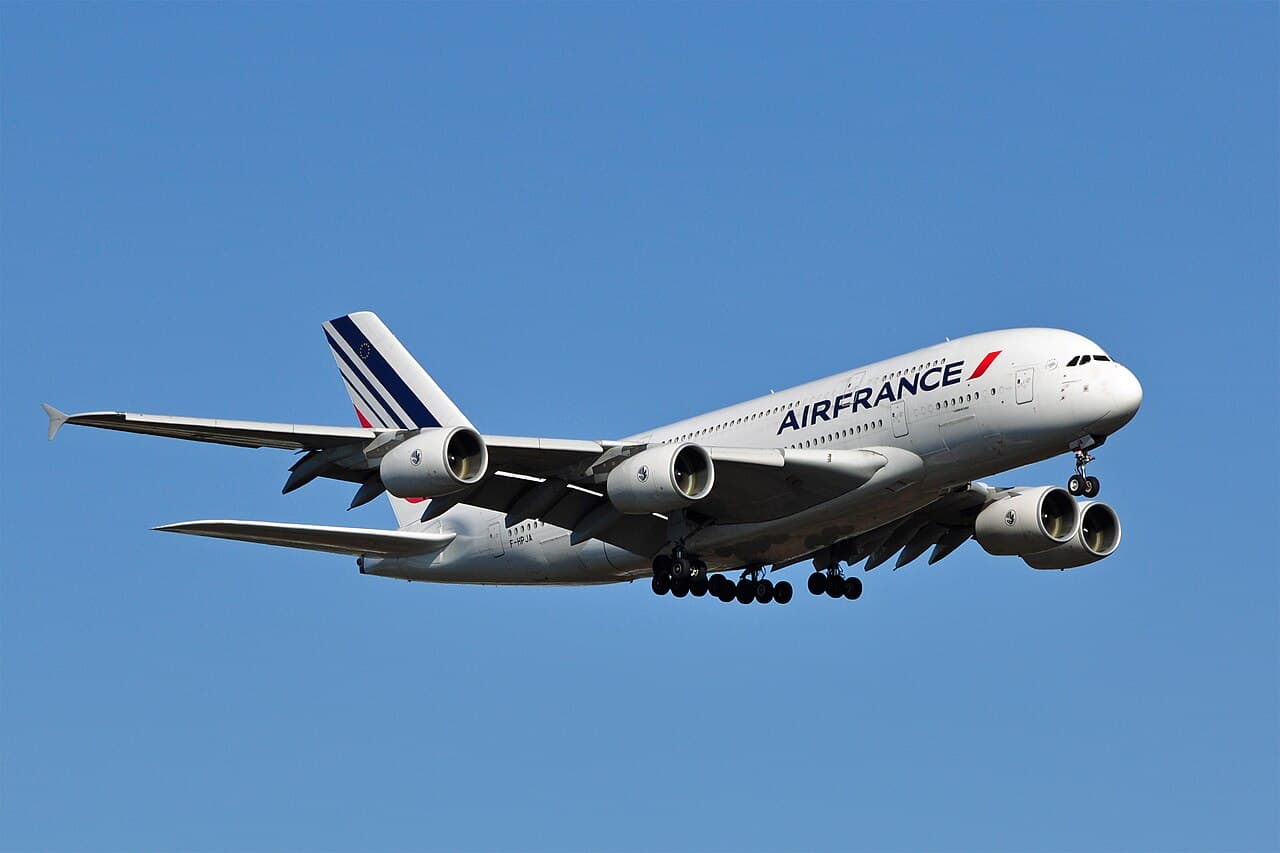
The partnership between Emirates and Arsenal FC is one of the most notable sports sponsorship deals of the 21st century. With The Gunners having won the Premier League title last season, and their cooperation with the Dubai-based UAE flag carrier having now lasted for some 20 years, Emirates is in a celebratory mood, which has manifested itself in the production of a 2.4-meter (eight feet) sculpture.
The Daily Touch & Go
The day's best aviation news in your inbox. Free, no spam.