Image: Julian Herzog ( Website ) · CC BY 4.0 · via Wikimedia Commons
Norse Atlantic Eyes Sale or Merger After IndiGo Leasing Deal Ends
Norse Atlantic Airways faces fleet returns and explores partnerships amid challenges in its low-cost long haul model.
The gist
Norse Atlantic pursues mergers or sales as IndiGo ends its 787 lease, returning six aircraft and stressing its business model.
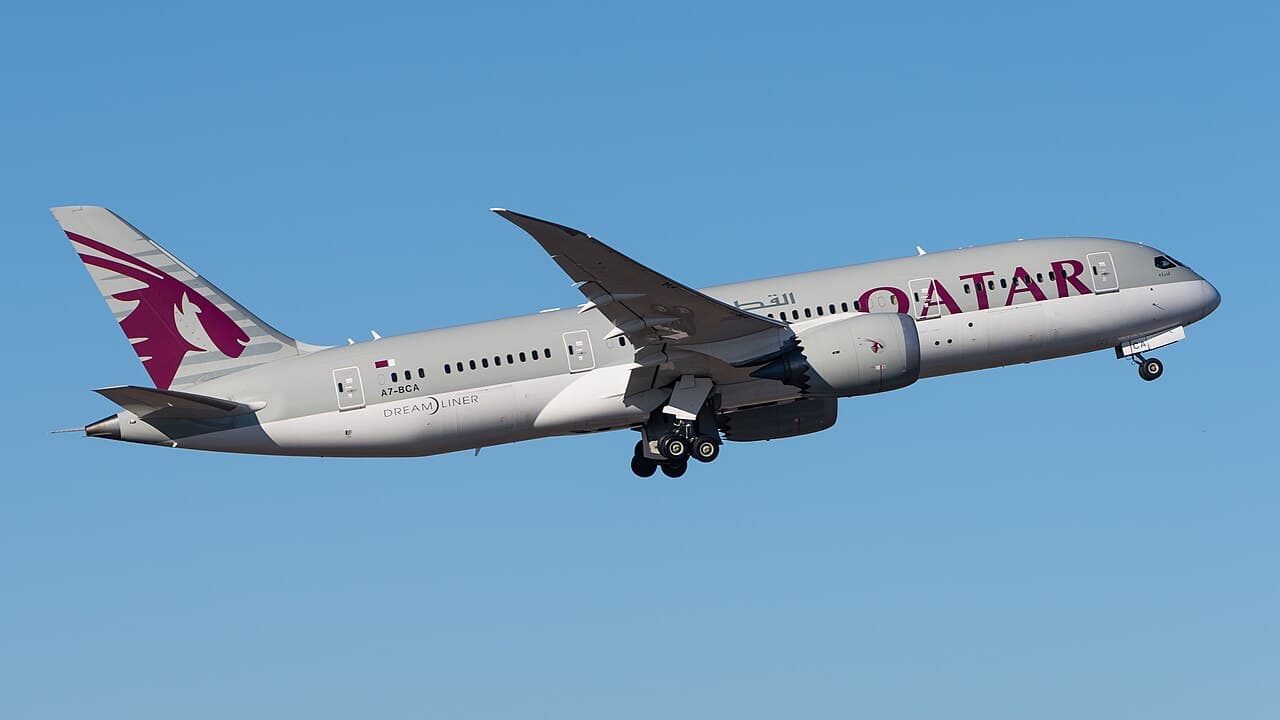
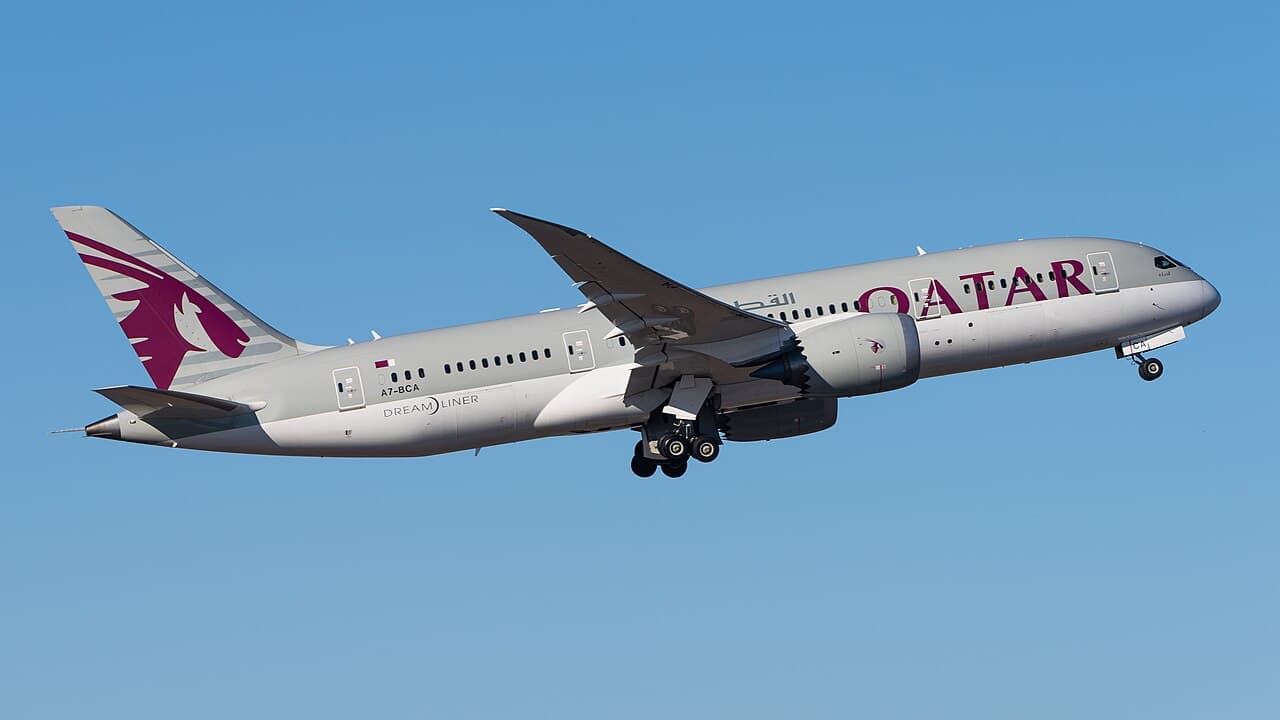
Norse Atlantic Airways, a low-cost carrier operating an all-Boeing 787 fleet, is actively seeking a sale, merger, or partnership following the collapse of a key leasing arrangement with IndiGo Airlines. IndiGo’s decision to terminate its lease agreement means Norse Atlantic will get back five Dreamliners in addition to one previously returned, totaling six aircraft scheduled to reintegrate into its fleet by November 1, 2026. This development comes as the airline grapples with operational difficulties and a shifting business model.
The airline launched in 2022 with aspirations to carve out a niche in the long haul, low-cost market, aiming to replicate the model Norwegian Air Shuttle attempted before ending long-haul services in 2021. Norse Atlantic even acquired Boeing 787s formerly operated by Norwegian and included executives from the defunct airline. Despite this continuity, Norse Atlantic found the market environment and operational challenges harsh, prompting strategic shifts within two years of launching.
By 2024, Norse Atlantic pivoted towards leasing out its aircraft as a primary revenue stream rather than focusing solely on scheduled passenger operations. Its partnership with IndiGo was a critical part of this strategy, as the Indian carrier leased Norse Atlantic’s 787s to trial long haul services ahead of taking delivery of its own Airbus A350 fleet. However, IndiGo's broader strategic retreat from long haul flying and challenging conditions such as high fuel prices and airspace closures forced it to cancel this experiment.
Norse Atlantic’s management is attempting to cast the return of the 787s in a positive light. The company stated it is engaged in talks with multiple airlines about providing ACMI (aircraft, crew, maintenance, and insurance) leases for up to five aircraft. Simultaneously, the airline plans to deploy part of the returning fleet on high-yield routes from Europe to destinations like Orlando and New York during the upcoming winter season, aiming to boost production on profitable services.
A formal strategic review is underway at Norse Atlantic, with the airline’s board of directors initiating a process that could culminate in a sale, merger, or partnership. CEO Eivind Roald described the situation as opening new strategic opportunities, emphasizing strong demand for modern, fuel-efficient long-haul aircraft. He highlighted the company’s priority to use the fleet flexibility to enhance profitability and create long-term shareholder value.
Despite optimistic industry framing, analysts and observers express skepticism about Norse Atlantic’s prospects given its repeated struggle to operate profitably. The model has historically shown difficulty sustaining itself, and recapitulating a failed approach with the same aircraft and routes appears risky. The recent return of leased aircraft coinciding with the low season for transatlantic flights adds to the operational challenge.
Furthermore, Norse Atlantic’s ownership of leased planes limits strategic upside in a potential sale or merger, as interested parties could acquire aircraft directly from leasing companies at lower risk. The situation echoes prior European ultra-low-cost transatlantic attempts such as WOW Air and PLAY Airlines, both of which succumbed to commercial difficulties despite initial promise.
The broader context includes intense competition on transatlantic routes, volatile fuel costs, and challenging market conditions that disadvantage carriers with thin margins on long haul operations. Norse Atlantic’s attempts to pivot towards leasing and select route optimization reflect a struggle to adapt to these realities while maintaining fleet utilization.
In sum, Norse Atlantic faces a precarious juncture with diminishing options and considerable risk. The forthcoming strategic review and possible transaction could significantly reshape the company’s future or mark a winding down of its ambitions. For now, the airline’s success depends on securing reliable ACMI contracts and efficiently redeploying its fleet amid a tough operating environment.
Frequently asked questions
- Why is Norse Atlantic getting its Boeing 787s back from IndiGo?
- IndiGo ended its aircraft leasing agreement with Norse Atlantic due to challenges such as airspace closures and high oil prices, returning the leased 787s by November 2026.
- What strategic options is Norse Atlantic considering after IndiGo's lease termination?
- Norse Atlantic is pursuing a sale, merger, or partnership as part of a formal strategic review to address its fleet and business challenges.
- How does Norse Atlantic plan to use the returned aircraft?
- The airline intends to deploy some of the returned 787s on profitable routes like Europe to Orlando and New York and is also discussing ACMI leasing opportunities with other carriers.
Read more
All Airlines →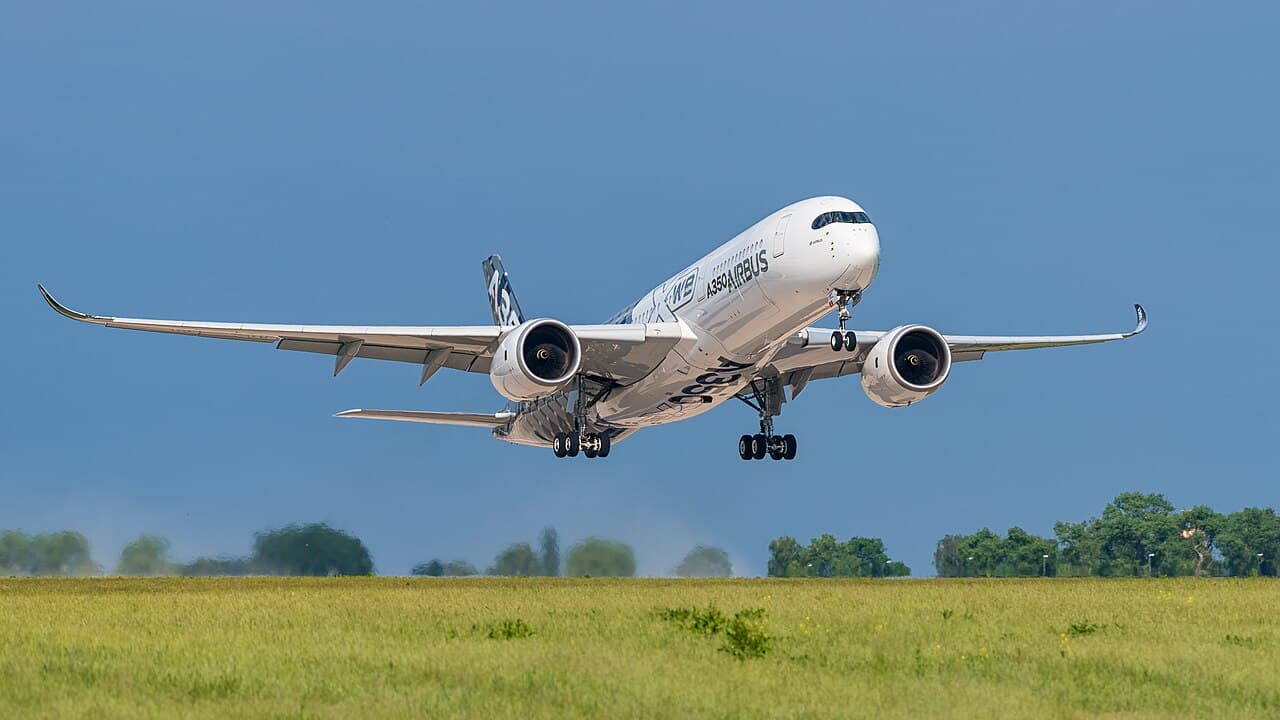
IndiGo Halts Leased Widebody Flights, Awaits Airbus A350 to Restart Long-Haul Service
India’s largest airline, IndiGo, will suspend its current wide-body flight operations from October 25, 2026, marking a temporary halt to its early long-haul experiments while it awaits delivery of its own Airbus A350-900 fleet. ezstandalone.cmd.push(function () { ezstandalone.showAds(119); }); The decision, announced on July 31, also ends the airline’s damp-lease (ACMI) agreement with Norway’s Norse Atlantic Airways. Under this arrangement, six Boeing 787-9 aircraft had been operating selected India-Europe routes since early 2025. IndiGo entered the partnership to accelerate learning in long-haul operations, develop crew and network capabilities, and establish brand presence ahead of its A350 arrivals, originally expected from 2027. ezstandalone.cmd.push(function () { ezstandalone.showAds(127); }); The leased Dreamliners enabled services to destinations including London Heathrow, Amsterdam, Manchester, and others. External Pressures Force ACMI Closure However, the operating environment deteriorated markedly. Airspace restrictions linked to Middle East geopolitical tensions forced longer routings, while elevated fuel prices, currency pressures, and rising costs eroded route efficiency, schedule reliability, and competitiveness. ezstandalone.cmd.push(function () { ezstandalone.showAds(128); }); As a result, Mumbai–Amsterdam flights will switch to IndiGo’s Airbus A321XLR narrowbodies from October 25. London Heathrow services will be temporarily discontinued until the A350-900s arrive. Photo Credit: IndiGo The airline has stressed that its broader international expansion plans remain intact, with continued growth via the A321XLR and eventual deployment of its 60 ordered A350s. IndiGo has pledged to support affected passengers through alternative arrangements or refunds. ezstandalone.cmd.push(function () { ezstandalone.showAds(129); }); From Norse Atlantic’s perspective, the parties mutually agreed to end the ACMI partnership effective November 1, 2026. One of the six 787-9s had already been scheduled for return at the end of August following IndiGo’s earlier closure of its Manchester route. The remaining five will now also be redelivered. Norse Atlantic Perspective Norse CEO Eivind Roald described the 18-month collaboration as valuable but noted that elevated fuel prices, airspace disruptions, and longer flight routings from the Middle East conflict had undermined commercial viability for both sides. ezstandalone.cmd.push(function () { ezstandalone.showAds(130); }); “We have jointly concluded that alternative deployment of the aircraft will be more commercially beneficial to both parties,” Roald said. The returned aircraft will give Norse greater flexibility. The carrier is in discussions with multiple airlines for new ACMI placements covering up to five jets and plans to deploy part of the fleet on profitable winter routes, including services from Europe to Orlando and New York. This capacity boost also supports Norse’s ongoing strategic review. Following interest from potential counterparties, the board has launched a formal process that could lead to a sale, merger, or strategic partnership, aiming to enhance long-term shareholder value. ezstandalone.cmd.push(function () { ezstandalone.showAds(131); }); Photo Credit: IndiGo Conclusion The episode highlights the challenges facing long-haul operators in a volatile geopolitical climate. For IndiGo, the pause represents a prudent short-term recalibration rather than a retreat from international ambitions. The airline built its success on a disciplined narrowbody model and views the A350 programme as the foundation for genuine long-haul growth. For Norse Atlantic, the end of a major ACMI contract that once covered half its fleet creates both near-term redeployment opportunities and strategic optionality. As IndiGo transitions its European network and prepares for its own widebodies, and as Norse seeks new partners or structural change, both carriers are adapting to an industry environment where flexibility and cost discipline have become essential. ezstandalone.cmd.push(function () { ezstandalone.showAds(132); }); The temporary cessation of IndiGo’s leased widebody flying underscores how external shocks can reshape even carefully planned expansion strategies, while reinforcing the airline’s long-term commitment to connecting India with the world.
Rolls-Royce Applies A330neo Engine Tech to Fix Boeing 787's Trent 1000 Issues
In an ironic twist of fate, the Boeing 787 Dreamliner foiled the market debut of the Airbus A330neo, yet in 2022, new turbine parts made for the European widebody finally resolved long-running engine trouble in the 787. The American-made next-gen jetliner caught Airbus off guard when it officially launched in 2004. But the engines on the facelifted Airbus have proven to be more reliable over the years. The Rolls-Royce Trent 7000 engines on the A330neo have logged over 1 million continuous engine flying hours with zero in-flight disruptions and nearly 100% dispatch reliability.
JetBlue Posts 14.5% Revenue Growth in Q2 2026, Reinstates Full-Year Outlook
JetBlue Airways reported robust second-quarter 2026 results on July 28, highlighting the early success of its JetForward transformation strategy despite elevated fuel prices. ezstandalone.cmd.push(function () { ezstandalone.showAds(119); }); The airline posted operating revenue of $2.7 billion, marking a 14.5% increase from the prior year, driven by strong customer demand and targeted commercial initiatives. Revenue per available seat mile (RASM) rose 10.9% year-over-year, landing near the upper end of the company’s revised guidance. ezstandalone.cmd.push(function () { ezstandalone.showAds(127); }); This performance reflects broad-based strength across premium and main cabin products. Premium RASM was up approximately 13% with main cabin RASM growing 11%. Capacity increased a modest 3.2% year-over-year, aligning with expectations. Fuel Costs Create Short-Term Pressure, But Recovery Exceeds Expectations Higher fuel prices significantly impacted profitability. JetBlue’s average fuel cost reached $4.23 per gallon in Q2, a 76% jump from the previous year. ezstandalone.cmd.push(function () { ezstandalone.showAds(128); }); This drove operating expenses higher, resulting in an operating loss of $141 million and a net loss of $247 million, or $0.66 per share. Despite the surge, the airline recaptured nearly 50% of the higher fuel costs—well above initial expectations of 30-40%. ezstandalone.cmd.push(function () { ezstandalone.showAds(129); }); Cost per available seat mile excluding fuel (CASM ex-fuel) rose only 2.4% year-over-year, beating the midpoint of guidance by 1.6 points. This disciplined cost management underscores JetBlue’s operational focus. Photo Credit: JetBlue JetForward Strategy Showing Tangible Progress Two years into JetForward, JetBlue has generated $470 million in cumulative incremental EBIT through June 2026. The company remains on track to deliver $850–$950 million in annual incremental EBIT benefits by the end of 2027, with expectations building to approximately $1.2 billion by 2028. ezstandalone.cmd.push(function () { ezstandalone.showAds(130); }); Key highlights include improved operational reliability, with A14 performance up about one point and Net Promoter Score rising five points year-over-year. In Fort Lauderdale, JetBlue achieved 11% RASM growth despite nearly 40% capacity expansion, capitalizing on market opportunities. Loyalty revenue grew 13%, fueled by strong co-brand card performance and new initiatives like ClarityPay for flexible payments. Premium experiences continue to win acclaim. Mint ranked highest in customer satisfaction among first/business passengers in the J.D. Power 2026 North America Airline Satisfaction Study for the second year running. ezstandalone.cmd.push(function () { ezstandalone.showAds(131); }); The BlueHouse lounge at JFK earned “Best Airport Lounge of 2026” honors, with Boston’s location opening soon. Upcoming enhancements include BlueFirst, the new domestic first-class product launching sales this fall, and expanded Blue Sky reciprocal loyalty benefits. Long-Term Confidence Reflecting momentum, JetBlue introduced a 2028 earnings per share target of at least $1.00, assuming sustained demand and average jet fuel prices of $3.00 per gallon. CEO Joanna Geraghty emphasized the strategy’s role in building a more profitable future. ezstandalone.cmd.push(function () { ezstandalone.showAds(132); }); “We’re encouraged by the progress we’re making,” Geraghty said. “Strong customer demand and decisive actions enabled us to recover fuel costs more quickly than anticipated.” Photo Credit: JetBlue Reinstated 2026 Outlook JetBlue reinstated its full-year 2026 guidance, supported by better visibility into the second half: Capacity (ASMs): 1.5%–3.5% year-over-year for FY; 3.0%–6.0% for Q3 RASM: 10.0%–12.5% for FY; 12.5%–16.5% for Q3 CASM ex-Fuel: 2.0%–4.0% for FY; 2.5%–4.5% for Q3 Adjusted Operating Margin: (2.0%)–(5.0%) for the full year Fuel Price: Approximately $3.49 per gallon Capital Expenditures: ~$850 million for the year ezstandalone.cmd.push(function () { ezstandalone.showAds(133); }); CFO Ursula Hurley noted expectations for second-half operating margin improvement of about 3.5 points year-over-year, supporting the path to sustained profitability. Strategic Positioning for Future Growth JetBlue continues investing in its East Coast leisure network, technology modernization, fuel efficiency, and AI-driven operations. President Marty St. George highlighted traction in commercial initiatives and network enhancements, including additional slots in New York. ezstandalone.cmd.push(function () { ezstandalone.showAds(134); }); As the airline advances JetForward, it aims to deliver greater value to customers and shareholders through reliable service, valued products, and a stronger financial foundation. With demand remaining resilient, JetBlue appears well-positioned to navigate near-term challenges and drive long-term earnings growth.
United Airlines CEO Claims Only Two Premium Airlines Will Last as Service Complaints Mount
United CEO Scott Kirby says only two premium airlines can exist, but passenger photos of broken tray tables, dirty seats, and a battered club sofa are not helping United's case. Also Avios devaluation risk, Singapore Airlines' new first class concierge trial, DFW's plan to buy the Hyatt Regency, and a useful Blacklane credit stack.
The Daily Touch & Go
The day's best aviation news in your inbox. Free, no spam.