

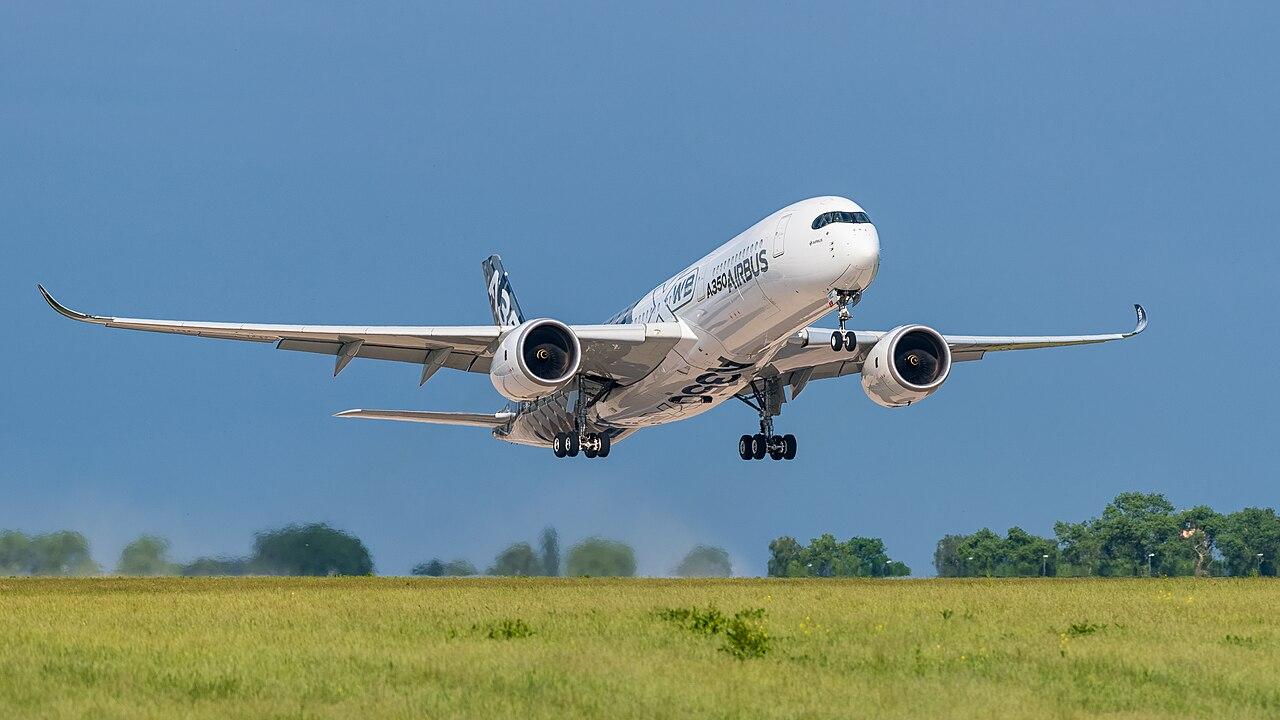
Image: Julian Herzog ( Website ) · CC BY 4.0 · via Wikimedia Commons
Inside an 18-Hour Singapore Airlines A350-900ULR Flight to New York JFK
Singapore Airlines' 18-19 hour ultra-long-haul A350-900ULR flights between Singapore and New York require a four-pilot crew managing complex operations and rest schedules.
The gist
Singapore Airlines' longest flight demands vigilant crews and specialized A350-900ULR aircraft for 18-hour nonstop journeys to JFK.
Singapore Airlines operates one of the world’s longest ultra-long-haul flights, ferrying passengers nonstop on the Airbus A350-900ULR between Singapore Changi Airport (SIN) and New York John F. Kennedy International Airport (JFK). Covering approximately 9,537 miles (15,348 kilometers), these flights remain airborne for an incredible 18 to 19 hours. This duration imposes strict operational and physiological demands on the flight crew and the aircraft alike.
Due to the extended flight time exceeding the legal duty limits for a two-pilot crew, four pilots are assigned onboard. This expanded crew allows for scheduled rest periods of up to four hours and 2.5 hours, enabling crew members to remain alert during their watch. Each pilot’s role involves much more than safely monitoring an autopilot system; the ultra-long-haul flight environment requires constant vigilance over multiple flight systems, environmental factors, and traffic management.
During takeoff and landing, a high workload phase of flight, all four pilots are present in the cockpit to share responsibilities and ensure safety. The flight profile then segments pilot duties: initial cruise sees primary pilots managing navigation, fuel levels, weather, and communication, while reserve pilots rest. Mid-cruise, pilots swap roles, with rest shifts interspersed to maintain alertness.
Approximately four rest periods are staggered throughout the flight, with pilots utilizing onboard rest areas designed specifically for crew comfort and privacy. These rest compartments are located behind dedicated security doors and feature bunk beds separated by curtains, allowing pilots to sleep, read, or relax away from the cockpit. This planning is crucial because the thinner air and steady dehydration of high-altitude flight increase physical demands on the crew.
The A350-900ULR itself is a bespoke version of the A350 family, optimized for range and efficiency. It features enhancements such as larger fuel capacity—up to 44,000 U.S. gallons (166,488 liters)—and a maximum takeoff weight of 617,300 pounds (280,000 kilograms). Powered by two Rolls-Royce Trent XWB-84 engines delivering 84,190 pounds of thrust each, the aircraft achieves a maximum range near 9,700 nautical miles (17,964 kilometers) and can fly for up to 20 hours under ideal conditions.
Singapore Airlines’ use of the A350-900ULR on this route illustrates the balance of advanced engineering and crew resource management required for ultra-long-haul operations. While other ultra-long-haul services like Qantas’ forthcoming Project Sunrise flights from London to Sydney will extend flight durations beyond 22 hours with the A350-1000ULR, Singapore’s current operations remain a benchmark in sustained global air travel.
These long-range capabilities also involve continuous monitoring of multiple critical systems during flight: six fuel tanks, engine parameters, multiple radar systems, and communication across various air traffic control regions, including oceanic procedures. Pilots must also remain ready for alternate airports within a 1,500-mile perimeter, underscoring the complexity of operating in largely remote airspaces safely.
The Singapore-New York route’s flight strategy combines phases of high workload with planned rest intervals, meticulous equipment monitoring, and extensive use of aircraft performance capabilities. This synthesis ensures passengers experience uninterrupted service on the world’s longest nonstop international flights while maintaining stringent safety standards.
As ultra-long-haul operations evolve, airlines are integrating crew management protocols and aircraft modifications to maximize efficiency and safety. Singapore Airlines’ execution of the SIN-JFK route with the A350-900ULR remains a pioneering model for the demanding task of connecting distant city pairs nonstop.
Originally reported by Simple Flying
Read more
All Airports →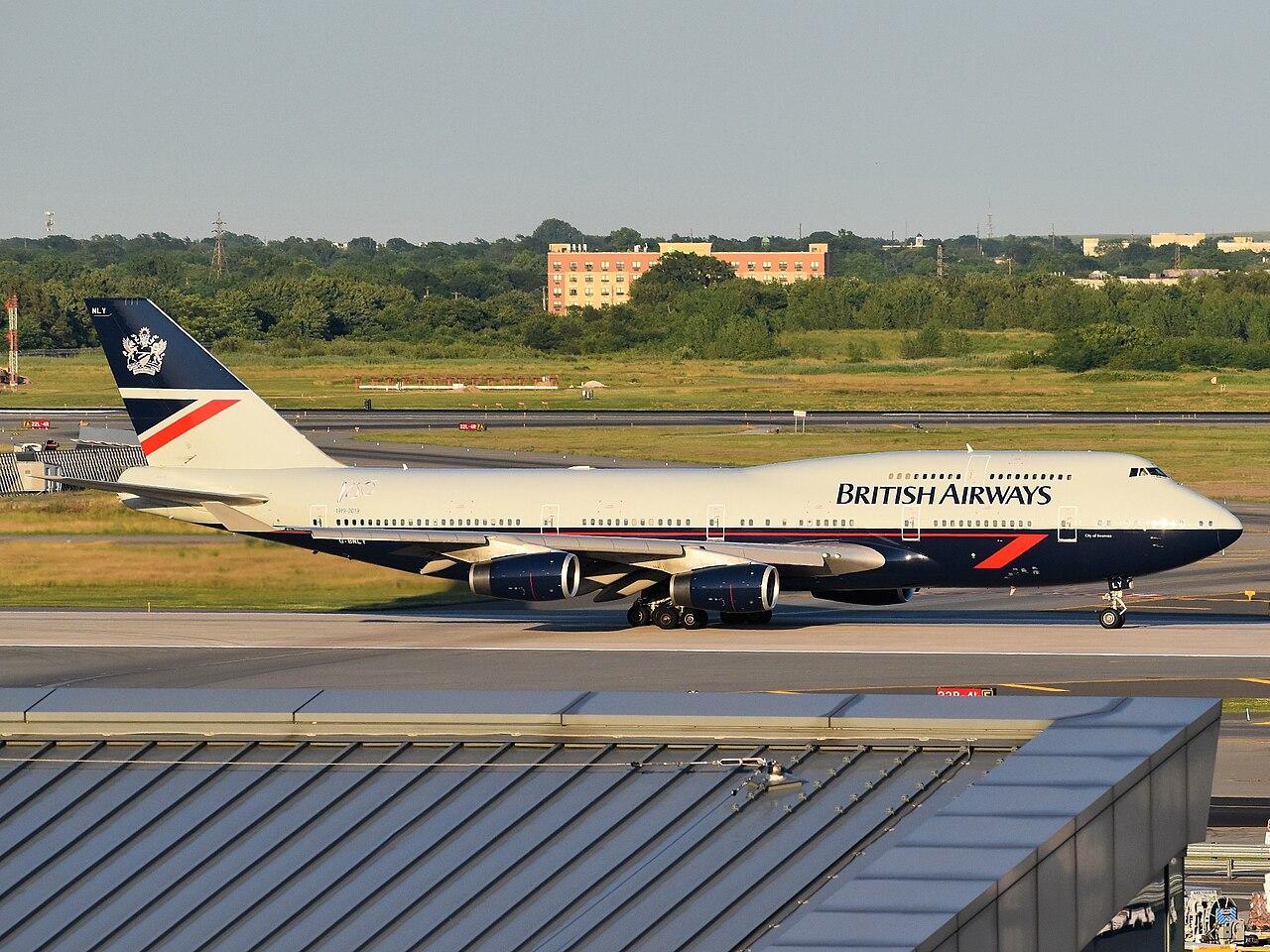
IAG launches new media firm offering brands access to 122 million travelers annually
International Airlines Group introduces IAG Media to unify advertising across its airlines, targeting diverse traveler audiences through digital and onboard channels.
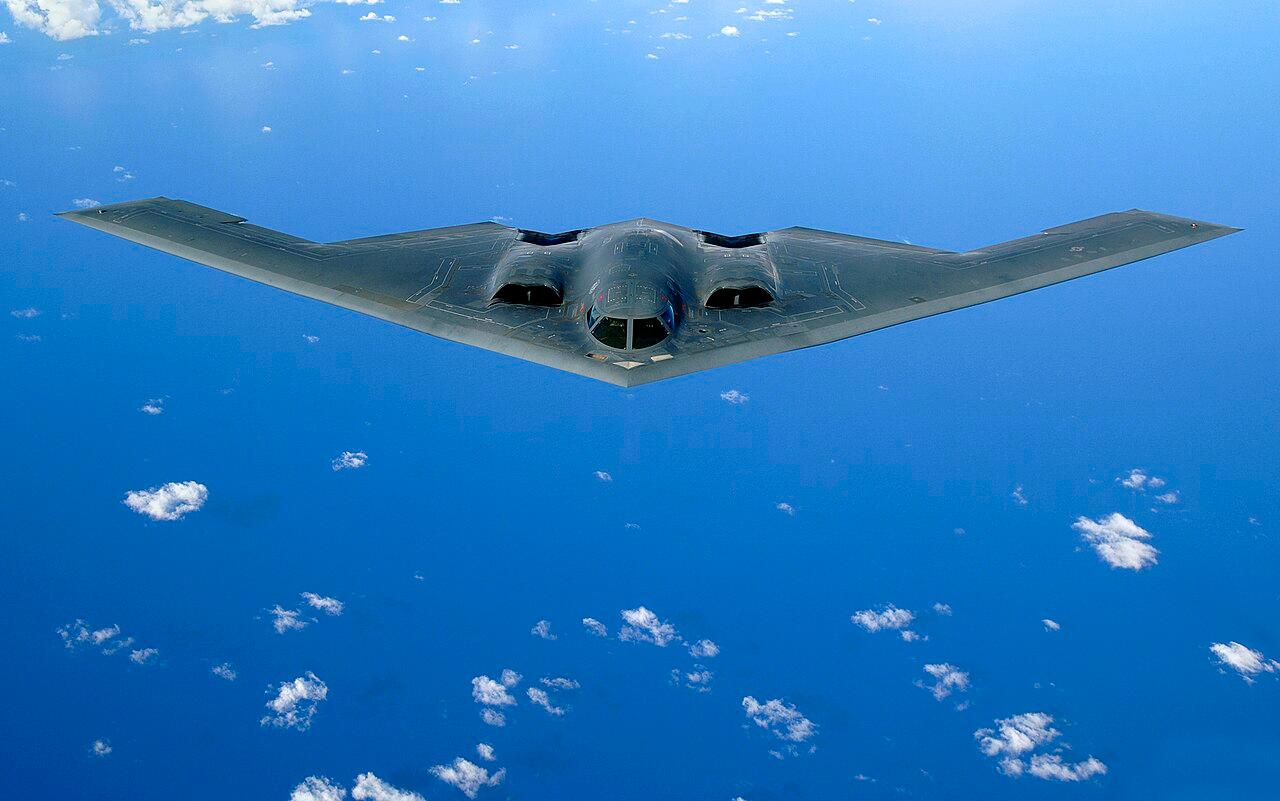
Northrop B-2 Spirit Bomber Balances Stealth and Subsonic Speed for Global Reach
The B-2 Spirit combines a flying wing design with stealth features and high subsonic speed to achieve intercontinental strike missions with precision payloads.
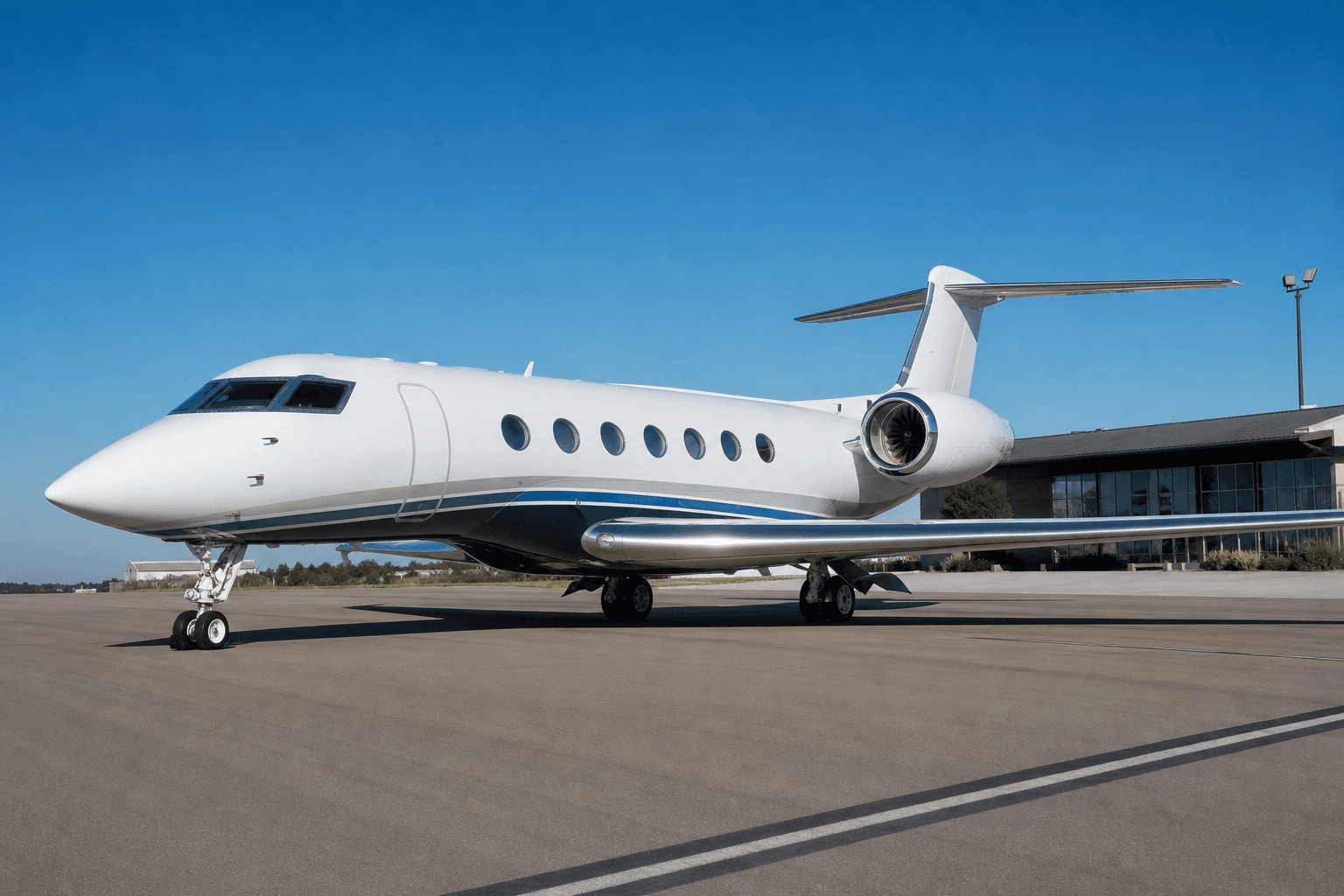
FlyExclusive Expands Fleet and Services by Integrating Fly Alliance Aircraft
FlyExclusive announces a strategic agreement to provide flight operations, management, and maintenance services for Fly Alliance's fleet, enhancing long-range and large-cabin offerings while maintaining Fly Alliance's brand identity.
FAA Ground Stop Sparks Confusion as Leadership Seeks $50 Billion for Modernization
Transportation Secretary Duffy and Homeland Security Secretary Mullin held a press briefing after the longest nationwide flight ground stop since 9/11, citing outdated infrastructure and conflicting causes while requesting major funding.
The Daily Touch & Go
The day's best aviation news in your inbox. Free, no spam.