

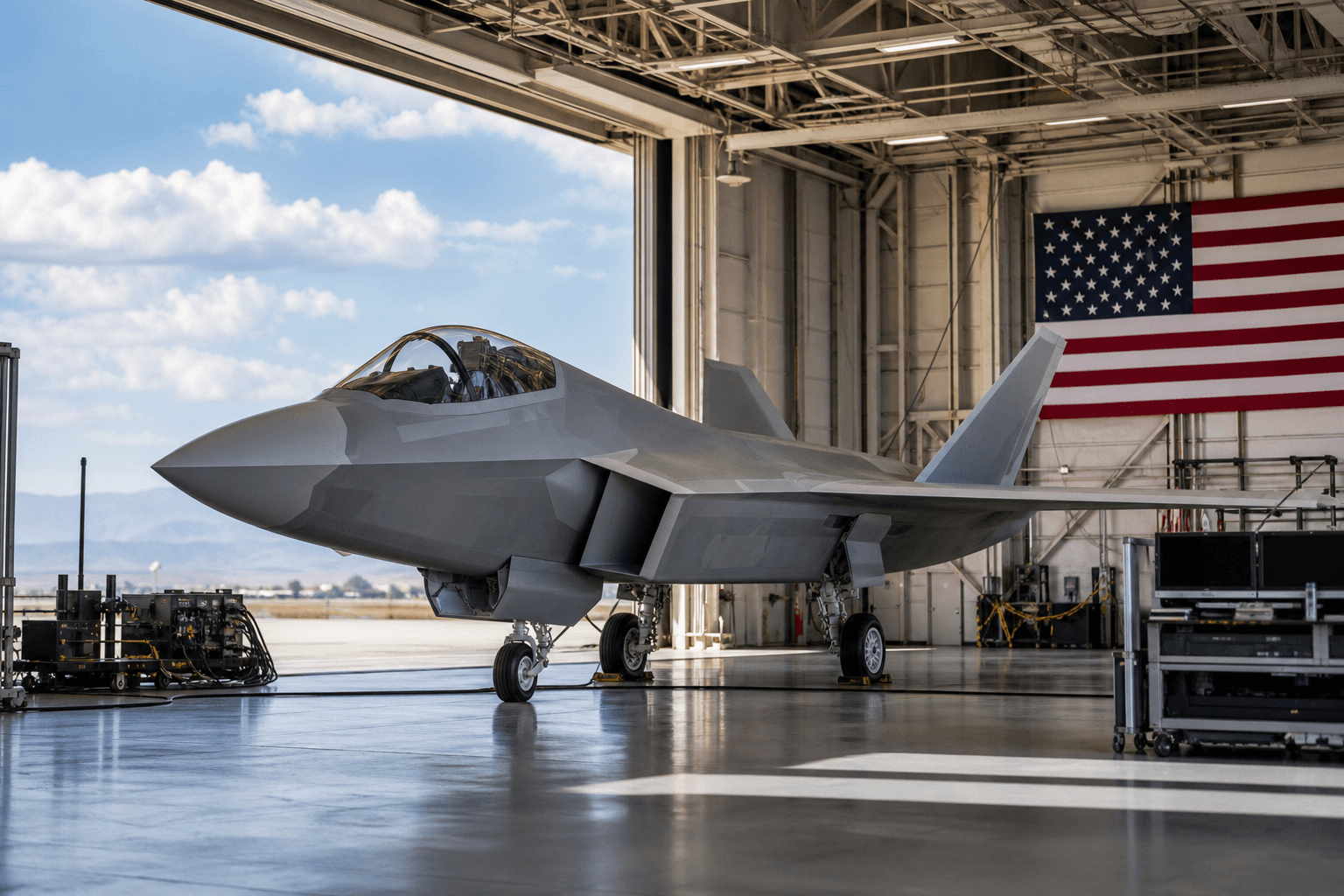
Illustration: The Touch & Go
US Remains One of Few Nations Capable of Solo 6th-Generation Fighter Development
The United States stands alongside China as one of the few countries with the industrial capacity and financing to independently develop advanced 6th-generation fighter aircraft.
The gist
Only the US and China have the resources to develop 6th-gen fighters without international partners.
The United States continues to be a leader in advancing next-generation fighter technology, maintaining capabilities that few other nations can match. Current analyses highlight that only the US and China possess the industrial infrastructure and sufficient funding required to independently develop a fully-fledged 6th-generation fighter aircraft. This distinguishes them from other countries, which often rely on partnerships to share costs and expertise in developing such complex military platforms.
Developing a 6th-generation fighter involves overcoming extensive technological challenges, including innovations in stealth, propulsion, avionics, artificial intelligence integration, and networked operations. The US defense industrial base has evolved over decades to support such cutting-edge projects, supported by substantial government investment. This robust foundation enables the US to pursue independent programs without the need for external collaborators, a luxury not widely shared globally.
China, paralleling US capabilities, has significantly expanded its aerospace industry and defense spending over recent years. Its capacity to develop 6th-generation fighters independently reflects accelerated industrial growth combined with strategic priorities. The direct competition between these two nations in next-generation fighter development underscores an ongoing race for military air superiority and technology dominance.
Other countries face substantial barriers to single-handedly fielding such sophisticated aircraft due to the high costs, technological expertise required, and industrial demands. As a result, many resort to multinational development efforts, sharing the financial burden and pooling technical knowledge to remain competitive. The US’s position thus reflects both strategic ambition and economic-military capacity rarely achieved elsewhere.
Looking ahead, the US’s ability to advance 6th-generation fighter programs independently ensures it will remain at the forefront of military aviation innovation. Continuous investment in research and manufacturing capabilities will be vital to maintaining this edge. Observers will closely monitor program developments, budget allocations, and emerging technologies shaping the future of aerial combat platforms.
This dynamic reinforces broader geopolitical implications, where technological advancement in military aerospace continues to influence global power balances. The US’s unique standing as a solo developer of next-generation fighters bolsters its strategic deterrence posture and provides flexibility in defense planning and execution.
Read more
All Military/Defense →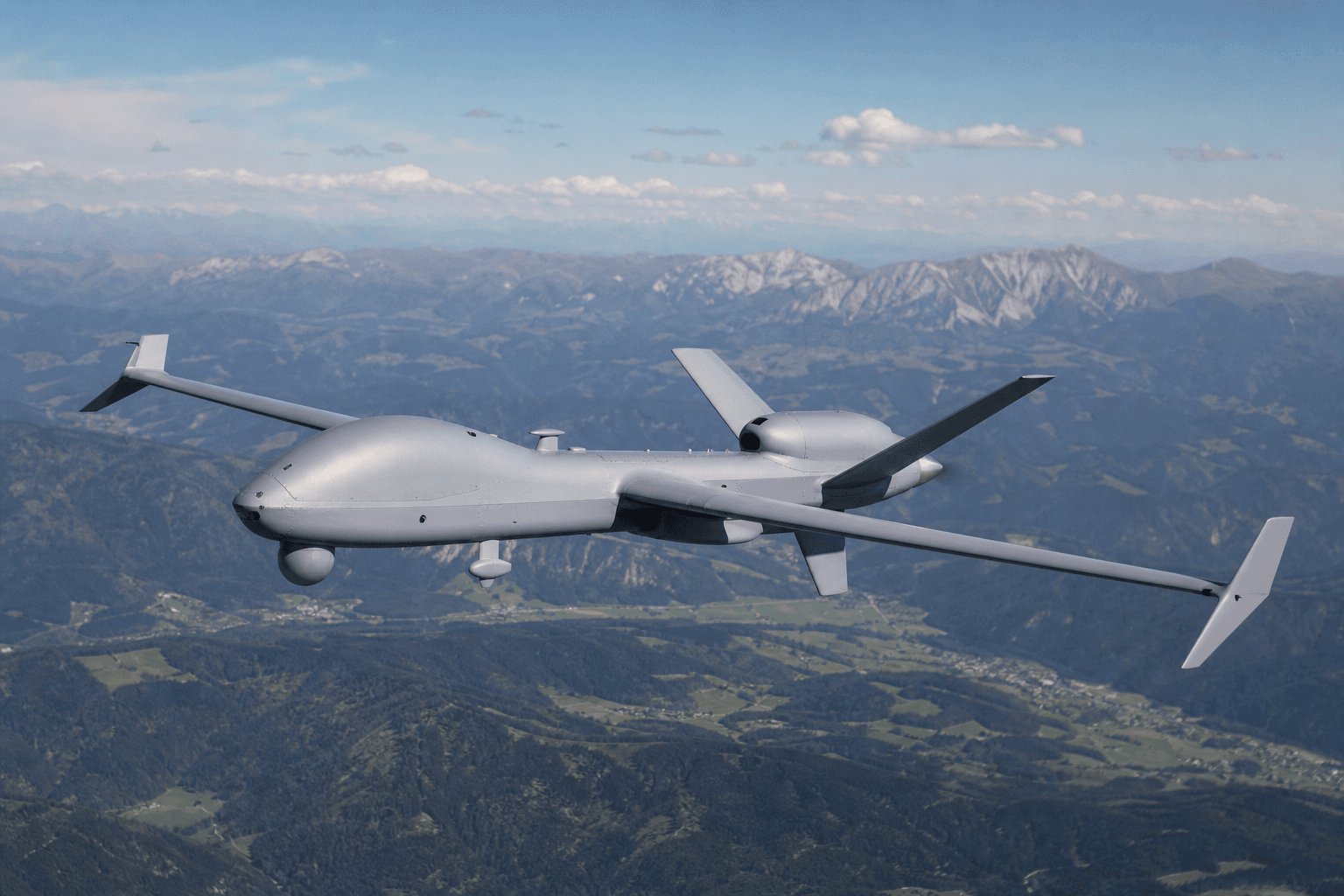
Finland and Estonia join forces with NestAI to develop AI for unmanned defense systems
Finland's Ministry of Defense, the Estonian Defense Forces, and the European defense AI lab NestAI signed a letter of intent…
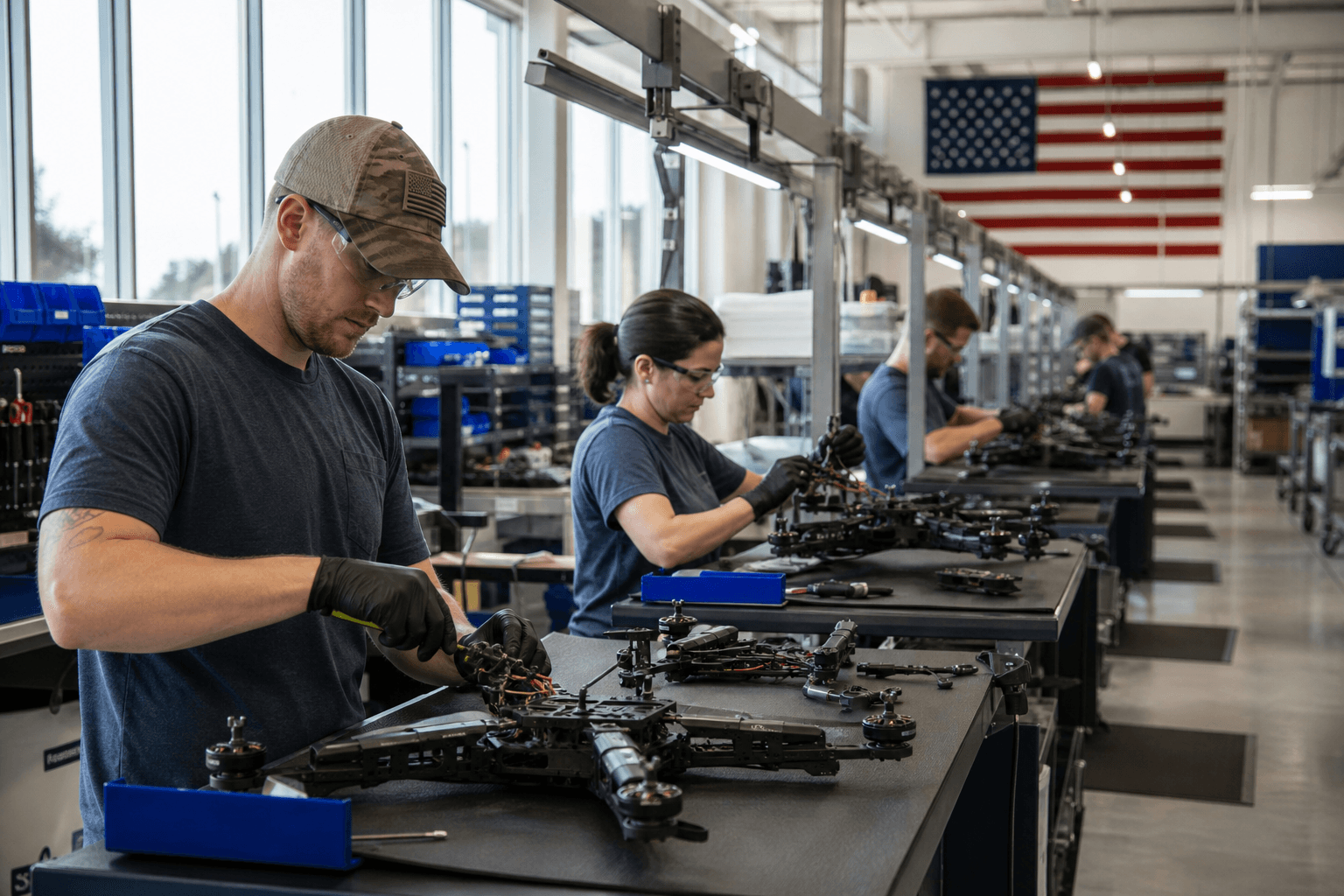
F-Drones Launches First US Military Drone Production Line as Ukraine's Export Pioneer
F-Drones is the first Ukrainian producer authorised by Kyiv to export its uncrewed weapons to the US military. For the first time, a Ukrainian manufacturer of military drones is establishing a production line in the United States. F-Drones specialises in assembling the small, first-person view (FPV) quadcopters that have become ubiquitous with the more than…
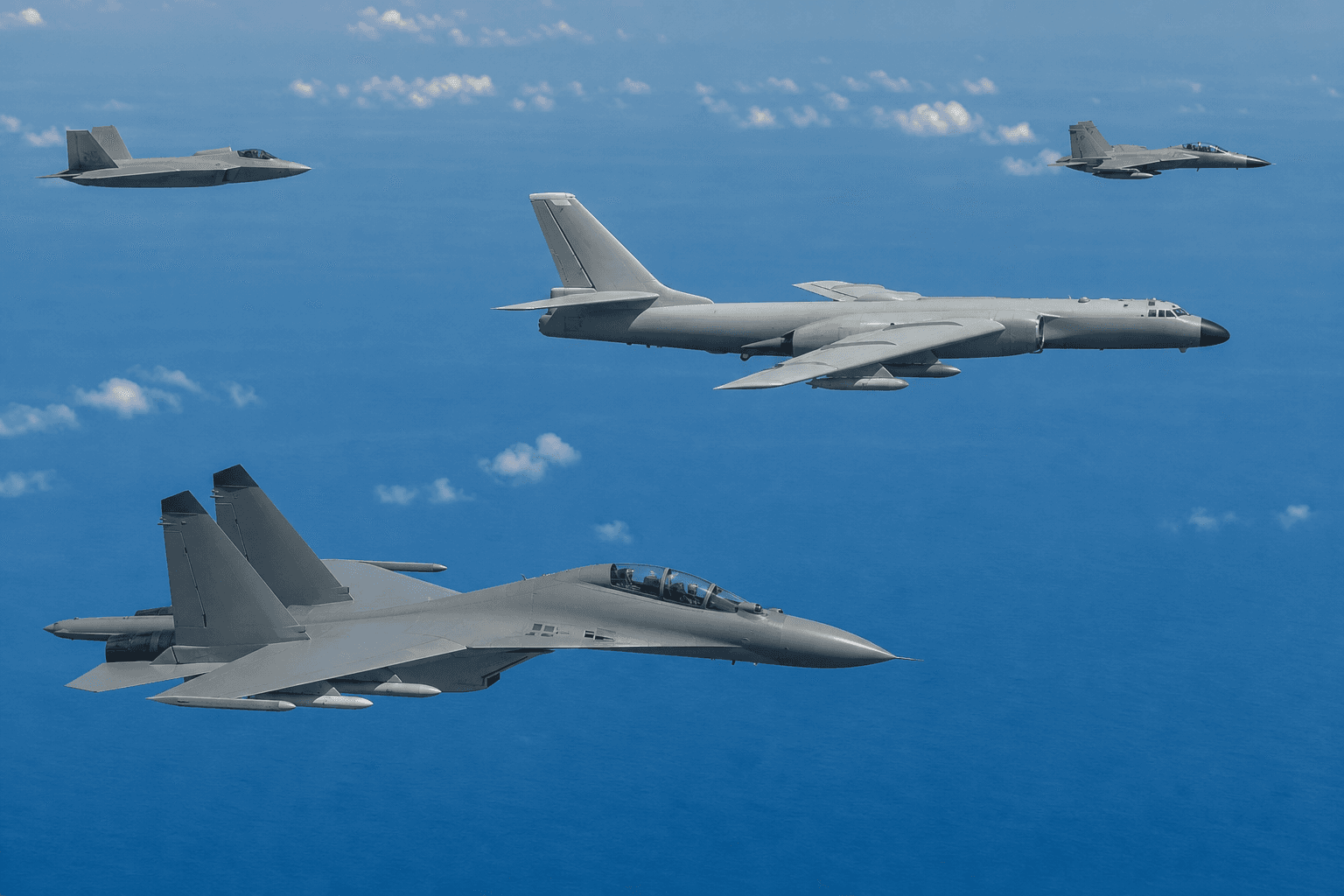
China and Russia Conduct Joint Bomber Patrol Over East China Sea Intercepted by US and Japanese Fighters
The sortie included J-16 fighters escorting H-6K and Tu-95 strategic bombers. Russia and China have conducted a large joint air patrol over the East China Sea, including fighters, strategic bombers, aerial tankers and other support aircraft. The action on 27 June has been confirmed by both Beijing and Moscow, with China’s People’s Liberation Army (PLA)…
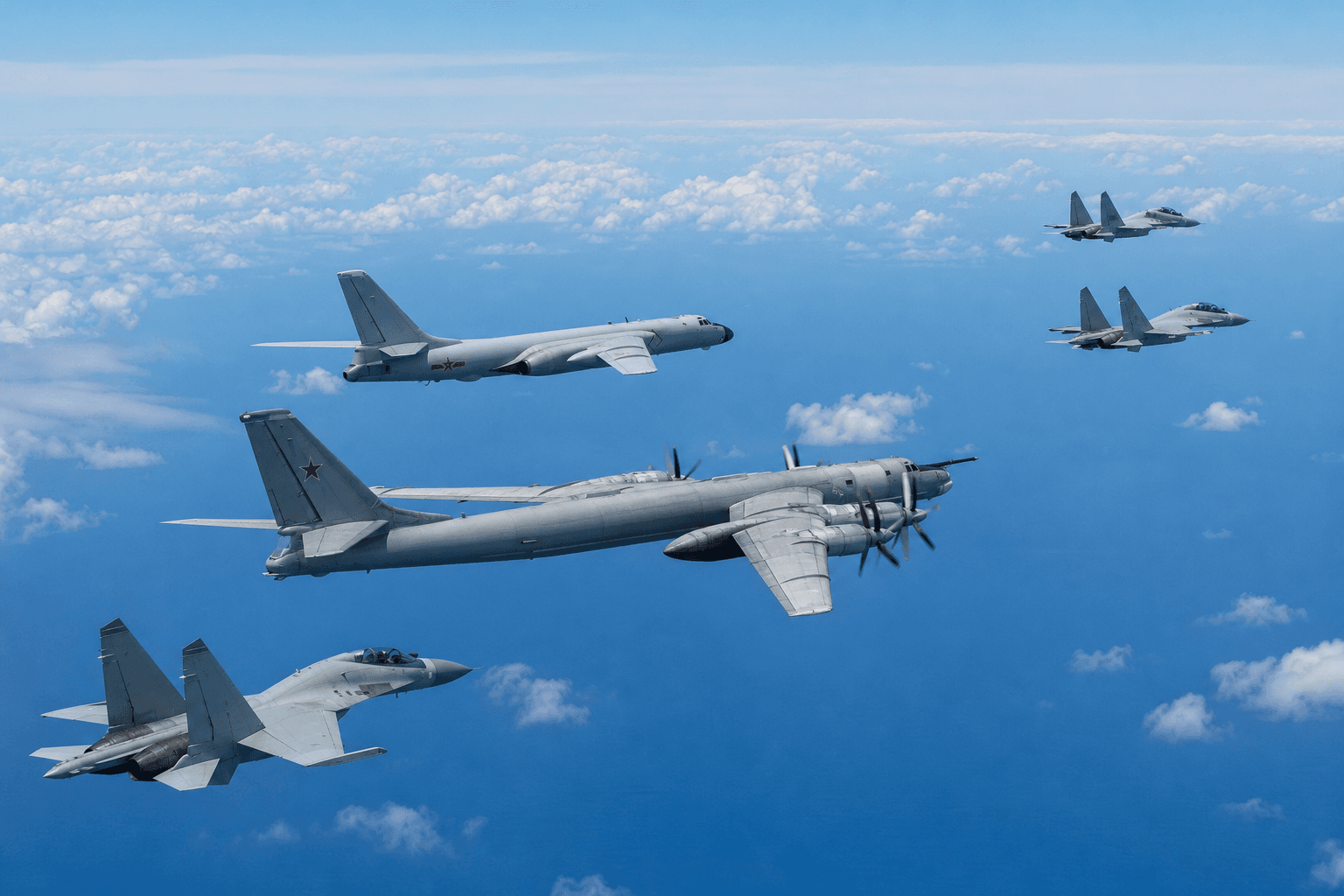
China and Russia conduct 11th joint bomber patrol provoking US, Japanese, and Korean intercepts
China and Russia conducted their 11th joint strategic air patrol on June 27, 2026, sending a formation of…
The Daily Touch & Go
The day's best aviation news in your inbox. Free, no spam.