

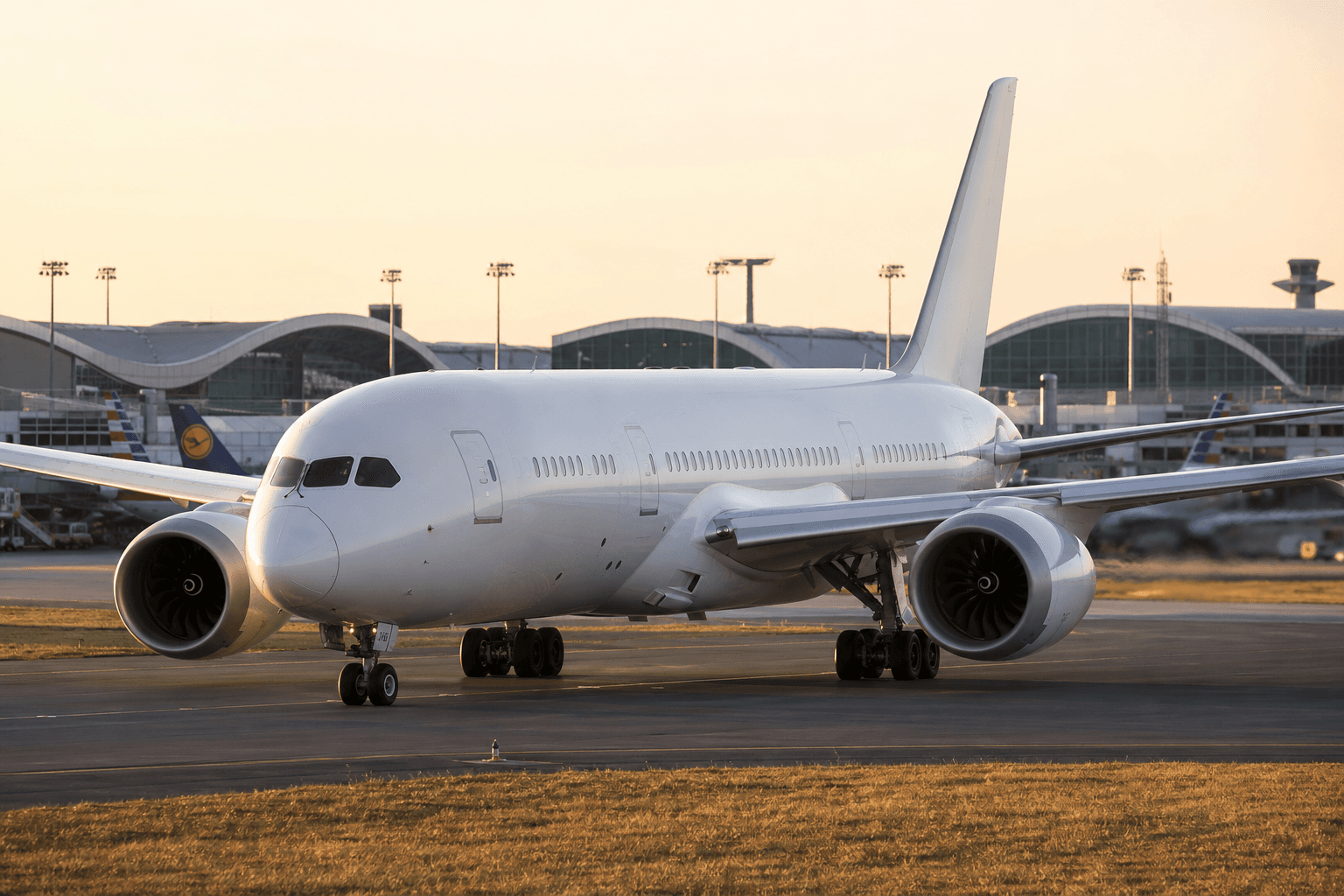
Illustration: The Touch & Go
Boeing 787 Surpasses One Billion Passengers, Maintaining Lead Over Airbus A350
The Boeing 787 Dreamliner has carried over one billion passengers since 2011, reinforcing its status as the best-selling widebody and posing a competitive challenge to Airbus's A350.
The gist
The Boeing 787 has transported over one billion passengers, outperforming Airbus's A350 in sales and operational reach since its 2011 debut.
Since entering service in October 2011, the Boeing 787 Dreamliner has become the best-selling widebody passenger aircraft in history. The milestone of transporting more than one billion passengers worldwide was recently achieved, showcasing the aircraft's enduring popularity over 15 years of operation. Boeing confirms that the 787 fleet has executed nearly five million flights accumulating over 30 million flight hours, with more than 1,200 units delivered globally.
The 787 program launched in 2004, aiming to succeed Boeing’s popular 777 model with a focus on improved fuel efficiency, passenger comfort, and extended range. Three variants comprise the 787 family: the 787-8, 787-9, and 787-10. These models offer varying lengths from 186 to 224 feet and seating capacities typically ranging from 242 to 318 passengers. Their respective ranges allow airlines to serve both long-haul thin routes and higher-density markets, contributing to the aircraft's operational versatility.
All Nippon Airways (ANA) was the first to introduce the 787-8 in commercial service, flying from Tokyo to Hong Kong. The mid-sized 787-9 variant began flying in 2014 with Air New Zealand, opening a route from Auckland to Sydney. The models are also favored by low-cost long-haul carriers such as Scoot and Norse Atlantic Airways, further boosting the 787's penetration into various market segments.
In comparison, Airbus’s A350 entered service several years later and serves as Boeing 787's principal competitor in the widebody segment. The A350 is built with over 50% carbon-fiber-reinforced polymer, allowing competitive fuel efficiency gains of around 25% over older aircraft. Its advanced aerodynamics, including adaptive winglets, underpin its operational performance. Qatar Airways pioneered the A350-900 and A350-1000 variants commencing service between Doha and destinations like Frankfurt and London.
Despite Airbus's technological advancements, the 787 has maintained a sales edge due to its earlier market presence and suitability for routes that do not support the larger A350's capacity. Boeing's 15 additional years of customer adoption have contributed significantly to its widespread use in more than 520 airports across 85 countries, with 2,100 daily flights carrying nearly half a million passengers. This scale is unmatched by any other widebody aircraft today.
The 787’s operational history has not been without challenges. Early in its lifecycle, grounding occurred after lithium-ion battery fires in 2013 necessitated design modifications. Later manufacturing issues caused delivery delays between 2021 and 2022. Most notably, the first fatal 787 accident happened in 2025 when Air India flight AI171 crashed post takeoff from Ahmedabad, resulting in multiple casualties. These events, while serious, have not diminished the aircraft’s popularity or production pace.
Daily, the Dreamliner operates extensive long-range routes, including the 9,010-mile Perth to London Heathrow service launched by Qantas in 2018, the world’s longest nonstop 787 route. The carrier variety, range flexibility, and efficiency benefits continue to drive demand. Conversely, the A350, despite fewer sales, may have generated greater revenue for Airbus, partially due to Boeing compensating customers for delivery delays.
Boeing’s 787 Dreamliner dominance reflects a complex interplay of market timing, aircraft sizing, and operational versatility rather than clear superiority over the Airbus A350’s design. Airbus’s later entry and focus on a larger capacity segment mean the A350 competes differently. The global widebody market continues to evolve, but the 787’s established presence remains a formidable benchmark for its competitors.
Frequently asked questions
- How many passengers have flown on the Boeing 787 since its introduction?
- Since entering service in 2011, the Boeing 787 has carried over one billion passengers worldwide across more than five million flights.
- What are the main variants of the Boeing 787 and their capacities?
- The Boeing 787 family includes the 787-8 (typical capacity 242), 787-9 (296 passengers), and 787-10 (318 passengers), offering varying lengths and ranges suitable for different route profiles.
- Why has the Boeing 787 been more popular than the Airbus A350?
- The 787's earlier market launch, suitability for long-range thin routes, and appeal to low-cost long-haul carriers have contributed to its higher sales compared to the later-introduced, larger-capacity A350.
Read more
All Airlines →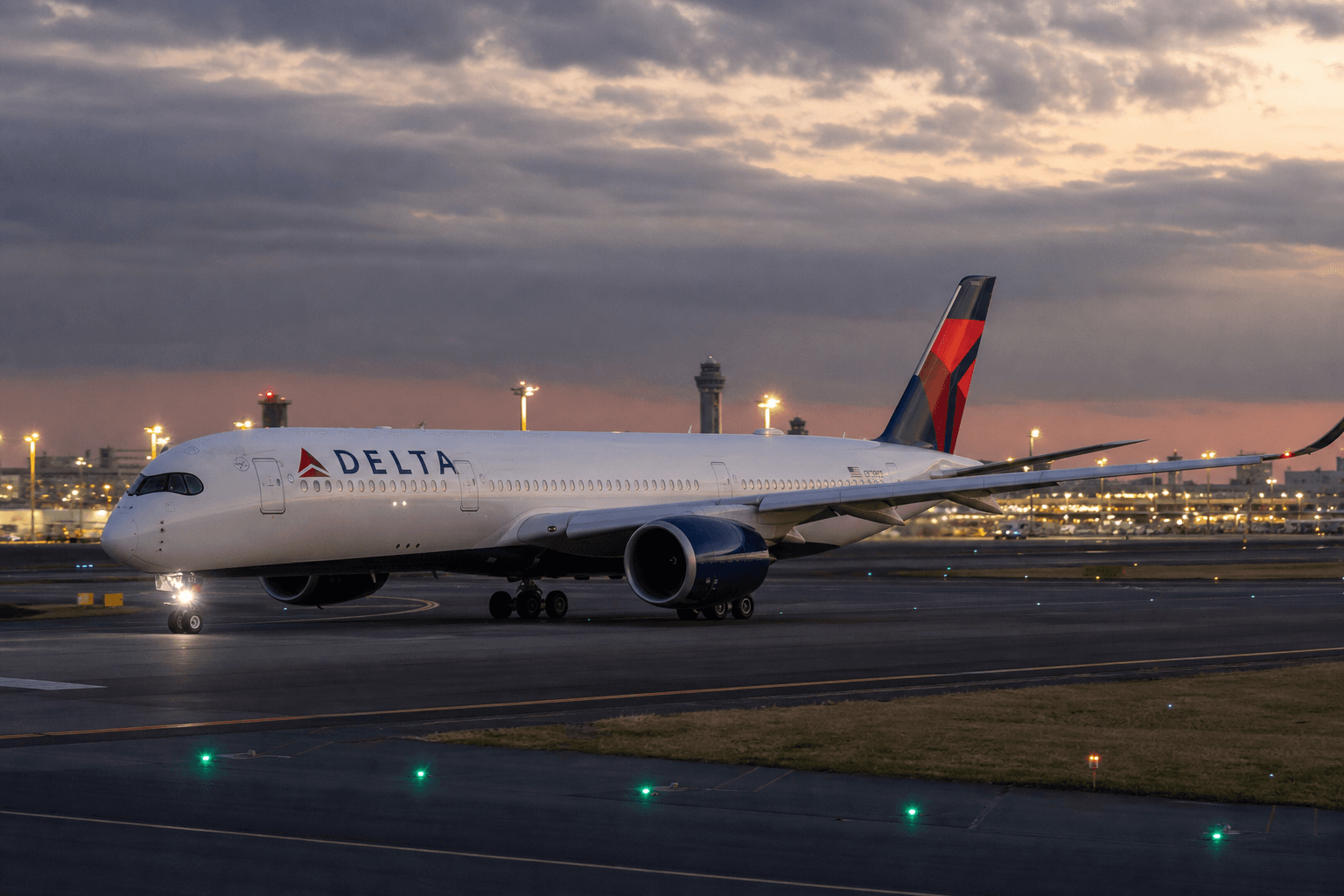
Delta Cancels Tokyo to Minneapolis Flight After 5.5-Hour Delay, Hotels Offered Only to Passengers With Babies
Passengers spent 5½ hours aboard Delta's Tokyo–Minneapolis flight before a mechanical problem forced an 11 p.m. cancellation. With too few hotel rooms, Delta prioritized travelers with medical concerns and families with babies—prompting passengers to joke, "Everyone make babies right now."
![American Airlines Launches 13 Exciting New Nonstop International Routes [Full List]](/_next/image?url=https%3A%2F%2Favoibnodqwjxlpbhunuu.supabase.co%2Fstorage%2Fv1%2Fobject%2Fpublic%2Fstory-images%2Fai%2Famerican-airlines-launches-13-exciting-new-nonstop-international-routes-full-lis-c37331d2.png&w=3840&q=75)
American Airlines Unveils 13 New Nonstop International Routes in 2026 Expansion
International flights are a key part of the puzzle for American Airlines , which connects its home hubs to a wide range of international destinations. According to current data made available by Cirium , an aviation analytics company, a look at the carrier's international network in 2026 compared to 2025 shows that 13 new routes have started or will start this year.
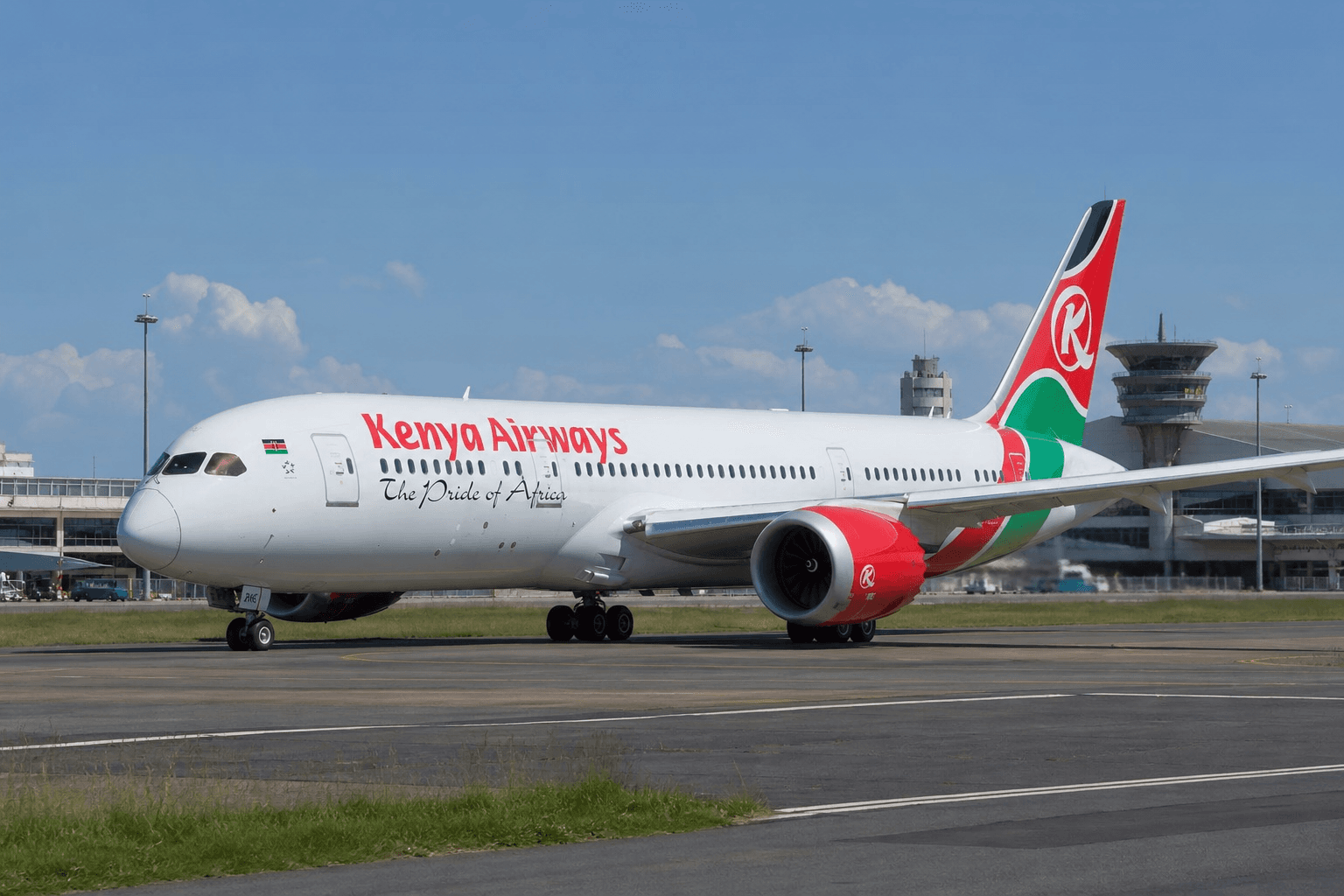
Kenya Airways Dreamliner Returns to Nairobi Due to Flight Controls Spoiler Issue
The New York-bound flight turned around over central Africa and landed safely in Nairobi.
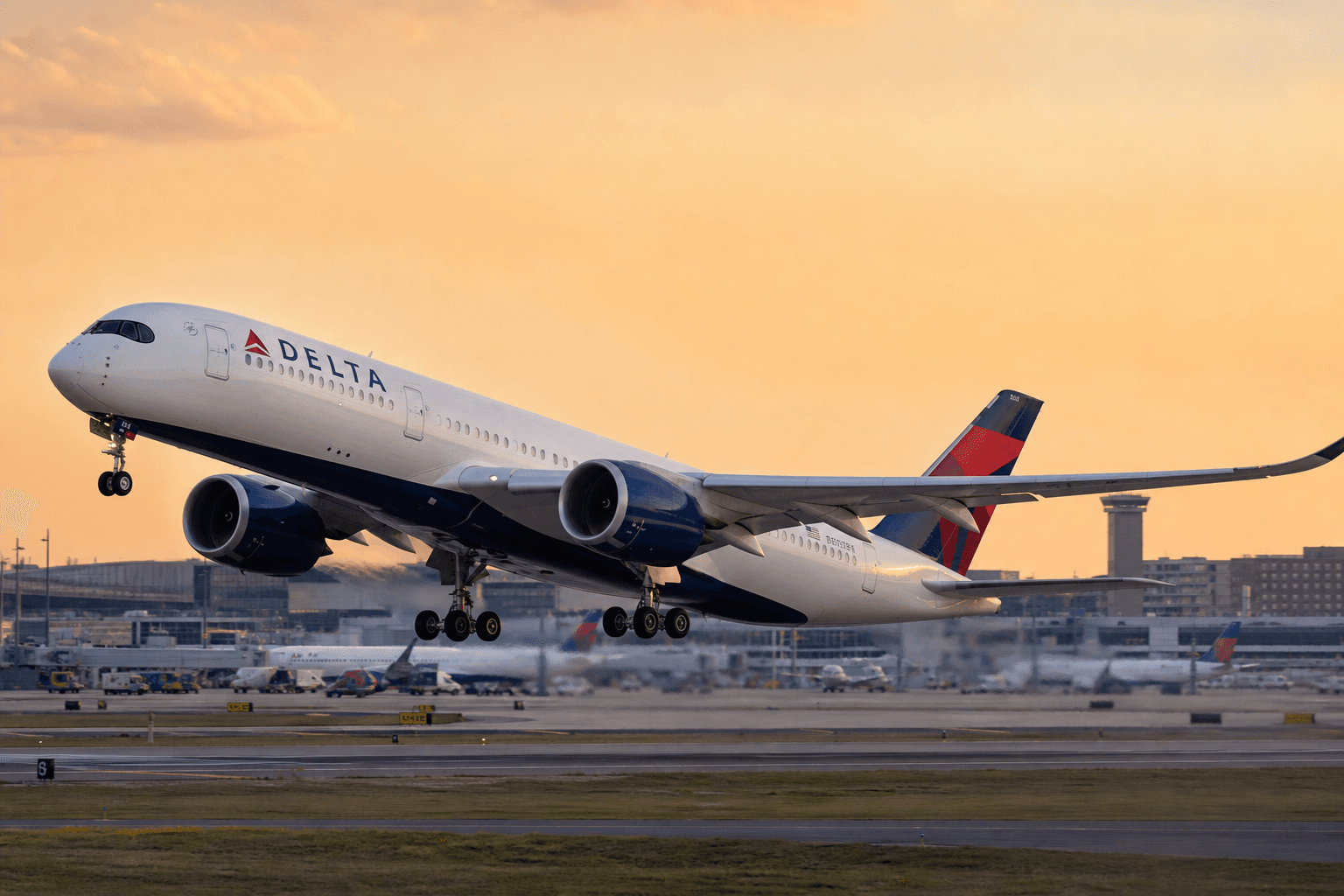
Delta Air Lines Posts $1.6 Billion Q2 Profit on Strong Revenue Growth Despite Rising Fuel Costs
Delta Air Lines posted impressive financial results for the second quarter of 2026. The airline reported a net profit of $1.6 billion, or $2.44 per diluted share. Revenue climbed 19 percent year-over-year to reach $19.8 billion. These figures highlight Delta’s continued strength in a competitive industry. ezstandalone.cmd.push(function () { ezstandalone.showAds(119); }); The results, announced on July 10, 2026, show solid demand and effective cost management. Despite facing the highest quarterly fuel expenses in the company’s history, Delta achieved strong profitability. Total revenue per available seat mile (TRASM) rose 17 percent to 25.11 cents. Cost per available seat mile (CASM) increased 21 percent to 22.74 cents, while costs excluding fuel (CASM-ex) grew a more modest 6.8 percent to 14.09 cents. ezstandalone.cmd.push(function () { ezstandalone.showAds(127); }); At the end of June 2026, Delta maintained healthy liquidity of $7.7 billion. This total includes cash, short-term investments, and $3.1 billion in undrawn revolving credit facilities. Such financial flexibility gives the airline room to invest in growth and weather potential challenges. CEO Highlights Brand Strength and Momentum Delta CEO Ed Bastian expressed confidence in the company’s position. “Today, we reported our June quarter results, and it is clear that Delta’s brand and industry position are stronger than ever,” he said. ezstandalone.cmd.push(function () { ezstandalone.showAds(128); }); Bastian noted that the airline delivered $1.4 billion in pre-tax profit while absorbing record fuel costs. He credited broad demand, growing brand preference, and a diversified revenue base for the success. Bastian emphasized the role of Delta’s employees. “This industry-leading performance is powered by the best people in the business,” he added. Looking ahead, he expects momentum to continue into the second half of 2026 with double-digit margins and a return to earnings growth. ezstandalone.cmd.push(function () { ezstandalone.showAds(129); }); The company affirmed its full-year guidance for 20 percent earnings growth, despite significant fuel headwinds. This outlook positions Delta well for 2027. Photo Credit: Delta Air Lines Fleet Expansion and New Routes Delta continued to modernize its fleet during the quarter. The airline took delivery of 11 new aircraft, including Airbus A350-900s, A321neos, and A220-300s. These efficient planes support both long-haul and short-haul operations while improving fuel efficiency and passenger comfort. On the network side, Delta launched several important new services. It added daily non-stop flights from Los Angeles to Hong Kong and Chicago O’Hare. These routes strengthen connectivity to key business markets. ezstandalone.cmd.push(function () { ezstandalone.showAds(130); }); The carrier also expanded European leisure options with new or added service to Porto, Malta, Sardinia, Madrid, Nice, Rome, and Barcelona. In addition, Delta grew its maintenance, repair, and overhaul (MRO) partnerships. New agreements with IndiGo for CFM56 engines and LATAM for Airbus A320 components enhance its technical capabilities and revenue streams. Industry Leadership and Global Reach Atlanta-based Delta Air Lines operates more than 4,000 daily flights to over 290 destinations on six continents. The airline serves major hubs including Atlanta, New York-JFK and LaGuardia, Los Angeles, and international gateways like Amsterdam, London-Heathrow, and Paris-Charles de Gaulle. ezstandalone.cmd.push(function () { ezstandalone.showAds(131); }); For the past decade, Delta has led the industry in operational reliability while earning praise for customer service. These Q2 results come at a time when airlines face rising costs and economic uncertainty. Delta’s ability to grow revenue, control non-fuel costs, and invest in its network sets it apart. The combination of premium products, reliable operations, and strong partnerships continues to drive customer loyalty and financial performance. Photo Credit: Delta Air Lines Positive Outlook for the Rest of 2026 With summer travel in full swing and strong booking trends, Delta appears well-positioned for the remainder of the year. The airline’s focus on brand preference and diversified revenue—such as loyalty programs, cargo, and maintenance services—provides stability against fuel price swings. ezstandalone.cmd.push(function () { ezstandalone.showAds(132); }); Travelers and investors alike can expect Delta to maintain its leadership. The company’s disciplined approach to capacity, fleet modernization, and route expansion supports sustainable long-term growth. As demand for premium travel experiences remains robust, Delta’s strategy looks set to deliver continued success.
The Daily Touch & Go
The day's best aviation news in your inbox. Free, no spam.