

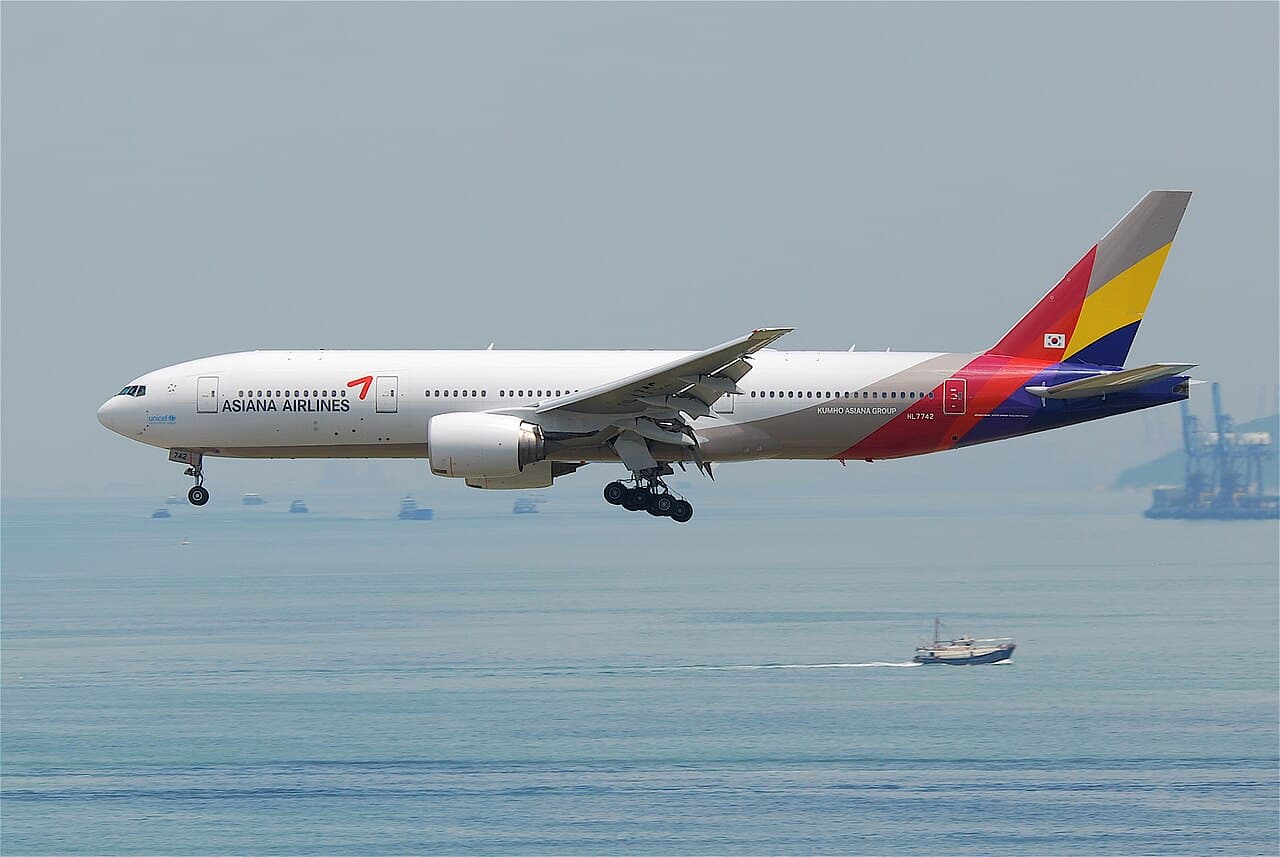
Image: Aero Icarus from Zürich, Switzerland · CC BY-SA 2.0 · via Wikimedia Commons
Boeing 777 Crews Balance Rolling and Standing Takeoffs for Efficiency and Safety
Boeing 777 flight crews choose rolling or standing takeoffs based on runway conditions, weight, and air traffic control protocols, balancing fuel savings with directional control and safety.
The gist
Boeing 777 pilots decide between rolling or static takeoffs by weighing fuel efficiency against runway conditions and safety requirements.
Continuing coverage
All Aircraft Operations →When a massive Boeing 777 lines up on a runway, its crew must decide whether to come to a full stop before applying full takeoff thrust or to keep rolling through the turn and initiate throttles in motion. This choice is influenced by a combination of Boeing's flight manual guidance, airline standard operating procedures (SOPs), air traffic control (ATC) commands, aircraft weight, environmental conditions, and runway status.
Several airlines, including Japan Airlines (JAL), explicitly favor rolling takeoffs for their widebody fleet on long-haul routes. JAL's internal disccussion points out that entering the runway at speeds between 8 and 12 knots allows the thrust levers to be advanced smoothly without the need to overcome static inertia. This continuous taxi momentum reduces fuel consumption, lowers engine stress, and optimizes departure sequencing at congested airports.
However, performing a rolling takeoff demands strict monitoring to ensure both engines stabilize symmetrically before the crew engages the Takeoff/Go-Around switches. Whether equipped with General Electric GE90 engines or those from Pratt & Whitney and Rolls-Royce, crews must maintain balanced thrust during acceleration to prevent yawing toward a less powerful engine, which could jeopardize directional control at high speed.
Surface conditions play a critical role in determining takeoff tactics. On contaminated runways with ice, slush, or water—as commonly experienced at northern airports like New Chitose in Japan or Chicago O’Hare during winter—strong nosewheel traction loss increases the risk of veering off centerline. In such cases, crews hold the aircraft stationary on the brakes until engines reach specified thrust levels (55% N1 or 1.05 EPR) to ensure symmetric power before start roll-out, per Airbus Safety First documentation.
Another technical consideration is ground vortex formation caused by the enormous GE90 engines during stationary spool-up. Intense intake suction can create a vortex that ingests debris or slush into the engine, risking damage to the composite fan blades. Rolling takeoffs mitigate this by moving the engine nacelles through fresh air continuously, disrupting vortex formation.
High weight and limited runway length can also force crews to abandon rolling starts. When a 777-300ER departs near maximum takeoff weight, margins for acceleration and stopping are tight. Standing starts use the runway more efficiently by stabilizing engines at full power before releasing brakes, ensuring immediate peak thrust application. This practice enhances safety margins for both takeoff continuation and high-speed aborted takeoffs, which are critical performance parameters at hubs like San Francisco and Heathrow.
Air traffic control instructions often supersede pilot preference. When tower controllers issue ‘line up and wait’ clearance, crews hold brakes and prepare for a standing start. Conversely, immediate departure clearance encourages rolling takeoffs to maximize airport throughput. Additionally, brake thermal management affects this decision: carbon brakes on the 777 respond differently than steel brakes to sustained static power, with standing holds increasing brake temperatures and potential risks during emergency stops.
Low visibility operations have their own constraints. Under Category III conditions with very low runway visual range, crews avoid rolling starts to ensure precise alignment with centerline lighting. Stopping on the runway gives pilots time to visually verify alignment and system statuses before advancing throttles, vital for safety in reduced visibility.
In sum, the decision between rolling and standing takeoffs on the Boeing 777 hinges on a complex interplay of operational efficiency, aircraft performance parameters, environmental conditions, ATC instructions, and safety considerations. This nuanced approach enables crews to tailor departure techniques to each situation, balancing fuel savings with robust control and protection of the aircraft and its occupants.
Frequently asked questions
- Why do some Boeing 777 crews prefer rolling takeoffs?
- Rolling takeoffs save fuel and reduce total trip time by maintaining taxi momentum, lowering engine stress, and helping efficient departure sequencing at busy airports.
- When is a standing takeoff necessary for Boeing 777 flights?
- Standing takeoffs are required on contaminated runways, high gross weights, or short runways where directional control and maximum runway utilization are critical for safety.
- How do air traffic control instructions impact Boeing 777 takeoff technique?
- Controllers can mandate rolling or standing starts through clearances like 'line up and wait' or immediate departure instructions, influencing whether crews hold brakes or maintain taxi momentum at the runway threshold.
Read more
All Airports →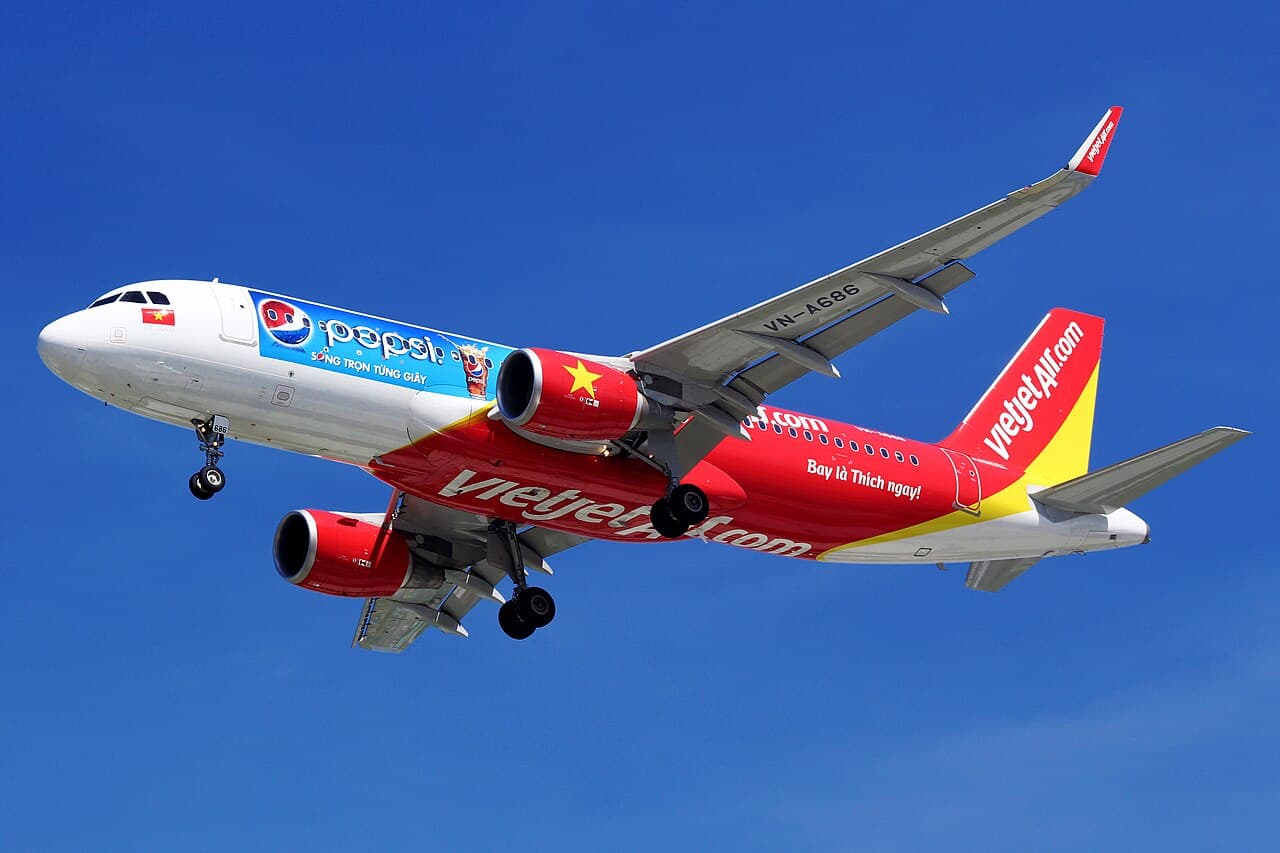
Vietjet expands Philippine routes with three new flights starting November
Airline to launch three new routes linking Vietnam and Philippines. Vietjet is to launch five new international routes, focusing on flights to the Philippines amid stronger tourism demand. The low-cost operator will launch three new flights from 10 November to the Philippines: from Ho Chi Minh City and Hanoi to Cebu, as well as between Ho Chi Minh City and Clark. Each flight is operated thrice weekly, the carrier adds. The announcement marks a significant ramp-up from current operations, as Vietjet only operates to Manila from Ho Chi Minh City. The airline will also be the sole operator on Ho Chi Minh City-Cebu and Clark flights. The carrier states: "[The] new routes will give travellers more options for leisure and business travel and visits to family and friends, while supporting stronger tourism and trade ties between Vietnam and the Philippines." Separately, Vietjet is to launch four weekly flights between Da Nang and Osaka from 20 December, expanding its current operations to Japan. It will be the second carrier operating between the two cities, after national carrier Vietnam Airlines. Vietjet will resume flights to the northern Thai city of Chiang Mai from 25 October, operating four times weekly. Vietjet's Asia expansion comes a week after it announced it would be operating to the new Western Sydney international airport in January next year, becoming the airport's third international carrier.
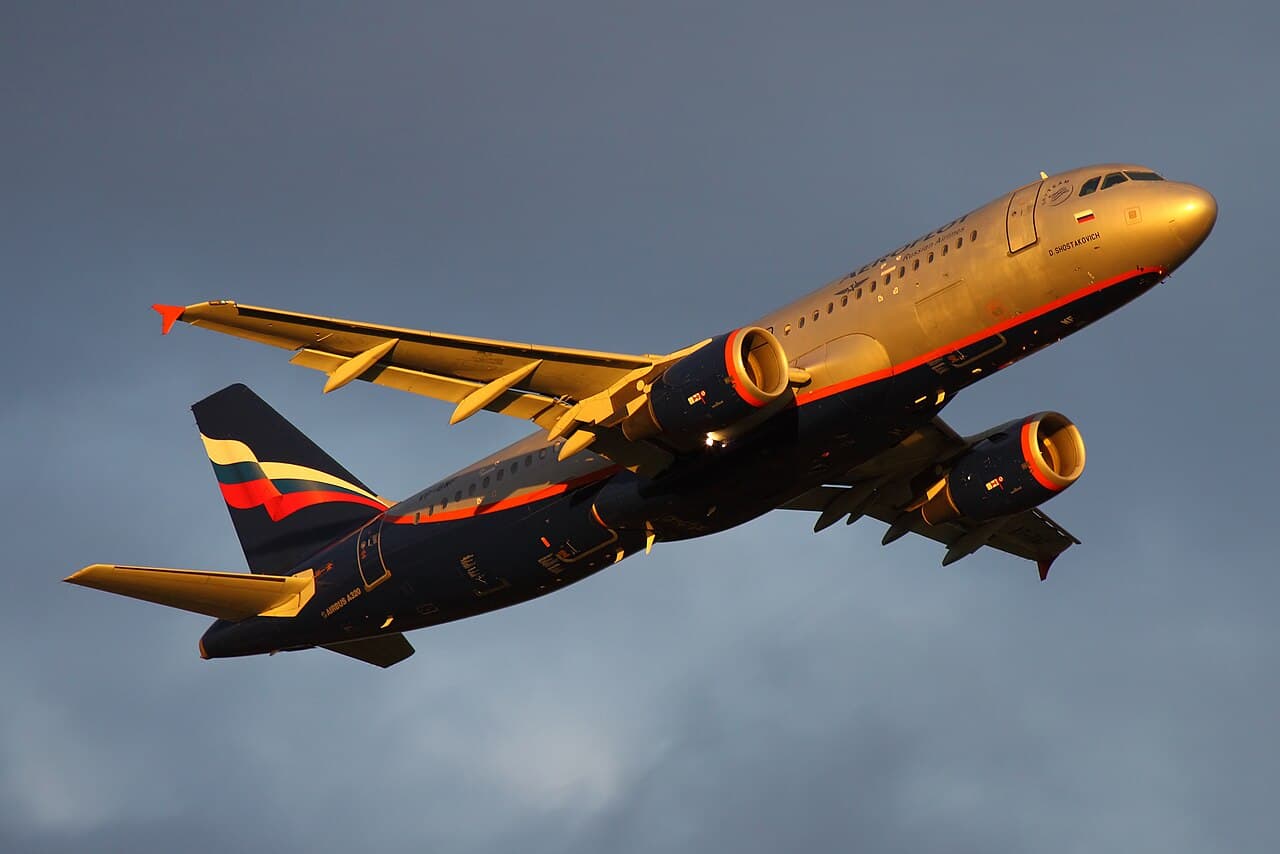
American 737 and United A320 Both Suffer Tire Bursts on Arrival at Chicago O'Hare
Within mere hours of each other, two arriving aircraft at Chicago O'Hare International Airport (ORD) have seen their tires burst . The two incidents, which occurred in different parts of the airport, have seen both airplanes removed from service for the rest of the evening. American Airlines flight 386 had just landed from New York LaGuardia Airport (LGA), while United Airlines flight 739 had touched down in the Windy City from Omaha (OMA).
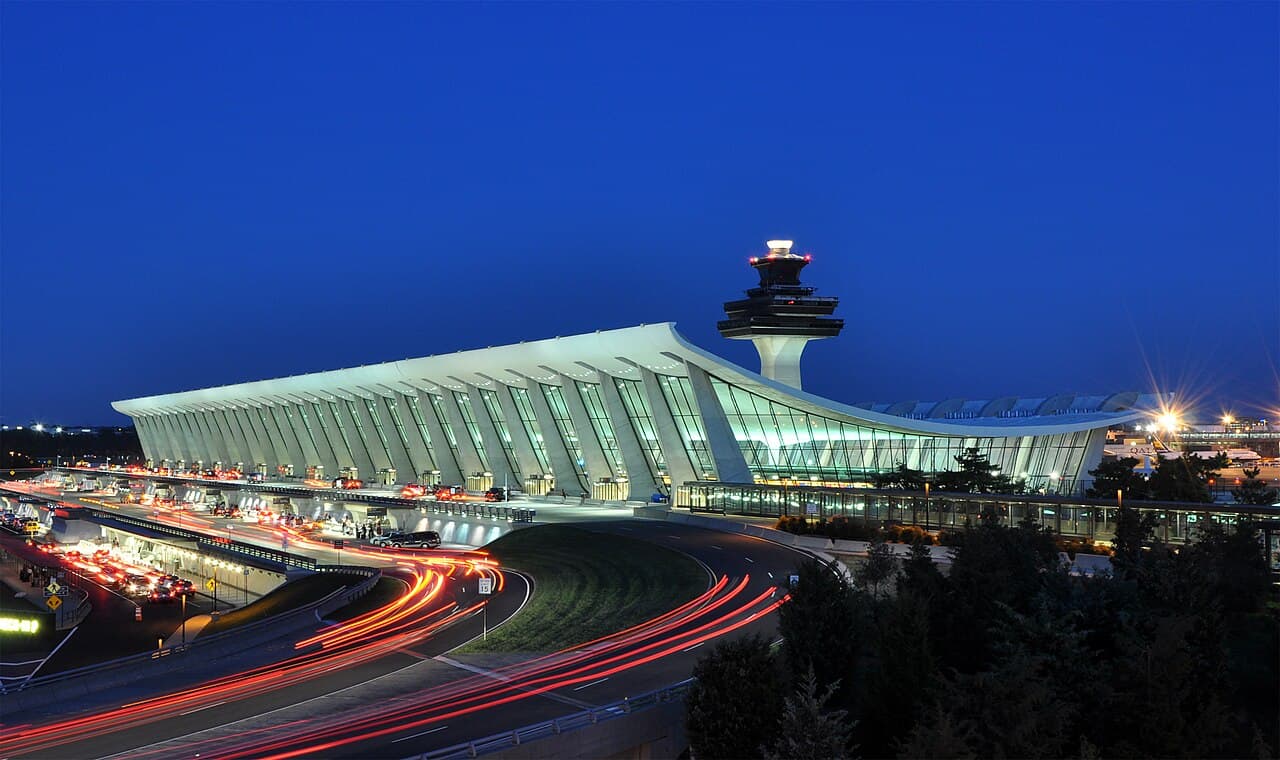
Dulles Airport $20B rebuild raises fees sharply, delays key facilities to 2040s
The Metropolitan Washington Airports Authority will vote on $15.5 billion for the Dulles rebuild, 99% financed with debt and pushing major work into at least 2039, while driving airline costs per passenger from $12.77 toward $90 which will undercut growth, competition and low fares.
LATAM A320 aborts takeoff at São Paulo as American and Delta jets cross runway amid fog
A LATAM Airlines Airbus A320 that was set to depart from São Paulo/Guarulhos Governor André Franco Montoro International Airport (GRU) in Brazil this Saturday had to abort its takeoff due to conflicting taxiing traffic crossing the runway. The jet's crew had been informed that their takeoff authorization had been canceled due to the presence of these aircraft, but began accelerating anyway, prompting panic.
The Daily Touch & Go
The day's best aviation news in your inbox. Free, no spam.