

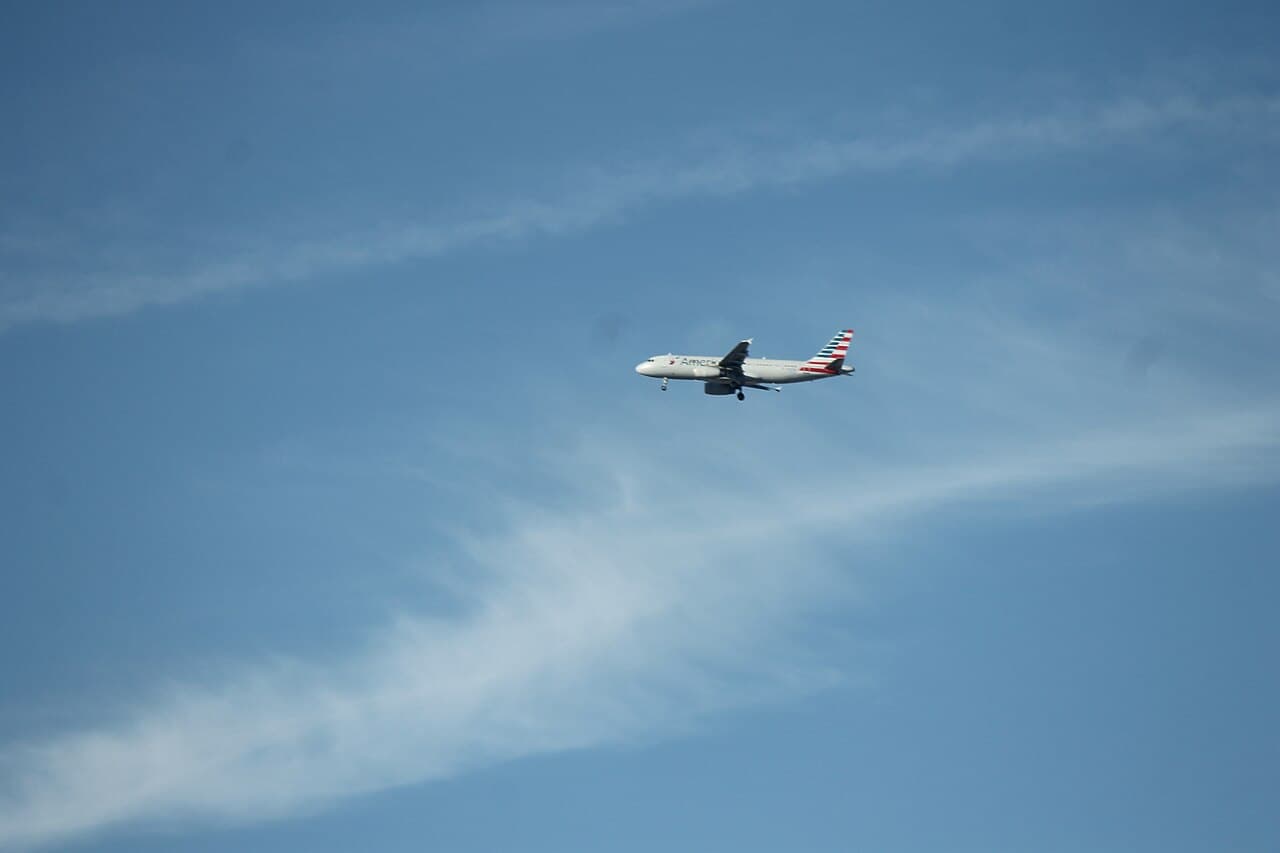
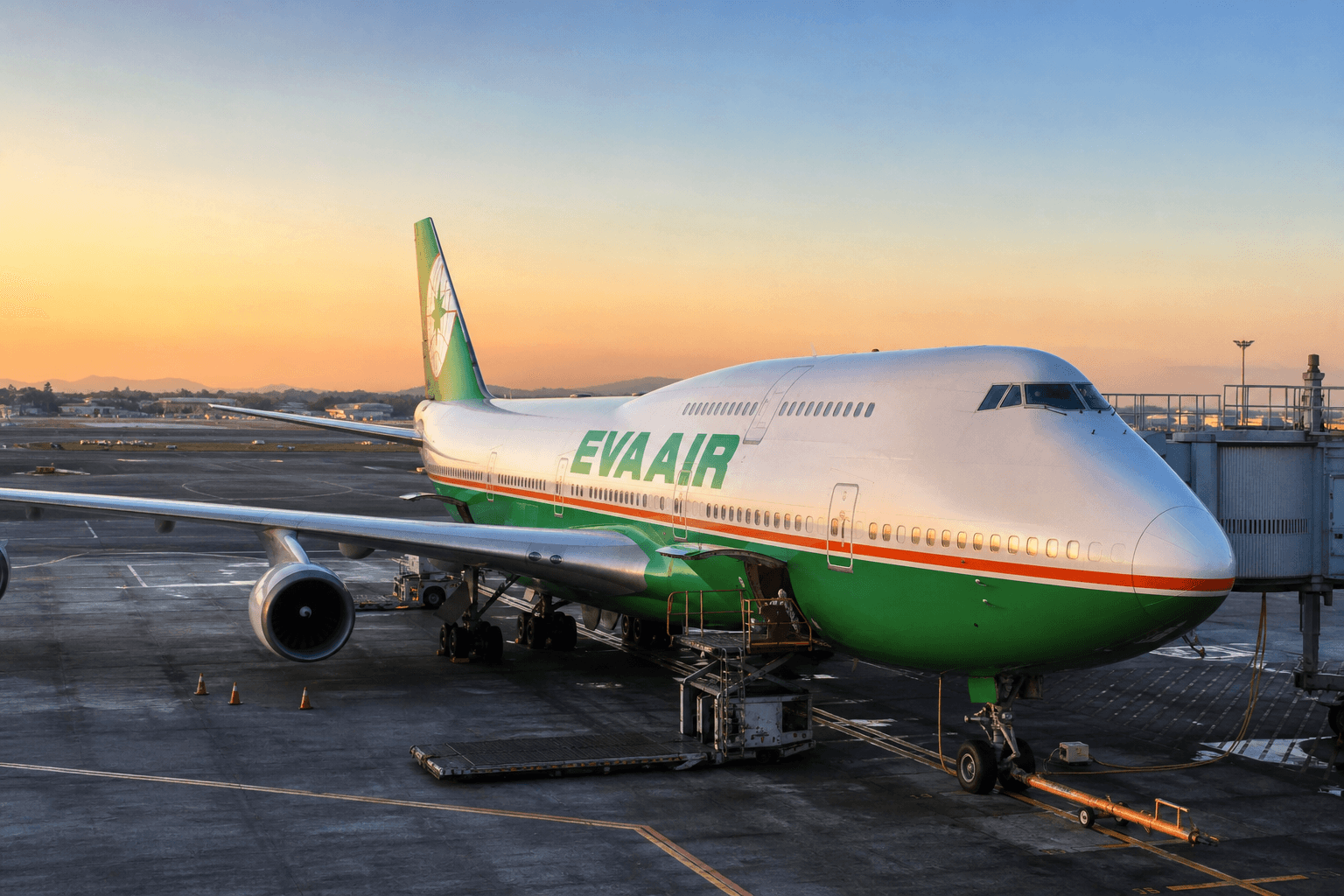
Image: Noah Wulf · CC BY-SA 4.0 · via Wikimedia Commons
How Crews and Aircraft Separation Amplify Flight Delays Even After Weather Clears
Flights often remain delayed due to crew and plane scheduling practices, causing cascading disruptions long after weather improves.
The gist
Flight delays can multiply after weather clears because separate crews and planes are harder to coordinate for swift recovery.
Continuing coverage
All Flight Delays →- American Airlines Offers $1,125 to Volunteers for Seat Waiver on Philadelphia Flight
- American Airlines Faces Flight Attendant Shortages at Dallas Hub Due to Management Groundings
- Fuel System Failure at Boston Logan Triggers 370+ Delays and 100+ Cancellations
- American Airlines Delay Causes Lawmakers to Miss Critical House Votes Amid Peak Travel
- Severe Storms Cause Nearly 1,000 Flight Delays and Cancellations at Heathrow and Gatwick
Flight disruptions caused by weather often extend well beyond the time of the actual storm, leading passengers to experience lengthy delays even when skies have cleared. Airlines routinely categorize these delays as weather-related, which absolves them of compensation obligations, but the operational dynamics behind the scenes reveal why the delays persist. A key factor is how airlines schedule and move planes and crew independently rather than as a coordinated unit, resulting in multiplied bottlenecks when attempting to recover normal operations.
An example comes from a recent experience at Washington’s National Airport when a severe weather event halted flights. A diverted inbound aircraft landed at Baltimore instead of Washington. Once the original airport reopened, the backlog of delayed departures created a ripple effect. The flight in question faced a three-hour delay, attributable to the weather disruption. Yet, after passengers disembarked, the aircraft sat grounded for an additional hour because a required flight attendant did not arrive on time, forcing the airline to call on a reserve crew member.
This illustrates how complexities in crew scheduling can compound delays. Unlike aircraft, which generally follow fixed routes and schedules, flight crew members—pilots and flight attendants—are assigned under constraints like maximum duty periods and contractual arrangements. Many airlines, including American Airlines, do not always keep crews tethered to the same aircraft throughout the day. When delays push arrival times back, dispersed crew might no longer be in place for the next leg, forcing additional waits.
Historically, legacy American Airlines favored keeping crews paired with aircraft to bolster reliability. Decades ago, studies demonstrated that co-pairing crews and planes could enhance operational dependability. Earlier practices focused on maintaining this continuity across flights, especially during periods prone to disruption. However, after the merger with US Airways, which had a tendency to spread out crews and aircraft more thinly, American had adopted a more dispersed approach. Since 2021, they have been selectively reversing this trend, with efforts to connect cockpit and cabin crews together for the majority of transit flights through hubs like Dallas-Fort Worth.
Other airlines like Alaska Airlines actively use a 'teaming' strategy, keeping pilots and flight attendants together across multiple flight segments about one-third of the time. This approach helps contain delay propagation by consolidating operational elements, facilitating quicker turnaround and better recovery when disruptions arise.
When a single flight is delayed into a hub, it can cause knock-on delays across the airline’s network. Dispersing planes, pilots, and cabin crew separately increases the complexity of scheduling replacements and reassignment, resulting in multiplied delays especially during heavy congestion or adverse weather periods. Keeping crews and aircraft paired is logistically challenging due to differing legal duty times and contractual rules, but leaning towards that model shows greater reliability benefits.
The broader operational reality is that weather isn't the only factor causing delays. Airline contract arrangements, airport congestion, and crew scheduling policies play a significant role in how efficiently carriers bounce back after disruptions. Passengers experience this as delays even under clear weather conditions, often accompanied by inconsistent or late communication from airlines regarding the causes and expected departure times.
Frequently asked questions
- Why do flights remain delayed even after weather conditions improve?
- Flights often remain delayed because aircraft and crew are scheduled separately, causing coordination issues that multiply delays beyond the weather event itself.
- How does crew scheduling affect flight delays?
- When pilots and flight attendants travel separately and are not paired with specific aircraft, delays in one flight can cause multiple crew disruptions for subsequent flights, increasing overall delay times.
- What strategies do airlines use to reduce delay multiplication from weather disruptions?
- Some airlines keep pilots and cabin crew paired together across multiple flights and aligned with specific aircraft to improve operational reliability and make recovery from delays more efficient.
Read more
All Airlines →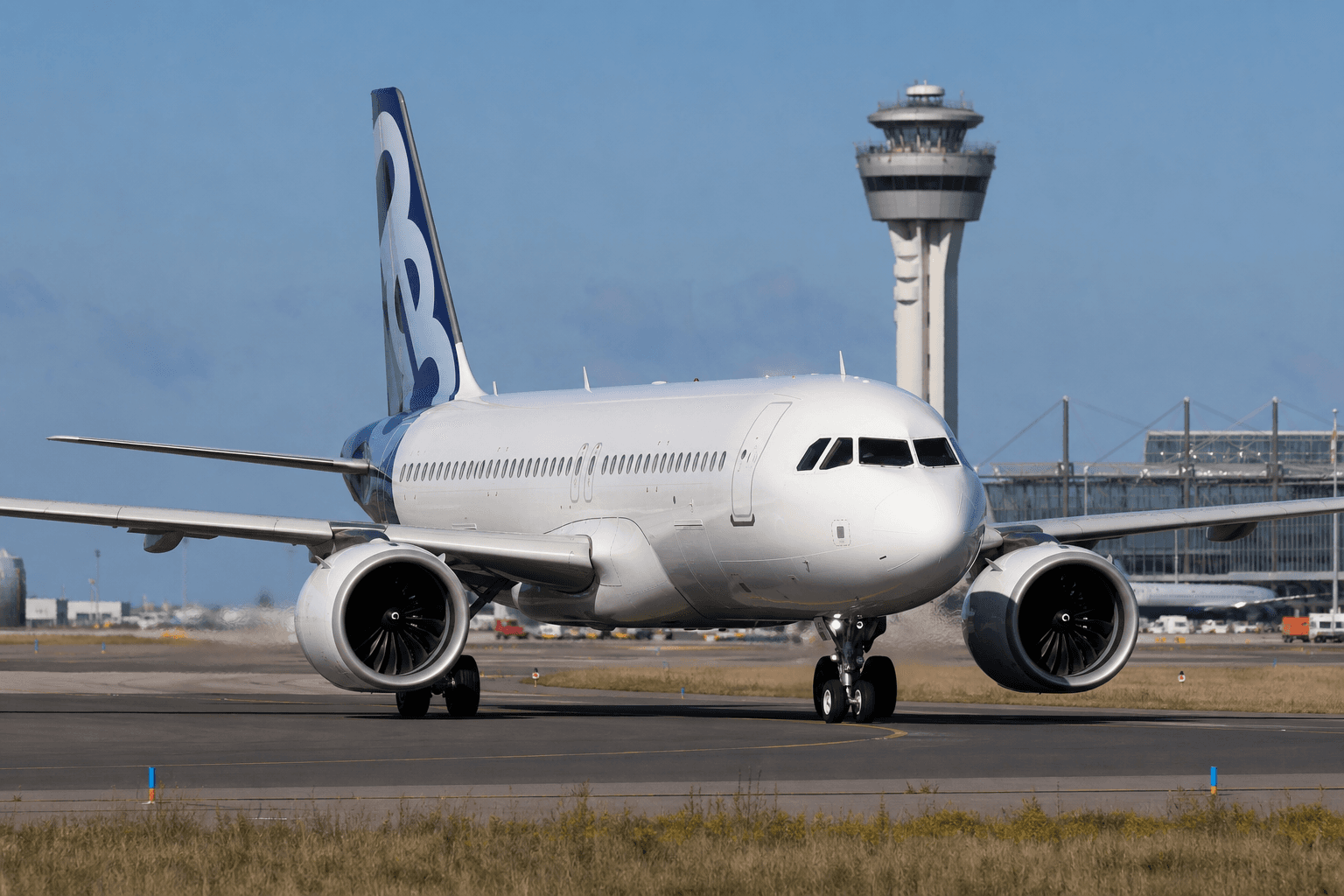
IndiGo selects Honeywell avionics and power units for 810 A320neo jets
US manufacturer Honeywell Aerospace opened the Farnborough air show on 20 July by announcing a massive component deal with Indian carrier IndiGo. The airline will equip 810 incoming Airbus A320neo-family jets with Honeywell Aerospace’s avionics and power systems. Honeywell will also support those components in the aftermarket. The agreements mark a major win for newly independent Honeywell Aerospace, which completed its separation from longtime parent Honeywell in June. “This agreement represents the largest new-aircraft-selectable equipment win in Honeywell Aerospace history, accelerating the company’s expansion,” Honeywell says. The aerospace giant will supply the weather radars, traffic collision and avoidance systems, flight management systems and 131-9A auxiliary power units found on IndiGo’s incoming aircraft. “The scale of IndiGo’s fleet expansion – and their decision to rely on Honeywell Aerospace’s advanced products – underscores the strength of our technology and demonstrates the confidence customers place in Honeywell Aerospace,” says Honeywell president of global commercial aftermarket services Anthony Florian. IndiGo chief executive designate Willie Walsh adds that the agreement will support the carrier’s ongoing “transformation into a truly global airline” and support Indigo’s “reliability, operational excellence and seamless customer experience”. IndiGo has more than 300 A320s already in service and another 70 in storage, and its 810 outstanding orders include A320neos and A321neos, Cirium fleets data shows.
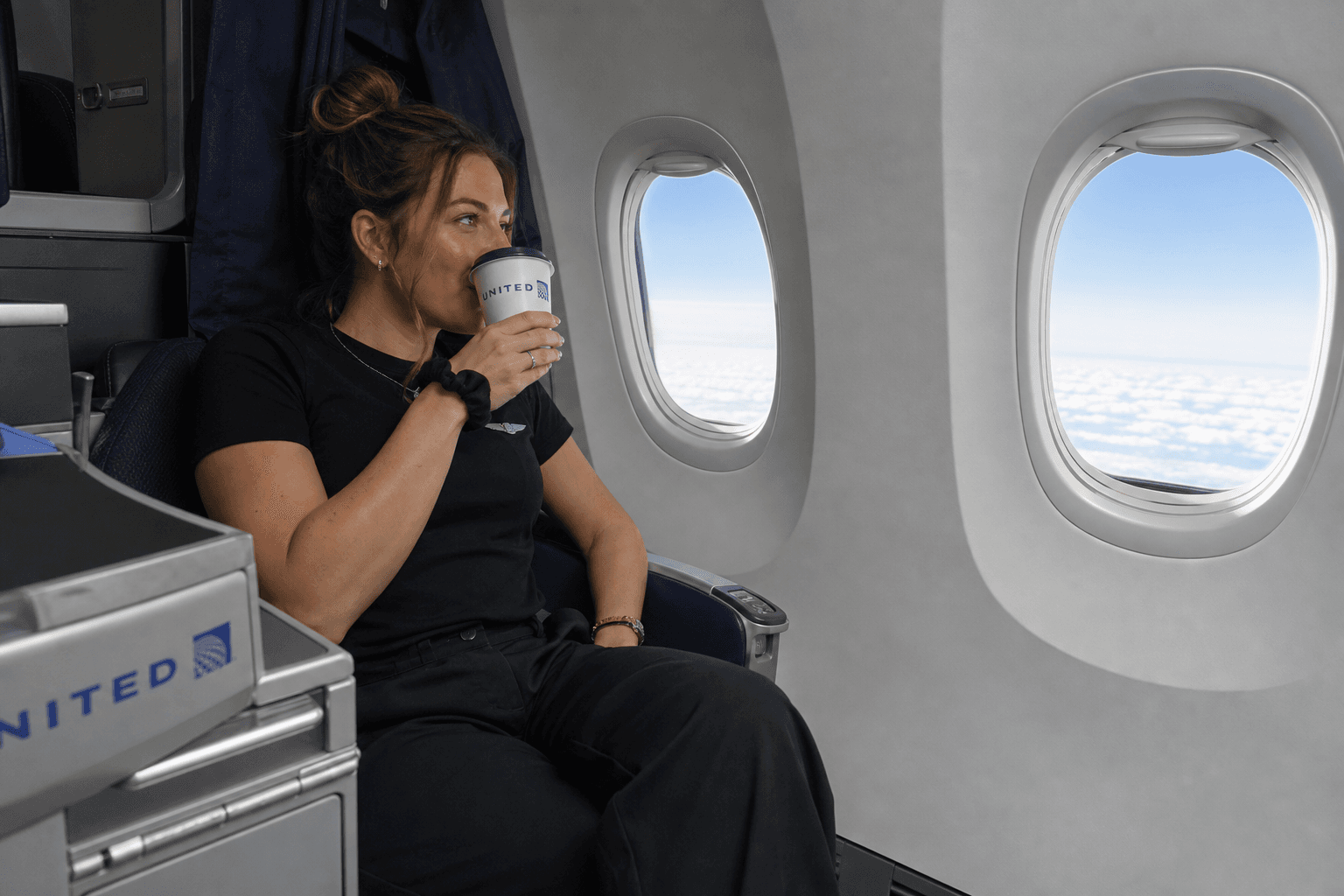
United Airlines Allows Flight Attendants to Drink Alcohol While Deadheading Under Strict Conditions
United Airlines flight attendants can drink while on duty in one narrow situation: when they are deadheading as passengers, out of uniform, and not expected to work another flight that day.
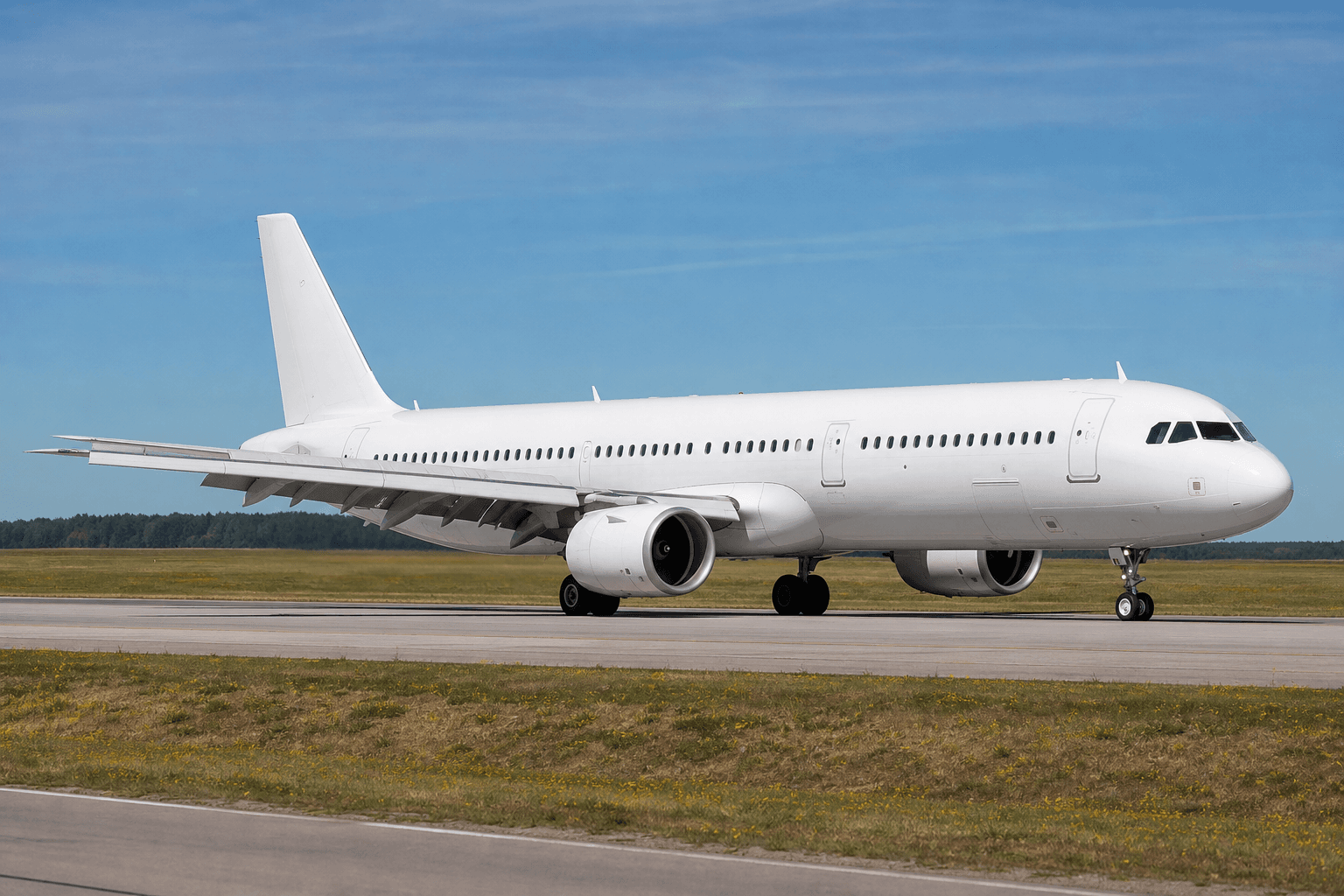
Airbus to upgrade A321neo with A321XLR wing design and single-slotted flaps
Airbus to incorporate batch of improvements on popular single-aisle model, and test production maturity of some on A320neo line. Airbus is to migrate A321XLR technology – including its revised wing design – to the A321neo, while other enhancements for the single-aisle family will initially be applied to the A320neo before being transferred up to the larger variants. The long-range XLR includes a lighter wing with a single-slotted inboard flap, and this will be incorporated into the regular A321neo, which currently uses a double-slotted design. A321neos will take advantage of a take-off performance improvement system which introduces intermediate flap positions, and works in conjunction with the single-slotted flap arrangement. The changes are part of a package of incremental improvements known as STEP4. A321neos will also benefit from new flight-control laws, the lighter electronic ‘e-rudder’, forward cabin temperature zones, and updated multi-functional runway lights. Head of A320-family development Torsten Hartung says the airframer is putting the "good ingredients" from the XLR onto the popular A321neo platform – the A321neo had a backlog of over 5,600 orders at the end of June. But the STEP4 enhancement will also entail new modifications which Airbus is to apply initially to the A320neo, as a low-risk measure to ensure production maturity before transferring them to the higher-rate A321neo, including the XLR variant. The A320neo will notably receive a new 'cobra' duct for the auxiliary power unit – mounted in the top of the fuselage, and aimed at enhancing cabin air quality – and corrosion-prevention measures such as titanium cabin rails. "The baseline A320neo is the first model to incorporate and prove the new modifications," says STEP leader for A320 family programme development Martin Schnoor. “Where we physically change the aircraft we decided to apply it first on A320neo in order to learn and see how well things are going." Once integration on the A320neo line is smooth, the new modifications will be made to the A321neo and XLR. Schnoor says deliveries of initial STEP4 A320neos are beginning, with the first A321neos and XLRs set to follow after a year. The A320neo has a different wing to the A321neo, but Airbus is ultimately aiming to migrate as many XLR innovations, outside of wing-related changes, to the A320neo as it can. Airbus says STEP4 will also eventually deliver further enhancements across the family, such as cabin-floor reinforcement, to account for changing standards in the weight of passengers and baggage, and a standardised flight data interface and management unit.
EVA Air Pioneered Premium Economy, Reshaping Long-Haul Travel Since 1992
Today, Premium Economy has become one of the most important cabin classes in long-haul aviation. Airlines across the world now rely on the product to bridge the gap between economy affordability and business class comfort, offering wider seats, improved dining, and additional personal space for travelers willing to pay slightly more for a better experience.
The Daily Touch & Go
The day's best aviation news in your inbox. Free, no spam.