

USAF to Equip KC-46 and KC-135 Tankers with Active Defense Systems Against Missiles and Drones
The U.S. Air Force is advancing tanker survivability by planning active countermeasures on KC-46 and KC-135 aircraft to defend against evolving missile and drone threats.
The gist
The U.S. Air Force will add active defense to KC-46 and KC-135 tankers to counter missiles and drones, boosting their combat survivability.
The United States Air Force is set to enhance the protective capabilities of its airborne tanker fleet by integrating active defense systems on its KC-46 and KC-135 aircraft. These tanker platforms, critical for aerial refueling and power projection, currently operate in contested environments where missile and drone threats are increasing. Adding active defense will allow these tankers to better survive hostile engagements while sustaining combat operations.
The KC-46 Pegasus, Boeing's newest tanker, and the long-serving KC-135 Stratotanker form the backbone of the USAF's midair refueling capacity. Both aircraft support a wide range of fighter jets, bombers, and other aerial platforms. Upgrading them with active defenses signifies a strategic priority as adversaries develop advanced surface-to-air missile systems and unmanned aerial vehicles capable of threatening support aircraft.
The new defense systems are intended to detect, track, and intercept incoming missile and drone threats before they can inflict damage. This capability will reduce the vulnerability of these large, valuable support aircraft in hostile theaters, where tankers must operate near or within contested airspace to extend the range and endurance of combat aircraft.
The move reflects the ongoing evolution in aerial warfare where support and logistics platforms must increasingly defend themselves, not just rely on escort fighters. By actively countering emerging threats, the USAF affirms the importance of maintaining uninterrupted refueling missions essential for sustained air operations globally.
As the USAF proceeds with these enhancements, the operational impact is expected to improve mission readiness and reduce the risk for critical refueling assets. Further details on the specific technologies and timeline for integration have yet to be disclosed but will likely shape future tanker survivability and overall force effectiveness in high-threat environments.
Read more
All Aviation Safety →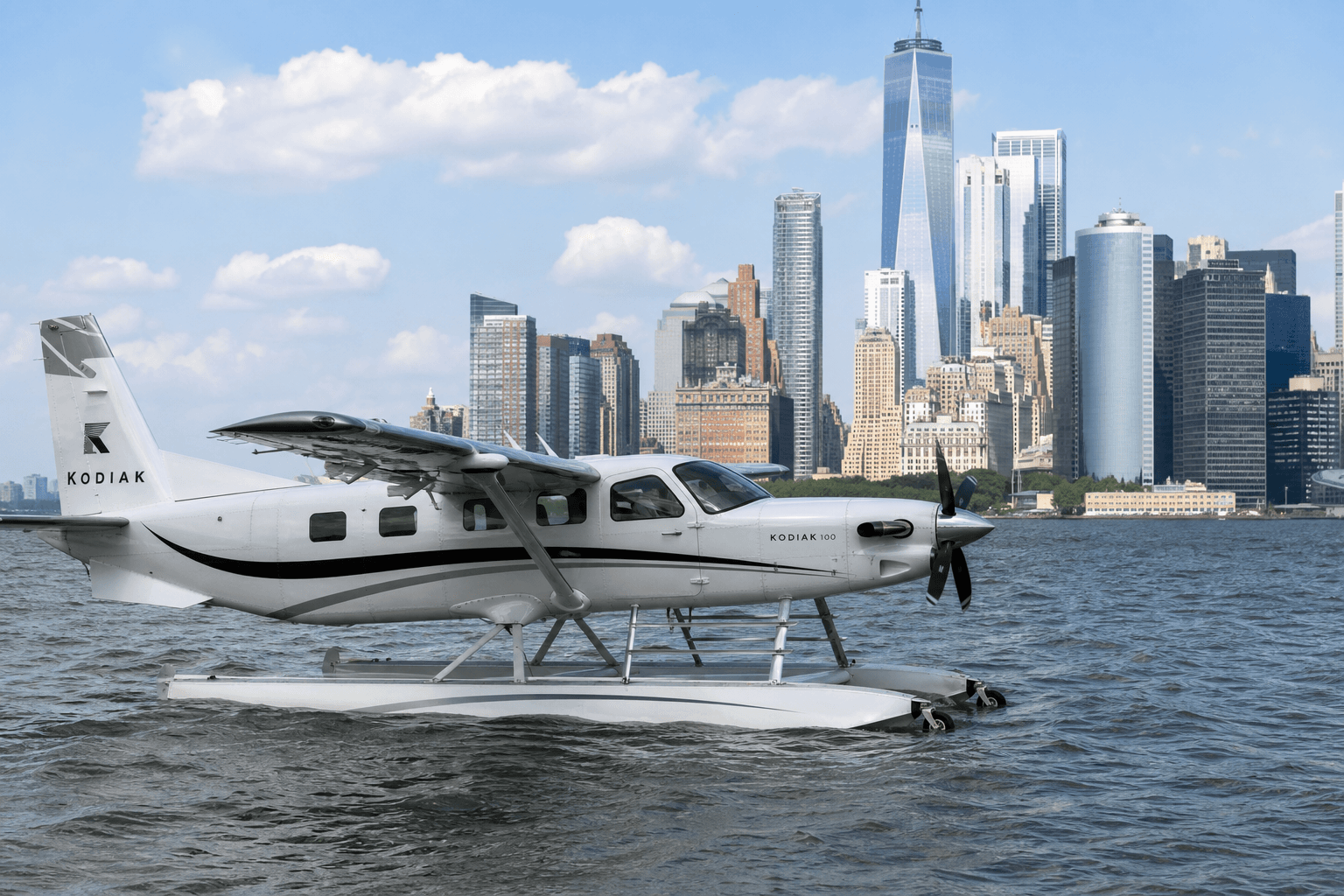
Kodiak 100 seaplane makes hard landing on East River near Manhattan, all rescued
A Kodiak 100 seaplane made a hard landing on the East River off Manhattan's 23rd Street in New…
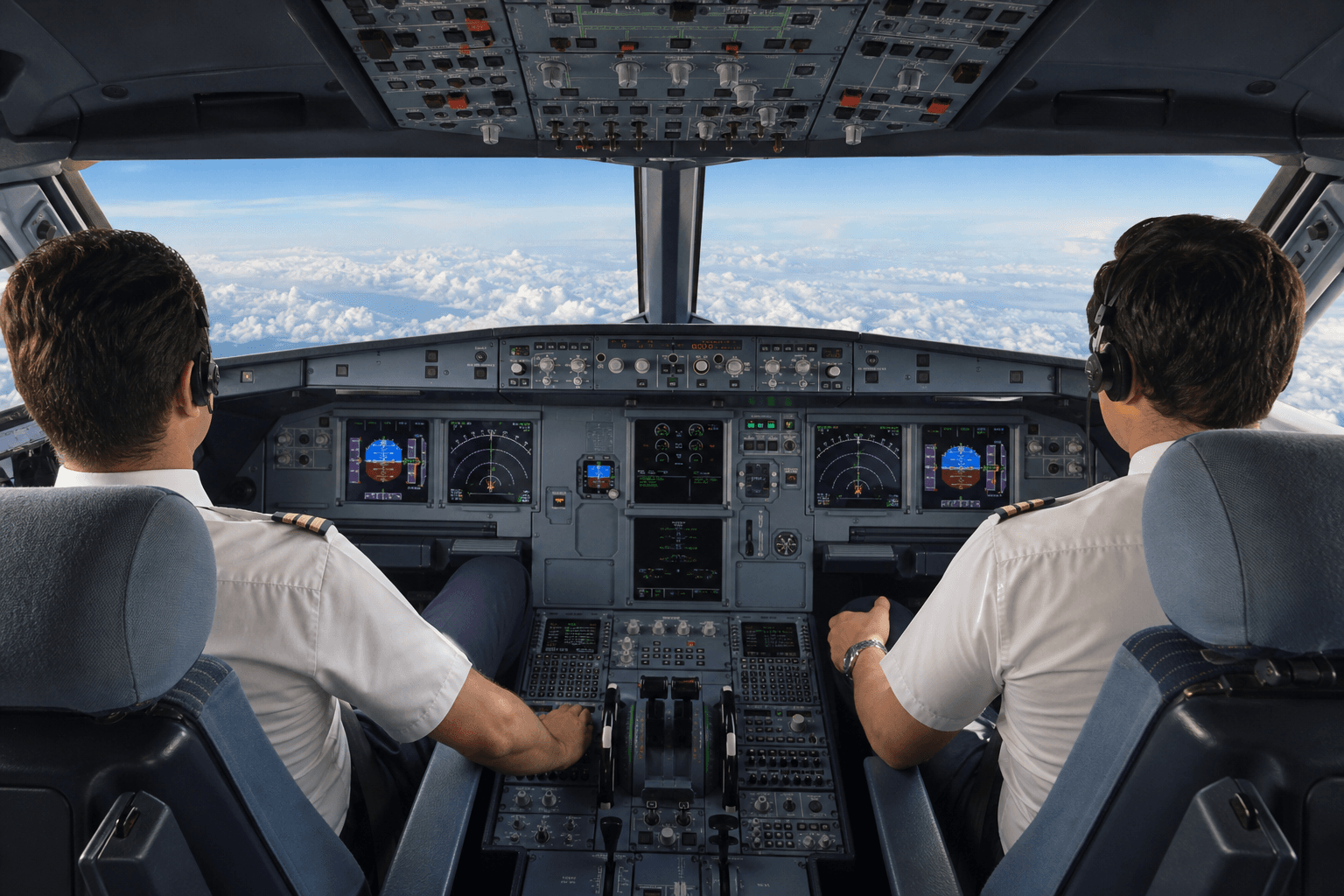
Pilots Maintain Critical Hands-On Control Even When Autopilot Manages Flight
Modern airliner autopilots still require constant pilot inputs, monitoring, and oversight.
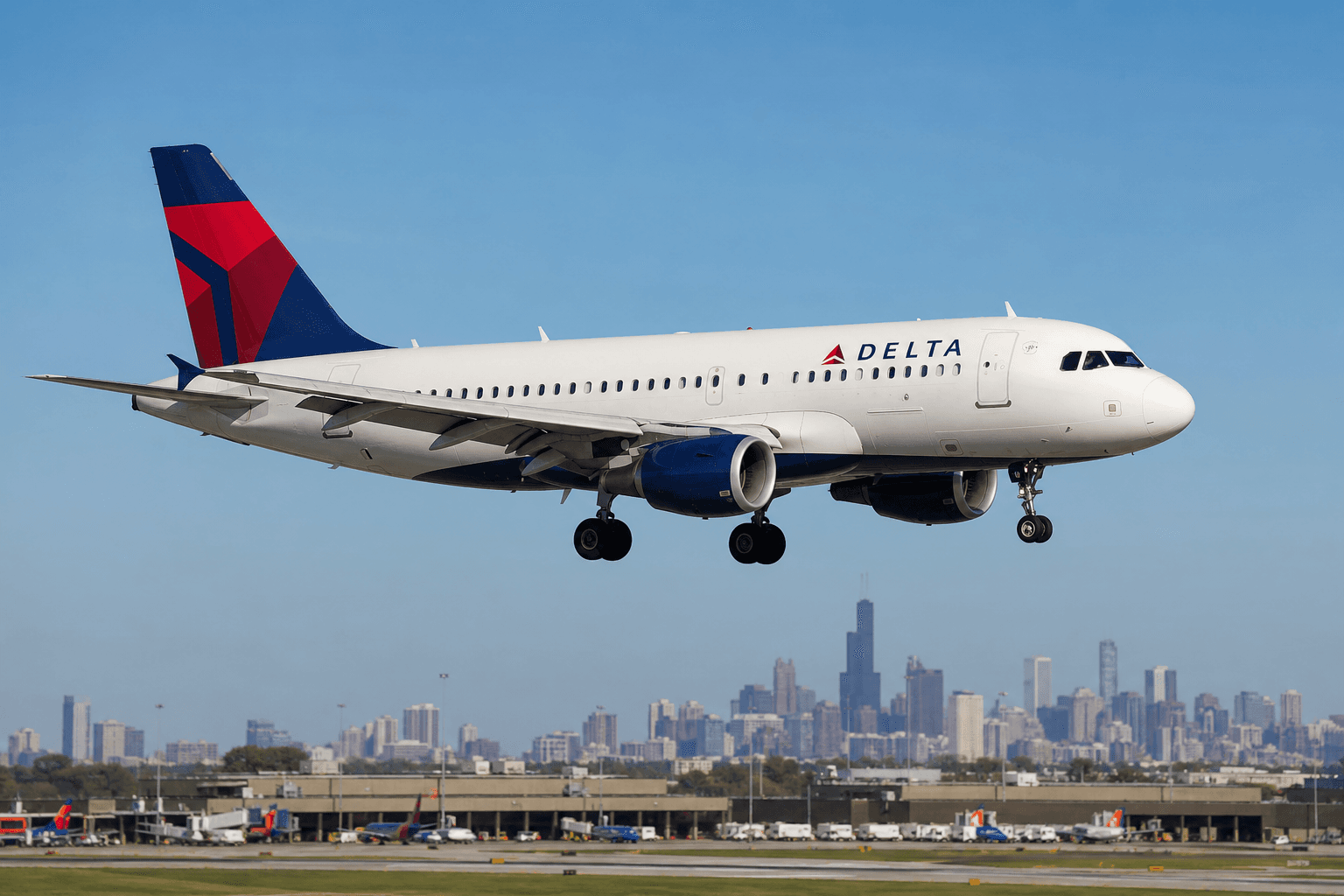
Delta A319 Struck by Firework During Landing Approach at Chicago Midway
A Delta Air Lines Airbus A319 was hit by a firework while on final approach to Chicago Midway…
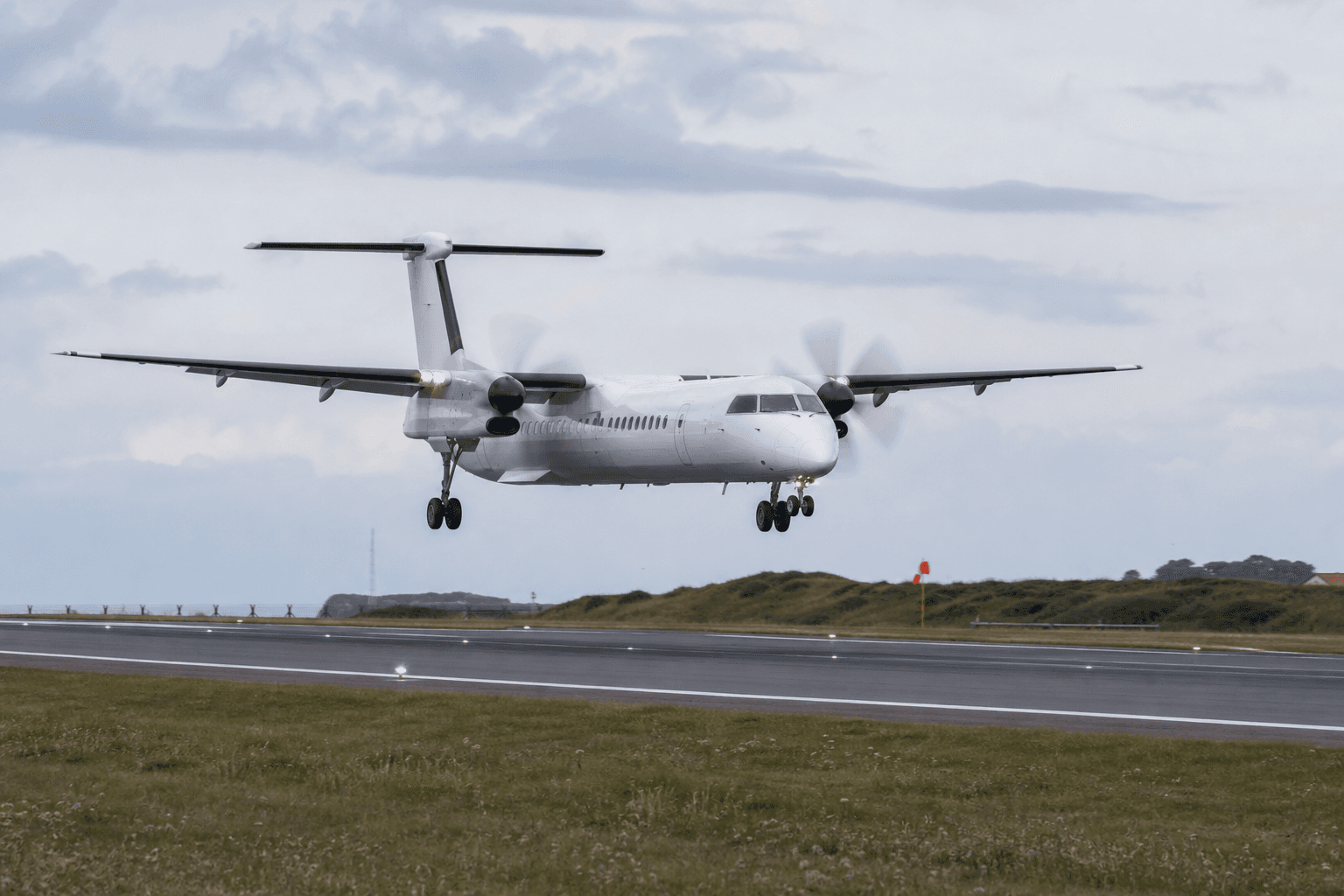
Dash 8-400 Lands Long and Overruns Runway at Guernsey Due to Touchdown Misjudgment
Inquiry into wet-leased turboprop incident highlights failure of junior crew members to challenge captain. UK investigators have found that a De Havilland Dash 8-400 captain's attempt to touch down gently at Guernsey airport resulted in the turboprop's floating and landing two-thirds of the way down the runway, before overrunning at low speed. Operated for Aurigny…
The Daily Touch & Go
The day's best aviation news in your inbox. Free, no spam.