


Illustration: The Touch & Go
Wildfire Smoke From Canada Threatens Arrival Conditions at Oshkosh AirVenture 2026
Smoke from an unprecedented wildfire season in Canada is creating hazardous air quality across the Midwest and Northeast, potentially delaying pilot arrivals at Oshkosh AirVenture starting July 20.
The gist
Canadian wildfires are sending hazardous smoke plumes over Oshkosh, risking arrival delays and reduced visibility for pilots during the 2026 AirVenture event.
Continuing coverage
All Oshkosh →- FAA Activates 2026 Oshkosh Flight Procedures for EAA AirVenture Operations
- Pilots Gear Up for Structured Arrivals at Oshkosh AirVenture with Key Preparation Tips
- AirVenture Approaches: Pilots and Fans Share Plans for EAA's Big Event
- AOPA Hosts Extensive Seminar Program and Member Events at EAA AirVenture Oshkosh 2026
- Winnebago County Approves 77-Acre Hangar Expansion at Wittman Regional Airport
The upcoming EAA AirVenture at Wittman Regional Airport (KOSH) faces unusual challenges due to smoke from a record number of wildfires burning across Canada. As of mid-July 2026, the smoke plume has extended deep into the United States, enveloping large sections of the Midwest and Northeast with hazardous air quality. Officials report air quality index (AQI) readings in Oshkosh itself reaching a hazardous 414, attributed to fine particulate matter carried by the smoke. This severe air pollution complicates flight operations for the thousands of pilots and aircraft expected at the world's largest general aviation event, which runs from July 20 to July 26.
The spread of smoke is part of an extensive wildfire outbreak affecting Wisconsin and other northern states. The Wisconsin Department of Natural Resources Fire Management dashboard showed 673 active wildfires within the state's borders by Thursday afternoon, a notable factor contributing to local particulate levels aside from the Canadian fires. Pilots planning arrivals into Oshkosh must prepare for dynamic visibility conditions, as the smoke causes cycles of haze and dense fog-like conditions that can change significantly throughout the day.
Meteorological observations highlight the broad regional impact of smoke on flight operations. METAR reports from airports stretching from Grand Forks, North Dakota, to Binghamton, New York, indicate MVFR (Marginal Visual Flight Rules) to IFR (Instrument Flight Rules) conditions primarily due to smoke labeled as 'FU' (smoke) in the aviation weather code. These degraded conditions reduce visibility both near the surface and at altitude, challenging pilot navigation and safety during approach and landing at Wittman Regional Airport.
The presence of heavy smoke alters normal pilot visual cues, one of the most critical elements of VFR (Visual Flight Rules) flight. The haze diffuses light and forces the eyes to focus beyond normal distances, making accurate distance judgment difficult or impossible. When smoke layers extend vertically throughout the flight path, pilots often cannot visually assess altitude relative to terrain or traffic, increasing reliance on instruments and complicating situational awareness. Early morning tends to bring somewhat improved visibility with lighter haze, but worsening smoke in the afternoon pushes conditions toward IFR levels.
Pilots who have already arrived at Oshkosh have communicated through social media platforms to share real-time PIREPs (pilot reports) about visibility challenges. Many warn that attempting VFR flight in or out of KOSH during peak smoke periods may not be feasible. The variation in atmospheric conditions means that pilots need flexible plans and should expect delays or diversions as air traffic control and event organizers adapt to the challenging environment caused by the wildfire smoke.
This is not the first time AirVenture has had to contend with smoke impacts from Canadian wildfires. Both in 2023 and 2024, extensive fires north of the border created a sepia-toned sky over Oshkosh, with smoky mornings persisting for several days. While the atmospheric phenomenon led to visually striking photographs, it came with the downside of poor air quality and impeded pilot visibility, complicating aviation operations at the show. The 2026 event now faces a similar but potentially more severe scenario based on current fire activity and smoke forecasts.
The wildfire smoke episode interplays with several logistical and safety considerations for AirVenture organizers and attendees. Wittman Regional Airport typically handles an extraordinary volume of general aviation traffic during the event, with thousands of arrivals needing precise sequencing for safe approaches and landings. Unusually poor visibility disrupts normal flow patterns and heightens risks of delayed or missed approaches, requiring increased vigilance and coordination between pilots and air traffic controllers.
Health risks from the hazardous air quality are also a concern for pilots and the tens of thousands of visitors expected at the festival. Prolonged exposure to elevated fine particulate matter (PM2.5) can aggravate respiratory conditions and affect general well-being. Organizers will likely monitor environmental conditions closely and may issue advisories or modify event schedules if air quality worsens. Pilots flying in from areas with better conditions may thus face unpleasant and potentially harmful atmospheric challenges upon arrival.
In sum, widespread wildfire smoke creates a complex operational environment for this year’s Oshkosh AirVenture. The extent of Canadian wildfires combined with active fires within Wisconsin has resulted in some of the worst air quality readings in years, posing visibility and health hazards for pilots and attendees alike. As the event unfolds, continual weather monitoring, flexible flight planning, and detailed pilot coordination will be essential to mitigate the impacts of smoke on one of aviation’s key annual gatherings.
Frequently asked questions
- How is wildfire smoke affecting AirVenture 2026 arrivals at Oshkosh?
- Smoke from numerous Canadian wildfires and Wisconsin fires is causing hazardous air quality and reduced visibility, potentially delaying and complicating pilot arrivals at Oshkosh.
- What air quality conditions have been reported in Oshkosh due to wildfire smoke?
- Oshkosh has reported an Air Quality Index reading of 414, classified as hazardous due to elevated fine particulate levels from wildfire smoke.
- Why is visibility challenging for pilots flying into Oshkosh during the smoke event?
- Smoke and haze reduce visibility and cause pilots’ eyes to focus at infinity, making distance judgment difficult and often requiring instrument flight rules during approaches.
Read more
All Regulatory →
AURA AERO to Showcase INTEGRAL R Aerobatic Trainer at EAA AirVenture 2026
AURA AERO will bring its two-seat INTEGRAL R aerobatic trainer to EAA AirVenture 2026 in Oshkosh, Wisconsin, as the company moves closer to FAA certification for the aircraft. The INTEGRAL R is already certified in Europe and is usually based at AURA AERO's U.S. headquarters in Daytona Beach, Florida. AirVenture Demonstrations The aircraft is scheduled to fly two aerobatic demonstration flights during the show, on Monday, July 20, and Tuesday, July 21. AURA AERO said it will exhibit near the International Aerobatic Club Pavilion during AirVenture, which runs July 20-26. Mike Goulian and Steve Fiegel are scheduled to give a presentation on the INTEGRAL R on July 24 at 1 p.m. local time at the IAC Aerobatics Center. Fiegel has flown the aircraft to three first-place finishes in the Intermediate Power category at IAC competitions since 2025. The company said the INTEGRAL R is capable of plus-7.5 and minus-7.5 G at 935 kilograms. The aircraft utilizes a Lycoming AEIO-390 engine, Garmin G3X avionics, a whole-aircraft parachute, a 150-knot cruise speed and has a 530-nautical-mile range. U.S. Plans "EAA AirVenture Oshkosh is an essential gathering for the global aviation community and a unique opportunity to meet pilots, flight schools and the wider U.S. aviation ecosystem," Drew McEwen, chief commercial officer of AURA AERO, said. "With INTEGRAL R , we are bringing to market a modern, safe and high-performance aircraft, one that is ideally suited to North American expectations." AURA AERO launched its U.S. headquarters and manufacturing site in Daytona Beach in October 2025. The company said the site is planned to produce the INTEGRAL line in piston-engine and electric versions, along with ERA, its 19-seat hybrid-electric regional aircraft. According to the company, ERA will have a 900-nautical-mile range and has a projected 2030 availability date.

AOPA Hosts Extensive Seminar Program and Member Events at EAA AirVenture Oshkosh 2026
At this year’s EAA AirVenture Oshkosh in Wisconsin, AOPA is offering a big selection of seminars; get-togethers; and one-on-one time with its specialists to discuss topics including regulations, medical certification, and other issues at the AOPA Campus, booth No. 463, across from the Brown Arch.
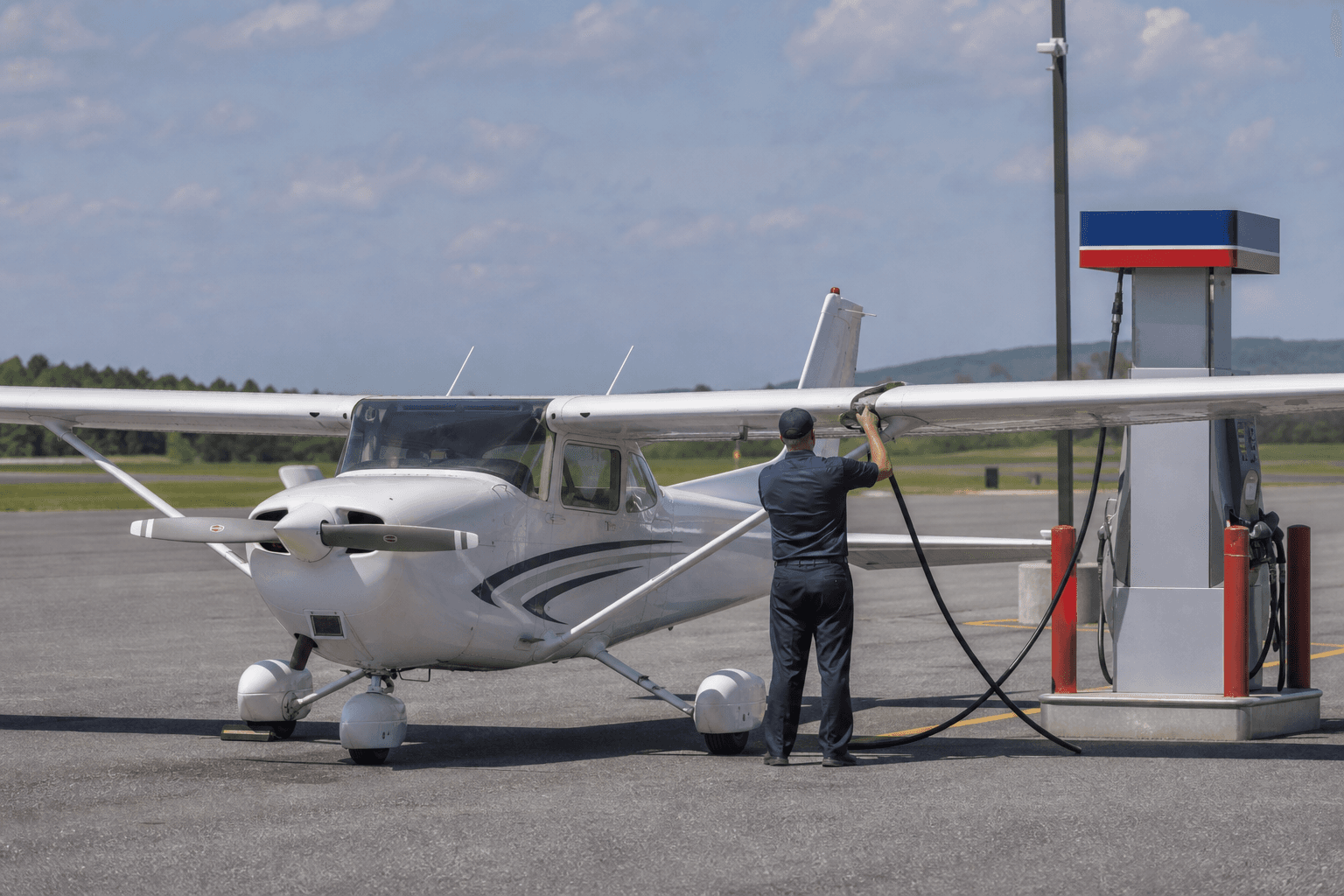
Swift Fuels expands FAA-approved unleaded 100R avgas to 1,600 piston aircraft
Swift Fuels announced a major update of its 100R unleaded aviation fuel supplemental type certificate approval, expanded by the FAA to cover 1,200 piston engine models and 1,600 aircraft. The Indiana-based company reported that distribution is also expanding according to plan.
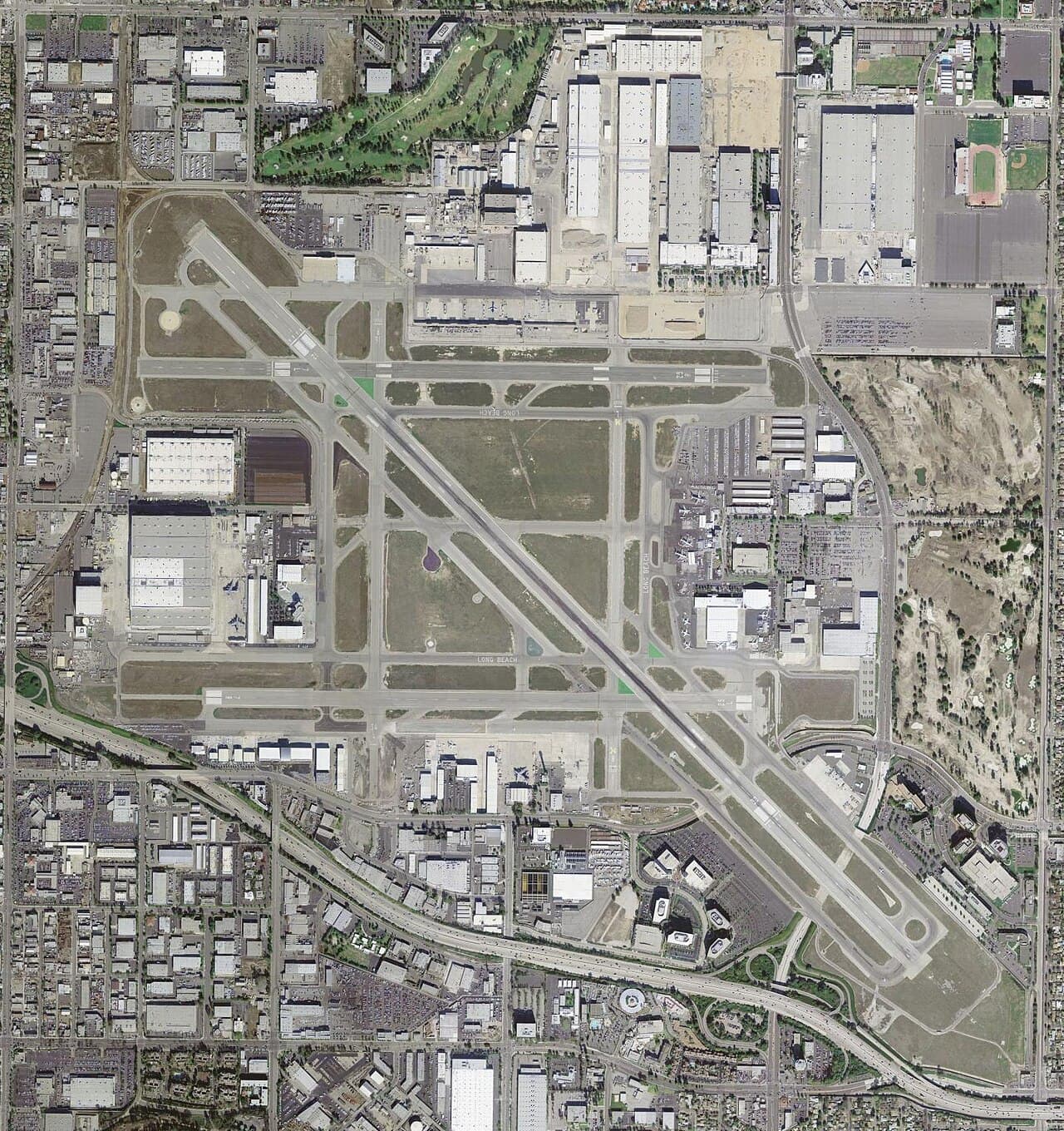
Long Beach Airport Weighs Legal Feasibility of General Aviation Landing Fees
Long Beach Airport officials are exploring whether the airport can implement landing fees for general aviation aircraft, with the Airport Advisory Commission scheduled to receive a legal briefing on the issue this week. The discussion, highlighted by the Long Beach 4th District Blog , follows questions from commissioners about whether the airport's existing fee structure could be expanded to include privately operated aircraft. The issue has also drawn attention from some Long Beach residents who continue to call for measures to address aircraft noise and increased general aviation traffic at the airport. According to the commission's meeting agenda, the presentation will focus on FAA policies, federal grant assurances, and other legal considerations governing airport fees. Long Beach Airport has historically relied on revenue sources including hangar rents, fuel flowage fees, leases, and commercial airline operations rather than landing fees for most general aviation activity. Airport staff are expected to explain that Long Beach can impose landing fees on general aviation aircraft, but only if those fees are designed to recover the airport's actual operating and capital costs. FAA regulations prohibit federally funded airports from using fees as an indirect means to reduce aircraft activity, discourage certain users, or address noise concerns. Airports that have accepted FAA Airport Improvement Program grants must ensure that fees are reasonable, nondiscriminatory, and consistent with federal obligations. A similar debate is underway at Falcon Field Airport in Mesa, Arizona, where the FAA is reviewing proposed landing fees for general aviation operators. Any future landing fee program would require additional public discussion and FAA review before implementation.
The Daily Touch & Go
The day's best aviation news in your inbox. Free, no spam.