

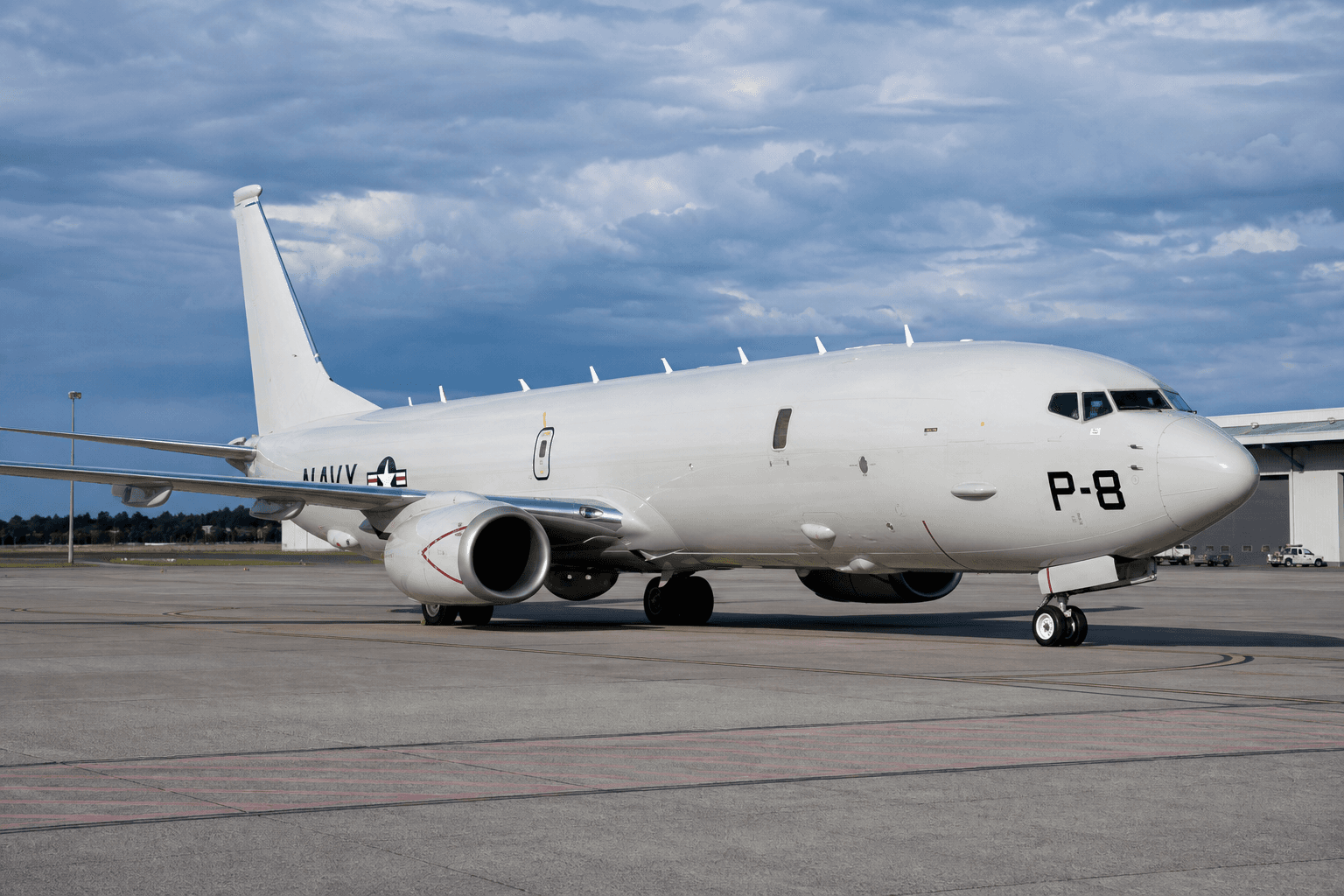
Illustration: The Touch & Go
Denmark Orders Two Boeing P-8 Poseidon Aircraft Alongside NATO MQ-4C Triton Drones
Denmark commits to a dual maritime surveillance upgrade by purchasing two Boeing P-8 Poseidons and joining NATO's acquisition of MQ-4C Triton drones for enhanced ISR capabilities.
The gist
Denmark boosts maritime patrol with two P-8 Poseidons, joining NATO in buying MQ-4C Triton drones for advanced surveillance operations.
Continuing coverage
All Nato →- UK confirms purchase of 12 F-35As to restore RAF nuclear strike role
- USMC F-35Bs Demonstrate Unique Finnish Highway Landing Amid NATO Exercise
- NATO to replace E-3A Sentry AWACS with Saab GlobalEye at 2026 Ankara Summit
- NATO and Ukraine launch €250,000 challenge for persistent airfield denial technologies
Denmark has announced a significant enhancement to its maritime surveillance capacity by ordering two Boeing P-8A Poseidon aircraft, complementing NATO's broader procurement of MQ-4C Triton unmanned drones. This decision was revealed during the NATO Summit Defense Industry Forum held in Ankara, Turkey, marking a substantial modernization effort for the alliance's intelligence, surveillance, and reconnaissance (ISR) capabilities in strategic areas such as the Arctic and High North.
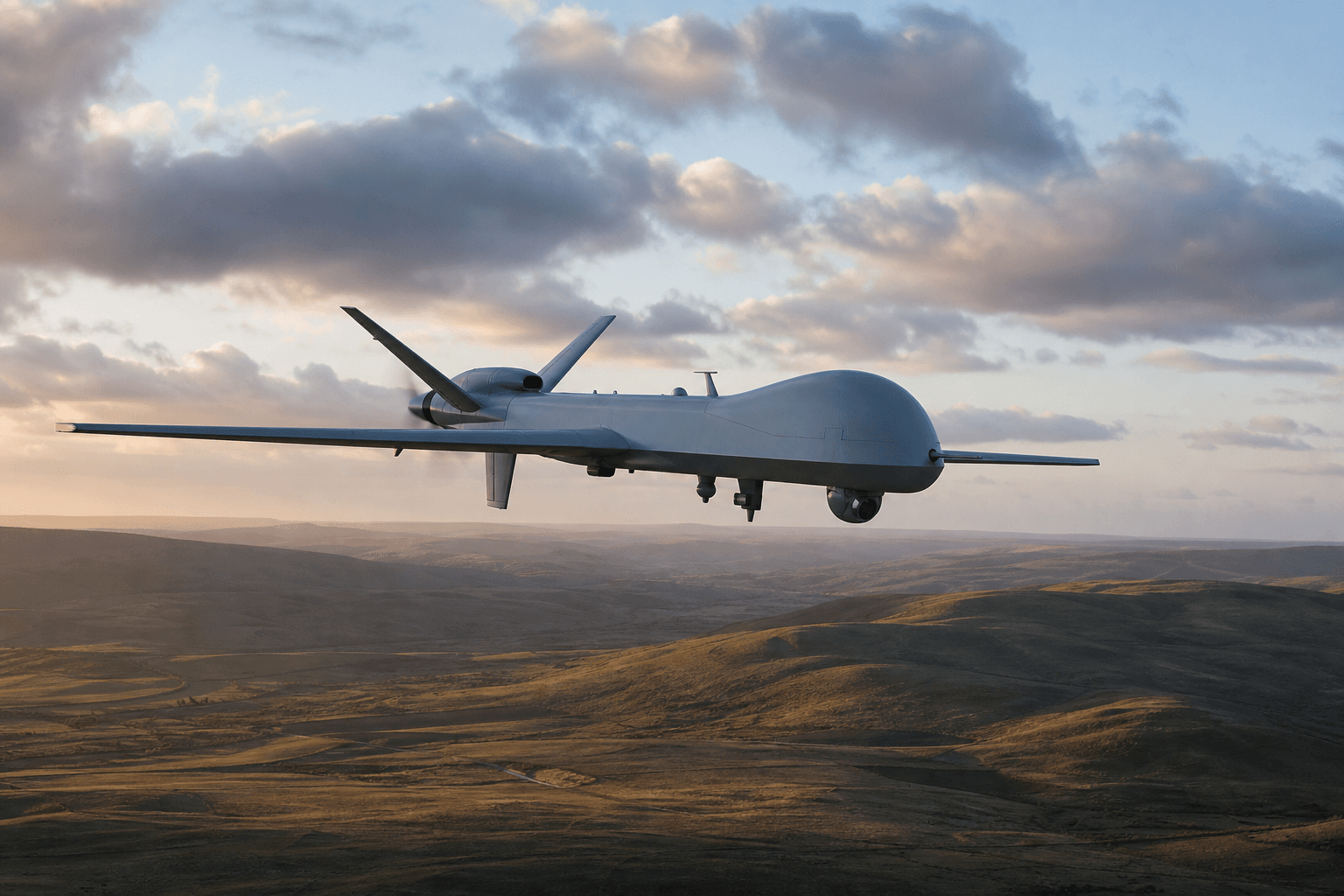
Alongside Denmark, Finland, Germany, and Norway are set to acquire up to five Northrop Grumman MQ-4C Triton drones, which will be based at the Italian Air Force Base in Sigonella. The Triton stands out for its advanced surveillance technology, featuring 24-hour endurance flights at altitudes of approximately 50,000 feet to ensure persistent maritime domain awareness. These unmanned platforms will operate in tandem with manned maritime patrol aircraft like the Poseidon to form an integrated ISR network.
Denmark’s procurement of two P-8A Poseidon aircraft follows the US government's approval of its Foreign Military Sale request for up to three jets back in late 2025. These Poseidons will be equipped with sophisticated sensors and interoperable systems compatible with those deployed by NATO allies including Germany, the United States, Norway, and the United Kingdom. An industrial partnership involving Northrop Grumman and Airbus Defence and Space, along with other European aerospace companies, will oversee the production and delivery efforts.
The P-8 Poseidon, derived from the Boeing 737-800 airframe, is a multi-mission maritime patrol aircraft capable of not only surveillance but also engaging threats with torpedoes, missiles, and air-dropped sea mines. This versatile weapons load, combined with cutting-edge radar and camera systems, allows it to contribute significantly to maritime situational awareness and defense.
NATO's decision to integrate both the MQ-4C Triton and P-8 Poseidon platforms reflects a strategy to phase out legacy aircraft such as the Lockheed P-3C Orion and EP-3E Aries. Both new aircraft platforms offer networked capabilities under Link-16 combat cloud architecture, enabling real-time data sharing and enhancing joint mission effectiveness across member states’ forces.
The MQ-4C Triton’s powerful active electronically scanned array radar is optimized to detect and track vessels at sea, making it invaluable for early warning and maritime security operations. In parallel, the P-8’s inverse synthetic aperture radar delivers high-resolution ground and sea tracking, while additional onboard electro-optical, infrared sensors, and electronic support measures round out a comprehensive ISR suite.
Financially, the Triton program represents a high-value investment with an estimated airframe cost near $200 million each, accumulating to roughly $1 billion for the NATO purchase alone before factoring ongoing support. The P-8 Poseidon aircraft typically command even higher prices due to their complex systems and integrated weapons packages, with overall costs for similar international contracts exceeding $500 million per aircraft with sustainment.
Aviation industry observers note that Denmark’s expanding maritime patrol capability will enhance its ability to monitor and defend extensive and challenging maritime domains, including the Arctic regions governed by the Danish Kingdom. Chief of Defence General Michael Hyldgaard emphasized the critical need to secure all parts of the kingdom, especially distant areas such as the North Atlantic and Arctic, indicating the strategic value placed on these aircraft.
By acquiring these advanced surveillance platforms, Denmark and NATO strengthen their ISR posture amid evolving geopolitical challenges in northern maritime areas. The combined manned and unmanned surveillance architecture promises improved long-range detection and rapid response, setting a new standard for joint maritime operations within the alliance.
Read more
All Military/Defense →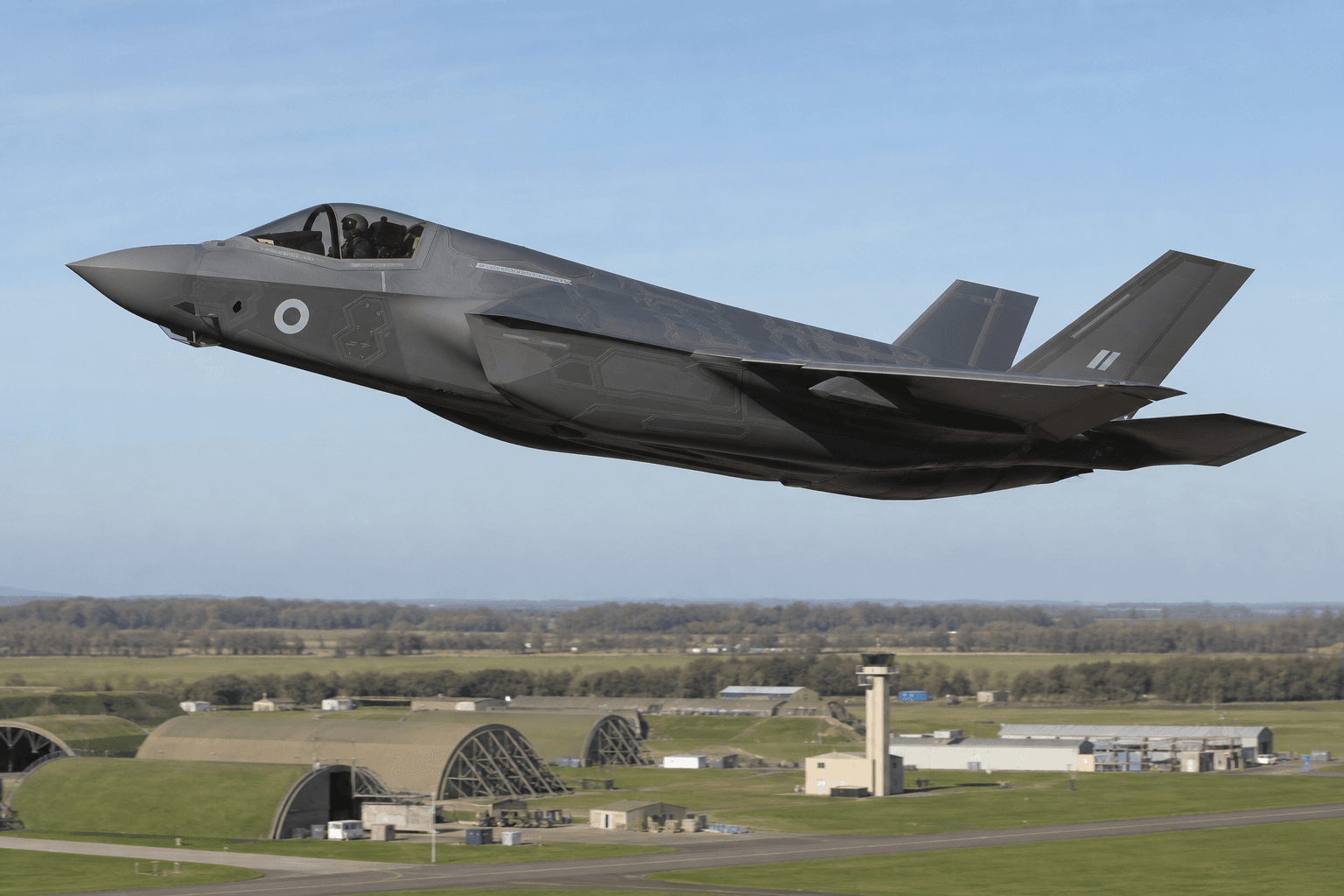
UK confirms purchase of 12 F-35As to restore RAF nuclear strike role
The UK's Defence Investment Plan, published on June 30, 2026, confirms funding for 12 Lockheed Martin F-35A fighters…
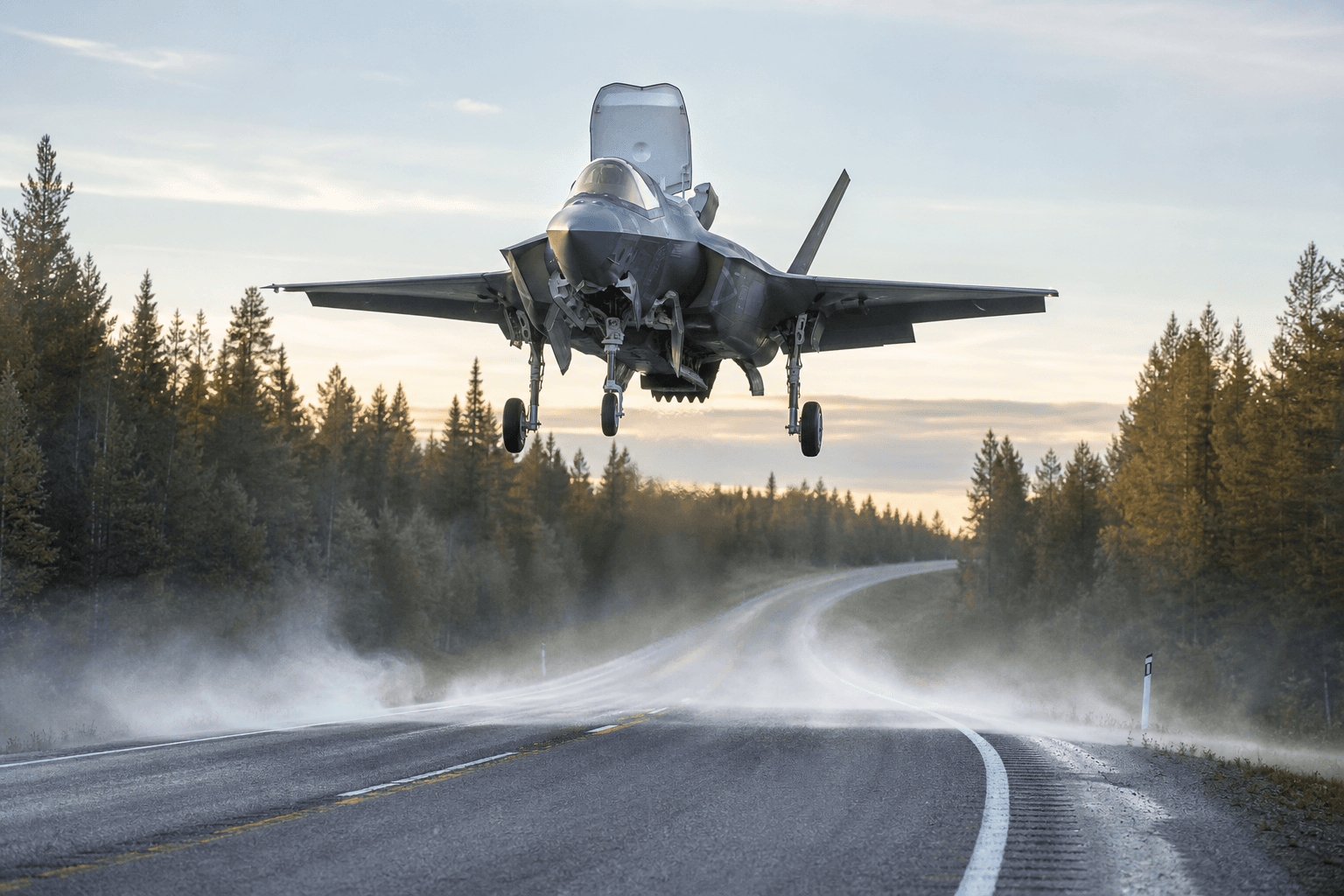
USMC F-35Bs Demonstrate Unique Finnish Highway Landing Amid NATO Exercise
How the F-35B's lift fan allows NATO jets to operate from Finnish roads and why that capability matters near Russia.
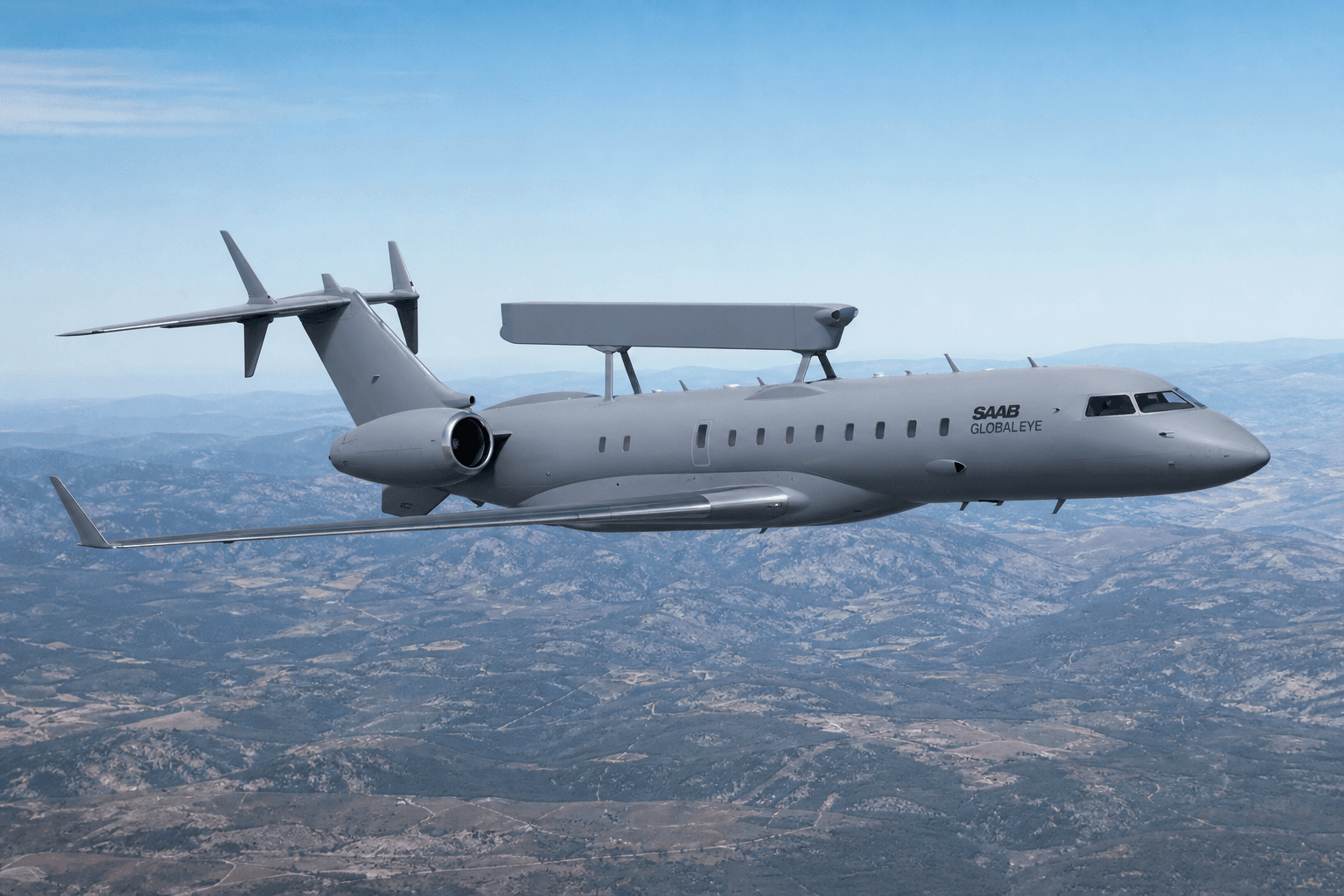
NATO to replace E-3A Sentry AWACS with Saab GlobalEye at 2026 Ankara Summit
NATO is expected to announce plans to replace its aging Boeing E-3A Sentry AWACS fleet with Saab GlobalEye surveillance aircraft, Reuters…
UK Army to retire Watchkeeper drones, replacing with up to 24 new surveillance UAVs by 2029
New uncrewed aircraft will replace obsolete type. The UK will field a replacement for its Watchkeeper remotely piloted aircraft by late this decade, according to its newly published Defence Investment Plan (DIP). Detailing its spending for the remainder of this decade, the Ministry of Defence says it will invest £310 million ($414 million) "in the…
The Daily Touch & Go
The day's best aviation news in your inbox. Free, no spam.