

Illustration: The Touch & Go
FAA Proposes Replacing 53-Year-Old Ban on Supersonic Flight Over U.S. Land With Noise-Based Rules
The FAA unveiled a draft rule that would permit supersonic flight over the U.S. if sonic booms meet strict noise limits, signaling a major update to longstanding federal policy.
The gist
The FAA plans to allow supersonic flights over land by setting noise limits instead of speed bans, opening new paths for faster air travel.
Continuing coverage
All Faa →- Guide for Airports on Unleaded Avgas Transition Released Ahead of FAA Final Plan
- FAA Issues New Guidance to Preserve Cockpit Voice Recorder Data After Incidents
- FAA Unveils Proposal to Revamp Mechanics' Inspection Authorization Renewals
- FAA Proposes Noise-Based Rules to Enable Supersonic Flight Over US Land
- FAA Contracts L3Harris to Modernize ADS-B Ground Network Through 2045
For more than five decades, a federal regulation has prevented civilian aircraft from flying faster than the speed of sound over the continental United States. Originating during the Nixon administration, the rule was a response to widespread public complaints about sonic booms generated by military jets, which caused rattled homes, cracked plaster, broken windows, and disrupted daily life. This severe impact led the Federal Aviation Administration (FAA) to implement a sweeping ban on routine supersonic flight over land, limiting commercial aircraft to subsonic speeds within U.S. borders.
On July 2, the FAA published a Notice of Proposed Rulemaking signaling a potential rewrite of this historic regulation. Rather than prohibit supersonic speed outright, the agency now proposes replacing the speed-based ban with a performance standard focused on noise impact on communities beneath flight paths. This approach shifts the regulatory question to whether sonic booms generated are disruptive or benign. The Department of Transportation announced the regulatory review just days before this FAA proposal, marking a pivotal shift in U.S. supersonic policy not seen in over fifty years.
This new model for regulation reflects advances in aircraft design and aerodynamics. Unlike earlier supersonic jets that caused loud, explosive booms, modern engineering allows the shaping of aircraft to disperse shock waves, reducing the noise impact on the ground to a mild thump instead of an intrusive blast. The FAA's draft rule sets a stringent limit on ground-level overpressure from sonic booms at 0.11 pounds per square foot, a technical measurement intended to translate into notably less disturbing sound levels for people on the ground.
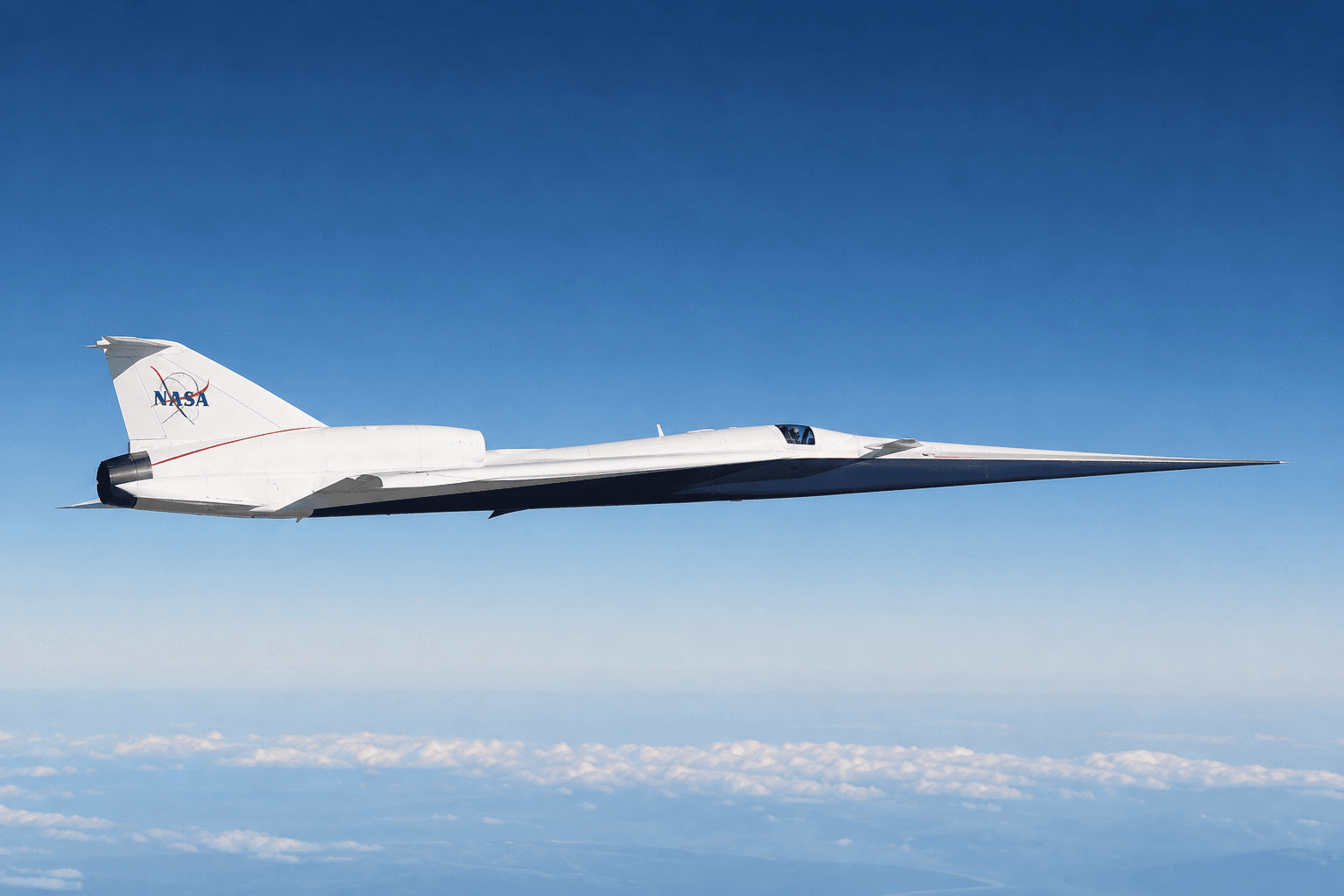
The proposal coincides with NASA's ongoing development of the X-59 Quiet SuperSonic Technology (QueSST) demonstrator, an experimental aircraft designed specifically to prove that supersonic flight with minimal sonic boom noise is possible. With an unusually slender nose and sleek contours, the X-59 recently achieved Mach 1.4 at an altitude of about 55,000 feet, marking a significant milestone in its test program. NASA plans to conduct flights over select U.S. towns to collect data not only on noise levels but also on community response, including whether residents find the sound surprising or bothersome.
The research from the X-59 program hopes to provide concrete evidence to regulators that supersonic commercial flights can be compatible with populated areas, supporting the case for regulatory change. This outcome could influence both FAA regulations and international standards for supersonic aviation, fundamentally altering the landscape for future aircraft certification and operation.
Currently, many aerospace companies are investing heavily in next-generation supersonic airliners intended to drastically reduce intercity travel times. Due to the current ban, development has largely centered on transoceanic routes to avoid overland sonic boom restrictions. Adoption of the FAA's proposed noise-based standard would expand operational opportunities within the continental U.S., enabling much faster business travel across major domestic city pairs and potentially transforming scheduling possibilities.
Though commercial supersonic service is still years away, this regulatory movement represents important alignment between technological progress and policy. For manufacturers and investors, the proposal offers much-needed regulatory clarity and a clearer pathway to certification, thereby reducing the financial risks of delivering new supersonic products for commercial markets.
This development marks the first major federal recognition in decades that noise, rather than speed alone, should determine the feasibility of supersonic flight over land. If finalized, the rule would lift a significant barrier hindering supersonic aircraft from entering domestic U.S. airspace at supersonic speeds, potentially catalyzing the return of supersonic passenger service long absent from American skies.
Read more
All Aviation Safety →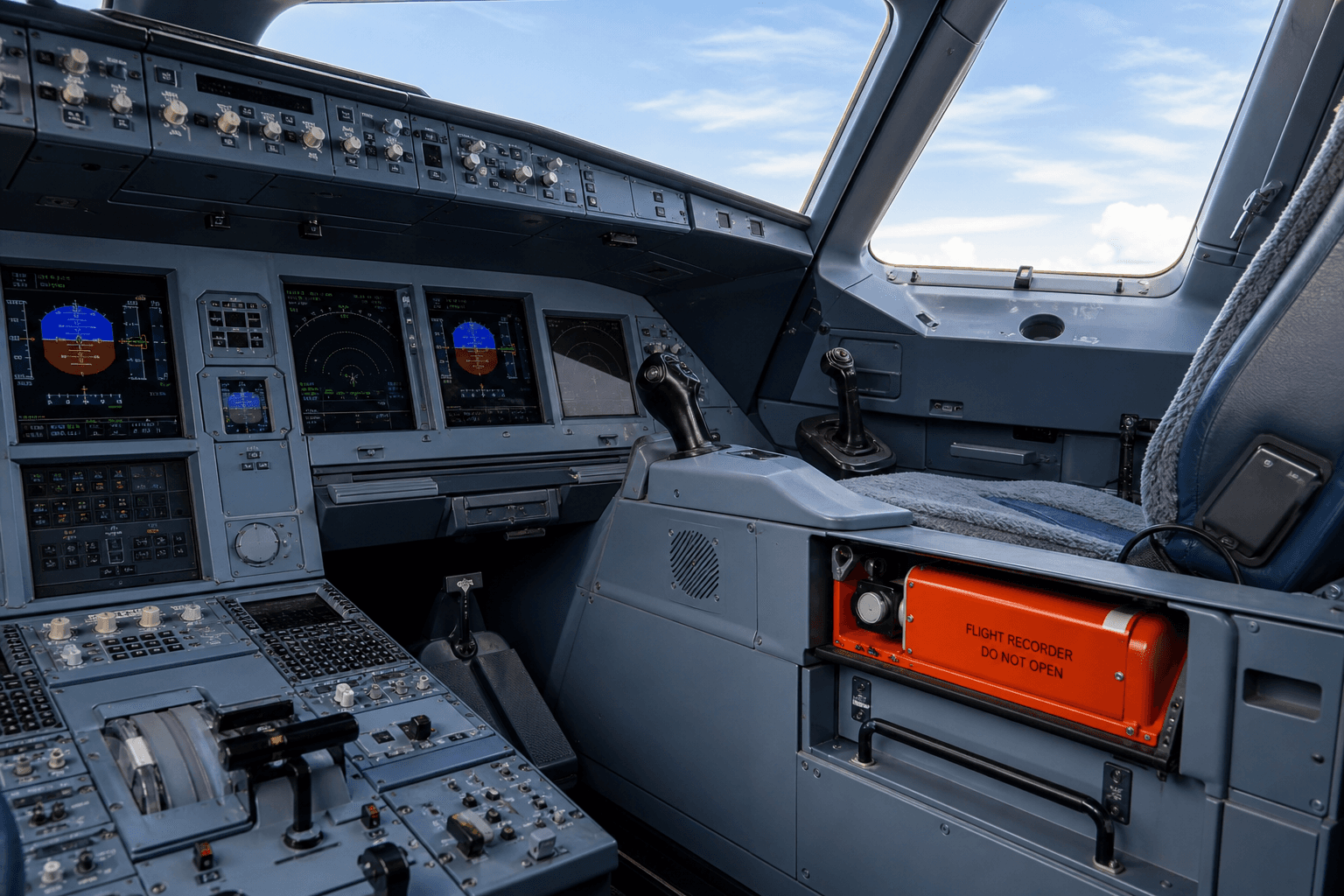
FAA Issues New Guidance to Preserve Cockpit Voice Recorder Data After Incidents
The FAA is developing recommendations to protect information captured by the cockpit voice recorder (CVR) of an aircraft that has been involved in an accident or reportable incident. The agency has issued a Safety Alert for Operators (SAFO) advising airline crews and maintenance teams to shut off power to the CVR to protect critical audio data after a reportable event. CVRs are designed with a finite amount of memory that is overwritten, unless the circuit breaker for the device is pulled. The SAFO advises operators to provide clear shutoff instructions for the CVR through flight, maintenance, and dispatch manuals, and instructs airlines and air taxi companies to assess applicable procedures through their Safety Management Systems (SMS) to ensure the guidance is implemented and effective. READ MORE: NTSB Releases Final Report on Alaska Door Plug Failure READ MORE: 4 Flight Attendants Sue Boeing Over Alaska Door Plug Blowout According to the FAA, the SAFO addresses a National Transportation Safety Board (NTSB) recommendation in 2025 stemming from the January 2024 in-flight loss of a door plug from Alaska Airlines Flight 1282, a Boeing 737-900. The mid-exit door plug (MED) departed the aircraft shortly after takeoff from Portland International Airport (KPDX) in Oregon. The loss of the MED as the jet climbed through 14,830 feet resulted in explosive decompression. The door, along with unsecured objects including cellphones, paper, children's toys, clothing, and parts of the aircraft interior rained down on a Portland suburb. One flight attendant and seven passengers received minor injuries. The captain, first officer, three flight attendants, and 164 passengers were uninjured. Video taken from inside the aircraft during the return to KPDX appeared on social media, showing supplemental oxygen masks hanging from the ceiling, seat frames twisted as if they were made of Play-Doh, and a gaping hole in the fuselage with the city lights of Portland below. The aircraft was able to land safely at the airport, where the passengers and crew departed. Mid-exit door (MED) plug from Alaska Airlines Flight 1282. [Credit: NTSB] During the preliminary NTSB hearing it was learned that the force of the decompression blew open the cockpit door and the flight crew lost their headsets. The loss of cabin pressure necessitated the use of supplemental oxygen, which further made it difficult for the crew to communicate. In addition, the interphone was knocked out, making it impossible to reach the flight attendants in the cabin to determine the extent of the severity of the event. The CVR was not available for review by the NTSB, because, as noted by several people during testimony, by the time the technicians returned to the cockpit, the CVR had overwritten itself as it is designed to record two hours at a time, then recycle. The procedure in the event of an accident or incident is to pull the circuit breaker to preserve the information on the CVR, but it was noted that the flight crew was focused on the welfare of the passengers and getting the aircraft safely back on the ground. As the FAA report indicates, because the CVR had been overwritten, the NTSB was not able to fully evaluate some flight deck environment events associated with the rapid depressurization, such as the difficulties the pilots had establishing communications back to their headsets after removing oxygen masks. Because of the missing CVR, the NTSB could not determine whether factors other than the loud noises in the airplane contributed to the reported communication difficulties that occurred while the pilots were wearing their oxygen masks, such as the captain and a flight attendant reporting inability to communicate with each other over the interphone despite multiple attempts. "Such a determination would support the development of recommendations for safety enhancements, which, depending on the reason for the difficulties, could involve equipment, procedural, or training solutions," the FAA report stated. One of the recommendations to come out of the NTSB investigation was to require CVRs capable of recording 25 hours at a stretch before the overwrite. The FAA recommends that each operator with a CVR installed "confirm that company manuals contain instructions that the CVR circuit breaker be pulled after a reportable event. The instruction that the CVR circuit breaker is pulled could be included in flight operation manuals, maintenance manuals, and dispatch manuals, increasing the likelihood that the task is accomplished. Certificate holders operating under Title 14 Code of Federal Regulations (14 CFR) parts 121 or 135 should use their safety assurance processes within their Safety Management System (SMS) to ensure the recommended risk controls are analyzed and assessed to meet the organization's safety objective." In an email to the FAA, the NTSB noted that following the accident Alaska Airlines implemented several changes related to preserving flight data recorder (FDR) and CVR data after an incident or accident, such as adding circuit breaker information to the Quick Reference Handbook (QRH) used by pilots, and adding a reminder to the flight operations duty officer and dispatch brief checklists to confirm that CVR and FDR circuit breakers are pulled following an event. The airlines also revised the Emergency Coordination Center maintenance and engineering checklist, non-Emergency Coordination Center maintenance control checklist, and Emergency Coordination Center flight operations checklist to prioritize timely pulling of the FDR and CVR circuit breakers following an event. "The FAA recognizes the importance of protecting cockpit voice recorder (CVR) data following a reportable event," said FAA Administrator Bryan Bedford in an email to the NTSB. "There are several 14 CFR sections, §§ 121.135, 125.73, 135.23, and 91.1025, that stipulate manual content requirements. However, none of these sections require operators to ensure the cockpit voice recorders (CVR) circuit breaker has been pulled after a reportable event." Bedford's email continues, noting that after May 28, 2027, "every Part 121 and Part 135 certificate holder is required under 14 CFR Part 5 to have a Safety Assurance module within their Safety Management System which will require them to consider notifications from external sources and, therefore, use their safety assurance module to determine if they have procedures in place to ensure that CVR data retention is located throughout their manual system."
FAA Awards $1.776 Billion in Airport Grants to Boost Infrastructure and Safety
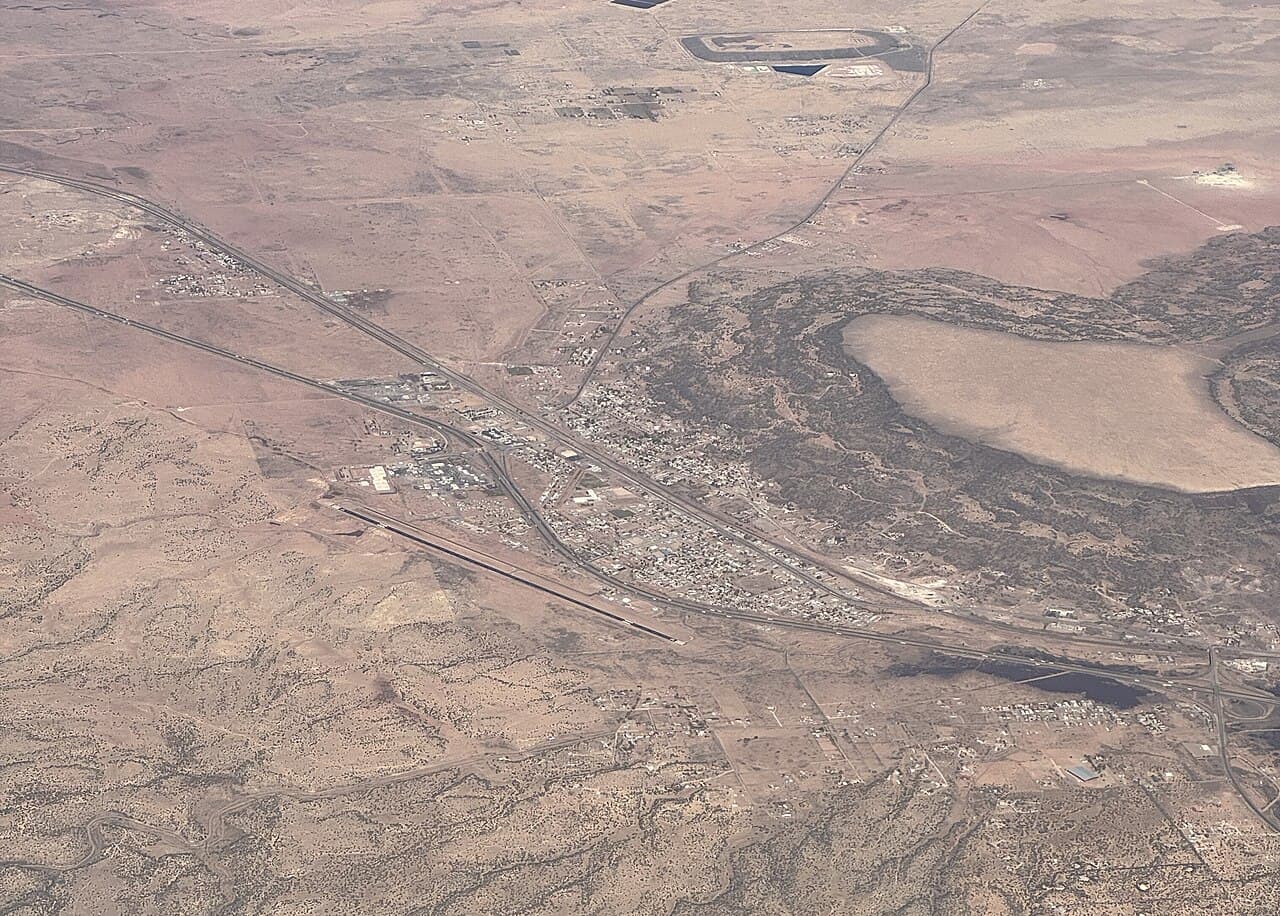
Fresh funding will support a range of projects, from runway rehabilitations to safety upgrades.
FAA mandates radio altimeter upgrades amid 5G Upper C-band rollout with cellular carrier rebates
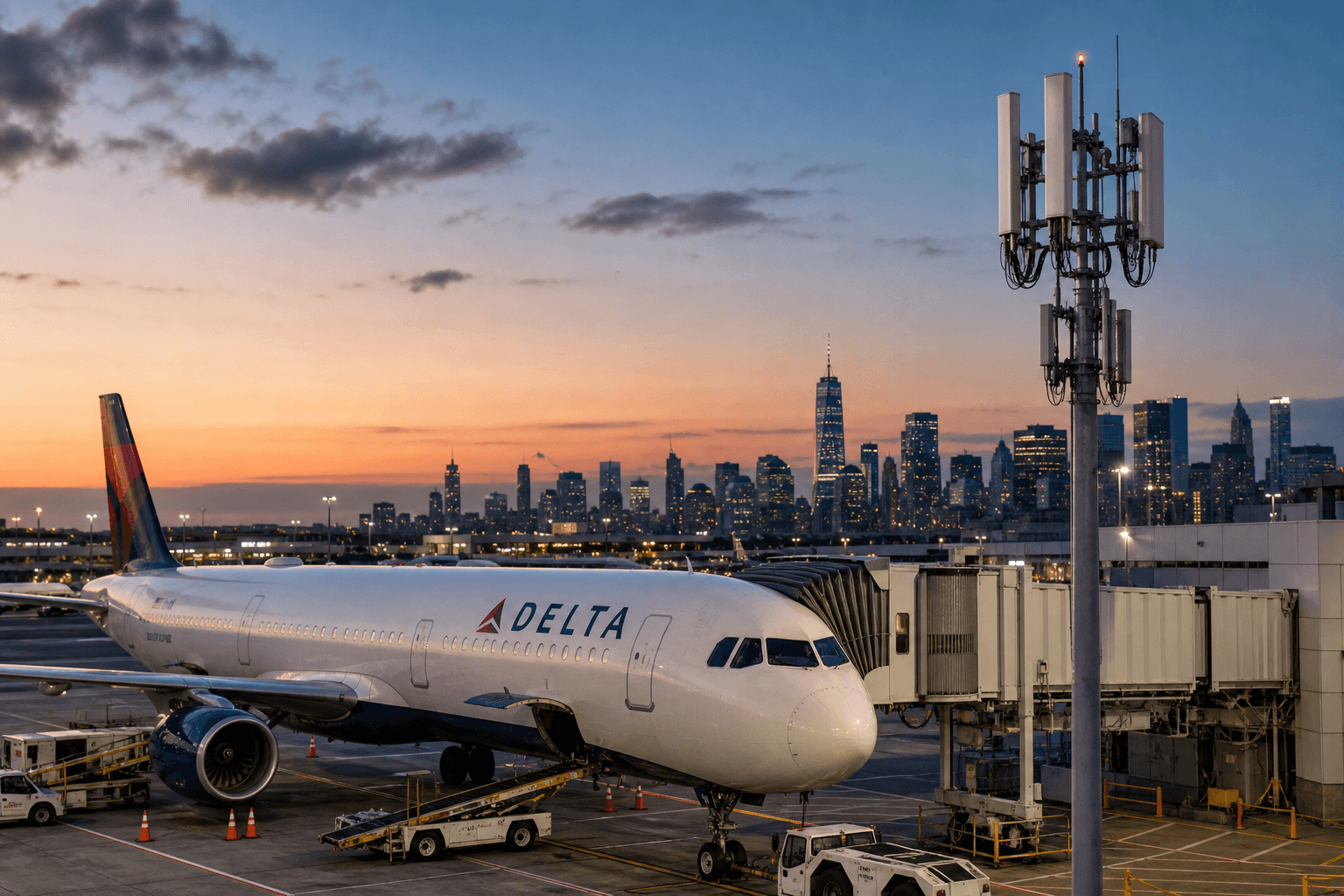
The FAA intends to pass an altimeter update mandate this summer, but aircraft operators could get rebates for the expense. The Federal Aviation Administration will soon issue another rule requiring all radio altimeters on US aircraft be updated to prevent interference from 5G transmissions, though cellular companies are likely on the hook to help foot…

FAA imposes Canadian operation restrictions on 1,000 US aircraft over 5G altimeter risks
The FAA estimates its newly issued airworthiness directives will affect 1,000 US-registered aircraft. Some US transport aircraft will face operating restrictions in Canada starting on 1 July. That is according to the US Federal Aviation Administration, which on 30 June published several airworthiness directives (ADs) in response to concern that 5G cellular signals near Canadian…
The Daily Touch & Go
The day's best aviation news in your inbox. Free, no spam.