

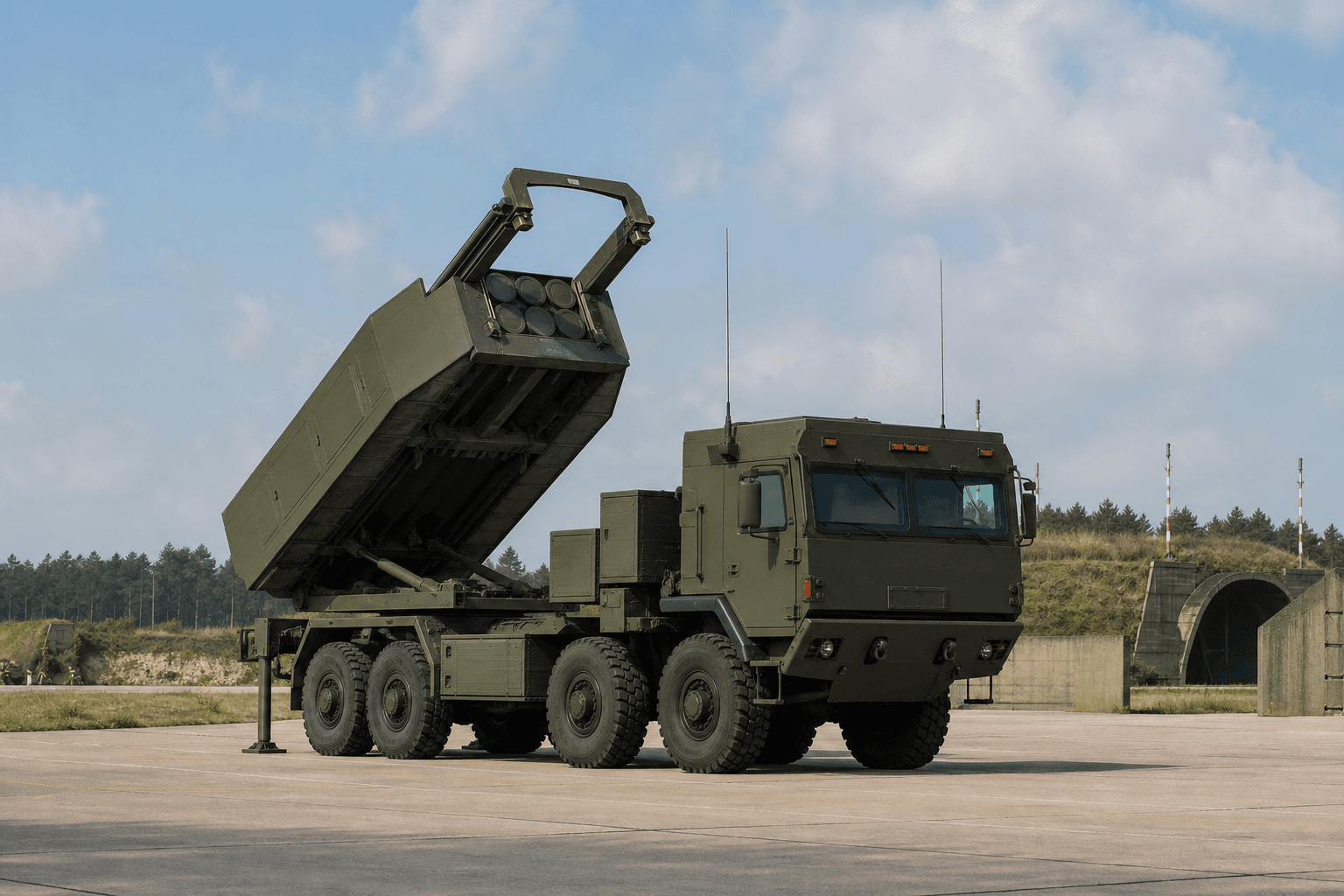
Illustration: The Touch & Go
Germany to Acquire Tomahawk Cruise Missiles for Deployment on Home Soil
Germany has secured a deal with the United States to purchase and station Tomahawk cruise missiles on its territory, aiming to enhance its long-range strike capabilities amid broader European defense initiatives.
The gist
Germany will buy and deploy Tomahawk cruise missiles domestically, joining a select group of European nations with this capability.
Continuing coverage
All Nato →- Denmark Orders Two Boeing P-8 Poseidon Aircraft Alongside NATO MQ-4C Triton Drones
- UK confirms purchase of 12 F-35As to restore RAF nuclear strike role
- USMC F-35Bs Demonstrate Unique Finnish Highway Landing Amid NATO Exercise
- NATO to replace E-3A Sentry AWACS with Saab GlobalEye at 2026 Ankara Summit
- NATO and Ukraine launch €250,000 challenge for persistent airfield denial technologies
Germany is set to acquire Tomahawk cruise missiles following an agreement with the United States, marking a significant development in its defense strategy. Chancellor Friedrich Merz disclosed on July 9, 2026, that the US administration approved the sale, allowing Germany to purchase and deploy these long-range missiles on German soil. The announcement came during a government statement delivered to the Bundestag, highlighting the strategic nature of this acquisition for Germany's military capabilities.
This milestone agreement was reached during the NATO summit on July 7 and 8 in Ankara, Turkey, an event that also witnessed other key defense collaborations including the pooling of A400M transport aircraft among NATO members and the selection of Saab's GlobalEye as the alliance's future airborne warning and control system platform. Merz emphasized that acquiring Tomahawks fills a crucial strategic gap while Germany continues to invest in the development and deployment of indigenous European missile systems.
The deal represents a shift away from a previous plan announced in July 2024 under then-US President Joe Biden and Chancellor Olaf Scholz. That plan called for episodic US deployments of Tomahawk, SM-6, and experimental hypersonic weapons on German territory starting in 2026. However, it was shelved in May 2026 after the Pentagon canceled the Long-Range Fires Battalion amid munitions shortages linked to ongoing conflicts involving the US and Iran.
Under the new framework, the missiles will not be US assets temporarily deployed but will be German-owned and operated, placing Germany alongside the United Kingdom and the Netherlands as operators of the Raytheon-manufactured Tomahawk missile. The Tomahawk provides striking capability against targets as far as 2,500 kilometers (approximately 1,550 miles) away, significantly enhancing Germany's range of deep reach.
Prior to the official announcement, German Defense Minister Boris Pistorius had indicated that talks with the US were advancing but cautioned there was no final agreement as of July 8, 2026. The swift progression from negotiation to closure reflects growing German intent to boost sovereign defense options amid shifting geopolitical dynamics in Europe and beyond.
This acquisition is framed as an interim solution while Europe advances its own sovereign long-range strike systems. Chancellor Merz underlined the move as part of a broader European effort to develop and station independent missile systems on home ground, echoing ongoing initiatives elsewhere on the continent.
For example, the United Kingdom recently committed £1.4 billion (about $1.9 billion) to the Franco-British-Italian Stratus cruise missile program, announced on July 8, 2026. Additionally, MBDA showcased its Land Cruise Missile system at Eurosatory 2026, signifying Europe's push towards comprehensive domestic missile development.
Germany is also an active participant in the European Long-Range Strike Approach, collaborating with France, Italy, and Poland to create a shared framework for enhanced missile capabilities. These intertwined projects underscore the transition from dependence on external missile deployments to homegrown strategic assets within Europe.
Securing Tomahawks enables Germany to bridge immediate defense shortfalls while contributing to the long-term goal of a European missile capability that matches strategic requirements. This step also demonstrates Germany's commitment to maintaining a credible deterrent within NATO and addressing evolving security challenges on the continent in coordination with allies.
Read more
All Military/Defense →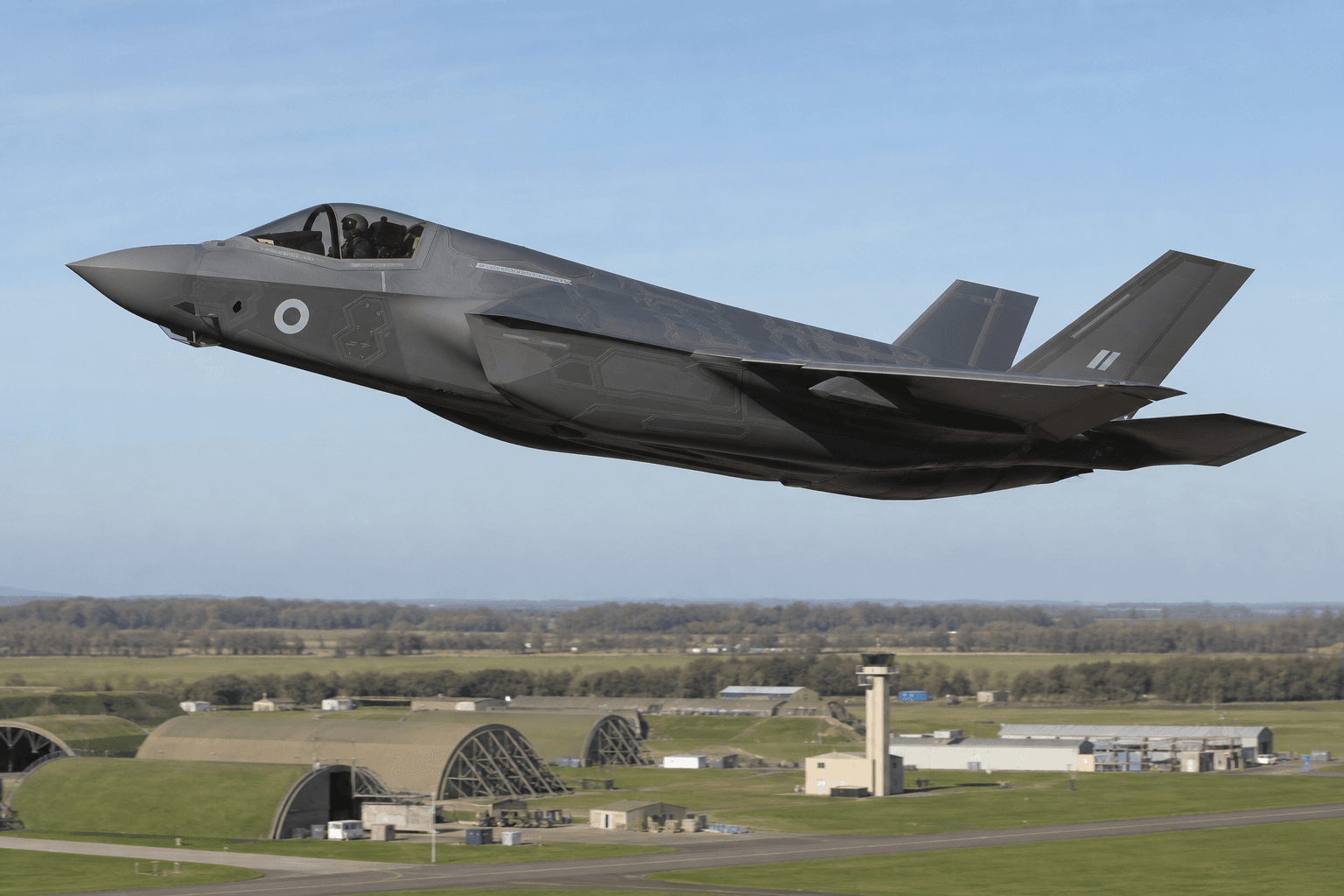
UK confirms purchase of 12 F-35As to restore RAF nuclear strike role
The UK's Defence Investment Plan, published on June 30, 2026, confirms funding for 12 Lockheed Martin F-35A fighters…
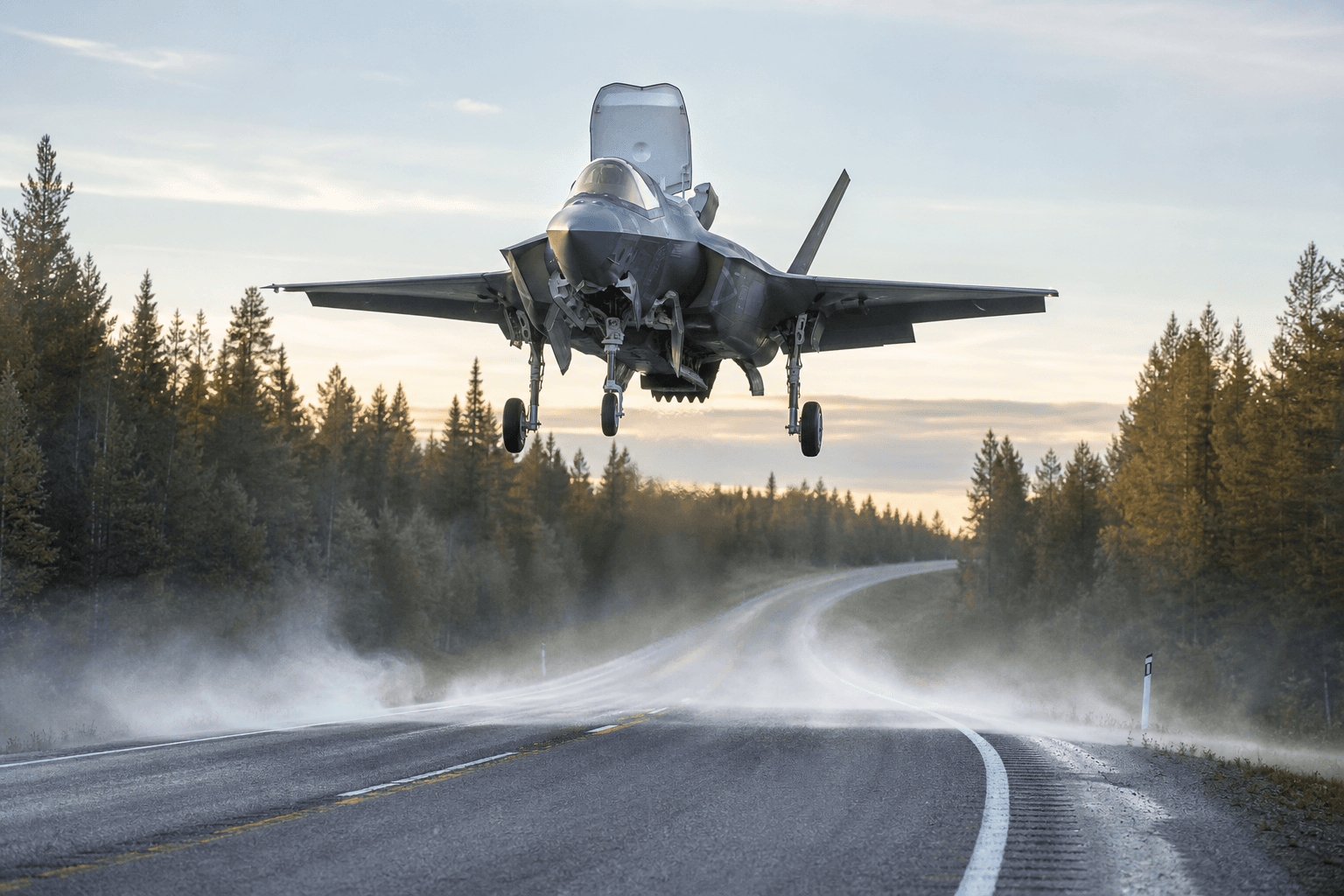
USMC F-35Bs Demonstrate Unique Finnish Highway Landing Amid NATO Exercise
How the F-35B's lift fan allows NATO jets to operate from Finnish roads and why that capability matters near Russia.
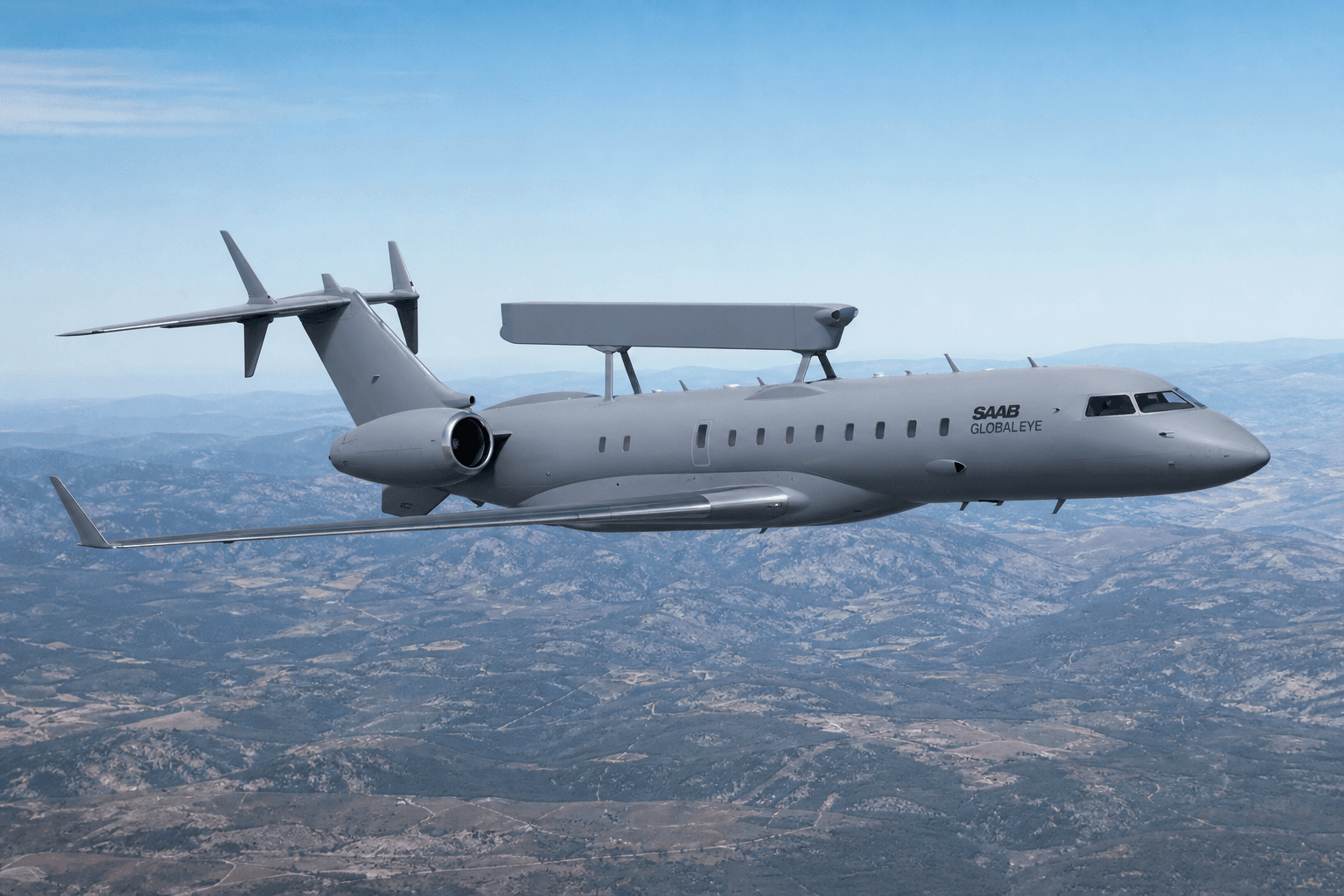
NATO to replace E-3A Sentry AWACS with Saab GlobalEye at 2026 Ankara Summit
NATO is expected to announce plans to replace its aging Boeing E-3A Sentry AWACS fleet with Saab GlobalEye surveillance aircraft, Reuters…
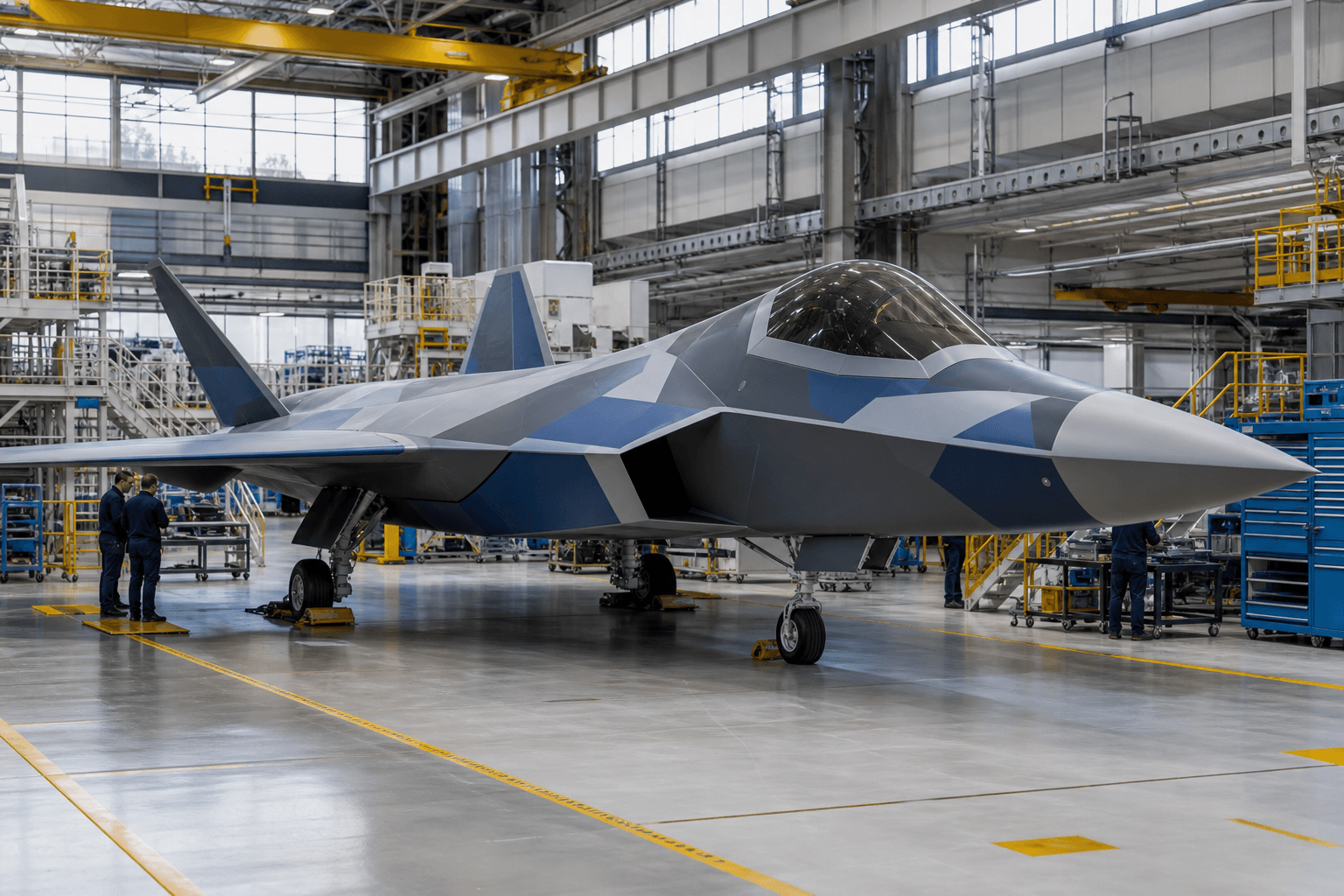
Europe's $116B Future Combat Air System Program Collapses Over Dassault-Airbus Workshare Dispute
FCAS is dead. After nine years and no prototype, Europe's flagship fighter program collapsed, leaving GCAP as the only active contender.
The Daily Touch & Go
The day's best aviation news in your inbox. Free, no spam.