

Illustration: The Touch & Go
IndiGo Launches Two New Nonstop A321XLR Flights From India to Bali
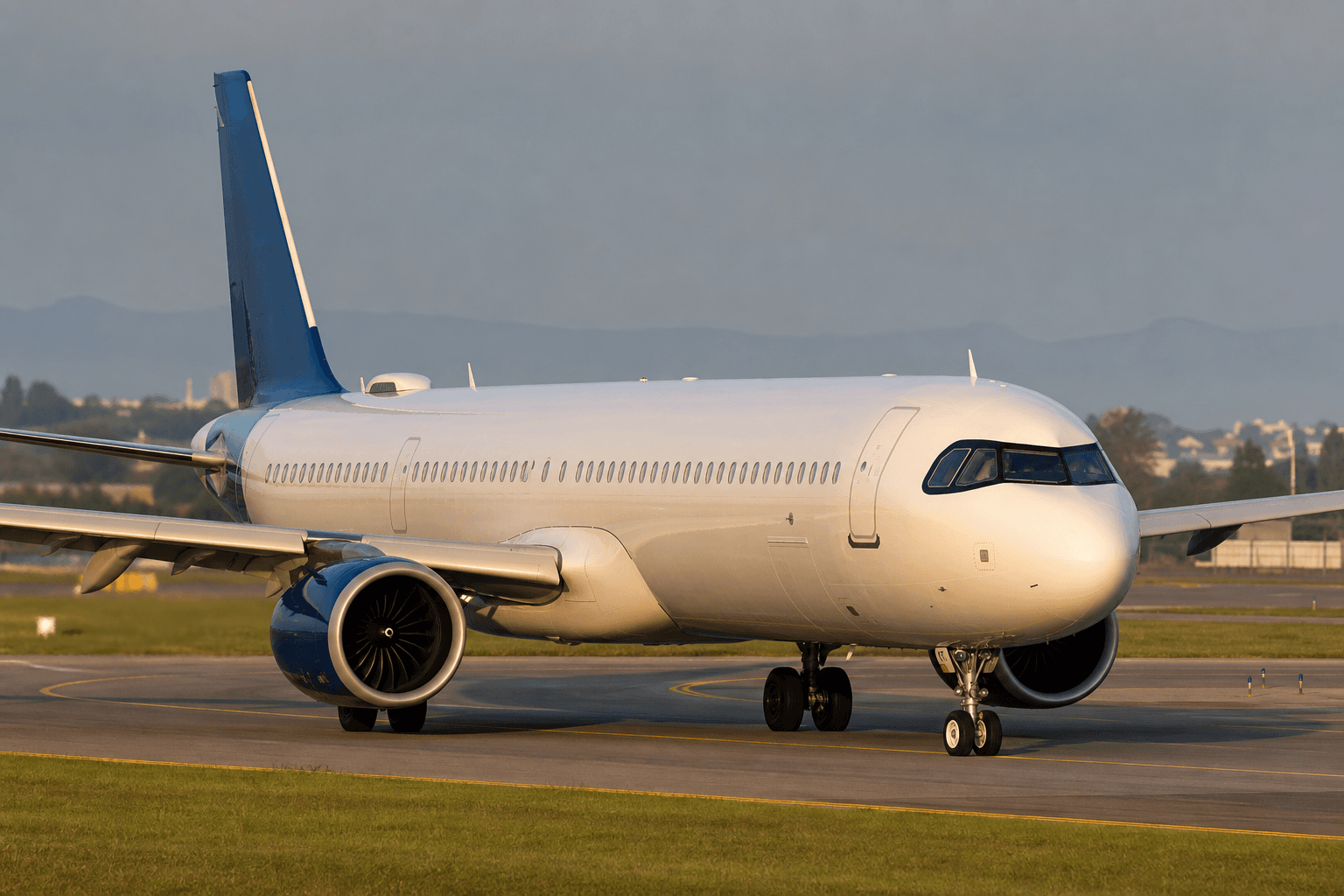
IndiGo will operate nonstop Airbus A321XLR flights from Delhi and Mumbai to Bali, replacing previous one-stop A320neo services with nearly 8-hour journeys.
The gist
IndiGo introduces nonstop A321XLR routes from Delhi and Mumbai to Bali, marking lengthy narrowbody flights near 8 hours.
IndiGo is set to expand its international operations with the launch of two nonstop routes linking India to Bali. Starting soon, the airline will fly direct from Delhi Indira Gandhi International Airport (DEL) and Mumbai Airport (BOM) to Ngurah Rai International Airport (DPS) on the Indonesian island. These new services will employ the Airbus A321XLR, replacing current indirect routes served with A320neo aircraft that required a stopover. The move signals a shift in IndiGo’s strategy towards longer-range narrowbody flights to emerging international markets.
The nonstop flights to Bali will have block times approaching seven hours and 55 minutes westbound. This duration places them among IndiGo’s longest narrowbody routes. The new nonstop capability is made possible by the A321XLR, an extended-range narrowbody aircraft capable of flying approximately 8,700 kilometers or 4,700 nautical miles. This development aligns well with IndiGo’s broader growth plan as India’s leading carrier, which currently manages over 2,200 daily flights connecting 141 destinations and controls the largest share of domestic traffic.
Traditionally, IndiGo’s network was built around high-frequency short-haul routes within India. However, recent fleet modernization and strategy shifts have seen the carrier deploying the A321XLR to tap into international markets that fall between regional jets and widebody aircraft in terms of distance and demand. The airline now leverages the A321XLR’s range and economics to serve sectors previously unfeasible as nonstop flights on narrowbodies, such as the India-Bali route. Previously, airlines had needed to use widebodies or operate one-stop itineraries on smaller aircraft, resulting in longer journey times and operational complexity.
IndiGo’s A321XLR configuration contributes to the longer flight capability without sacrificing passenger comfort. The aircraft will offer 195 seats in a dual-class layout featuring 12 premium Stretch seats and 183 economy seats, compared to the more densely packed 220–232 seat all-economy A321s standard in its fleet. The reduced seat count improves passenger comfort on nearly eight-hour flights and is optimized for the aircraft’s extended range and fuel load, representing a balance between capacity and operational efficiency.
Moving from one-stop A320neo flights to nonstop A321XLR service offers a substantial improvement in passenger experience for travelers to Bali. Eliminating connections shortens total travel time and avoids the inconvenience inherent in stopovers. IndiGo’s Head of Sales, Vinay Malhotra, emphasized the airline’s efforts to make travel more accessible and seamless, highlighting the new routes as part of strengthening its international presence with India’s preferred carrier.
Notably, while the Bali routes are among IndiGo’s longest nonstop narrowbody sectors, they are not expected to be the absolute longest. IndiGo’s Delhi to Istanbul (IST) and Athens (ATH) flights, also operated with the A321XLR, have block times nearing eight hours and 45 minutes due to airspace restrictions that require detours. Geopolitical and airspace considerations in West Asia increase flight times and fuel burn on those sectors, adding complexity to the aircraft operations that the Bali route is less susceptible to due to more direct Southeast Asian routing.
IndiGo’s investment in 40 A321XLRs—with nine slated for delivery during 2026—reflects the airline’s ambition to use this aircraft type as a platform for international growth. By deploying these aircraft on routes such as Athens, Istanbul, and now Bali, IndiGo gains flexibility to explore new markets with lower risk and capacity commitments than widebody aircraft require. This approach is increasingly important as the airline transitions from a domestic-focused operator to a carrier with a heavy international component, with expectations that international flights could comprise about 40% of its network by 2030.
The A321XLR’s versatility enables IndiGo to fine-tune capacity and frequencies to developing markets, especially where demand fluctuates. This contrasts with traditional widebody operations which require higher traffic for economical viability. For IndiGo, the A321XLR is helping the carrier build a truly global footprint while maintaining cost efficiencies and offering improved passenger comfort on longer journeys. This transformation underscores the evolving landscape of international air travel from India, with new nonstop long-range narrowbody routes becoming commercially viable.
The introduction of nonstop A321XLR flights to Bali is a significant operational milestone for IndiGo. It highlights the airline’s shift toward longer-haul narrowbody flying enabled by advances in aircraft technology and changing market dynamics. For consumers, it provides more convenient connectivity between India and a popular leisure destination. For IndiGo, these routes are part of a wider strategic evolution in fleet and network planning that could reshape regional aviation patterns in South and Southeast Asia over the coming years.
Read more
All Airlines →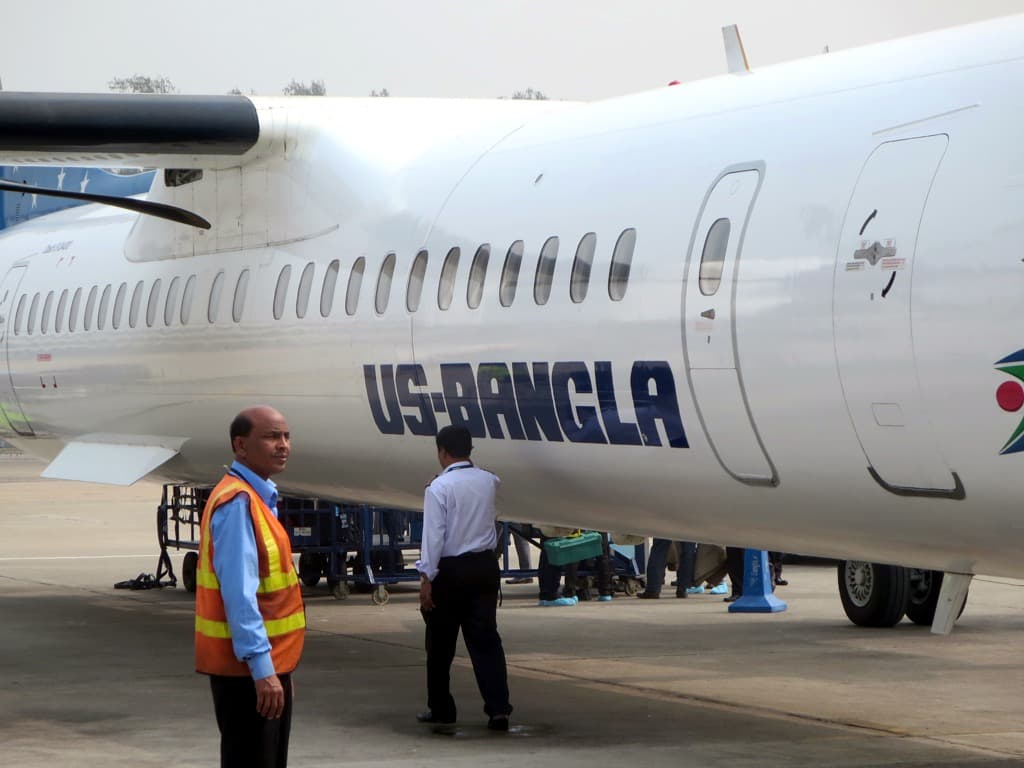
US Flight Attendant Pay Scales Split Sharply Between Legacy and Regional Airlines
Flight attendants have received new contracts and wage increases at all three US legacy carriers over the past few years, allowing salaries to keep up with inflation and reflect the demanding nature of the work. American Airlines' cabin crew received a new contract in 2024, while United Airlines flight attendants ratified a new contract in May 2026. Delta Air Lines flight attendants are not unionized, but they too have been receiving pay increases and benefits that are competitive with the other two.
American Airlines Flights Clash Near Phoenix Due to Duplicate Flight Numbers
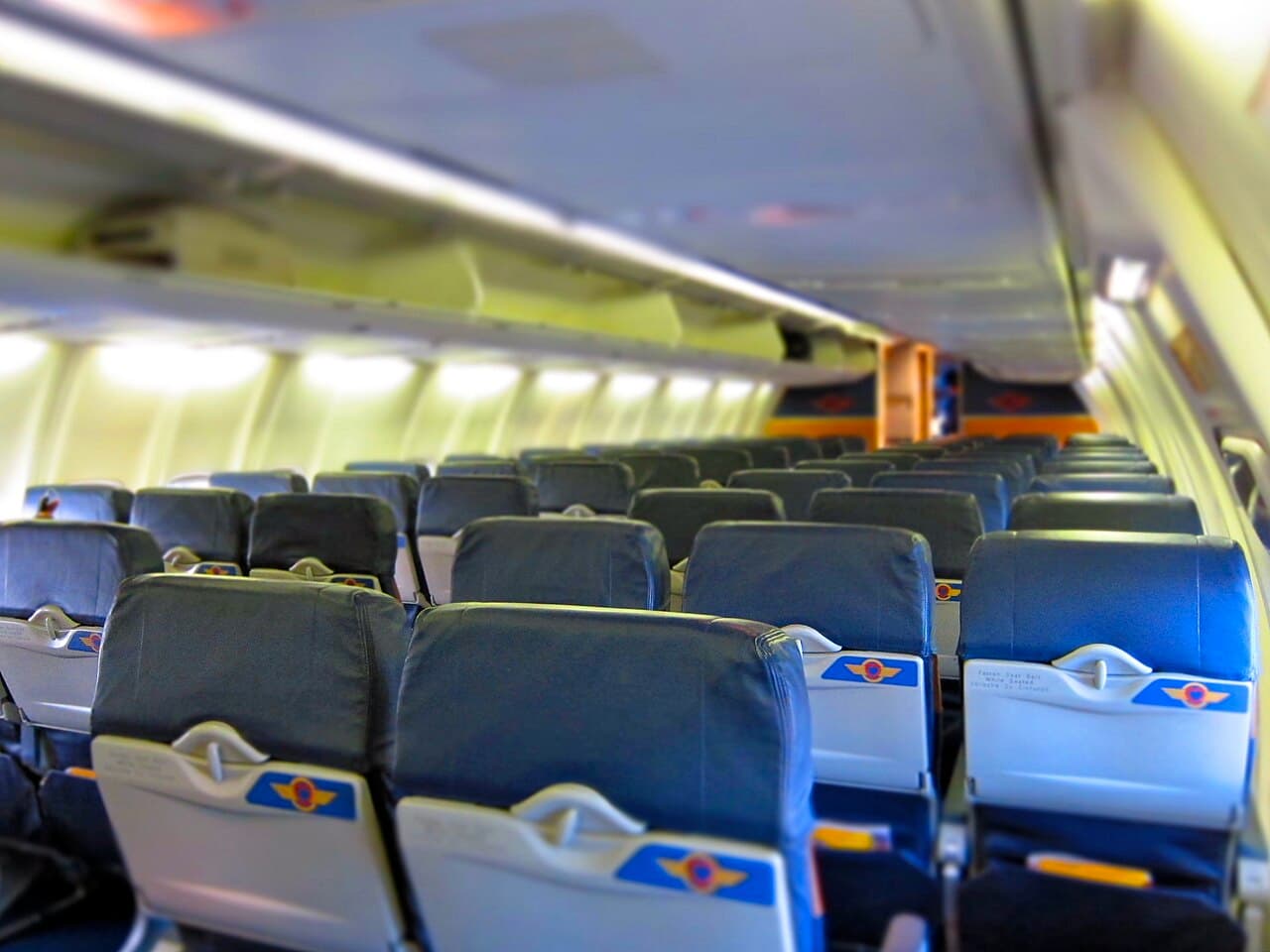
Two American Airlines flights using the same flight number were airborne near Phoenix at the same time, on the same air traffic control frequency, and one accepted instructions meant for the other. The planes never lost required separation, but the communications close call highlights a strange problem facing major carriers: in a codeshare-heavy world, airlines are running out of usable flight numbers.
Azul reports record Q2 revenue but doubles losses amid international capacity cuts
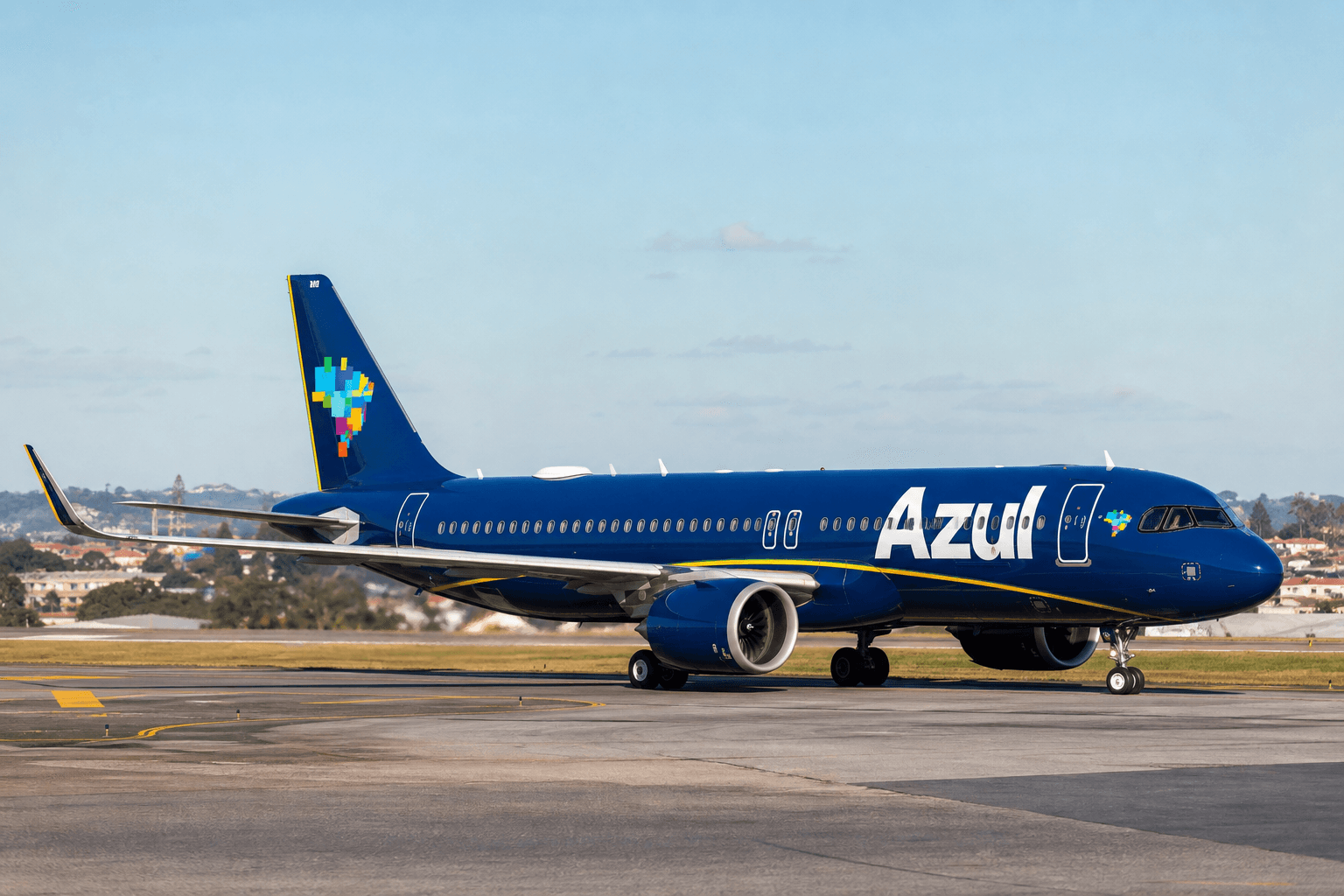
Azul drastically cut capacity, especially on international routes, as fuel costs surged. Brazil's Azul reported record operating revenue for the second quarter as losses doubled due to fuel costs. Despite cutting capacity by more than 10% year-over-year, operating revenues hit R$5.0 billion ($980 million) – up about 0.7% from a year ago. Operating profit swung to a R$159 million ($30.3 million) loss from R$380 million ($72 million) in profit a year ago as oil prices surged. International capacity was also sharply reduced by nearly 25% in order to "protect liquidity and maintain focus on long-term value creation." “I think some of our competitors planned capacity assuming the war would end", chief executive John Rodgerson says. "We feel very good about the disciplined approach we made." Rodgerson cited choppiness in fuel prices for the lack of guidance, saying it is about "building credibility and pointing investors to the long-term strategy of Azul." Executives say 2026 is a “transition year," as the carrier emerges from Chapter 11 reorganisation proceedings that wrapped up in February. The airline says capacity growth will resume by the end of the year, but has not provided future financial guidance through the end of the year and beyond. “We just don’t think there’s value in providing guidance as the fuel curve continues to bounce around as much as it has," he continues. In July, American Airlines chief executive shared similar concerns, saying higher-than-expected fuel costs after the second quarter closed caused the airline to erase more than $1 billion in expected profits from their expectations. Demand from both business and consumers is strong in the third quarter so far. President Abhi Shah says corporate fares are "probably the highest ever" in the history of Brazil and that Azul is "probably having our best B2C [business to consumer sales] week this year in the last six months easily." New aircraft should help with expansion and premium growth. Azul has received one Airbus A320neo this year, with another expected but delayed. One replacement A330 is flying, another is "on its way," and more on order, executives say. Their target is to have 12 widebody international aircraft in the fleet by the end of the year. “Over the last four or five years, Azul lost a little bit of its glow because we were fighting for survival,” Rodgerson says. “Azul is now back.”
Air Arabia to launch Saudi venture Air Arabia DMM from King Fahd Airport in Q3 2026
Budget carrier and investment partners granted rights last year to establish operator in Dammam. Middle Eastern budget carrier Air Arabia is expecting to commence operations with its new Saudi Arabian venture in the third quarter of this year. Air Arabia is a 49% shareholder in a joint venture, Air Arabia DMM, which was granted rights last year to establish a Saudi airline and operate from Dammam's King Fahd airport. The carrier subsequently embarked on a recruitment drive for Airbus A320-family pilots for the planned operation. In its half-year financial statement, for the six months to 30 June, Air Arabia says its "latest hub in Dammam is expected to start operations [in quarter three] this year". Air Arabia and its partners in the venture have previously indicated plans to build a fleet of 45 aircraft and serve over 80 routes. At least two initial aircraft – registered HZ-DMMA and -DMMB – have already arrived at Dammam, photographs circulating on social media indicate. Air Arabia stayed profitable over the first six months, even though its net figure halved to Dhs374 million ($102 million) after falling by 77% to Dhs96 million in the second quarter. It attributes the weaker performance to the Middle East conflict, and effects such as the related airspace closures, operating restrictions, and high fuel prices. But it states that its average load factor of more than 80% illustrates "continued resilience in demand" across its network. "Throughout this period, we remained focused on maintaining network connectivity, adapting our operations to rapidly evolving circumstances, and exercising disciplined cost management while preserving operational efficiency," says chair Sheikh Abdullah bin Mohammad Al Thani. Air Arabia introduced another six aircraft to its all-Airbus fleet, bringing the total to 96 – including 10 A320neo and six A321neo jets. Sixty of these are based in Sharjah, with 12 in Abu Dhabi, 10 in Morocco, and the remaining 14 across Egypt, Pakistan and Ras Al Khaimah.
The Daily Touch & Go
The day's best aviation news in your inbox. Free, no spam.