

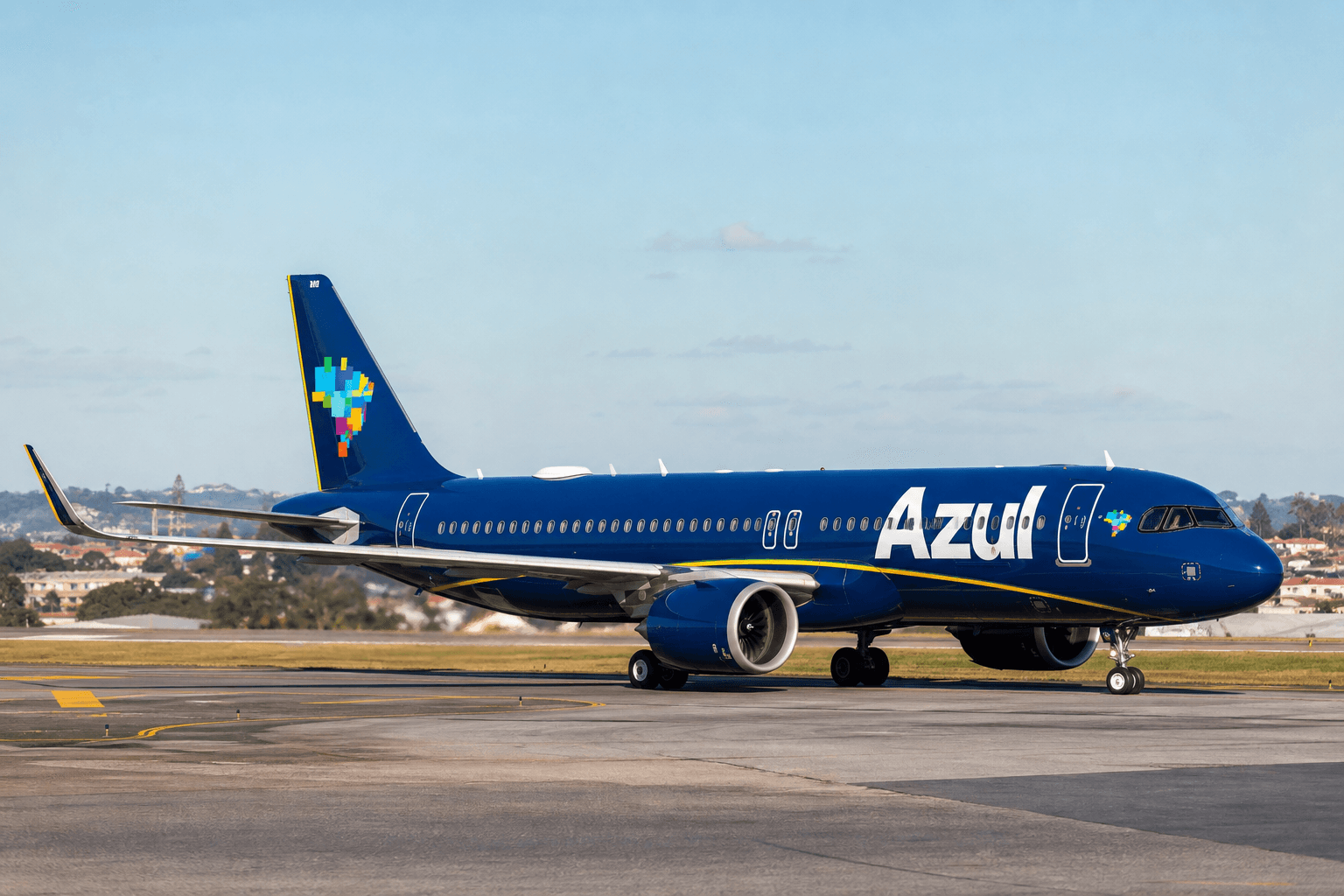
Illustration: The Touch & Go
Azul reports record Q2 revenue but doubles losses amid international capacity cuts
Brazil's Azul hit record operating revenue in Q2 despite a 10% capacity cut and doubled losses driven by soaring fuel costs and reduced international flights.
The gist
Azul trims international capacity and record revenues in Q2 not enough to offset soaring fuel losses amid transition year.
Brazilian airline Azul experienced a striking financial contrast in the second quarter of 2026, reporting record operating revenue of R$5.0 billion (approximately $980 million), a 0.7% increase over the previous year, while simultaneously enduring losses that more than doubled to R$159 million ($30.3 million) compared to a R$380 million ($72 million) profit a year prior. The dramatic increase in fuel prices forced the carrier to reduce overall capacity by over 10% year-on-year, with international routes being cut sharply by nearly 25%.
Azul’s CEO, John Rodgerson, stressed the airline’s strategic choice to pare back capacity to protect liquidity and prioritize long-term value. He contrasted Azul’s disciplined approach to capacity management against competitors who might have assumed that geopolitical tensions driving fuel cost spikes would ease quickly. This cautionary stance resulted in the airline focusing on financial stability during volatile market conditions rather than aggressive expansion.
Reflecting the challenging fuel price environment, Azul has refrained from issuing formal financial guidance for the remainder of 2026. According to Rodgerson, the erratic trajectory of fuel costs undermines the usefulness of forecasts, and the airline prefers to emphasize investor confidence through consistent execution of its long-term strategy. Industry parallels were drawn by the American Airlines CEO, who similarly cited unforeseen fuel cost surges wiping out over $1 billion in expected profit for his carrier after the second quarter.
Demand trends for Azul paint a more optimistic operational picture, with President Abhi Shah noting that corporate fares in Brazil have hit what is likely their highest level ever recorded. Both business and consumer travel demand are robust in the third quarter, exemplified by what Azul describes as the best business-to-consumer sales week in the past six months. This solid demand foundation supports the airline’s plans to recommence capacity growth later in the year.
Fleet renewal is another key component of Azul’s strategy to regain momentum after its financial restructuring. The airline has taken delivery of one Airbus A320neo so far in 2026, although a second delivery has been delayed. Azul is also renewing its widebody fleet with replacement Airbus A330s, having one already operational and another en route. The goal is to expand the international widebody fleet to 12 aircraft by year-end, underpinning ambitions for international growth and premium service expansion.
Azul’s focus on fleet modernization aligns with its broader transition out of Chapter 11 reorganization proceedings completed in February 2026. The airline acknowledges 2026 as a transitional year, moving from survival mode back toward competitive growth. Rodgerson remarked that Azul had lost some of its ‘glow’ in recent years due to financial struggles but asserts that the airline is now ‘back’, signaling renewed confidence in its operational and financial prospects.
The substantial reduction in international capacity by nearly a quarter illustrates Azul’s effort to recalibrate its network amid volatile fuel markets, a necessary trade-off for liquidity preservation. While domestic operations appear more insulated, the international cuts reflect cost pressures and a focus on routes with the strongest long-term potential. Azul’s ability to ramp capacity by year-end will be a key indicator of market recovery and its execution capabilities.
Azul’s experience is a telling case of how rising fuel costs can severely impact airline profitability even amid strong revenue growth and robust demand. The carrier’s conservative stance on capacity has thus far limited exposure to further losses, a strategy that may prove critical as the sector navigates an uncertain geopolitical and economic environment. Azul’s path forward will hinge on fuel market developments and its success in renewing its fleet while sustaining high demand levels.
Frequently asked questions
- Why did Azul reduce its international capacity by nearly 25%?
- Azul reduced international capacity sharply to protect liquidity and focus on long-term value creation amid a surge in fuel costs.
- What caused Azul's operating losses to double in the second quarter of 2026?
- Azul's losses doubled primarily due to sharply increased fuel prices despite record operating revenue and capacity reductions.
- What are Azul's plans for fleet expansion?
- Azul plans to expand its widebody international fleet to 12 aircraft by year-end, adding more Airbus A330s alongside new A320neos for growth.
Read more
All Airlines →
Delta Accelerates Austin Growth With New Paris Route and Expanding Operations
Paris, a crew base, and 15 future gates are positioning the airline for its next phase of expansion.
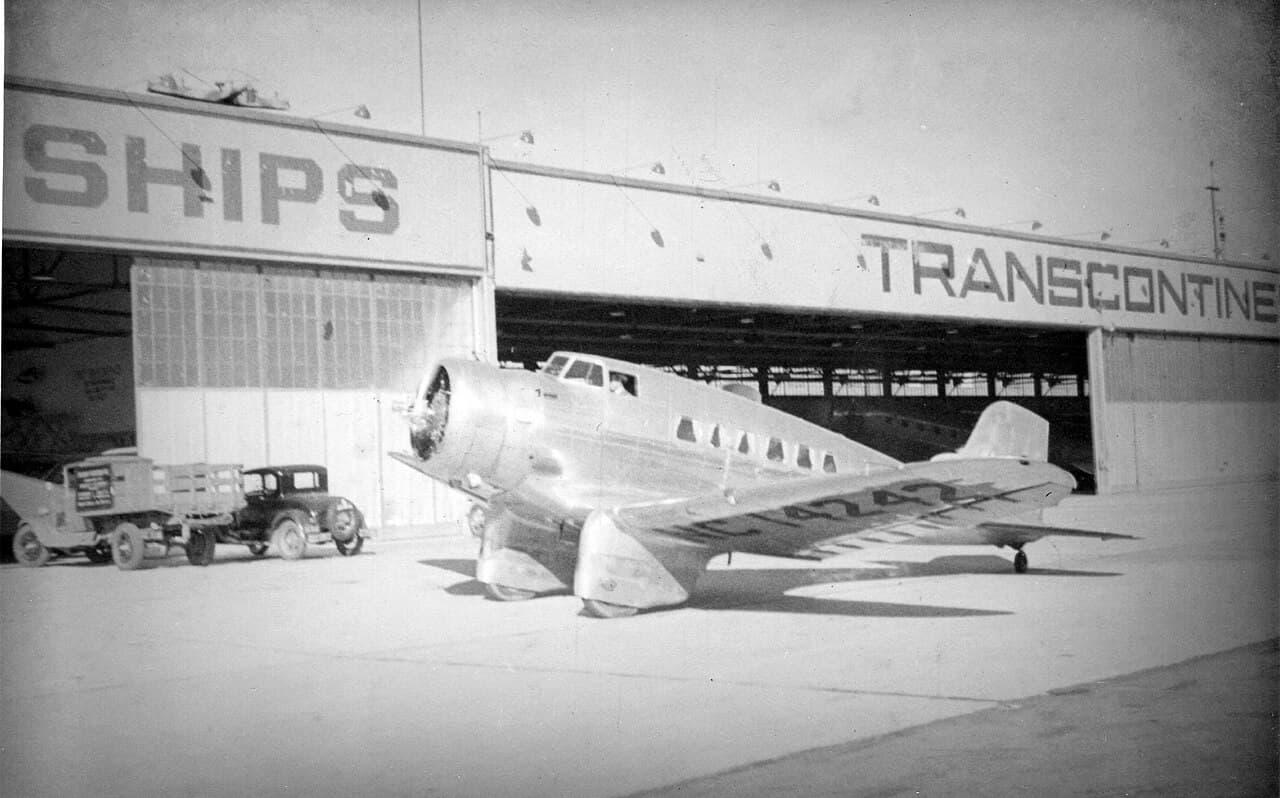
American Airlines revamps leadership to boost lagging profits against Delta and United
American Airlines is shaking up its senior leadership as CEO Robert Isom faces growing pressure to improve the carrier's financial performance and close the gap with rivals Delta Air Lines and United Airlines. The changes broaden oversight across American's commercial and operational teams and bring former Spirit Airlines Chief Operating Officer John Bendoraitis into the company to lead technical operations. In a memo to employees, Isom acknowledged a "meaningful gap" between American's current performance and where he said the airline should be, describing the leadership changes as the first in a series of moves aimed at improving execution and strengthening the company. Isom announced that Chief Commercial Officer Nat Pieper will add marketing and branding to his responsibilities, while Chief Customer Officer Heather Garboden will take on reservations and service recovery. JC Gulbranson will add oversight of airports and planning. Garboden and Gulbranson will also join American's senior leadership team. Chief Communications Officer Ron DeFeo is stepping down. Caroline Clayton will oversee communications, while Steve Neuman will lead government affairs. Both will join the senior leadership team. The changes come as American continues to trail Delta and United on profitability. American expects roughly break-even results for 2026 as higher fuel prices weigh on earnings. Earlier this year, the airline said a sharp increase in jet fuel costs could add more than $4 billion in expenses compared with its previous assumptions. American has also been under pressure from its labor unions. The Association of Professional Flight Attendants issued a unanimous vote of no confidence in Isom in February, saying the airline had fallen behind competitors in profitability, operational performance and overall competitiveness. The union has called on Isom to step down. The Allied Pilots Association has also questioned whether American's current management can close the performance gap with Delta and United. APA President Nick Silva recently told pilots that the union had sought a meeting with American's board to discuss concerns about the company's future but was rebuffed. He said the union had since spoken with analysts, investors and other stakeholders. Despite the criticism, Isom has said American is not changing its overall strategy. He said the airline continues to focus on expanding its global network, increasing premium revenue and strengthening its AAdvantage loyalty program. American has also been investing in premium seating, lounges, onboard connectivity and changes to its hub schedules as it works to improve revenue and operational performance.
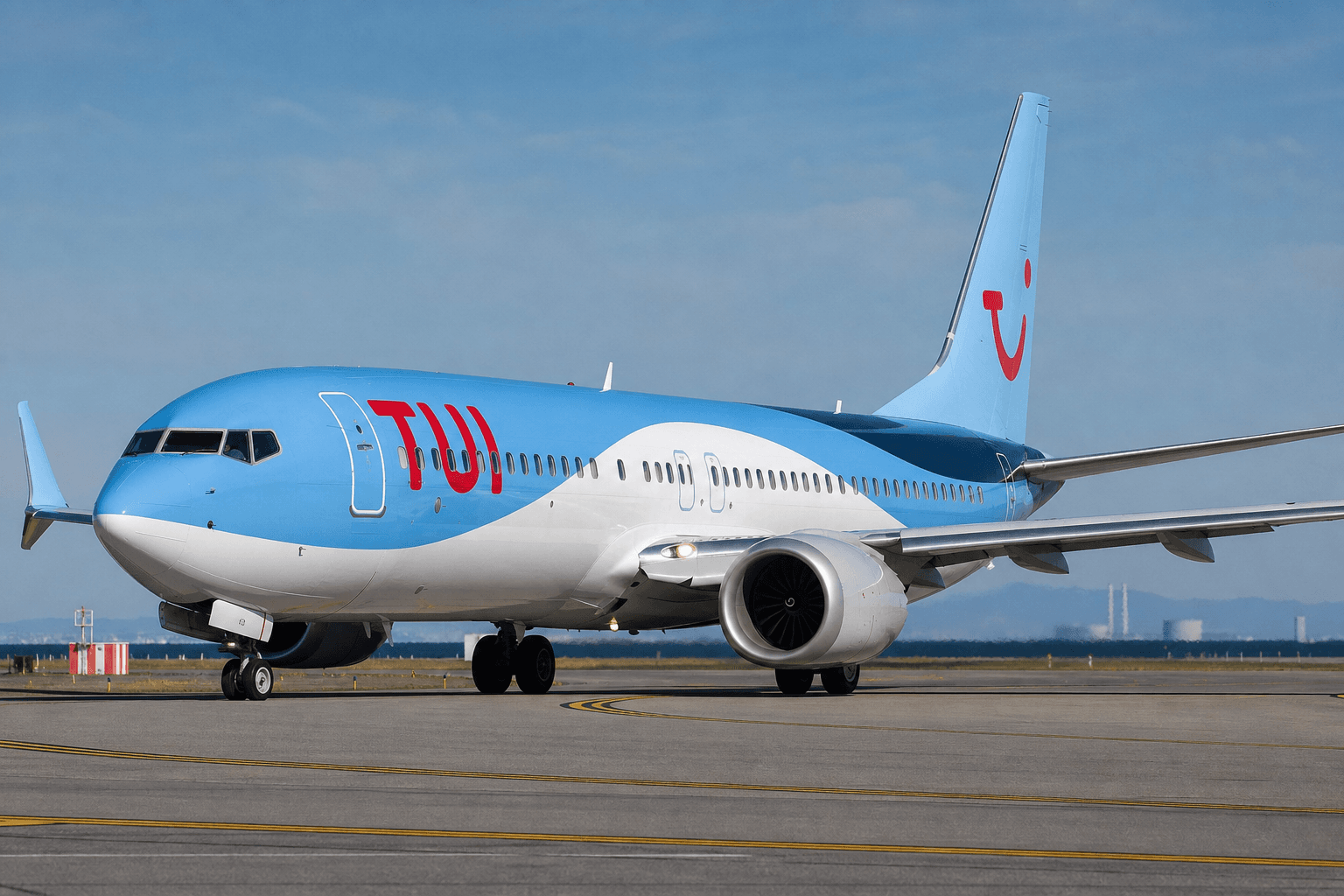
TUI Advances Airline Commercial Strategy Amid Third-Quarter Loss from Geopolitical Turbulence
Strategy to commercialise TUI’s airline business bolstered by launch of website supporting direct sales in June . European travel giant TUI slipped to a loss in its markets and airlines division for the April-June period, citing higher fuel costs and increased market capacity amid the conflict in Iran. TUI's markets and airlines business, which include tour operators, sales and its airline operations, posted an underling EBIT loss of €16 million ($18.5 million) for the company's fiscal third quarter. That compared to a profit of €50 million for the same period in the previous financial year. "This development was driven by weaker demand as a result of geopolitical developments and increased price pressure in a market environment characterised by higher fuel costs and additional capacity on the market," TUI says. The company is developing TUI Airline as a "commercially independent business" as part of wider group strategic initiatives, a process it says is well on track. That includes cost and network efficiencies and moves to increase its flight-only offering, a move boosted in June by the launch of tuifly.com enabling direct airline sales from its German airline. Sales for TUI’s other airline units will follow this year. “This direct distribution channel is expected to support revenue diversification by capturing higher-margin direct sales while reducing reliance on third-party booking platforms,” it says. TUI adds that summer 2026 business for the division also continues to be affected by the fallout from the war in Iran. "This is reflected in increased consumer caution and the ongoing trend towards later bookings," it says, noting booked revenue for the summer is currently 6% down. The company though does point to bookings being up 7% over the last four week, indicating a recovery in demand. It also notes that while demand has been strongest in Greece and Spain, this has also picked up for destinations in the eastern Mediterranean. Overall TUI posted an underlying group EBIT of €235 million for its third quarter and expects a profit in the range of €1.1-1.4 billion for the year ending September 2026, assuming there is no significant escalation in geopolitical tensions and fuel supplies. The top end of that guidance range is slightly below the €1.41 billion profit it made in the previous financial year.
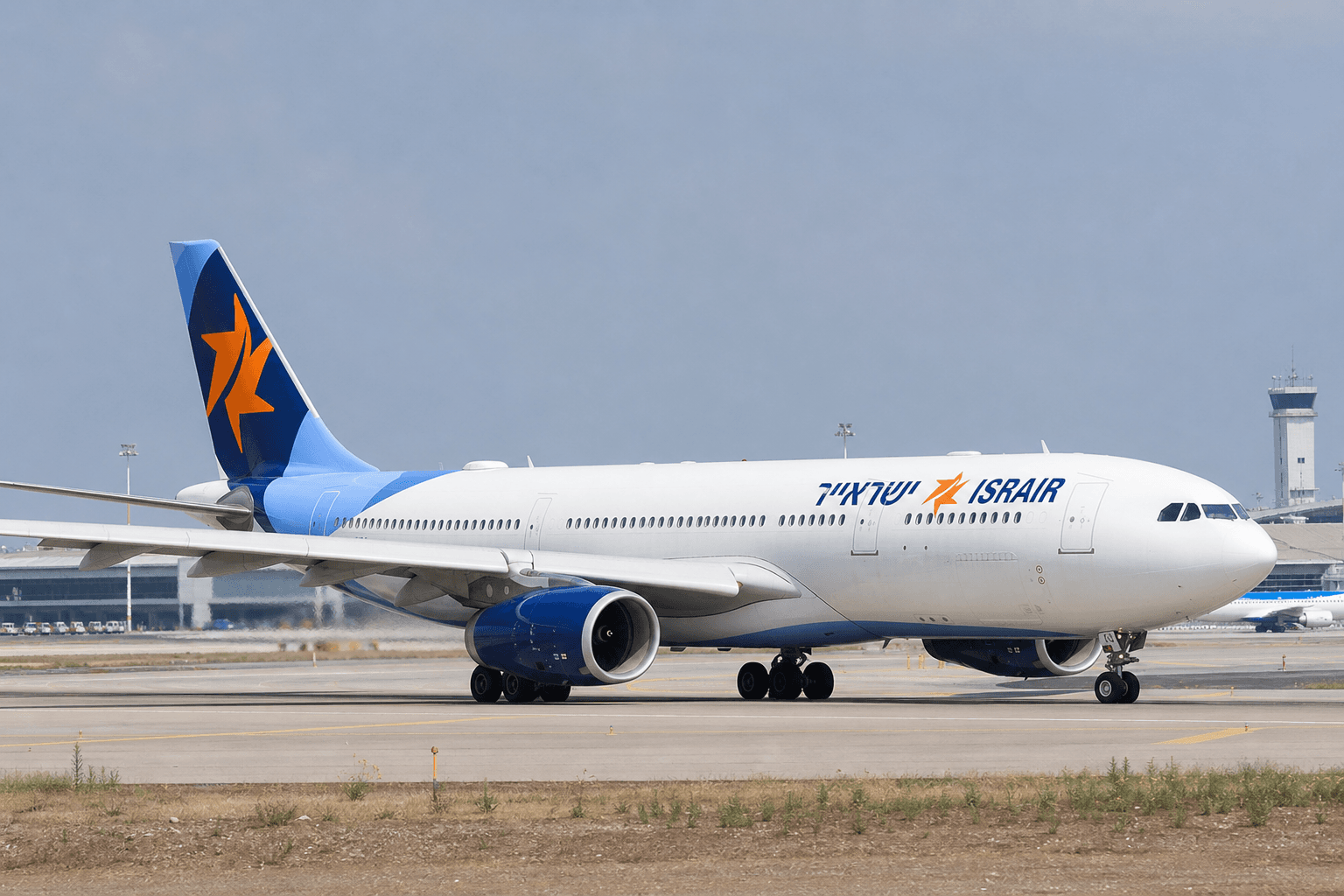
Israir revives ex-American Airlines A330s for upcoming New York-Tel Aviv flights
American Airlines retired its relatively young Airbus A330-200s during the pandemic, leaving itself short of long-haul aircraft just as international demand returned. Now two of those ex-American jets belong to Israir, which plans to use them for Tel Aviv–New York service — potentially bringing American's old planes back to a market American itself still has not resumed.
The Daily Touch & Go
The day's best aviation news in your inbox. Free, no spam.