


Image: Wwt2112 at English Wikipedia · Public domain · via Wikimedia Commons
IndiGo Passenger's Violent Outburst at Bhubaneswar Airport Raises Concerns Over Passenger Conduct
A woman violently reacted to the cancellation of her IndiGo flight at Bhubaneswar Airport, causing significant damage and sparking debate on airport behavior norms in India.
The gist
An IndiGo passenger's aggressive rampage after flight cancellation highlights evolving challenges of passenger conduct in Indian airports.
Continuing coverage
All India →- Indian Lawmaker Urges Women-Only Lavatories on Planes to Improve Hygiene and Comfort
- IndiGo suspends London Heathrow and shifts Amsterdam to A321XLR as it awaits Airbus A350 widebodies
- Chinese Lessor Begins Repossession of Four Boeing 737-8 Jets from SpiceJet
- China's ICBC seeks DGCA deregistration of four SpiceJet Boeing 737 MAX 8s over engine issues
- India's DGCA certifies Embraer E190, E195 and E195-E2 aircraft expanding regional jet options
An incident at Bhubaneswar Airport stirred controversy after an IndiGo passenger violently reacted to the cancellation of flight 6E 7352 to Kolkata. The flight, initially delayed by roughly three hours, was ultimately canceled due to a technical fault. Frustration mounted as the passenger, whose son was reportedly ill, expressed anger over inadequate communication regarding the cancellation. This frustration escalated into hostile behavior, captured on video, where she yelled at airline staff and physically damaged equipment at the IndiGo check-in counter.
The passenger’s actions included slamming a computer monitor, a keyboard, and a passport scanning device, with the total damage estimated at around 49,000 INR (approximately 513 USD). Following the incident, a complaint was lodged with airport police. While the initial chaos drew varied reactions from bystanders, the authorities' delayed intervention has sparked debate over the appropriate response to such disturbances at airports.
IndiGo, India's largest low-cost carrier, now faces the challenge of addressing passenger behavior that can threaten both staff safety and operational efficiency. The airline might consider adding the woman involved to a no-fly list, an action contemplated due to concerns about how such aggression could escalate in-flight. There is worry that if this disruptive conduct happened in the confined space of an aircraft cabin, it could endanger crew and passengers alike.
This episode sheds light on broader issues of transit behavior and regulatory frameworks in Indian aviation hubs. Passenger misconduct reports have risen alongside the rapid growth of India’s aviation market. This phenomenon mirrors past trends observed in other countries, such as the United States, where increasing incidents prompted regulatory bodies to issue fines and stricter enforcement against unruly travelers.
The sociocultural context contributes to diverse tolerance levels and enforcement practices around airport disruptions globally. Observers note stark contrasts between countries like Japan, where decorum is rigorously maintained, and the United States, where aggressive disruptions might result in immediate physical restraint or arrest. The reaction to the Bhubaneswar episode suggests Indian airports currently deploy a more measured initial response, which some find inadequate against violent outbursts.
The online discourse following the viral video reveals polarized opinions. Some sympathize with the woman’s distress over her child’s illness and flight disruption, while many condemn her aggressive conduct toward frontline staff who have no control over cancellations. Advocates argue that emotional distress does not excuse damaging public property or threatening personnel, emphasizing the need for enforcement policies that protect airport employees.
Experts and commentators suggest Indian regulators could develop clearer behavioral standards accompanied by enforceable penalties to deter such incidents. The comparison with post-pandemic measures in the US highlights the potential effectiveness of fines and no-fly restrictions. Establishing firm consequences could set expectations for proper conduct and ensure safer airport environments for travelers and workers alike.
This incident illustrates the challenges faced by airlines and airports as they balance customer service, safety, and operational integrity in increasingly busy hubs. IndiGo and other carriers will need to collaborate closely with airport authorities and law enforcement to enhance protocols for managing aggressive passengers, aiming to prevent physical escalations and minimize disruptions.
Ultimately, while frustrations over flight cancellations are understandable, this case underscores a critical boundary between rightful dissatisfaction and unacceptable aggression. The filing of a police complaint against the passenger marks a significant step toward accountability, reflecting growing recognition that frontline airport workers deserve protection from abuse and that airline travel must remain safe and respectful for all parties involved.
Frequently asked questions
- What caused the IndiGo passenger's outburst at Bhubaneswar Airport?
- The IndiGo flight 6E 7352 to Kolkata was delayed by about three hours and then canceled due to a technical fault, which triggered the passenger's frustration and subsequent aggressive behavior.
- What damage did the passenger cause during the incident?
- The woman slammed a computer monitor, a keyboard, and a passport swiping machine, causing approximately 49,000 INR (513 USD) in damage to airport equipment.
- How did airport authorities respond to the passenger's behavior?
- A complaint was filed with the airport police after the incident, but initial intervention was limited, and the passenger was not immediately restrained despite escalating aggression.
Read more
All Aviation Safety →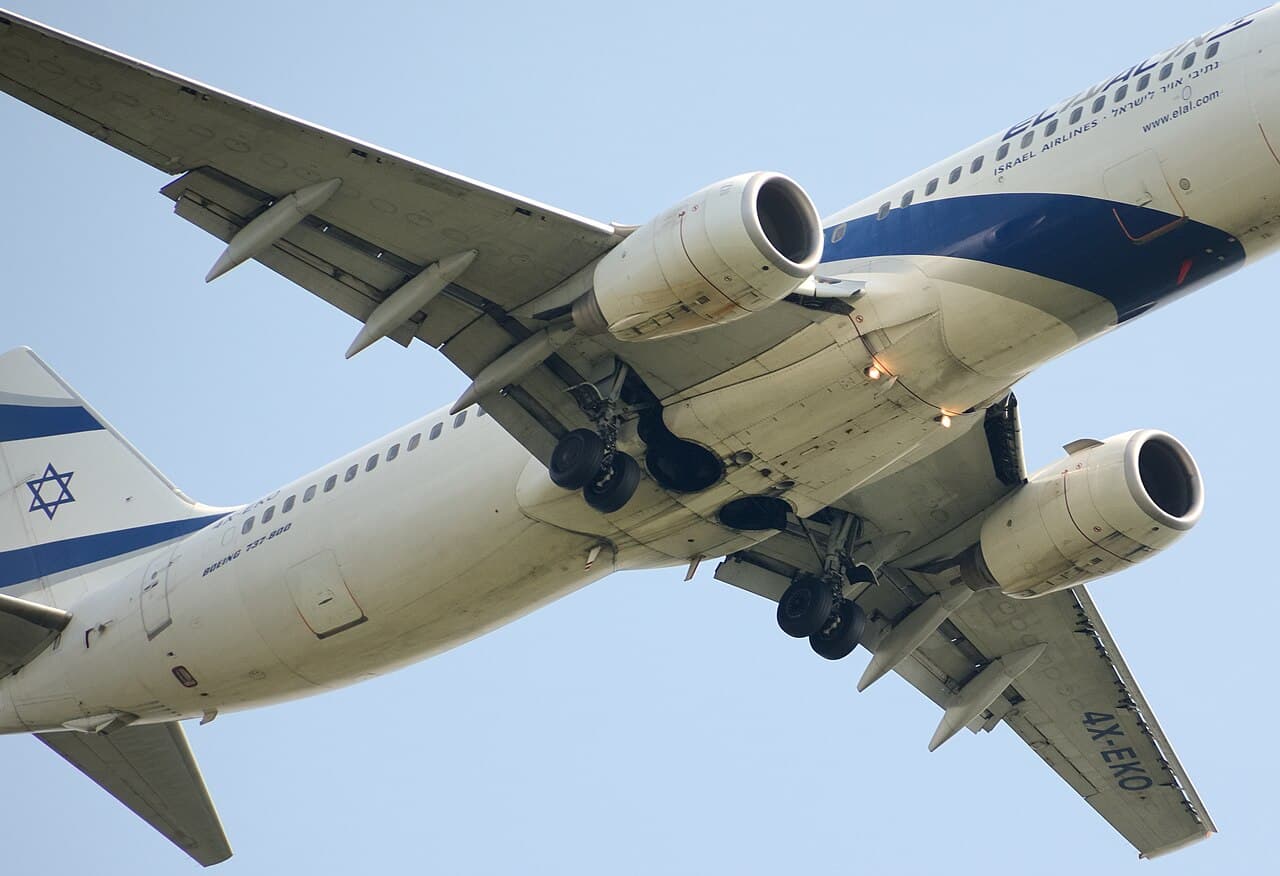
Researchers Reveal Rapid 60-Second Hardware Hack on Boeing 737 Avionics Systems
Researchers from UC San Diego and Oberlin College on Thursday presented a proof-of-concept hardware attack that could interfere with communications between critical avionics systems on Boeing 737 Next Generation and MAX aircraft. The device can be installed during roughly 60 seconds of physical access on the ground, according to the research presented at the USENIX Security Symposium. The team demonstrated the attack on a testbed built from authentic 737 components and software rather than an operating aircraft. Device Targets Maintenance Connection The researchers identified an unused maintenance connector inside the 737 Electronics and Equipment bay. The bay sits below the aircraft’s nose and can be accessed from the ground. Their paper estimates an attacker could open the access hatch in 15 seconds, install the device in about 30 seconds and close the hatch in another 15 seconds. The implant targets ARINC 429 data buses between the flight management computer and the multipurpose control display unit. Researchers demonstrated that the device could alter flight-plan information and values used for weight, balance and takeoff calculations while suppressing indications of some changes on the pilot’s display. "This is something the aviation industry will want to plan to defend against," UC San Diego professor Stefan Savage told WIRED. "I would not sleep on this one." The researchers said the attack would require advance planning, technical knowledge and physical access to the aircraft. Their paper says the findings apply to 737 NG and MAX models, which account for more than 95% of the active 737 fleet. Boeing Reviewed Findings The research team first disclosed the vulnerability to Boeing in 2020 and later demonstrated the attack in a Boeing laboratory. Boeing told WIRED that it reviewed the relevant component designs, installations and interfaces after receiving the researchers’ findings. The company said existing protections in the aircraft and its operating environment substantially reduce the feasibility and risk of a real-world attack. "Our technical experts are confident that the layers of protection in place on the airplane, including within the system design and the operating environment, provide sufficient mitigation to significantly limit the feasibility and risk of real-world attacks," Boeing told WIRED . Pilots could override changes to the autopilot by taking manual control, the researchers noted, and some correct information would remain available through other cockpit displays. The team proposed several possible defenses. Those include removing or permanently blocking the unused connector, adding software capable of detecting the attack, increasing electrical isolation between systems and eventually adding authentication to avionics data communications.
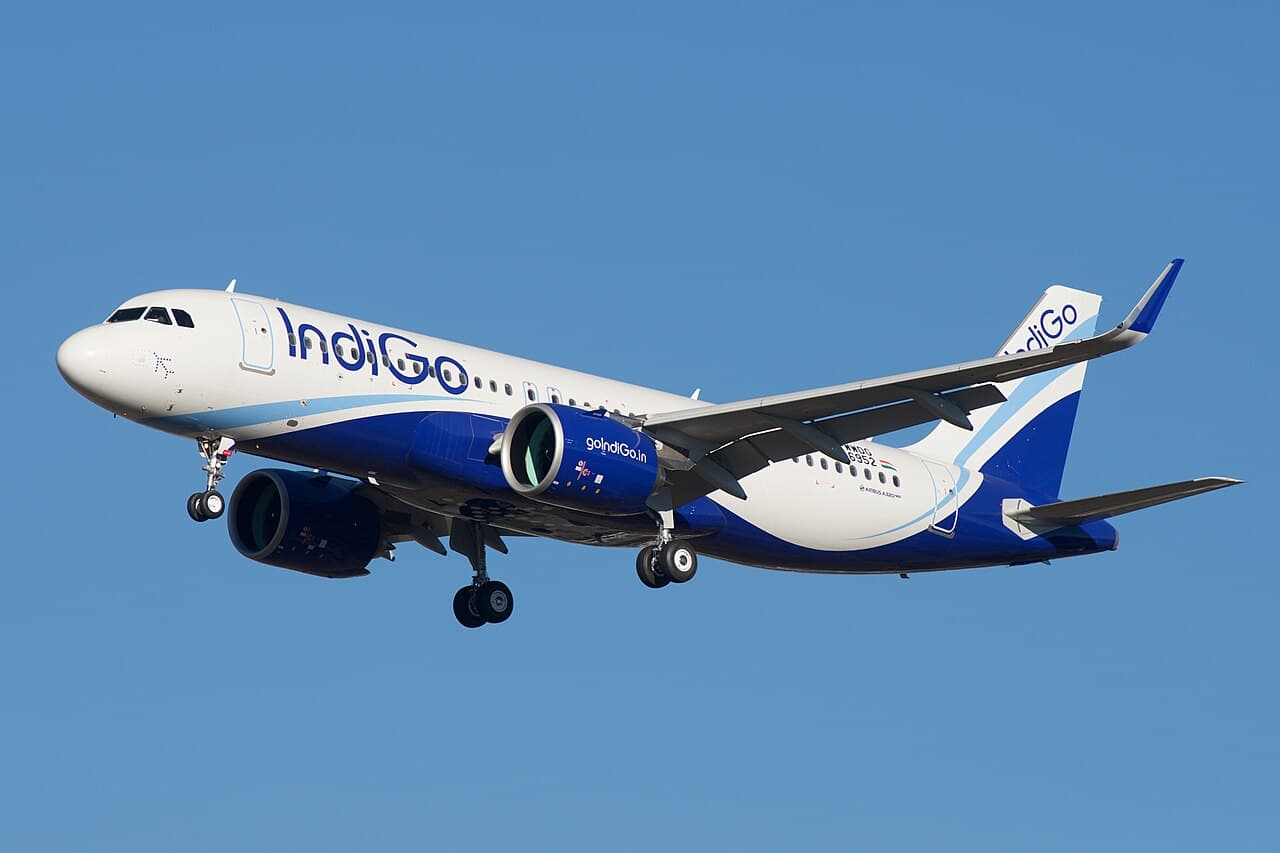
Air India A320neo Flight Control Systems Briefly Failed Before 300-Foot Plunge Injuring 24
The flight control systems of an Air India Airbus A320neo narrowbody plane which suddenly plunged 300 feet while at cruising altitude, leaving 24 passengers and crew injured, went dark for several seconds, an internal report from the aircraft manufacturer has revealed. Air India flight AI-2379 from Phuket, Thailand to Delhi on August 4 was flying at a cruising altitude of around 34,000 feet when it unexpectedly dropped. Anyone and anything that wasn't strapped down was thrown into the air. Multiple passengers and crew were injured after they were slammed into the ceiling of the seven-year-old aircraft Around 20 passengers and four cabin crew members were injured in the incident, many of whom had to be transported to the hospital with head, neck, and spinal injuries. In a new internal report from Airbus which had been viewed by Reuters but not independently verified, it is claimed that the flight control system that controls the plane's elevators and ailerons suddenly became unavailable for around four seconds. During this brief period, the plane pitched up. The First Officer responded by pointing the nose of the plane down but there was no immediate correction due to the alleged loss of hydraulic systems. The document does not establish the cause of the incident and the events are still under investigation by India's Aircraft Accident Investigation Branch (AAIB) with support from the French Bureau d'Enquetes et d'Analyses (BEA). Late last year, Airbus issued an urgent safety alert for its range of best-selling A320 family single-aisle aircraft following an investigation into an incident aboard a JetBlue aircraft when the plane suddenly pitched down mid-flight without any input from the pilots. Engineers were able to establish that the unexpected pitch-down input came from a malfunctioning ELAC computer unit. The ELAC stands for Elevator & Aileron Computer, and it is designed to interpret the inputs the pilots are putting into the controls and then smoothly and correctly control the elevators and ailerons. Airbus believes that the ELAC was corrupted by intense solar radiation, although the issue only affected a software update known as L104. To fix the issue, airlines were ordered to restore all aircraft with the L104 software to the last version before this. In most cases, this required engineers to plug a Portable Data Loader with the older L103 software into the cockpit computer of affected planes and reinstall the tested software. Although there are around 11,500 Airbus A320 series aircraft in active commercial service around the world, only 6,000 of these had the L104 software installed. Earlier this week, it was revealed that the Captain of flight 2379 had failed a second drug test. As is standard practice following a serious aviation occurrence, all of the crew are subject to drug testing. The Captain's initial rapid test came back as 'non negative' so a more detailed test was ordered. Investigators are yet to confirm the results of this test, but sources claim it tes tested positive for cannabis. There is currently no suggestion that illegal banned had anything to do with the events that unfolded on flight 2379.
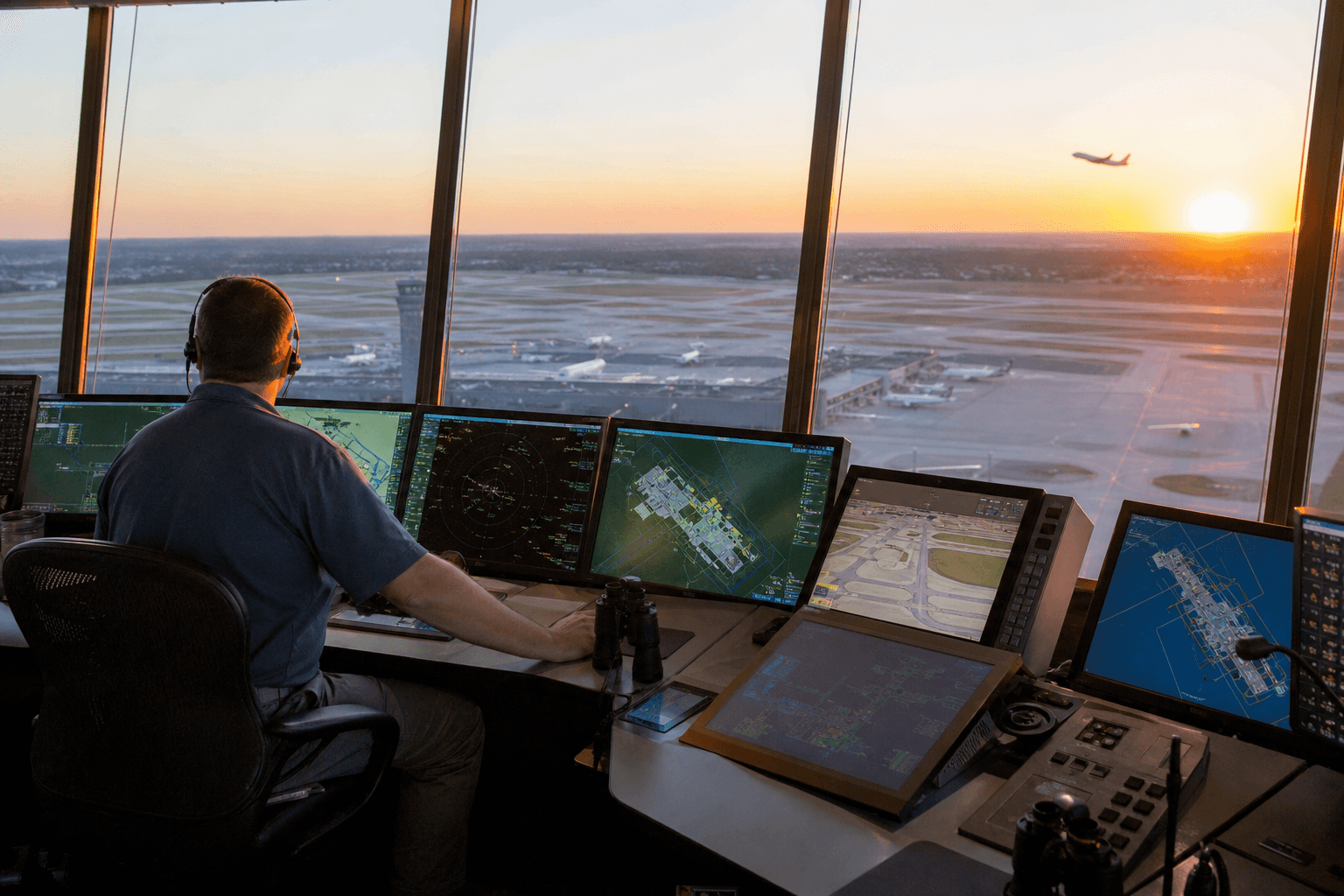
FAA Seeks Billions More to Fund CAP Automation Amid Growing Industry Competition
As competition for the FAA's common automation platform (CAP) contract heats up, the agency still lacks the funds required to develop the technology, which is envisioned to combine its En Route Automation Modernization (ERAM) and Standard Terminal Automation Replacement System (STARS) platforms. Thales becomes the latest company to pitch a CAP solution to the FAA. On Wednesday, it announced TopSky-America, a cloud-based, AI-powered platform that it said is tailored for the FAA to enhance information sharing, decision making, and situational awareness for air traffic controllers (ATCs). The idea is to reduce controller workload by combining data from ERAM, which manages high-altitude flights, and STARS, which coordinates arrivals and departures in towers and terminal route approach control (TRACON) facilities, in a single digital interface. STARS also provides sequencing and issues weather updates and conflict alerts. The CAP is billed as a core pillar of the Transportation Department's (DOT) Brand New Air Traffic Control System (BNATCS) effort. Without funding, though, it is unclear how the FAA plans to support the CAP's development and deployment. Congress last year allocated $12.5 billion toward BNATCS, while the DOT has requested a total of $31.5 billion to fund its more expensive components. The Modern Skies Coalition, led by the Aircraft Owners and Pilots Association (AOPA), in July called on Congress to allocate another $20 billion toward the effort. It estimated that the CAP alone would cost $10 billion. Transportation Secretary Sean Duffy has previously asked for the additional $20 billion but in recent months has signalled that the agency would settle for less. Duffy on Tuesday said the DOT "would love $20 [billion], but we'll take $10 [billion]." The secretary clarified that $10 billion would cover certain software upgrades planned under BNATCS. A "second $10 billion," he said, would be required for the "actual bricks and mortar" of new ATC facilities, such as TRACONs. Duffy did not mention the CAP in his remarks Monday, and the FAA's internal estimate of its cost is unclear. Thales said Thursday that it supports the "FAA's call for additional congressional funding." Competition Heats Up Thales described TopSky-America as an advanced ATC automation system "built specifically for the U.S. National Airspace System [NAS]." The platform is a version of the company's popular TopSky-ATC offering. But Thales emphasized that it is "customized for the unique requirements" of and designed "exclusively" for U.S. airspace. "These capabilities will deliver greater predictability for air carriers and the traveling public, improve operational performance, and help reduce workload on the controller workforce—while continuing to uphold the highest standards of safety," the company said in its announcement. TopSky-America is not the only CAP candidate. RTX's Collins Aerospace is pitching a version of its AutoTrac platform for the FAA contract, FlightGlobal reported in March. Collins was previously selected for BNATCS to provide hundreds of new ATC radars , while parent RTX is the FAA's prime STARS contractor. Leidos, which maintains the ERAM system, also has a CAP solution . The Air Current in April reported that Thales, Collins, Leidos, Australia's Frequentis, and Spain's Indra—the FAA's other BNATCS radar contractor—are the five companies shortlisted for the CAP contract. Thales' path to winning the contract could involve highlighting the success of its TopSky-ATC, which it estimates manages 40 percent of air traffic globally. The company in July announced agreements to modernize the air traffic management systems of Singapore and Mongolia. It also produces primary and secondary ATC surveillance radars and is developing capabilities for the management of uncrewed aircraft systems (UAS) traffic. Also working in the French company's favor is a commitment to design TopSky-America software upgrades in the U.S., a nod to the DOT's desire for domestic companies to lead the ATC modernization effort. "One of the focuses in modernization was to onshore production of critical infrastructure," FAA Administrator Bryan Bedford said Tuesday. "We have brought those jobs back to the United States, which is a key focus of [Secretary Duffy] and [President Donald Trump]." Thales has about 5,000 U.S. employees and said producing the platform domestically will create hundreds of new jobs. Ultimately, the contract award could come down to a battle among the shortlisted companies. Thales earlier this year lost out on the FAA's contract for Strategic Management of Airspace, Routes, and Trajectories (SMART)—an AI-powered, predictive air traffic management software —after being shortlisted for that award. Bedford said Tuesday that Thales, Palantir, and Air Space Intelligence (ASI), which ultimately won the contract, each created digital twins of the NAS for evaluation. Duffy described the exercise as a "competition" and said ASI produced the "best product, the best tool that we thought would help us best manage the airspace." "We want the best companies building our software," Duffy said. "And what's different is we're not just picking a contractor to work for us. We're actually going through a competition to see who actually can deliver on behalf of the FAA."
Airport Snow Management Roles Key to Keeping Winter Operations Safe and Efficient
Winter weather can cause significant disruptions at airports, including delayed flights, rerouted aircraft, and logistical challenges. Poor weather during the winter months causes countless flight disruptions around the world each year. Effective snow management is therefore critical to ensuring the safety and reliability of airport operations during winter weather. Without proper snow removal, safety hazards such as decreased visibility and slippery surfaces can lead to flight delays, cancellations, and stranded travelers. Airport snow management is a complex and dynamic operation. Teams of workers coordinate efforts including deicing, snow removal, and weather forecasting. The individual jobs can be challenging but are also exciting and rewarding. Here is what you need to know about working in airport snow management. Why Is Snow a Problem at Airports? Snowfall can create many challenges and dangers at airports. Rapid snowfall Sudden and heavy snowfall can pose problems for aircraft. For planes in the air around the airport, rapid changes in visibility and weather conditions create challenges for pilots trying to takeoff, navigate, and land. Quickly changing surface conditions on the ground can also lead to reduced traction during takeoff, landing, and taxiing. READ MORE: World's Most Unusual Pilot Jobs Given the challenges posed by snowfall, it is important for airports to be properly equipped to manage and remove snow rapidly and efficiently. Limited visibility Ongoing snowfall can significantly reduce the visibility at airports. There are certain visibility requirements for aircraft to take off and land at an airport, with the exact figures varying depending on aircraft type, available technology, and the airport. If the weather at an airport prevents planes from taking off and landing, flights will be delayed, diverted, or canceled . Unfortunately, there is very little that can be done to improve visibility during heavy snowfall. However, there is technology like Instrument Landing Systems (ILS) that allows aircraft to operate safely in some reduced visibility conditions. Ground crew safety Not only can snow cause problems for aircraft, but it can also be a hazard for workers as well. Many people at the airport work outdoors, and snowfall can put their safety at risk. For example, limited visibility affects workers on the ground since they need to be able to move around the tarmac and operate specialized equipment. Snowfall can also affect the ability of ground crew to safely and efficiently operate vehicles and equipment. Workers who are exposed to the elements also need to be prepared for the weather, as winter weather can be hazardous to their health and safety. There is an increased risk for slips, falls, and vehicle accidents during snowy and icy weather. Key Components of Airport Snow Management Snow removal Airports have vast surfaces that need to be cleared of snow. Runways, taxiways, and aprons are significantly larger and wider than most roads. As such, airports that receive snow have heavy-duty snow removal vehicles. READ MORE: How to Become an Airframe & Powerplant Technician Snowplows and sweepers move snow off runways and other maneuvering surfaces. Blowers are vehicles that blast snow away. These are sometimes used to clear equipment like airport lighting. Airports also have standard snow-clearing vehicles for areas such as roads and sidewalks on the airport property. Deicing While falling and accumulated snow on the ground can be safety hazards for aircraft, snow and ice on aircraft surfaces can also be extremely dangerous. Aircraft are designed and built to very detailed specifications, and any changes to their shape caused by accumulated ice or snow can affect a plane's performance. During the winter months, aircraft at many airports have to undergo deicing before they can take off. Deicing removes accumulated snow and ice and can also include the application of anti-icing fluid that prevents further buildup. Specialized equipment is used by airports, airlines, and contractors to carry out deicing processes. Forecasting and monitoring Weather forecasts and reports are critical pieces of information for pilots and airports. Government agencies like the National Oceanic and Atmospheric Administration (NOAA), National Weather Service (NWS), and FAA provide weather services for the aviation industry. READ MORE: AMT Jobs Could Be Part of Aviation's Next Hiring Boom Forecasts help pilots and dispatchers plan their flights and make decisions about routing, diversions, and cancellations. Meanwhile, real-time observations aid airports, pilots, and air traffic control (ATC) to make decisions about flying decisions and airport operations. Communication and coordination Since airport snow management is a complex task involving numerous stakeholders, communication and coordination is important. Meteorologists and weather services prepare weather products for airlines and airports. Pilots make important safety decisions in conjunction with their dispatchers and air traffic control. At the airport, snow removal operations have to be coordinated through an operational manager. Individual snow removal vehicle operators must also communicate with each other to effectively carry out their tasks. Airports are also in constant contact with ATC and airlines about changing operational conditions. Jobs in Airport Snow Management There are a variety of ways to work in airport snow management. Snow removal Airport snow removal operations are conducted either directly by airport operators or through third-party contractors. These employers hire workers to operate their snow removal equipment and coordinate operations. At some airports, snow removal is part of the duties of airfield operations staff, which also has other responsibilities like infrastructure maintenance and wildlife management. Deicing Another way to be employed at the airport during the winter months is to work in deicing . Depending on the airport, deicing crews can work for the airport, individual airlines, or deicing companies. Deicing workers apply fluids to aircraft to ensure they are safe to fly. Airport operations management Airports that receive snow consistently plan extensively for winter weather operations. Management personnel and airport planners play a key role in these preparations. Meteorology and weather forecasting Although these jobs are not exclusively related to snow, meteorologists and other weather forecasting staff also play a key role in the aviation industry. These positions often require specialized education. FAQ How do you find jobs in airport snow management? Most job postings are now available online. For some snow management roles, you may need to enter the field in a more generalized way before working directly with winter weather operations. This can be the case in areas such as meteorology and airport management. Some jobs in airport snow management—particularly operational ones like deicing—may be seasonal in nature. What skills and requirements are needed to work in airport snow management? The answer depends on the type of job that you are seeking. Positions in snow removal and deicing typically require a high school diploma, a valid driver's license, and a willingness to work during evenings, overnight, and on weekends. Heavy equipment experience is also an asset. Meanwhile, jobs in specialized fields like meteorology usually require a relevant degree. What is the pay for airport snow management workers? Again, this will depend on the job. Snow removal and deicing crews are typically paid hourly, with rates generally ranging from $15 to $25. Airport planners and management personnel can earn anywhere from $50,000 to upward of $200,000 per year. Meanwhile, meteorologists make an average of around $97,000 annually.
The Daily Touch & Go
The day's best aviation news in your inbox. Free, no spam.