

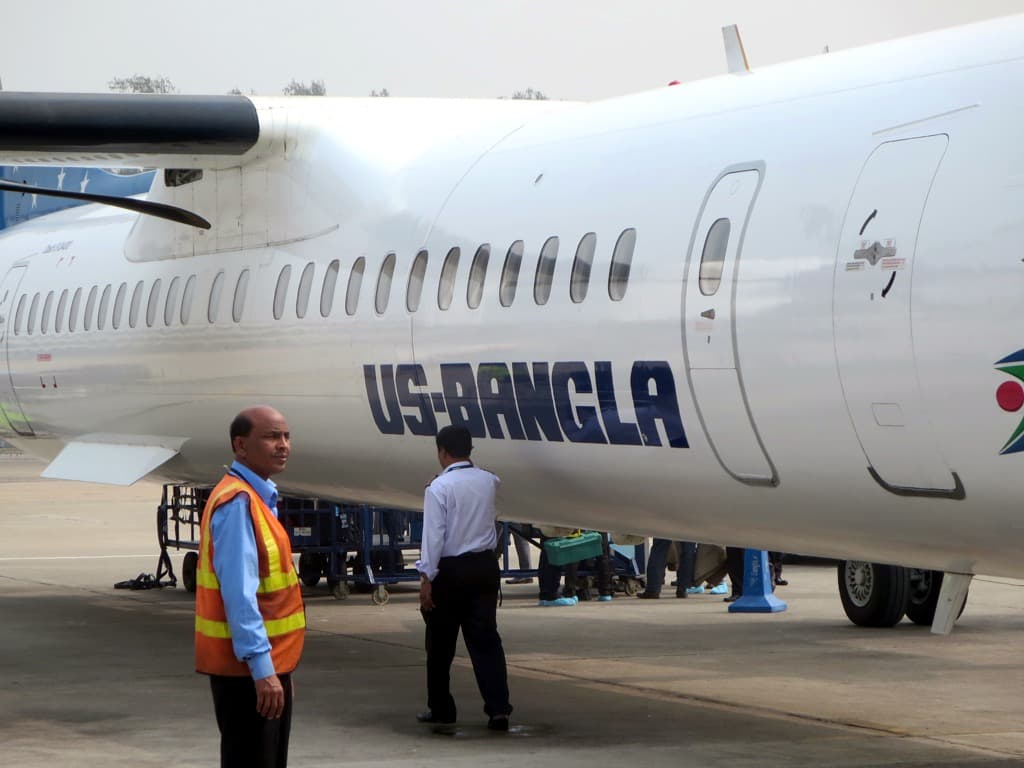
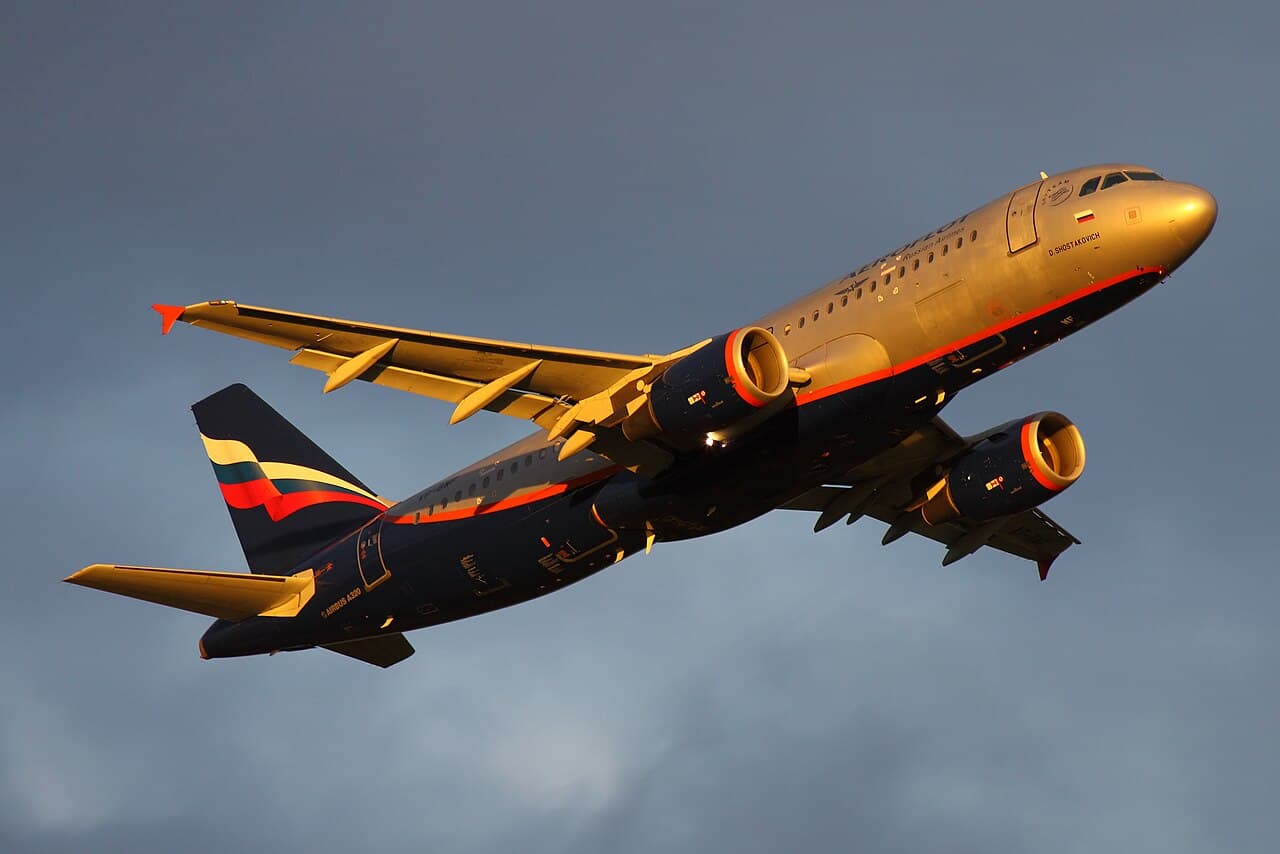
Image: David Stanley from Nanaimo, Canada · CC BY 2.0 · via Wikimedia Commons
US Flight Attendant Pay Scales Split Sharply Between Legacy and Regional Airlines
New contracts at American, United, and pay hikes at Delta highlight a growing wage gap between top US legacy carriers and regional airlines for flight attendants.
The gist
Flight attendant salaries at US legacy airlines now significantly outpace regional carriers, creating two distinct pay tiers in the industry.
Continuing coverage
All Regional Airlines →- Bahamas grounds Flamingo Air after fatal Cessna 402 crash near North Andros
- Andrew Bonney Named CEO to Lead Kenmore Air into Next Growth Phase
- Toki Air Launches First Commercial Flight to Sado Airport Using ATR 42-600
- Eastern Airways fleet sold after rescue attempts fail, Gatwick slots surrendered
- Horizon Air Flight Attendants Authorize Strike Amid Contract Negotiation Deadlock
Recent union contracts and negotiated pay increases have boosted wages for flight attendants at the three major US legacy airlines—American Airlines, United Airlines, and Delta Air Lines—further widening the wage disparity with regional carriers. American updated its contract in 2024, United finalized a new deal in mid-2026, and although Delta flight attendants are not unionized, competitive pay hikes have also been implemented there. This cluster of legacy carriers attracts the majority of experienced cabin crew due to better remuneration and benefits.
At United Airlines, first-year flight attendants earn an hourly base rate of $38.21 as of July 2026, translating to even higher annual pay after per diem and other incentives are accounted for. Starting pay is scheduled to rise to $39.36 per hour in 2027. American Airlines offers a slightly lower starting rate at $36.81, while Delta starts its cabin crew at $38.40 per hour. All three legacy airlines compensate flight attendants with additional boarding pay amounting to half their hourly rate and per diem allowances to offset living expenses during layovers.
The regional airlines, serving as entry points for aspiring flight attendants, offer substantially lower starting wages. Republic Airways pays about $27.82 per hour, SkyWest Airlines around $30 per hour, and Envoy Air just under $30. These rates, while increasing with tenure, remain markedly below the legacy carriers and often under the US national average salary. This stark contrast enforces a pronounced two-tier structure within the flight attendant labor market.
Regional airlines operate a vital feeder system, grooming flight attendants for eventual transition to legacy carriers. However, gaining the seniority and experience necessary to move up the ladder is a rigorous process that can take several years. Meanwhile, budget and hybrid carriers in the US pay a mid-range salary that still sits between regionals and legacies but closer to the lower end, emphasizing the financial appeal of the top-tier airlines.
Seniority remains the cornerstone of a flight attendant’s earning potential and work schedule. In the legacy airlines’ contracts, pay rates increase annually based on years of service, with senior flight attendants commanding hourly wages in the mid-$80 range. For example, United’s most senior cabin crew earn $87.47 per hour, American’s $84.50, and Delta’s $86.32. These rates enable seasoned flight attendants to earn annual incomes exceeding $100,000, with prospects of surpassing $120,000 through additional premium trips and purser duties.
Beyond base pay, seniority influences a flight attendant’s monthly schedule via preferential bidding systems (PBS) that allow crew to select preferred trips, layover cities, and days off. Higher seniority helps secure more profitable long-haul routes and assign purser roles which yield extra pay. Conversely, junior attendants often serve on less predictable reserve schedules and shorter haul trips, which tend to pay less and include more time on half-rate ground duty.
These structural disparities shape not only take-home pay but also quality of life for flight attendants. High seniority at legacy airlines means more control over schedules and greater earning power. Lower starting wages and unpredictable scheduling at regional carriers perpetuate a divide that defines career progression climbs within the industry, underscoring the enduring importance of climbing the seniority ladder to achieve financial stability in the profession.
Frequently asked questions
- What are the starting hourly wages for flight attendants at US legacy airlines?
- As of mid-2026, first-year flight attendants start at about $38.21 per hour at United, $36.81 at American, and $38.40 at Delta.
- How do flight attendant wages at regional airlines compare to legacy carriers?
- Regional airlines pay significantly less, with starting wages around $27.82 to $30 per hour, well below legacy carriers’ rates and often below the national average salary.
- How does seniority impact flight attendant pay and schedule?
- Seniority leads to higher hourly wages, premium trips, purser positions, and better scheduling through the preferential bidding system, enabling senior attendants to earn over $100,000 annually.
Read more
All Airlines →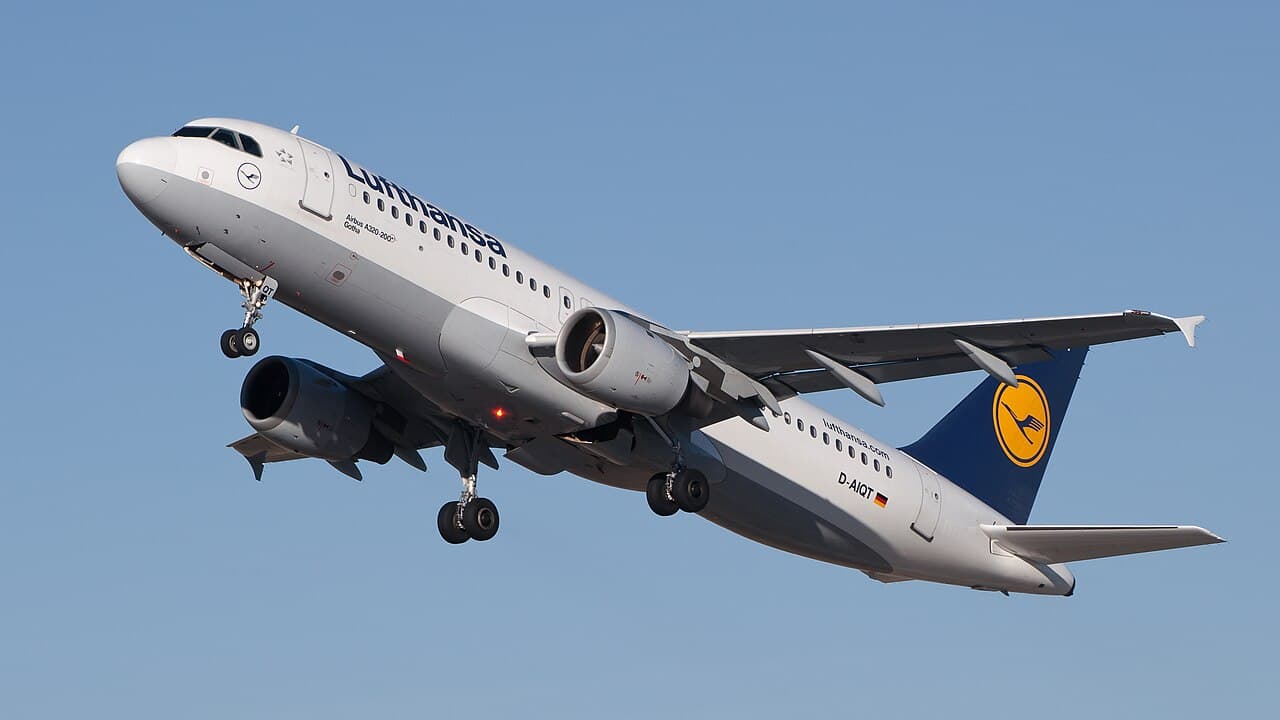
Lufthansa Signals Shift Toward Collaborative Labor Relations After Years of Strife
Lufthansa has long struggled with labor relations, and it has cost the airline dearly. Over the years we've seen endless strikes at the airline, and in the end, management seems to lose. It's amazing how executives at the airline make the same mistake over and over, while expecting different results. The irony is that Lufthansa Group CEO Carsten Spohr is a former pilot, so you'd think he'd be on the side of labor. But it's clear that as soon as he crossed over to management, he's had a certain disdain for those who keep the airline running (at least that's what his actions reflect). Well, could Lufthansa finally be turning over a new leaf? Management seems to be suggesting so , but only time will tell if this is just talk, or if there's meaningful action behind it. Lufthansa wants to work with labor on long term solutions This is Lufthansa's 100th anniversary, so it's supposed to be a year of celebration. Instead, this spring we saw employees stage back-to-back-to-back strikes , as both pilots and flight attendants had industrial action that grounded the airline for roughly a week, costing the company hundreds of millions of dollars. This also caused Lufthansa's CityLine subsidiary to be shut down overnight. While we haven't seen formal strikes since then, the contract negotiations are ongoing, so additional industrial action isn't yet off the table. However, for the first time that I can remember, it seems like Lufthansa management is actually acknowledging that it needs to change its approach with labor. In talking about labor relations at the carrier, Lufthansa's Chief Human Resources Officer, Michael Niggemann, said that "we need to talk with each other again, instead of about each other." He also said that "it's important that we not only find solutions to the current collective bargaining disputes, but also create a solid foundation for cooperation in the years to come." Those are certainly the right words, so let's see if there are any actions behind that. Slightly more concretely, it seems that the two parties have agreed on a framework by which they'll arbitrate labor disputes, with the union representing pilots informing members that negotiations will be used to find solutions, rather than industrial action. Generally Lufthansa's labor relations issues have come down to a lack of goodwill and cooperation between management and the unions. Despite being the "flagship" airline, Lufthansa is the lowest margin airline in Lufthansa Group. How you want to analyze that depends on your perspective: Management keeps creating new airline subsidiaries due to this lack of profitability, arguing that the labor contracts for Lufthansa directly are too expensive Labor unions argue that Lufthansa is the least profitable airline because the airline group keeps outsourcing flying, so of course what's left is of limited value, since the flagship brand is being "sacrificed" Lufthansa's 100th anniversary hasn't been great for labor Air France-KLM is to "blame" for Lufthansa's new approach Why is Lufthansa suddenly taking a new approach to labor relations? I mean, logically one would assume that management would come to the conclusion that it's good for business to be on good terms with employees. But it's probably not quite that straightforward. I suspect Lufthansa Group management is also realizing that as we increasingly see consolidation among European airlines, labor peace is an important point of differentiation . I think there's one man and airline group that is putting this pressure on Lufthansa Group — that's Ben Smith at Air France-KLM. Prior to 2018, labor relations at Air France were horrendous. I mean, in 2015, a protest by employees looked more like January 6, with executives having their shirts ripped off, and scaling a fence to escape. However, it has been a completely different story since Smith took over in 2018 . Since then, Air France hasn't seen a single major case of industrial action. Yes, in eight years. That's beyond remarkable. I know a lot of anti-union people like to always blame unions for the kind of unrest, and for being unreasonable, while giving management a pass. Yes, unions can be challenging. But I think the perfect counterpoint to that is what we've seen at Air France. Air France has gone from worst to first when it comes to labor relations in Europe, so how is that possible? Well, Smith has a deep respect for employees, he's a huge aviation geek ( which employees very much respect ), and he fundamentally views labor and management as being collaborative, rather than at odds with one another. He also understands the value in making strategic investments to make employees happy. For example, when he started in his role, one of his first orders of business was to eliminate low cost carrier Joon, moving the employees there onto contracts with higher pay. That's literally the opposite of what we see at Lufthansa Group, where it's all about forming new subsidiaries in order to cut labor costs, at the expense of existing employees. Smith's attitude is essentially "hey, we (management and the employees) want the same thing, which is for the airline to succeed, so how can we come to an agreement where everyone can be happy?" Respect goes a long way… maybe it's a lesson that Spohr and his team are finally learning? Bottom line Lufthansa management claims it'll take a new approach to labor relations, increasingly trying to collaborate with unions to find long term solutions. This is such a departure from what we've seen at Lufthansa over the past couple of decades, so I'm skeptical, but it would certainly be great to see. I think Air France has put the pressure on Lufthansa when it comes to showing the power of good labor relations, given how much the labor situation at Air France has transformed. What do you think — will Lufthansa management actually turn over a new leaf with labor relations, or is this all talk?
American Airlines Flights Clash Near Phoenix Due to Duplicate Flight Numbers
Two American Airlines flights using the same flight number were airborne near Phoenix at the same time, on the same air traffic control frequency, and one accepted instructions meant for the other. The planes never lost required separation, but the communications close call highlights a strange problem facing major carriers: in a codeshare-heavy world, airlines are running out of usable flight numbers.
Azul reports record Q2 revenue but doubles losses amid international capacity cuts
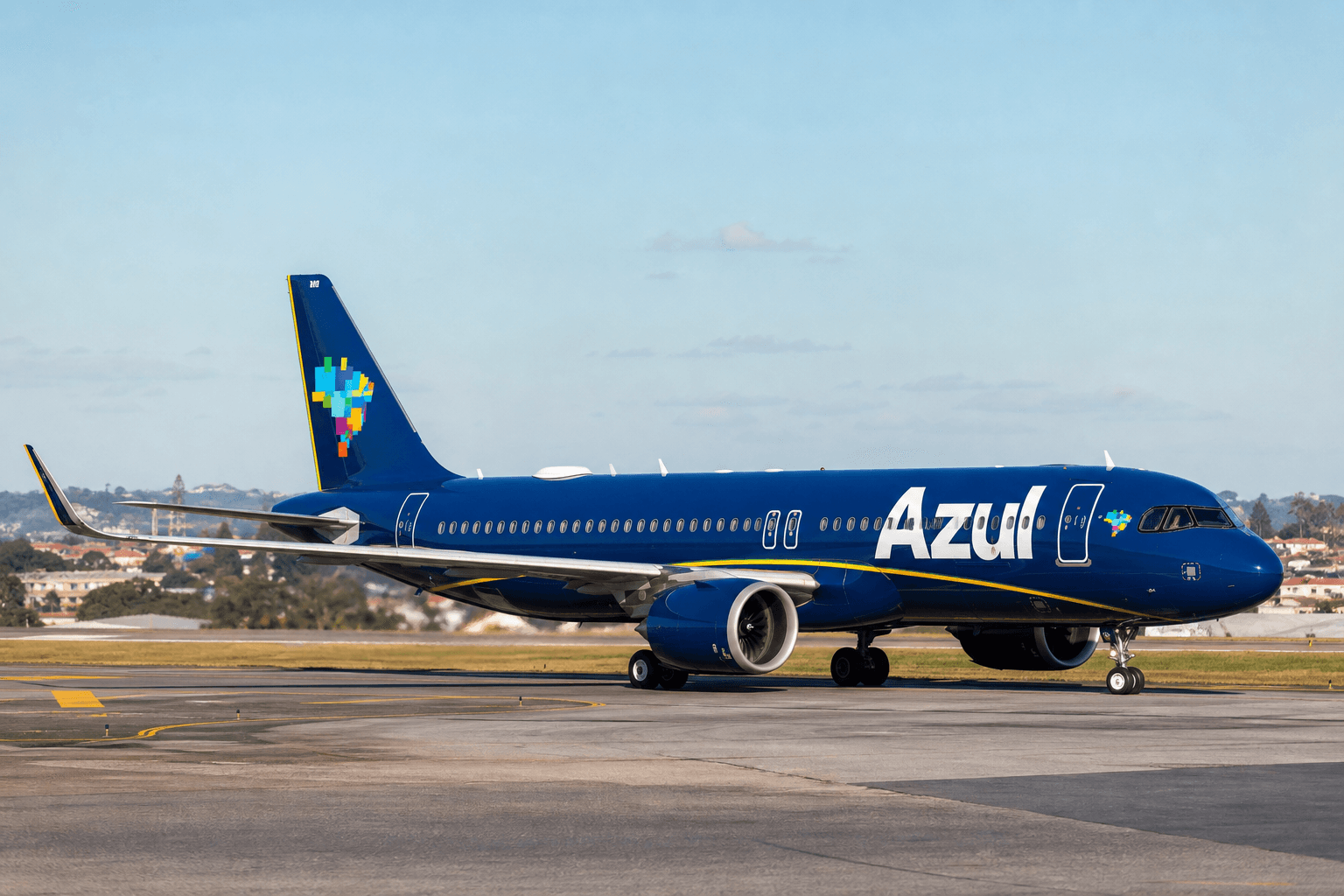
Azul drastically cut capacity, especially on international routes, as fuel costs surged. Brazil's Azul reported record operating revenue for the second quarter as losses doubled due to fuel costs. Despite cutting capacity by more than 10% year-over-year, operating revenues hit R$5.0 billion ($980 million) – up about 0.7% from a year ago. Operating profit swung to a R$159 million ($30.3 million) loss from R$380 million ($72 million) in profit a year ago as oil prices surged. International capacity was also sharply reduced by nearly 25% in order to "protect liquidity and maintain focus on long-term value creation." “I think some of our competitors planned capacity assuming the war would end", chief executive John Rodgerson says. "We feel very good about the disciplined approach we made." Rodgerson cited choppiness in fuel prices for the lack of guidance, saying it is about "building credibility and pointing investors to the long-term strategy of Azul." Executives say 2026 is a “transition year," as the carrier emerges from Chapter 11 reorganisation proceedings that wrapped up in February. The airline says capacity growth will resume by the end of the year, but has not provided future financial guidance through the end of the year and beyond. “We just don’t think there’s value in providing guidance as the fuel curve continues to bounce around as much as it has," he continues. In July, American Airlines chief executive shared similar concerns, saying higher-than-expected fuel costs after the second quarter closed caused the airline to erase more than $1 billion in expected profits from their expectations. Demand from both business and consumers is strong in the third quarter so far. President Abhi Shah says corporate fares are "probably the highest ever" in the history of Brazil and that Azul is "probably having our best B2C [business to consumer sales] week this year in the last six months easily." New aircraft should help with expansion and premium growth. Azul has received one Airbus A320neo this year, with another expected but delayed. One replacement A330 is flying, another is "on its way," and more on order, executives say. Their target is to have 12 widebody international aircraft in the fleet by the end of the year. “Over the last four or five years, Azul lost a little bit of its glow because we were fighting for survival,” Rodgerson says. “Azul is now back.”
Air Arabia to launch Saudi venture Air Arabia DMM from King Fahd Airport in Q3 2026
Budget carrier and investment partners granted rights last year to establish operator in Dammam. Middle Eastern budget carrier Air Arabia is expecting to commence operations with its new Saudi Arabian venture in the third quarter of this year. Air Arabia is a 49% shareholder in a joint venture, Air Arabia DMM, which was granted rights last year to establish a Saudi airline and operate from Dammam's King Fahd airport. The carrier subsequently embarked on a recruitment drive for Airbus A320-family pilots for the planned operation. In its half-year financial statement, for the six months to 30 June, Air Arabia says its "latest hub in Dammam is expected to start operations [in quarter three] this year". Air Arabia and its partners in the venture have previously indicated plans to build a fleet of 45 aircraft and serve over 80 routes. At least two initial aircraft – registered HZ-DMMA and -DMMB – have already arrived at Dammam, photographs circulating on social media indicate. Air Arabia stayed profitable over the first six months, even though its net figure halved to Dhs374 million ($102 million) after falling by 77% to Dhs96 million in the second quarter. It attributes the weaker performance to the Middle East conflict, and effects such as the related airspace closures, operating restrictions, and high fuel prices. But it states that its average load factor of more than 80% illustrates "continued resilience in demand" across its network. "Throughout this period, we remained focused on maintaining network connectivity, adapting our operations to rapidly evolving circumstances, and exercising disciplined cost management while preserving operational efficiency," says chair Sheikh Abdullah bin Mohammad Al Thani. Air Arabia introduced another six aircraft to its all-Airbus fleet, bringing the total to 96 – including 10 A320neo and six A321neo jets. Sixty of these are based in Sharjah, with 12 in Abu Dhabi, 10 in Morocco, and the remaining 14 across Egypt, Pakistan and Ras Al Khaimah.
The Daily Touch & Go
The day's best aviation news in your inbox. Free, no spam.