

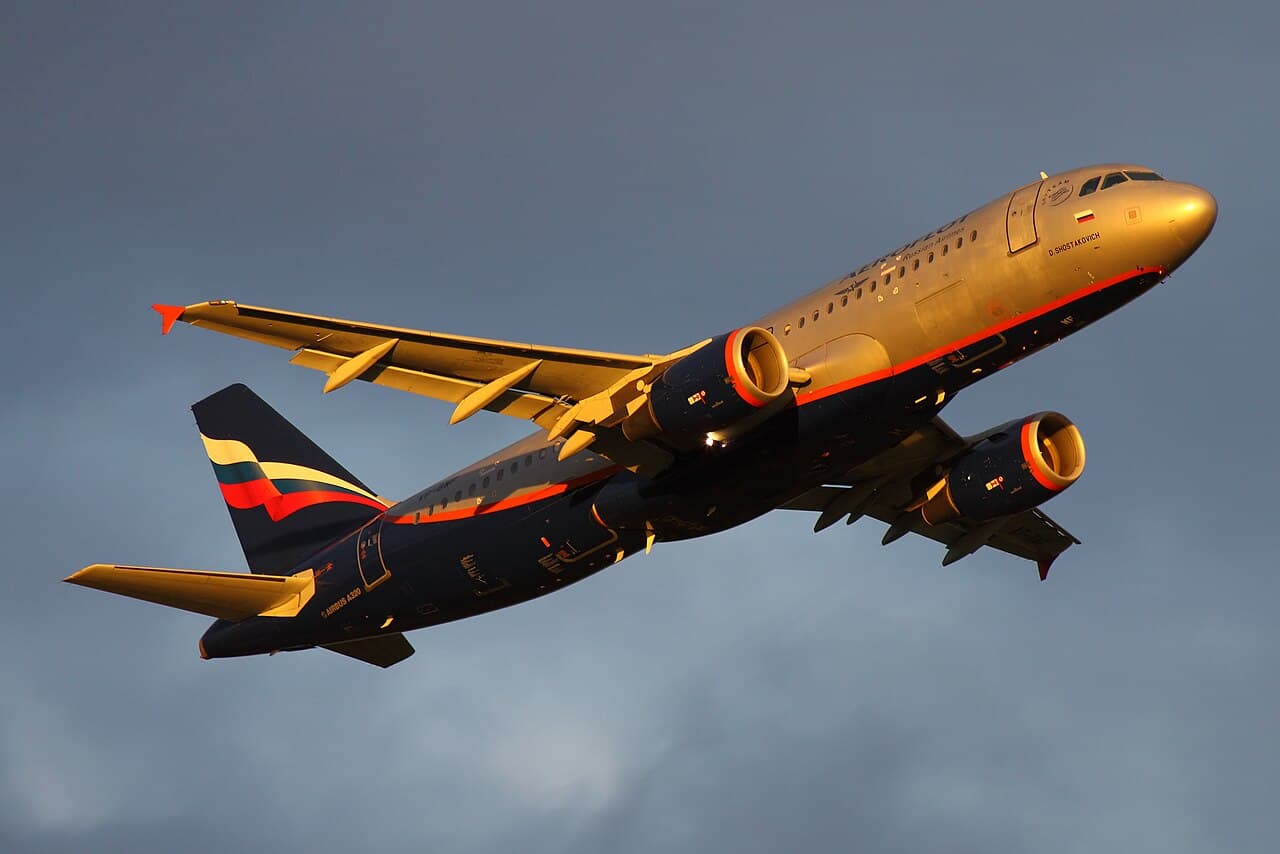
Image: Sergey Kustov · CC BY-SA 3.0 · via Wikimedia Commons
Air Arabia to launch Saudi venture Air Arabia DMM from King Fahd Airport in Q3 2026
Air Arabia plans to start operations in Saudi Arabia this year through its 49% stake in Air Arabia DMM, aiming to build a fleet of 45 aircraft serving 80 routes.
The gist
Air Arabia's Saudi joint venture Air Arabia DMM is expected to begin flights from Dammam in Q3 2026 with ambitious fleet and route plans.
Continuing coverage
All Airbus A320 →- Etihad Airways inaugurates daily nonstop Abu Dhabi-Tashkent A320 service with full bookings
- Qantas to Sell Entire Stake in Jetstar Japan by Mid-2027 for $52 Million
- Air New Zealand to Launch First International Flights at Western Sydney Airport in October 2026
- Boeing 737 vs Airbus A320: Which Narrowbody Costs Less Per Seat for Airlines?
- Airbus A320 Pilots Routinely Shut Down One Engine During Taxi to Cut Fuel Use
Air Arabia is set to launch operations with its new Saudi Arabian joint venture, Air Arabia DMM, in the third quarter of 2026. The carrier holds a 49% stake in this partnership which was granted rights last year to establish an airline based at King Fahd International Airport in Dammam. This move represents a significant expansion for Air Arabia into the Saudi market, utilizing Dammam as a strategic hub for regional growth. The carrier has already initiated recruitment for Airbus A320-family pilots to support the planned start of services.
Photographic evidence circulating on social media confirms that at least two Airbus A320 aircraft registered as HZ-DMMA and HZ-DMMB have arrived at King Fahd Airport, signaling imminent operational readiness. The joint venture intends to rapidly build its fleet to a total of 45 aircraft and launch over 80 routes, positioning Air Arabia DMM as a major player in the Middle Eastern low-cost carrier segment. This level of ambition aligns with Air Arabia’s broader strategy of market penetration through local partnerships and fleet expansion in key regional markets.
Recent financial disclosures from Air Arabia highlight the company’s ability to maintain profitability amid challenging conditions. During the first half of 2026, Air Arabia achieved a net profit of AED 374 million (approximately USD 102 million), despite a 50% decline compared to the previous year. The second quarter was particularly affected by the geopolitical conflict in the Middle East, which led to airspace closures, operational restrictions, and an increase in fuel prices. Nonetheless, Air Arabia’s network exhibited resilience, with an average passenger load factor exceeding 80%.
Sheikh Abdullah bin Mohammad Al Thani, chair of Air Arabia, emphasized that the company prioritized maintaining network connectivity while adapting operations to rapidly shifting circumstances. He also noted disciplined cost management and operational efficiency as key factors underpinning the airline’s continued performance. These operational strategies will likely extend to the new Saudi venture as it navigates the competitive regional aviation market.
Air Arabia's current fleet comprises 96 Airbus aircraft, including 10 A320neo and six A321neo jets. The majority of these (60 aircraft) operate out of its primary hub in Sharjah. Additional fleet members are distributed across Abu Dhabi (12 aircraft), Morocco (10 aircraft), as well as Egypt, Pakistan, and Ras Al Khaimah (14 aircraft). The addition of Air Arabia DMM’s fleet will significantly boost the carrier’s overall regional footprint and capacity.
The establishment of Air Arabia DMM represents a milestone in Air Arabia’s growth in the GCC, allowing it to tap into Saudi Arabia’s rapidly expanding aviation sector. King Fahd International Airport offers an excellent base for serving underserved domestic and international routes, further opening new market opportunities. As regional air travel demand continues to increase, Air Arabia DMM’s entry is poised to enhance competitive dynamics while providing more options for budget travelers.
This strategic expansion arrives at a time when Gulf carriers are navigating complex airspace and cost challenges. Air Arabia’s ability to manage in such environments while expanding is indicative of a well-calibrated growth approach. The tangible progress in aircraft delivery and pilot recruitment demonstrates a keen readiness to operationalize its ambitious plans in Saudi Arabia.
Frequently asked questions
- When is Air Arabia DMM expected to start operations?
- Air Arabia DMM, the Saudi joint venture of Air Arabia, is expected to commence operations in the third quarter of 2026.
- What are the fleet and route plans for Air Arabia DMM?
- The venture plans to build a fleet of 45 aircraft and serve over 80 routes from King Fahd International Airport in Dammam.
- How has Air Arabia performed financially in the first half of 2026?
- Air Arabia remained profitable with a net income of AED 374 million (USD 102 million), despite a 50% decline due to regional conflicts and operational challenges.
Read more
All Airlines →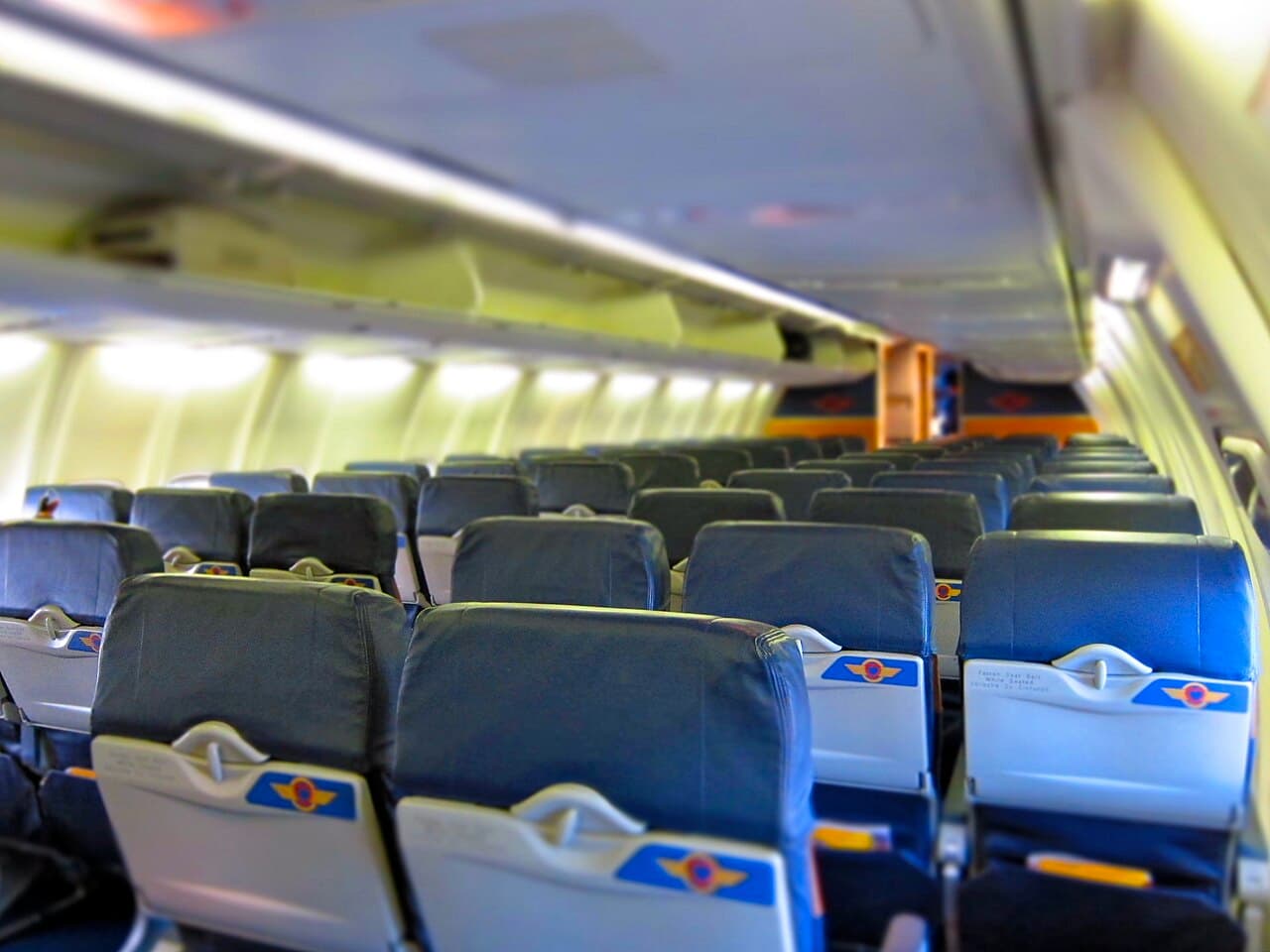
American Airlines Flights Clash Near Phoenix Due to Duplicate Flight Numbers
Two American Airlines flights using the same flight number were airborne near Phoenix at the same time, on the same air traffic control frequency, and one accepted instructions meant for the other. The planes never lost required separation, but the communications close call highlights a strange problem facing major carriers: in a codeshare-heavy world, airlines are running out of usable flight numbers.
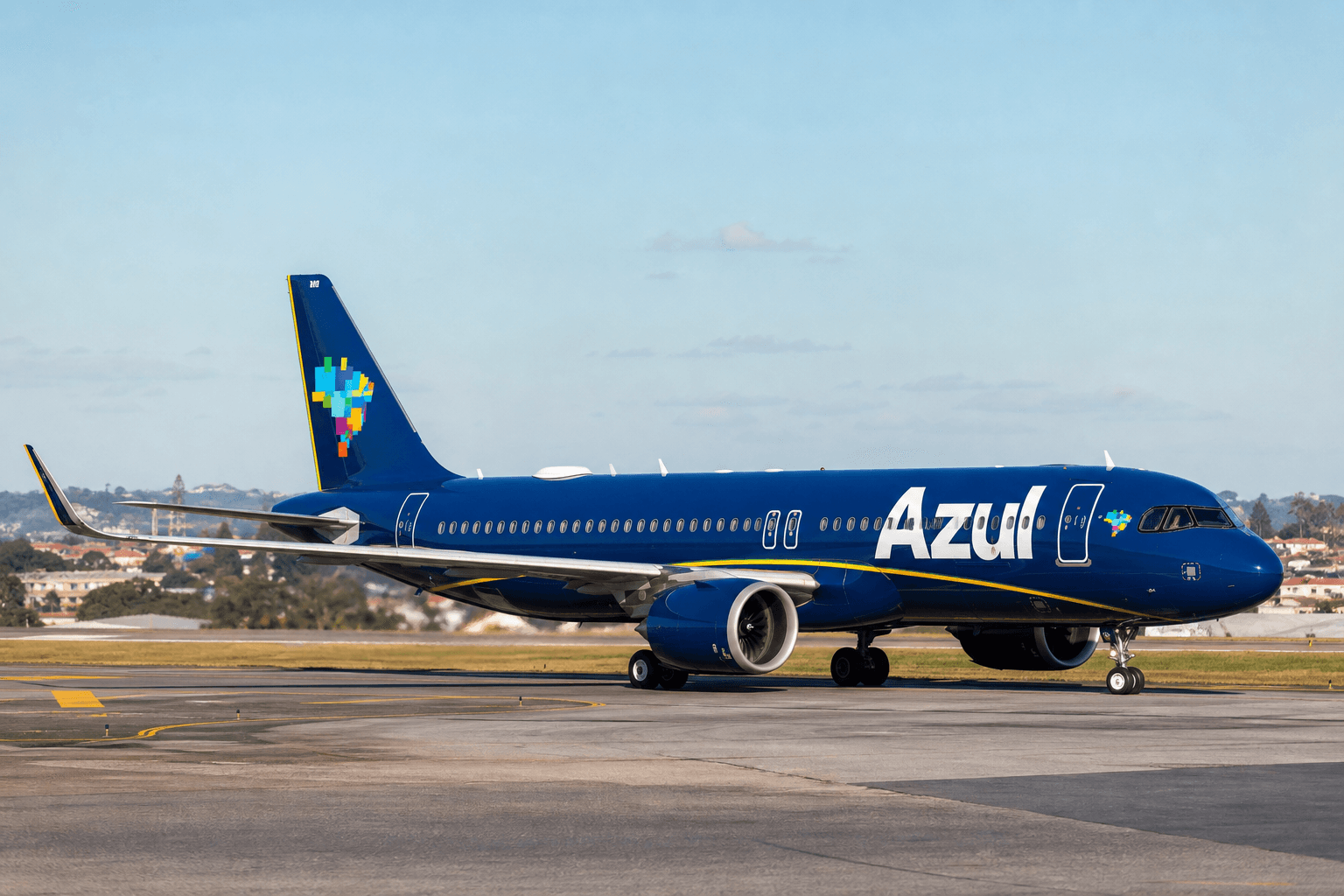
Azul reports record Q2 revenue but doubles losses amid international capacity cuts
Azul drastically cut capacity, especially on international routes, as fuel costs surged. Brazil's Azul reported record operating revenue for the second quarter as losses doubled due to fuel costs. Despite cutting capacity by more than 10% year-over-year, operating revenues hit R$5.0 billion ($980 million) – up about 0.7% from a year ago. Operating profit swung to a R$159 million ($30.3 million) loss from R$380 million ($72 million) in profit a year ago as oil prices surged. International capacity was also sharply reduced by nearly 25% in order to "protect liquidity and maintain focus on long-term value creation." “I think some of our competitors planned capacity assuming the war would end", chief executive John Rodgerson says. "We feel very good about the disciplined approach we made." Rodgerson cited choppiness in fuel prices for the lack of guidance, saying it is about "building credibility and pointing investors to the long-term strategy of Azul." Executives say 2026 is a “transition year," as the carrier emerges from Chapter 11 reorganisation proceedings that wrapped up in February. The airline says capacity growth will resume by the end of the year, but has not provided future financial guidance through the end of the year and beyond. “We just don’t think there’s value in providing guidance as the fuel curve continues to bounce around as much as it has," he continues. In July, American Airlines chief executive shared similar concerns, saying higher-than-expected fuel costs after the second quarter closed caused the airline to erase more than $1 billion in expected profits from their expectations. Demand from both business and consumers is strong in the third quarter so far. President Abhi Shah says corporate fares are "probably the highest ever" in the history of Brazil and that Azul is "probably having our best B2C [business to consumer sales] week this year in the last six months easily." New aircraft should help with expansion and premium growth. Azul has received one Airbus A320neo this year, with another expected but delayed. One replacement A330 is flying, another is "on its way," and more on order, executives say. Their target is to have 12 widebody international aircraft in the fleet by the end of the year. “Over the last four or five years, Azul lost a little bit of its glow because we were fighting for survival,” Rodgerson says. “Azul is now back.”
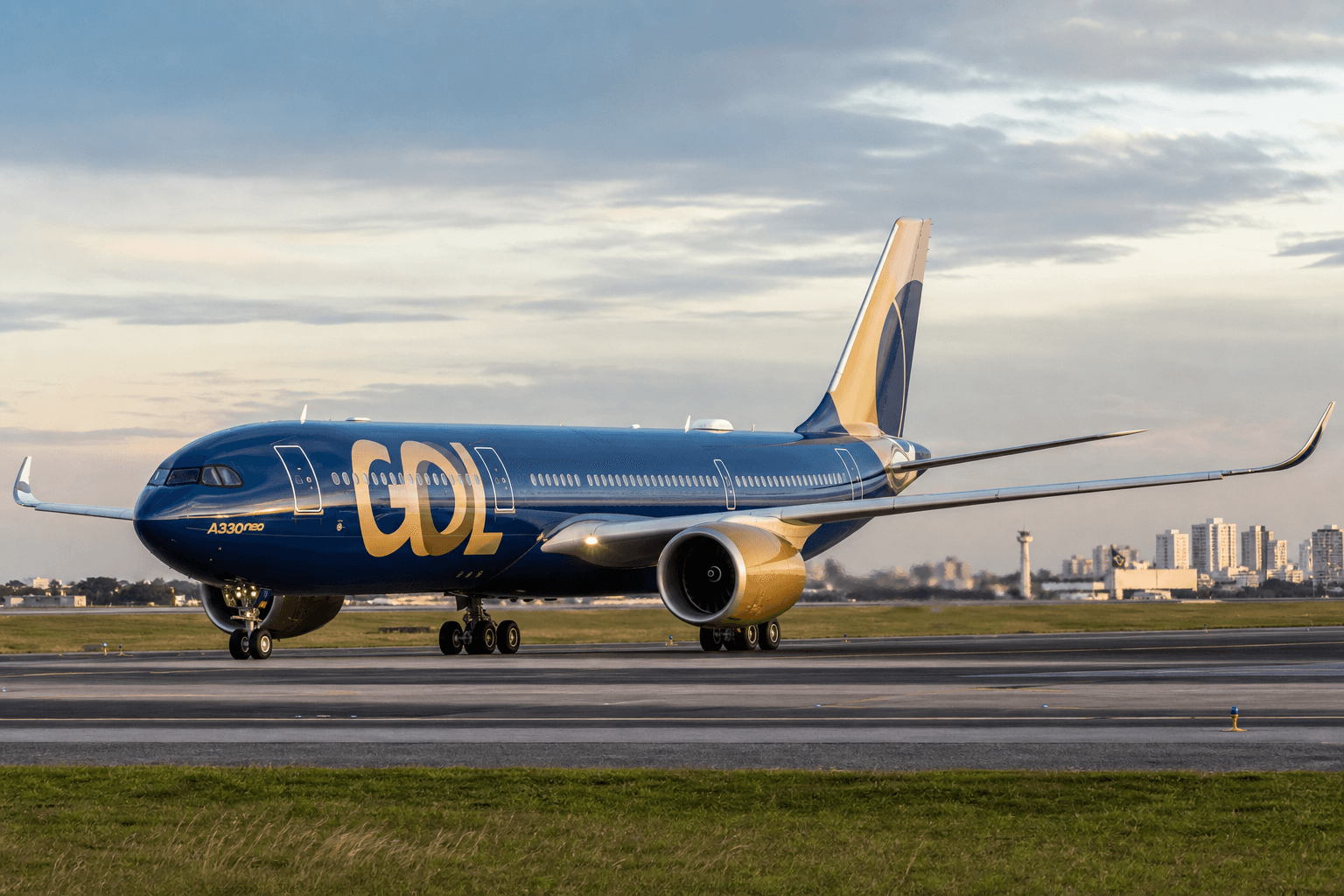
Gol names Andre Fehlauer as CEO amid international expansion plans
Abra Group has major international ambitions for Gol. Brazil's Gol Linhas Aereas has appointed a new chief executive and president. Andre Fehlauer will take over as chief executive officer effective September 2026, succeeding Celso Ferrer. Albert Perez will add president to his current role of chief operating officer. Fehlauer previously served as chief executive of Livelo, a loyalty points provider. He previously worked at Gol for eight years at Smiles, Gol's loyalty programme. As chief executive, Ferrer "played a pivotal role in guiding Gol through a transformative period and positioning the airline for its next phase of growth", says parent company Abra Group's chief executive Adrian Neuhauser. Ferrer has served as chief executive since 2022, taking over amid a major deal with Avianca to form Abra Group. He also steered Gol through its 2024 Chapter 11 bankruptcy. Abra has big ambitions for Gol's international growth . The airline is set to receive the first of five Airbus A330-900neos from lessor Avolon by the end of the year and has its eyes on more. Its first major international route to New York from Rio de Janeiro also launched this year , operated by Wamos Air until the A330neos are delivered. Gol plans to start flights between Rio and Lisbon in September, and to Orlando and Paris by the end of the year.
Delta Accelerates Austin Growth With New Paris Route and Expanding Operations
Paris, a crew base, and 15 future gates are positioning the airline for its next phase of expansion.
The Daily Touch & Go
The day's best aviation news in your inbox. Free, no spam.