

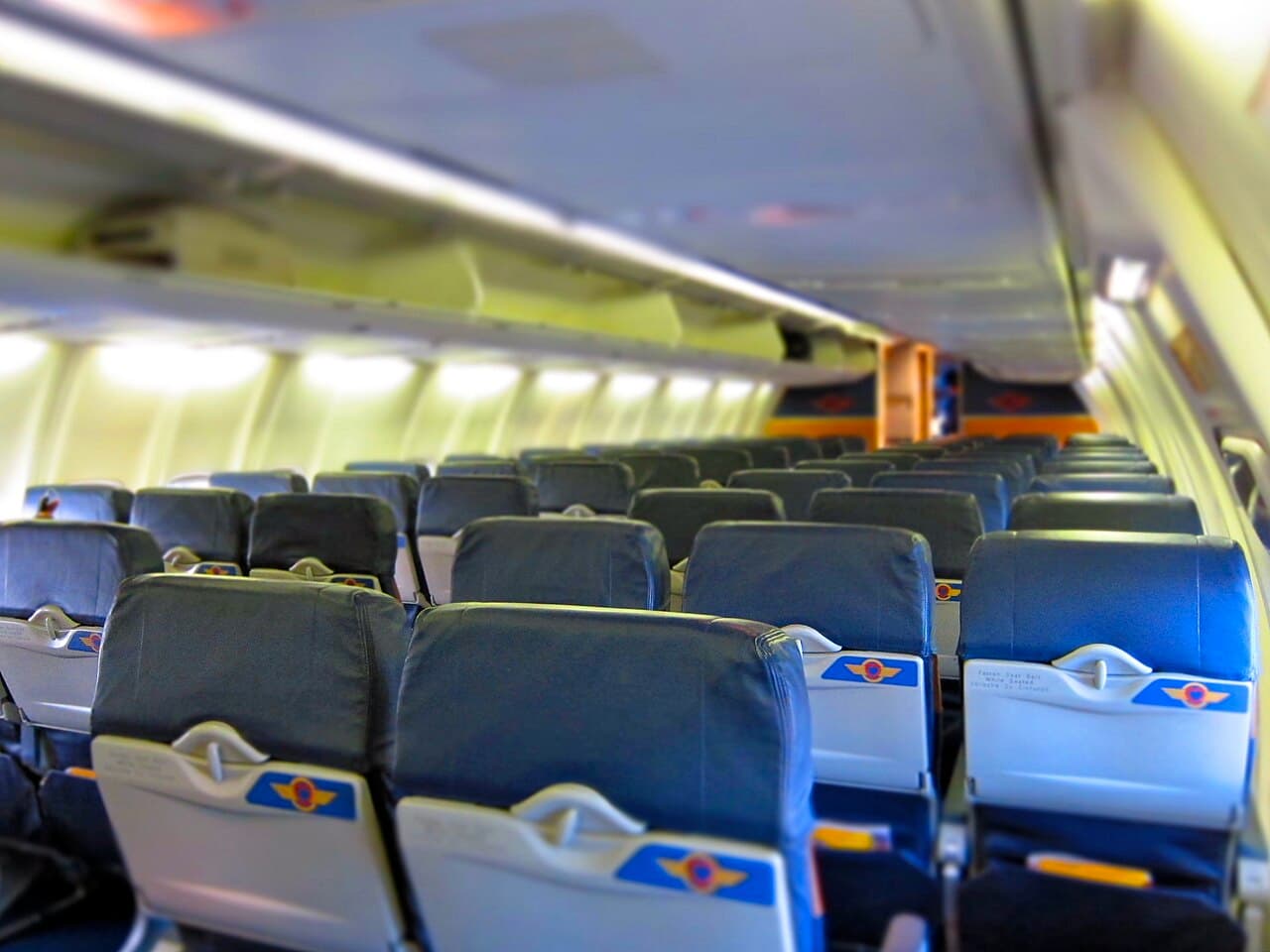
Image: Kevin Dooley · CC BY 2.0 · via Wikimedia Commons
American Airlines Flights Clash Near Phoenix Due to Duplicate Flight Numbers
Two American Airlines flights with the same number operated simultaneously near Phoenix led to a communication error, revealing challenges airlines face with flight number limitations.
The gist
American Airlines operated two flights under the same number near Phoenix simultaneously, causing an ATC mix-up due to limited flight numbering options.
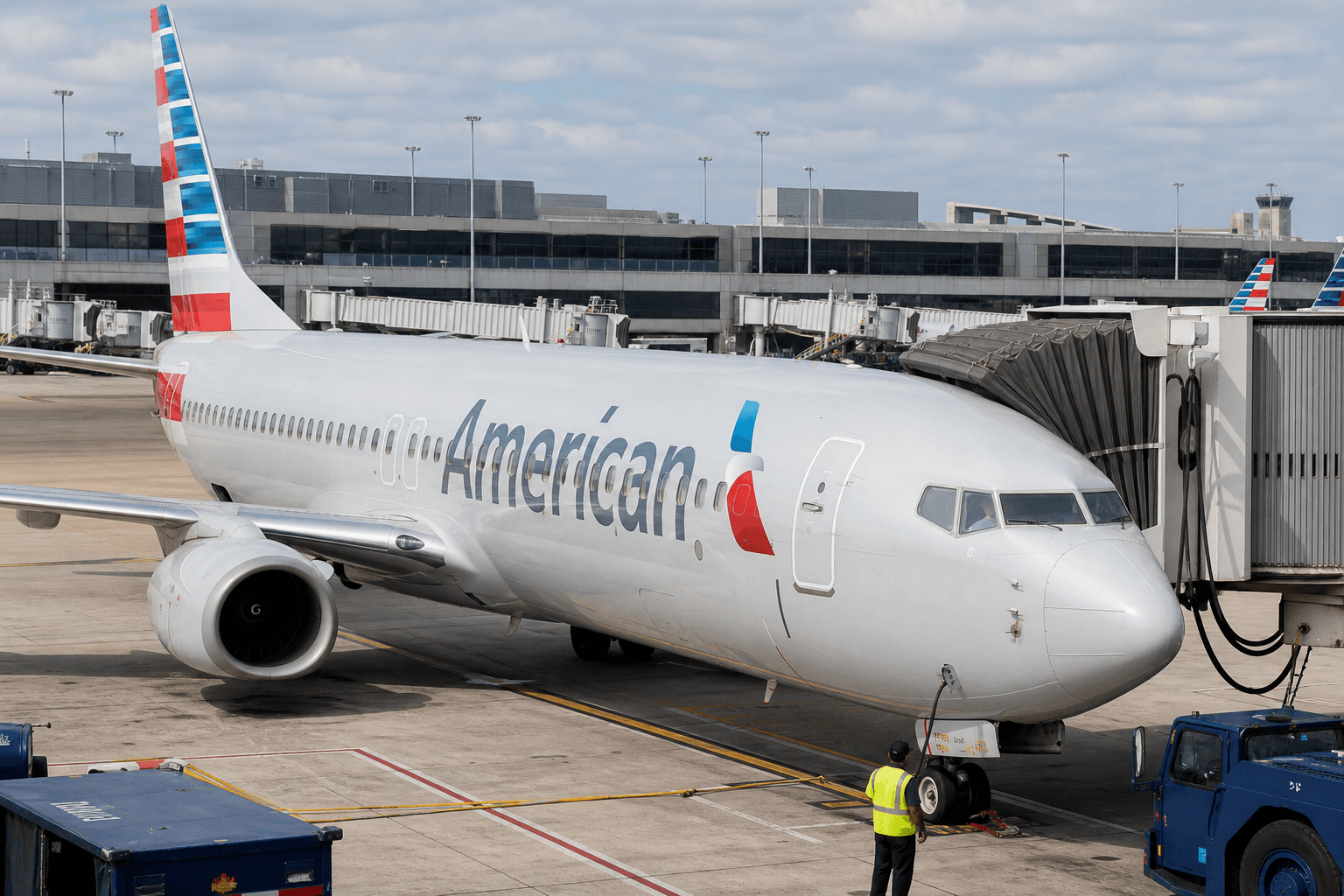
On the night of August 13 into the early hours of August 14, two American Airlines flights bearing the identical flight number AA2482 were airborne near Phoenix at the same time. Both flights were communicating with air traffic control (ATC) on the same frequency, which led to one plane mistakenly accepting a clearance intended for the other. This rare incident saw the two Boeing 737 aircraft cross paths at less than a mile apart horizontally, with a minimum vertical separation of 1,000 feet, thereby maintaining regulatory safe distance but narrowly avoiding a potential safety breach.
The flight inbound to Phoenix was delayed by approximately 90 minutes, and a different aircraft was then assigned for the return flight to Chicago, causing both flights to be active simultaneously using the same callsign. The outbound flight was issued a clearance to climb to 9,000 feet, which the inbound flight inadvertently accepted. Fortunately, vigilant controllers and flight crews identified the confusion, promptly halted the inbound flight’s climb at 10,000 feet and the outbound flight’s climb at 9,000 feet, maintaining safe separation between the two aircraft.
This event underscores a growing problem for major airlines like American, Delta, and United: they are running out of unique flight numbers. Flight numbers are typically composed of up to four digits, theoretically allowing for 9,999 unique identifiers, excluding zero. However, the actual operational complexities, including codeshare agreements and multiple segments, have pushed these airlines to reuse flight numbers in ways that risk operational confusion.
American Airlines’ Senior Vice President of Network Planning, Brian Znotins, has highlighted that the issue stems from the airline wanting to affix its flight numbers to more flights than the numbering system can accommodate. This includes flights operated by partner airlines and codeshare flights, such as those offered from Doha to cities in India and Pakistan, or those operated by Alaska Airlines but sold under American Airlines’ brand. This expansion complicates the numbering system dramatically.
To manage the constraints, American Airlines assigns the same flight number to flights that are not expected to be airborne simultaneously, such as ‘out and back’ operations like Chicago to Phoenix and back. However, when delays or schedule changes occur, like in this incident, such assumptions fail, leading to two aircraft using identical callsigns concurrently. Ideally, in such situations, the airline should alter the flight number of one flight before departure to prevent overlap within controlled airspace.
The technology systems underpinning airline operations, many of which date back to the 1960s, have made it extremely challenging to implement solutions like extending flight numbers to five digits or adding differentiating codes. Upgrading these systems would involve significant expense and extensive re-coordination with international aviation authorities such as IATA. Meanwhile, dispatch and operations teams must rely on procedural workarounds to avoid similar incidents.
Had the outbound flight’s callsign been adjusted before pushback, for example, to a variant such as ‘American 8248,’ it could have averted the confusion. Alternatively, controllers could have been pre-briefed about the two planes sharing the same number in the same region, allowing temporary reassignment of one flight’s callsign. The inability to swiftly enact these measures contributed to the communications close call reported in Phoenix airspace.
Despite no loss of safe separation or collision, this episode serves as a stark reminder that flight number exhaustion is no longer a theoretical issue; it is a practical safety concern. It also highlights the need for airlines and regulatory bodies to address legacy system limitations and modernize flight numbering schemes, particularly for carriers with extensive partner networks and codeshare arrangements.
For now, airlines, ATC agencies, and flight crews must be vigilant to such numbering overlaps, ensuring clear communication and rapid correction if conflicts arise. The experience near Phoenix demonstrated effective crew and controller coordination under pressure, but broader systemic and technological updates are needed to reduce future risks associated with duplicate flight numbers during simultaneous operations.
Frequently asked questions
- Why did American Airlines use the same flight number for two active flights?
- Due to flight number limitations and the need to assign numbers to code-share and partner flights, American Airlines assigned the same number AA2482 to two flights operating simultaneously near Phoenix.
- What safety risk did the duplicate flight numbers cause?
- The two flights with identical numbers communicated on the same ATC frequency, resulting in one flight mistakenly accepting the other's clearance, creating a near-conflict situation in controlled airspace.
- What measures could prevent duplicated flight number confusion during simultaneous operations?
- Measures include adjusting flight numbers before departure, informing ATC sectors of duplicate callsigns, temporarily reassigning callsigns, and eventually upgrading systems to allow more unique flight numbers.
Read more
All Airlines →
American Airlines revamps leadership to boost lagging profits against Delta and United
American Airlines is shaking up its senior leadership as CEO Robert Isom faces growing pressure to improve the carrier's financial performance and close the gap with rivals Delta Air Lines and United Airlines. The changes broaden oversight across American's commercial and operational teams and bring former Spirit Airlines Chief Operating Officer John Bendoraitis into the company to lead technical operations. In a memo to employees, Isom acknowledged a "meaningful gap" between American's current performance and where he said the airline should be, describing the leadership changes as the first in a series of moves aimed at improving execution and strengthening the company. Isom announced that Chief Commercial Officer Nat Pieper will add marketing and branding to his responsibilities, while Chief Customer Officer Heather Garboden will take on reservations and service recovery. JC Gulbranson will add oversight of airports and planning. Garboden and Gulbranson will also join American's senior leadership team. Chief Communications Officer Ron DeFeo is stepping down. Caroline Clayton will oversee communications, while Steve Neuman will lead government affairs. Both will join the senior leadership team. The changes come as American continues to trail Delta and United on profitability. American expects roughly break-even results for 2026 as higher fuel prices weigh on earnings. Earlier this year, the airline said a sharp increase in jet fuel costs could add more than $4 billion in expenses compared with its previous assumptions. American has also been under pressure from its labor unions. The Association of Professional Flight Attendants issued a unanimous vote of no confidence in Isom in February, saying the airline had fallen behind competitors in profitability, operational performance and overall competitiveness. The union has called on Isom to step down. The Allied Pilots Association has also questioned whether American's current management can close the performance gap with Delta and United. APA President Nick Silva recently told pilots that the union had sought a meeting with American's board to discuss concerns about the company's future but was rebuffed. He said the union had since spoken with analysts, investors and other stakeholders. Despite the criticism, Isom has said American is not changing its overall strategy. He said the airline continues to focus on expanding its global network, increasing premium revenue and strengthening its AAdvantage loyalty program. American has also been investing in premium seating, lounges, onboard connectivity and changes to its hub schedules as it works to improve revenue and operational performance.
Global airlines announce fleet expansion and new routes in August 2026
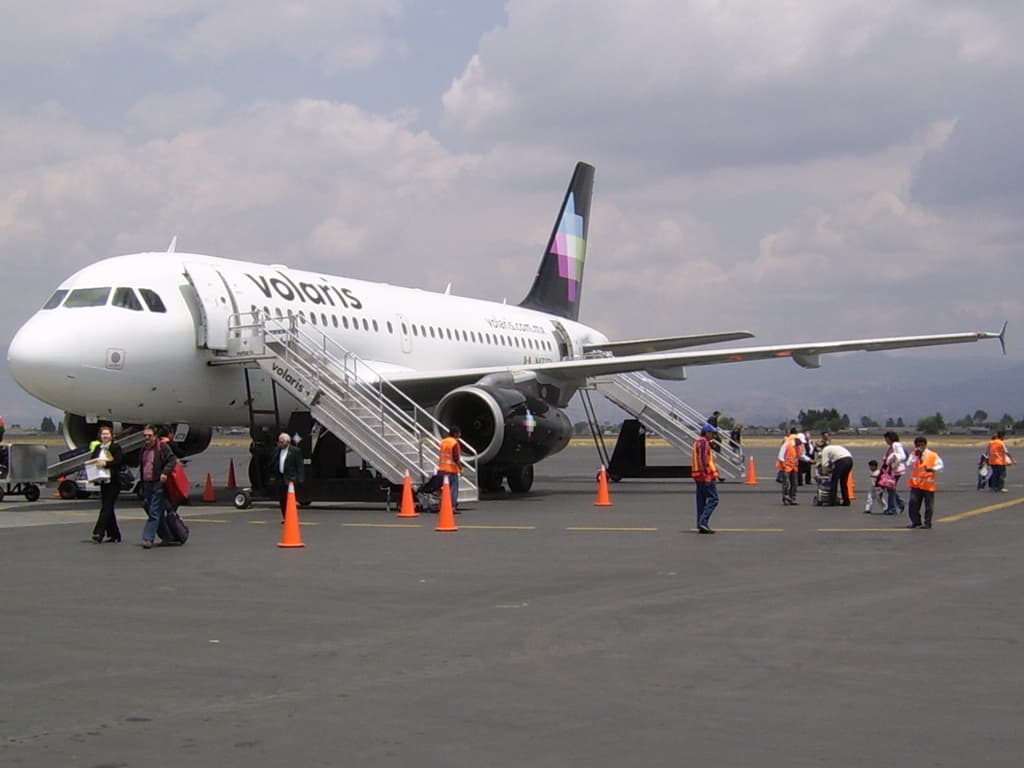
Top airline news stories for August 11, 2026 (click the link for the full details): airBaltic to reorganize Breeze Airways expands internationally Trinitiy Airways is born Pegasus Airlines expands in Europe with a major acquisition Riyadh Air expands in Asia American Airlines restores a seasonal route to South America Volaris adds 8 new routes
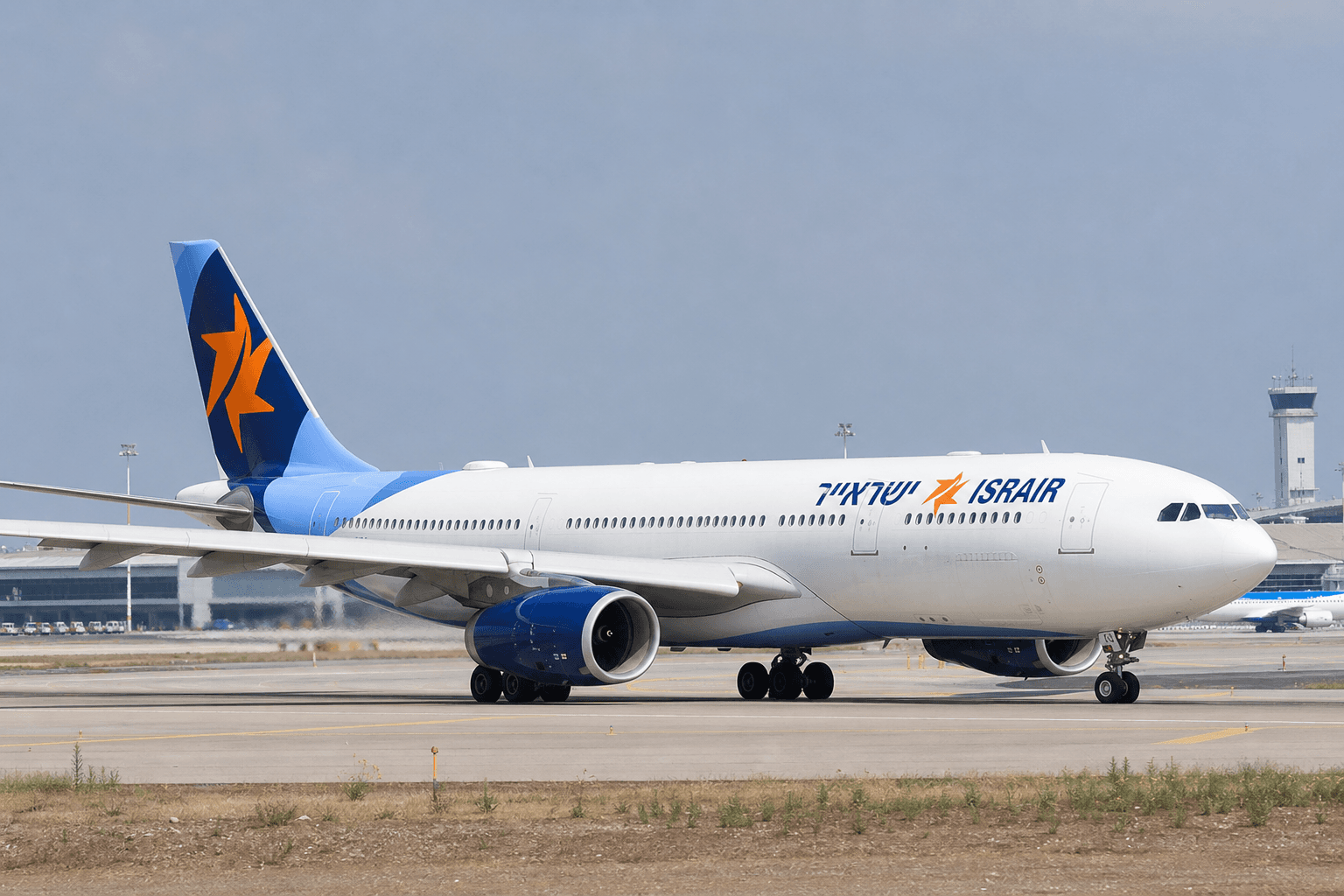
Israir revives ex-American Airlines A330s for upcoming New York-Tel Aviv flights
American Airlines retired its relatively young Airbus A330-200s during the pandemic, leaving itself short of long-haul aircraft just as international demand returned. Now two of those ex-American jets belong to Israir, which plans to use them for Tel Aviv–New York service — potentially bringing American's old planes back to a market American itself still has not resumed.
American Airlines AI System Automatically Removes Passengers from Flights Ahead of Connections
American Airlines' automated rebooking system keeps removing passengers from flights when it predicts they will miss a connection, even when they still make it to the gate in time. The result is that seats get released to someone else, passengers are turned away from flights they could have boarded, and American may owe involuntary denied boarding compensation when its algorithm gets it wrong.
The Daily Touch & Go
The day's best aviation news in your inbox. Free, no spam.