

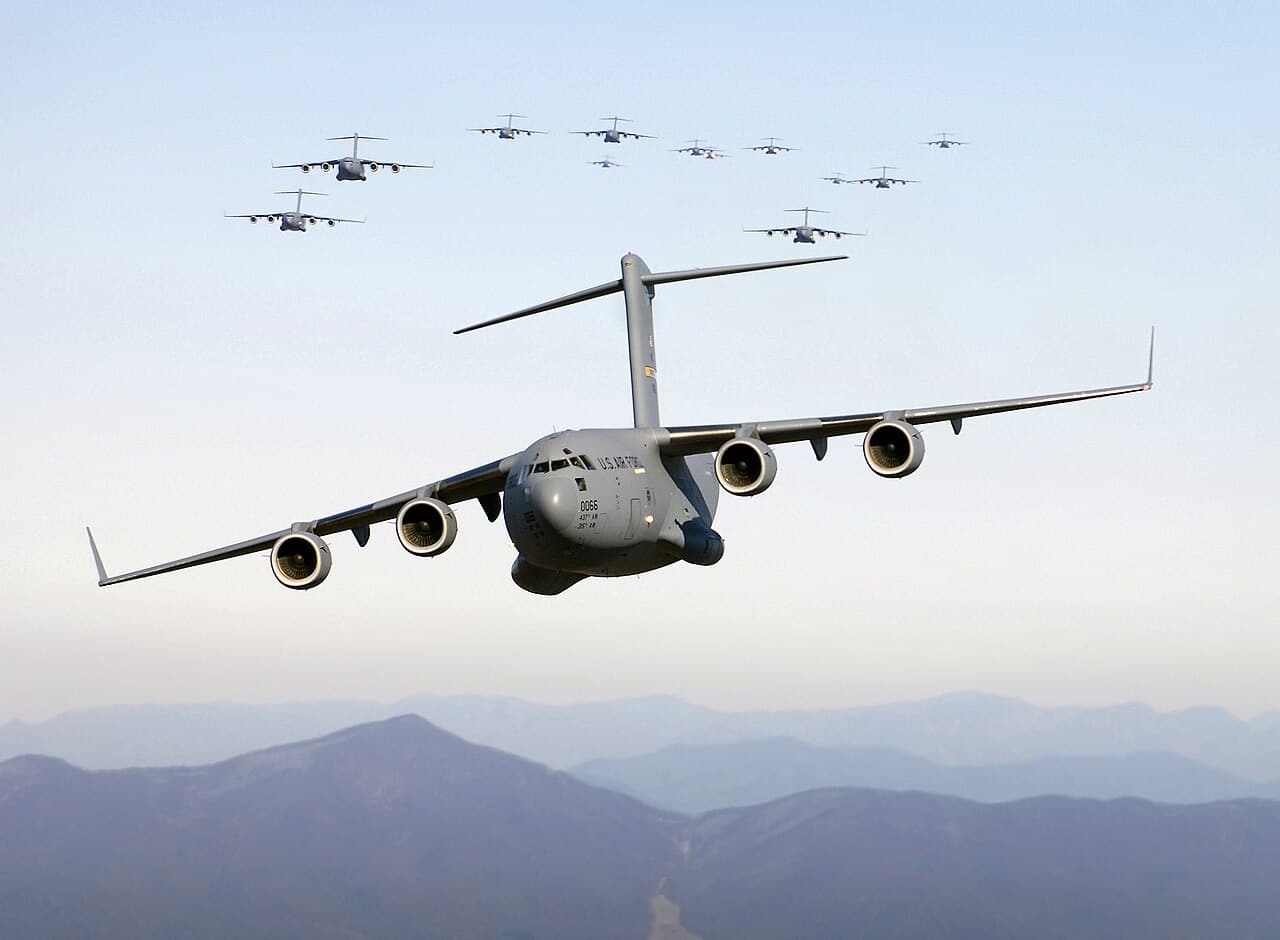
Image: Staff Sgt. Jacob N. Bailey, U.S. Air Force · Public domain · via Wikimedia Commons
US to Cut Fighter Jets and Warships in NATO Deployment; A-10 and C-17 Updates Underway
The US plans to reduce fighter jets and refueling tankers supporting NATO, extend A-10 Warthog service, and explore restarting C-17 production amid operational challenges.
The gist
US to scale back NATO aircraft and warships, extend A-10 service life, and consider new C-17s to meet evolving defense needs.
The United States is set to significantly reduce its military aircraft and naval presence supporting NATO operations in Europe, according to recent reports citing European officials. Plans include cutting the number of deployed F-16 and F-15E fighter jets from approximately 150 down to 100, reducing maritime reconnaissance aircraft from 26 to 15, and pulling all eight aerial refueling tankers currently assigned to the region. This strategic rebalancing also entails reallocating a missile-launching submarine, an aircraft carrier along with its accompanying warships, and potentially one of the two bomber groups previously dedicated to European defense.
NATO spokesperson Allison Hart emphasized a historical over-reliance on U.S. forces and acknowledged the necessity of this force adjustment. The U.S. European Command described the move as a step to ‘rightsize’ its contributions within the NATO Force Model. This recalibration reflects shifting strategic priorities and resource optimization amid evolving global security dynamics.
Meanwhile, the A-10 Thunderbolt II, commonly known as the Warthog, faces an uncertain future as depot-level maintenance has ceased and the 571st Aircraft Maintenance Squadron at Hill Air Force Base has closed. The A-10 Weapons School is also slated to end operations this year, with the aircraft originally planned to retire by 2030. However, legislative efforts are underway to extend the Warthog’s service life. An amendment to the House Armed Services Committee’s version of the National Defense Authorization Act seeks to preserve training, testing, experimentation, maintenance, and sustainment activities for the A-10.
This amendment specifically mandates the Air Force to maintain operational expertise and pilot training units related to the A-10 platform. The move is seen as an effort to retain valuable lessons learned and capabilities that the aircraft has provided in close air support missions for decades. The continued support signals recognition of the A-10’s unique role and the ongoing need for its specialized capabilities.
In related developments, the A-10C variant has recently achieved operational status in the Middle East with a new probe-and-drogue aerial refueling capability. Previously limited to refueling from KC-135 tankers, the A-10 was unable to utilize the KC-46 due to concerns over the rigidity of its boom potentially causing damage. Now, with the new capability, A-10s can refuel not only from KC-46s but also from HC-130s, MC-130s, Marine Corps KC-130s, and KC-130Js operated by allied forces, significantly enhancing the Warthog’s operational flexibility and endurance.
Beyond current fleet adjustments, Boeing and U.S. Air Force leadership are examining the feasibility of restarting production of the C-17 Globemaster III strategic airlifter. Although restarting the production line would be a complex and costly undertaking, interest has grown due to recent crises that have put strain on the existing fleet. Congress has requested a formal briefing on acquiring new C-17s, signaling support for replenishing or expanding the airlift capability.
The C-17’s Pratt & Whitney F117-PW-100 engines, a military version of the PW2000 family, have not been produced new since 2016. Maintenance currently relies on overhauling existing engines, with the supply chain and MRO infrastructure still intact. Pratt & Whitney’s recent collaboration with JetZero on the PW2040 engine for a blended-wing-body aircraft demonstrates ongoing engine development expertise, which could support efforts to revive C-17 production if pursued. Stakeholders such as MTU Aero Engines, a risk-sharing partner, would also need to be involved in any restart.
Today, 222 C-17s operate with the U.S. Air Force, with last delivery in 2013 and production closing in 2015. Besides the US, Australia, Canada, India, Kuwait, Qatar, the United Arab Emirates, and the United Kingdom also operate the C-17, underscoring its international importance. Continued investment in the C-17 platform, whether through new production or sustained support, is viewed as critical for strategic airlift capacity in the decades ahead.
Read more
All Military/Defense →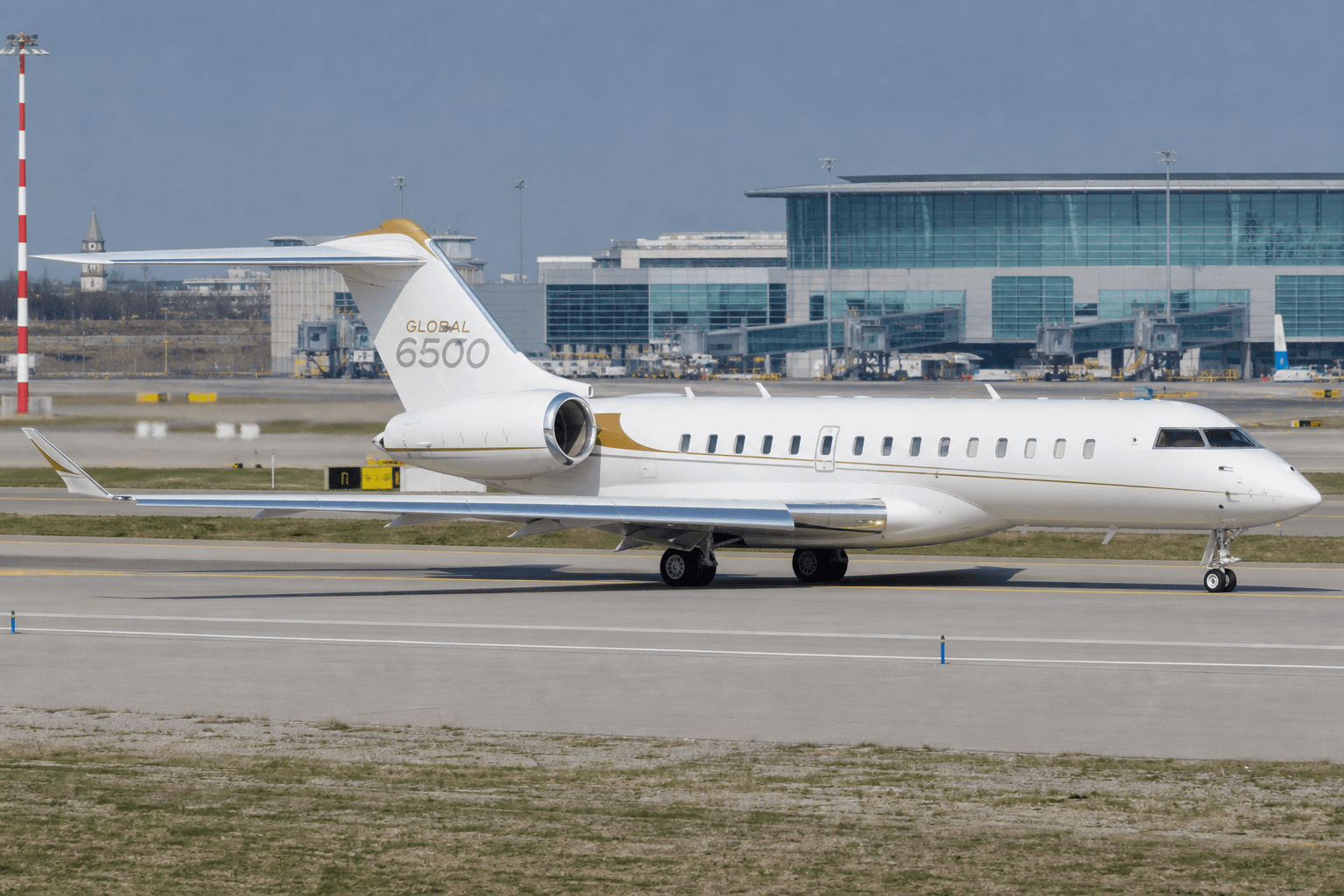
South Korea selects Bombardier Global 6500 jets for new electronic warfare fleet
South Korea has selected the Bombardier Global 6500 as the platform for a new pair of electronic warfare aircraft. Korean Air will purchase two Global 6500 business jets from Bombardier for conversion under South Korea's stand-off electronic warfare program, the Canadian manufacturer announced on July 14, 2026. The aircraft will be equipped to disrupt enemy radar, communications and other electronic signals while operating beyond the immediate reach of air and ground threats. Bombardier worked with Korean Air and South Korean defense company LIG Nex1 on the winning proposal. The companies marked the agreement during a signing ceremony in Seoul. Bombardier did not disclose the contract value, delivery schedule or details of the electronic warfare equipment that will be installed aboard the aircraft. "The Global 6500 aircraft is in demand around the world because of its performance and versatility," said Michael Anckner, Vice President of Worldwide Sales at Bombardier Defense. South Korea has now selected the Global 6500 for two separate special-mission aircraft programs. The country previously chose four Global 6500s for an airborne early warning and control fleet led by L3Harris. Those aircraft will carry sensors and mission systems used to monitor the airspace and direct military operations. The latest pair of aircraft will perform electronic attack missions, giving South Korea a planned fleet of six Global 6500-based military aircraft across the two programs. The Global 6500 is powered by two Rolls-Royce Pearl 15 engines. Its range, high-altitude performance and large cabin allow military customers to install sensors, operator consoles and communications equipment without developing a new aircraft from scratch. The business jet has attracted growing interest for surveillance, command-and-control and electronic warfare missions. The US Army also selected the Global 6500 for its High Accuracy Detection and Exploitation System, or HADES, intelligence and surveillance program. Bombardier delivered the first aircraft for that effort in 2024.
How the F-22's F119 Engine Overcame Long-Standing Fighter Jet Engine Trade-Offs
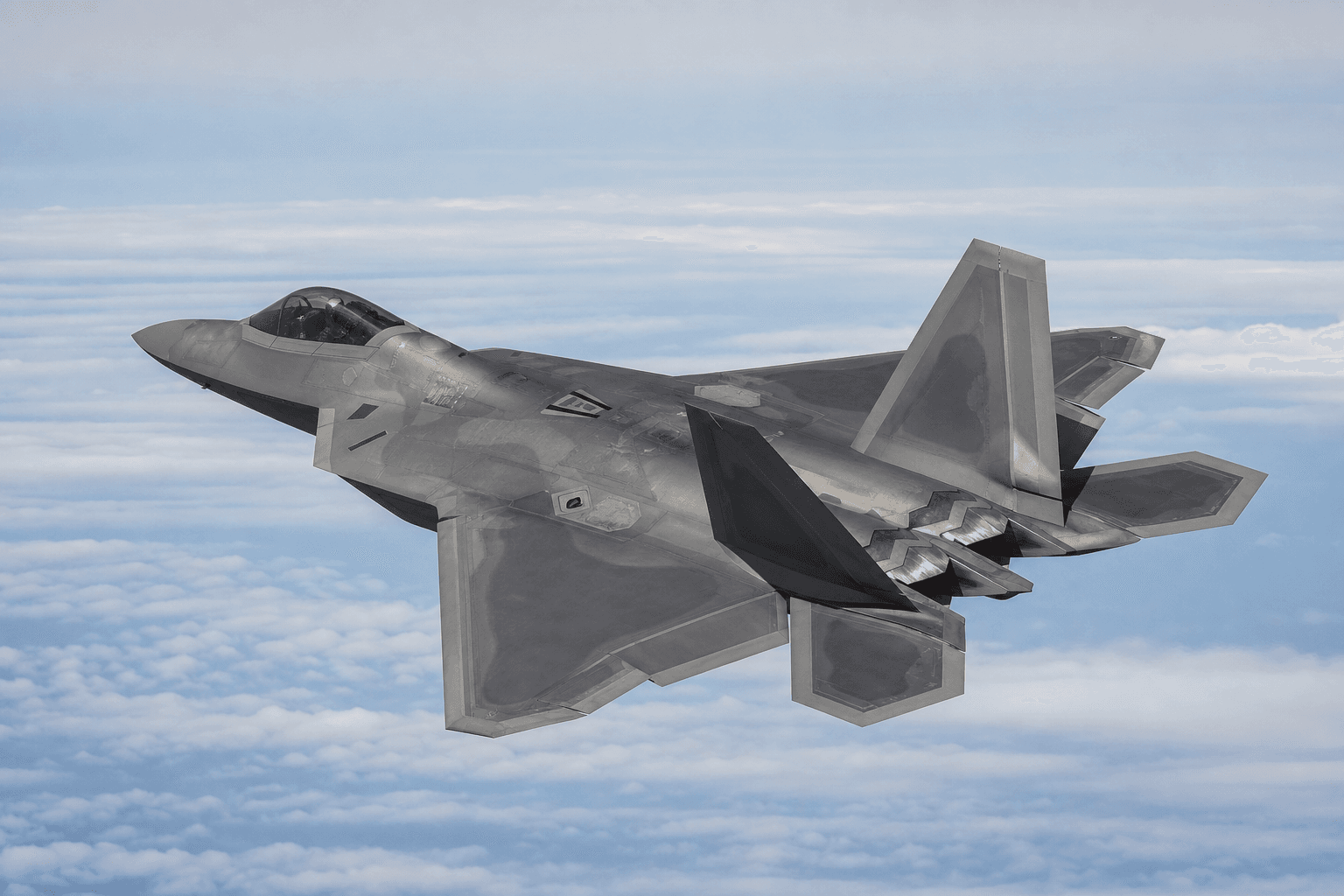
The Lockheed Martin F-22 Raptor was built as a generational leap over the existing F-15 Eagle. The F-15 Eagle was designed as an air superiority fighter , but by the 1980s, the Air Force felt it might not have the "unfair" advantage that they wanted, as the Soviet Union developed the Su-27 and MiG-29. The F-22 was initially designed as a late Cold War effort to overmatch any fighter jets the Soviets could field.
US Air Force Fighter Pilots Earn Base Salary Plus Bonuses Amid Pilot Shortage
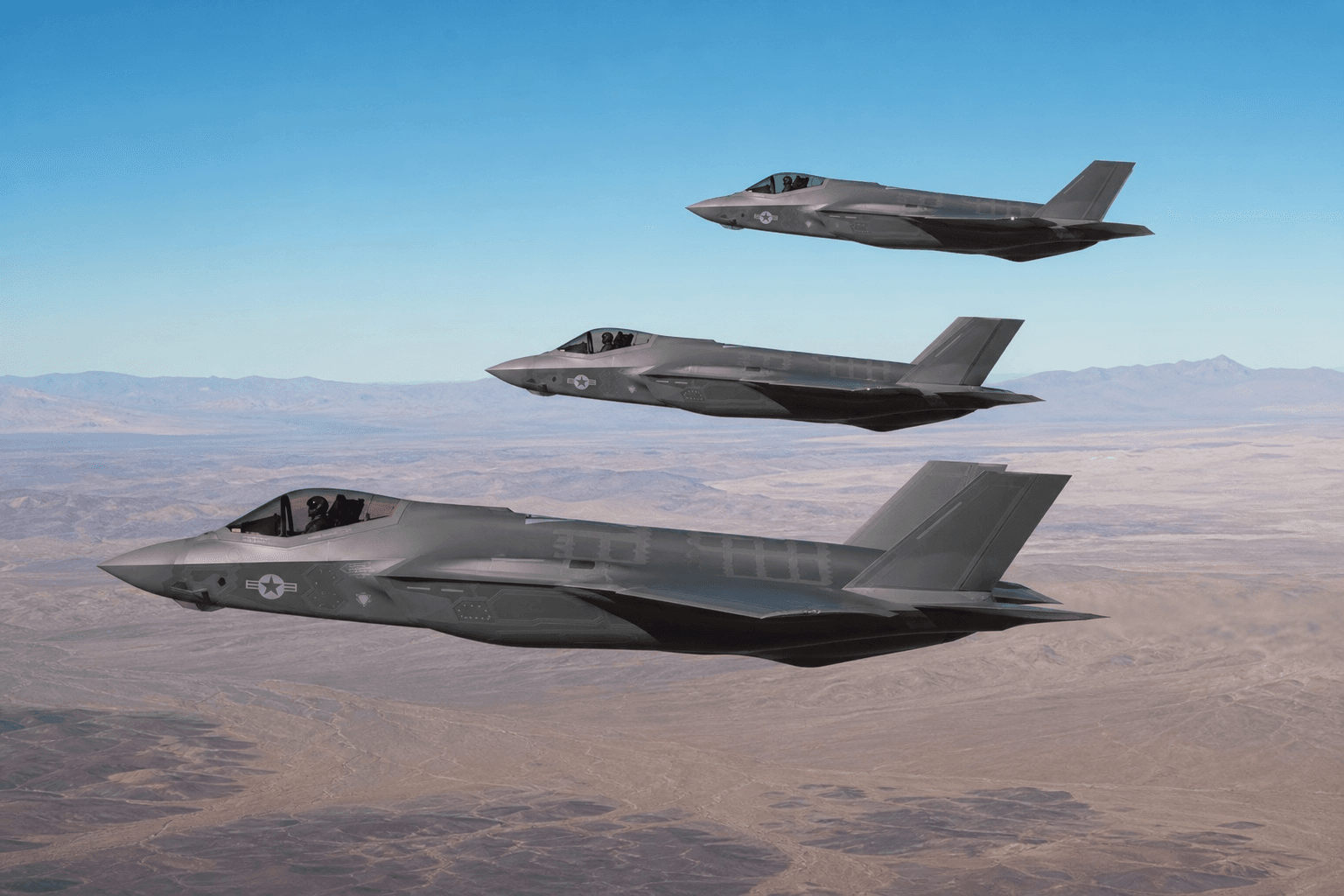
All US military pilots are commissioned officers, and their basic salary follows the same pay scale regardless of whether they are fighter jet pilots or transportation aircraft pilots. It also doesn't matter if they serve the US Air Force, the US Navy, the US Coast Guard, or the US Army. Compared with commercial pilots, US military pilot salaries are quite low, but they are only the beginning , with bonuses, allowances, and various other benefits and incentives significantly increasing the pay.
Europe's FCAS fighter program collapses amid industrial disputes and divergent military goals
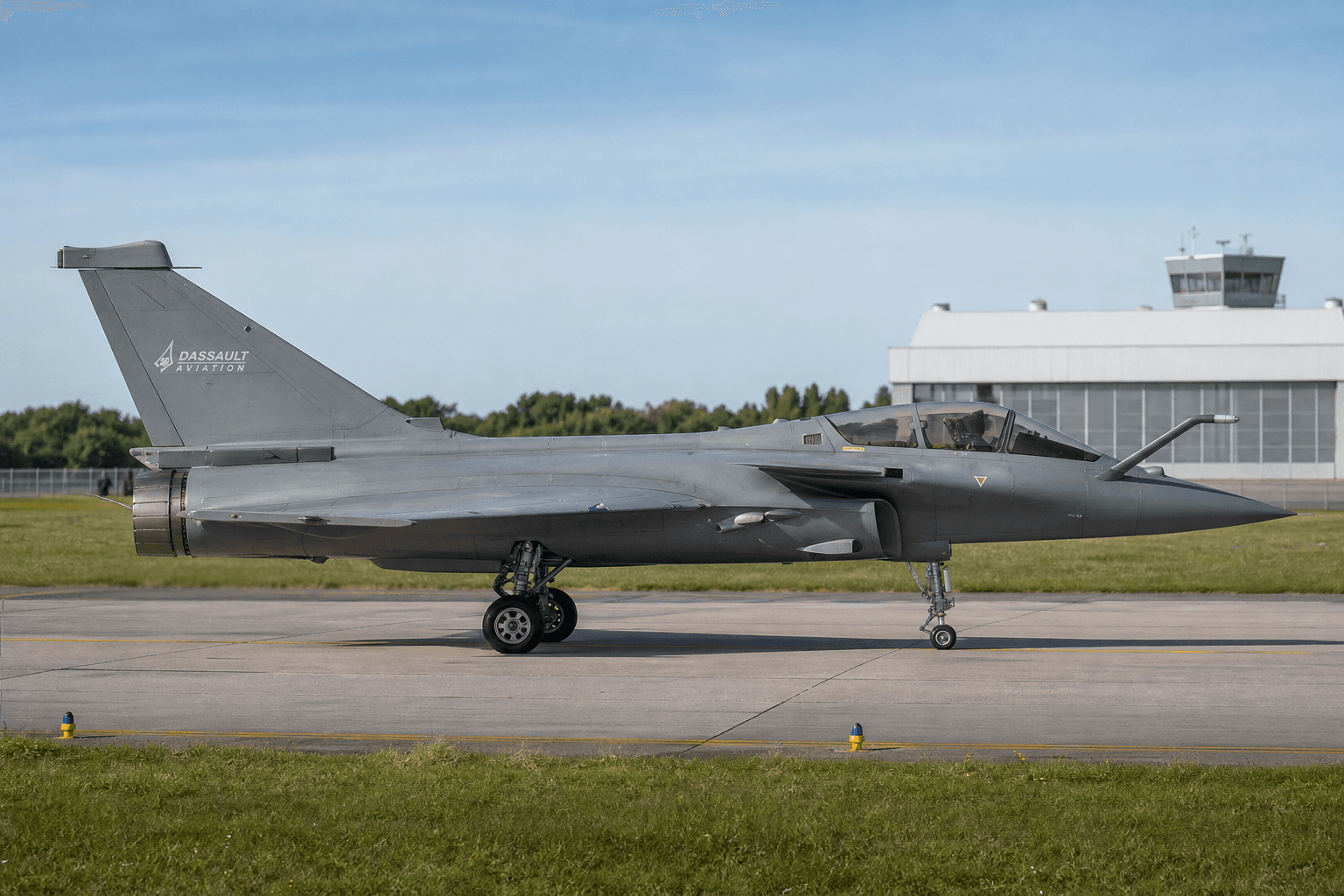
Where next for Europe’s future combat aircraft plans? Perhaps the most surprising thing about the collapse of the European Future Combat Air System (FCAS) programme was that it took so long to fall apart. Even from the outset you did not need to be an expert in business dynamics or industrial politics to see that the relationship between lead protagonists Airbus and Dassault Aviation was likely to be strained at best. French airframer Dassault is, like it or not, a fiercely independent entity with a chief executive in Eric Trappier for whom the adjective 'pugnacious' is tailor-made. Dassault thought it was to be fully in charge, the architect as the company phrased it, of the New Generation Fighter (NGF), the manned platform at the heart of FCAS. But faced with what it felt was the steady encroachment of Airbus onto its turf, tensions inevitably ratcheted up. Indeed, it was always going to be a challenge to yoke Dassault to a wider pan-European construct, particularly when it lacks the collaborative spirit that, thanks to its origins, is part of the Airbus DNA. There also seemed to be an inherent issue with what the three countries funding FCAS wanted to achieve with the NGF – France sought a replacement for the Rafale, including the naval version, while Germany and Spain targeted an air dominance fighter as a Eurofighter successor. Remember too that France and Dassault have history here: originally part of the Future European Fighter Aircraft programme – the precursor to the Eurofighter – the pair left, to develop the Rafale independently, due to disagreements over design authority and operational requirements. Sound familiar? But with the dust now settling on the inherently fissiparous FCAS project, the question becomes: what next? Can France and Dassault proceed once more in splendid isolation? At a technological level, almost certainly, after all, whatever criticism can be laid at the airframer's door, it does not lack for design and manufacturing nous. However, the stumbling block may be the eye-watering sums needed to bring a sixth-generation fighter into service. German industry, with some Spanish contribution, has already announced the ' Team Gen 6 ' grouping that it says is willing to work with any interested party to advance the interests of European sovereignty. Mind you, it is unclear who else is available. At this stage, ushering Germany and Spain into the Global Combat Air Programme being progressed by Italy, Japan and the UK – seemingly harmoniously so far – seems challenging, if not outright impossible. That leaves Sweden, which is still mulling options for a successor to its current Saab Gripen E. Mind you, with relations between Paris and Stockholm ever-closer – notably, France is acquiring at least two Saab GlobalEye surveillance jets – perhaps a different marriage of convenience could be contemplated? Equally, perhaps the real lesson from the debacle is that agility is key: many of the capabilities envisioned for the broader FCAS project – the system of systems concept – are already being tested or deployed by adversaries. Whichever direction Europe's new divorcees take – remarriage or remaining single – the watchword for a future fighter, now more than ever, is the need for speed.
The Daily Touch & Go
The day's best aviation news in your inbox. Free, no spam.