

Illustration: The Touch & Go
Pilots urged to secure renters insurance amid limited owner policy coverage
Many aircraft owners' insurance policies offer limited or no protection for pilots renting planes, exposing them to financial risks without renters insurance.
The gist
Pilots renting aircraft face financial risks from limited owner insurance and should secure renters insurance for liability and damage protection.
Continuing coverage
All Flight Training →- SkyBrief app streamlines preflight planning with personalized weather and training tools
- North Carolina Launches First US ALS Emergency Response Using eVTOL Aircraft
- Ohio Pilot Mike McCoy Turns Passion Into Ownership and Aviation Career
- 1966 Cessna 150G Offers Affordable Time-Building with Modern Avionics Upgrade
- 2007 Diamond DA40-FP Offers Reliable Composite Flight Training and Cross-Country Capability
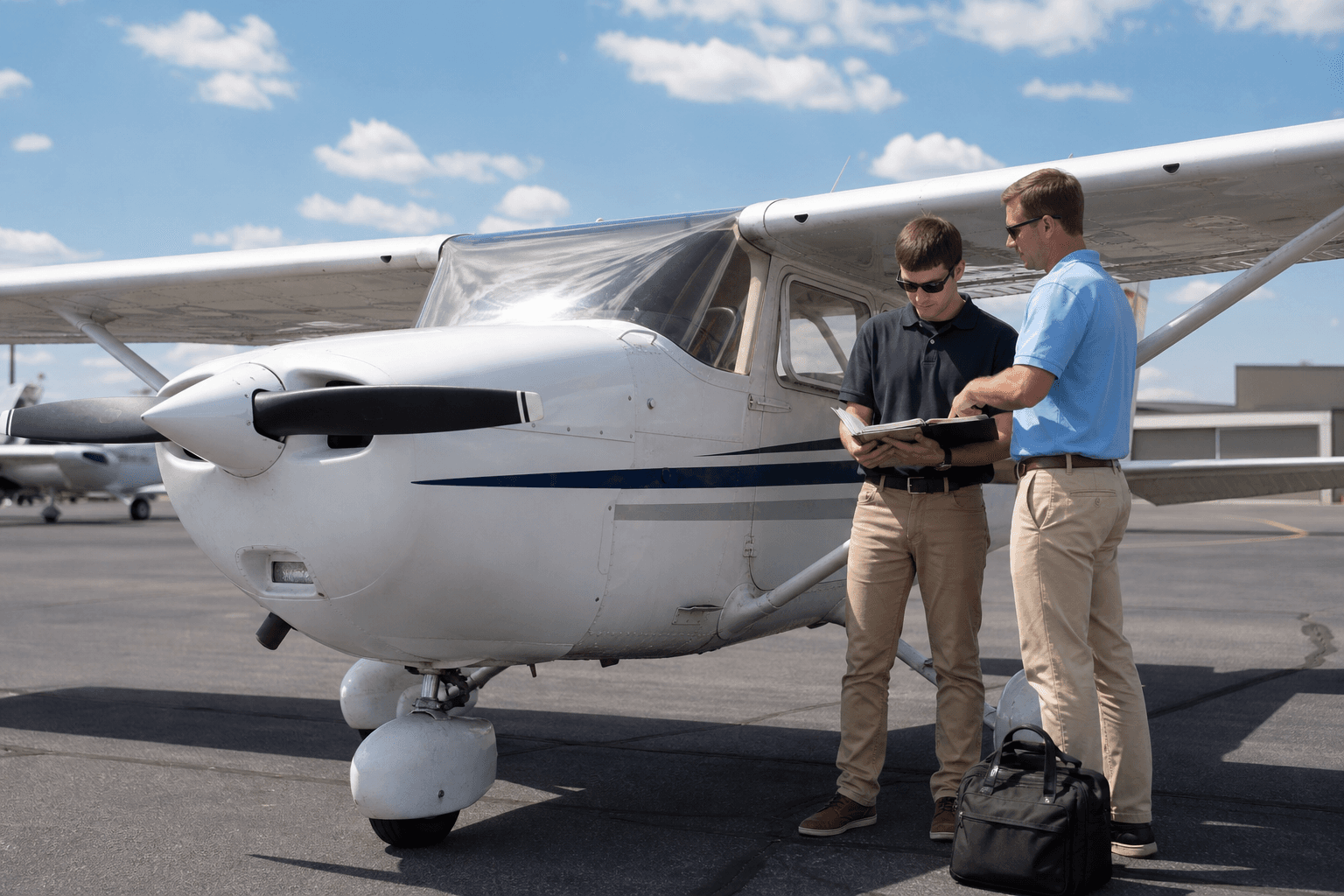
Pilots who rent or borrow aircraft often assume they are protected by the owner’s insurance policy in the event of an accident or damage. However, this assumption can be dangerous since many aircraft owners’ policies offer limited or even no coverage for the pilot operating the aircraft. Without adequate protection, pilots may be held financially responsible for accidents or damage, potentially facing significant out-of-pocket expenses. This reality stresses the importance of obtaining dedicated aircraft renters insurance, which can provide essential liability and physical damage coverage tailored to the individual pilot.
Renters insurance policies vary widely in coverage scope, limits, and exclusions, making it critical for pilots to carefully evaluate their options. While a lower premium might initially seem attractive, the depth and breadth of coverage can be substantially different. Pilots must assess the adequacy of liability coverage for bodily injury and property damage, as well as coverage for physical damage to the rented aircraft. Understanding the policy provisions and exclusions ensures a pilot’s protection aligns with their flying activities and risk tolerance.
In practice, purchasing aircraft renters insurance typically involves selecting the desired levels of liability and physical damage coverage and providing personal and operational information. Details such as flight experience, types of operations, aircraft categories flown, and intended use factor into determining the appropriate coverage. The policy should be customized to reflect the pilot’s experience level and financial protection goals rather than opting for generic or minimal coverage which might leave gaps in protection.
Gallagher Aerospace, recognized as a preferred provider of aircraft renters insurance, offers specialized assistance in navigating coverage details. Their aviation insurance specialists provide consultations to clarify policy options, bring real-world examples of coverage scenarios, and help pilots balance coverage adequacy with budget considerations. This expertise enables pilots to make informed decisions and avoid pitfalls that could result in insufficient coverage during claims.
One key consideration is the scope of liability protection. Many aircraft owners’ policies restrict this coverage to the owner and exclude pilots operating the aircraft on a rental basis. Renters insurance fills this gap by providing liability coverage for damage caused to others or injury to third parties resulting from the pilot’s operation of the rented aircraft. This protection is crucial since liability costs from lawsuits or claims can quickly escalate into considerable financial burdens for uninsured pilots.
Physical damage coverage offered by renters insurance protects the pilot from repair or replacement costs if the rented aircraft is damaged while under their control. Without this coverage, the pilot could be responsible for the full cost of repairs or aircraft loss, which may range from tens of thousands to millions of dollars depending on the aircraft type. Renters insurance policies often contain deductible amounts and limits that pilots need to understand and negotiate accordingly.
The straightforward application process for renters insurance makes it accessible for most pilots. By dedicating a few minutes to review coverage needs before renting an aircraft, pilots can substantially reduce their financial exposure. This proactive approach provides peace of mind, knowing that both liability and physical damage risks are addressed, allowing pilots to focus on safe flight operations rather than insurance uncertainties.
In summary, the gap between aircraft owners’ insurance policies and pilot protection exposes renters to meaningful financial liabilities. Given this risk, aircraft renters insurance emerges as an essential safeguard. Pilots should take advantage of specialized providers like Gallagher Aerospace to select coverage that is appropriate to their flying activities and personal circumstances. Securing renters insurance helps ensure financial protection and mitigates the potentially devastating consequences of accidents or damage during rental flights.
Read more
All Flight Training →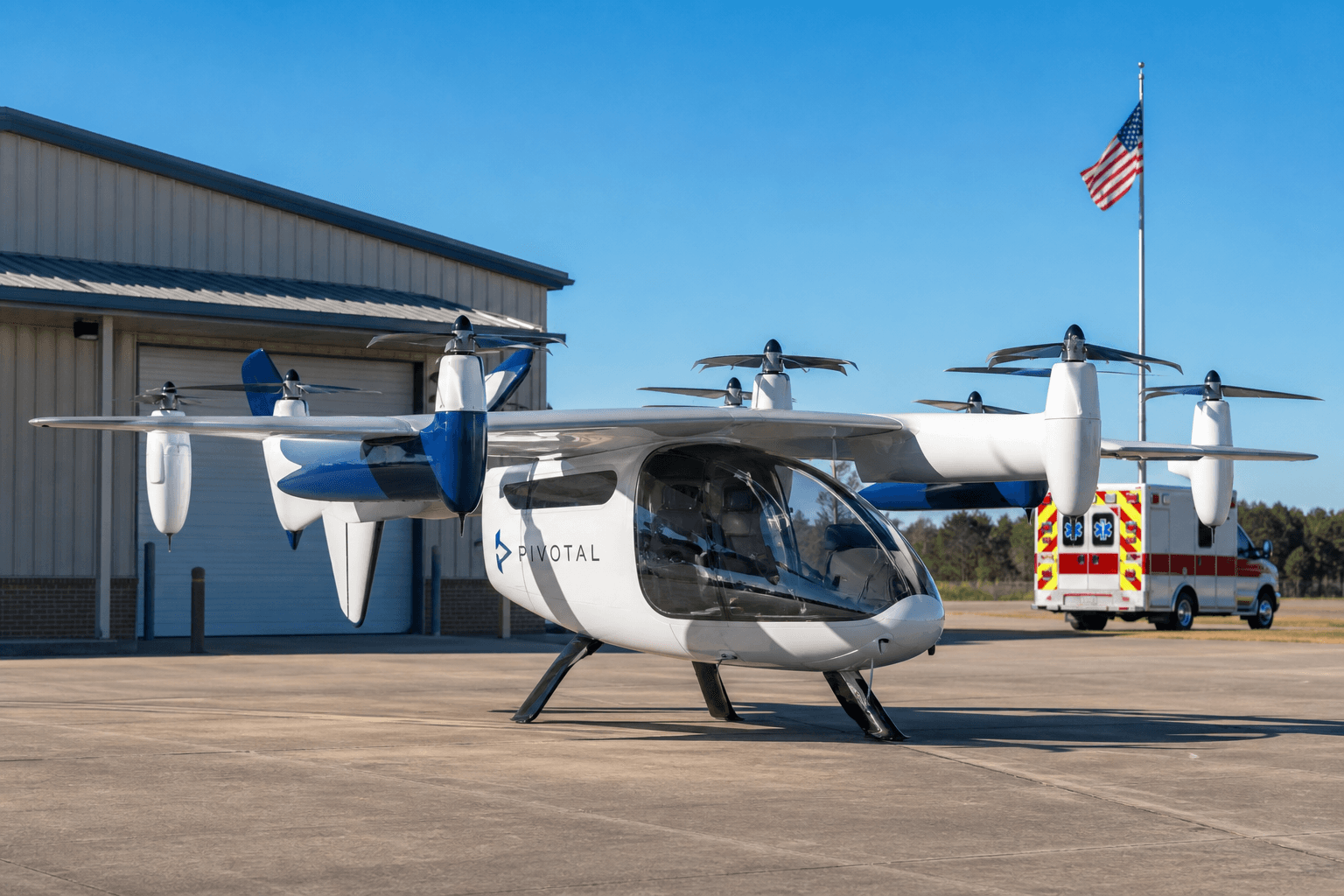
North Carolina Launches First US ALS Emergency Response Using eVTOL Aircraft
After months of preparation and training, North Carolina paramedic Quinn Reece was ready on June 27 when a 911 call summoned her to fly the first advanced life support (ALS) response in the United States using an electric vertical takeoff and landing aircraft.
2007 Diamond DA40-FP Offers Reliable Composite Flight Training and Cross-Country Capability
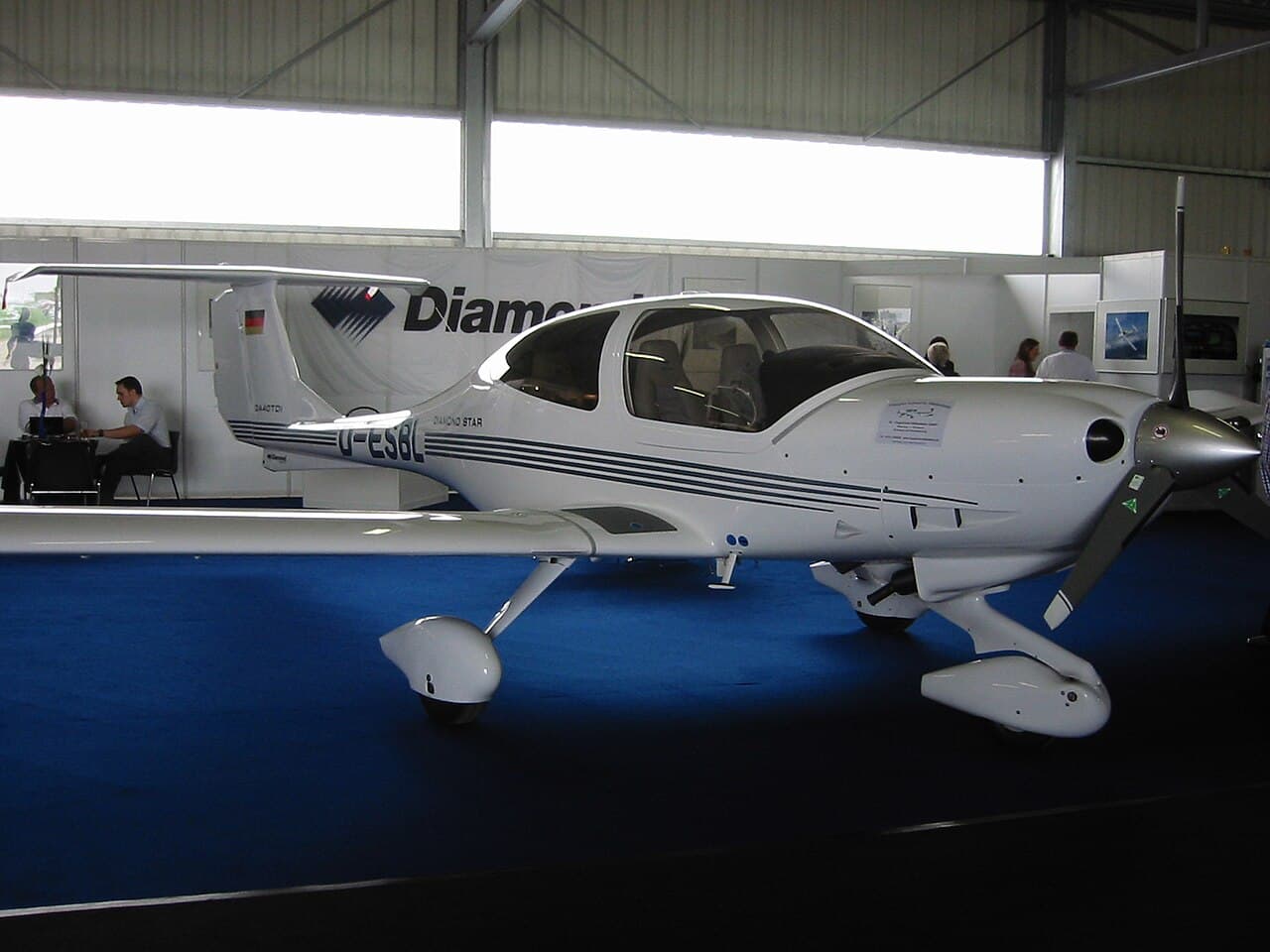
Every day, the team at Aircraft For Sale chooses an airplane that catches our attention because it is unique, a good deal, or has other qualities we find interesting. You can read Aircraft For Sale: Today's Top Pick at FLYINGMag.com daily. Today's Top Pick is a 2007 Diamond DA40. Standing out in the aviation landscape with its aerodynamically efficient composite construction, the Diamond DA40 has cultivated a stellar reputation as a highly capable and forgiving platform. This 2007 Diamond DA40-FP Diamond Star presents an exceptional opportunity for first-time aircraft owners or flight schools looking to acquire a reliable, economical cross-country machine. The airframe boasts 5,870 hours total time since new (TTSN) and a clean pedigree with no known damage history and completely intact logbooks. Sitting in the pilot's seat reveals an advanced instrument layout centered around a fully integrated Garmin G1000 flight deck, offering phenomenal situational awareness for IFR operations. The dual 10-inch primary and multi-function displays are supported by dual Garmin GIA 63 integrated radio modules, a GRS 77 solid-state AHRS, and a GTX 335R transponder. While configured as a non-WAAS setup without an autopilot, the panel provides an exceptional environment for building genuine stick-and-rudder instrument proficiency. The cockpit is outfitted with several thoughtful utilitarian touches designed for comfort and practicality. The installation of a larger factory-style bubble canopy provides significantly increased headroom, making it ideal for taller pilots or demanding flight school operations. Further cabin refinements include a four-way baggage compartment system, canopy vent window scoops, dual USB power ports, and a convenience package featuring integral cupholders and large-capacity side pockets. 2007 Diamond DA40 [Credit: Aerista] Moving beyond the sleek composite lines, the nose section houses a proven and dependable Lycoming IO-360 powerplant that consistently delivers economical operation and predictable performance. Providing a respectable 829-pound useful load, this aircraft is further enhanced by several valuable upgrades, including a Power Flow tuned exhaust system that maximizes efficiency and a Plane-Power heavy-duty alternator. A pre-installed EZ Heat engine pre-heater ensures the powerplant is protected during cold-weather operations. Underscoring its readiness for immediate flightline duty, the aircraft is backed by a fresh annual inspection recently completed in January 2026. This thorough checkup guarantees mechanical integrity and dispatch reliability right out of the gate, with the ELT inspection not due until May 2027. Listed at $224,900 , this Colorado-based 2007 Diamond DA40-FP Diamond Star provides an affordable and highly attractive pathway into modern composite aircraft ownership. If you're exploring ownership options, FLYING Finance can help get you airborne. Use our airplane loan calculator to estimate your monthly payments, or connect with an aviation finance expert at flyingfinance.com . FLYING Magazine: Diamond's DA40 NG Just Might Be What the General Aviation Market Is Clamoring For FLYING Magazine: Diamond Offers a Year's 'Free Flying' for DA40 Buyers FLYING Magazine: UNSW School of Aviation Expands Diamond Fleet Plane + Pilot : Rediscovering the Diamond DA40 Plane + Pilot : Diamond DA40 XL: Polishing the Diamond Star Plane + Pilot : Diamond Aircraft to Build Electric DA40 Model The Aviation Consumer: Used Aircraft Guide: Diamond DA40 Star The Aviation Consumer : Diamond DA40 Star
From Build Nights to Solo Flight: Cadet Carter Froehlich's Aviation Journey
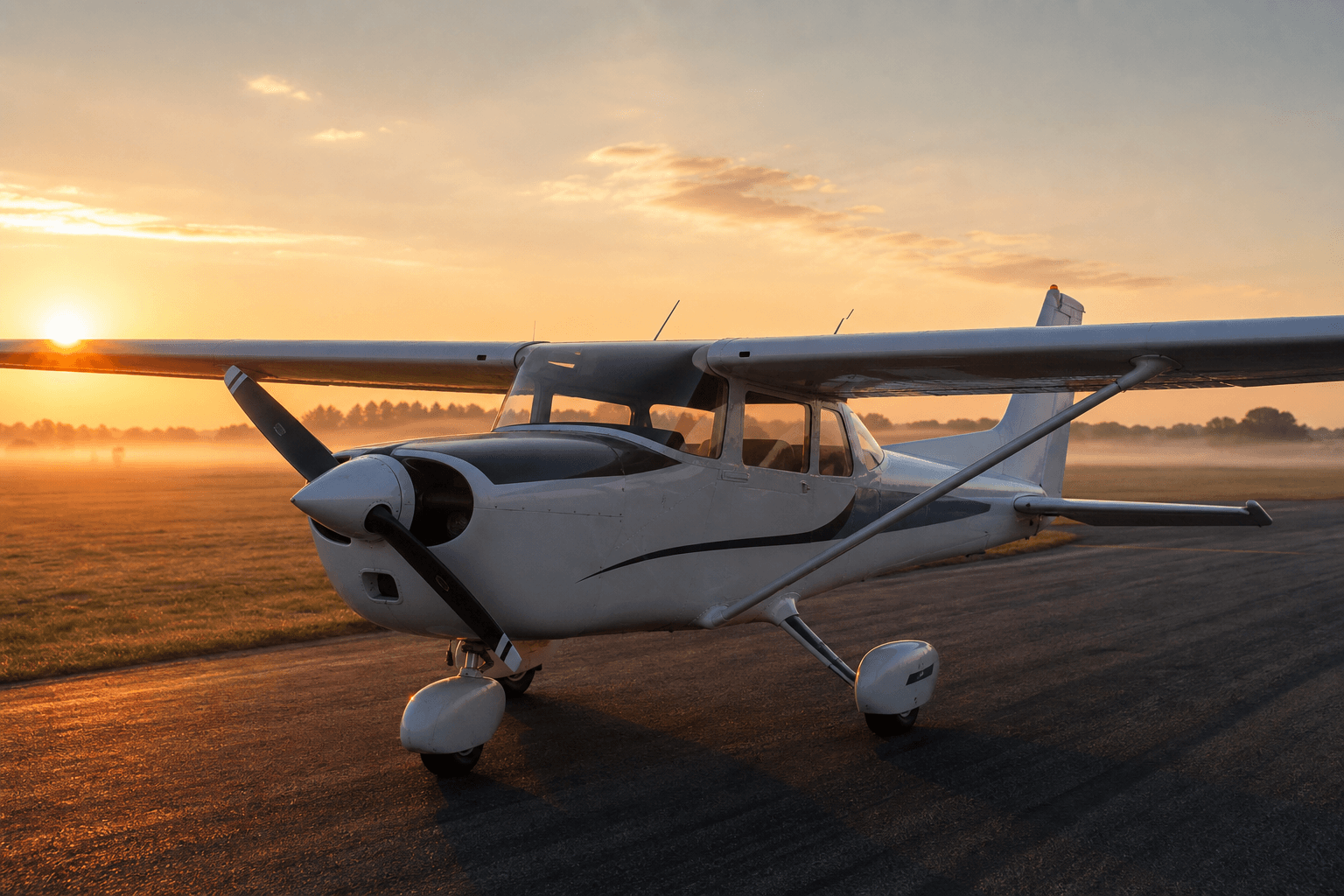
By Josh Manring, EAA 1387901 For Cadet 2nd Lt. Carter Froehlich, Civil Air Patrol, aviation started with a trip to EAA AirVenture Oshkosh. In 2015, Carter attended AirVenture with his father at just 5 years old. They camped for the entire week, surrounded by airplanes, air shows, and aviation enthusiasts from around the world. "It […]
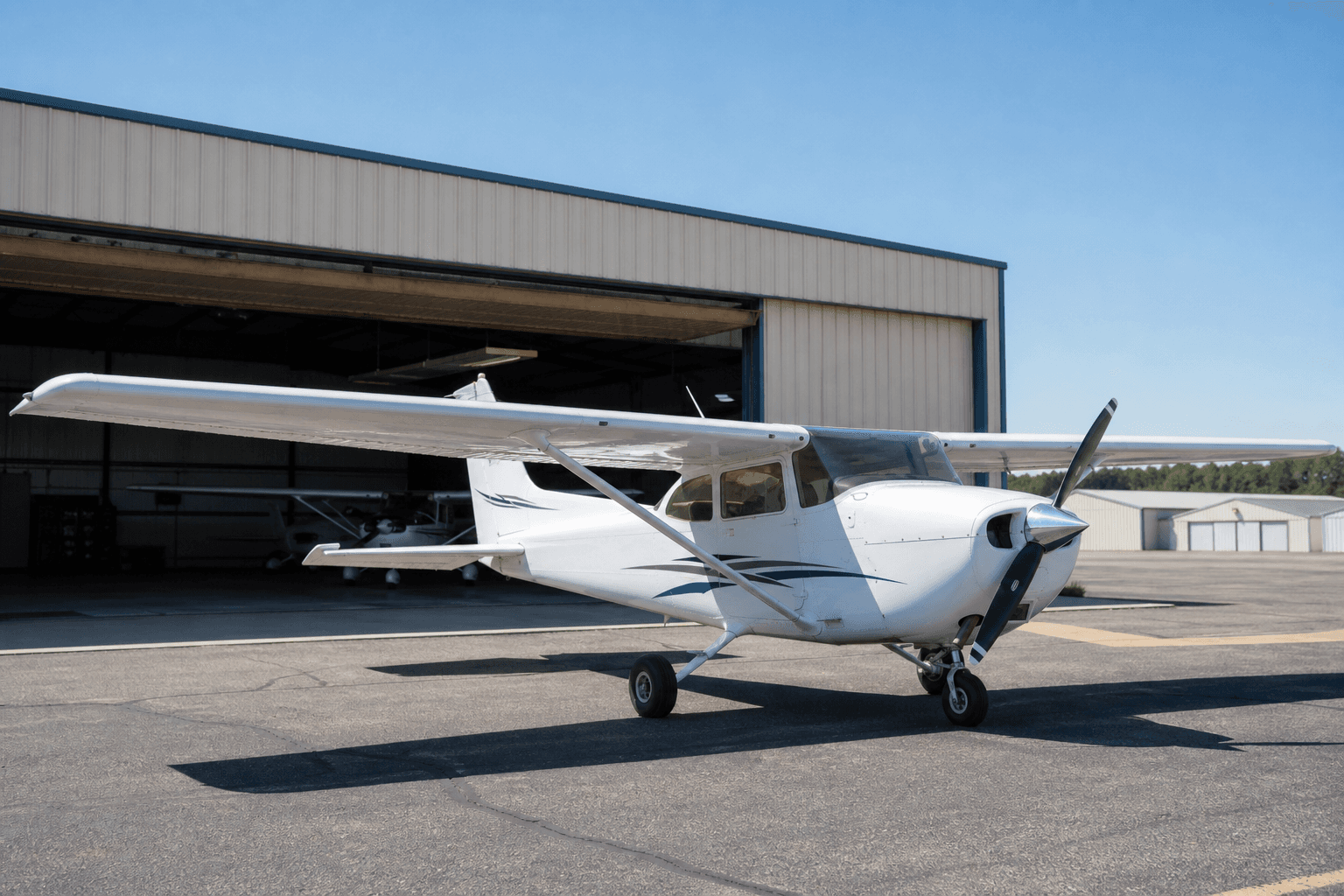
Pilots urged to review aircraft renters insurance to avoid costly liability gaps
Many pilots who rent or borrow aircraft assume that the FBO, flight school, or aircraft owner's insurance will protect them if something goes wrong. Unfortunately, that is not always the case.
The Daily Touch & Go
The day's best aviation news in your inbox. Free, no spam.