

Image: Quintin Soloviev · CC BY-SA 4.0 · via Wikimedia Commons
Ampaire Secures $19M Series B to Boost Hybrid-Electric Eco Caravan Development
Ampaire's latest funding round led by DiamondStream and major airlines bolsters its hybrid-electric propulsion tech for retrofitting Cessna Grand Caravans, aiming to halve fuel use.
The gist
Ampaire raises $19M to advance hybrid-electric upgrades for Cessna Caravans, backing sustainable aviation with top airline investors.
Continuing coverage
All Hybrid-Electric →- Heart Aerospace's X1 Achieves Historic First Flight as Largest Battery-Electric Plane
- Archer unveils Halo, an autonomous hybrid tiltrotor for commercial and parapublic markets
- Beta launches autonomous hybrid-electric MV250 VTOL focused on military logistics
- Safran's TG600 Turbogenerator Powering Electra EL9 Hybrid-Electric Aircraft
- FAA Sets Certification Basis for Electra EL9 Hybrid-Electric Aircraft
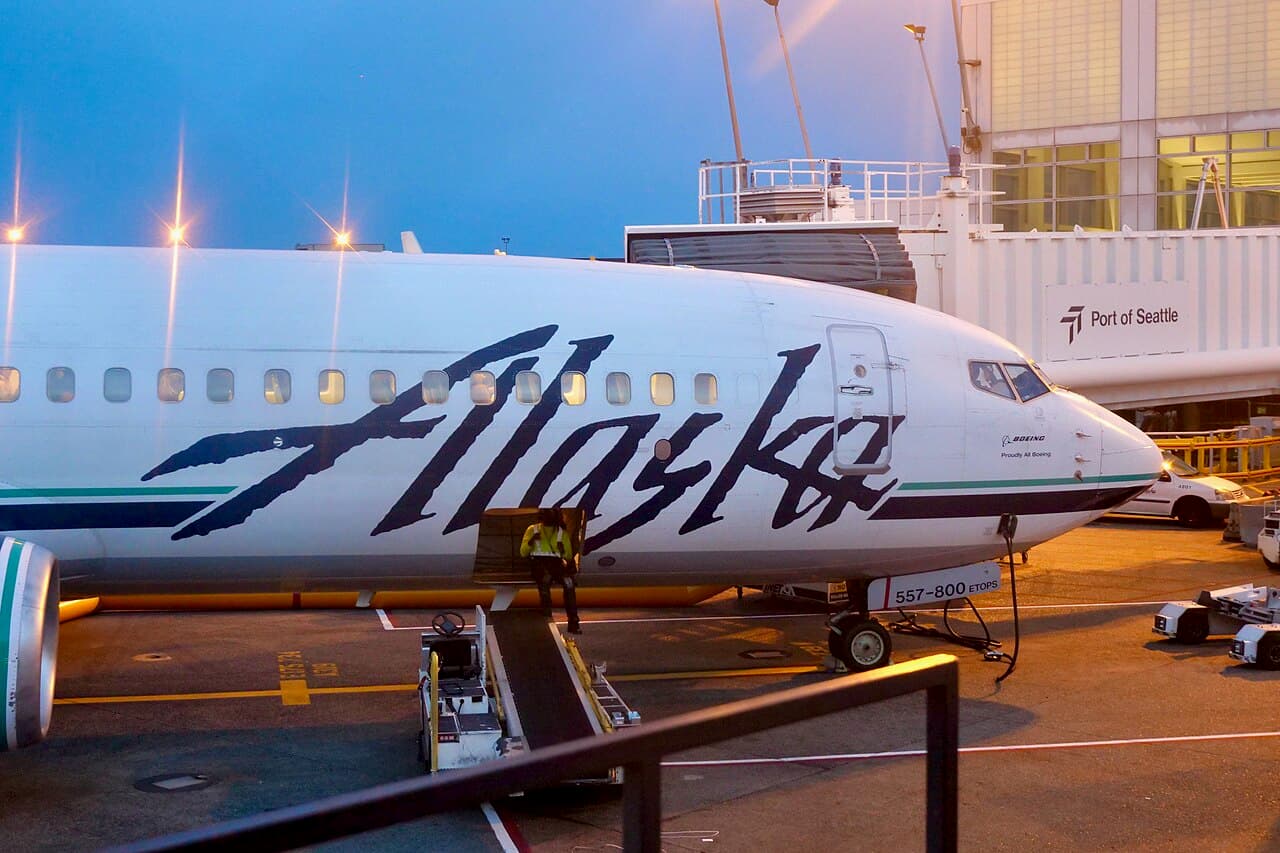
Ampaire, the California-based startup pioneering hybrid-electric propulsion for aircraft, announced it has raised $19 million in a Series B funding round. This latest capital injection brings the company's total funding raised to $68 million, fueling efforts to commercialize its innovative AMP-H570 hybrid-electric system. The round was spearheaded by DiamondStream Partners and saw participation from the venture arms of major airlines International Air Group (IAG) and Alaska Airlines, alongside several venture capital firms and cleantech-focused investors.
At the core of Ampaire's technology is the hybrid-electric AMP-H570 propulsion system, designed to retrofit existing Cessna Grand Caravan aircraft to significantly reduce fuel consumption. The resulting upgraded aircraft, known as the Eco Caravan, aims to achieve up to 50 percent lower fuel burn compared to conventionally powered Caravans. This is a major environmental milestone given the widespread use of the Grand Caravan in general aviation and regional commuter roles, where fuel efficiency improvements can yield substantial emissions reductions and operating cost savings.
The involvement of prominent airline industry players such as IAG and Alaska Airlines in this funding round underscores the growing interest from mainstream aviation operators in sustainable and hybrid-electric aviation solutions. Their strategic investment aligns with broader industry trends that prioritize decarbonization and seek to integrate innovative propulsion technologies into future fleets. Ampaire's retrofit approach also appeals to airlines looking for practical and scalable methods to reduce carbon footprints without waiting for entirely new aircraft designs.
Beyond upgrading flight propulsion, Ampaire is exploring applications for hybrid-electric technology on the ground through powering aircraft Auxiliary Power Units (APUs). APUs are essential for providing electrical power to aircraft systems during ground operations without running main engines, traditionally consuming fossil fuels. Introducing hybrid-electric APUs could further reduce emissions and operational costs during ground handling, presenting an incremental yet impactful step towards greener aviation operations.
Ampaire's inclusion in the eVTOL Integration Pilot Program (eIPP), backed by the US government and the Federal Aviation Administration (FAA), provides a critical platform for advancing hybrid-electric and electric vertical takeoff and landing technologies. The eIPP supports safe integration of emerging air mobility innovations into the national airspace system, offering AMPaire opportunities to validate and demonstrate their propulsion systems under rigorous regulatory and operational standards. This recognition also signals governmental support for transitioning to new urban and regional mobility paradigms.
The fresh funding from diverse backers including Forward Ventures, Techstars Ventures, the Autodesk Foundation Impact Fund, and the Los Angeles Cleantech Incubator Impact Fund highlights strong confidence from both aviation-focused and cleantech investors. These groups are eager to support technologies that reconcile aviation’s operational demands with the imperative to reduce environmental impact — a critical challenge as the aviation sector accounts for increasing global emissions. Ampaire’s hybrid-electric solutions present a tangible path forward by upgrading proven airframes rather than waiting for next-generation aircraft.
Ampaire’s technology development and testing activities are well underway. The company recently commenced hybrid-electric test flights in Utah as part of the eIPP program, marking important milestones in real-world validation of its hybrid propulsion on the Cessna Grand Caravan platform. Successful demonstration of reliability, performance, and operational benefits will be essential to gaining wider certification and customer adoption across regional and general aviation sectors.
This $19 million funding round sets the stage for Ampaire to accelerate commercialization and production readiness of the Eco Caravan, targeting operators seeking immediate fuel savings and emissions reductions. Their retrofit model enables more rapid deployment compared to new aircraft programs, helping bridge the industry’s environmental targets in the near term. Working closely with regulators and industry partners, Ampaire positions itself at the forefront of hybrid-electric aviation’s entrance into commercial service.
Frequently asked questions
- Who led the latest funding round for Ampaire?
- DiamondStream Partners led the $19 million Series B funding round for Ampaire.
- What aircraft does Ampaire retrofit with its hybrid-electric propulsion system?
- Ampaire retrofits Cessna Grand Caravan aircraft with its AMP-H570 hybrid-electric propulsion system.
- What is the expected fuel efficiency improvement of the Eco Caravan?
- The Eco Caravan is designed to halve fuel consumption compared to conventional Cessna Grand Caravans.
Read more
All Technology/eVTOL →
BETA Begins Three-Week Electric Aircraft Test Flights in Southeast Texas
BETA Technologies is beginning electric aircraft test flights Tuesday from Scholes International Airport in Galveston, Texas. The flights are expected to continue for about three weeks as the company evaluates the aircraft during operations around southeast Texas. Flights Around Southeast Texas "The flight testing will be between Galveston up to Sugar Land and Brenham, Texas," Scholes International Airport Director Mike Shahan told KHOU. The flights will give BETA additional operating time outside its primary flight-test facilities and allow the company to evaluate the aircraft under real-world conditions. Scholes already has infrastructure in place to support the aircraft. Galveston approved a 10-year ground lease with BETA in 2024 for an electric aircraft and vehicle charging site at the airport, which was planned as the company's first charging location in Texas. The installation includes space for an aircraft charger and two electric-vehicle chargers. Broader FAA Testing The Texas flights come as BETA participates in several projects under the FAA's Electric Vertical Takeoff and Landing Integration Pilot Program ( eIPP ). The Transportation Department selected eight eIPP projects in March, including a Texas Department of Transportation effort involving BETA, Archer, Joby and Wisk that calls for regional operations connecting several of the state's major cities. BETA completed another eIPP operation in July when its ALIA aircraft transported an animal organ between airports in Virginia and Maryland as part of a medical-transport demonstration. The FAA said information gathered through the program will be used to identify operational constraints, refine procedures and inform future rules and training for integrating advanced air mobility aircraft into the National Airspace System.
The Airplane Farm Unveils Trio of MOSAIC-Compliant eVTOLs for Diverse Missions
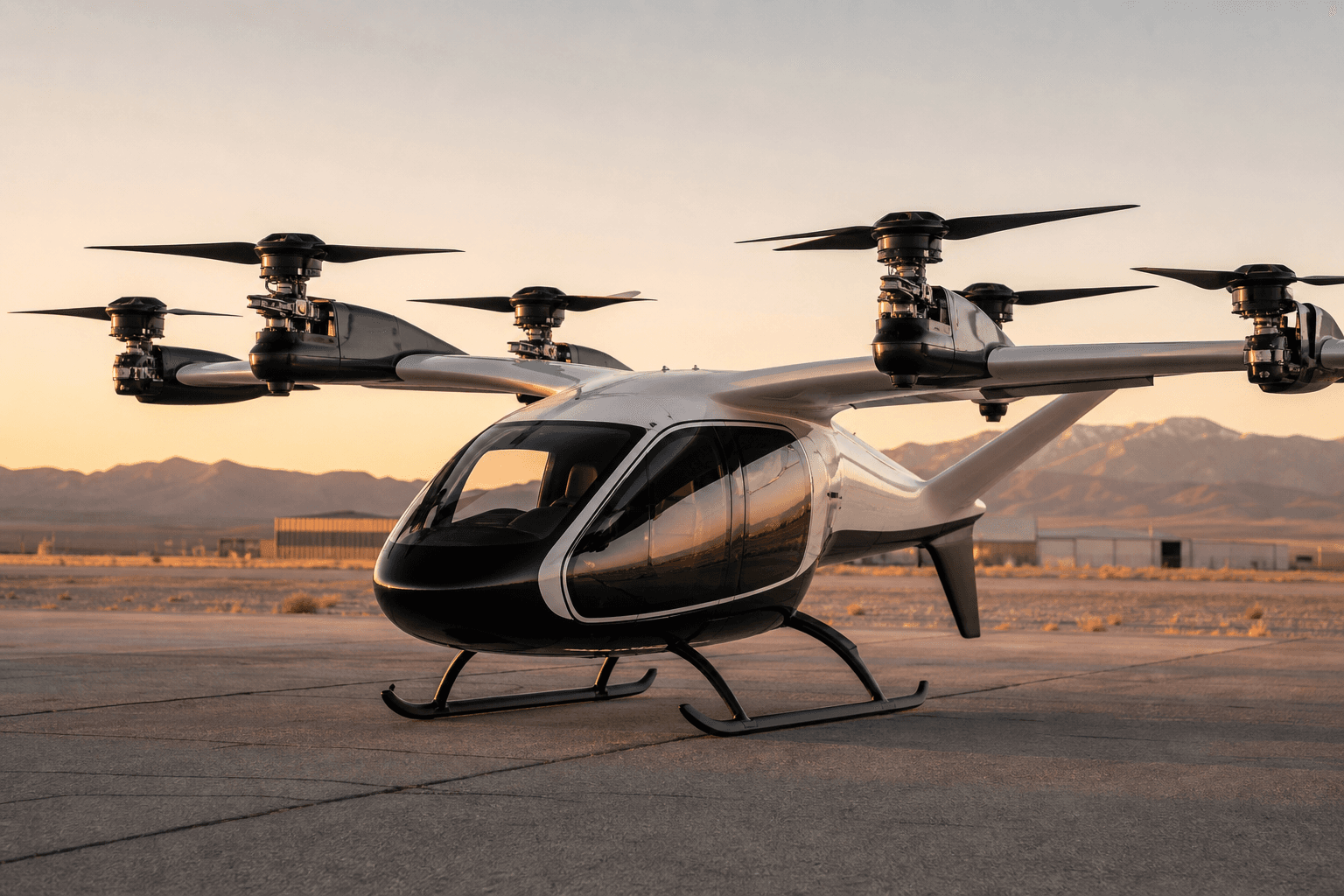
The Airplane Farm, a Sparks, Nevada-based aircraft company founded this year, announced plans Saturday for three eVTOL designs aimed at personal transportation, aerobatic flying and tactical operations. The young company says prototype construction and initial testing are underway. Its team draws on earlier aircraft development work that includes the MXS aerobatic racer, ViperJet , Javelin and TwinJet. Three Different Missions The Harvest is a personal powered-lift design intended for sport pilots and short-distance transportation. According to the company's published specifications, it is designed for both vertical and conventional takeoffs and landings and has a projected maximum speed of about 111 mph and continuous cruise range of about 76 miles. The Storm is intended for aerobatic and competition flying. The company lists a planned maximum speed of 250 mph and a design load limit of +8/-4 G. The BarnCat is an optionally piloted tactical aircraft that can also operate without a crew aboard. The company describes it as a carbon-fiber, twin-engine tail-sitter and lists a maximum speed of 275 mph. All three designs are based on what The Airplane Farm calls its patent-pending Electric PowerWing airframe concept. "Our name, The Airplane Farm , represents our philosophy of cultivating and growing the future of aviation with groundbreaking designs," a company representative said in Saturday's announcement. "With the Storm, we are honoring our Red Bull air racing heritage to give competitive pilots an aggressive, crowd-pleasing aerobatic machine. Paired with the accessible Harvest commuter and our tactical hybrid BarnCat, this lineup proves our engineering scales seamlessly from pure weekend fun to elite competition and complex tactical deployment all using our patent pending Electric PowerWing Airframe." Powered-Lift Standards The company says the aircraft are being developed around ASTM F3840-26 . The FAA accepted the standard in July as a means of compliance for light-sport category powered-lift aircraft under the MOSAIC framework. The standard also addresses multicopters, although the FAA currently accepts it only as a means of compliance for powered-lift aircraft.
BETA Technologies Reports $149M Loss in Q2 2026 Amid Rising R&D and Expansion Efforts
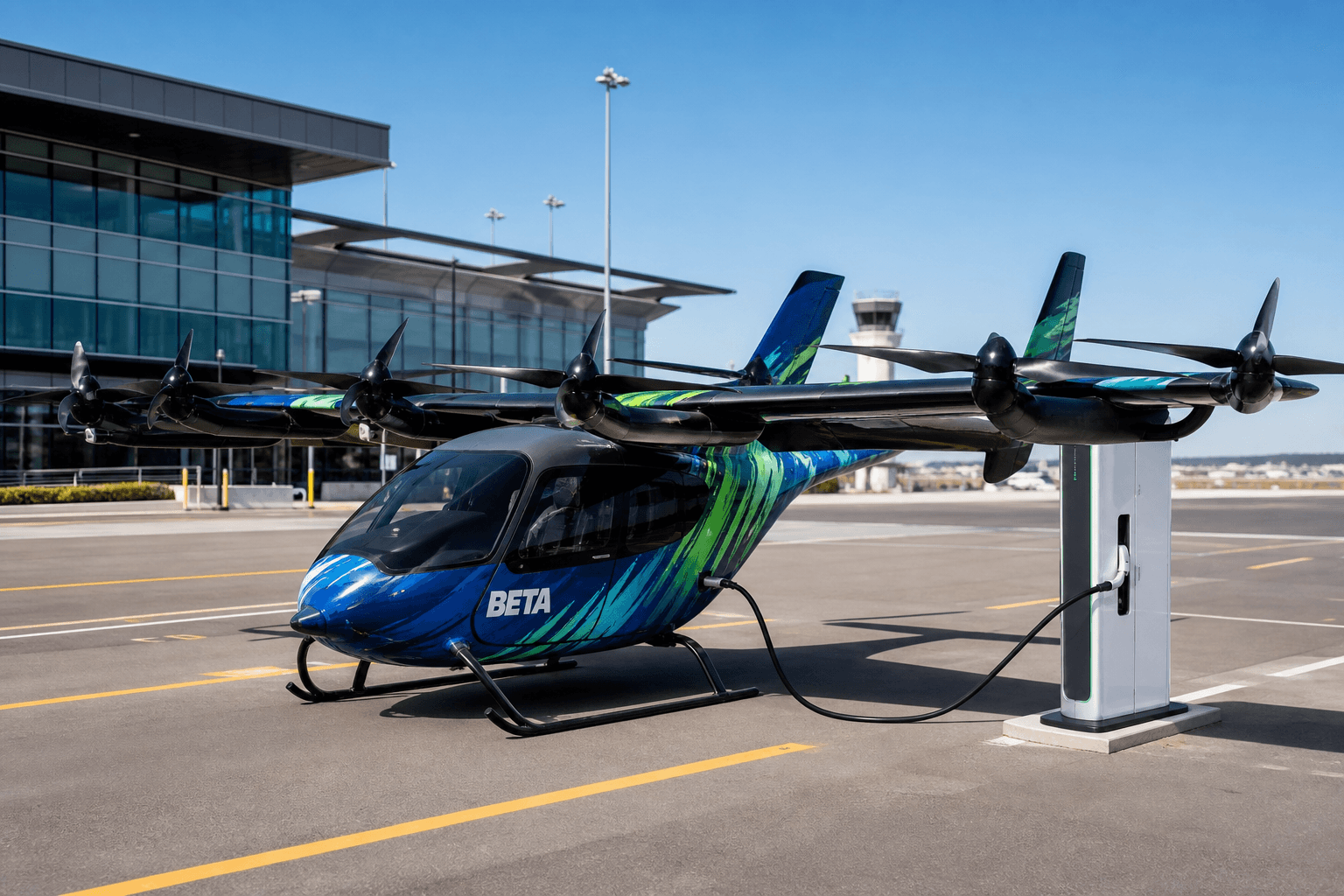
BETA Technologies reported Wednesday a $148.8 million net loss for the second quarter of 2026, compared with an $80.4 million loss during the same period last year. The electric aircraft developer generated $14.7 million in quarterly revenue, up from $6 million a year earlier. Spending Rises BETA reported $166.1 million in operating expenses for the quarter, or around double the $84.1 million the company reported in Q2 2025. The company’s research and development expenses increased from $58 million to $122.4 million. The figure included $16.1 million in acquisition-related research and development expenses and $5.7 million in non-cash warrant expenses connected to the company's collaboration with GE Aerospace. Capital expenditures increased from $6 million to $41.1 million year over year. BETA ended June with about $1.48 billion in cash and cash equivalents. The company had $1.71 billion at the end of 2025 following its initial public offering and private financings. Certification And Operations "This quarter showed that the investments made across the business continue to translate into real-world operations and delivered tangible results," BETA founder and CEO Kyle Clark said. During the quarter, BETA began operations under the FAA's eVTOL Integration Pilot Program and continued certification work on its CX300 and A250 aircraft programs. The company also reported 138 charging sites in its network. BETA increased its full-year revenue forecast to between $42 million and $50 million. The company now expects a full-year adjusted EBITDA loss of between $400 million and $445 million. Adjusted EBITDA, a non-GAAP measure, showed a $109.8 million loss for the second quarter, compared with a $68.4 million loss a year earlier.
Heart Aerospace's X1 completes first-ever flight as largest battery-electric airplane
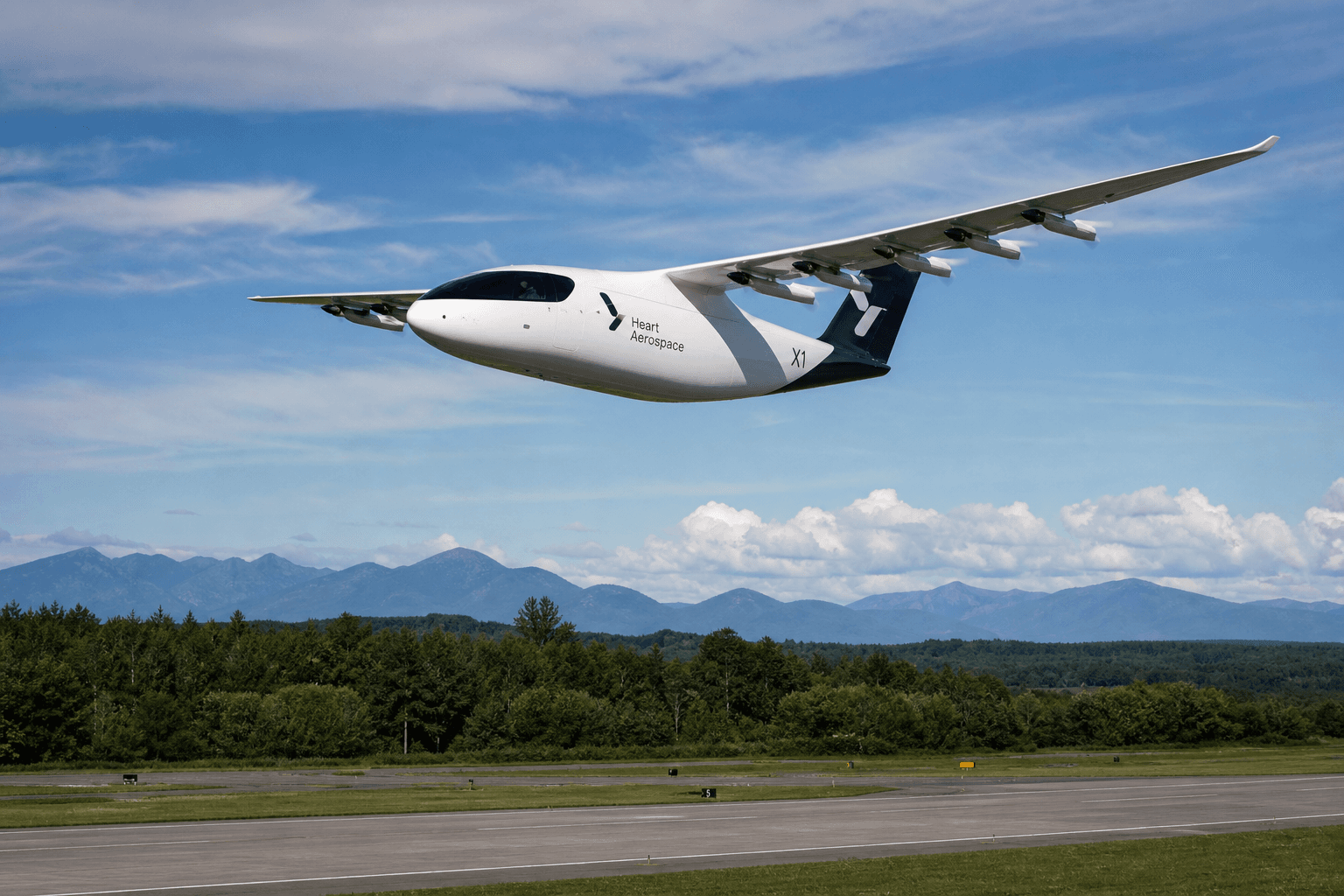
Heart Aerospace's X1 demonstrator completed its first flight Wednesday at Plattsburgh International Airport in New York. The company says the full-scale Heart X1 aircraft is the largest battery-electric airplane flown to date. 27-Minute Flight The piloted flight lasted 27 minutes and reached 1,100 feet AGL. Heart said the X1's battery-electric propulsion system produced more than 1 megawatt of power during the flight. The test profile included taxi, takeoff, climb, maneuvering and landing under an FAA experimental special airworthiness certificate. "With the first flight of X1, Heart Aerospace has demonstrated electric flight at the scale of a commercial airliner," Heart Aerospace founder and CEO Anders Forslund said in the company announcement. Supporting The ES-30 The X1 has a 106-foot wingspan, measures 76 feet long and weighed more than 25,000 pounds at takeoff. The FAA issued the aircraft its special airworthiness certificate in July following ground testing that included structural, propulsion, systems and taxi tests. Heart said at the time that it planned to use the demonstrator to collect flight-characteristics and electric-propulsion data. Heart is using the X1 program to support development of its ES-30, a planned 30-seat hybrid-electric regional aircraft. The company says it is building its first preproduction ES-30 at its Los Angeles pilot manufacturing facility and plans to begin flight testing that aircraft in 2028. Heart is targeting entry into service for the ES-30 in 2031.
The Daily Touch & Go
The day's best aviation news in your inbox. Free, no spam.