

Image: Noah Wulf · CC BY-SA 4.0 · via Wikimedia Commons
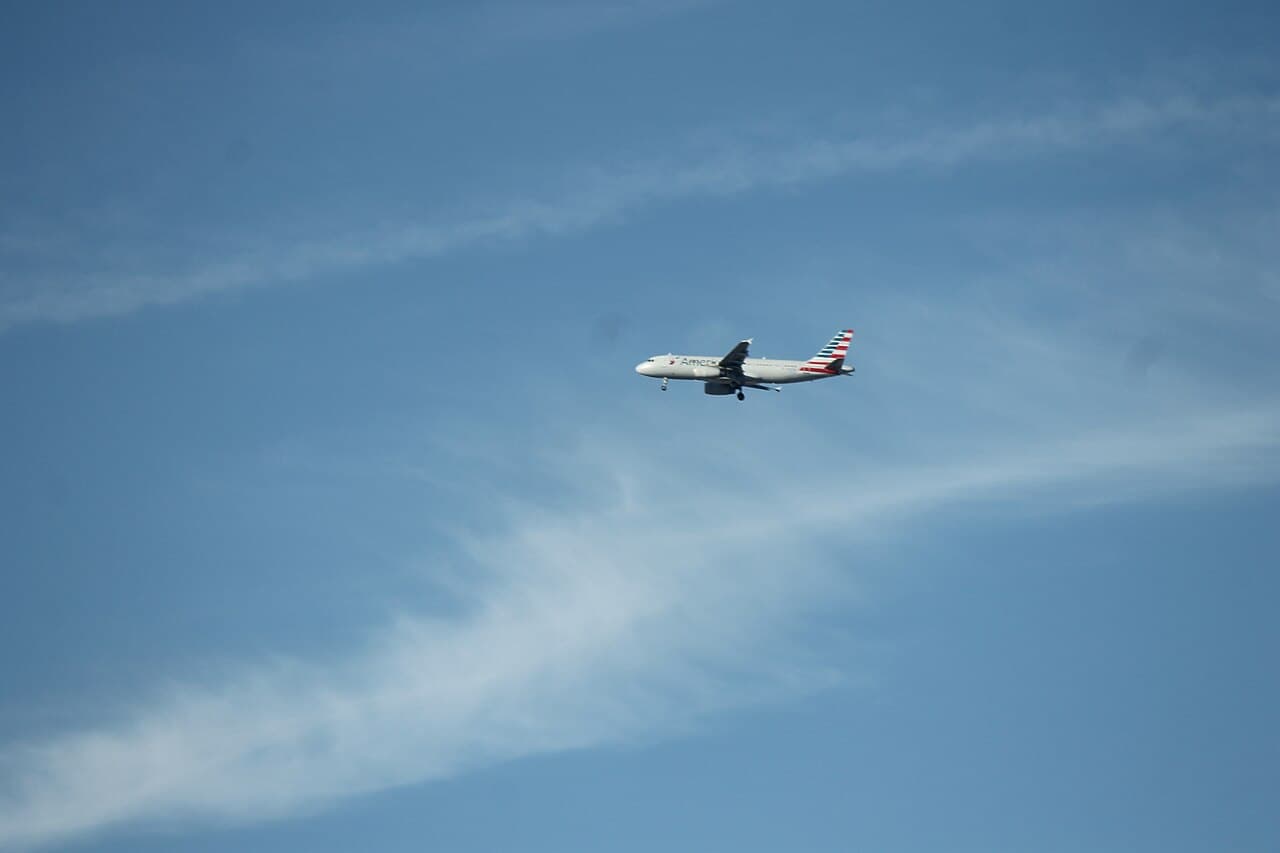
American Airlines Posts Record $16.7B Revenue in Q2 2026 Amid Premium Growth
American Airlines delivered its highest quarterly revenue ever, reaching $16.7 billion in Q2 2026 driven by premium cabin demand, network expansion, and loyalty growth.
The gist
American Airlines hits $16.7B Q2 2026 revenue record on premium demand and expansion efforts despite surging fuel costs.
American Airlines Group Inc. reported a record quarterly revenue of $16.7 billion for the second quarter of 2026, marking a 16.3% rise over the same period last year. This boost demonstrates the effectiveness of the airline’s focused commercial strategy, launched amidst a challenging environment of rising fuel prices. CEO Robert Isom highlighted that the company outperformed its initial revenue growth expectations, attributing success to strong market demand across multiple segments.
The revenue growth was broad-based, with the airline achieving noteworthy gains in different passenger segments. Premium cabin passenger unit revenue increased by 13.4%, while the Main Cabin segment grew by 8.8%. Strong domestic demand contributed to a 10.6% bump in domestic passenger unit revenue. International segments also posted solid results, with Pacific routes up 15.1%, Atlantic routes rising 8.9%, and Latin America increasing 6.6%.
Managed corporate revenue was a standout performer, surging 26% year over year and marking the fifth consecutive quarter of double-digit growth for this key business travel segment. Overall passenger revenue totaled $15.2 billion, up 15.9%. Cargo operations grew substantially as well, with a 29.7% jump in revenue, while other ancillary revenues increased by 17.9%. Capacity grew by 5.4%, indicating expansions that kept pace with demand without sacrificing operational stability.
Operational improvements were evident in American’s hub network, particularly at Dallas-Fort Worth (DFW), where system misconnections fell by approximately 25% following a successful re-banking initiative. On-time arrival performance improved by 2.8 percentage points, contributing positively to customer satisfaction. Unit revenue at DFW outpaced the system average by 4 points, reinforcing the hub’s importance in driving profitable growth.
American Airlines has advanced its four commercial pillars: customer experience, network expansion, premium revenue growth, and loyalty leadership. Investment in customer experience yielded a 5-point increase in the airline's Net Promoter Score year over year. The airline announced plans to install Starlink high-speed Wi-Fi across its fleet starting in 2027, and it is expanding Admirals Club and premium lounges at major hubs including New York JFK, DFW, Charlotte CLT, and Miami MIA.
The company continues to grow its global network with new nonstop routes added to Budapest and Prague from Philadelphia, and Athens from DFW. Service to Caracas from Miami was resumed, making American the first U.S. carrier to return to Venezuela, strengthening its footprint in both trans-Atlantic and Latin American markets. This network growth directly supports premium market demand and customer choice.
In the premium market, American is expanding its seat offerings through new aircraft deliveries and retrofits. It now offers more premium seats during the summer than any other U.S. airline. Pricing strategy adjustments, including updates to baggage fees and Basic Economy options, helped increase upselling rates from Basic Economy to Main Cabin by 5 percentage points, further boosting premium revenue.
The AAdvantage loyalty program also showed remarkable strength, with enrollments increasing more than 30% year over year. Spending on co-branded credit cards with Citi rose by 8% in the quarter, underscoring growing customer engagement. This loyalty development supports the airline’s emphasis on premium travel and sustained revenue growth.
Fuel cost inflation remains a critical hurdle, with fuel expenses increasing by over $2.2 billion, an 83% rise year over year. Nonetheless, American offset nearly half of this surge through strong revenue performance. GAAP net income stood at $71 million, or $0.11 per diluted share, while adjusted net income was $99 million, or $0.15 per diluted share. The airline ended the quarter with $11.3 billion in liquidity, having secured new financings to bolster its balance sheet and manage future debt maturities.
Frequently asked questions
- What was American Airlines' total revenue in Q2 2026?
- American Airlines reported a record total revenue of $16.7 billion in the second quarter of 2026.
- Which passenger segments contributed most to American Airlines' revenue growth in Q2 2026?
- Premium cabin passenger unit revenue increased by 13.4%, Main Cabin by 8.8%, with strong domestic and international route performance contributing.
- How did fuel costs affect American Airlines' financial results in Q2 2026?
- Fuel expenses rose by $2.2 billion (83%), but strong revenue growth offset nearly half of this increase, supporting positive net income figures.
Read more
All Cargo →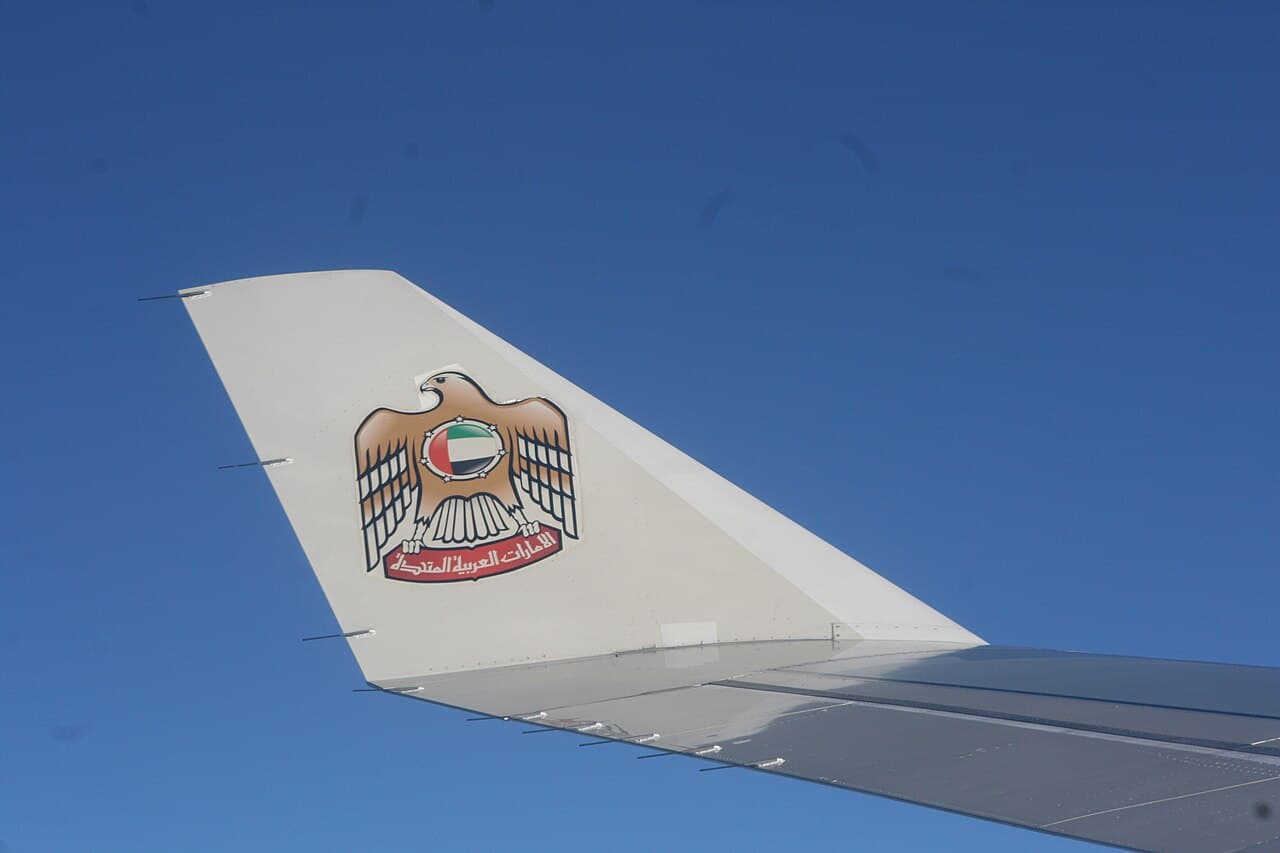
Etihad Airways Expands African Reach with Partnerships Ahead of New Routes Launch
Etihad Airways is rapidly expanding its presence in Africa. In July 2026, the airline signed three strategic partnership agreements that will significantly improve connectivity across the continent. ezstandalone.cmd.push(function () { ezstandalone.showAds(119); }); These deals with Fastjet, Air Peace, and Africa World Airlines will support Etihad’s six new direct routes launching from November 2026. The partnerships allow seamless onward travel for Etihad guests beyond the airline’s own flights. Travelers can now reach many more cities across West, Central, and Southern Africa with easy connections. ezstandalone.cmd.push(function () { ezstandalone.showAds(127); }); This strategy positions Abu Dhabi as a key gateway linking Africa with India, Asia, and the Middle East. Key Agreements Signed in July Fastjet Zimbabwe Etihad began the month with an interline agreement with Fastjet Zimbabwe. This partnership extends reach into Southern Africa, especially ahead of Etihad’s upcoming flights to Harare. Guests will enjoy convenient connections through Fastjet’s regional network. ezstandalone.cmd.push(function () { ezstandalone.showAds(128); }); Photo Credit: Sm105, CC BY-SA 4.0, via Wikimedia Commons Air Peace On 22 July, Etihad signed an interline agreement with Air Peace, Nigeria’s largest airline, in Lagos. This deal opens up 20 destinations across Nigeria, West Africa, and Central Africa. Passengers flying with Etihad can now access a much wider range of cities in these growing markets. Africa World Airlines Just two days later, on 24 July in Accra, Etihad signed a comprehensive Memorandum of Understanding with Africa World Airlines. ezstandalone.cmd.push(function () { ezstandalone.showAds(129); }); The Ghana-based carrier serves domestic and regional routes. The agreement covers codeshare flights, interline connections, cargo cooperation, and loyalty program benefits. This deeper collaboration promises smoother travel and more options for passengers and shippers. Photo Credit: JoniVideography, CC BY-SA 4.0, via Wikimedia Commons Building on Earlier Expansion Plans These July partnerships follow Etihad Airways’ April 2026 announcement of six new African destinations. The airline is clearly following a well-planned strategy. By securing partner networks before the new routes begin, Etihad ensures travellers can connect across the continent from day one. The expansion also builds on Etihad’s existing strategic joint venture with Ethiopian Airlines. Together, these partnerships allow the airline to offer far more destinations than it could serve with its own aircraft alone. ezstandalone.cmd.push(function () { ezstandalone.showAds(130); }); This approach delivers greater choice while maintaining high service standards that Etihad customers expect. Arik De, Etihad Airways Chief Commercial and Revenue Officer , highlighted the importance of these moves. He said: “Africa is one of the fastest-growing aviation regions in the world, and this month we have moved quickly to grow with it.” “Three agreements in July, each shaped to its market… When our new African routes take off, the partner network behind them will already be in place.” ezstandalone.cmd.push(function () { ezstandalone.showAds(131); }); Photo Credit: Gatwick Airport Supporting Trade and Economic Ties The timing of these partnerships aligns with stronger economic links between the UAE and African nations. For example, the UAE signed a Comprehensive Economic Partnership Agreement with Nigeria in January 2026. Improved air connectivity supports growing trade, particularly in sectors where demand for cargo services is rising faster than supply. For passengers, the benefits are clear. Easier connections mean shorter overall travel times and more convenient itineraries. Business travellers and tourists alike will gain better access to opportunities across Africa. Families visiting relatives or exploring new destinations will also enjoy smoother journeys. ezstandalone.cmd.push(function () { ezstandalone.showAds(132); }); Cargo shippers stand to benefit too. Enhanced networks will help move goods more efficiently between Africa, the Middle East, and Asia. Conclusion Tickets combining Etihad and partner airlines will become available as each agreement takes effect. Travelers should check etihad.com for the latest booking information and route details. Etihad’s focused expansion reflects confidence in Africa’s economic growth and rising demand for air travel. By combining its own new routes with strong local partnerships, the airline is creating a robust network that serves both passengers and businesses. ezstandalone.cmd.push(function () { ezstandalone.showAds(133); }); This series of agreements marks an important step in Etihad’s global growth strategy. As Africa’s aviation market continues to expand, Etihad is well-positioned to play a leading role in connecting the continent with the rest of the world.
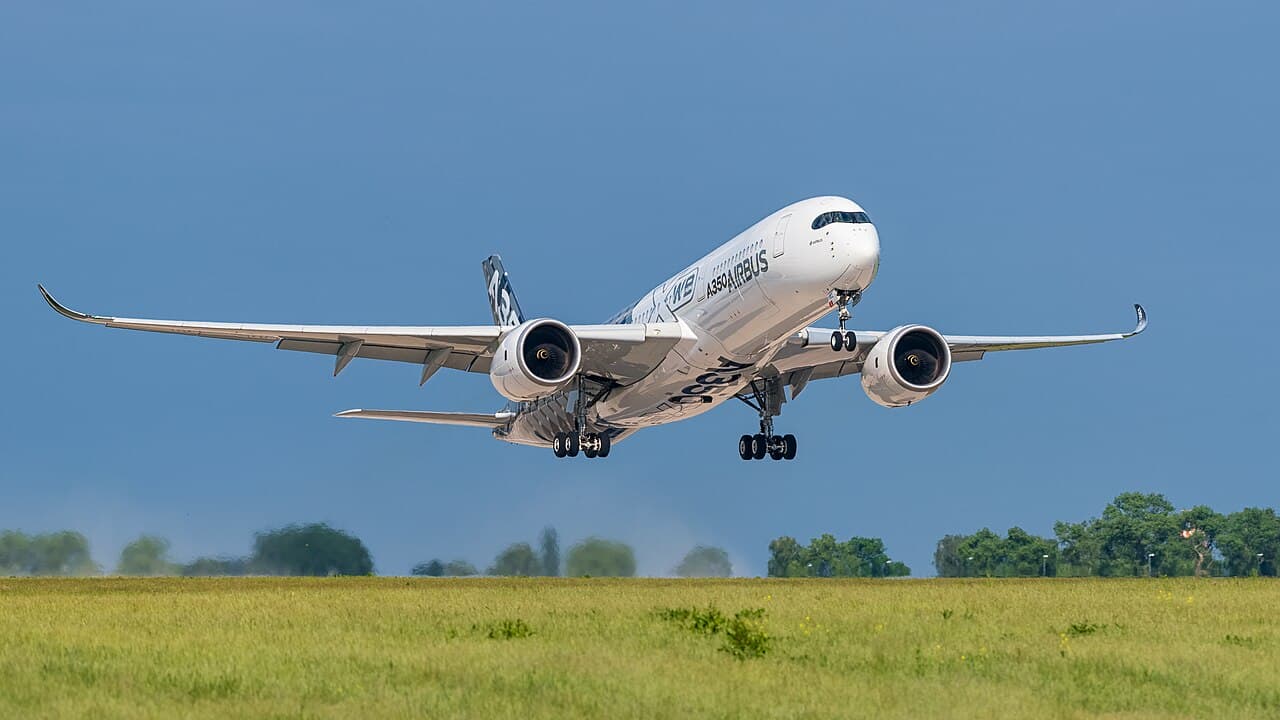
Airbus A350 Freighter Emerges as Significant Competitor to Boeing in Large Cargo Market
For decades, the large purpose-built freighter market was one of the safest corners of the commercial aviation industry for Boeing . The 747 Freighter became synonymous with global air cargo, while the 777F established itself as the dominant modern widebody freighter. Airbus, by comparison, struggled to translate its strength in passenger aircraft into a meaningful share of the dedicated cargo market.

National Airlines Expands Fleet with New GE90 and CF6 Engines for Boeing Freighters
GE Aerospace (NYSE: GE) announced on July 23, 2026 that National Airlines has committed to purchase one GE90-110B and six CF6-80C2 engines to power their Boeing 777F/747F cargo airplanes. The GE90 engine family powers all Boeing 777 models and is the exclusive powerplant on the 777-300ER, -200LR, and Freighter. The GE90 engine features several technology […]
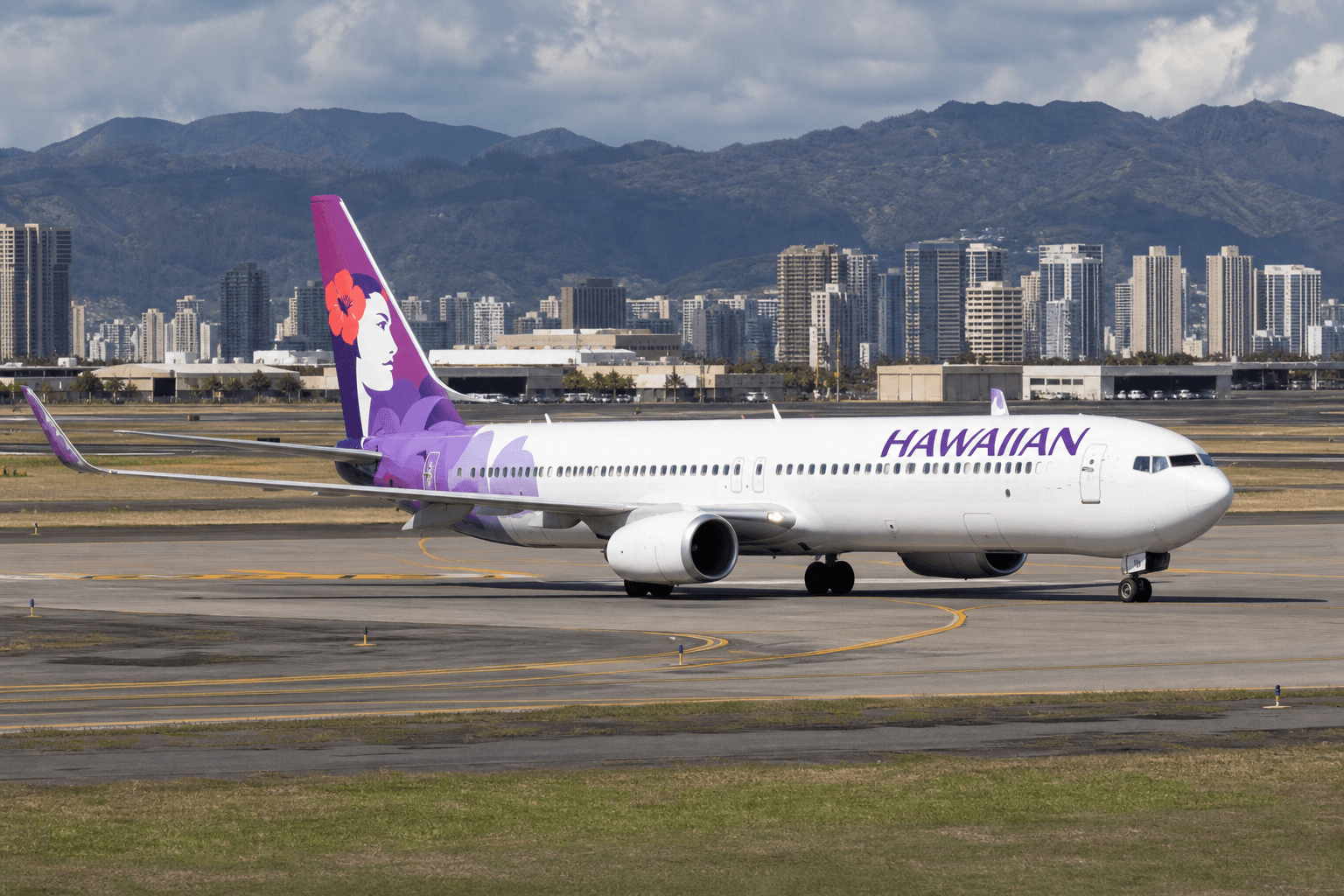
Hawaiian to Replace Aging B717 Fleet with B737-800s for Interisland Service Starting 2028
Who’s excited for a special Wednesday post? Actually, all of you who don’t care about Hawaiʻi should be. I was going to just do this on my regular Thursday, but I figured some of you would kill me if I had another entire week dedicated to the islands. So, enjoy today, and then there will be a non-Hawaiʻi post as usual tomorrow. Hawaiian officially announced yesterday that it will replace its B717 fleet with the B737-800 as first reported by The Air Current , and as we discussed on The Air Show podcast . I had the chance to sit with Hawaiian CEO Diana Birkett Rakow and Head of Hawaiʻi Operations Jim Landers on Tuesday to learn more about the plan. Hawaiian has been in a bind. The B717 fleet has aged noticeably over the last couple of years, requiring more downtime and maintenance work. Temporarily expanding that fleet was considered a non-starter, and so the interisland operation has suffered. There have been operational issues, and the only solution was to pull down the schedule to give the existing fleet more of a breather. The problem has become so acute, especially in the middle of the day, that Hawaiian is putting a temporary solution into place. Starting this October, Alaska — not Hawaiian — will fly three daily roundtrips between Honolulu and Kahului (Maui) on a B737 that will rotate back into the mainland fleet. Since this is Alaska-branded, there will be no pog juice or any Hawaiian-style service. This is simply a band-aid until they can bring the real solution into place. That will start in 2028 when the first B737-800 painted in the Hawaiian livery and with Hawaiian-branded service will enter the fleet. The full timeline for the retirement of the B717 has not been determined, but this will not be drawn out. They just don’t have all the answers yet. Rendering via Hawaiian For example, we don’t yet know how many of these airplanes will enter the Hawaiian fleet. They need to figure out exactly how many flights at what time of day they need to operate with these higher-capacity aircraft, so they will back into the exact number later. That’s easy to do when you have a whole fleet of -800s at Alaska today that gives flexibility, but I was assured that this will continue to be a high-frequency operation the same way it is today. And when asked if all interisland routes that operate today would continue to be flown with these bigger airplanes, Diana responded, “I don’t see us pulling out of any of those markets” What will these look like on the inside? If you’ve been on an Alaska -800 today, it will be pretty similar. Those airplanes just had a full refresh, so the configuration will remain the same with 16 First Class, 30 Premium Class (extra legroom), and 115 in coach for a total of 161 onboard. While none of that will change, the color schemes onboard will, including the bulkheads and seat covers. This will look like a Hawaiian-branded airplane. This means the interisland experience will be better in several ways. Most notably, these airplanes will have an extra inch of pitch in coach, a full extra legroom section, and double the number of First Class seats onboard compared to the 128-seat B717. The reality is that with 33 more seats on the airplane, they don’t need to try to squeeze more capacity into the aircraft, so they can make it a little more comfortable. The bigger First Class cabin and new Premium class also means improvement for elites who will have more upgrade opportunity, but it also means more seats are available in general. Diana said, “a lot of guests really do purchase First Class.” First Class is also helpful for paid connectors in First Class, especially those from Japan and Australia who have to funnel via Honolulu before going to another island. Diana and Jim highlighted a lot more about the improved onboard experience including power outlets and Starlink onboard, but who really cares when your longest flight is less than 45 minutes? I suppose it’s still a nice bonus, especially for the local business traveler. But ultimately, this is just something they’re going to milk since it’s already on the fleet at Alaska today. The Decision I was most curious about how they arrived at the -800 as the right airplane, and Jim gave some really helpful context since he was at Hawaiian before the merger. He explained that while “there isn’t another perfect 128-seat tank being built,” it was a previous generation narrowbody which seemed to be the best fit. Pre-merger Hawaiian was circling its efforts on a second-hand fleet of either A319ceo or A320ceo aircraft since it would give more commonality with the Airbus fleet. Now that Hawaiian is part of Alaska, the decision tipped in favor of a B737 fleet instead, but it’s for the same basic reason… engines. New generation Pratt & Whitney GTF or GE LEAP engines just don’t work well for short, frequent hops. I did ask about the Embraer 195 E1 which uses engines from that generation, but the combination of already having the -800s in the fleet and wanting more capacity made the -800 a no-brainer, especially in the middle of the day when they don’t have enough capacity now They would rather have bigger planes with enough capacity during the peak and then fly with more empty seats in off-peak. I did ask if this meant the A321neo was not long for the fleet, Diana said that wasn’t the case. As she explained it, “we are maximally using every airplane we have at our disposal right now, we want all those airplanes.” What to do with the A321neos is something for much further down the line. The Added Bonus These airplanes will be based in Honolulu and will be flown only within the islands… usually. There is an added bonus of having this fleet in the same configuration it is in now, and that is the ability to sub the airplanes on to mainland routes if needed. This isn’t going to be something that’s scheduled, but what if a plane breaks in Honolulu? In my view, they don’t need to have significant spare capacity for the mainland fleet, because they can press a -800 into service if needed and maintain the schedule. They have yet to figure out how training and maintenance and all that will be handled, and that’s going to make some Honolulu-based employees a little anxious. But Diana did point out that Alaska just opened a new global training center in Renton outside Seattle. I would be surprised if that’s not where primary training happens which would obviously be a change from how training is done on the B717 fleet. Maintenance functions will, of course, be significant in Honolulu, but they don’t know what the plan is for heavy checks yet. Or at least, they aren’t ready to talk about it. While this will make some people anxious, Diana did say, “we intend to keep a strong headquarters [in Honolulu] with training and front line resources.” The Cargo Angle Also announced yesterday was that Alaska Air Cargo will expand from five to nine aircraft , and at least some of those airplanes will be branded Hawaiian Air Cargo and will be based in Honolulu to fly between the islands. The exact split isn’t yet ready to be announced, but they will start flying in the first half of 2027. Rendering via Hawaiian Hawaiian hasn’t had a dedicated cargo fleet in nearly a decade. Back then, it leveraged the ATRs that were flying to Molokai and Lānaiʻi to bring in some cargo-only aircraft to fly between the bigger stations. Jim was there for that, and I actually met with him in 2018 to learn more about the operation. But the pandemic brought big issues. With reduced jet flying, the outsourced passenger ATRs had to be grounded to avoid busting the pilot contract. In the end, Hawaiian decided the operation just wasn’t worth it, so it shut the whole thing down. Now, Jim is bullish once again. He
The Daily Touch & Go
The day's best aviation news in your inbox. Free, no spam.