

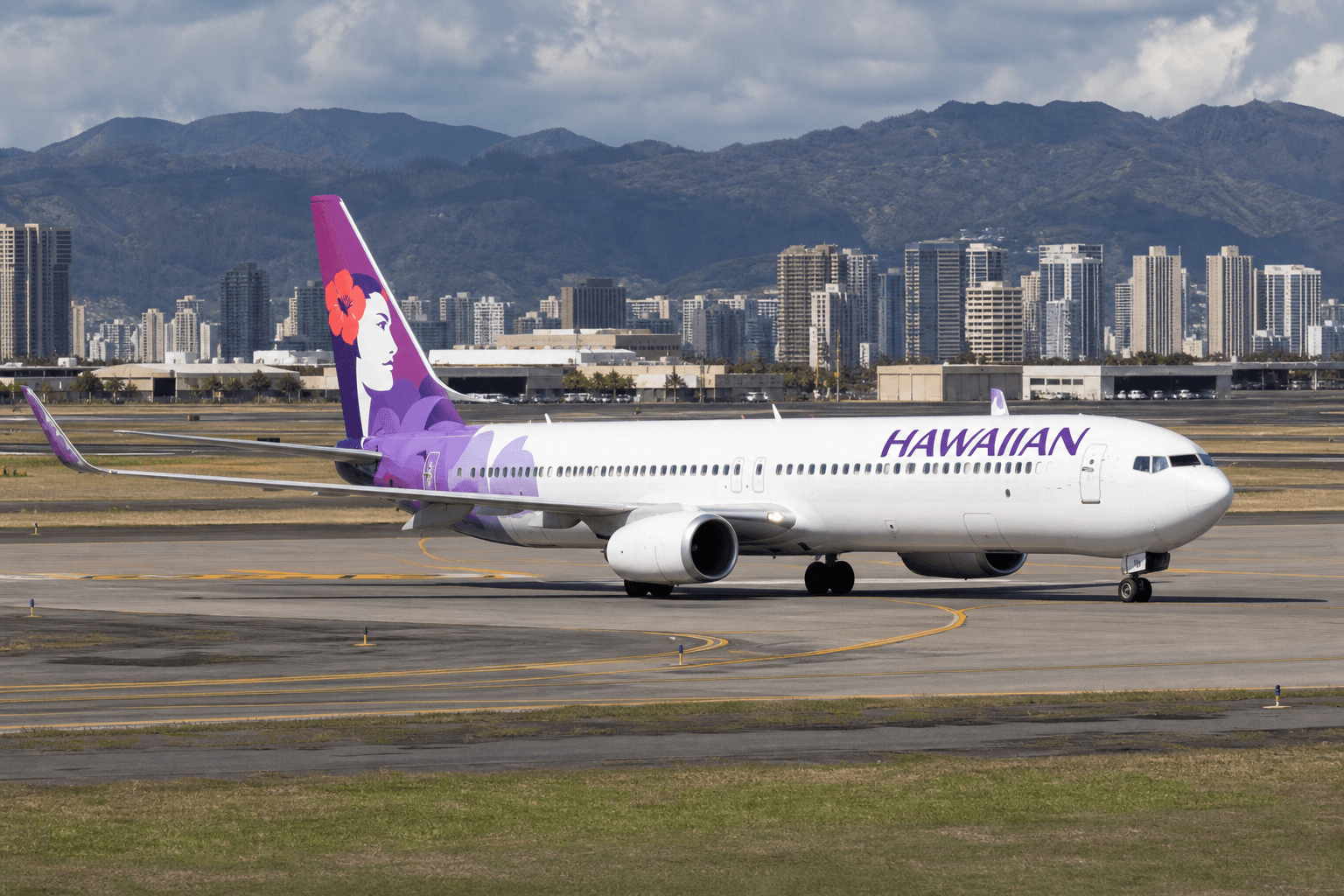
Illustration: The Touch & Go
Hawaiian to Replace Aging B717 Fleet with B737-800s for Interisland Service Starting 2028
Hawaiian Air plans to retire its Boeing 717s with Boeing 737-800 aircraft taking over interisland flights from 2028, while Alaska Air temporarily operates B737s between Honolulu and Maui this fall.
The gist
Hawaiian Air is transitioning to Boeing 737-800s for interisland flights starting 2028, with Alaska Air temporarily filling the gap this October.
Continuing coverage
All Alaska Airlines →- Boeing returns to Farnborough Airshow with emphasis on rebuilding trust and safety
- Alaska Airlines Launches New Daily Boise-Honolulu and Weekly Spokane-Honolulu Boeing 737 Routes
- Alaska Airlines Adds Winter Flights to Boise and Spokane as Hawaiian Drops Auckland
- Alaska Airlines Debuts Boeing 787-9 Without Premium Economy Cabin Despite CEO's Admission
- Alaska Airlines Unveils Enhanced Business and Premium Economy for New 787s
Hawaiian Airlines is embarking on a major fleet transition for its interisland operations by replacing its aging Boeing 717 aircraft with newer Boeing 737-800 models. The change will begin in 2028 but on an interim basis, Alaska Airlines will operate three daily round trips between Honolulu and Kahului, Maui, starting this October using Boeing 737s. These flights, branded as Alaska services, represent a temporary solution to address operational challenges caused by the aging B717 fleet.
The Boeing 717 fleet has increasingly required more maintenance and downtime in recent years, pressuring Hawaiian to reduce its interisland schedule to allow the aircraft to rest. This capacity constraint hit its peak during mid-day operations, affecting service reliability. Hawaiian's CEO Diana Birkett Rakow and Hawaiʻi Operations Head Jim Landers discussed how expanding the B717 fleet was not feasible, prompting the interim arrangement where Alaska Airlines, a sister carrier, will provide band-aid service on key interisland routes before Hawaiian's own B737-800s enter service.
The decision to adopt the Boeing 737-800 for interisland flying follows careful consideration of aircraft performance, sizing, and operational efficiency within Hawaiian's new combined fleet after merging with Alaska Airlines. The B737-800, featuring 161 seats with a refreshed cabin configuration derived from Alaska's existing fleet, offers higher capacity—33 more seats compared to the current 128-seat B717—while allowing for a more comfortable layout with a larger first-class cabin and an additional premium economy section. This aligns with Hawaiian's goal to preserve high-frequency service while improving comfort and upgrade opportunities for guests.
While Hawaiian had previously evaluated options including Airbus narrowbodies such as the A319 and A320, the merger with Alaska tipped the scales towards the B737 family, which fits operationally and harmonizes with Alaska's established fleet. Latest-generation engines such as the Pratt & Whitney GTF and GE LEAP were ruled out for this short-hop interisland regime due to suitability concerns. The Embraer E195-E1 was considered but rejected for capacity reasons and fleet commonality with Alaska's current B737-800s.
Though Hawaiian has not finalized the total number of B737-800s to add or retirement timing for the B717, the airline intends to maintain all current interisland routes. The larger aircraft with additional first and premium seats is expected to offer a superior onboard experience, including power outlets and Starlink connectivity, beneficial even on short flights under 45 minutes. Additionally, the configurations will be rebranded with Hawaiian colors and interiors, distinguishing them from the interim Alaska-operated flights which will not feature Hawaiian service elements.
The 2028 rollout marks a significant modernization of Hawaiian’s interisland fleet as the B717s are phased out more quickly than anticipated to resolve capacity and operational challenges. Training for crews on the new aircraft type is expected to leverage Alaska’s recently opened training center near Seattle, representing a change from current practices. Maintenance plans remain in development, though Hawaiian intends to keep a strong operational presence with training and frontline support based in Honolulu.
Another notable development involves Hawaiian Air Cargo, which will expand from five to nine aircraft, some painted in Hawaiian livery and based in Honolulu to serve interisland cargo routes. This dedicated cargo operation revival is a return to Hawaiian's pre-pandemic efforts to maintain a focused cargo network within the islands. The expanded cargo fleet will commence operations in the first half of 2027, signaling growing demand and investment in local freight capability alongside the passenger fleet changes.
Frequently asked questions
- Why is Hawaiian Airlines replacing its Boeing 717 fleet with Boeing 737-800s?
- The Boeing 717 fleet has aged and required increased maintenance and downtime, causing operational challenges and reduced schedules. The 737-800s offer more capacity and improved reliability for short interisland flights.
- When will Hawaiian Airlines start operating the Boeing 737-800 on interisland routes?
- Hawaiian plans to introduce its own Boeing 737-800s for interisland service starting in 2028, while Alaska Airlines will temporarily operate B737 flights between Honolulu and Maui beginning this October.
- Will Hawaiian Airlines maintain its current interisland routes with the new aircraft?
- Yes, Hawaiian intends to continue all current interisland markets with the larger Boeing 737-800s, maintaining high-frequency service and improving customer experience.
Read more
All Cargo →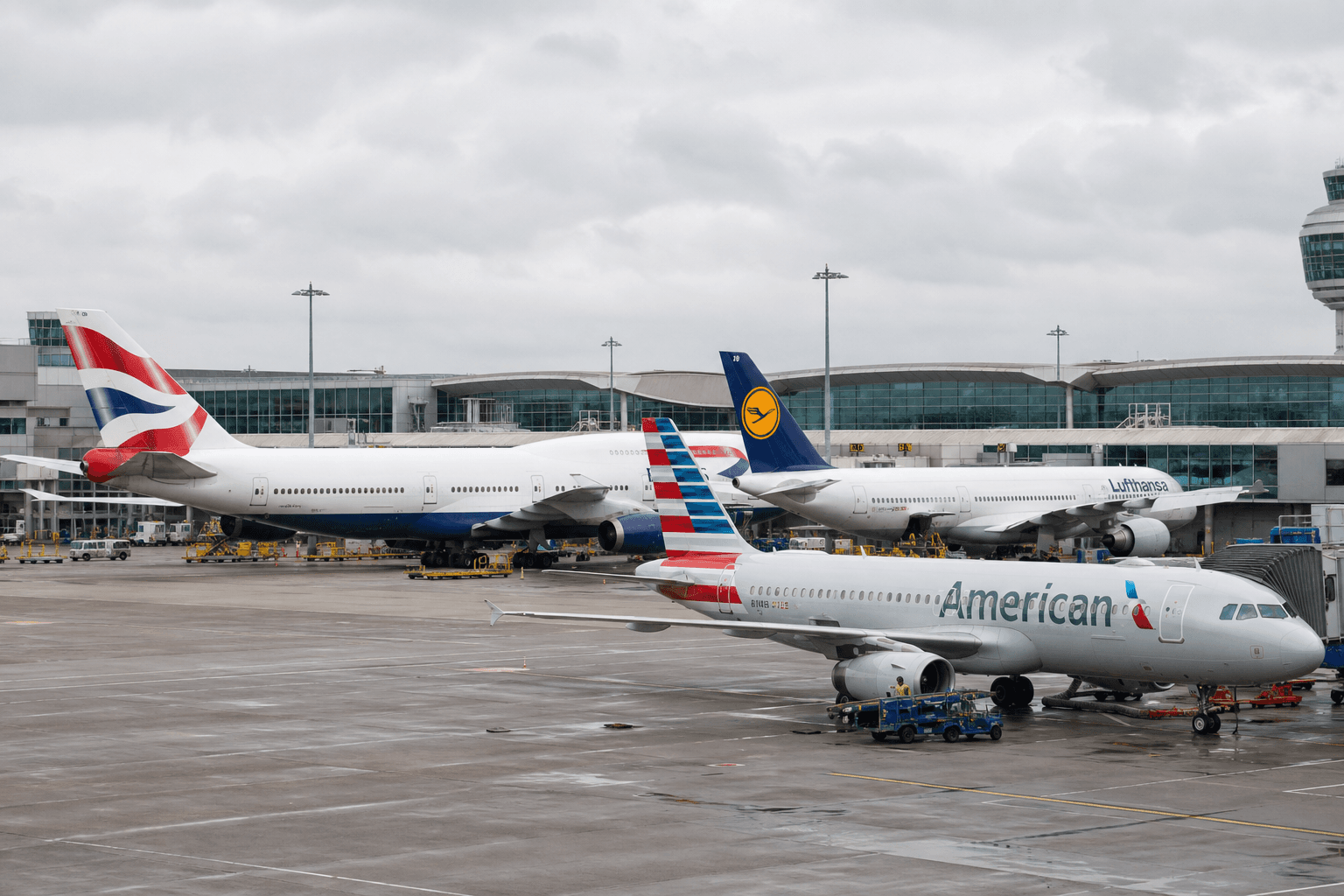
Boeing predicts steady 20-year aircraft demand despite current travel slump
Executive says air travel demand “fundamentals” remain ‘”intact”. Despite an air travel demand slowdown this year, Boeing is maintaining its expectation that airlines over 20 years will require 43,625 additional passenger and cargo jets, a figure largely unchanged from expectations it published in June 2025. The company’s 2026 Commercial Market Update, released on 17 July, estimates the world’s airlines through 2045 will need 33,545 narrowbody, 7,715 widebody, 930 freighter and 1,435 regional aircraft. “We have a pretty stable view on the demand for airplanes, for air travel and the ecosystem that surrounds it,” says Boeing vice-president of commercial marketing Darren Hulst. The company’s forecasted 43,625 aircraft deliveries through 2045 compares to Airbus’s projection, released in recent days, that airlines will need 42,060 aircraft over the same period. Hulst notes the aerospace industry, entering 2026, had expected air travel demand for the year would track or exceed 2025’s 5.3% year-on-year growth, measured in revenue passenger kilometers. But factors like the US-Iran war and resulting elevated fuel prices have brought that expectation down to 2.3% anticipated growth, with Hulst saying, “2026 isn’t going, commercially, from an industry perspective, like a lot of us expected”. At the same time, aerospace companies continue facing shortages of critical components and skilled labour, limiting the pace at which they have been able to ramp production. Hulst estimates those issues have left the global airline industry short some 2,000 aircraft, relative to demand. “However… the fundamentals for air travel and demand for air travel are completely intact,” Hulst says. Boeing expects air travel demand will “rebound” next year to 6-7% year-on-year growth, followed by another 5-6% growth in 2028. Meanwhile, Boeing and other aircraft manufacturers have had recent success increasing output. The 43,625 deliveries Boeing anticipates over 20 years will bring the total fleet to 50,095 aircraft by 2045, up from 27,945 in 2025, Boeing’s outlook says. Of those deliveries, it expects a combined 80% will go to carriers in China, Eurasia, South and Southeast Asia, and North American – split evenly at roughly 20% for each region.
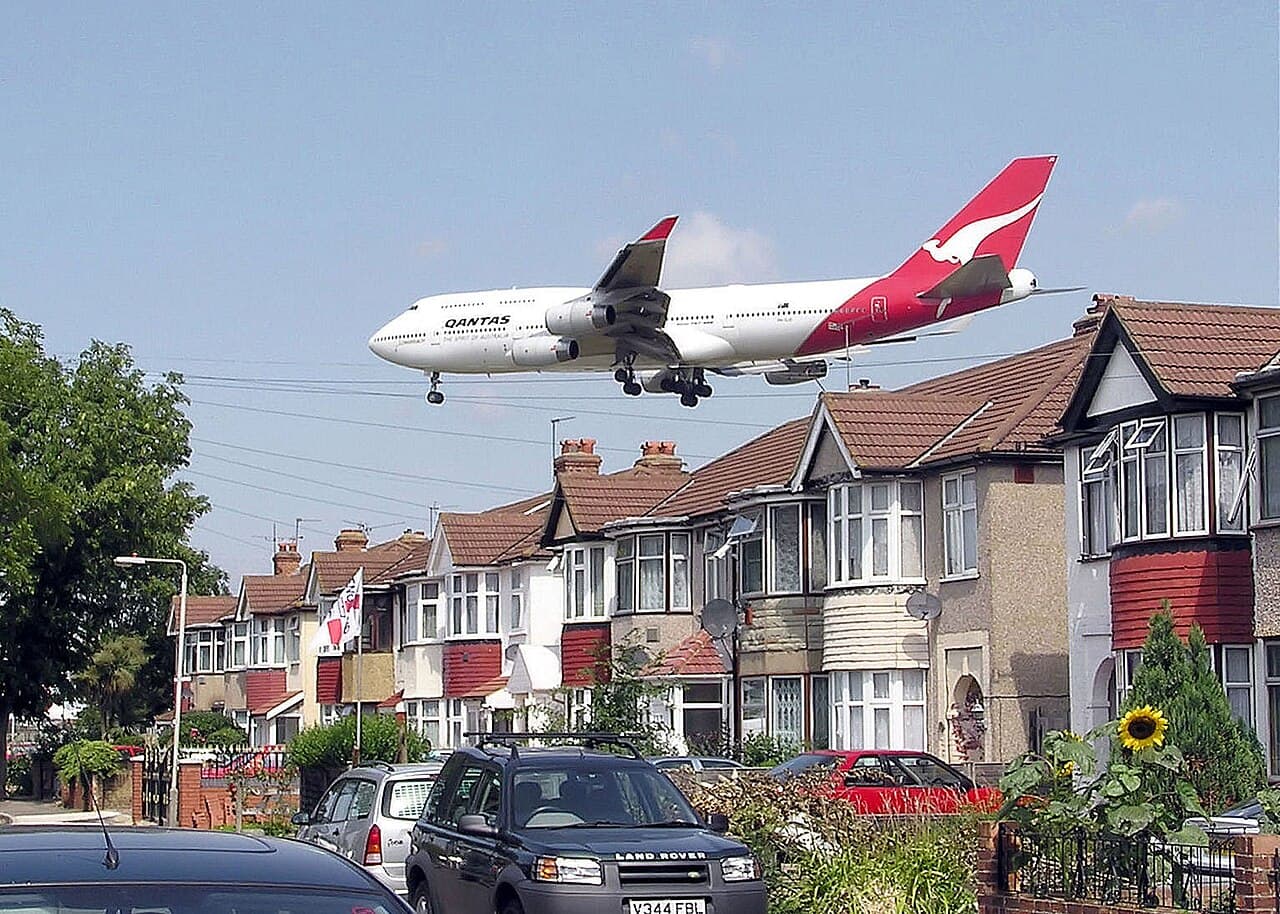
Qantas A321 Freighter First Cargo Plane to Land at Western Sydney International
A Qantas Airbus A321 freighter has become the first cargo aircraft to land at Western Sydney International Airport (WSI), completing a readiness flight ahead of regular freight operations beginning later this month. Flight QF7301 touched down at 14:00 local time on July 13, 2026, at the airport also known as Nancy-Bird Walton Airport. The flight helped validate key operational processes at the airport's new Cargo Precinct, including aircraft handling, ground operations, systems, airside coordination, and cargo transfer procedures. Counting down to launch Regular domestic freighter operations from Western Sydney International will start on July 27, 2026 with the new terminal expected to handle more than 850 tonnes of freight each week. Qantas will operate from a 24,000-square-meter freight terminal at the airport, designed to streamline cargo handling at Sydney's newest gateway. Igor Kwiatkowski, Executive Manager of Qantas Freight, said the test flight was an important step before launching operations. "Western Sydney International Airport is set to become one of Australia's key air freight hubs and today's flight was an important opportunity to test key procedures ahead of starting operations," Kwiatkowski said. "In just a few weeks, this new 24-hour facility will provide greater flexibility for our freight network, helping us meet growing demand for e-commerce and next-day deliveries." Testing before opening day Simon Hickey, Chief Executive Officer of Western Sydney International Airport, said the trial program allows the airport to test its systems ahead of commercial operations. "We've utilised the latest technology and innovations to deliver a highly efficient, sustainable, and future-proofed 24-hour Cargo Precinct," Hickey said. "Our operational readiness program and live aircraft trials present an excellent opportunity to test these capabilities." Hickey also acknowledged the coordination between the airport, Airservices Australia, and Cargo Precinct partners in delivering the trial program. The freight milestone comes ahead of the airport's passenger debut. Jetstar will operate the first commercial passenger flight from Western Sydney International on October 25, 2026, the airport's opening day. Qantas passenger services will follow on March 28, 2027, as part of an agreement between the Qantas Group and the airport covering both passenger and freight operations. RELATED Qantas and Jetstar announce flights from Western Sydney International Airport
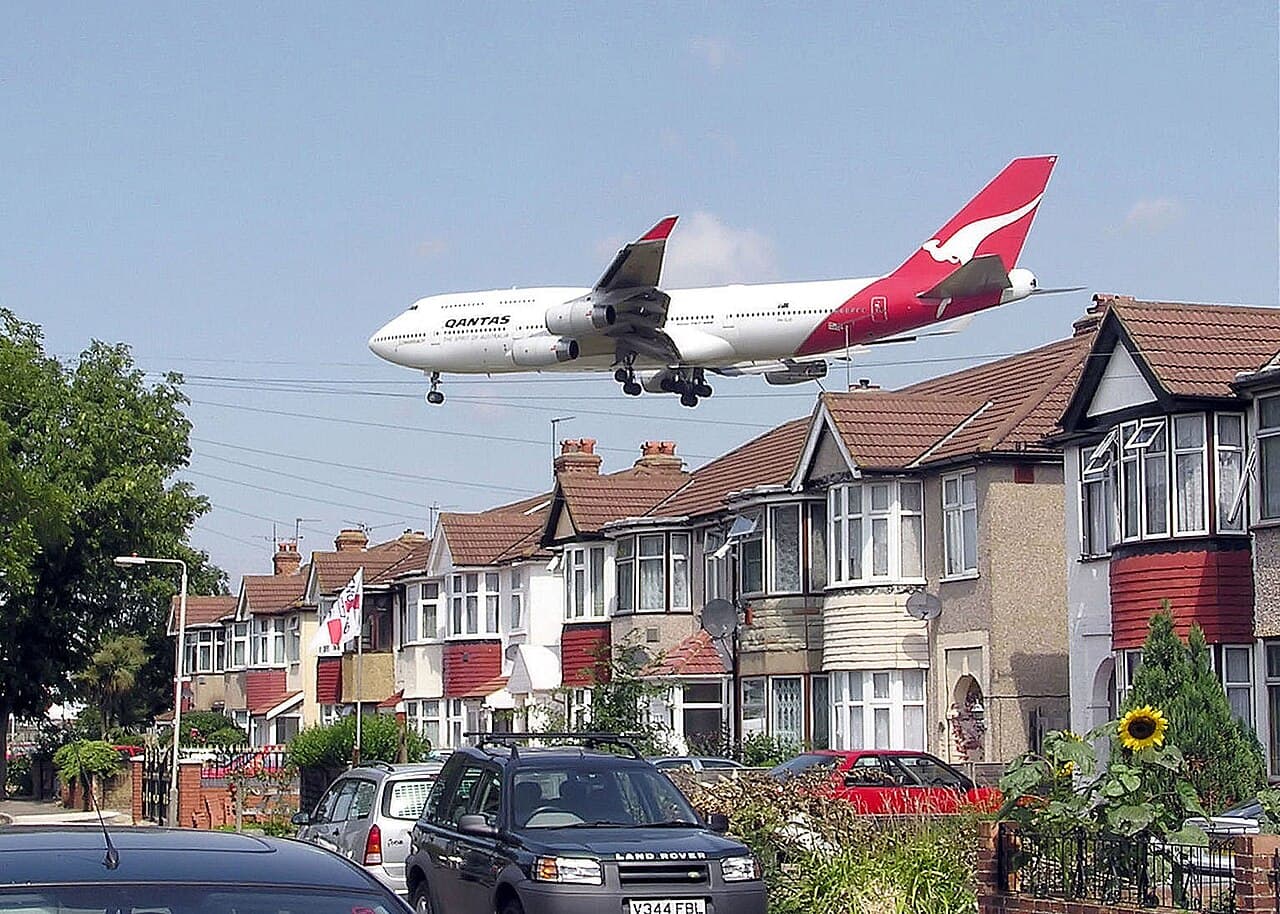
Qantas Begins Cargo Flight Trials at New Western Sydney Airport with A321 Freighter
Badgerys Creek hub set to open in late July. Cargo flight trials have commenced at Australia's newest airport, Western Sydney, with the arrival of the first freighter — a converted Airbus A321 operated by Qantas. The twinjet (VH-XF5) flew from Sydney's main airport to touch down on the new facility's runway 23 on 13 July. "These trials are an integral part of ensuring that our systems, infrastructure and staff have been put through their paces in a live and controlled operating environment," says Western Sydney airport's chief, Simon Hickey. He says additional flights will be conducted over the next two weeks, ahead of the airport's formal inauguration of commercial freight services on 26 July. Passenger flights are scheduled to commence in October. Qantas Freight executive manager Igor Kwiatkowski says the new airport will become an important cargo hub for Australia. "This new 24-hour facility will provide greater flexibility for our freight network, helping us meet growing demand for e-commerce and next-day deliveries," he says. "The airport will increase Sydney's air cargo capacity helping us to move time-critical supplies around Australia and overseas." Companies including Dnata, Texel Air and Menzies Aviation will operate at the hub alongside Qantas Freight. Western Sydney is located in the region of Badgerys Creek, about 23nm (42km) west of the city's main international airport.

SolitAir Opens New Dubai-Jinan Cargo Route Enhancing China-UAE Freight Links
SolitAir, the UAE’s dedicated B2B airport-to-airport cargo airline, has launched a new scheduled route connecting its Dubai World Central (DWC) hub to Jinan Yaoqiang International Airport (TNA). The route addition further strengthens increases the carrier’s presence in northern China. ezstandalone.cmd.push(function () { ezstandalone.showAds(119); }); The move strengthens the carrier’s growing footprint in one of the world’s most important trade markets, building on its successful operations to Hong Kong and Urumqi. The inaugural flight carried a VIP cargo shipment, underlining the route’s focus on secure, reliable, and time-critical air freight solutions. Customers needing fast, tailored transport for high-value or sensitive goods now have a direct and efficient link between the UAE and northern China. ezstandalone.cmd.push(function () { ezstandalone.showAds(127); }); Jinan: Rising Gateway in Northern China Jinan, the capital of Shandong Province, is emerging as a strategic air cargo hub in northern China. Served by Jinan Yaoqiang International Airport (TNA), the city handled approximately 173,700 tons of cargo in 2025, supporting robust growth in high-value exports. Shandong’s strong manufacturing base — including electronics, machinery, pharmaceuticals, and fresh produce — drives demand for rapid global connectivity. ezstandalone.cmd.push(function () { ezstandalone.showAds(128); }); Jinan’s location south of the Bohai Economic Rim, combined with excellent road and rail links, positions it ideally for multimodal logistics. The airport operates over 150 routes to more than 90 cities, with expanding international freighter services, such as new connections to Dubai. As China develops regional cargo hubs beyond Beijing and Shanghai, Jinan offers competitive capacity, efficiency, and access to Shandong’s vibrant export economy, making it an attractive node for time-sensitive air trade. ezstandalone.cmd.push(function () { ezstandalone.showAds(129); }); CEO: “Supporting Evolving Customer Needs” Hamdi Osman, Founder and CEO of SolitAir , highlighted the importance of the new route. “China continues to be one of the most important growth markets for global trade, and expanding our network to Jinan reflects our commitment to serving the evolving needs of our customers.” The Jinan launch builds on SolitAir’s established presence across China, which already includes operations to Hong Kong and Urumqi, and comes hard-on-the-heels of the carrier’s move into Europe. Rapid Network Expansion The Jinan launch follows SolitAir’s recent entry into Europe with its inaugural route to Sofia, Bulgaria. Since starting operations in October 2024, the airline has quickly scaled up to 56 routes across 33 countries. ezstandalone.cmd.push(function () { ezstandalone.showAds(130); }); This includes a strong 18-city network across Africa. The carrier continues to focus on commercially vital, time-sensitive corridors linking Asia, the Middle East, Africa, and Europe. SolitAir operates a modern fleet of seven Boeing 737-800 BCF freighters. Each aircraft offers a 20-tonne cargo capacity and is well-suited for a wide range of shipments, including dangerous goods, pharmaceuticals, perishables, valuable items, and oversized freight. The airline’s reliable, versatile aircraft deliver the range and performance needed for demanding routes. ezstandalone.cmd.push(function () { ezstandalone.showAds(131); }); Comprehensive Service Offering The airline provides an integrated platform across four key service areas: On-Demand Charters, Tailor-Made Programs, Scheduled Flights, and ACMI Services. This flexible approach allows SolitAir to deliver custom solutions on both high-demand and underserved routes. SolitAir holds several important certifications, including the UAE GCAA Air Operator Certificate (AOC), Dangerous Goods certification, EASA Third Country Operator (TCO) authorisation, United Kingdom Third Country Operator Certificate, and ACC3 designation from the Belgian Civil Aviation Authority. These approvals ensure secure and compliant cargo operations to and from the European Union. ezstandalone.cmd.push(function () { ezstandalone.showAds(132); }); Future Growth Plans Looking ahead, SolitAir aims to expand its fleet to 20 aircraft. The airline operates from a 20,440-square-metre dedicated cargo hub at Dubai World Central (Al Maktoum International Airport), positioning it well for continued growth in global B2B air cargo. The new Tianjin route enhances connectivity for businesses moving goods between key economic centres. It reflects SolitAir’s strategy of linking dynamic markets with dependable, customer-focused air freight services.
The Daily Touch & Go
The day's best aviation news in your inbox. Free, no spam.