

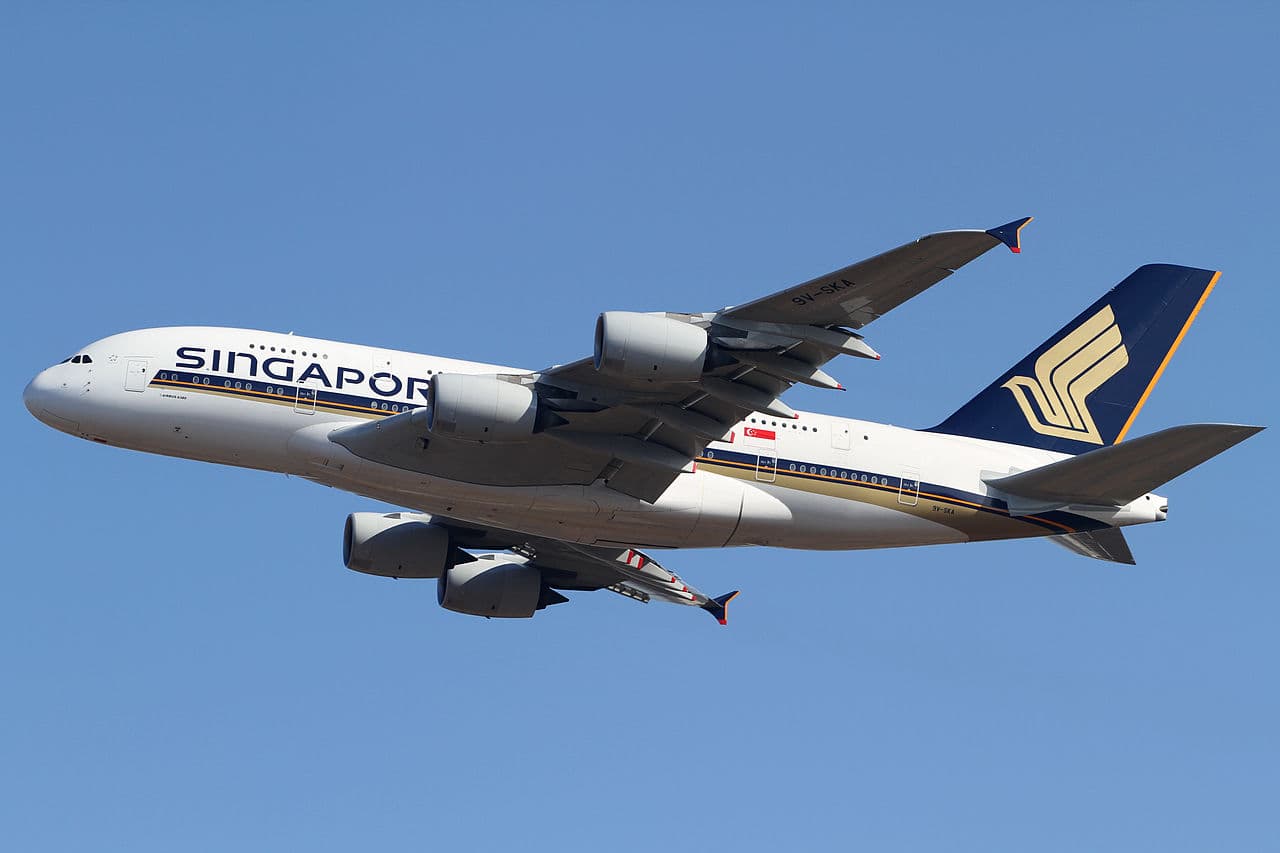
Image: Kentaro IEMOTO · CC BY-SA 2.0 · via Wikimedia Commons
Singapore Airlines Group posts S$76 million net loss despite record revenue on fuel cost surge
Singapore Airlines Group suffered a S$76 million net loss in Q1 2026 as fuel expenses soared due to Middle East conflict, offsetting record revenue growth.
The gist
Fuel price spikes linked to Middle East conflict pushed Singapore Airlines Group into a rare net loss despite historic revenue gains in Q1 2026.
Singapore Airlines Group reported a net loss of S$76 million (US$59 million) for the quarter ended June 30, 2026, marking a sharp reversal from its S$186 million profit a year earlier. This loss came even as the group recorded its highest ever quarterly revenue of S$5.71 billion (US$4.40 billion), highlighting how soaring fuel costs have severely impacted profitability. The spike in fuel expenses, primarily driven by the ongoing Middle East conflict that began in late February 2026, was the key factor behind the negative results. Fuel costs before hedging more than doubled during the quarter, sharply increasing overall expenditure.
Passenger revenue climbed 18.6% year-on-year to S$4.58 billion (US$3.53 billion), fueled by an increase in passenger numbers carried by Singapore Airlines and its budget subsidiary Scoot. Together, they transported 10.9 million travelers, up 6.3% compared to the previous year. Additionally, passenger yields rose by 12%, contributing to revenue growth. Cargo operations also showed strength, with revenue surging 33.5% to S$708 million (US$545 million), aided by higher cargo rates and improved load factors. These robust gains reflected the group’s ongoing network expansion and resilient demand despite a challenging geopolitical environment.
However, operating costs jumped even more steeply. Group expenditure rose 27.9% to S$5.61 billion (US$4.32 billion), largely due to a S$991 million (US$763 million) increase in net fuel expenses, representing a 78.5% jump. Although Singapore Airlines benefits from fuel hedging contracts that partially mitigate price volatility, these gains were insufficient to counteract the overwhelming surge in fuel prices. As a result, operating profit plunged 73.8% to S$106 million (US$82 million) from S$405 million a year prior. A larger share of Air India losses and a smaller tax expense further widened the quarterly net loss.
Despite the setback, Singapore Airlines Group maintains a strong balance sheet. The company ended the quarter with S$9.10 billion (US$7.01 billion) in cash and bank deposits, an increase of S$1.17 billion from the prior quarter, alongside S$1.38 billion in longer-term fixed deposits and S$3.24 billion in undrawn credit facilities. Shareholders’ equity was steady at S$16.59 billion (US$12.78 billion), while a minor uptick in the debt-to-equity ratio to 0.65 reflected a new five-year bond issuance denominated in Chinese yuan. This financial strength provides crucial resilience amid elevated costs and market uncertainty.
The group continued its network growth through the quarter. Scoot introduced new direct flights from Singapore to Indonesian destinations Belitung and Pontianak. Meanwhile, Singapore Airlines launched daily services to Hangzhou in China, further enhancing its reach. By June 30, the combined SIA Group network covered 137 destinations in 36 countries and territories. European operations saw increased frequencies to London Gatwick and Manchester and the announcement of a new route to Madrid beginning October, marking their 15th European destination.
However, the Middle East conflict also disrupted regional operations. Scoot reinstated flights to Jeddah, Saudi Arabia, in June but suspended them again in mid-July due to escalating tensions. Services to Dubai remain halted, and the planned launch of flights to Riyadh was deferred to December 2026. These disruptions illustrate the broader operational challenges stemming from geopolitical instability and the related volatility in fuel markets affecting the airline industry globally.
Even as demand remains robust with sustained passenger and cargo traffic fueled by sectors like semiconductors and data centers, Singapore Airlines recognizes the volatility ahead. The conflict’s persistence could keep jet fuel costs elevated and potentially disrupt global supply chains. The group intends to leverage its dual-brand approach using both Singapore Airlines and Scoot to flexibly manage capacity in response to shifting demand conditions, along with investments in new aircraft, airport lounges, and an updated in-flight experience scheduled for rollout later this year to enhance customer appeal and operational efficiency.
The temporary losses reflect the acute impact geopolitical events can have on airline economics, even for well-capitalized, diverse operators like Singapore Airlines. While strong demand and strategic network growth provide positive momentum, controlling costs amid external shocks remains a critical challenge. Monitoring fuel price trends and regional stability will be vital as the group navigates a complex environment in the months ahead.
Frequently asked questions
- What caused Singapore Airlines Group to post a net loss in Q1 2026?
- The net loss of S$76 million was caused mainly by a 78.5% increase in net fuel costs linked to the Middle East conflict starting February 28, 2026, which more than doubled fuel prices before hedging.
- How did Singapore Airlines Group's revenue change in Q1 2026?
- The group achieved record revenue of S$5.71 billion, up 19.3% year-on-year, with passenger revenue rising 18.6% and cargo revenue growing 33.5%, supported by higher passenger numbers and cargo rates.
- How is Singapore Airlines Group managing challenges from fuel prices and the Middle East conflict?
- SIA is leveraging its dual-brand structure with Singapore Airlines and Scoot to adjust capacity, investing in new aircraft and customer experience improvements, and maintaining a strong financial position with ample cash and credit lines.
Read more
All Cargo →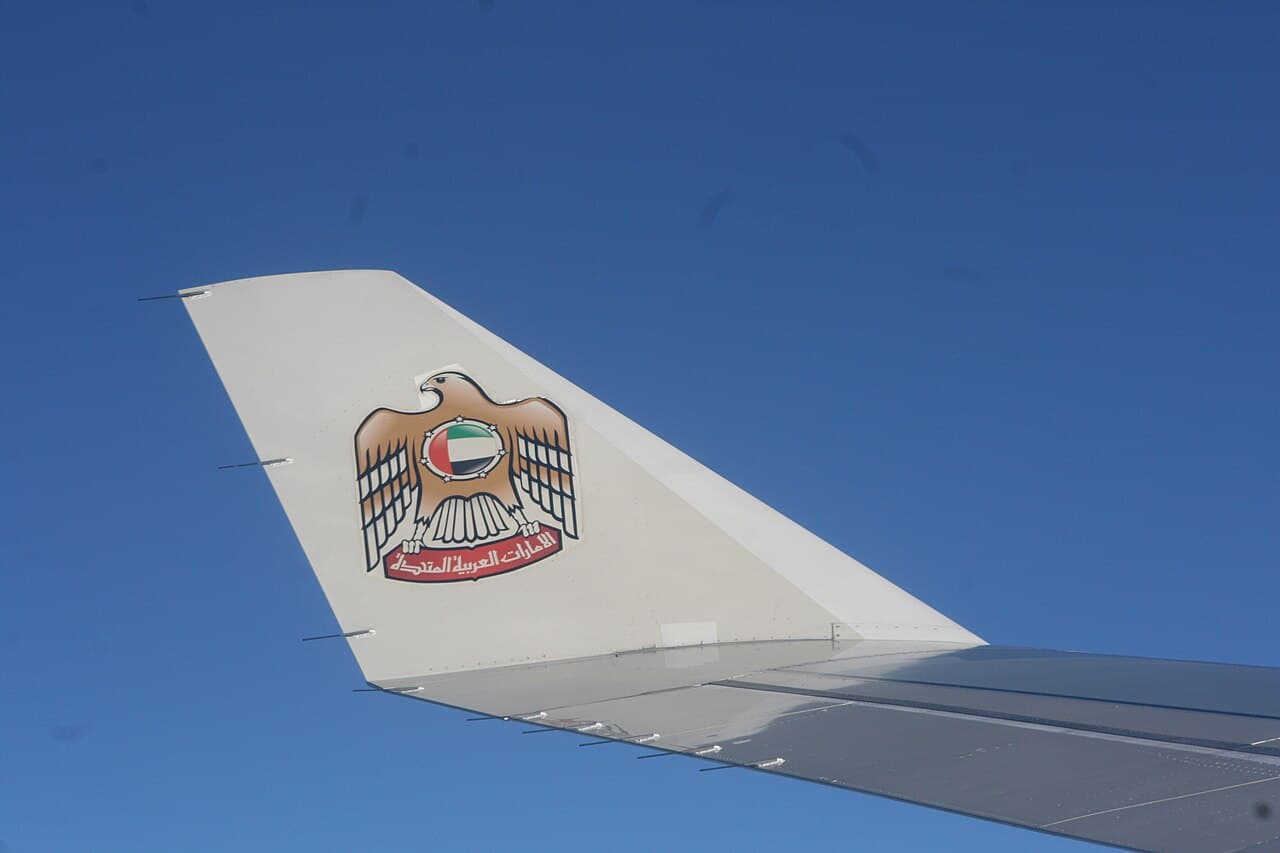
Etihad Airways Expands African Reach with Partnerships Ahead of New Routes Launch
Etihad Airways is rapidly expanding its presence in Africa. In July 2026, the airline signed three strategic partnership agreements that will significantly improve connectivity across the continent. ezstandalone.cmd.push(function () { ezstandalone.showAds(119); }); These deals with Fastjet, Air Peace, and Africa World Airlines will support Etihad’s six new direct routes launching from November 2026. The partnerships allow seamless onward travel for Etihad guests beyond the airline’s own flights. Travelers can now reach many more cities across West, Central, and Southern Africa with easy connections. ezstandalone.cmd.push(function () { ezstandalone.showAds(127); }); This strategy positions Abu Dhabi as a key gateway linking Africa with India, Asia, and the Middle East. Key Agreements Signed in July Fastjet Zimbabwe Etihad began the month with an interline agreement with Fastjet Zimbabwe. This partnership extends reach into Southern Africa, especially ahead of Etihad’s upcoming flights to Harare. Guests will enjoy convenient connections through Fastjet’s regional network. ezstandalone.cmd.push(function () { ezstandalone.showAds(128); }); Photo Credit: Sm105, CC BY-SA 4.0, via Wikimedia Commons Air Peace On 22 July, Etihad signed an interline agreement with Air Peace, Nigeria’s largest airline, in Lagos. This deal opens up 20 destinations across Nigeria, West Africa, and Central Africa. Passengers flying with Etihad can now access a much wider range of cities in these growing markets. Africa World Airlines Just two days later, on 24 July in Accra, Etihad signed a comprehensive Memorandum of Understanding with Africa World Airlines. ezstandalone.cmd.push(function () { ezstandalone.showAds(129); }); The Ghana-based carrier serves domestic and regional routes. The agreement covers codeshare flights, interline connections, cargo cooperation, and loyalty program benefits. This deeper collaboration promises smoother travel and more options for passengers and shippers. Photo Credit: JoniVideography, CC BY-SA 4.0, via Wikimedia Commons Building on Earlier Expansion Plans These July partnerships follow Etihad Airways’ April 2026 announcement of six new African destinations. The airline is clearly following a well-planned strategy. By securing partner networks before the new routes begin, Etihad ensures travellers can connect across the continent from day one. The expansion also builds on Etihad’s existing strategic joint venture with Ethiopian Airlines. Together, these partnerships allow the airline to offer far more destinations than it could serve with its own aircraft alone. ezstandalone.cmd.push(function () { ezstandalone.showAds(130); }); This approach delivers greater choice while maintaining high service standards that Etihad customers expect. Arik De, Etihad Airways Chief Commercial and Revenue Officer , highlighted the importance of these moves. He said: “Africa is one of the fastest-growing aviation regions in the world, and this month we have moved quickly to grow with it.” “Three agreements in July, each shaped to its market… When our new African routes take off, the partner network behind them will already be in place.” ezstandalone.cmd.push(function () { ezstandalone.showAds(131); }); Photo Credit: Gatwick Airport Supporting Trade and Economic Ties The timing of these partnerships aligns with stronger economic links between the UAE and African nations. For example, the UAE signed a Comprehensive Economic Partnership Agreement with Nigeria in January 2026. Improved air connectivity supports growing trade, particularly in sectors where demand for cargo services is rising faster than supply. For passengers, the benefits are clear. Easier connections mean shorter overall travel times and more convenient itineraries. Business travellers and tourists alike will gain better access to opportunities across Africa. Families visiting relatives or exploring new destinations will also enjoy smoother journeys. ezstandalone.cmd.push(function () { ezstandalone.showAds(132); }); Cargo shippers stand to benefit too. Enhanced networks will help move goods more efficiently between Africa, the Middle East, and Asia. Conclusion Tickets combining Etihad and partner airlines will become available as each agreement takes effect. Travelers should check etihad.com for the latest booking information and route details. Etihad’s focused expansion reflects confidence in Africa’s economic growth and rising demand for air travel. By combining its own new routes with strong local partnerships, the airline is creating a robust network that serves both passengers and businesses. ezstandalone.cmd.push(function () { ezstandalone.showAds(133); }); This series of agreements marks an important step in Etihad’s global growth strategy. As Africa’s aviation market continues to expand, Etihad is well-positioned to play a leading role in connecting the continent with the rest of the world.
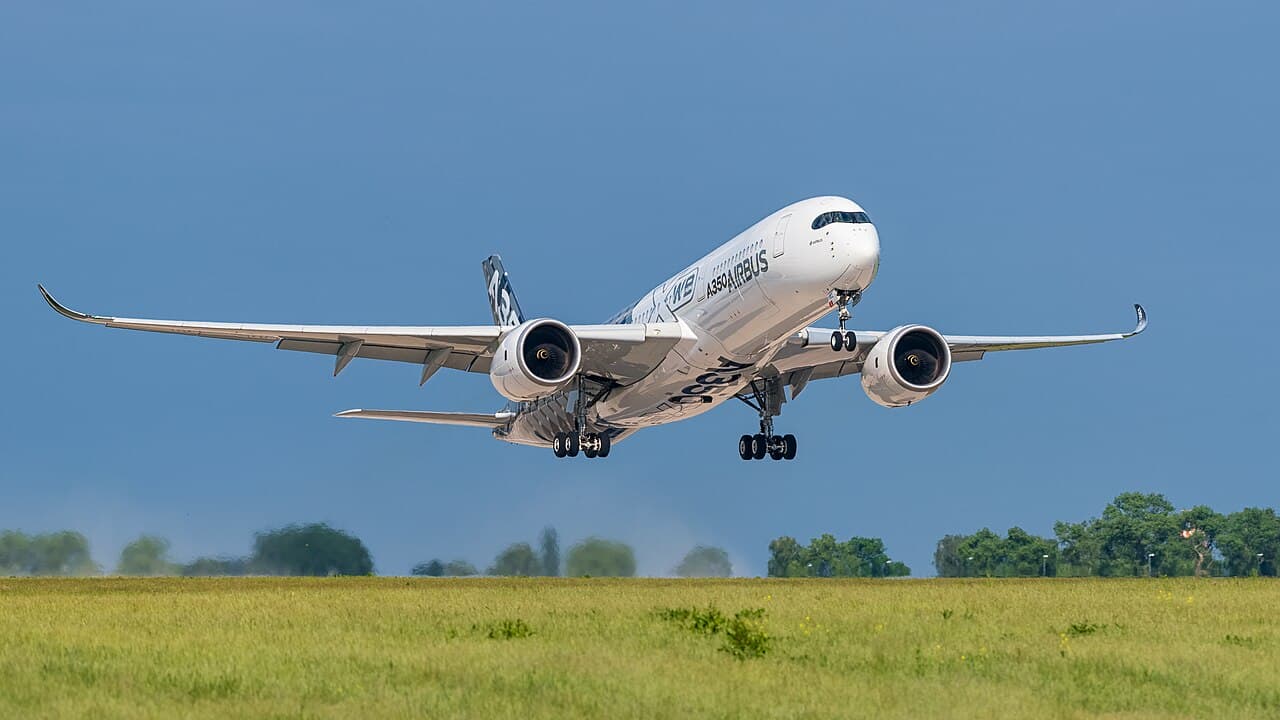
Airbus A350 Freighter Emerges as Significant Competitor to Boeing in Large Cargo Market
For decades, the large purpose-built freighter market was one of the safest corners of the commercial aviation industry for Boeing . The 747 Freighter became synonymous with global air cargo, while the 777F established itself as the dominant modern widebody freighter. Airbus, by comparison, struggled to translate its strength in passenger aircraft into a meaningful share of the dedicated cargo market.

National Airlines Expands Fleet with New GE90 and CF6 Engines for Boeing Freighters
GE Aerospace (NYSE: GE) announced on July 23, 2026 that National Airlines has committed to purchase one GE90-110B and six CF6-80C2 engines to power their Boeing 777F/747F cargo airplanes. The GE90 engine family powers all Boeing 777 models and is the exclusive powerplant on the 777-300ER, -200LR, and Freighter. The GE90 engine features several technology […]
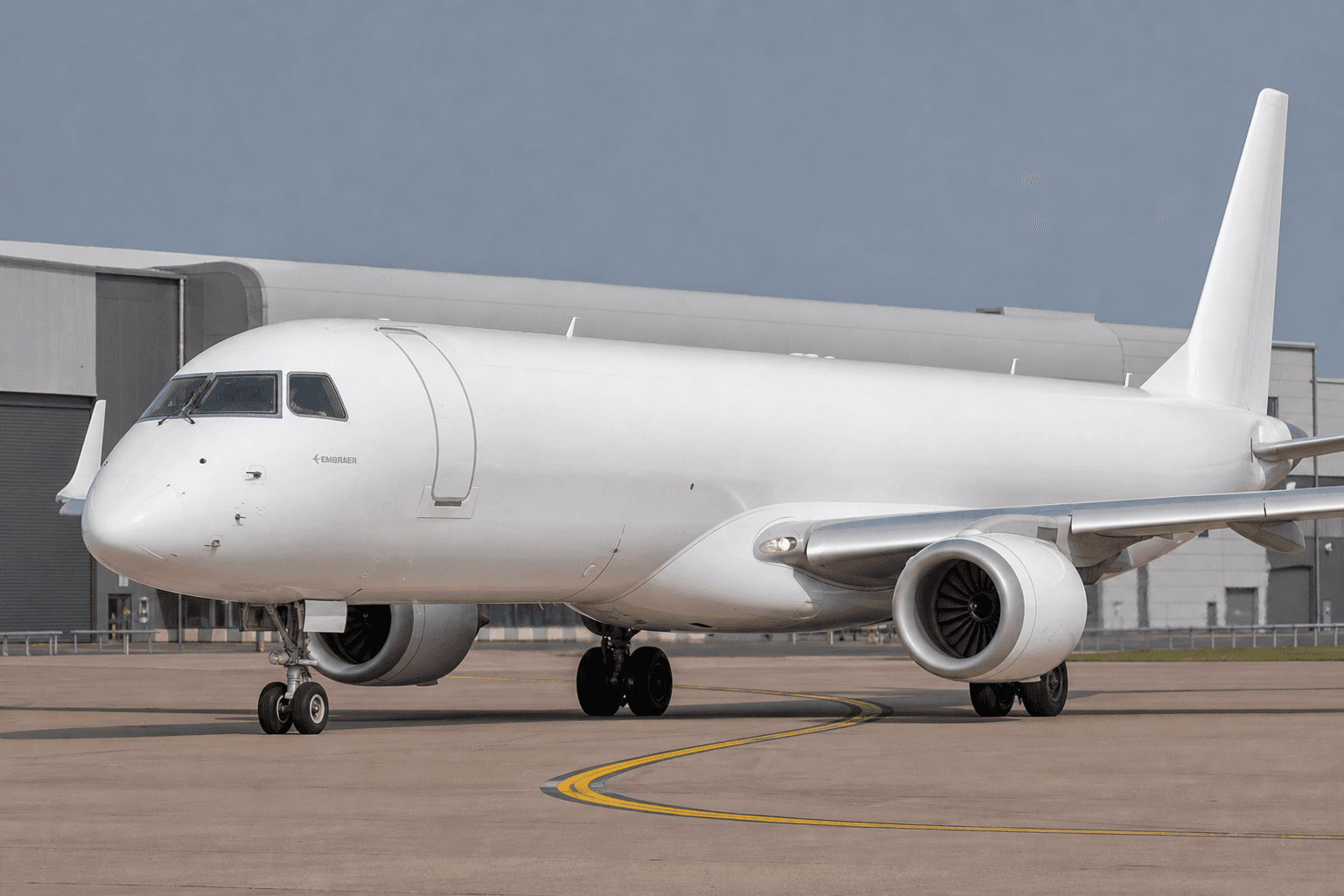
Embraer and Azorra ink deal for up to 30 E-Freighter aircraft
Embraer and aircraft lessor Azorra have announced a significant agreement for up to 30 E-Freighters. The deal, signed at the Farnborough International Airshow on July 21, 2026, includes 20 firm orders and 10 purchase rights. ezstandalone.cmd.push(function () { ezstandalone.showAds(119); }); This partnership highlights growing demand for efficient, sustainable cargo solutions in the express air freight sector. The agreement builds on the successful entry into service of the E190F earlier this year. It marks Azorra’s entry into the freighter leasing market and positions the company as one of the first lessors to commit to Embraer’s new E-Freighter conversions. ezstandalone.cmd.push(function () { ezstandalone.showAds(127); }); Strong Partnership and Market Confidence John Evans, CEO of Azorra , expressed enthusiasm about the long-standing relationship with Embraer. “Our partnership with Embraer has been built over many years and is rooted in a shared belief in the long-term value and reliability of the E-Jet platform,” he said. Evans highlighted the E-Freighter as a natural extension that addresses the needs of the growing express cargo market. ezstandalone.cmd.push(function () { ezstandalone.showAds(128); }); He noted its advantages as a replacement for older 737 freighters, including Stage 4 noise compliance and low operating costs when paired with Azorra’s CF34 engine program. Arjan Meijer, President and CEO of Embraer Commercial Aviation , welcomed the deal as a strong endorsement of the E-Freighter. “This agreement reflects growing demand for efficient, right-sized cargo solutions worldwide,” Meijer stated. ezstandalone.cmd.push(function () { ezstandalone.showAds(129); }); Carlos Naufel, President and CEO of Embraer Services & Support , added that Embraer’s comprehensive support network will help operators maximize aircraft performance from day one. Photo Credit: Embraer Key Advantages of the E190F Freighter The E-Freighter is based on Embraer’s proven E-Jets platform, which has decades of reliable service. The E190F model provides more than 100 cubic meters of cargo volume across lower and upper decks, with a payload capacity of up to 13.5 tons. This design supports cost-efficient transport of express cargo; meeting demands for fast deliveries to high-yield markets. ezstandalone.cmd.push(function () { ezstandalone.showAds(130); }); Industry experts see the E-Freighter as a smart solution that fills the gap between turboprops and larger narrowbody aircraft. Compared to classic narrowbodies, it offers around 30% lower operating costs with similar cargo volume and range. It also provides 35% extra volume capacity and more than three times the range of large cargo turboprops. As the quietest and greenest jet freighter in its class, the E190F emphasizes efficiency, flexibility, and sustainability. These features make it ideal for high-frequency, time-sensitive operations. The aircraft will help improve regional connectivity and open new trade routes in key growth markets such as Latin America, Southeast Asia, and the Middle East and Africa—regions where Azorra already has strong expertise. ezstandalone.cmd.push(function () { ezstandalone.showAds(131); }); Photo Credit: Embraer Strategic Context for Both Companies This freighter deal follows Azorra’s recent order for additional Embraer E195-E2 passenger aircraft. In June 2026, Azorra placed a firm order for 15 more E195-E2s with purchase rights for another 15, bringing its total firm E2 orders to 54. This milestone pushed Embraer’s E2 program beyond 500 firm orders globally. Azorra, a relationship-driven lessor headquartered in Fort Lauderdale, Florida, manages a substantial portfolio of over 300 aviation assets. The company offers leasing, financing, and fleet management services worldwide. Embraer, a leading Brazilian aerospace manufacturer, continues to expand its presence in commercial aviation with innovative solutions and strong aftermarket support. ezstandalone.cmd.push(function () { ezstandalone.showAds(132); }); Conclusion The partnership between Embraer and Azorra signals confidence in the future of sustainable air freight. By converting proven passenger E-Jets into efficient freighters, the companies address environmental concerns while meeting market needs for reliable, cost-effective cargo transport. As global e-commerce and express delivery continue to grow, right-sized aircraft like the E190F offer operators a competitive edge.
The Daily Touch & Go
The day's best aviation news in your inbox. Free, no spam.