

Illustration: The Touch & Go
American Airlines Lists West Palm Beach as 'Pres DJT' on Gate Screens, Breaking Usual Naming Pattern
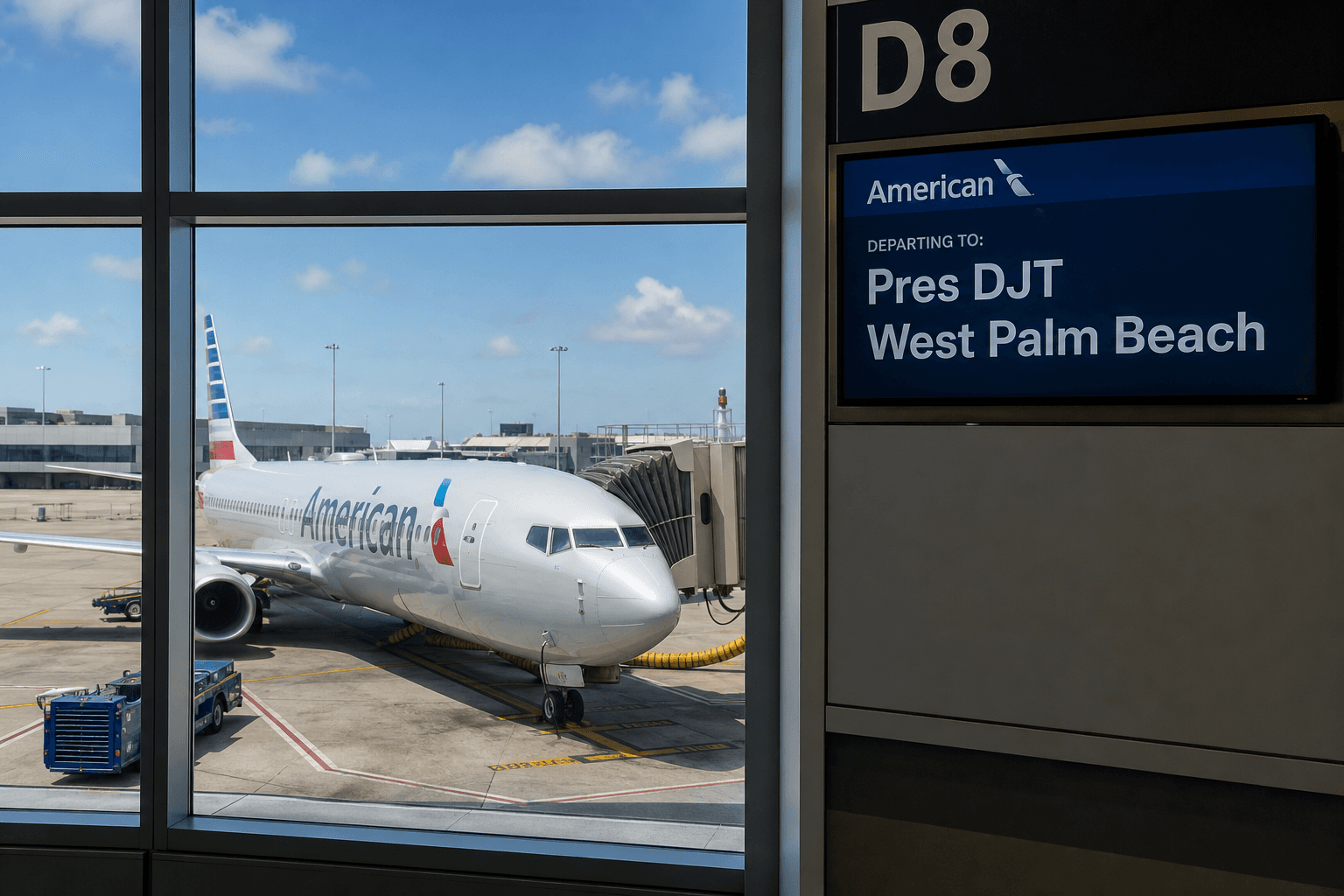
American Airlines has updated its gate display screens to show West Palm Beach airport as 'Pres DJT,' a departure from its typical airport naming conventions for single-airport cities.
The gist
American Airlines uniquely labels West Palm Beach airport as ‘Pres DJT’ on gate screens, highlighting an unusual homage to President Trump.
American Airlines recently modified its gate information display systems to denote West Palm Beach airport as ‘Pres DJT’ instead of the standard city or airport name. This adjustment distinguishes West Palm Beach International Airport with a presidential moniker referencing Donald J. Trump, who maintains a primary residence in Palm Beach, Florida. This labeling is notable because American Airlines’ convention is to list airport names only when multiple airports serve a metro area, such as New York’s LaGuardia or JFK airports.
Typically, cities with a single airport destination do not have the official airport name appended to their city listing. This change represents a rare exception and has drawn attention because other airports named after presidents do not receive such treatment on American’s gate screens. For instance, Little Rock is not displayed as Clinton Airport, and Grand Rapids is not identified by its Gerald R. Ford designation on flight information systems.
Industry observers note that this decision likely originated from American Airlines’ headquarters in Dallas rather than local management. The move appears to signal deference or favor toward President Trump, implicitly endorsing his legacy through airport naming on departure boards. This kind of overt naming is uncommon among airlines and reflects the political and regulatory dynamics where major carriers often align tactically with influential figures who shape their operating environment.
Airport naming after sitting presidents has been a contentious practice. While it honors presidential legacy, naming significant public infrastructure after current officeholders is considered unorthodox and potentially politicizes neutral transit spaces. Airports named for presidents often commemorate past leaders post-tenure to avoid political controversy. Palm Beach International’s temporary branding as ‘Pres DJT’ during Trump’s presidency breaks with this tradition.
Critics have expressed concerns that such a naming convention on gate screens could confuse passengers unfamiliar with the new label. Naming more than one airport after the same individual can also lead to confusion in logistics such as baggage routing and navigation. The substitution of the airport’s traditional abbreviation, PBI, with DJT represents an unprecedented coding change, reminiscent of historical shifts like the renaming of Idlewild to JFK.
American Airlines’ atypical display contrasts with other carriers like United, which have adopted distinct stances toward political figures in their operational decisions. American’s choice may reflect strategic alignment efforts within the regulatory framework where airlines seek favor with government officials. This incident exemplifies the complex interplay between aviation operations and political symbolism within heavily regulated sectors.
While airline customers primarily focus on operational clarity such as departure times and flight status, this deviation in naming conventions injects a political element into commercial flight information. Passengers could potentially face confusion during ticketing and gate navigation if unfamiliar with the new designation. The broader aviation community observes this as a cautionary example of non-standard airport labeling practices evolving for political reasons.
Frequently asked questions
- Why does American Airlines display West Palm Beach airport as Pres DJT on gate screens?
- American Airlines altered its gate information displays to show West Palm Beach airport as Pres DJT to acknowledge President Donald J. Trump, who resides in Palm Beach, diverging from its usual practice of displaying airport names only for multi-airport cities.
- Is it common for American Airlines to list airport names for single-airport cities?
- No, American Airlines generally does not list airport names for cities with only one airport, using this practice only to distinguish between multiple airports serving a city; West Palm Beach’s designation as Pres DJT is an unusual exception.
- What concerns have been raised about naming airports after sitting presidents on airline displays?
- Concerns include potential passenger confusion, politicization of airport infrastructure, operational inefficiencies with duplicate airport names, and decorum issues surrounding naming major public facilities after current officeholders rather than after their terms.
Read more
All Airlines →![American Airlines Launches 13 Exciting New Nonstop International Routes [Full List]](/_next/image?url=https%3A%2F%2Favoibnodqwjxlpbhunuu.supabase.co%2Fstorage%2Fv1%2Fobject%2Fpublic%2Fstory-images%2Fai%2Famerican-airlines-launches-13-exciting-new-nonstop-international-routes-full-lis-c37331d2.png&w=3840&q=75)
American Airlines Unveils 13 New Nonstop International Routes in 2026 Expansion
International flights are a key part of the puzzle for American Airlines , which connects its home hubs to a wide range of international destinations. According to current data made available by Cirium , an aviation analytics company, a look at the carrier's international network in 2026 compared to 2025 shows that 13 new routes have started or will start this year.
American Airlines and Delta Operate Record Long 7-Hour US Flights with Airbus A321neo
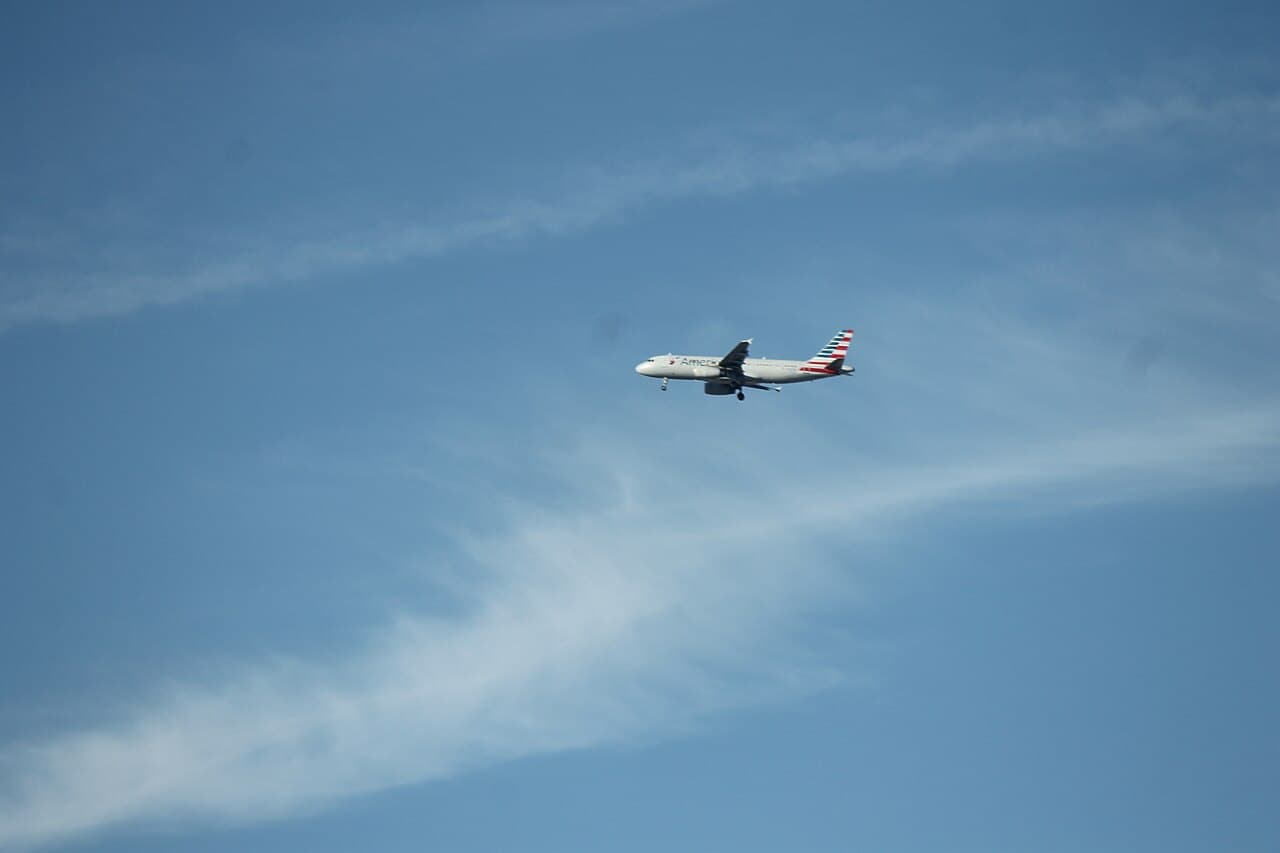
The Airbus A321neo is the most versatile narrowbody in commercial aviation, capable of serving routes from one-hour domestic hops to transatlantic crossings in its LR and XLR variants. According to Cirium data for January through December 2026, American Airlines and Delta Air Lines are operating the standard A321neo on seven US domestic routes exceeding 2,300 nautical miles (4,260 km), with the longest covering 2,643 nautical miles (4,894 km) and producing westbound block times approaching seven hours.
Singapore Airlines Operates 11 Boeing 737 MAX Routes Up to Nearly 7 Hours
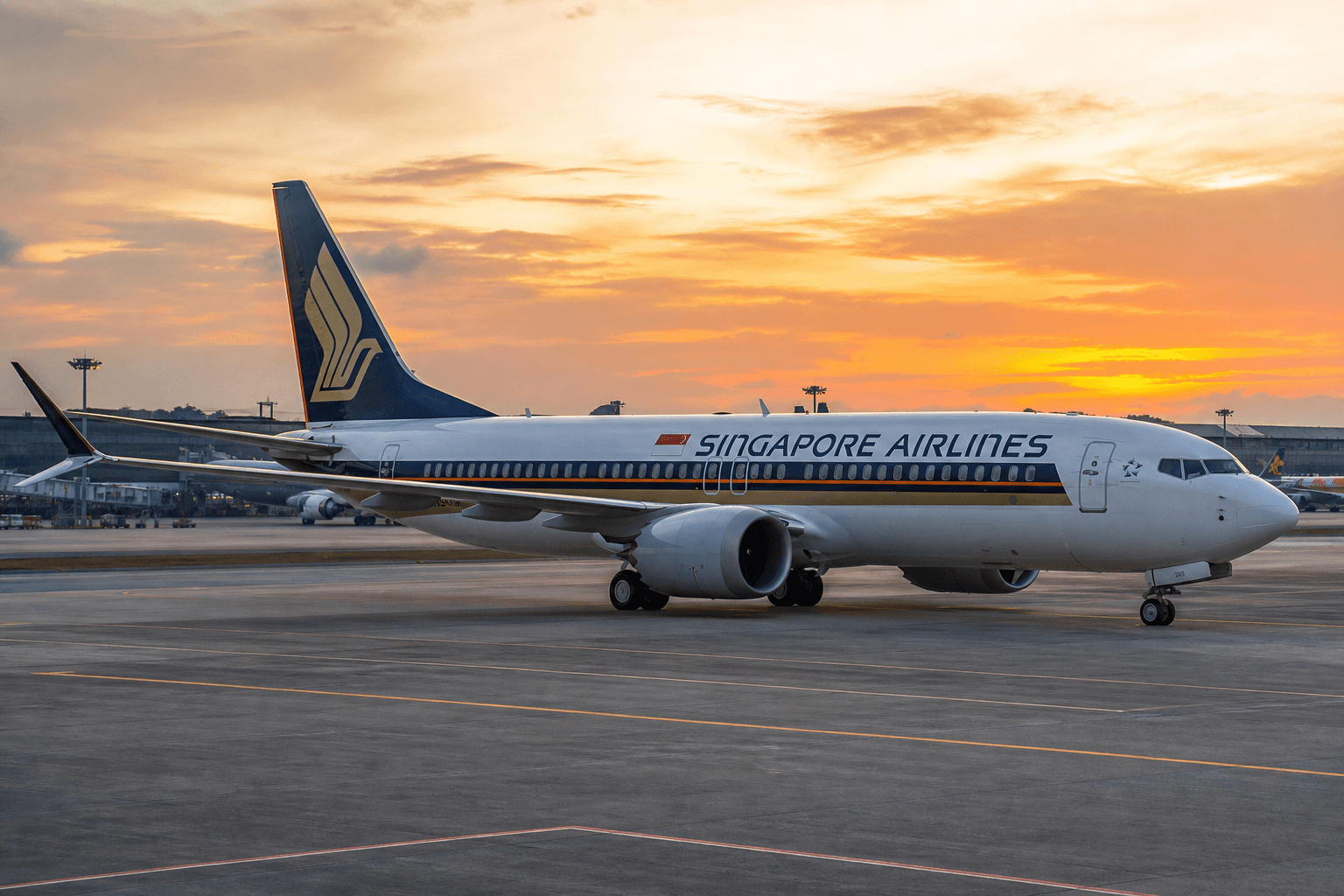
The Boeing 737 MAX is the latest generation derivative of one of the world's most popular short-haul aircraft types. While this still remains the case, modern technology has allowed narrowbody aircraft to fly for longer distances, unlocking an interesting market segment of long-range narrowbody services.
Saudia Leads Global Airline Punctuality in June 2026 with 92.38% On-Time Flights
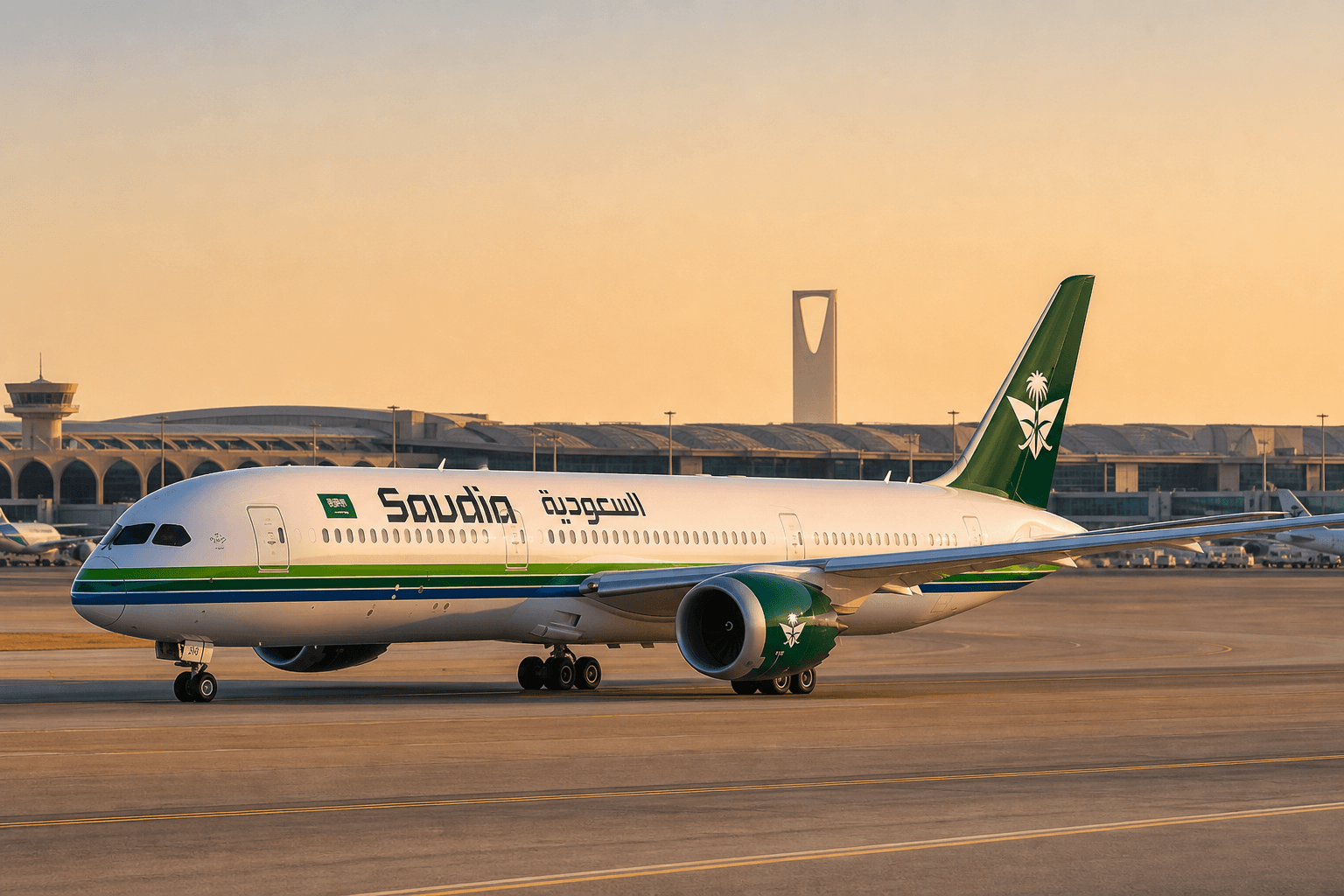
Saudia maintained its position as the world’s most punctual airline in June 2026, achieving an impressive 92.38% on-time arrival rate. This means nearly 19 out of every 20 flights landed within 15 minutes of schedule. ezstandalone.cmd.push(function () { ezstandalone.showAds(119); }); Korean Air secured second place with 88.56% punctuality, followed by Aeromexico at 86.94%. Air India and Singapore Airlines completed the top five with 86.85% and 86.74% respectively. These results, recorded by Cirium , highlight consistent excellence among leading international carriers operating across multiple regions. ezstandalone.cmd.push(function () { ezstandalone.showAds(127); }); Strong Performance in Europe In Europe, Turkish Airlines led the rankings with 84.26% of flights arriving on time. SAS ranked second at 83.39%, while Pegasus took third with 82.49%. Vueling and Austrian Airlines rounded out the top five at 82.29% and 81.25%. These figures demonstrate solid operational performance during the busy summer travel period. The results reflect effective management of schedules, ground operations, and passenger flows across the region. ezstandalone.cmd.push(function () { ezstandalone.showAds(128); }); Image Credit: Boeing Rising Cancellations Raise Concerns Despite good punctuality, cancellation numbers increased in some areas. Europe recorded 9,165 cancelled flights in June, up from 5,741 in May. Asia Pacific remained the region with the highest number of cancellations at 25,599 flights. This contrast between strong on-time performance and rising cancellations points to ongoing operational challenges. Peak-season demand, weather disruptions, and technical issues can quickly impact flight schedules even for well-performing airlines. ezstandalone.cmd.push(function () { ezstandalone.showAds(129); }); Global Issues Faced by Commercial Aviation in June 2026 June 2026 tested the resilience of the global aviation industry as summer travel demand peaked amid multiple operational and external pressures. While leading airlines delivered strong punctuality, the broader network faced significant challenges that drove higher cancellations and disruptions. Geopolitical tensions, particularly in the Middle East, continued to disrupt key air corridors. Airlines rerouted flights, increasing fuel consumption and operational costs. Sharp rises in jet fuel prices prompted several carriers to cut capacity, reduce frequencies, or cancel flights outright. These measures helped manage costs but reduced seat availability during the busy season. ezstandalone.cmd.push(function () { ezstandalone.showAds(130); }); High summer demand strained infrastructure worldwide. In Europe, air traffic control restrictions, staffing shortages, and occasional strikes compounded weather-related issues. North America experienced a notable drop in on-time performance due to convective weather and limited schedule slack. Asia Pacific faced congestion at major hubs, contributing to its high cancellation volumes. Fuel price volatility squeezed margins industry-wide and forced schedule adjustments. Airlines worked to balance strong passenger demand with higher costs and airspace limitations. The month highlighted the sector’s vulnerability to external shocks even as core operational reliability held up for top performers. ezstandalone.cmd.push(function () { ezstandalone.showAds(131); }); Photo Credit: Nik Oak via Pexels Implications for Passengers and the Industry These findings offer important insights for the aviation industry and travellers alike. Leading airlines continue to set high standards for reliability, which reduces passenger stress, improves connections, and supports smoother journeys overall. However, the rise in cancellations shows that punctuality alone is not enough. Airlines need greater operational resilience to maintain schedules during periods of high demand or unexpected disruptions. For passengers, choosing carriers with strong track records can significantly improve the travel experience, especially during peak summer months. Key Takeaways from June 2026: Saudia leads globally with over 92% on-time arrivals Turkish Airlines dominates European rankings Asia Pacific faces the highest cancellation volumes Geopolitical tensions and fuel costs add pressure on operations ezstandalone.cmd.push(function () { ezstandalone.showAds(132); });
The Daily Touch & Go
The day's best aviation news in your inbox. Free, no spam.