
Aer Lingus offers lie-flat business class on short European routes with A321LR/XLR jets
Aer Lingus deploys its long-range A321LR and A321XLR aircraft on short-haul European flights, providing lie-flat business class seats and upgraded economy amenities without extra charge.
The gist
Aer Lingus uses long-range A321LR/XLR jets to offer lie-flat business class on short European routes, elevating passengers' experience at no extra cost.
Continuing coverage
All Airbus A321xlr →- AirAsia X ends widebody expansion, pivots to Airbus A321XLR single-aisle strategy
- Air Canada Plans Expanded Airbus A321XLR Routes for Winter 2026/27
- Air Canada to launch Airbus A321XLR on key US routes from Montreal and Toronto
- United Airlines Introduces Airbus A321XLR with Doubling of Premium Seats over Boeing 757
- Air Canada's A321XLR Features 14 Business Seats Without Premium Economy to Boost Route Flexibility
Aer Lingus is enhancing the passenger experience on several short-haul European routes this summer by operating its Airbus A321LR and A321XLR long-range jets, outfitted with lie-flat business class seats, instead of the standard narrowbody aircraft. This unique deployment allows the Irish flag carrier to offer a significant upgrade in onboard comfort, including a fully flat Thompson Aero Vantage business class seat, on relatively brief flights typically ranging from two to three hours.
The airline's A321LR and A321XLR fleets consist of eight and six aircraft respectively, both powered by the CFM LEAP-1A engines. While similar in configuration, the A321XLR boasts a longer range, higher payload, more cargo space, and a modernized Airbus Airspace cabin interior featuring larger overhead bins, updated mood lighting, and new sidewalls. In contrast, the A321LR features an older interior yet provides a comparable passenger experience with 16 business and 168 economy seats in both variants.
Aer Lingus strategically uses these long-range narrowbodies on routes within Europe such as Dublin to Paris Charles de Gaulle, Amsterdam, Oslo, Manchester, Venice, and Munich, as well as from Shannon to Paris and London Heathrow. Although these jets are known for their transatlantic capabilities to U.S. cities like Hartford and Pittsburgh, their use on shorter European segments helps maximize aircraft utilization and revenue by reducing idle ground time in Dublin between long-haul flights.
Inside the cabin, the business class seats are a noteworthy distinction compared to typical intra-European service. Rather than the usual Eurobusiness layout that blocks middle seats in economy, Aer Lingus's lie-flat seats deliver a fully international business class experience. This product, branded as 'AerSpace,' is sold without an upcharge on these flights, allowing passengers to enjoy significantly improved comfort and amenities at the price of a standard premium economy ticket.
Economy class also benefits from better seating with the newer Recaro R3 seats on the A321XLR and Collins Aerospace Meridian seats on the A321LR. Both aircraft provide seatback entertainment systems and more legroom compared to Aer Lingus's conventional A320-200 and A320neo aircraft, which comprise the majority of the airline's European short-haul fleet.
The AerSpace offering on typical narrowbodies involves only four premium seats with blocked middle seats and minimal service upgrades, whereas on the long-range A321LR/XLR jets, all 16 business class seats are available for sale under this branding. Passengers also gain access to dedicated security lanes and lounges, along with complimentary beverages and snacks onboard. Despite the higher level of hard product on these jets, the soft product remains consistent with Aer Lingus's intra-European service.
European airlines generally provide a less differentiated business class on short routes, often limited to blocking middle seats in economy or offering recliners rather than lie-flat seats. However, Aer Lingus's approach represents a rare case of offering proper lie-flat seats on narrowbody aircraft for flights within Europe, enhancing competitiveness and passenger appeal. This contrasts with carriers like Turkish Airlines or Eurowings, which have introduced recliner seats on some narrowbodies but not flatbeds.
Aer Lingus's innovative use of A321LR and A321XLR aircraft highlights its strategy to maximize aircraft utility across diverse route lengths while elevating passenger comfort. This approach helps the airline stand out in the competitive transatlantic and European markets, leveraging advanced aircraft interiors typically reserved for long-haul service on shorter routes.
Frequently asked questions
- Which Aer Lingus aircraft models feature lie-flat business class seats on short European routes?
- The Airbus A321LR and A321XLR operated by Aer Lingus both feature lie-flat business class seats on short European routes.
- On which European routes does Aer Lingus deploy its A321LR and A321XLR aircraft?
- Aer Lingus flies its A321LR and A321XLR aircraft from Dublin to Paris CDG, Amsterdam, Oslo, Manchester, Venice, and Munich, as well as from Shannon to Paris and London Heathrow.
- What is distinctive about Aer Lingus's AerSpace product on A321LR and A321XLR flights?
- Aer Lingus sells all 16 business class seats as AerSpace on A321LR and A321XLR flights, offering lie-flat seats and premium cabin amenities without extra cost, unlike the limited premium seats on their other narrowbodies.
Read more
All Airlines →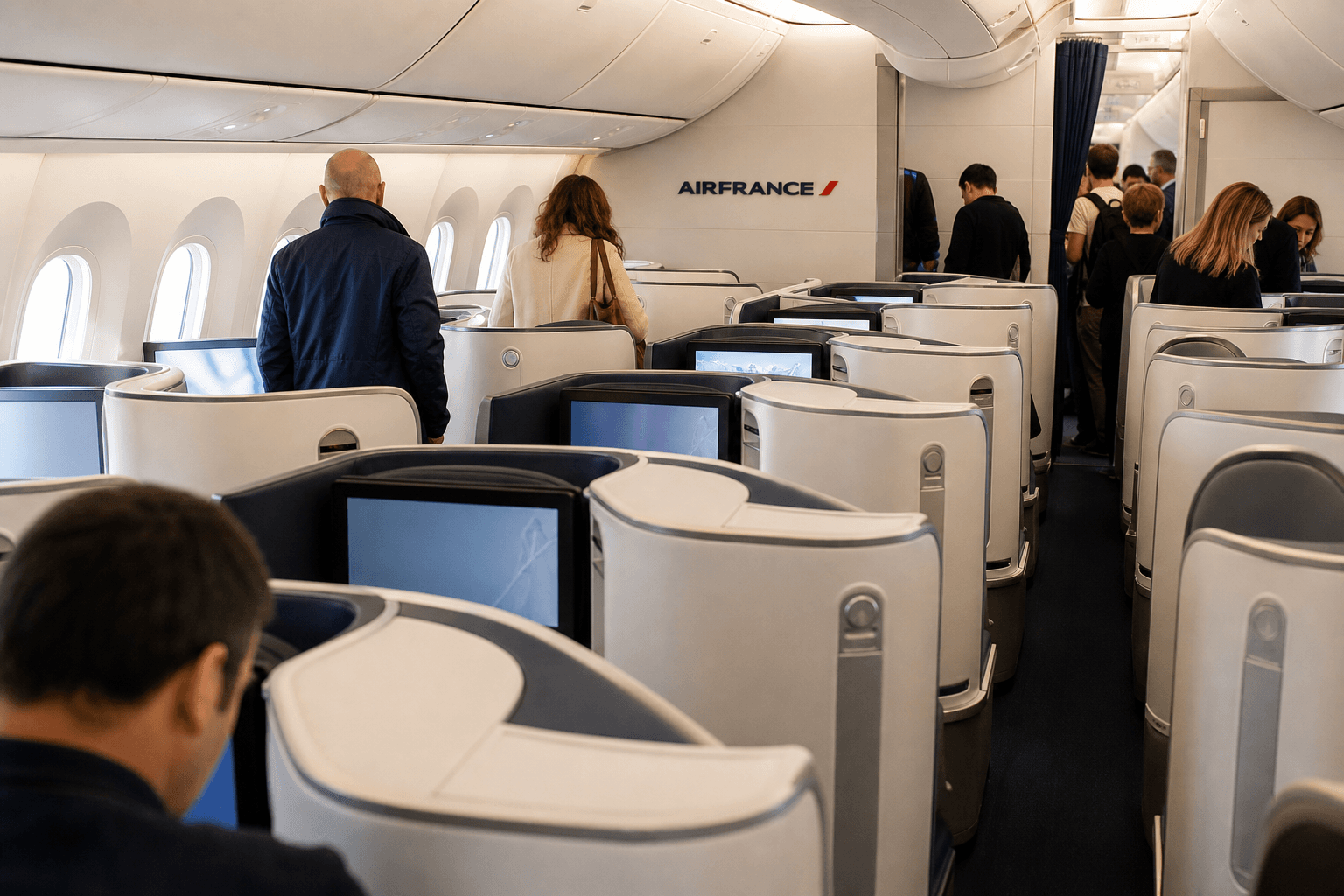
Air France and KLM Expand Business Class Seat Assignment Fees to More Markets
In the spring of 2023, we saw Air France-KLM add business class seat assignment fees for flights in many markets, which was of course a controversial move. There's now an update, as these fees have recently been expanded to more flights, including award tickets in all markets, and most routes to North America. I've received some questions about this, so let me explain what's going on. Air France & KLM expand advance seat reservation fees In April 2023, we saw Air France and KLM start charging for advance seat assignments in business class, in what's referred to as the Advance Seat Reservation (ASR) scheme. We've long seen airlines try to monetize the cost of assigning seats in economy, but we've increasingly seen this also spread to premium cabins. Recently we've seen the airline group expand this scheme to more routes , so here's the current state of things: Seat assignment fees now apply to all long haul flights globally when redeeming miles, and also all Business Light and Business Standard long haul tickets, except those originating in the United States (so they apply on tickets to the United States, but not tickets from the United States) Flying Blue Silver, Gold, and Platinum members , Business Flex passengers, and corporate customers (excluding bluebiz), are exempt from these fees Business class passengers continue to be able to select seats of their choice at no fee at the check-in window The cost to assign seats varies significantly, and it can cost $200+, in some situations; the front row business class suites on select aircraft are also more expensive than the standard seat assign fees As you can see, the one exception in long haul markets right now is for revenue tickets originating in the United States. I imagine that's simply due to the joint venture with Delta and how pricing there works, and I'd be willing to bet the fees will be added there soon as well, especially as Delta also introduces its basic business class product . Air France and KLM charge seat fees in business class in most markets How exactly do these seat fees work? For long haul routes, you'll see that during the booking process, "Free standard seat selection at check-in" is listed with Business Standard fares. Air France's warning about seat assignment fees Then when you go through the booking process, you'll be given the option to pay to assign a seat. Just as an example, for an award flight between San Francisco and Paris without elite status, the cost is $171.99, and that shows as being a discount over the "standard" cost of $228.60. You can also redeem Flying Blue miles toward seat assignment fees, though at a horrible rate, typically getting around half a cent of value per mile. Air France's business class seat assignment fees My take on business class seat assignment fees "I love paying extra for seat assignments in business class"… said no one ever. In fairness, this might divide people more than you'd think: Those who can continue to select seats in business class for free might like these changes, as they'll have access to more seat choices closer to departure Those who now have to pay for seat assignments in business class will uniformly not be in favor of this Air France and KLM are following in British Airways' footsteps here, as the airline has been charging for business class seat assignments for years. Air France and KLM have been nicely investing in their premium experience and have been going upmarket, and of course charging for seat assignment feels decidedly "unpremium." Presumably the logic here is as follows (I'm not saying I agree with it): One of the biggest competitors of Air France-KLM is doing this This is an opportunity to generate additional revenue People aren't not going to book with Air France-KLM because of seat assignment fees, if the airline otherwise has the most compelling flight (price, schedule, product) Air France and KLM are following in British Airways' footsteps The reality is that a vast majority of airlines invest in their premium products in some areas, and then try to cut costs and increase revenue in other areas. This is a pretty clear example of that. Does it leave a bad taste in a customer's mouth to be asked to shell out for a seat assignment on a $5K ticket? Of course. But among the major European airlines, who else are you going to fly with? British Airways has been doing this forever. In Lufthansa Group, as we see the rollout of Lufthansa Allegris business class and SWISS Senses business class , we're also seeing seat assignment fees for a majority of seats. At least in the case of Air France-KLM, they have reverse herringbone seats on a vast majority of planes, where there's not actually that much quality difference between seats, so paying for a seat isn't really needed to ensure you have a good flight. That's different than something like British Airways' A380 business class, where you could end up in a middle seat. It also has to be acknowledged that while premium leisure demand is strong, business travel just isn't as robust as it used to be. Leisure travelers are often willing to pay a lot for business class, but they're typically not willing to pay $10K+, as some corporate customers previously may have. So it's not surprising to see airlines using whatever strategies they can to get people to part with more of their money when flying business class. Lufthansa also has business class seat fees on new planes Bottom line In 2023, Air France and KLM started charging for seat assignments in business class in long haul markets, and that has now been expanded to more routes. You'll now pay fees for award tickets in all long haul markets globally, and for Business Standard tickets in all markets, except when originating in the United States. The fees to assign seats vary, and in some cases, can be over $200 per flight. Flying Blue elite members, as well as Business Flex passengers, are excluded from paying these fees. It goes without saying that this is a policy that many people won't like, but it is increasingly becoming the norm in the industry, sadly, at least in Europe. What do you make of Air France and KLM business class seat assignment fees?
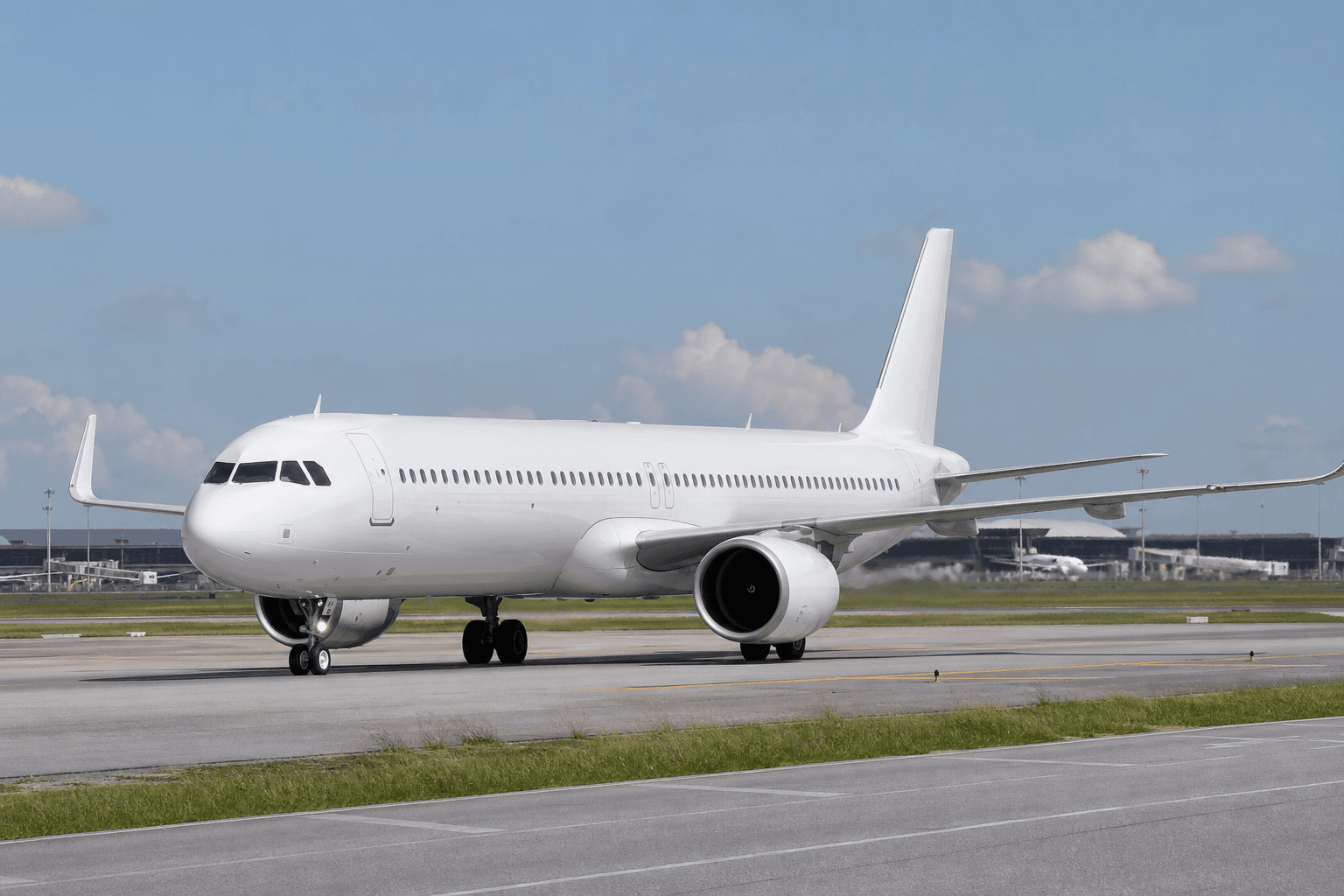
AirAsia X ends widebody expansion, pivots to Airbus A321XLR single-aisle strategy
In mid-2026, Airbus was hit with a major decision from one of its long-standing customers. AirAsia X and Airbus reached a mutual agreement to remove the remaining 15 Airbus A330-900 aircraft from the manufacturer's backlog. The decision unravels a long-shelved widebody expansion plan that had previously been framed as the future of budget travel across the Asia-Pacific region. Now formally striking these twin-aisle flagships from its future alignment, the airline group has reached an undeniable conclusion: the economic realities of flying massive, multi-aisle jets on long-distance budget routes no longer make structural sense in a volatile global market.
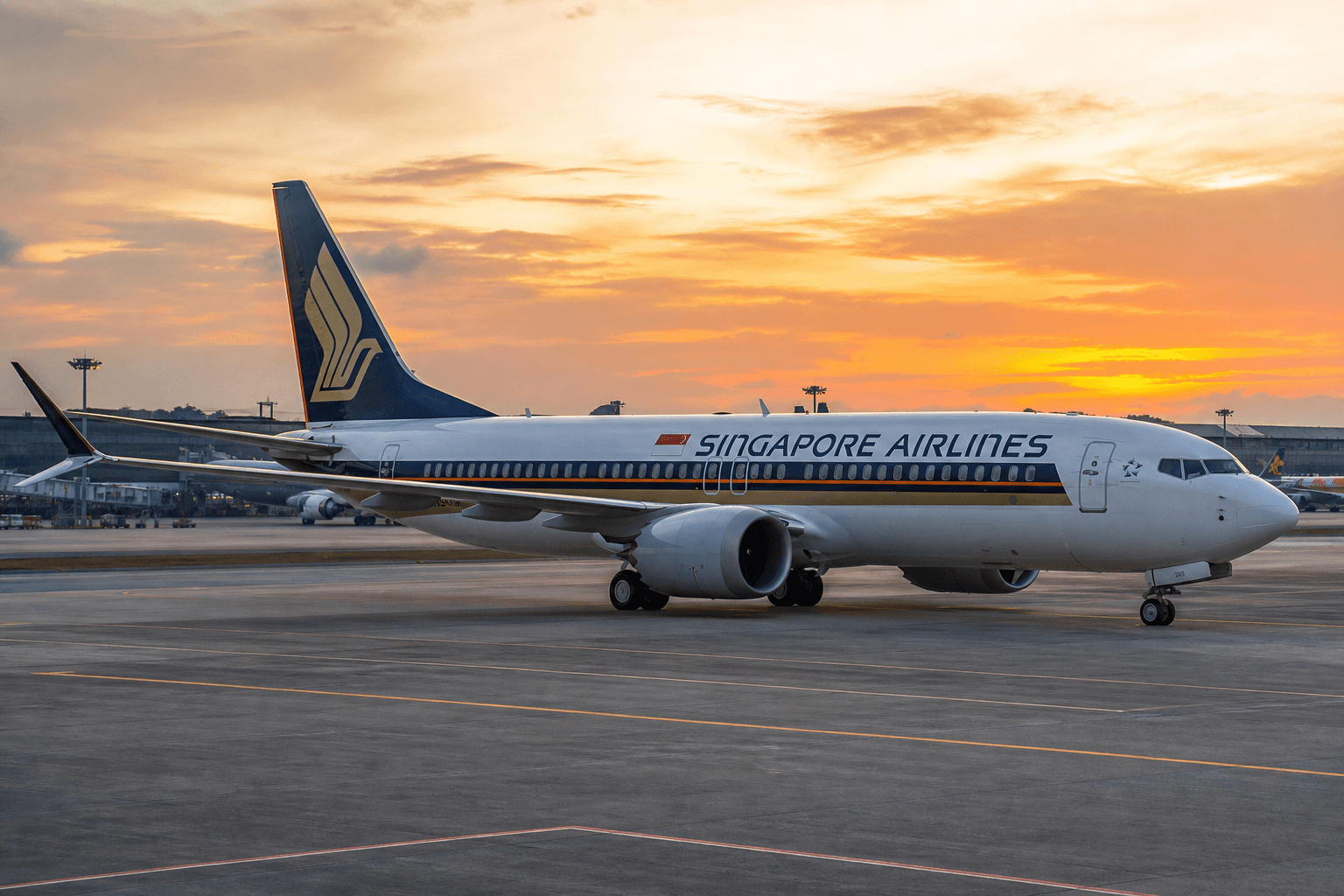
Singapore Airlines Operates 11 Boeing 737 MAX Routes Up to Nearly 7 Hours
The Boeing 737 MAX is the latest generation derivative of one of the world's most popular short-haul aircraft types. While this still remains the case, modern technology has allowed narrowbody aircraft to fly for longer distances, unlocking an interesting market segment of long-range narrowbody services.
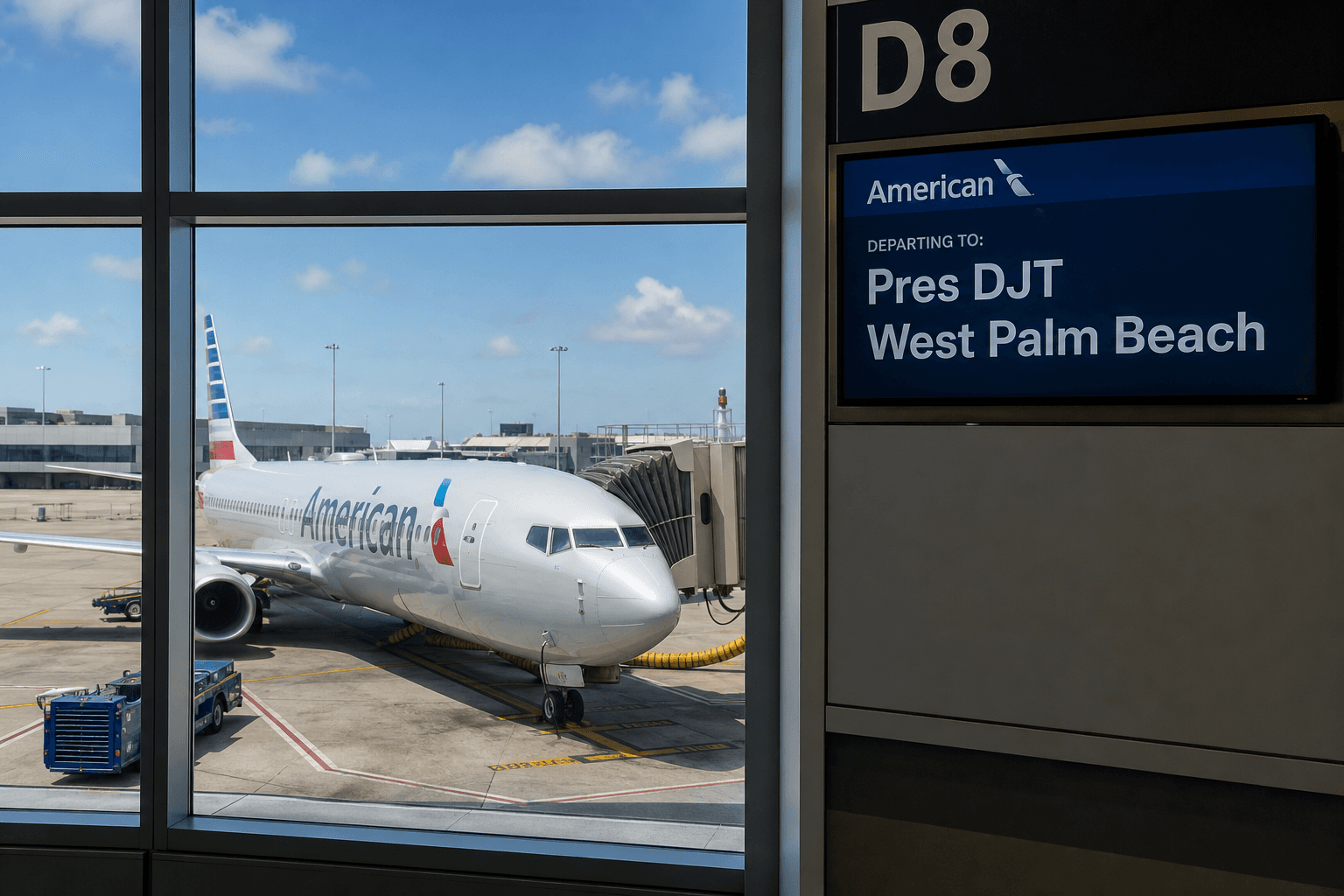
American Airlines Lists West Palm Beach as 'Pres DJT' on Gate Screens, Breaking Usual Naming Pattern
American Airlines now labels West Palm Beach "Pres DJT" on gate screens, departing from its usual practice of naming airports only when distinguishing between multiple airports serving one city. Clinton and Ford airports receive no such treatment.
The Daily Touch & Go
The day's best aviation news in your inbox. Free, no spam.