

Image: Julian Herzog ( Website ) · CC BY 4.0 · via Wikimedia Commons
American Airlines Launches Six New Transatlantic Routes from US Hubs to Europe
American Airlines expands its 2026 summer network with six nonstop flights from three US hubs to key European destinations, mixing new and returning city pairs across Scotland, Italy, Greece, Hungary, Czech Republic and Switzerland.
The gist
American Airlines introduces six nonstop transatlantic routes in 2026, enhancing connections from US hubs to vibrant European cities with new and restored services.
Continuing coverage
All Transatlantic Routes →- American Airlines Deploys Airbus A321XLR on Nine Routes with 155 Seats Each
- Delta Orders 16 High-Cabin Airbus A330-900neos With 56 Delta One Suites Each
- IAG Q2 profits fall as Aer Lingus loss and fuel costs weigh; Vueling to get first 737 Max jets
- Aer Lingus cuts three US routes and trims fleet amid rising transatlantic rivalry
- JetBlue shifts Boston-Amsterdam route to seasonal schedule starting late 2026
American Airlines has significantly broadened its transatlantic flight offerings in 2026 by launching six nonstop routes connecting major US hubs with prominent European destinations. These additions, operational between March and May, mark the airline's largest summer schedule deployment yet, reinforcing its competitive presence across the Atlantic corridor. The expanded network combines newly introduced flights and the revival of previously suspended routes, targeting both popular tourism centers and markets with less direct competition.
The new routes encompass flights from New York John F. Kennedy International Airport (JFK), Miami International Airport (MIA), Philadelphia International Airport (PHL), and Dallas/Fort Worth International Airport (DFW). Notably, JFK–Edinburgh resumed service on March 8 using American’s latest Airbus A321XLR aircraft, delivering 155 seats in three classes on this seasonal link to Scotland. Miami–Milan Malpensa commenced on March 29 as a year-round route with Boeing 787-8 aircraft offering 234 seats across three cabins.
Further expansions launched May 21, featuring DFW–Athens and DFW–Zurich alongside Philadelphia’s connections to Budapest and Prague. The Athens route represents a new city pair for American, served by Boeing 777 widebodies with flexible configurations between the 777-300ER and 777-200ER variants. Zurich’s seasonal summer service returned after nearly two decades, coinciding with increased travel demand related to the FIFA World Cup held in the region.
Philadelphia emerges as a critical transatlantic gateway within American’s strategy, now providing nonstop service to 19 European destinations during the summer 2026 peak. The reinstated Budapest and Prague routes reestablish the carrier's footprint over central Europe while offering customers convenient one-stop connections throughout the extensive domestic network feeding into Philadelphia. The Budapest link is particularly strategic since American remains the sole US airline with a nonstop flight to the Hungarian capital, differentiating its service portfolio.
Dallas/Fort Worth’s new offerings diversify European access from the Southwest US, strengthening links to Greece and Switzerland. These routes not only fill gaps left by previous suspensions but also align with broader strategic aims to serve both leisure and business travelers connecting through an expansive hub network. Miami’s Milan service extends year-round availability to Italy, augmenting connections between Latin America and Europe through the South Florida gateway.
Aircraft deployment choices reflect American’s calibrated approach to route demand and operational efficiency. The Boeing 787-8 is deployed on routes balancing capacity with range, such as Miami–Milan and Philadelphia–Budapest/Prague, while the A321XLR introduces a modern narrowbody option on JFK–Edinburgh, maintaining premium cabin availability on thinner routes. The versatile Boeing 777 series on DFW routes provides higher capacity and configuration flexibility, catering to seasonal demand shifts.
This series of route launches is integrated within American Airlines’ overall international expansion, coinciding with its centennial summer marked by an unprecedented 750,000 flights across multiple networks and up to 70 daily US-Europe flights. The varied roles of its hubs—New York as the A321XLR showcase, Miami as a year-round European gateway, Philadelphia as a central transatlantic portal, and Dallas/Fort Worth as a broad feeder for long-haul flights—underscore an adaptive strategy focused on network depth and passenger choice.
From a passenger perspective, these route additions do not radically overhaul American’s European operations but rather restore valuable city pairs and add strategic new connections. The approach blends aircraft innovation, targeted market reentry, and geographic expansion to deepen American’s footprint and competitive stance across the Atlantic in 2026 and beyond.
Frequently asked questions
- Which new and returning European destinations did American Airlines add nonstop flights to in 2026?
- American Airlines added nonstop flights to Edinburgh, Milan, Athens, Zurich, Budapest, and Prague in 2026, combining new routes like Dallas-Fort Worth to Athens with returning services such as JFK to Edinburgh.
- What aircraft types is American Airlines using on these new transatlantic routes?
- American deploys Airbus A321XLR on JFK–Edinburgh, Boeing 787-8 on routes including Miami–Milan and Philadelphia–Budapest/Prague, and Boeing 777 variants on Dallas-Fort Worth–Athens and Zurich, adapting capacity and range to market demand.
- How do these new routes fit into American Airlines' broader international strategy?
- The new routes are part of American's largest summer schedule, enhancing hub roles with Miami supporting year-round Italy connectivity, Philadelphia expanding European gateway services, Dallas-Fort Worth increasing its international reach, and New York showcasing the A321XLR on transatlantic flights.
Read more
All Airlines →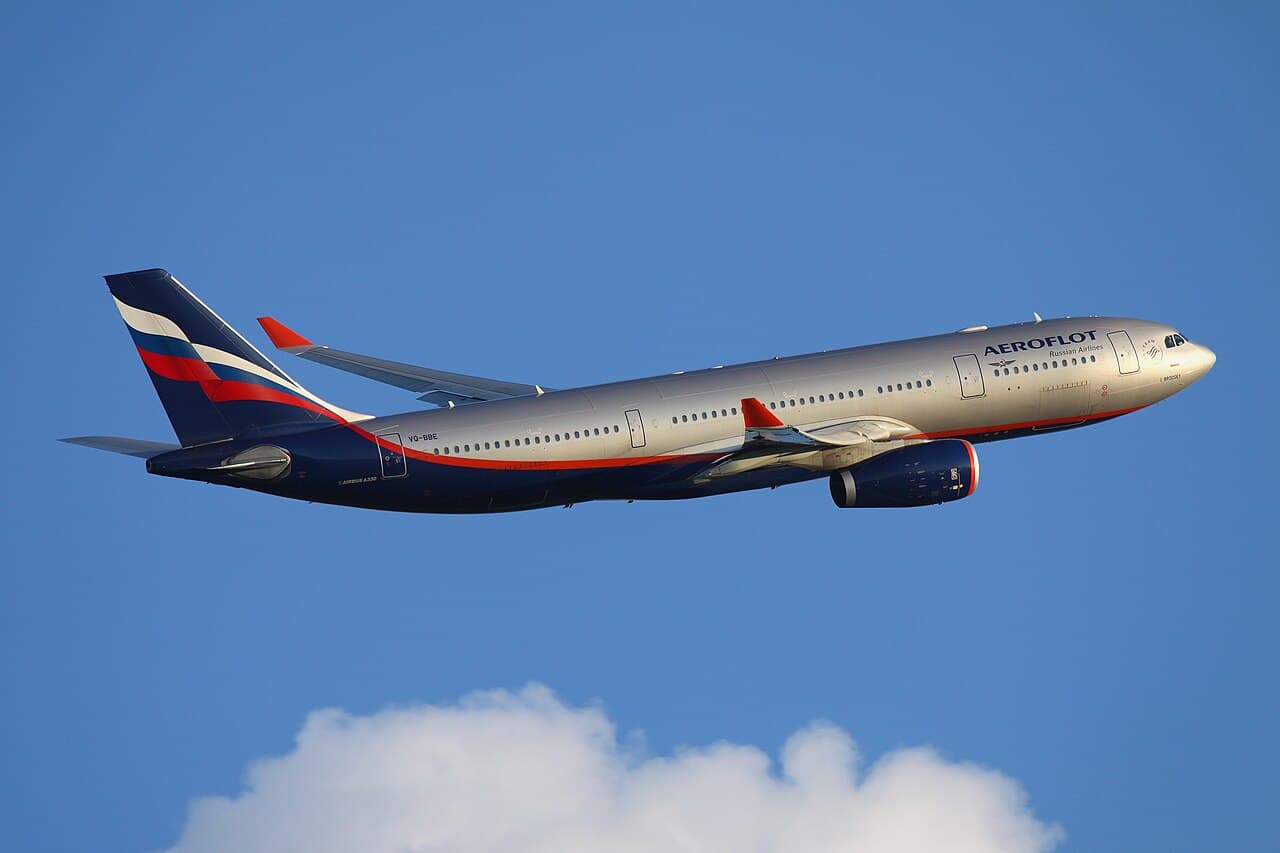
Delta Orders 16 High-Cabin Airbus A330-900neos With 56 Delta One Suites Each
Delta Air Lines' newest batch of Airbus A330-900neos will be fitted with 56 Delta One Suites, almost double the number fitted to the aircraft the carrier flies today. 16 examples of the 'high J' configuration were ordered in January and will complement Delta's existing fleet of 39 A330neos and more than 40 previous-generation A330s.
American Airlines Struggles to Match Delta and United in Profitability Despite Market Size
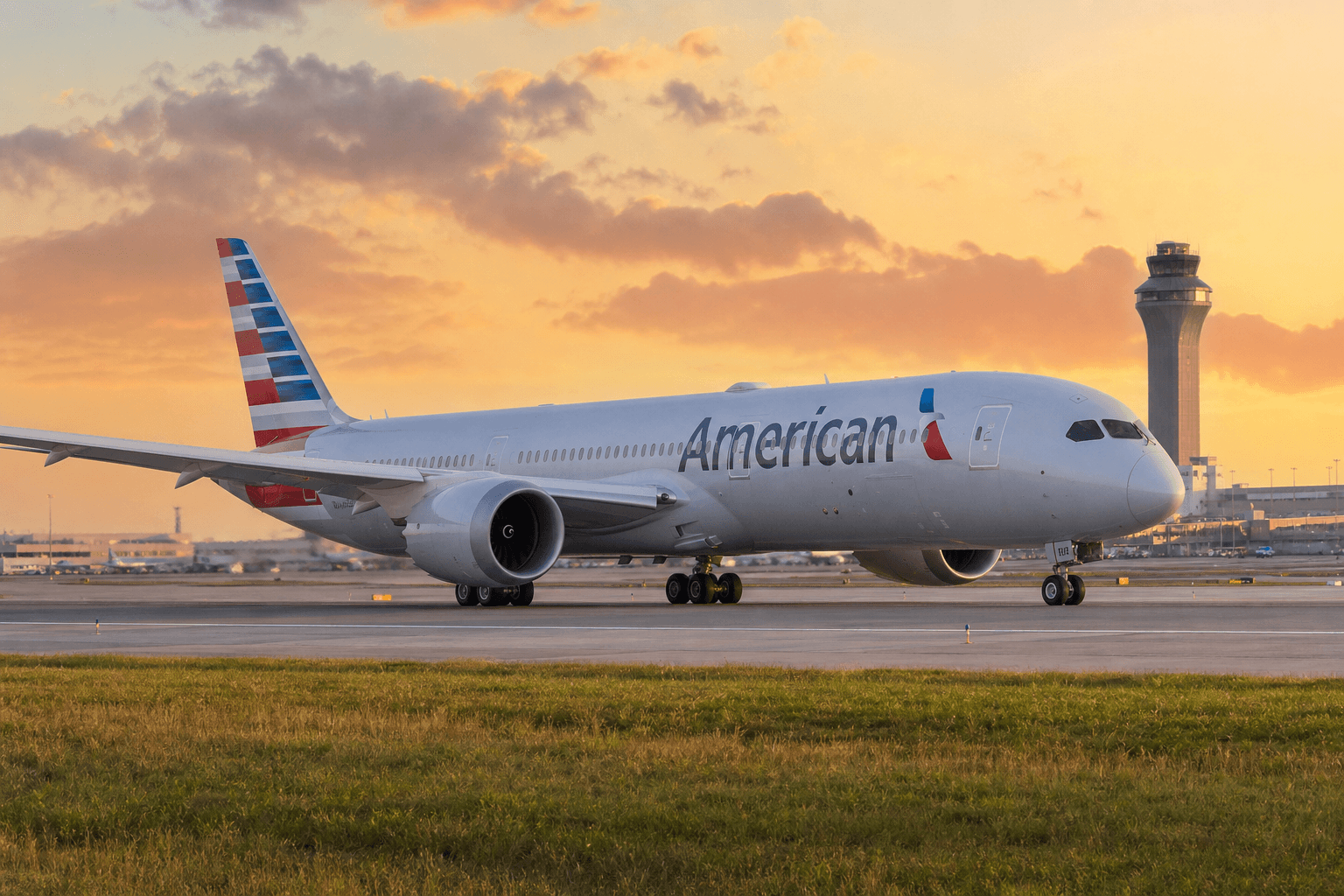
American Airlines was founded in 1930 through a merger of 80 airlines. It wouldn't be until 2013 that American as we know it today was born through a merger with US Airways. With over 223 million passengers carried in 2025, the oneworld carrier remains one of the world's largest airlines alongside its largest competitors, Delta Air Lines and United Airlines . Despite this, American is lagging behind on one key metric: profitability. A gap the Dallas-based airline is desperately looking to close over the coming years.
American Airlines' Sun Belt Strategy Reflects Constraints More Than Choice, Experts Say
Insiders argue American Airlines has reversed disastrous sales and distribution mistake while still running the same old strategy that left it weak in major markets. That critique is partly right, but incomplete: American's Sun Belt focus was less a fresh strategic choice than the result of years of retreat from competition, premature aircraft retirements, slot and gate constraints, and a long-running failure to value the markets that drive loyalty and credit card spend.
American Airlines Flights Clash Near Phoenix Due to Duplicate Flight Numbers
Two American Airlines flights using the same flight number were airborne near Phoenix at the same time, on the same air traffic control frequency, and one accepted instructions meant for the other. The planes never lost required separation, but the communications close call highlights a strange problem facing major carriers: in a codeshare-heavy world, airlines are running out of usable flight numbers.
The Daily Touch & Go
The day's best aviation news in your inbox. Free, no spam.