

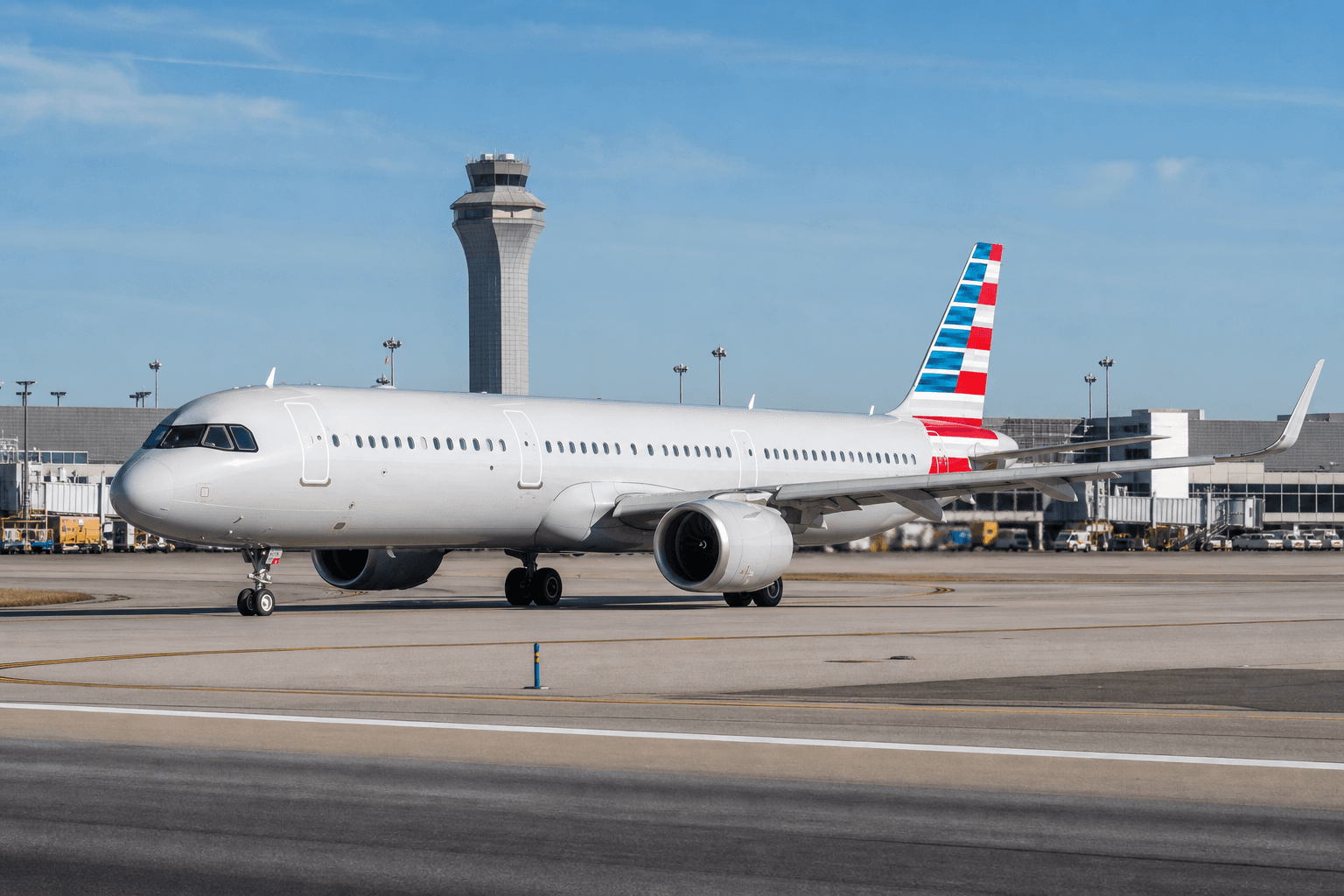
Illustration: The Touch & Go
American Airlines A321neo Exit Row Offers More Legroom Than Domestic First Class
One Main Cabin Extra exit row on American Airlines' Airbus A321neo provides up to 45 inches of pitch, exceeding the legroom found in domestic first class seating.
The gist
An American Airlines A321neo exit row seat in Main Cabin Extra surpasses first class legroom, challenging traditional comfort assumptions.
Continuing coverage
All Airbus A321neo →- Turkish Airlines Subsidiary AJet Leases Five New Airbus A321neos from BOC Aviation
- Viva Uses First JOLCO Financing to Acquire New A321neo Amid Liquidity Focus
- Avolon to acquire 11 Airbus A321neos ordered by Frontier Airlines
- Avolon Acquires 11 Airbus A321neos Originally Ordered by Frontier Airlines
- BOC Aviation to Lease Eight Airbus A321neos to STARLUX Airlines Starting 2028
American Airlines operates a significant fleet of Airbus A321neo aircraft that serve a diverse range of domestic routes, from short Northeast shuttles to longer transcontinental journeys and high-traffic leisure destinations. The aircraft typically feature a two-class layout consisting of a domestic first class cabin and a Main Cabin Extra section that offers additional legroom for economy passengers. However, one peculiar aspect of this configuration is that a specific exit row in Main Cabin Extra on the A321neo surprisingly provides more legroom than the domestic first class cabin.
American Airlines equips its first class on the A321neo with Collins MiQ recliner seats that measure about 20 to 21 inches wide, offering roughly 36.5 to 37 inches of seat pitch along with five inches of recline. While these figures are adequate for domestic flying, they are modest compared to newer premium economy-style alternatives seen on competing carriers. The lack of seatback entertainment systems in these first class seats further diminishes the premium feel, as passengers must use their own devices to access streaming media via the airline's onboard platform. This contrasts with Delta and United, which have incorporated modern cabin designs featuring large HD displays, multiple charging options, and advanced connectivity.
The Main Cabin Extra seats on the A321neo present a tight gap in comfort compared to first class, with seat pitch ranging from 33 to 34 inches. This pitch is only 3 to 4 inches shorter than first class, narrowing the physical comfort differences considerably. Given this small margin and the fact that Main Cabin Extra provides benefits like priority boarding and complimentary alcoholic beverages, some travelers find this section a more cost-effective upgrade over full first class, especially on shorter flights where the marginal comfort gain may not justify first class prices.
Most notably, the exit row 27 in Main Cabin Extra radically alters this comparison. This row offers an exceptional legroom pitch between 43 and 45 inches, significantly exceeding the first class measurement by up to eight inches. This unusual legroom advantage is rare in commercial aircraft and provides increased knee and foot space for passengers in this row, which can be a decisive factor for taller flyers or those prioritizing stretching ability. The trade-offs include fixed armrests due to stowed tray tables and no under-seat storage during takeoff and landing as bags must be secured in overhead bins.
Passengers sitting in exit row 27 must also meet eligibility requirements given the emergency exit responsibilities, including being physically capable of assisting during an evacuation. Despite these conditions, the notable extra legroom combined with Main Cabin Extra perks substantially challenges the traditional premium cabin advantage. It also affects passenger choice, as many seasoned travelers carefully select seats within the economy cabin to maximize comfort and value rather than automatically opting for first class.
Pricing dynamics reinforce this trend. Instant paid upgrades to first class on American Airlines' A321neo vary by route and timing but can be around $69 on short hops like Boston to New York. Meanwhile, buying a Main Cabin Extra seat on longer leisure routes, such as Washington National to Las Vegas, often ranges from $70 to $78 above standard economy fares. Considering these figures and the actual comfort benefits, the exit row seat offers a compelling alternative to the first class upgrade.
This contrast between physical seat comfort and premium cabin pricing underscores evolving passenger expectations. While American Airlines continues to offer traditional recliner seats with limited seatback entertainment in domestic first class, many customers are drawn to the spacious exit row in Main Cabin Extra that outperforms first class by tangible metrics. This situation highlights the need for airlines to continue innovating cabin designs and offerings to reconcile physical amenities with service and pricing models.
Frequently asked questions
- How much legroom does American Airlines' domestic first class provide on the A321neo?
- American Airlines' domestic first class on the A321neo offers approximately 36.5 to 37 inches of seat pitch, with seats measuring about 20 to 21 inches wide and around five inches of recline.
- What makes exit row 27 in Main Cabin Extra notable on American Airlines' A321neo?
- Exit row 27 features between 43 and 45 inches of pitch, exceeding domestic first class legroom by up to eight inches, providing significantly more space for passengers who meet eligibility requirements.
- How does the cost of Main Cabin Extra compare to first class upgrades on American Airlines' A321neo?
- Main Cabin Extra seats typically cost $70 to $78 above standard economy fares on longer routes, which can be similar to or less than instant paid first class upgrades that may cost around $69 on short flights, making Main Cabin Extra an attractive value.
Read more
All Airlines →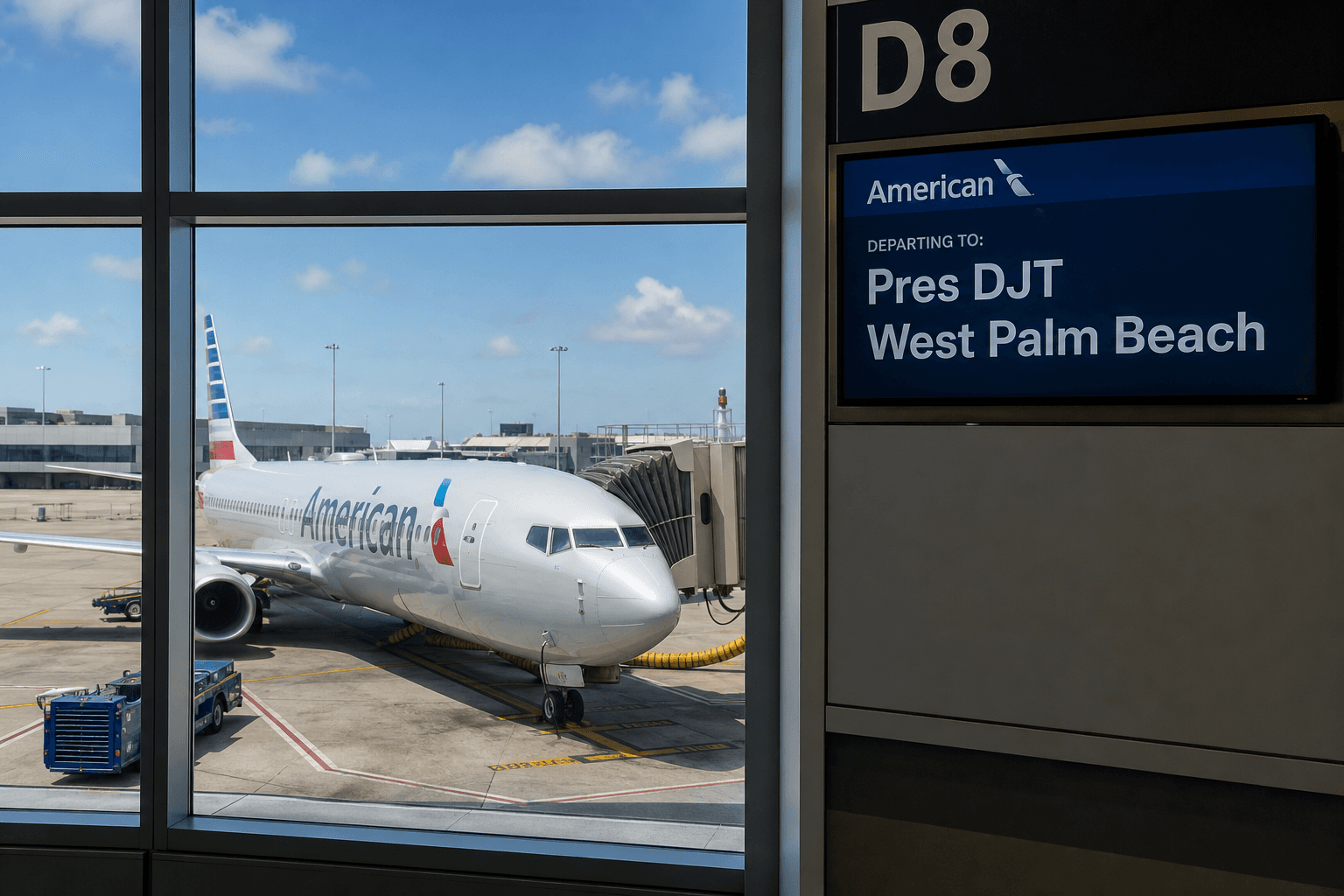
American Airlines Lists West Palm Beach as 'Pres DJT' on Gate Screens, Breaking Usual Naming Pattern
American Airlines now labels West Palm Beach "Pres DJT" on gate screens, departing from its usual practice of naming airports only when distinguishing between multiple airports serving one city. Clinton and Ford airports receive no such treatment.
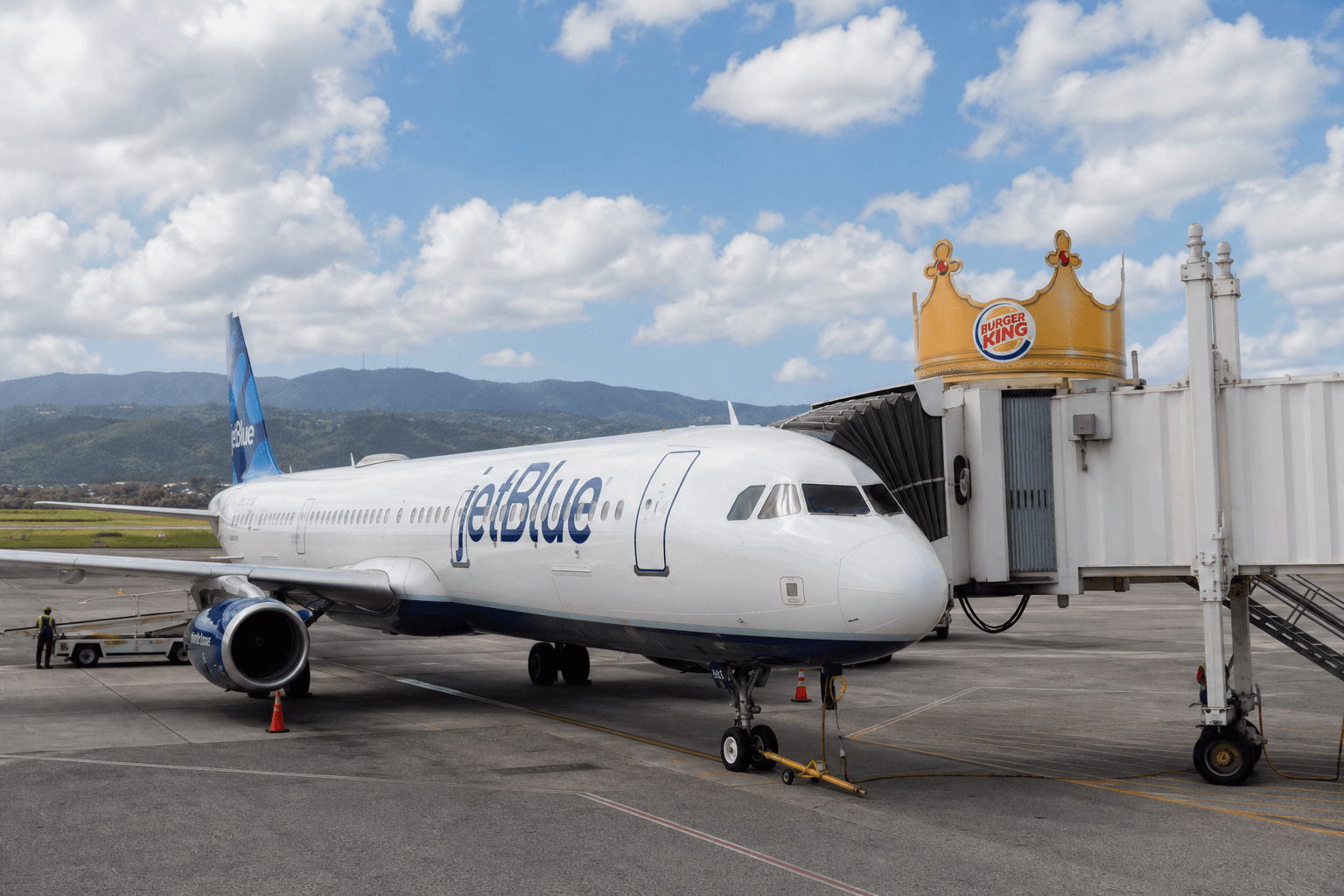
Man Known as Racist Burger King Flew to Jamaica for Facebook Bride, Then Abandoned
The man in the Burger King crown became an airline meme after racist outbursts got him removed from JetBlue and American. A buried Jamaican report says the trip began with a Facebook romance, a promised wedding, $1,000 lost—and nights sleeping on the beach.
![American Airlines Launches 13 Exciting New Nonstop International Routes [Full List]](/_next/image?url=https%3A%2F%2Favoibnodqwjxlpbhunuu.supabase.co%2Fstorage%2Fv1%2Fobject%2Fpublic%2Fstory-images%2Fai%2Famerican-airlines-launches-13-exciting-new-nonstop-international-routes-full-lis-c37331d2.png&w=3840&q=75)
American Airlines Unveils 13 New Nonstop International Routes in 2026 Expansion
International flights are a key part of the puzzle for American Airlines , which connects its home hubs to a wide range of international destinations. According to current data made available by Cirium , an aviation analytics company, a look at the carrier's international network in 2026 compared to 2025 shows that 13 new routes have started or will start this year.
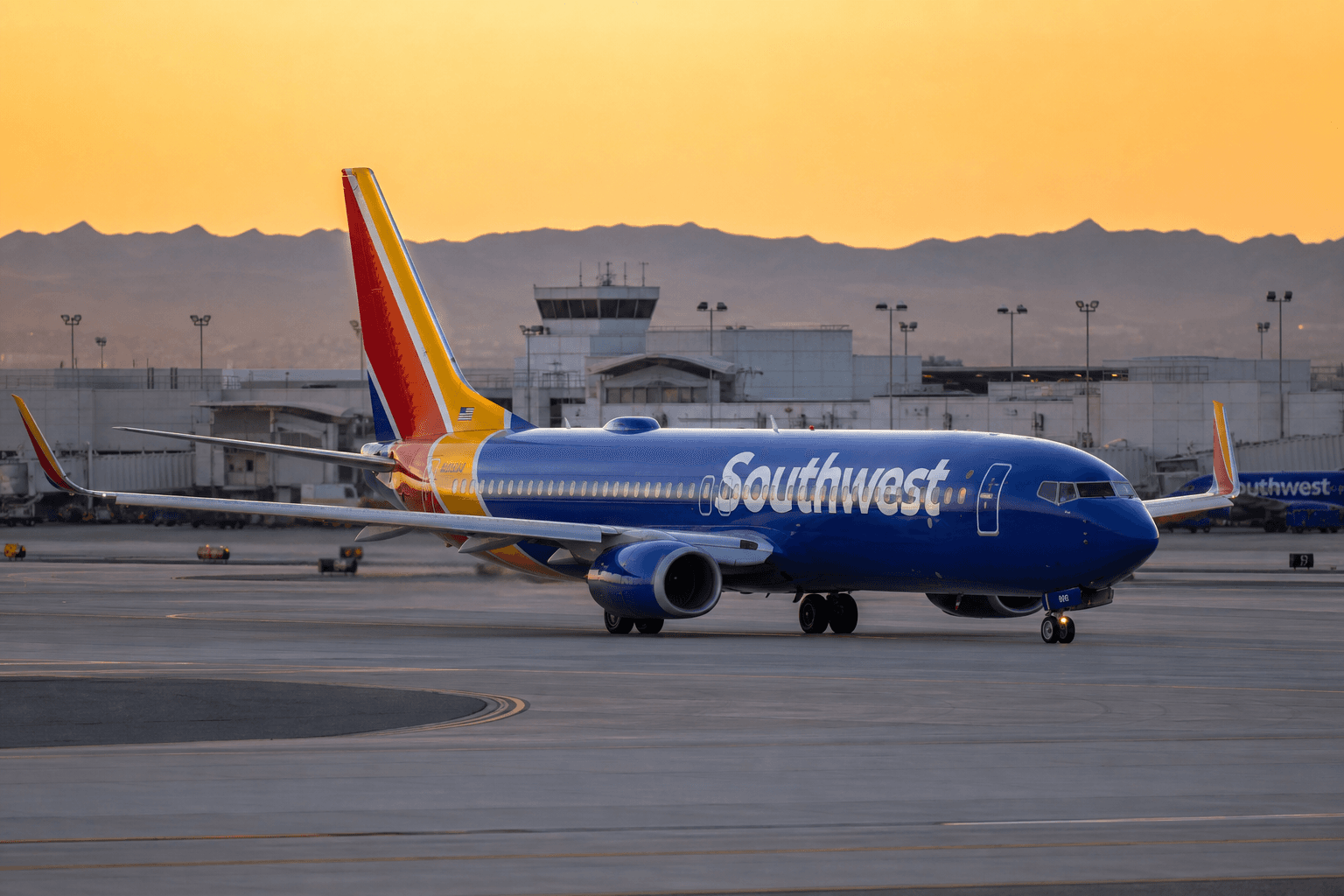
Southwest Airlines Companion Pass 2026 Qualifying Spend Revealed
Companion Pass is a unique and highly lucrative benefit offered by Southwest Airlines , which essentially allows elite members to travel with a companion for almost free. Customers still have to pay the taxes and fees for the second passenger (starting at $5.60 per way), but that's it. In addition, the Companion Pass can be used with no limits within a program year, and it stands as uniquely valuable during an era where scores of airlines have devalued loyalty programs to boost profit margins.
The Daily Touch & Go
The day's best aviation news in your inbox. Free, no spam.