

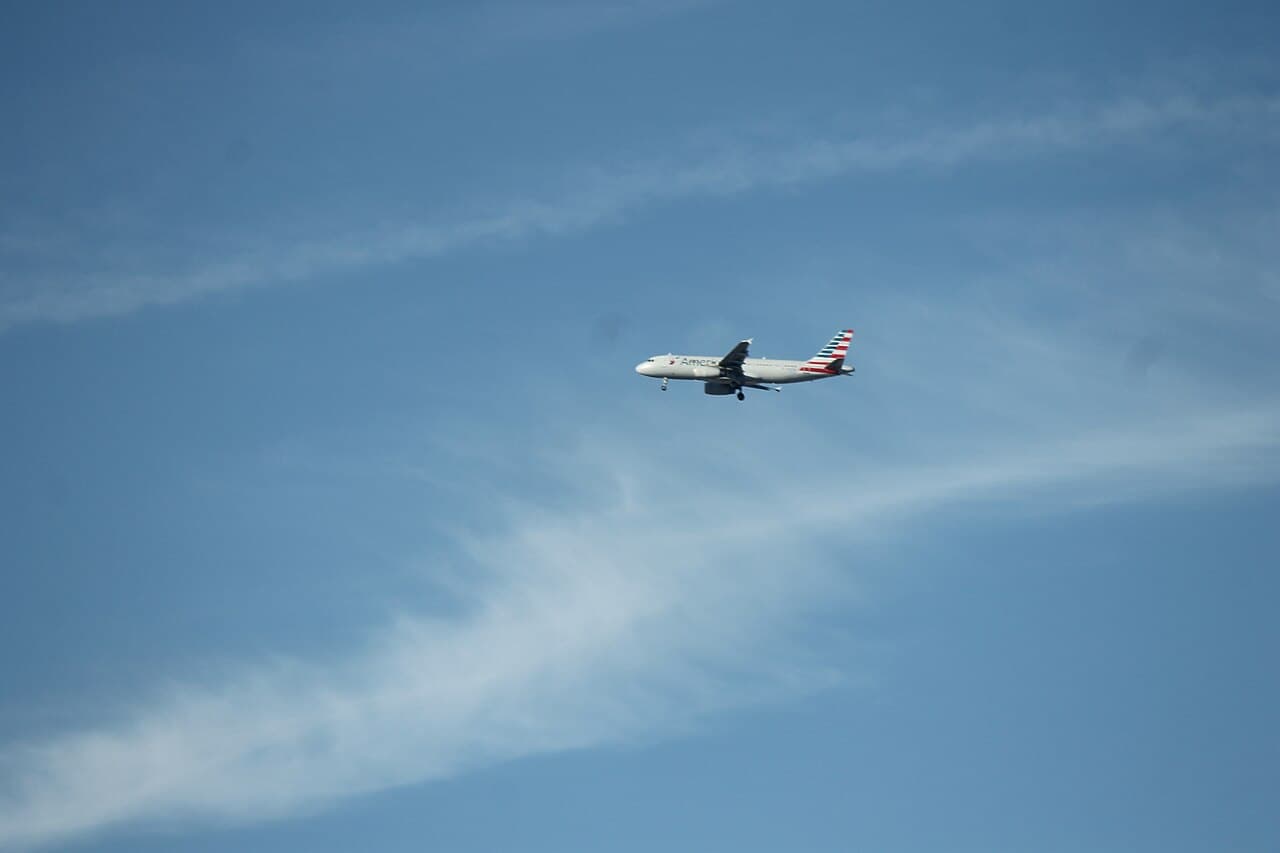
Image: Noah Wulf · CC BY-SA 4.0 · via Wikimedia Commons
American Airlines Marks 80 Years of Aircraft Maintenance Excellence at Tulsa Base
Since 1946, American Airlines' Tulsa maintenance base has evolved into the world's largest commercial aircraft overhaul hub, supporting over 400 aircraft annually.
The gist
American Airlines' Tulsa maintenance base celebrates 80 years as the largest commercial aircraft overhaul center, employing nearly 5,000 team members.
American Airlines’ base maintenance facility in Tulsa, Oklahoma, has reached a significant milestone, commemorating 80 years of continuous operation since its opening in 1946. Initially established on a former military aircraft plant site, the Tulsa facility has grown to become the world’s largest commercial aircraft maintenance base, underpinning the airline’s enduring commitment to aircraft safety and reliability. Today, the base services more than 400 aircraft annually and is critical to American’s technical operations network.
The Tulsa maintenance site came into American’s possession following World War II when the U.S. government declared the military aircraft plant surplus property. American Airlines negotiated a lease with the City of Tulsa, relocating its maintenance and engineering operations from New York’s La Guardia Airport to this expansive facility. At that time, Tulsa was emerging as a significant hub for aviation and aerospace, in part due to its skilled local workforce — a factor that remains central to the base’s success eight decades later.
Operations officially started in June 1946 with overhauls of Douglas DC-3 aircraft. Cyrus Rowlett Smith, then American’s CEO, expressed a forward-looking vision at the opening, emphasizing intentions of growth and integration within Tulsa and Oklahoma. His leadership foreshadowed the expansion and modernization that would define the base’s evolution over the coming decades.
The aircraft types maintained at Tulsa have mirrored technological advancements in commercial aviation. Early hangars serviced propeller-driven planes like the DC-3 and Convair 240. These gave way to the introduction of turbofan-powered aircraft such as Boeing 707s, followed by the 727, 747, McDonnell-Douglas DC-10, and later the MD-80. Currently, scheduled maintenance is performed on modern American Airlines fleets, including the Boeing 737 and 787 families, showcasing the facility’s adaptability to evolving aviation technology.
The Tulsa base spans 330 acres at Tulsa International Airport and encompasses 3.3 million square feet of hangar and workshop space. American is investing $400 million into facility improvements aimed at enhancing the operational capabilities and efficiency of this sprawling technical campus. In addition to the main base, adjacent offsite composite repair and wheel and brake facilities bolster the comprehensive maintenance and overhaul support available here.
A critical driver of Tulsa’s success is its workforce, which currently numbers nearly 5,000 employees, including over 2,300 licensed aviation maintenance technicians. These professionals cover a range of specialties such as aircraft overhaul, component repair, engine maintenance, engineering, supply chain, facilities upkeep, and IT services. The culture at Tulsa is notably intergenerational, with numerous families spanning multiple generations employed at the maintenance base.
American Airlines has also prioritized cultivating future aviation maintenance talent through partnerships like the one with Tulsa Tech, an educational institution that has produced many of the base’s current team members. The airline provides preferential hiring opportunities to top students and engages in mentorship and sponsorship activities. Notably, Tulsa Tech’s adult student team, supported by American Airlines mentors, won first place at the 2026 Aerospace Maintenance Council Competition, highlighting the effectiveness of this collaboration.
The Tulsa facility’s long history and its ongoing modernization efforts cement its role as a pivotal component of American Airlines’ operational safety and reliability. Covering a range of aircraft from the iconic DC-3 to the technologically advanced 787, Tulsa demonstrates the airline’s commitment to maintaining a robust and expert technical workforce. Continuous investment ensures that it remains prepared to support American’s fleet well into the future.
Read more
All Aviation Safety →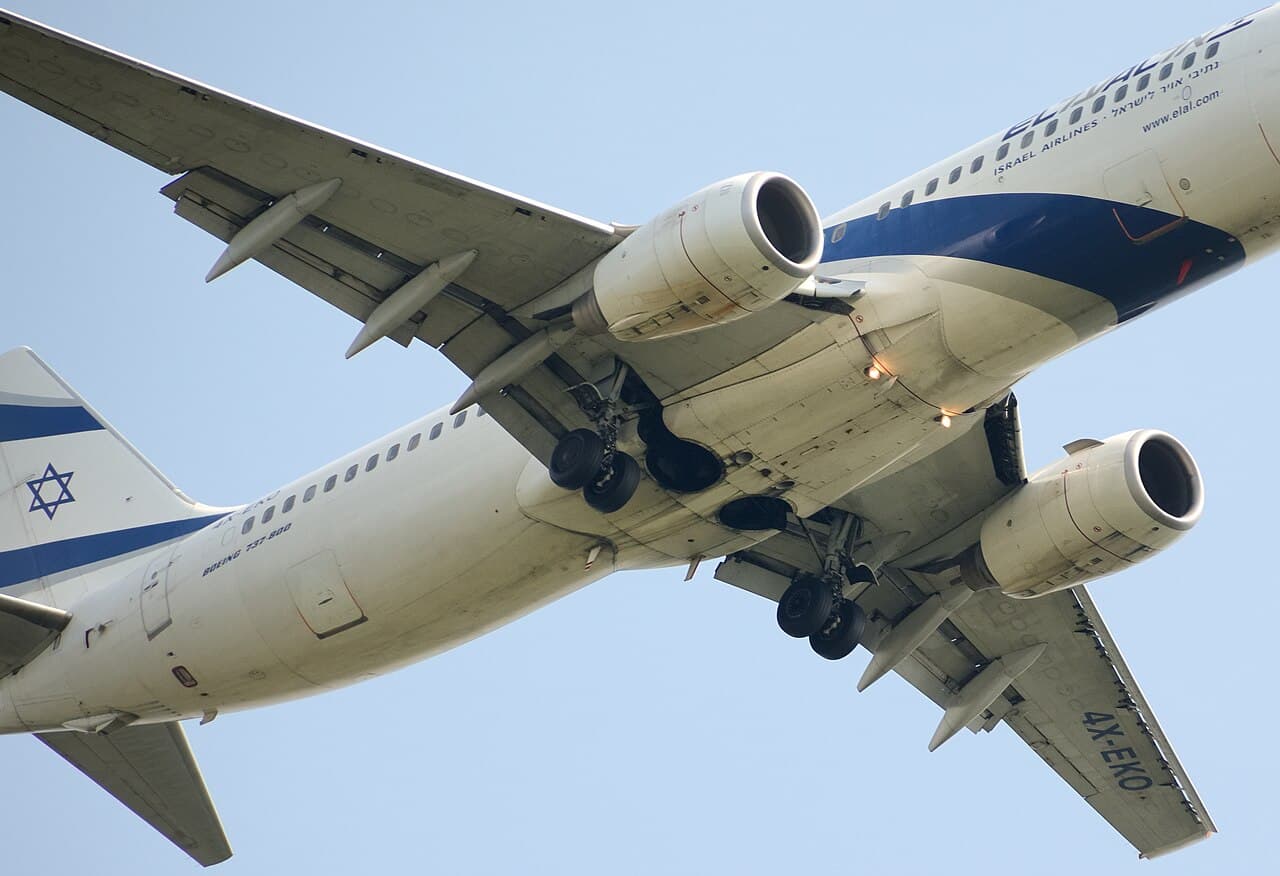
US Removes Fly Baghdad and Two Boeing 737s from Terrorism Sanctions List
The US Treasury Department has lifted sanctions on Iraqi airline Fly Baghdad and two of its Boeing 737s, more than two years after accusing the carrier of transporting fighters and weapons for Iran's Islamic Revolutionary Guard Corps (IRGC) Quds Force and allied militant groups. The Office of Foreign Assets Control (OFAC) removed Fly Baghdad, also known as Iraq Express, and the two aircraft from its Specially Designated Nationals list on August 5, 2026. A Treasury official said the airline had made major changes to its operations and had addressed the conduct that led to the sanctions. The department did not say exactly what those changes were. Fly Baghdad was sanctioned in January 2024 under US counterterrorism laws. At the time, the Treasury Department accused the airline of supporting the IRGC Quds Force by transporting personnel, weapons and money throughout the Middle East. The Treasury Department said Fly Baghdad flights had carried weapons to Damascus International Airport for delivery to the IRGC-Quds Force and Iran-aligned groups operating in Syria. The department said those shipments included missiles, rifles, rocket-propelled grenades and machine guns. US officials also accused Kata'ib Hezbollah of using Fly Baghdad flights to move fighters, weapons and cash to Syria and Lebanon. The Treasury Department said the airline helped move hundreds of Iraqi fighters in October 2023, including members of Iran-backed groups, following the October 7 Hamas attack on Israel. Fly Baghdad denied the allegations after the sanctions were imposed and said the US decision was based on incorrect information. The sanctions effectively barred US citizens and companies from doing business with Fly Baghdad and blocked any property or financial interests the airline held within US jurisdiction. The OFAC issued a temporary exemption in 2024 that allowed certain transactions needed for civil aviation safety and for companies to wind down existing agreements with the airline. That included maintenance, insurance, ground services and the repossession of leased aircraft. The two aircraft removed from the sanctions list were Boeing 737s that the Treasury Department had previously identified as blocked property belonging to Fly Baghdad. The aircraft carry Iraqi registrations YI-BAF and YI-BAN. The department said removing the airline from the list does not signal a broader change in US policy toward Iran, the IRGC or other groups designated as terrorist organizations. A Treasury official also said the decision was unrelated to current US negotiations with Iran over the conflict in the Persian Gulf. "FBA has demonstrated major changes to their operations such that their listing is no longer warranted," the official said. "They have addressed sanctionable conduct." The department said sanctions could be imposed again if circumstances change. The US action does not clear Fly Baghdad of separate restrictions elsewhere. The airline remains on the European Union's Air Safety List and is banned from operating within the EU because of what European regulators describe as serious safety deficiencies. Fly Baghdad and Iraqi Airways were among six individual airlines subject to an EU operating ban when the list was updated in June 2026. Fly Baghdad was established in 2014 and operates scheduled passenger services from Iraq to destinations around the Middle East and other parts of the region.
Defunct Cameroon Airlines Sues Boeing for $179M Over 1995 737-200 Crash
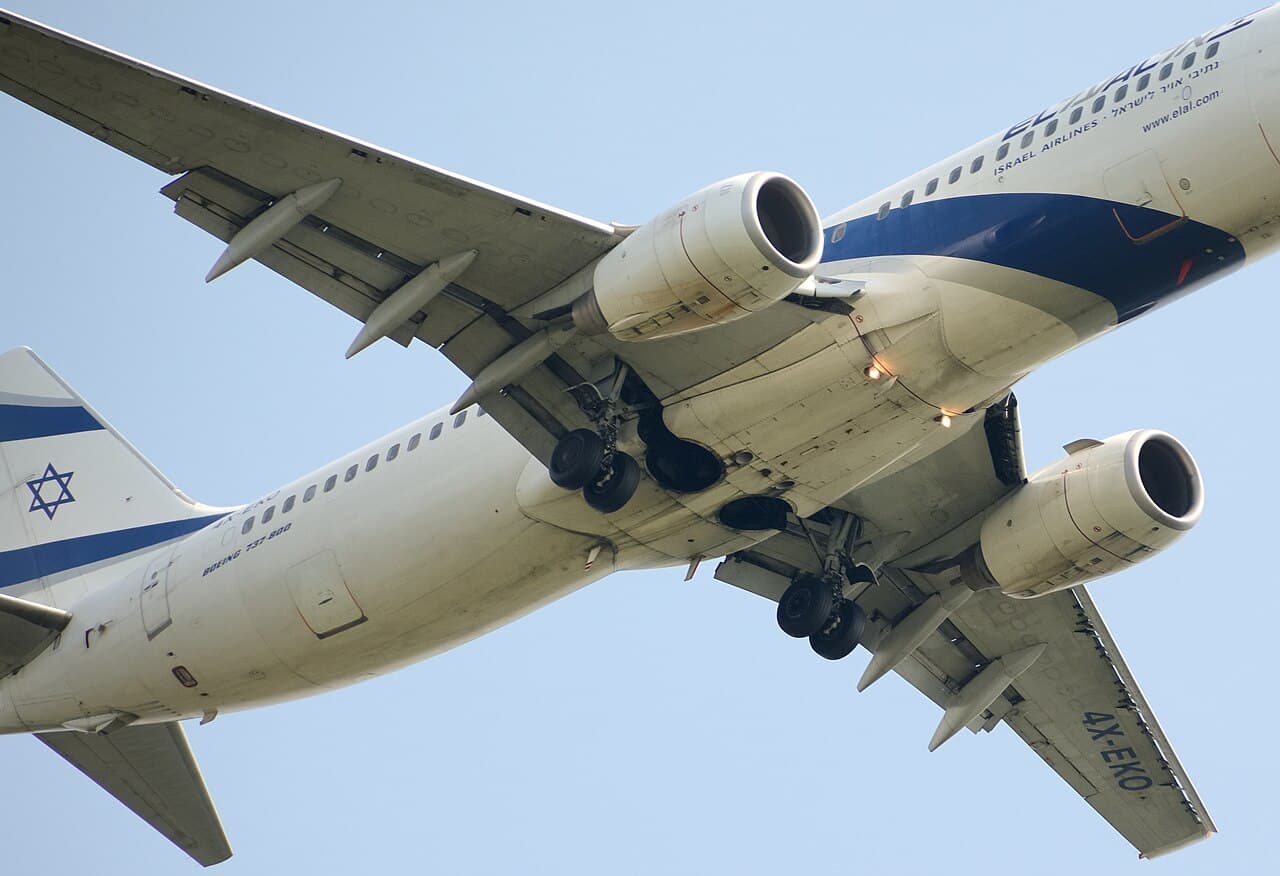
Boeing is suing to block a defunct airline's $179 million claim over a 1995 Cameroon Airlines 737 crash. The accident report blamed engine failure and pilot handling, while Boeing says the airline's purchase contract waived these claims decades ago.
American Airlines Q2 Profits Plunge 88%, Faces Potential 2026 Loss
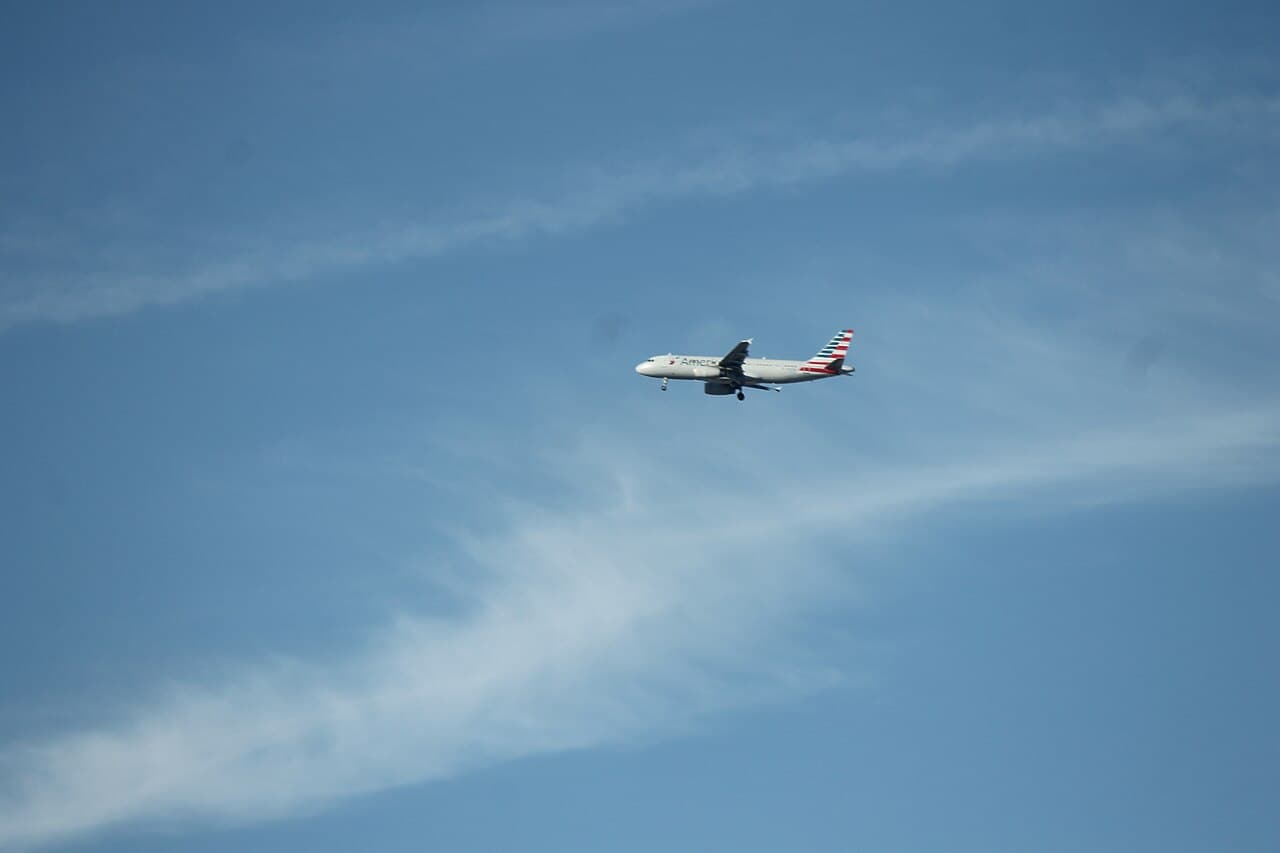
In recent weeks, we've seen the major US airlines report their Q2 2026 earnings. Obviously it's an unusual time for the industry — while we've seen a huge spike in jet fuel prices, we've also seen airlines be able to charge higher fares ( which they believe they can sustain ). In the United States, the story has largely been the same at most airlines — we're seeing record revenue, while profits are down year-over-year. However, the extent to which profits are down differs massively. American is obviously the carrier among the "big three" that's struggling the most, and it has just reported its financial results , including updated guidance. It's all not very pretty. American "only" earns $71 million in its (historically) best quarter When it comes to quarterly results, generally American's best quarter is Q2, followed by Q4, followed by Q3, followed by Q1. That's because Q2 covers spring and early summer travel (the peak summer travel period has moved forward), Q4 covers holiday travel, Q3 covers some summer and fall travel, and Q1 is… well, rough. Obviously you'd expect some year-over-year changes at airlines, reflecting higher revenue but also higher costs. However, in general you'd hope that American is somewhat "tracking" its competitors, in terms of the percent changes year-over-year. In 2025, American's annual profits plunged by 87% , and CEO Robert Isom promised significant upside. So, how are things going now? American has just reported a net income of $71 million for Q2 2026, representing an 88% year-over-year decrease in net profit. As a point of comparison, Delta and United saw profits decrease by 25% and 17%, respectively. Airline Q2 2025 net income Q2 2026 net income Percent change American $599 million $71 million −88.1% Delta $2.13 billion ~$1.60 billion −24.9% United $973 million $805 million −17.3% Now, to be thorough, let's also compare Q1 2026 results compared to the previous year (keep in mind Q1 2025 was really rough due to the tariff situation, so all airlines saw a profit increase over that period). Airline Q1 2025 net income Q1 2026 net income Percent change American -$473 million -$382 million +19.2% Delta $240 million $570 million +137.5% United $387 million $973 million +151.4% It seems unlikely American will make money in 2026 American lost $382 million in the first quarter, and earned $71 million in the second quarter, so for the first half of the year, we're at a loss of $311 million, with the company's historically best quarter behind it. For context, in Q3 2025 American had a net income of -$114 million, and in Q4 2025 it had a net income of $99 million. At this point, it seems highly unlikely that American will turn a profit in 2026. American has also updated its full year 2026 guidance, and now expects earnings per share of -$0.65 to $0.65. That contrasts to the previous guidance of -$0.40 to $1.10. And keep in mind American's initial guidance for 2026 was $1.70 to $2.70. For context, Delta has maintained the same guidance throughout, of $6.50 to $7.50 per share. Meanwhile United's guidance has gone from $12 to $14 per share, to $9 to $11 per share. But worry not, folks, American CEO Robert Isom is "excited about the remainder of 2026," brags about how the carrier's "performance reflects the strength of [its] commercial strategy," and thanks the team "for their outstanding execution on [their] commercial and operational objectives during the quarter." The concept of American turning a profit this year seems like a pipe dream at this point, and must be based on assuming that oil prices crash, while the airline can maintain pricing power. 2026 isn't looking very promising for American Bottom line Admittedly no one expects that a turnaround will happen overnight, but American is continuing to lose ground to competitors when it comes to financial results, rather than narrowing the gap. The company had profits in Q2 decrease by 88%, and that's historically American's best quarter. Combined with the $382 million loss in the first quarter, it's hard to imagine a world in which the airline will turn a profit this year. As always, one can't help but be reminded of how in 2017, former American CEO Doug Parker said that the airline would never lose money again, and even in a bad year, the airline should earn around $3 billion in profits. That sure didn't age well, did it? One can't help but wonder how much longer the board will just sit on the sidelines as more and more ground is lost… What do you make of American's financial results, and how do you see this playing out?
NTSB and Ryanair Disagree Over Cause of Malta Air Boeing 737 Window Blowout Incident
On July 10, a Boeing 737-800 Next Generation jetliner operated by Ryanair's subsidiary Malta Air suffered an uncontained engine failure during initial ascent. While CEO Michael O'Leary placed the blame on foreign object damage, the National Transportation Safety Board has not yet ruled out equipment age or service issues in the CFM56 engine's catastrophic malfunction.
The Daily Touch & Go
The day's best aviation news in your inbox. Free, no spam.