

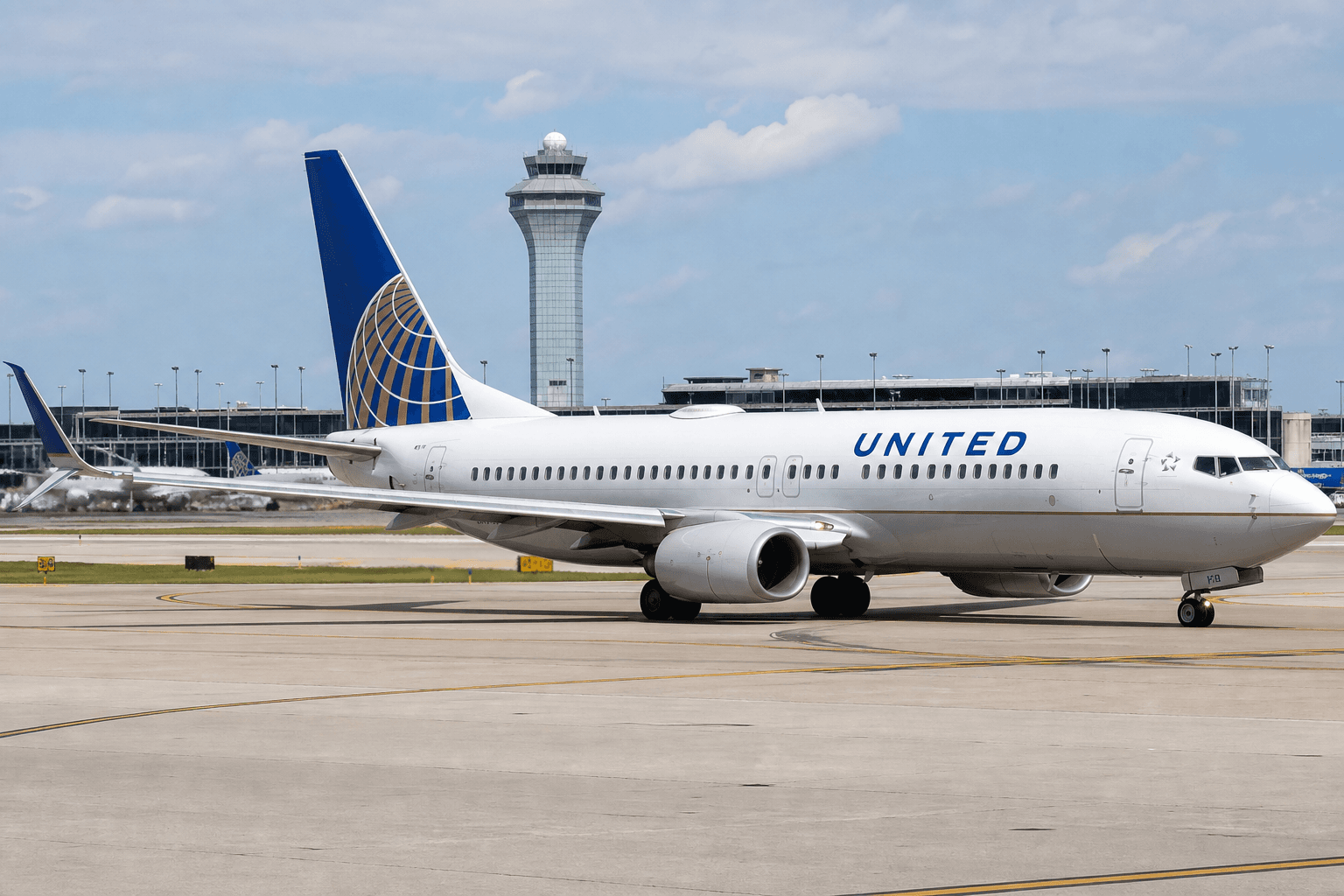
Illustration: The Touch & Go
United Airlines Flight Attendant Union Leader Helped Revise Canada Entry Rules for Crew with DUI
Scott Pejas, new head of United flight attendants' union group, played key role in easing Canadian admissibility rules for crew members with DUI records.
The gist
Scott Pejas changed United's policy so flight attendants with recent DUI convictions can keep flying without being dismissed due to Canadian entry bans.
Continuing coverage
All Flight Attendants →- FAA proposes to block state meal and rest break laws for airline crews
- FAA seeks to block state meal and rest break rules for flight crews nationwide
- Flight Attendant Numbers Determined by Safety Standards, Not Passenger Service
- Southwest Airlines Honors Two Flight Attendants on Its 55th Anniversary
- Flight Attendants Explore Diverse Career Paths Beyond Airlines
The Association of Flight Attendants - Communications Workers of America (AFA-CWA) represents about 55,000 flight attendants across nearly two dozen U.S. airlines, with United Airlines constituting the largest segment. Recently, United's flight attendants elected Scott Pejas as their Master Executive Council (MEC) President, entrusting him to lead nearly 30,000 crew members. Pejas, a United Airlines flight attendant since 1996, began his career in Los Angeles before transferring to Chicago O'Hare in 1999, where he remains active as both a flyer and union leader. Balancing the demands of representing tens of thousands of attendants at one of the nation's biggest airlines while continuing to work flights positions Pejas as a highly engaged advocate for his colleagues.
Pejas assumes leadership following the ratification of a new five-year collective bargaining agreement for United's flight attendants, securing scheduled pay increases and various contract improvements after protracted negotiations. While some frontline employees expressed frustration throughout this process, Pejas and his team are seasoned union representatives, having held local leadership roles prior to ascending to the MEC presidency. His prior experience as Chicago's local executive council leader, beginning in 2016, contributed notably to one of his significant union achievements: reforming United's Canada admissibility rules for crew.
Previously, United Airlines enforced a strict policy requiring flight attendants to have legal entry eligibility to all destinations in the airline's route network, reflecting Canadian immigration's tough stance on criminal records. Canada maintains stringent laws regarding driving under the influence (DUI), making anyone with a DUI conviction within the last five years inadmissible. This meant that flight attendants with such convictions risked termination since they could not legally enter Canadian territory, affecting their ability to operate certain flights within United's network.
The union, with active involvement from Pejas, negotiated a policy revision ensuring that crew members found inadmissible for Canada do not face mandatory termination. Instead, veteran flight attendants who hold consistent schedules or 'lineholders' can bid exclusively on trips that exclude Canadian destinations, thereby circumventing inadmissibility barriers. This accommodation allows valued crew members to maintain employment despite prior DUI convictions that would otherwise bar them from crossing into Canada.
The situation is more complex for newly hired or reserve flight attendants, who may be assigned trips involving Canadian stops on a rotating basis. In these cases, affected attendants receive a 'missed trip' designation when they cannot legally enter Canada. While recurrent missed trips could trigger disciplinary measures over time, this framework provides an opportunity for these crew members to retain their positions and continue flying other routes, reflecting a balanced compromise between operational requirements and individual circumstances.
United Airlines has adopted a comparable policy for its pilots, further extending protections for crew affected by Canadian admissibility issues. However, not all airlines have embraced such flexibility, and some still enforce termination policies for crew who cannot legally enter certain countries. The policy change championed by Pejas and the AFA-CWA marked a rare and beneficial adjustment that underscores the union's role in safeguarding employment rights in a complex regulatory environment.
This amendment represents a tangible outcome of union advocacy on behalf of flight attendants operating international routes, particularly where immigration law intersects with aviation employment. By enabling continued employment for crew barred from Canada due to DUI convictions, United has set a precedent that balances regulatory compliance with humane treatment of employees. It also alleviates the operational challenges of sudden crew losses while respecting strict national security and immigration standards.
Beyond the immediate benefits to affected flight attendants, this development highlights evolving labor relations at major U.S. airlines and the ongoing negotiation between operational necessities and workers' welfare. As international aviation routes continue to present logistical and legal complexities, policies like United's may serve as models for other carriers seeking to retain skilled employees while navigating strict border controls.
Frequently asked questions
- Who is Scott Pejas and what role does he have at United Airlines?
- Scott Pejas is a veteran United Airlines flight attendant elected as the Master Executive Council President representing about 30,000 United flight attendants.
- What change did Scott Pejas help bring about regarding United Airlines flight attendants with DUI convictions?
- He helped revise United's policy so that flight attendants with DUI convictions that make them inadmissible to Canada can still keep working by avoiding Canadian assignments or managing missed trips.
- How does United Airlines accommodate flight attendants who cannot enter Canada due to DUI laws?
- Veteran flight attendants bid on trips that exclude Canada, while reserve crew assigned trips with Canada stops get missed trips recorded, allowing them to remain employed though with some disciplinary risk.
Read more
All Airlines →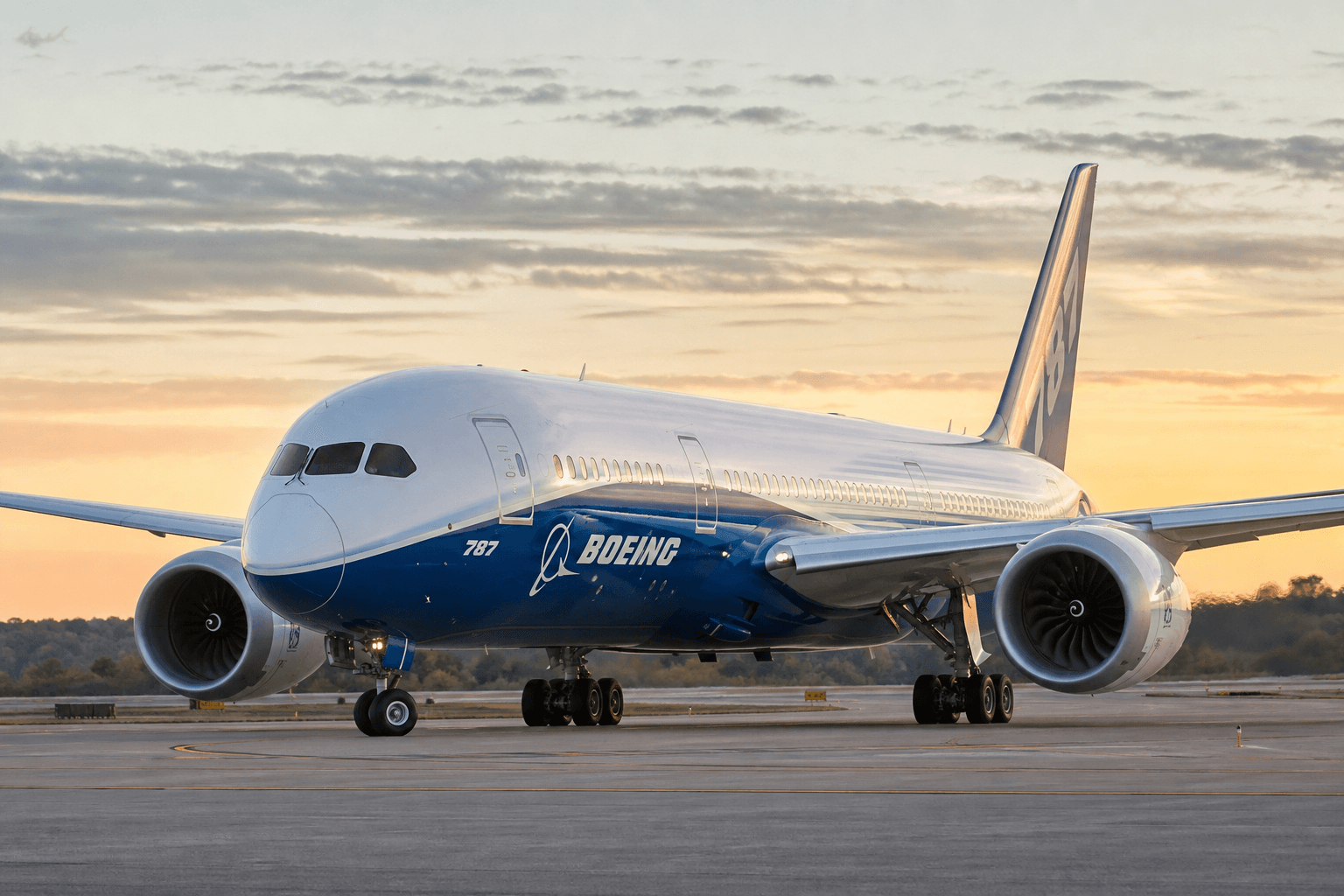
Boeing 787 Dreamliner List Price More Than Doubles Since 2011 Service Entry
The Boeing 787 Dreamliner represented one of the most ambitious commercial aircraft programs of the modern aviation era. Officially launched in 2004 and entering airline service in 2011, the aircraft introduced significant technological changes, including extensive use of composite materials, improved fuel efficiency, and long-range capabilities designed to reshape the economics of long-haul travel.
![American Airlines Launches 13 Exciting New Nonstop International Routes [Full List]](/_next/image?url=https%3A%2F%2Favoibnodqwjxlpbhunuu.supabase.co%2Fstorage%2Fv1%2Fobject%2Fpublic%2Fstory-images%2Fai%2Famerican-airlines-launches-13-exciting-new-nonstop-international-routes-full-lis-c37331d2.png&w=3840&q=75)
American Airlines Unveils 13 New Nonstop International Routes in 2026 Expansion
International flights are a key part of the puzzle for American Airlines , which connects its home hubs to a wide range of international destinations. According to current data made available by Cirium , an aviation analytics company, a look at the carrier's international network in 2026 compared to 2025 shows that 13 new routes have started or will start this year.
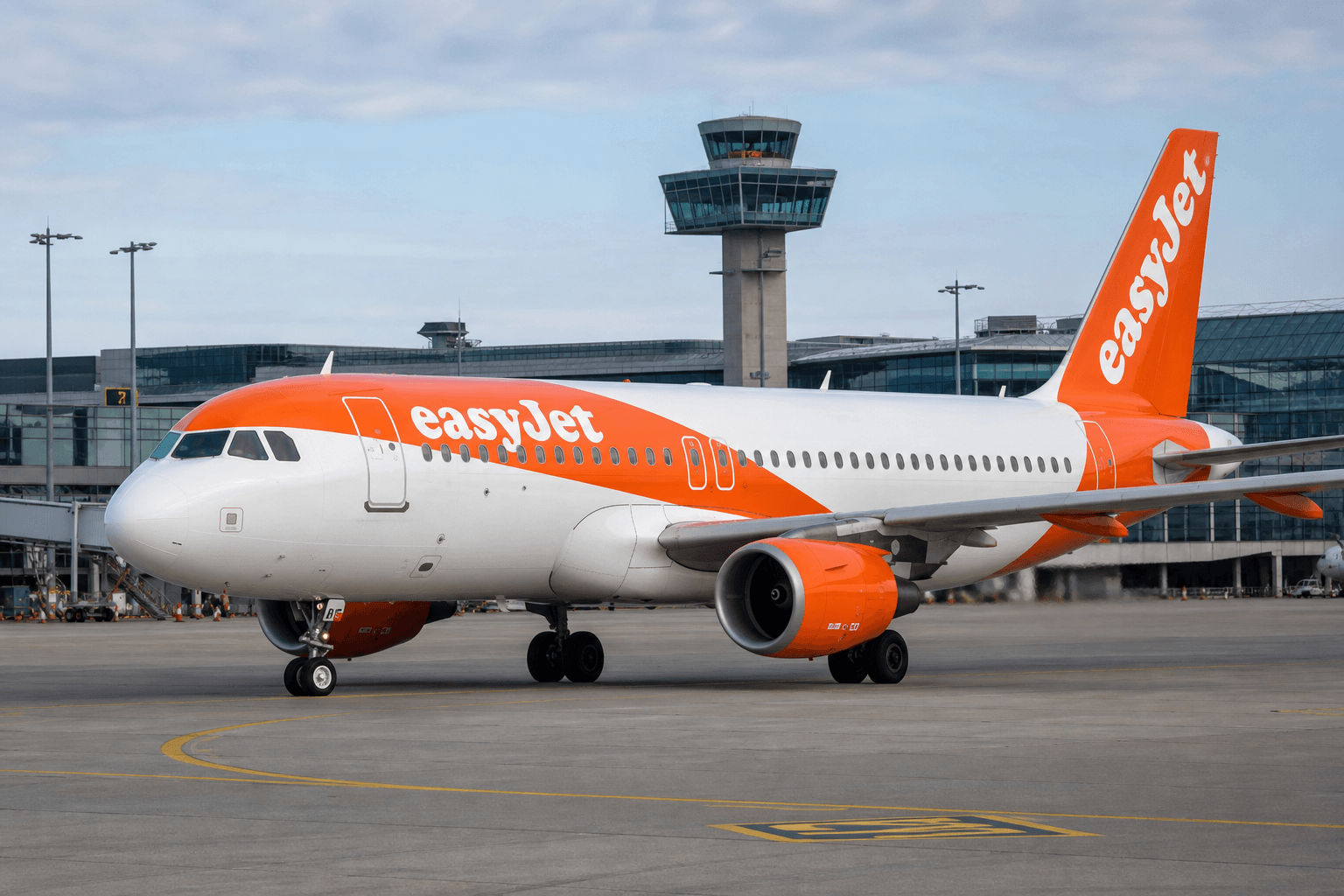
EasyJet Accepts $7.3 Billion Takeover Bid from Castlelake
The low-cost airline previously rejected several offers from alternative investment firm Castlelake.
![Delta Air Lines Launches 6 New Nonstop International Routes [Full List & Map]](/_next/image?url=https%3A%2F%2Favoibnodqwjxlpbhunuu.supabase.co%2Fstorage%2Fv1%2Fobject%2Fpublic%2Fstory-images%2Fai%2Fdelta-air-lines-launches-6-new-nonstop-international-routes-full-list-and-map-87bbc477.png&w=3840&q=75)
Delta Air Lines Expands Global Reach With Six New Nonstop International Routes
Delta Air Lines is the US's third-largest operator for international flights. Between July 2026 and March 2027, OAG data shows that the SkyTeam member plans an average of 244 daily departures. Compared to the same period in 2025-2026, international activity has jumped by 4%. Many new routes, some of which launched earlier this year , contributed.
The Daily Touch & Go
The day's best aviation news in your inbox. Free, no spam.