

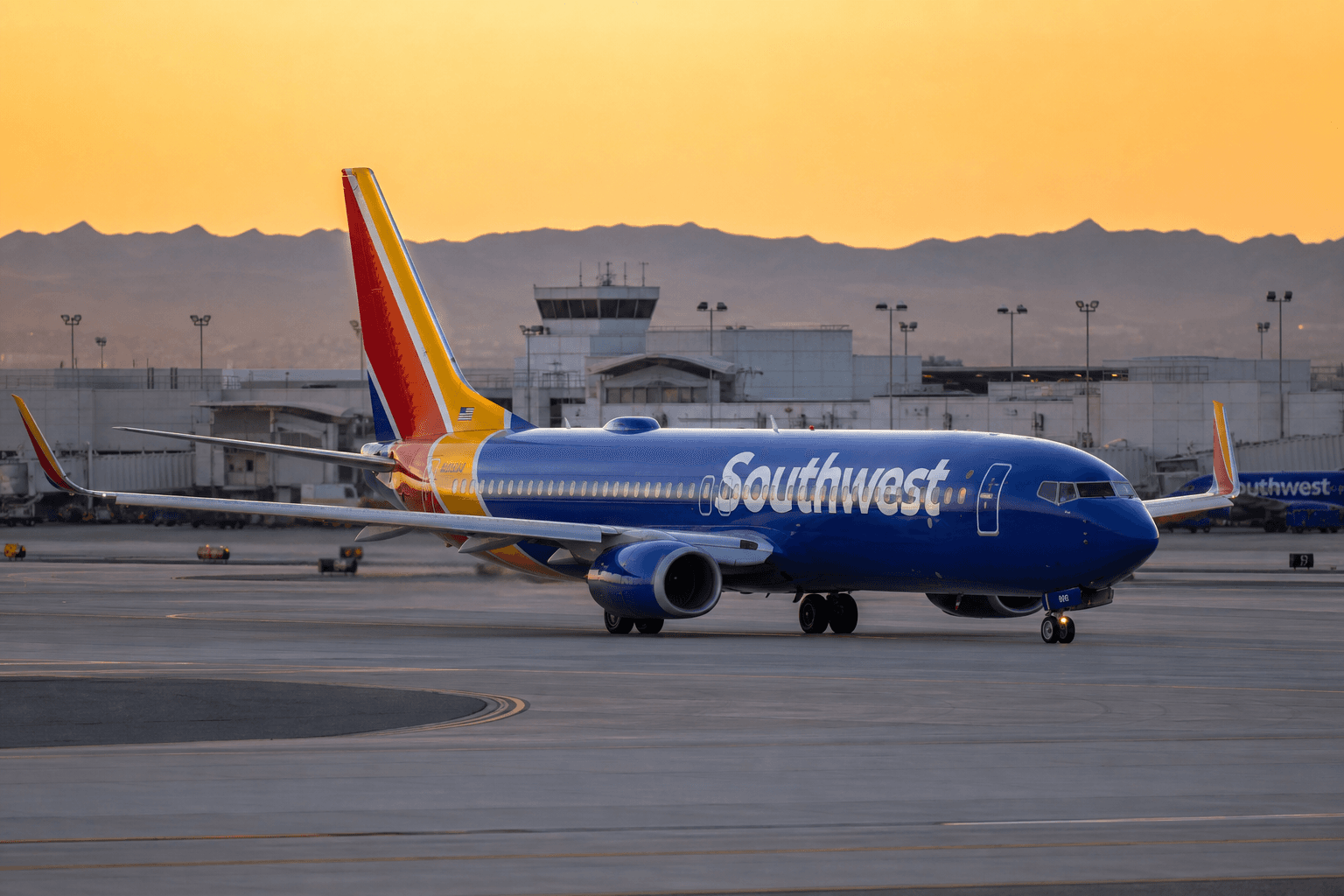
Illustration: The Touch & Go
Southwest Airlines Companion Pass 2026 Qualifying Spend Revealed
Earning the coveted Southwest Airlines Companion Pass in 2026 requires accumulating 135,000 qualifying points or flying 100 one-way segments, achievable via strategic fare purchases and credit card use.
The gist
Southwest's 2026 Companion Pass demands earning 135,000 points or 100 flights, with top fares and credit cards aiding qualification under $10,000 spend.
Southwest Airlines continues to offer its distinctive Companion Pass, a loyalty benefit that allows members to bring a companion on flights for just taxes and fees. For the 2026 program year, travelers must earn 135,000 Companion Pass qualifying points or complete 100 one-way flights to secure this sought-after perk. This benefit stands apart because it applies across all Southwest flights in the year earned, making it a highly valuable asset for frequent flyers who travel with partners or family.
The Companion Pass sits above Southwest’s A-List and A-List Preferred tiers but differs by focusing solely on companion travel rather than other elite perks. While A-List status provides priority boarding and a complimentary checked bag, and A-List Preferred adds premium drink credits and higher boarding priority, the Companion Pass mainly grants the ability to fly with a guest at nominal additional cost, retaining the member’s seating and checked bag benefits for their companion. This feature uniquely halves travel costs for two passengers, unmatched by other U.S. carriers.
Achieving this status requires a significant commitment. Aside from flying 100 one-way segments, members can amass Companion Pass points through eligible airfare spending and credit card activity. Southwest’s Rapid Rewards Priority and Performance Business credit cards offer accelerated earnings — up to four points per dollar on Southwest purchases — plus an annual 10,000-point boost, which reduces the overall spend needed. Combining these benefits with purchasing the highest fare class on Southwest flights allows ambitious travelers to qualify for the pass with an annual expenditure below $10,000.
Southwest’s fare structure plays a crucial role in qualifying efficiently. Since its overhaul, ticket classes now include Basic, Choice, Choice Preferred, and Choice Extra. The Choice Extra fare stands out as the most rewarding for points accumulation, earning 14 Rapid Rewards points per dollar spent. This fare also includes perks like complimentary extra-legroom seats, two checked bags, and top boarding priority. Passengers targeting the Companion Pass prioritizing Choice Extra tickets benefit from faster points accrual relative to the lower fare categories.
Credit cards co-branded with Southwest Airlines represent another pillar of Companion Pass earning strategy. Issued by Chase, these cards include Rapid Rewards Plus, Premier, Priority, and their business counterparts. Rapid Rewards Plus has a $99 annual fee but does not provide tier qualifying points. Premier and Priority cards, with higher fees of $149 and $229 respectively, supply tier qualifying point bonuses tied to spending thresholds, along with higher points earning on Southwest purchases and other bonus categories. Each personal card provides an annual 10,000 Companion Pass qualifying point boost, a critical accelerator towards reaching the 135,000-point threshold.
Southwest’s approach to its loyalty program has evolved alongside changes in its business model, including ending open seating, introducing ancillary fees, and updating fare classes to boost revenue. Yet, the Companion Pass remains a rare holdover from Southwest’s early loyalty program era, continuing to offer significant travel value with few drawbacks. It neither grants upgrade eligibility nor offers airport lounge access, reflecting Southwest’s lack of premium cabins, but the companion travel savings remain its most prominent feature.
Given the current points thresholds and fare earnings, the Companion Pass represents a premium target for frequent Southwest travelers. By leveraging the highest earning fare classes and pairing them with Rapid Rewards credit cards, dedicated flyers can earn the pass with a calculated spending strategy rather than through extensive flying alone. This positions the Companion Pass as one of the more achievable airline elite benefits, especially compared to frequent flyer programs that demand higher spending or flight volume.
Southwest's rapid rewards and fare class restructuring over recent years indicate an airline adapting conventional low-cost carrier models with loyalty programs that reward monetary spend heavily. The Companion Pass’s continued presence signals Southwest's commitment to providing distinct value to its frequent travelers amid competitive loyalty landscapes.
As the 2026 Companion Pass criteria are established, prospective earners should strategize on fare purchases and credit card use to optimize qualifying points. Applying these methods is essential for unlocking one of the most valuable companion travel benefits available in U.S. commercial aviation.
Frequently asked questions
- What are the requirements to earn the Southwest Companion Pass in 2026?
- To earn the Southwest Companion Pass in 2026, travelers must accumulate 135,000 Companion Pass qualifying points or complete 100 one-way qualifying flights within the program year.
- How can credit cards help earn the Southwest Companion Pass?
- Southwest co-branded credit cards issued by Chase offer accelerated points on Southwest purchases and an annual 10,000 Companion Pass qualifying point boost, helping reduce the spend needed to qualify.
- Which Southwest fare class yields the most points toward the Companion Pass?
- The Choice Extra fare class yields the most points toward the Companion Pass, earning 14 Rapid Rewards points per dollar spent, along with top boarding priority and two checked bags.
Read more
All Airlines →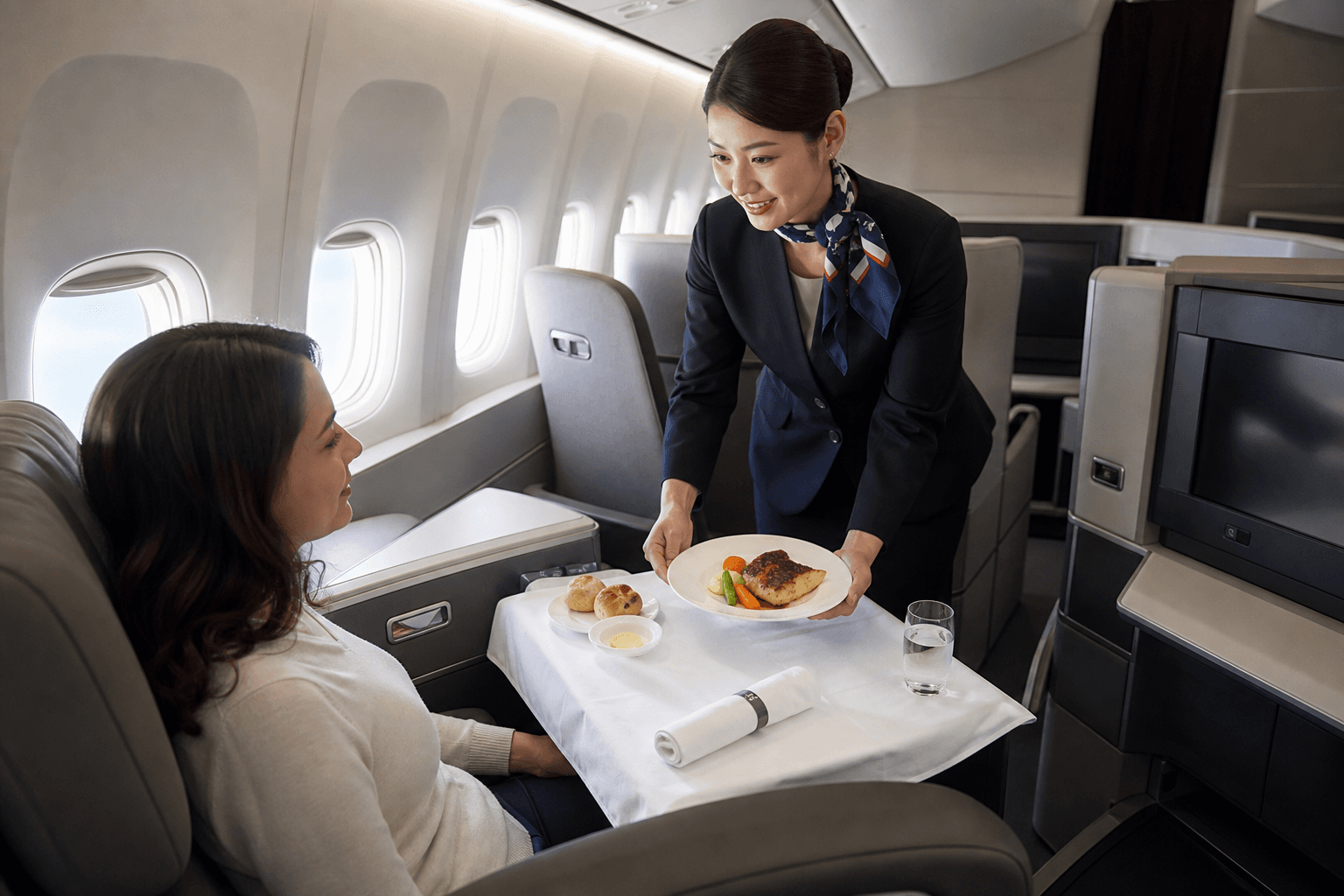
Airlines Should Charge Extra For Quality First Class Meals as Standards Decline
Domestic first class meals have been cut so far that airlines may be missing a revenue opportunity: sell premium pre-order meals passengers would actually want, instead of pretending today's bundled food is still a premium experience.
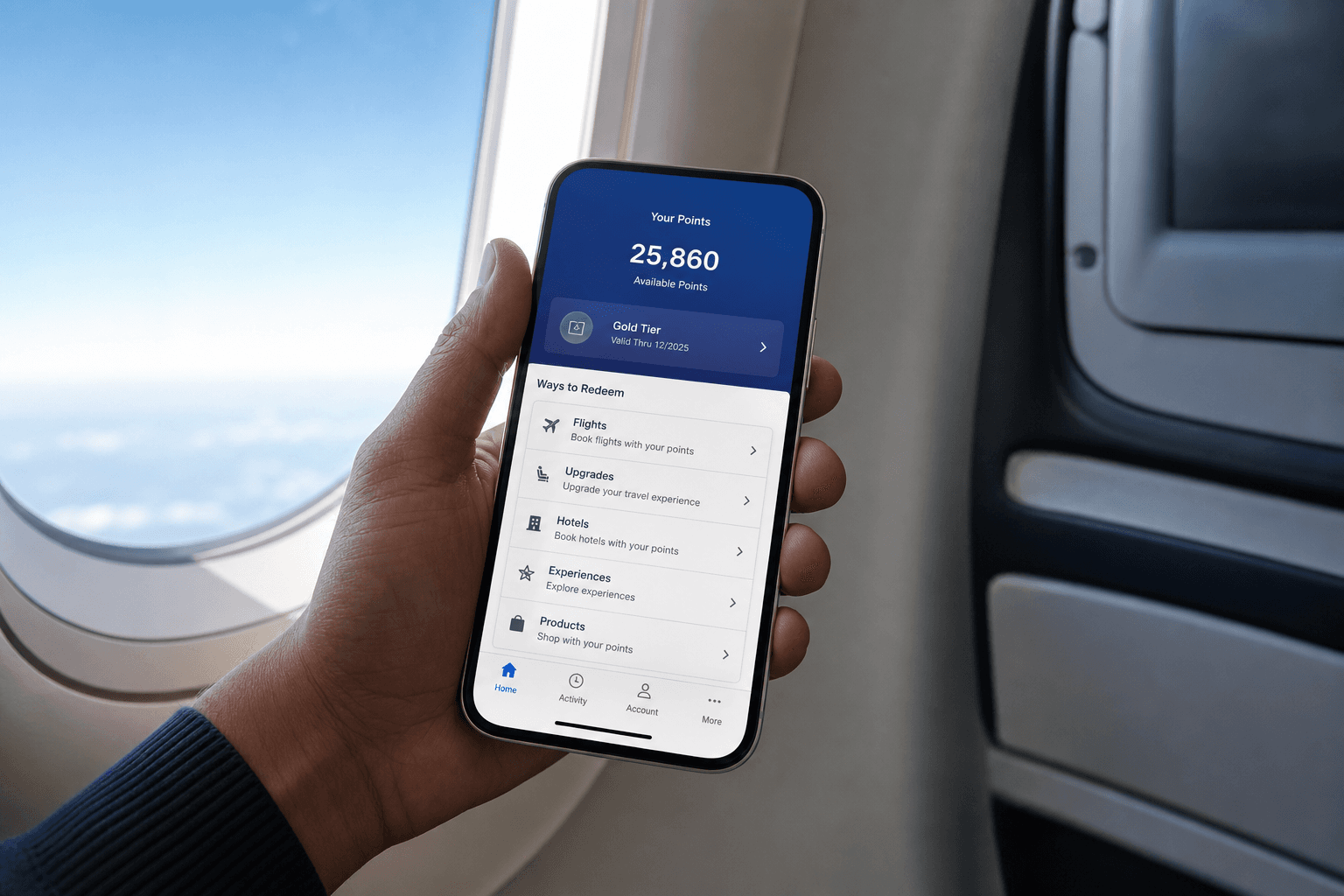
Most Loyalty Program Members Disengage Quickly Despite Brand Satisfaction Claims
While 83% of loyalty program owners believe members feel valued, only 56% agree—and 74% quiet quit within two months. Starbucks' worst-value reward becoming its most popular shows how brands mistake defensive cash-outs for loyalty, engagement and success.

Hotel Service Failures Drive Guests Away Despite Good Facilities
Great hotel facilities aren't enough if the basics fail. Hidden fees, surprise charges, bad coffee access, poor sleep design, unreliable shuttles, fake upgrades, and broken late-checkout keys are the mistakes that make guests check out and never come back.
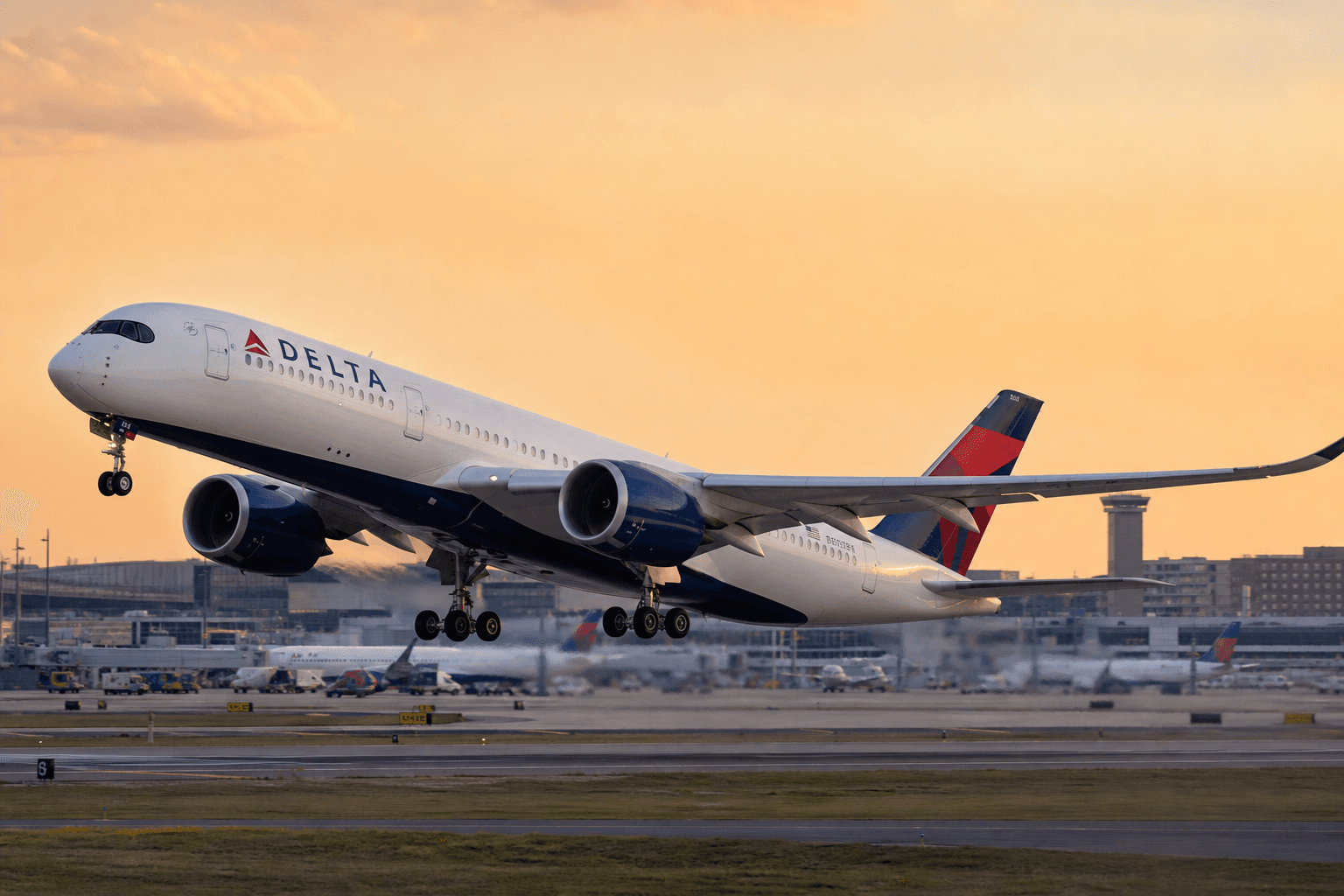
Delta Air Lines Posts $1.6 Billion Q2 Profit on Strong Revenue Growth Despite Rising Fuel Costs
Delta Air Lines posted impressive financial results for the second quarter of 2026. The airline reported a net profit of $1.6 billion, or $2.44 per diluted share. Revenue climbed 19 percent year-over-year to reach $19.8 billion. These figures highlight Delta’s continued strength in a competitive industry. ezstandalone.cmd.push(function () { ezstandalone.showAds(119); }); The results, announced on July 10, 2026, show solid demand and effective cost management. Despite facing the highest quarterly fuel expenses in the company’s history, Delta achieved strong profitability. Total revenue per available seat mile (TRASM) rose 17 percent to 25.11 cents. Cost per available seat mile (CASM) increased 21 percent to 22.74 cents, while costs excluding fuel (CASM-ex) grew a more modest 6.8 percent to 14.09 cents. ezstandalone.cmd.push(function () { ezstandalone.showAds(127); }); At the end of June 2026, Delta maintained healthy liquidity of $7.7 billion. This total includes cash, short-term investments, and $3.1 billion in undrawn revolving credit facilities. Such financial flexibility gives the airline room to invest in growth and weather potential challenges. CEO Highlights Brand Strength and Momentum Delta CEO Ed Bastian expressed confidence in the company’s position. “Today, we reported our June quarter results, and it is clear that Delta’s brand and industry position are stronger than ever,” he said. ezstandalone.cmd.push(function () { ezstandalone.showAds(128); }); Bastian noted that the airline delivered $1.4 billion in pre-tax profit while absorbing record fuel costs. He credited broad demand, growing brand preference, and a diversified revenue base for the success. Bastian emphasized the role of Delta’s employees. “This industry-leading performance is powered by the best people in the business,” he added. Looking ahead, he expects momentum to continue into the second half of 2026 with double-digit margins and a return to earnings growth. ezstandalone.cmd.push(function () { ezstandalone.showAds(129); }); The company affirmed its full-year guidance for 20 percent earnings growth, despite significant fuel headwinds. This outlook positions Delta well for 2027. Photo Credit: Delta Air Lines Fleet Expansion and New Routes Delta continued to modernize its fleet during the quarter. The airline took delivery of 11 new aircraft, including Airbus A350-900s, A321neos, and A220-300s. These efficient planes support both long-haul and short-haul operations while improving fuel efficiency and passenger comfort. On the network side, Delta launched several important new services. It added daily non-stop flights from Los Angeles to Hong Kong and Chicago O’Hare. These routes strengthen connectivity to key business markets. ezstandalone.cmd.push(function () { ezstandalone.showAds(130); }); The carrier also expanded European leisure options with new or added service to Porto, Malta, Sardinia, Madrid, Nice, Rome, and Barcelona. In addition, Delta grew its maintenance, repair, and overhaul (MRO) partnerships. New agreements with IndiGo for CFM56 engines and LATAM for Airbus A320 components enhance its technical capabilities and revenue streams. Industry Leadership and Global Reach Atlanta-based Delta Air Lines operates more than 4,000 daily flights to over 290 destinations on six continents. The airline serves major hubs including Atlanta, New York-JFK and LaGuardia, Los Angeles, and international gateways like Amsterdam, London-Heathrow, and Paris-Charles de Gaulle. ezstandalone.cmd.push(function () { ezstandalone.showAds(131); }); For the past decade, Delta has led the industry in operational reliability while earning praise for customer service. These Q2 results come at a time when airlines face rising costs and economic uncertainty. Delta’s ability to grow revenue, control non-fuel costs, and invest in its network sets it apart. The combination of premium products, reliable operations, and strong partnerships continues to drive customer loyalty and financial performance. Photo Credit: Delta Air Lines Positive Outlook for the Rest of 2026 With summer travel in full swing and strong booking trends, Delta appears well-positioned for the remainder of the year. The airline’s focus on brand preference and diversified revenue—such as loyalty programs, cargo, and maintenance services—provides stability against fuel price swings. ezstandalone.cmd.push(function () { ezstandalone.showAds(132); }); Travelers and investors alike can expect Delta to maintain its leadership. The company’s disciplined approach to capacity, fleet modernization, and route expansion supports sustainable long-term growth. As demand for premium travel experiences remains robust, Delta’s strategy looks set to deliver continued success.
The Daily Touch & Go
The day's best aviation news in your inbox. Free, no spam.