

Illustration: The Touch & Go
Airlines Should Charge Extra For Quality First Class Meals as Standards Decline
First class meal quality has declined over decades, fueling calls for premium buy-on-board options to improve taste and generate revenue.
The gist
With first class meals worsening, airlines could boost income by offering premium paid meal options on domestic flights.
Continuing coverage
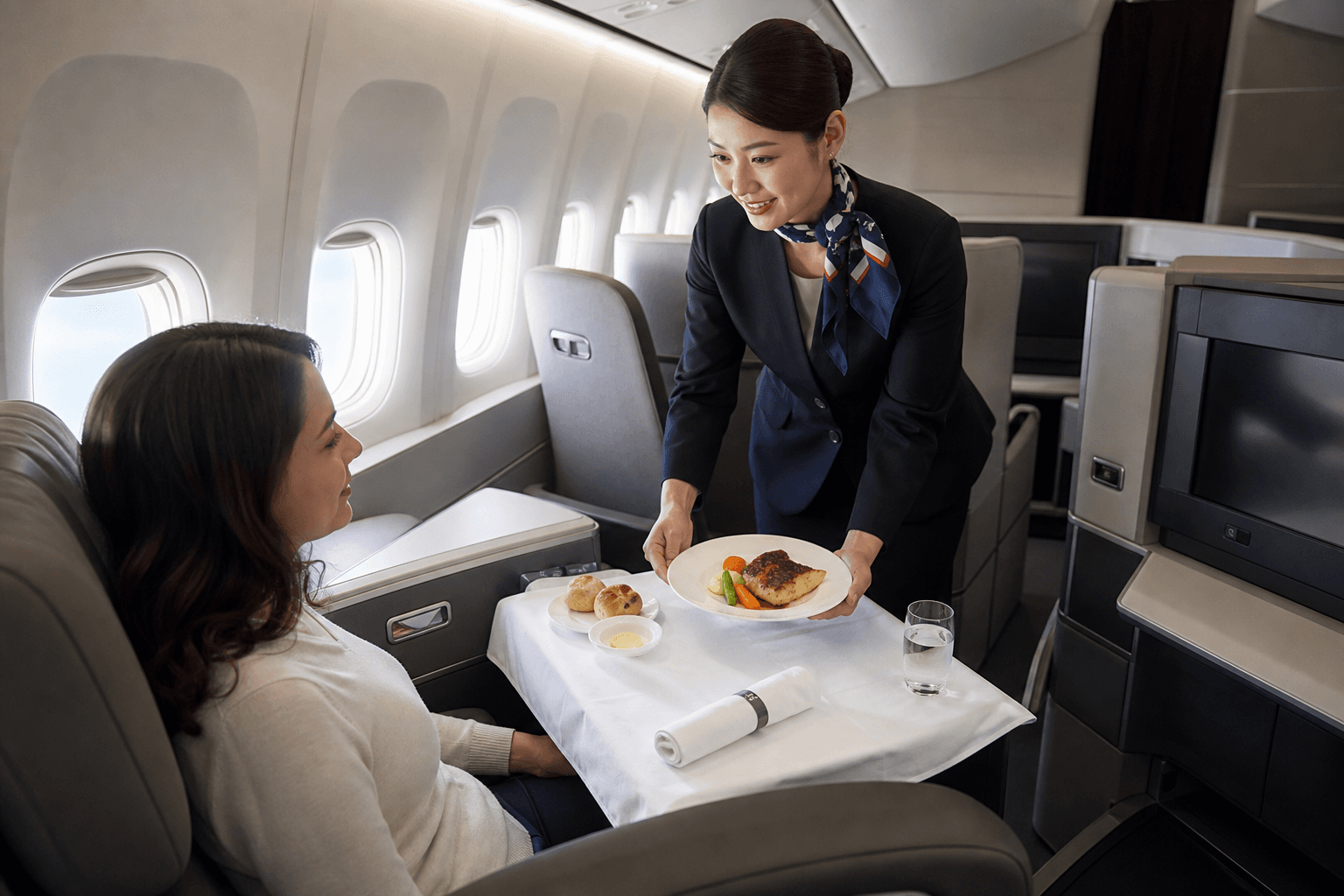
All Ancillary Revenue →Nearly 30 years ago, first class airline meals were a memorable luxury, with multi-course dining featuring appetizers, steaks, and desserts accompanied by drinks in spacious reclining seats. In 1997, a first class upgrade on United Airlines offered such an experience on a Boeing 777 flight between Los Angeles and Washington Dulles. This level of service stood in stark contrast to today’s offerings, which many frequent flyers find disappointing and lacking in quality.
By 2001, however, United Airlines began cutting back on inflight catering expenses. The change sparked debate among travelers, especially with the introduction of a so-called 'gourmet' cheeseburger that, while still substantial, symbolized the downgrading in meal quality compared to what had been enjoyed previously. Other legacy carriers, including American Airlines, experienced similar declines in meal standards following mergers and cost-cutting initiatives.
American Airlines once served meals even on the relatively short 919-mile Washington National to Miami route, but by 2014 meal service on many domestic flights was severely reduced or eliminated. The carrier made some efforts to invest in meal quality less than a year later, but widespread dissatisfaction led many passengers to stop eating onboard entirely. United Airlines attempted to remove meals on flights under four hours outside of dinner hours in 2018, but reversed the decision within two weeks due to negative feedback.
Despite these cuts, airlines have shown they can improve onboard food offerings through options like pre-ordered meals, which American Airlines introduced nearly 14 years ago. Originally, this allowed first class passengers to secure preferred meal choices, including higher-quality special meals. Over time, these premium selections lost their distinct appeal as protein was removed from some special meals, further eroding meal quality.
Amid ongoing efforts to boost ancillary revenue, airlines face a strategic choice: continue reducing meal quality and rely heavily on baggage fees, or create new revenue streams by offering premium meals for purchase in first class. Given customer willingness to pay for better food, a buy-on-board model for premium meals could generate income while enhancing passenger satisfaction. This approach could cater well to first class travelers, who generally have greater propensity to spend for perceived value.
The logistic feasibility of paid premium meals is supported by examples from international carriers and European airlines. Austrian Airlines offers pre-ordered premium meals in economy for about 15 euros, while Czech Airlines provides a broad paid meal menu and premium wines. airBaltic similarly operates a paid premium meal selection, showing that such programs are viable across cabin classes and regions. Implementing this in first class with fewer passengers is operationally simpler and financially promising.
Meanwhile, U.S. airlines’ existing meal quality has reached historic lows, with one major carrier reportedly serving $1 shelf-stable pasta in first class. Some suggest that offering a better meal for a fee is preferable to continuing to serve cheaply prepared food included in the ticket price. The argument contends that moving to a la carte meal options in first class, akin to Delta’s basic first class concept without advanced seat assignments, could improve the onboard experience and airline bottom lines.
High-quality meal production is possible in U.S. catering facilities, as evidenced by Asian and European carriers providing delicious meals departing from American airports. Premium dishes such as ANA’s ramen, Singapore Airlines’ lobster thermidor, and Etihad’s salmon biryani highlight the culinary potential. This suggests U.S. carriers could leverage local caterers to create enticing paid meal options without excessive complexity.
Adopting a premium paid meal model in first class could revitalize inflight dining by aligning passenger expectations with delivery and allowing airlines to monetize enhancements sustainably. As airlines seek to diversify revenue beyond baggage fees, premium meal options represent a tangible avenue to invest in customer experience and profitability simultaneously.
Frequently asked questions
- Why have first class meal standards declined on U.S. airlines over time?
- Since around 2001, U.S. airlines like United and American have cut inflight catering budgets, leading to simpler, lower-quality meals as part of broader cost reductions and merger-related service changes.
- What options have airlines introduced for first class meals?
- Airlines such as American introduced the ability to pre-order first class meals and special meals, allowing passengers to select preferred options, though overall meal quality has decreased.
- Could airlines make more money by charging for premium first class meals?
- Yes, by offering optional premium meals for an extra charge, airlines could generate additional revenue and deliver higher-quality food to passengers willing to pay, improving customer satisfaction and profitability.
Read more
All Airlines →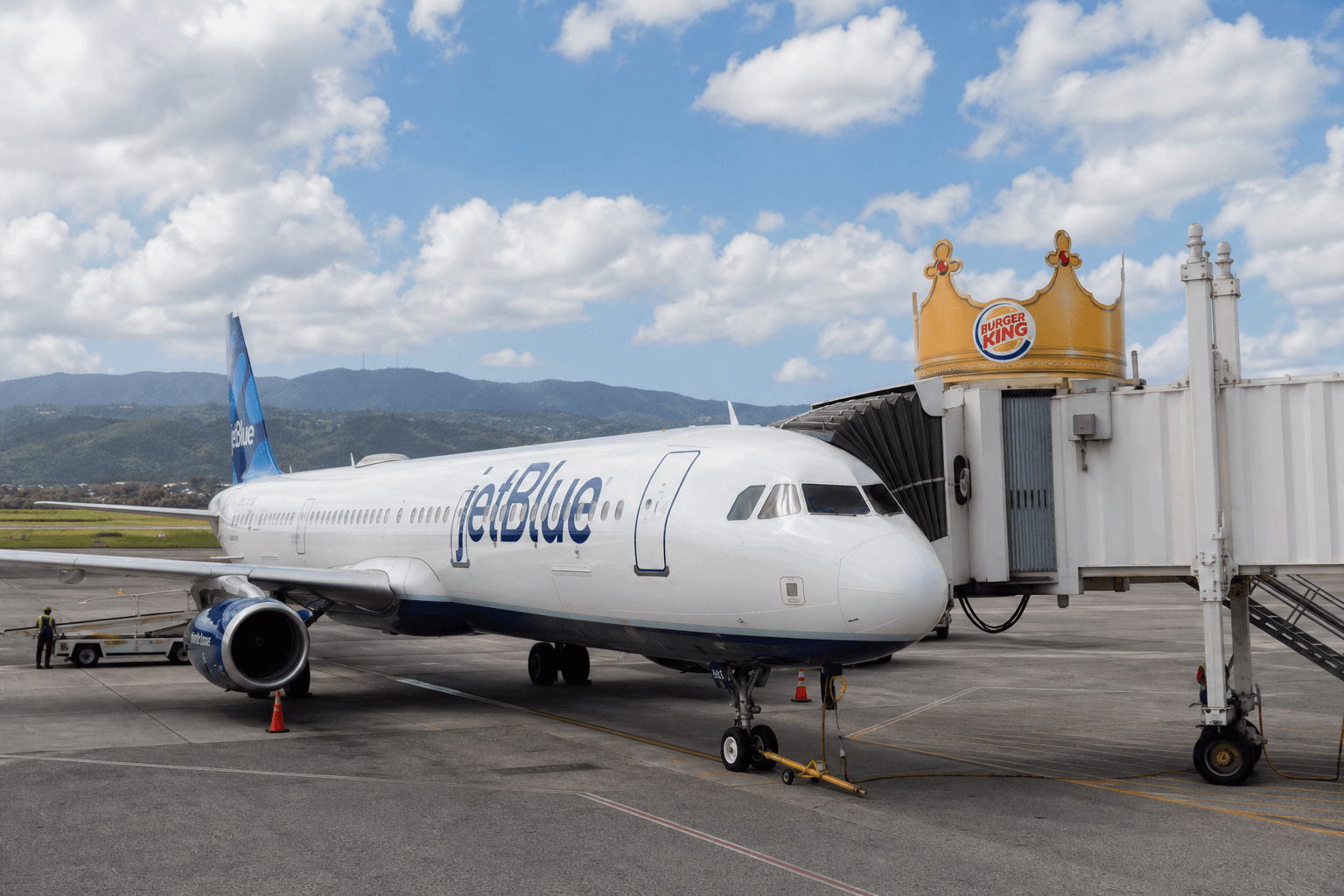
Man Known as Racist Burger King Flew to Jamaica for Facebook Bride, Then Abandoned
The man in the Burger King crown became an airline meme after racist outbursts got him removed from JetBlue and American. A buried Jamaican report says the trip began with a Facebook romance, a promised wedding, $1,000 lost—and nights sleeping on the beach.
Air France and KLM Expand Business Class Seat Assignment Fees to More Markets
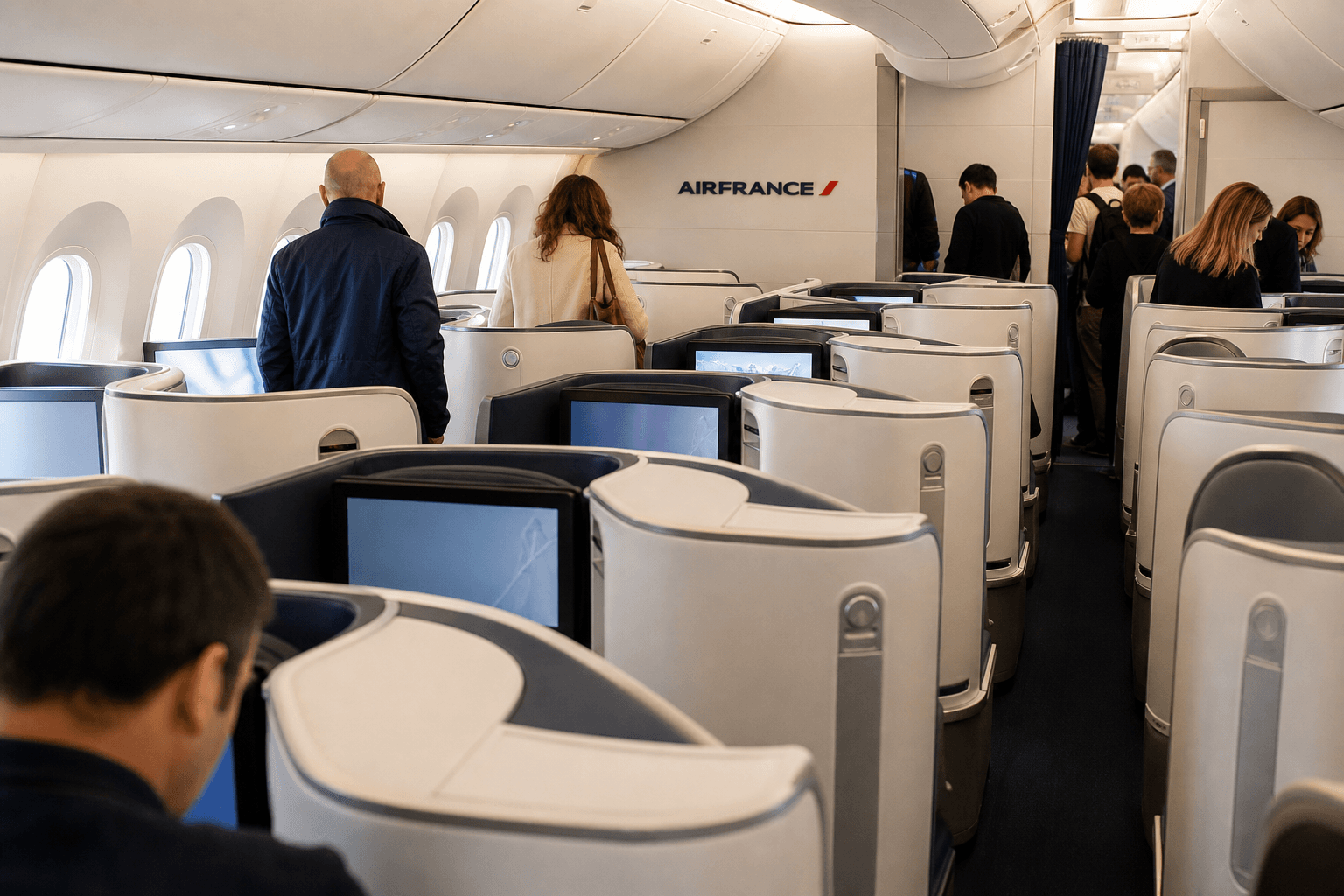
In the spring of 2023, we saw Air France-KLM add business class seat assignment fees for flights in many markets, which was of course a controversial move. There's now an update, as these fees have recently been expanded to more flights, including award tickets in all markets, and most routes to North America. I've received some questions about this, so let me explain what's going on. Air France & KLM expand advance seat reservation fees In April 2023, we saw Air France and KLM start charging for advance seat assignments in business class, in what's referred to as the Advance Seat Reservation (ASR) scheme. We've long seen airlines try to monetize the cost of assigning seats in economy, but we've increasingly seen this also spread to premium cabins. Recently we've seen the airline group expand this scheme to more routes , so here's the current state of things: Seat assignment fees now apply to all long haul flights globally when redeeming miles, and also all Business Light and Business Standard long haul tickets, except those originating in the United States (so they apply on tickets to the United States, but not tickets from the United States) Flying Blue Silver, Gold, and Platinum members , Business Flex passengers, and corporate customers (excluding bluebiz), are exempt from these fees Business class passengers continue to be able to select seats of their choice at no fee at the check-in window The cost to assign seats varies significantly, and it can cost $200+, in some situations; the front row business class suites on select aircraft are also more expensive than the standard seat assign fees As you can see, the one exception in long haul markets right now is for revenue tickets originating in the United States. I imagine that's simply due to the joint venture with Delta and how pricing there works, and I'd be willing to bet the fees will be added there soon as well, especially as Delta also introduces its basic business class product . Air France and KLM charge seat fees in business class in most markets How exactly do these seat fees work? For long haul routes, you'll see that during the booking process, "Free standard seat selection at check-in" is listed with Business Standard fares. Air France's warning about seat assignment fees Then when you go through the booking process, you'll be given the option to pay to assign a seat. Just as an example, for an award flight between San Francisco and Paris without elite status, the cost is $171.99, and that shows as being a discount over the "standard" cost of $228.60. You can also redeem Flying Blue miles toward seat assignment fees, though at a horrible rate, typically getting around half a cent of value per mile. Air France's business class seat assignment fees My take on business class seat assignment fees "I love paying extra for seat assignments in business class"… said no one ever. In fairness, this might divide people more than you'd think: Those who can continue to select seats in business class for free might like these changes, as they'll have access to more seat choices closer to departure Those who now have to pay for seat assignments in business class will uniformly not be in favor of this Air France and KLM are following in British Airways' footsteps here, as the airline has been charging for business class seat assignments for years. Air France and KLM have been nicely investing in their premium experience and have been going upmarket, and of course charging for seat assignment feels decidedly "unpremium." Presumably the logic here is as follows (I'm not saying I agree with it): One of the biggest competitors of Air France-KLM is doing this This is an opportunity to generate additional revenue People aren't not going to book with Air France-KLM because of seat assignment fees, if the airline otherwise has the most compelling flight (price, schedule, product) Air France and KLM are following in British Airways' footsteps The reality is that a vast majority of airlines invest in their premium products in some areas, and then try to cut costs and increase revenue in other areas. This is a pretty clear example of that. Does it leave a bad taste in a customer's mouth to be asked to shell out for a seat assignment on a $5K ticket? Of course. But among the major European airlines, who else are you going to fly with? British Airways has been doing this forever. In Lufthansa Group, as we see the rollout of Lufthansa Allegris business class and SWISS Senses business class , we're also seeing seat assignment fees for a majority of seats. At least in the case of Air France-KLM, they have reverse herringbone seats on a vast majority of planes, where there's not actually that much quality difference between seats, so paying for a seat isn't really needed to ensure you have a good flight. That's different than something like British Airways' A380 business class, where you could end up in a middle seat. It also has to be acknowledged that while premium leisure demand is strong, business travel just isn't as robust as it used to be. Leisure travelers are often willing to pay a lot for business class, but they're typically not willing to pay $10K+, as some corporate customers previously may have. So it's not surprising to see airlines using whatever strategies they can to get people to part with more of their money when flying business class. Lufthansa also has business class seat fees on new planes Bottom line In 2023, Air France and KLM started charging for seat assignments in business class in long haul markets, and that has now been expanded to more routes. You'll now pay fees for award tickets in all long haul markets globally, and for Business Standard tickets in all markets, except when originating in the United States. The fees to assign seats vary, and in some cases, can be over $200 per flight. Flying Blue elite members, as well as Business Flex passengers, are excluded from paying these fees. It goes without saying that this is a policy that many people won't like, but it is increasingly becoming the norm in the industry, sadly, at least in Europe. What do you make of Air France and KLM business class seat assignment fees?
United Airlines Flight Attendant Union Leader Helped Revise Canada Entry Rules for Crew with DUI
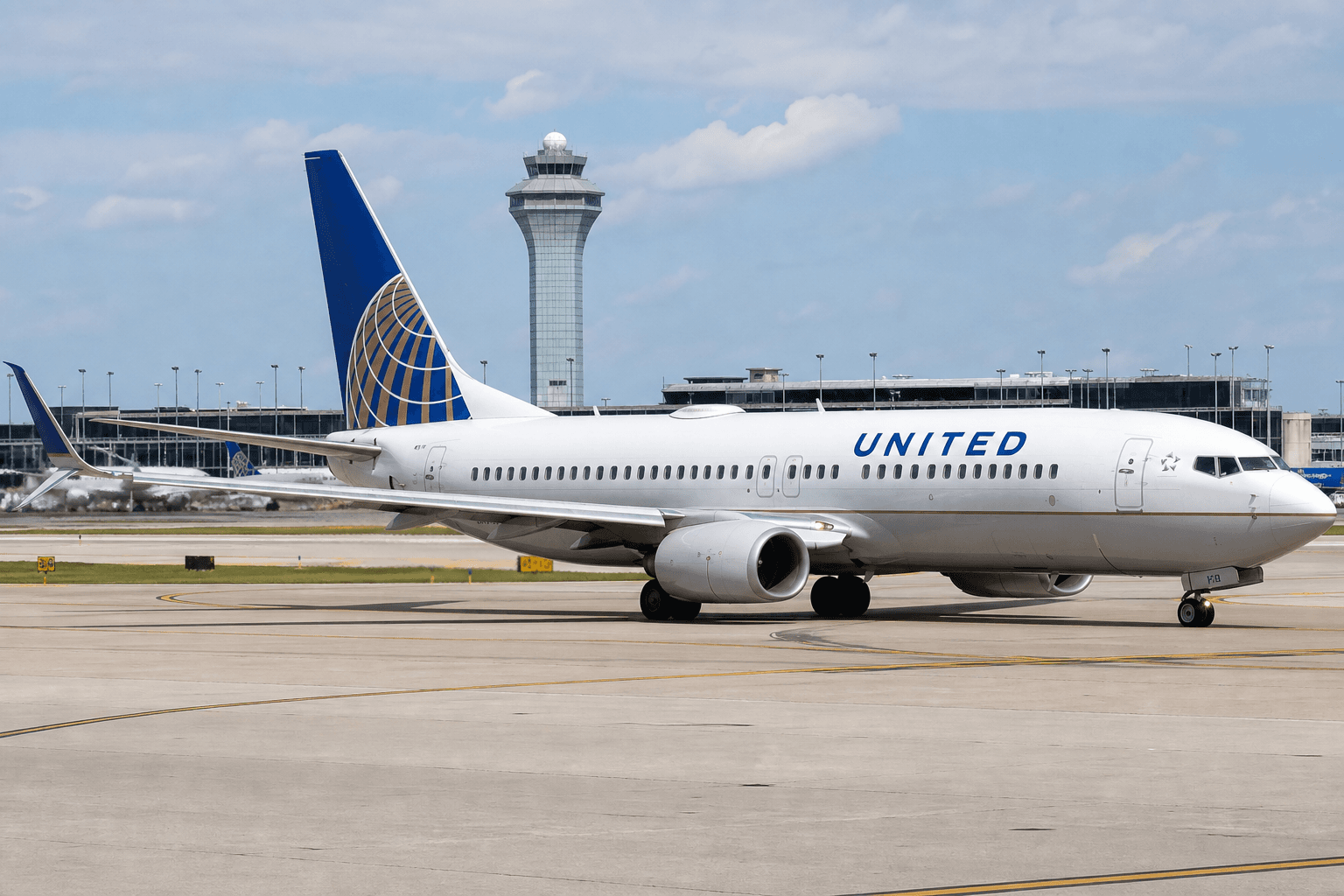
The Association of Flight Attendants (AFA-CWA) is by far the largest crew member union in the United States, representing around 55,000 flight attendants at nearly two dozen airlines across the country. The jewel in AFA’s crown, though, is United Airlines, whose flight attendants make up more than half of the union’s total membership. Leading AFA’s United membership, therefore, could definitely be considered one of the more important jobs within the union, and the baton has recently been taken over by Scott Pejas, a veteran United Airlines flight attendant who first joined the carrier back in 1996. Scott initially started working out of United’s Los Angeles base before transferring to Chicago O’Hare in 1999, where he has remained ever since. Despite taking on the mammoth task of being the representative of around 30,000 flight attendants, Scott plans to continue flying as a crew member while holding the role of Master Executive Council President. Thankfully, Scott takes on the role at a relatively good time. United’s flight attendants have only recently ratified a new five-year collective bargaining agreement that locks in pay rises over the coming years, along with a slew of other contract improvements that were hotly contested over several years. During this long bargaining process, it’s fair to say that the leaders of United’s MEC and its negotiating committee took some flak from frontline employees, but Scott and the other elected officials aren’t newbies to union work. In fact, Scott was first elected as Chicago’s local executive council leader in 2016, and it’s during this time that he was involved in what the union describes as one of his ‘most notable’ pieces of work: changing the wording of United’s Canada admissibility policy. For years, United had a policy in which flight attendants must be able to legally operate to any destination within the airline’s network. That generally means that crew members can’t have criminal convictions that would bar them from entering a country without first obtaining a visa or undergoing other background checks. This was particularly an issue for flight attendants with past DUI convictions because Canada has some of the strictest DUI laws in the world. A DUI conviction in the United States within the last five years makes someone automatically inadmissible for entry to Canada, including pilots and flight attendants. In other words, flight attendants with a DUI conviction faced the risk of being terminated because they wouldn’t be allowed to enter Canada. Scott, however, was involved in changing this policy, meaning that inadmissibility to Canada no longer means United’s flight attendants have to hang up their wings. Veteran crew members who are ‘lineholders’ simply bid for trips that avoid Canada, while the situation is slightly more complicated for newer flight attendants who are on ‘reserve.’ If they get assigned a trip that involves a stopover in Canada, they would be assigned what is referred to as a ‘missed trip.’ That might ultimately lead to disciplinary action at some point down the road, but they can, at least, continue to work for United even though they aren’t legally allowed to enter Canada. United has a similar policy for its pilots, but not all airlines allow this kind of flexibility. Inadmissibility to Canada can still lead to termination at other airlines. This is one of those lesser-known policy changes where unions would likely say they have brought about a positive outcome for their members… something that might not have happened if it wasnt for the union.
![American Airlines Launches 13 Exciting New Nonstop International Routes [Full List]](/_next/image?url=https%3A%2F%2Favoibnodqwjxlpbhunuu.supabase.co%2Fstorage%2Fv1%2Fobject%2Fpublic%2Fstory-images%2Fai%2Famerican-airlines-launches-13-exciting-new-nonstop-international-routes-full-lis-c37331d2.png&w=3840&q=75)
American Airlines Unveils 13 New Nonstop International Routes in 2026 Expansion
International flights are a key part of the puzzle for American Airlines , which connects its home hubs to a wide range of international destinations. According to current data made available by Cirium , an aviation analytics company, a look at the carrier's international network in 2026 compared to 2025 shows that 13 new routes have started or will start this year.
The Daily Touch & Go
The day's best aviation news in your inbox. Free, no spam.