

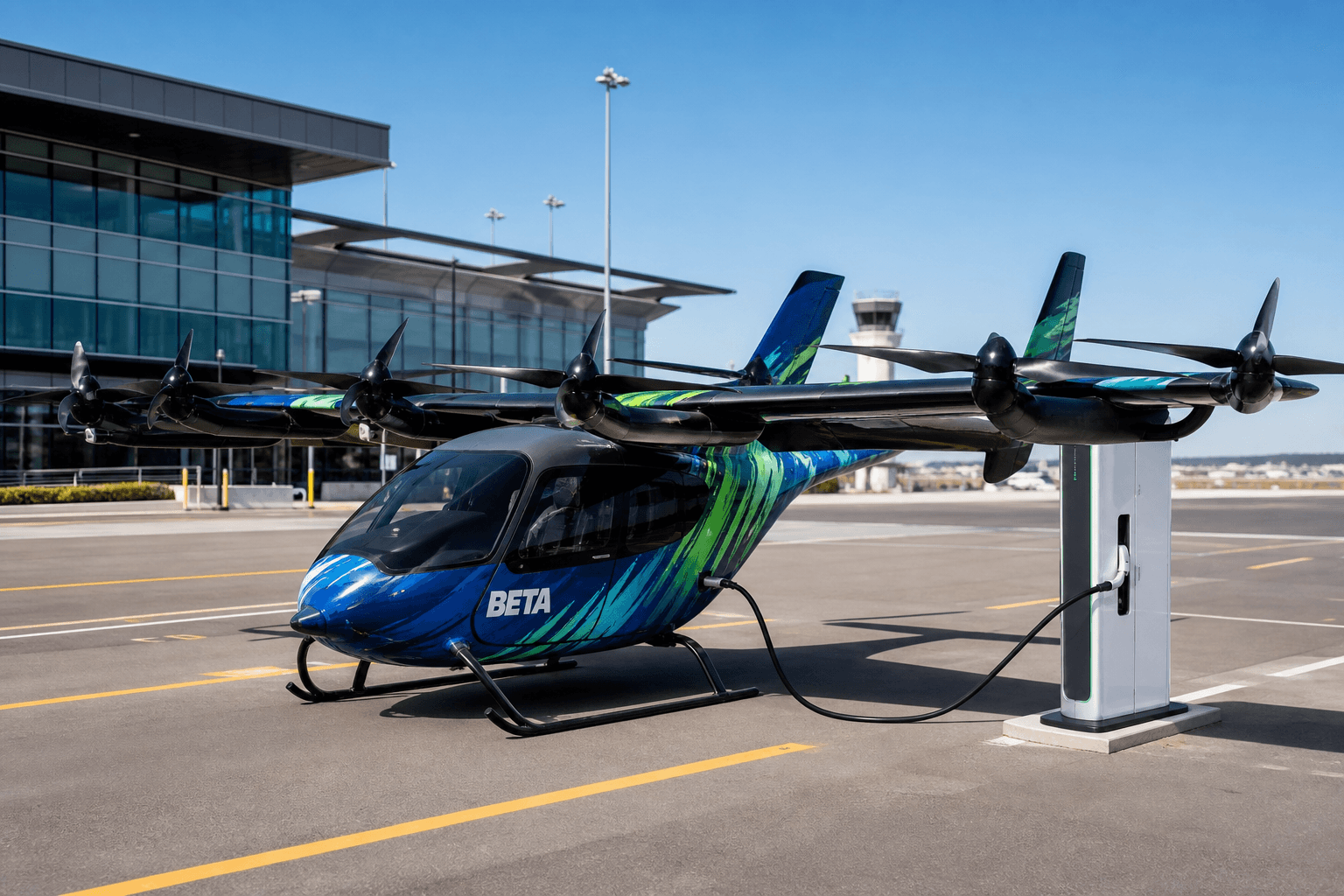
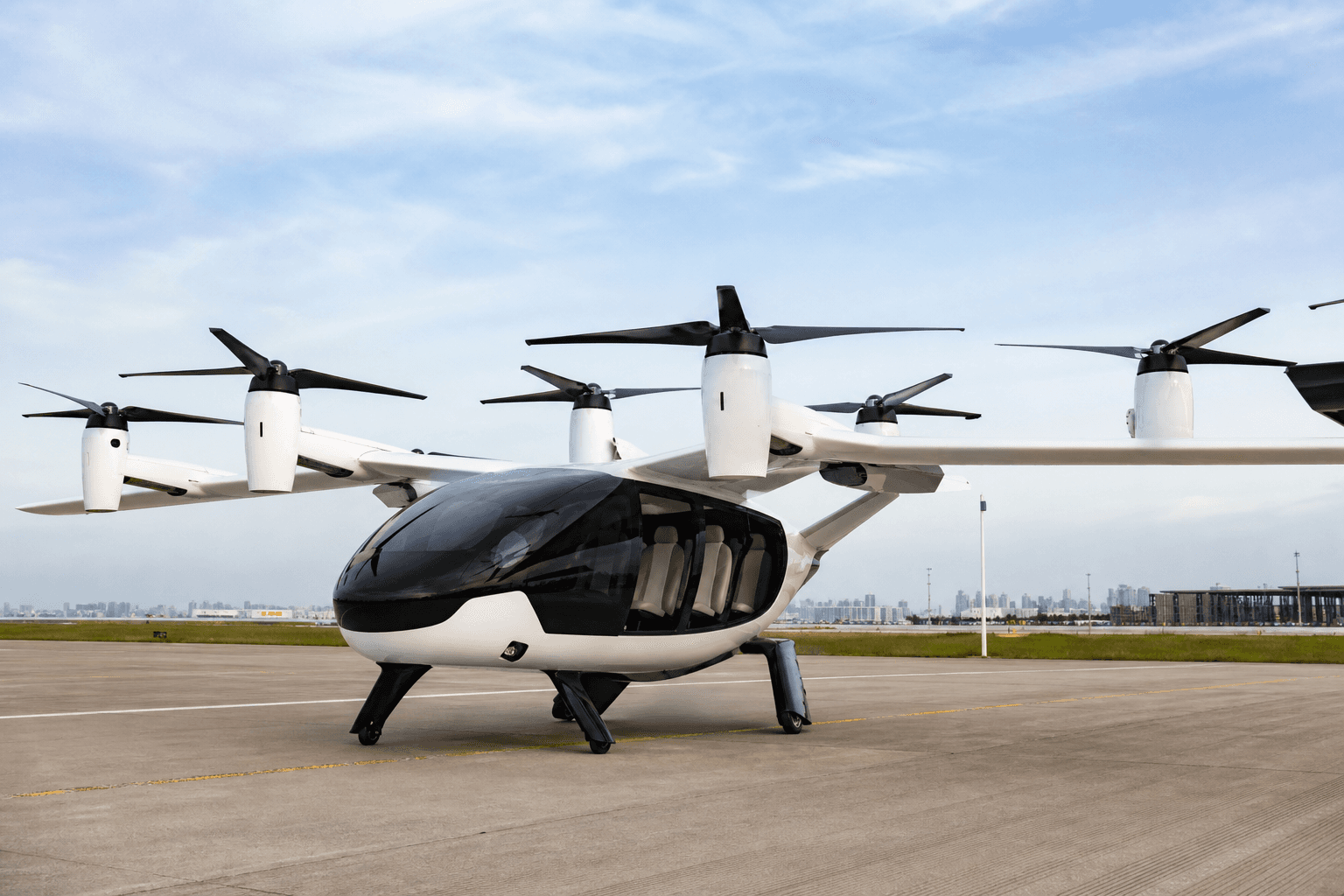
Illustration: The Touch & Go
BETA Technologies Reports $149M Loss in Q2 2026 Amid Rising R&D and Expansion Efforts
BETA Technologies posted a $148.8 million net loss in Q2 2026, doubling operating expenses with a surge in R&D and capital spending while expanding charging infrastructure.
The gist
BETA's Q2 2026 losses nearly doubled as it invests heavily in development and operations for its electric aircraft programs.
BETA Technologies disclosed a net loss of $148.8 million for the second quarter of 2026, significantly higher than the $80.4 million loss it recorded in the same quarter last year. The electric aviation company increased its quarterly revenue to $14.7 million, more than doubling the $6 million earned in Q2 2025. Despite the revenue growth, operating expenses surged dramatically, almost doubling to $166.1 million compared to $84.1 million in Q2 2025. This elevated expenditure contributed directly to the wide net loss reported.
A key driver behind the soaring expenses was research and development (R&D) costs, which escalated from $58 million to $122.4 million year-over-year. This R&D spending included $16.1 million tied to acquisitions and $5.7 million in non-cash warrant expenses linked to BETA’s partnership with GE Aerospace. Additionally, capital expenditures increased sharply from $6 million in the previous year’s quarter to $41.1 million, reflecting investments in infrastructure and operational capacity to advance the company’s electric vertical takeoff and landing (eVTOL) aircraft programs.
BETA concluded the quarter with cash and cash equivalents totaling approximately $1.48 billion. This marks a decline from the $1.71 billion at the end of 2025, which was bolstered by its initial public offering and subsequent private financings. The cash reserves provide BETA with significant runway as it continues to develop its CX300 and A250 aircraft models and expand its eVTOL operational infrastructure.
During the quarter, BETA commenced operations under the Federal Aviation Administration’s eVTOL Integration Pilot Program, a critical step in advancing regulatory certification and operational testing for its aircraft. Simultaneously, the company maintained its work toward type certification for both the CX300 and A250 models, which represent its flagship electric aircraft tailored for regional mobility and cargo applications, respectively.
BETA also expanded its charging infrastructure network, reporting a total of 138 charging sites by the end of June. This growing network is integral to supporting the operational readiness of its electric aircraft by facilitating rapid turnarounds and efficient energy management. The company’s focus on infrastructure aims to solve one of the critical challenges in electric aviation—providing reliable and accessible charging solutions at scale.
Founder and CEO Kyle Clark emphasized that the quarter’s results reflect substantial investments translating into real-world progress, particularly highlighting the operational milestones achieved through the FAA program entry and infrastructure expansion. While acknowledging the steep losses, Clark framed these expenditures as essential groundwork for future commercial viability and scaling of eVTOL services.
In light of operational advances and increased revenue, BETA revised its full-year revenue forecast upward to a range of $42 million to $50 million, signaling confidence in accelerating commercial performance. However, the company also anticipates a full-year adjusted EBITDA loss between $400 million and $445 million, pointing to sustained investment intensity as development and certification activities continue.
Adjusted EBITDA losses for the quarter stood at $109.8 million, widening from the $68.4 million loss recorded in Q2 2025. This measure excludes non-cash accounting effects and provides insight into BETA’s core operating performance amid heavy spending on R&D and capital assets. The widening margin highlights the significant financial commitment required to progress next-generation electric aircraft from development to certified operation.
BETA’s financials underscore the substantial capital demands of pioneering electric propulsion and eVTOL aircraft certification. As the company advances regulatory approvals and operational flights, its growing infrastructure footprint and R&D investment position it as a key player in the emerging electric aviation sector.
Frequently asked questions
- What was BETA Technologies' net loss for Q2 2026 compared to the previous year?
- BETA reported a net loss of $148.8 million in Q2 2026, nearly double the $80.4 million loss reported in Q2 2025.
- How much did BETA Technologies spend on research and development in Q2 2026?
- BETA's R&D expenses increased to $122.4 million in Q2 2026 from $58 million in the same quarter the previous year.
- What progress did BETA Technologies make toward aircraft certification and operations in Q2 2026?
- In Q2 2026, BETA began operations under the FAA’s eVTOL Integration Pilot Program and continued certification efforts on its CX300 and A250 aircraft programs.
Read more
All Technology/eVTOL →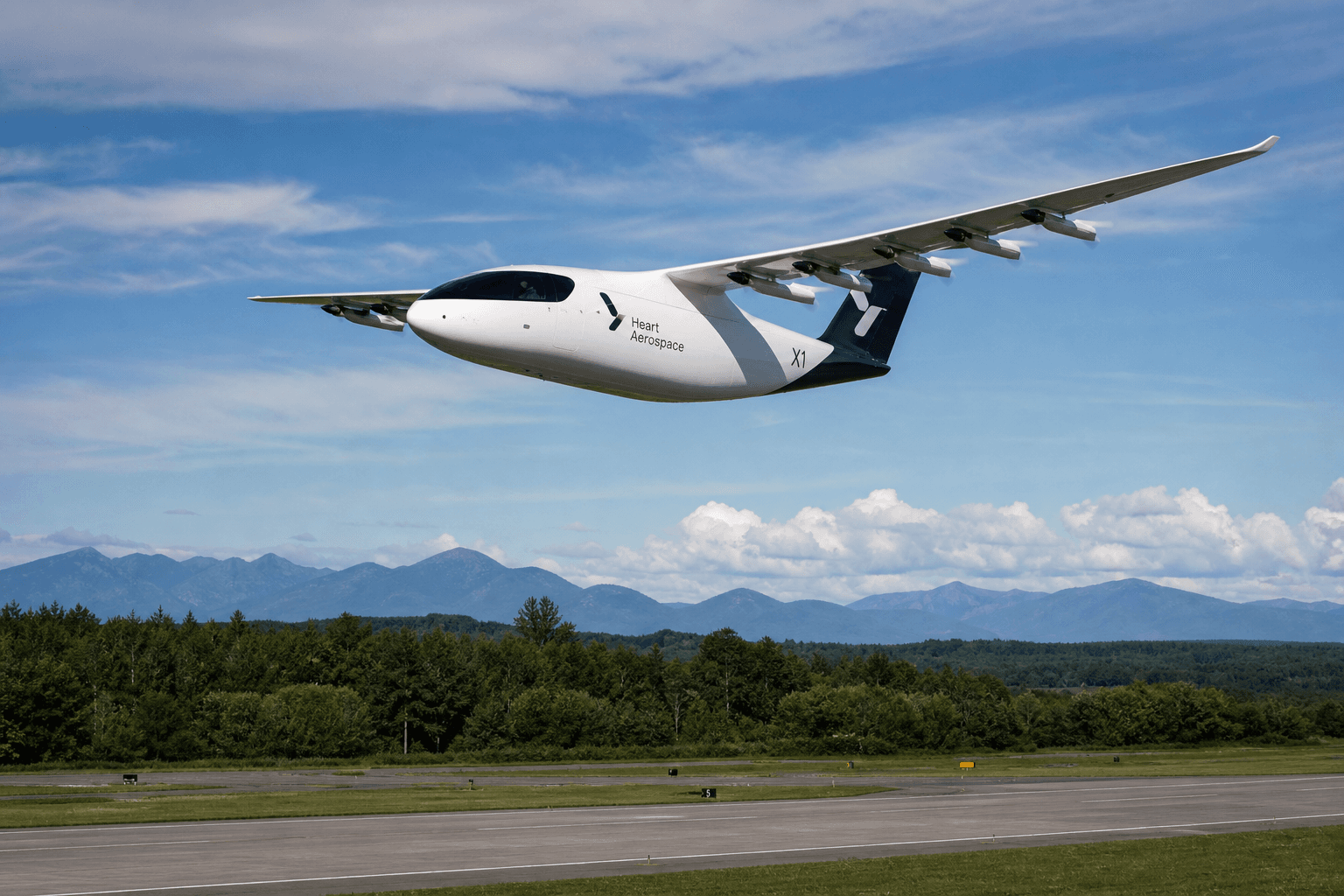
Heart Aerospace's X1 completes first-ever flight as largest battery-electric airplane
Heart Aerospace's X1 demonstrator completed its first flight Wednesday at Plattsburgh International Airport in New York. The company says the full-scale Heart X1 aircraft is the largest battery-electric airplane flown to date. 27-Minute Flight The piloted flight lasted 27 minutes and reached 1,100 feet AGL. Heart said the X1's battery-electric propulsion system produced more than 1 megawatt of power during the flight. The test profile included taxi, takeoff, climb, maneuvering and landing under an FAA experimental special airworthiness certificate. "With the first flight of X1, Heart Aerospace has demonstrated electric flight at the scale of a commercial airliner," Heart Aerospace founder and CEO Anders Forslund said in the company announcement. Supporting The ES-30 The X1 has a 106-foot wingspan, measures 76 feet long and weighed more than 25,000 pounds at takeoff. The FAA issued the aircraft its special airworthiness certificate in July following ground testing that included structural, propulsion, systems and taxi tests. Heart said at the time that it planned to use the demonstrator to collect flight-characteristics and electric-propulsion data. Heart is using the X1 program to support development of its ES-30, a planned 30-seat hybrid-electric regional aircraft. The company says it is building its first preproduction ES-30 at its Los Angeles pilot manufacturing facility and plans to begin flight testing that aircraft in 2028. Heart is targeting entry into service for the ES-30 in 2031.
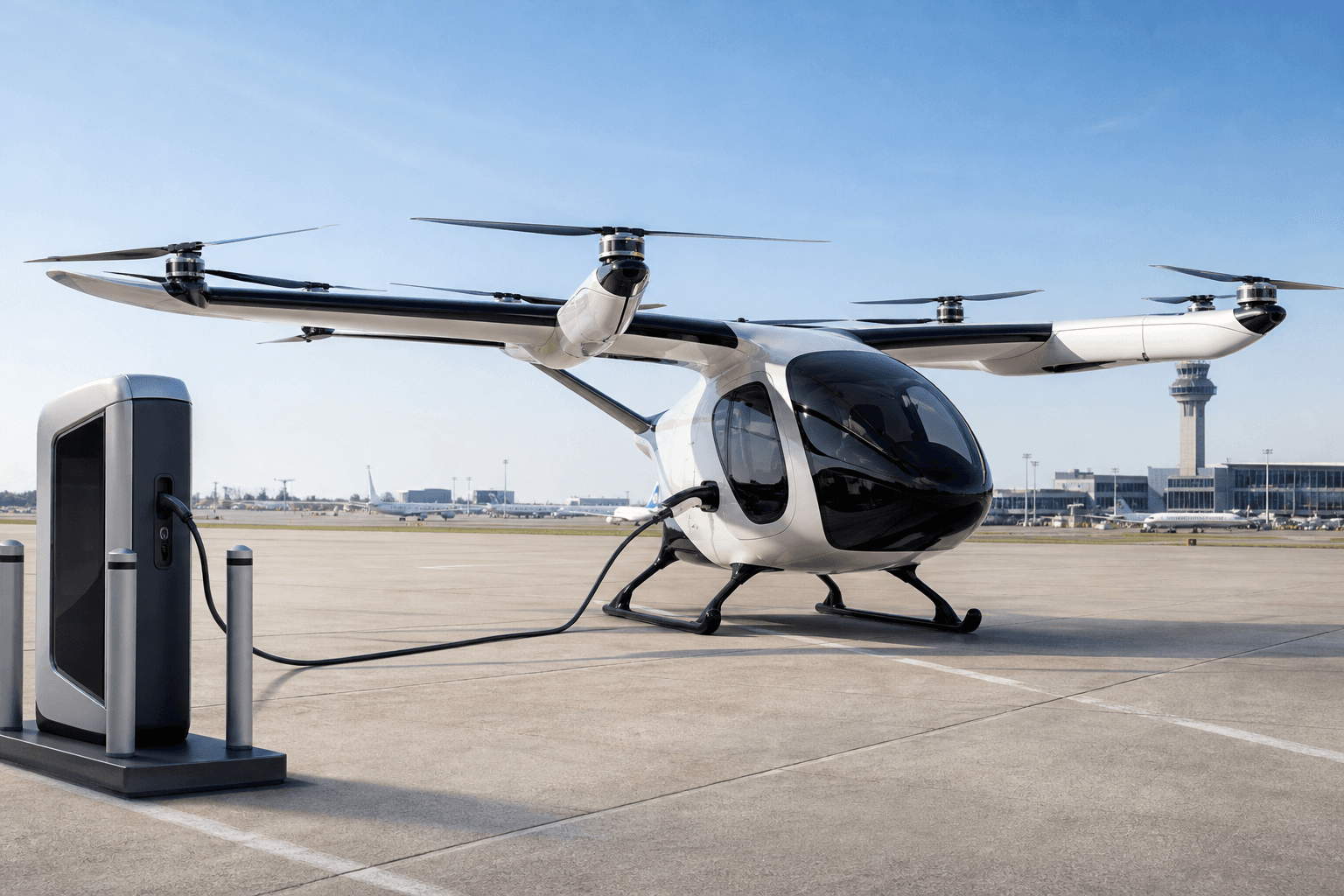
North Central Texas Council Launches $1M Fund for eVTOL Airport Chargers
The North Central Texas Council of Governments has opened a $1 million funding program for electric-aircraft charging equipment at public-use airports in the Dallas-Fort Worth region. Applications are due Aug. 7 at 5 p.m. CDT. The money was initially approved in September 2024 for a potential advanced-air-mobility demonstration connected to the 2026 World Cup. That plan did not proceed as originally envisioned. Arlington dropped expectations for carrying passengers during the tournament because aircraft certification and FAA regulations would not be completed in time, and NCTCOG later redirected the funding toward permanent charging infrastructure and airport readiness. The revised program also supports North Texas' participation in the larger eVTOL Integration Pilot Program ( eIPP ). The state’s participation in the initiative is led by the Texas Department of Transportation and is intended to develop infrastructure, routes and operating procedures for future electric-aircraft demonstrations and service. Airports in the council's 12-county planning area may seek awards of up to $200,000. The program does not require matching funds. Eligible expenses include an eVTOL charger and infrastructure directly required to install and operate it. Stand-alone electrical improvements that do not result in an installed charger are not eligible. The council said applications will be evaluated on airport planning documents, knowledge of advanced-air-mobility infrastructure, partnerships and implementation schedules. Proposed projects must also demonstrate how the equipment could support future aircraft operators, demonstrations or private investment.
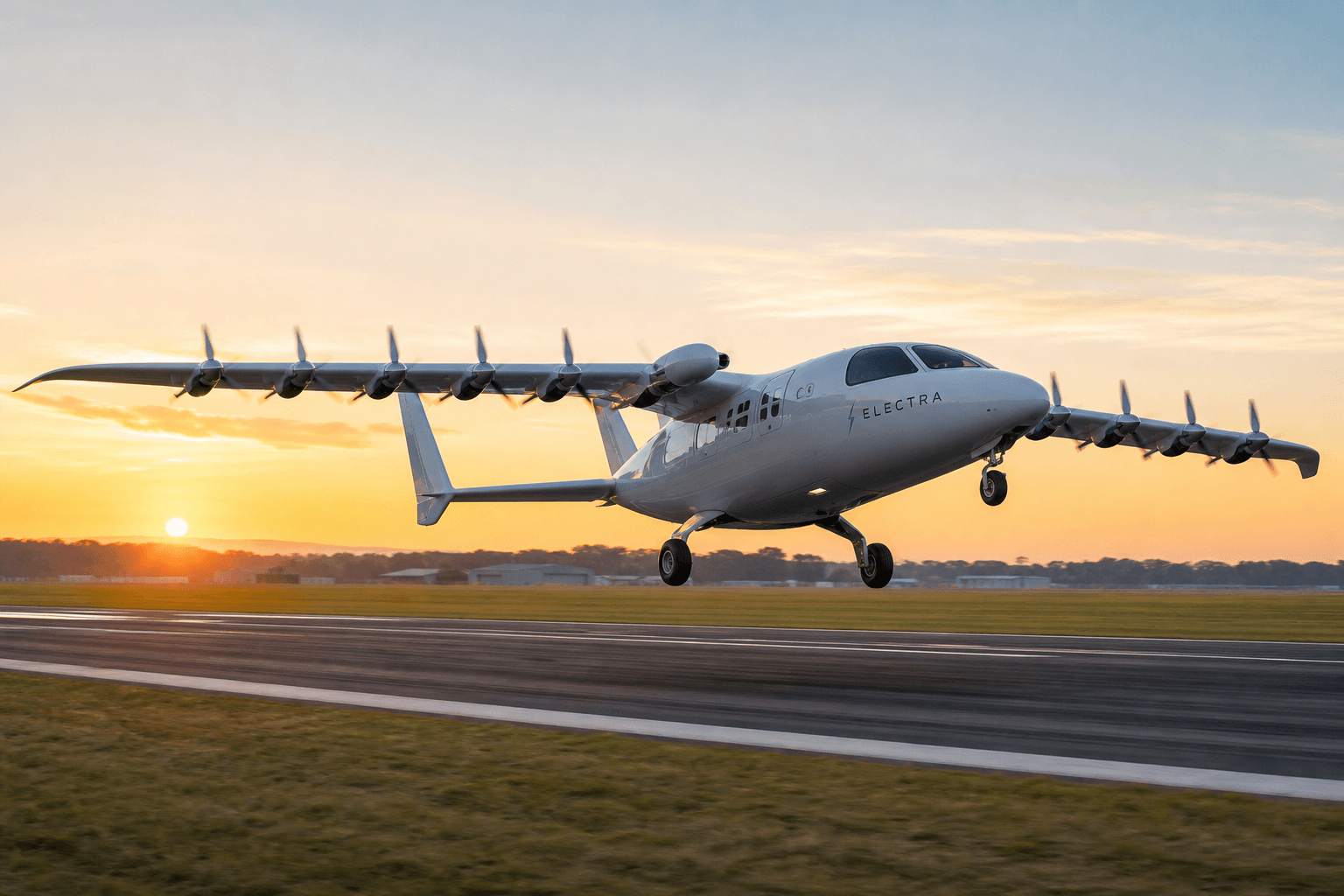
FAA Sets Certification Basis for Electra EL9 Hybrid-Electric Aircraft
Electra announced Friday that the FAA has closed the G-1 issue paper for its EL9 Ultra Short aircraft, formally establishing the certification basis for the nine-passenger hybrid-electric design. The milestone does not constitute type certification but sets the regulatory requirements the company must meet to obtain it. Certification Framework The company submitted its Part 23 type certification application in November 2025. Closing the G-1 issue paper after seven months establishes an agreed regulatory foundation for the EL9's distributed hybrid-electric propulsion, blown-lift system and fly-by-wire controls. "The swift G1 achievement reflects the hard work and productive collaboration between Electra and the FAA," Electra CEO Marc Allen said. Allen said the company will now carry that work into the G-2 phase of the certification program. Compliance Planning The G-2 phase will focus on the EL9's means of compliance, or how Electra will demonstrate that the design meets the certification basis. Electra Senior Vice President for Product Development JP Stewart said that work will include engineering analysis, ground and flight testing, inspections, conformity activities and certification data. Electra said the EL9 is designed to take off and land in 150 feet or less and carry up to nine passengers on routes of up to 330 nautical miles. The aircraft uses a small turbine-powered generator, battery packs and eight electric motors distributed along the wing to produce lift at low airspeeds.
Electra Achieves FAA Certification Basis Using Desired Path for EL9 eVTOL
Electra announced on Friday that the Federal Aviation Administration has closed the G-1 issue paper for its nine-passenger EL9 "Ultra Short" aircraft, a major regulatory milestone that the company said confirms its ability to use the comparatively straightforward certification path that other advanced air mobility entrants were denied. G-1 issue papers are used by the FAA to define the certification basis for aircraft undergoing type certification. Until leading electric vertical take-off and landing […]
The Daily Touch & Go
The day's best aviation news in your inbox. Free, no spam.