

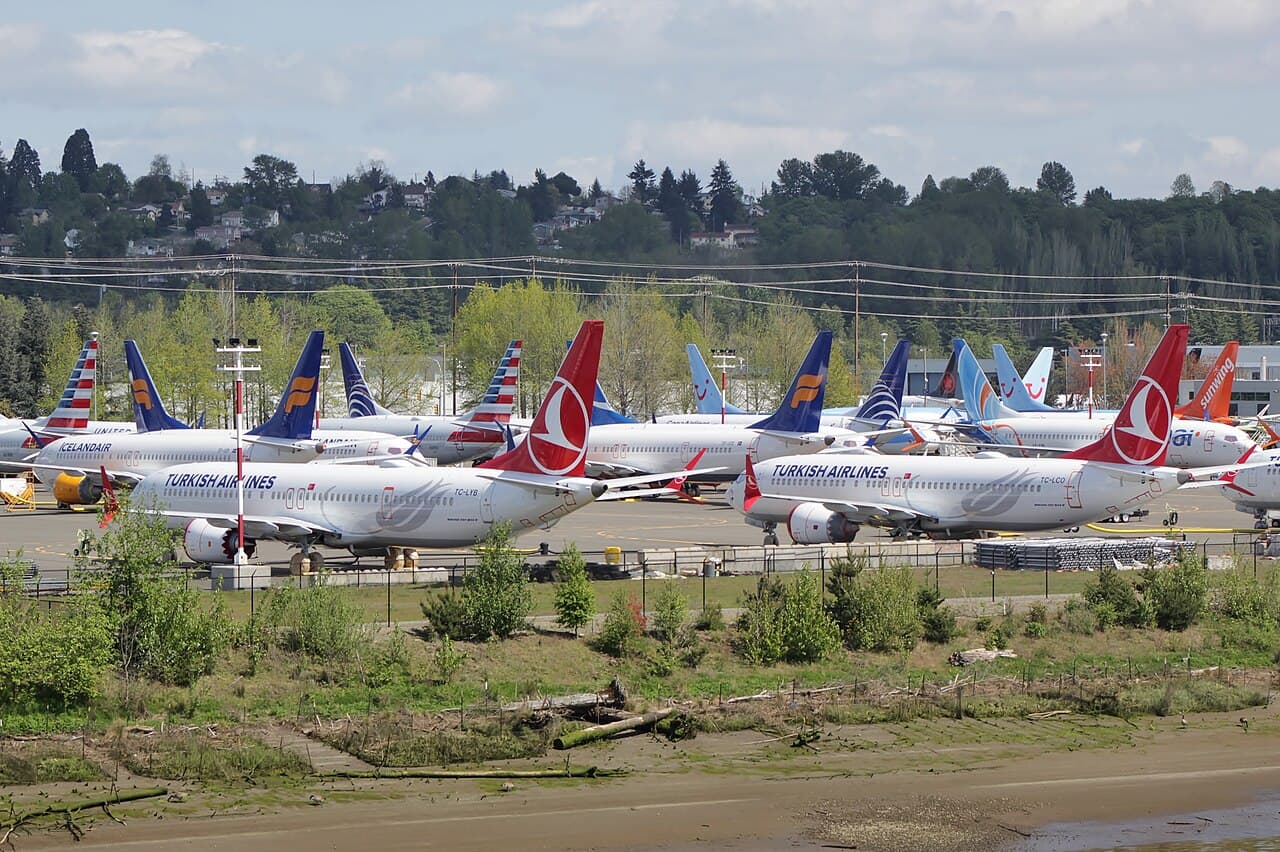
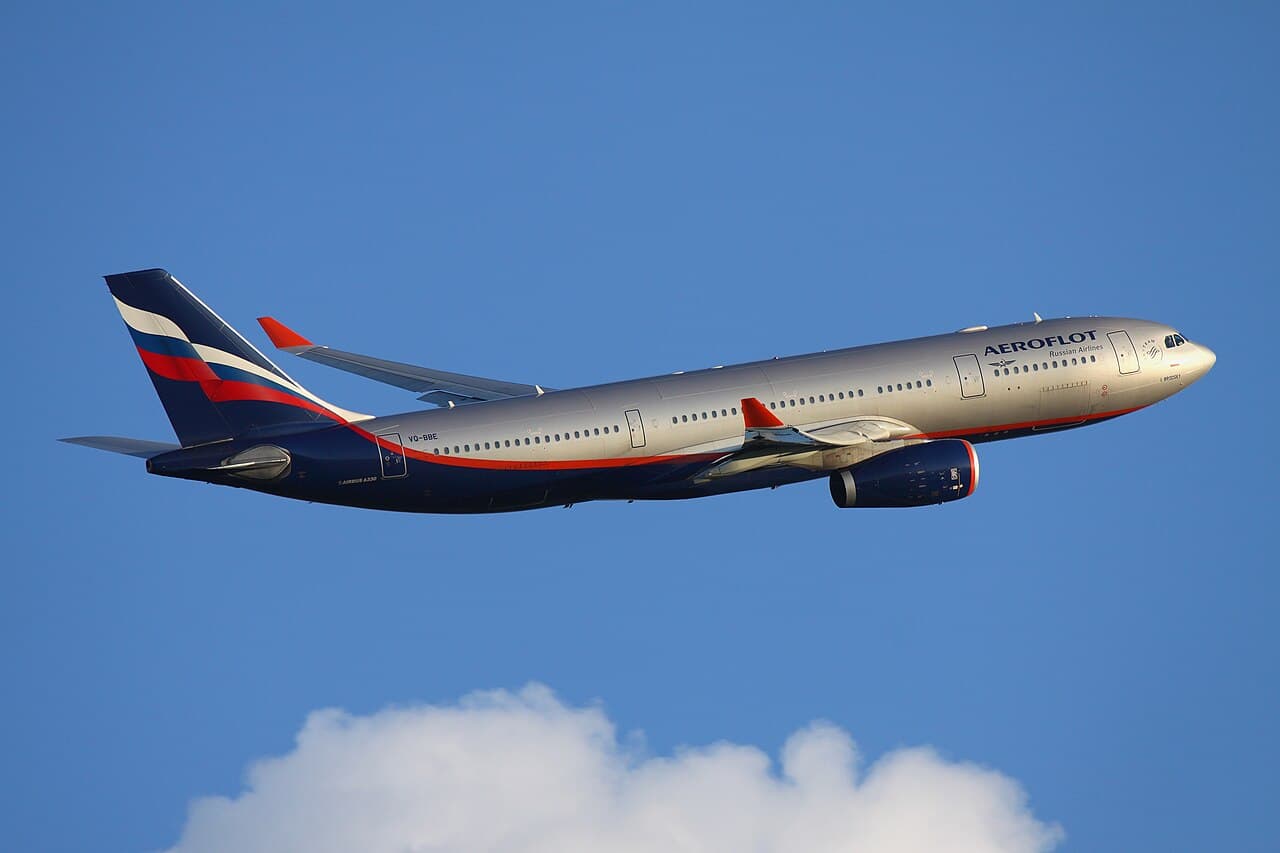
Image: SounderBruce · CC BY-SA 4.0 · via Wikimedia Commons
Airbus Surpasses Boeing in 2026 Deliveries Amid Production and Supply Chain Challenges
Airbus leads Boeing in commercial aircraft deliveries for 2026 after overcoming supply chain and production hurdles, reshaping the narrowbody market balance.
The gist
Airbus has regained delivery leadership over Boeing in 2026, driven by improved production amid ongoing supply and quality challenges for both manufacturers.
Continuing coverage
All Boeing →- Boeing deliveries lag behind Airbus after July slowdown in 2026
- US Air Force's KC-46 Pegasus tackles aging KC-135 refueler challenges amidst technical hurdles
- Northrop Grumman opens Florida engineering hub for Navy's next-gen carrier fighter
- FAA Orders $2.66M Seat Inspections on 453 Boeing 737 MAX Jets Amid Certification Oversight
- Archer Aviation Acquires Boeing's Wisk, Insitu, and SkyGrid to Expand Aerospace AI Platform
The longstanding rivalry between Airbus and Boeing continues to dominate the commercial aircraft sector in 2026, with Airbus now ahead in deliveries after years of intense competition. Boeing briefly led in the first quarter, delivering 143 planes versus Airbus' 111, largely powered by the recovery of its 737 MAX program. However, Airbus recovered swiftly by mid-year and surpassed Boeing, indicating shifting dynamics in production efficiency and supply chain management between the manufacturers.
Boeing's initial quarterly lead was buoyed primarily by the 737 MAX, constituting about 80% of its deliveries in Q1, with 114 MAX jets handed over alongside small numbers of 767s, 777s, and 787s. Yet, Boeing’s production faced setbacks, including a seven-week machinists' strike in late 2024 and FAA-imposed production limits triggered by an Alaska Airlines incident involving a 737 MAX 9. These disruptions curtailed output and complicated delivery schedules despite ongoing efforts to boost manufacturing efficiency.
Meanwhile, Airbus struggled initially with supply interruptions, notably in Pratt & Whitney engine availability, which hampered narrowbody deliveries in early 2026. Additionally, an administrative hold related to COMAC’s C919 certification delays impacted about 20 aircraft deliveries in the first quarter. After resolving these issues, Airbus considerably accelerated its delivery pace, posting a 59% increase in May compared to the previous year, bolstered by renewed shipments to Chinese customers.
By the close of the first half of 2026, Airbus had delivered 351 aircraft to 77 customers, marking its highest monthly totals for the year in June with 89 units, dominated by single-aisle jets from the A320neo family. Boeing also made gains, delivering 60 aircraft in May and 64 in June, including 51 737 MAX jets in May, but these numbers were insufficient to maintain its lead over Airbus as the year progressed.
Airbus aims to reach an ambitious annual delivery target of roughly 870 aircraft in 2026. Achieving this goal requires maintaining a monthly delivery rate between 84 and 86 jets for the remainder of the year. This target appears attainable given the second-quarter production improvements, yet remaining supply constraints, especially engine delays caused by manufacturing defects discovered in 2023, continue to restrict the full ramp-up potential of Airbus' A320neo and A220 programs.
The European manufacturer's success is underpinned by the strong market performance of its A320neo family, including the larger A321neo and the longer-range A321XLR variants. This product line now comprises approximately 60% of the narrowbody market deliveries, overshadowing Boeing’s 40% share with its 737 MAX family. Such dominance reflects Airbus’s ability to meet diverse airline demands for fuel-efficient, single-aisle aircraft amid growing global fleet renewals.
Boeing, conversely, is still contending with residual effects of prior production quality issues linked to the 737 MAX, despite gradual recovery supported by FAA approval to increase output to 42 aircraft per month following earlier production caps. The company’s focus remains on resolving these operational challenges to regain ground lost to Airbus in both deliveries and customer confidence.
Both manufacturers have experienced significant order backlogs driven by persistent post-pandemic supply chain disruptions. These include shortages of crucial components, which have complicated production schedules and delayed deliveries. For Airbus, improved supplier output in the second quarter facilitated the recent delivery surge, while Boeing’s enhancements focused on streamlining the 737 MAX line despite labor and regulatory hurdles.
Beyond production figures, Airbus continued securing major new orders throughout 2026, including substantial commitments from SMBC Aviation Capital for 100 A320neos and from several airlines such as flynas, SAS, BermudAir, Philippines Airlines, and Riyadh Air. These deals highlight Airbus’s robust market demand, particularly for its narrowbody and widebody aircraft, reinforcing its position amid the competitive balance with Boeing.
Frequently asked questions
- Why did Boeing lead Airbus in deliveries in early 2026?
- Boeing led in early 2026 mainly due to strong 737 MAX deliveries, which accounted for roughly 80% of its Q1 output, helped by improved manufacturing after previous disruptions.
- What caused Airbus's delivery delays in the first quarter of 2026?
- Airbus faced delivery delays due to Pratt & Whitney engine availability issues and an administrative hold linked to COMAC’s C919 certification process, affecting about 20 aircraft.
- How has the narrowbody market share shifted between Airbus and Boeing in 2026?
- Airbus has strengthened its narrowbody market share to about 60% with the A320neo family, surpassing Boeing's 40% share dominated by the 737 MAX.
Read more
All Airlines →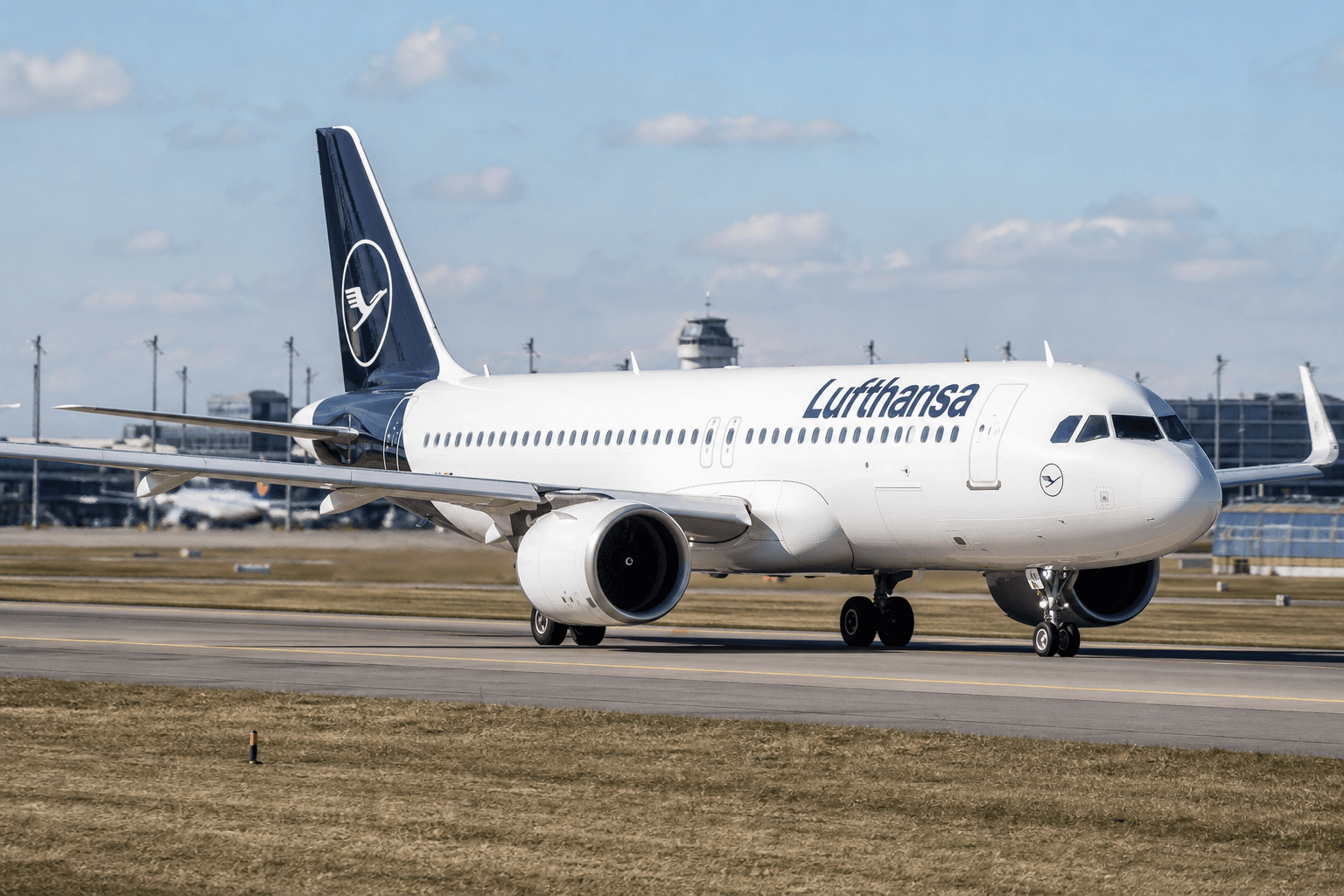
Lufthansa Group debuts free high-speed Starlink Wi-Fi on A320neo starting August 19
Lufthansa Group is about to transform in-flight connectivity. Next week, passengers will experience the fastest internet currently available above the clouds. ezstandalone.cmd.push(function () { ezstandalone.showAds(119); }); A Lufthansa Airbus A320neo becomes the first aircraft to offer the new service on August 19. The “Lufthansa Group Wi-Fi,” powered by Starlink, delivers high-speed internet that often outperforms typical home or office connections. Passengers can stream video, work in the cloud, and use other data-heavy applications without frustration. ezstandalone.cmd.push(function () { ezstandalone.showAds(127); }); Rapid Fleet-Wide Expansion The service is free for all Miles & More customers and Travel ID users. This applies across every travel class. The group developed the terms of use after passenger surveys. Users must wear headphones for audio or video content. They cannot make voice or video calls or broadcast live streams from the aircraft. ezstandalone.cmd.push(function () { ezstandalone.showAds(128); }); Mastercard sponsors the new Wi-Fi, continuing its earlier partnership with FlyNet. Lufthansa Group plans to equip roughly 850 aircraft across its airlines with Starlink technology. The system relies on low-Earth orbit satellites. This makes the group the largest airline group in Europe to adopt this modern high-speed product. ezstandalone.cmd.push(function () { ezstandalone.showAds(129); }); Airlines preparing for the rollout include Lufthansa, SWISS, Austrian Airlines, Brussels Airlines, ITA Airways, Edelweiss, Discover Airlines, Air Dolomiti, Lufthansa City Airlines, and Eurowings. The full fleet should have the technology by 2029. Dieter Vranckx, Chief Commercial Officer of the Lufthansa Group , highlighted the vision behind the project. “I am excited to announce the launch of the new Lufthansa Group Wi-Fi on board our Group aircraft.” “With it, we’re making high-speed internet an integral part of the travel experience – across all travel classes and on all Lufthansa Group airlines: That is how we understand premium. By 2029, all of the Group’s approximately 850 aircraft will be equipped with the technology.” ezstandalone.cmd.push(function () { ezstandalone.showAds(130); }); “Our product promise doesn’t end with the seats or the menu – today, connectivity is also an integral part of a truly outstanding onboard experience.” Part of Broader Investments This connectivity upgrade forms part of the Lufthansa Group’s wider investments in new aircraft plus product and service improvements. The goal is a consistently high-quality online experience for every passenger. The first flight with the new system takes place on August 19. After that, more aircraft from the various group airlines will follow in stages. Guests can expect reliable, fast internet that supports modern travel needs, whether for work or entertainment. ezstandalone.cmd.push(function () { ezstandalone.showAds(131); }); Lufthansa Group positions the service as a core element of a premium journey. Fast, free connectivity for loyalty members removes a common pain point of air travel. As more aircraft receive the Starlink installation, the benefit will reach an increasing number of routes and destinations across the group’s network. The project shows the airline group’s focus on practical upgrades that matter to travellers today. High-speed internet is no longer a luxury add-on. It becomes a standard feature that enhances the entire flight. ezstandalone.cmd.push(function () { ezstandalone.showAds(132); }); Passengers flying the inaugural A320neo service will be the first to test this new standard. Over the coming years, the same experience will become available on hundreds of additional aircraft.
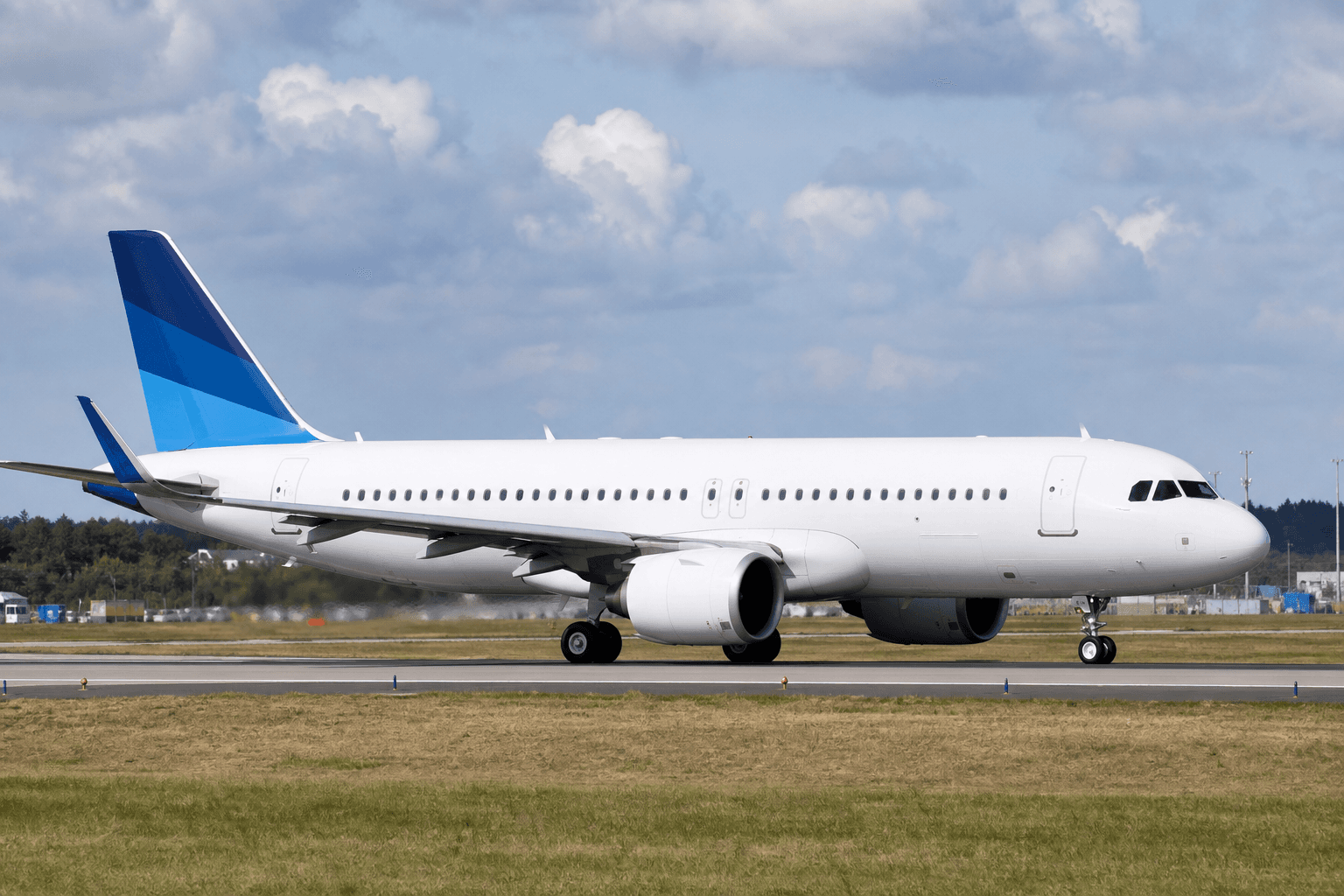
British Airways to Power Up to 63 A320neos with Pratt & Whitney Engines, Ending Long CFM Exclusivity
The United Kingdom's primary flag carrier, British Airways, has selected Pratt & Whitney's geared turbofan, or GTF engine to power up to 63 Airbus A320neo family aircraft, ending decades of exclusive reliance on CFM International engines for its Airbus narrowbody fleet. So in this video, we take a look at why the airline is introducing a second engine supplier for the first time on its A320neo family fleet, and what this decision says about how airlines are choosing engines in today's increasingly complex aviation market.
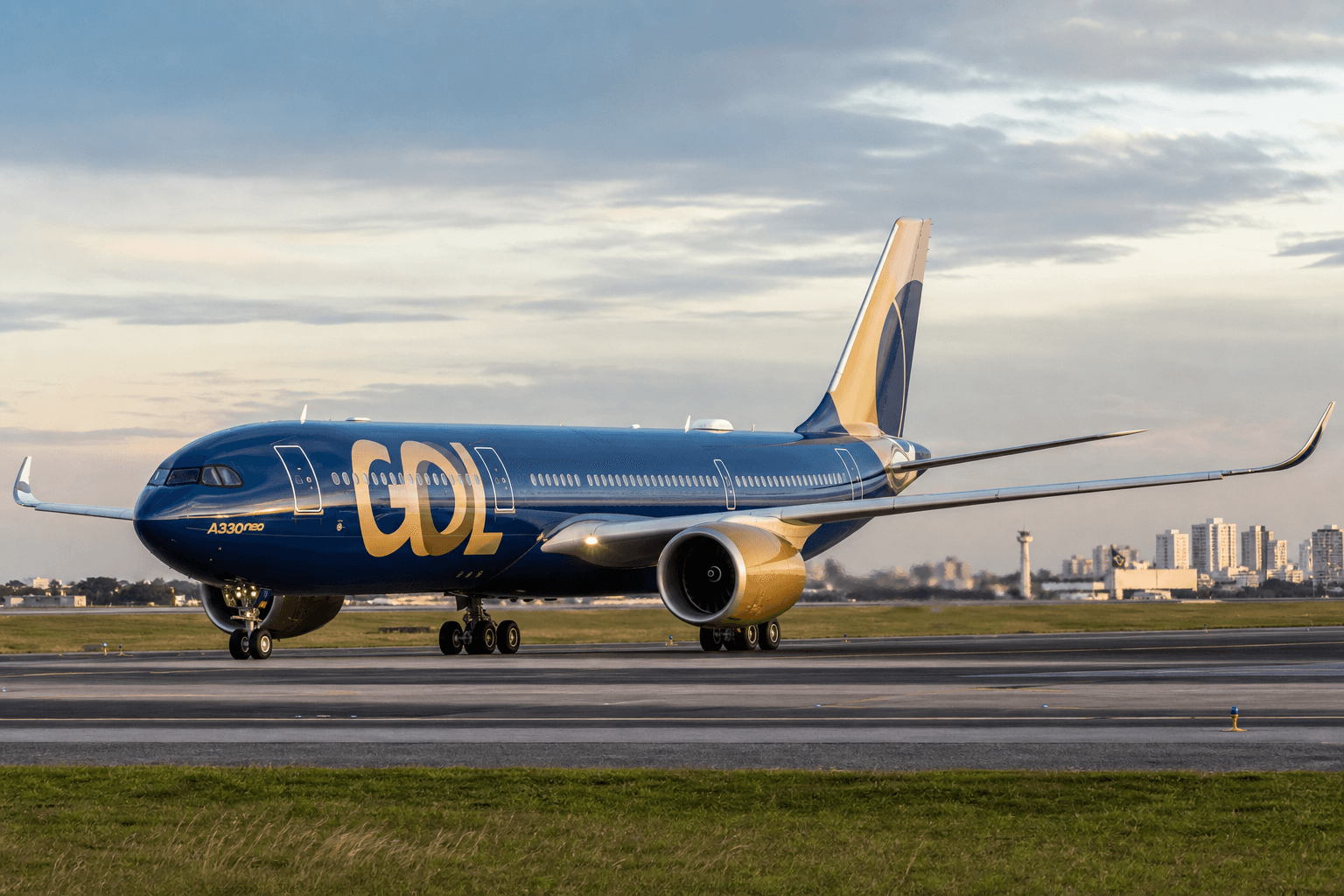
Gol names Andre Fehlauer as CEO amid international expansion plans
Abra Group has major international ambitions for Gol. Brazil's Gol Linhas Aereas has appointed a new chief executive and president. Andre Fehlauer will take over as chief executive officer effective September 2026, succeeding Celso Ferrer. Albert Perez will add president to his current role of chief operating officer. Fehlauer previously served as chief executive of Livelo, a loyalty points provider. He previously worked at Gol for eight years at Smiles, Gol's loyalty programme. As chief executive, Ferrer "played a pivotal role in guiding Gol through a transformative period and positioning the airline for its next phase of growth", says parent company Abra Group's chief executive Adrian Neuhauser. Ferrer has served as chief executive since 2022, taking over amid a major deal with Avianca to form Abra Group. He also steered Gol through its 2024 Chapter 11 bankruptcy. Abra has big ambitions for Gol's international growth . The airline is set to receive the first of five Airbus A330-900neos from lessor Avolon by the end of the year and has its eyes on more. Its first major international route to New York from Rio de Janeiro also launched this year , operated by Wamos Air until the A330neos are delivered. Gol plans to start flights between Rio and Lisbon in September, and to Orlando and Paris by the end of the year.
Delta Accelerates Austin Growth With New Paris Route and Expanding Operations
Paris, a crew base, and 15 future gates are positioning the airline for its next phase of expansion.
The Daily Touch & Go
The day's best aviation news in your inbox. Free, no spam.