

Illustration: The Touch & Go
British Airways debuts Club Suite business class with direct aisle access and privacy doors
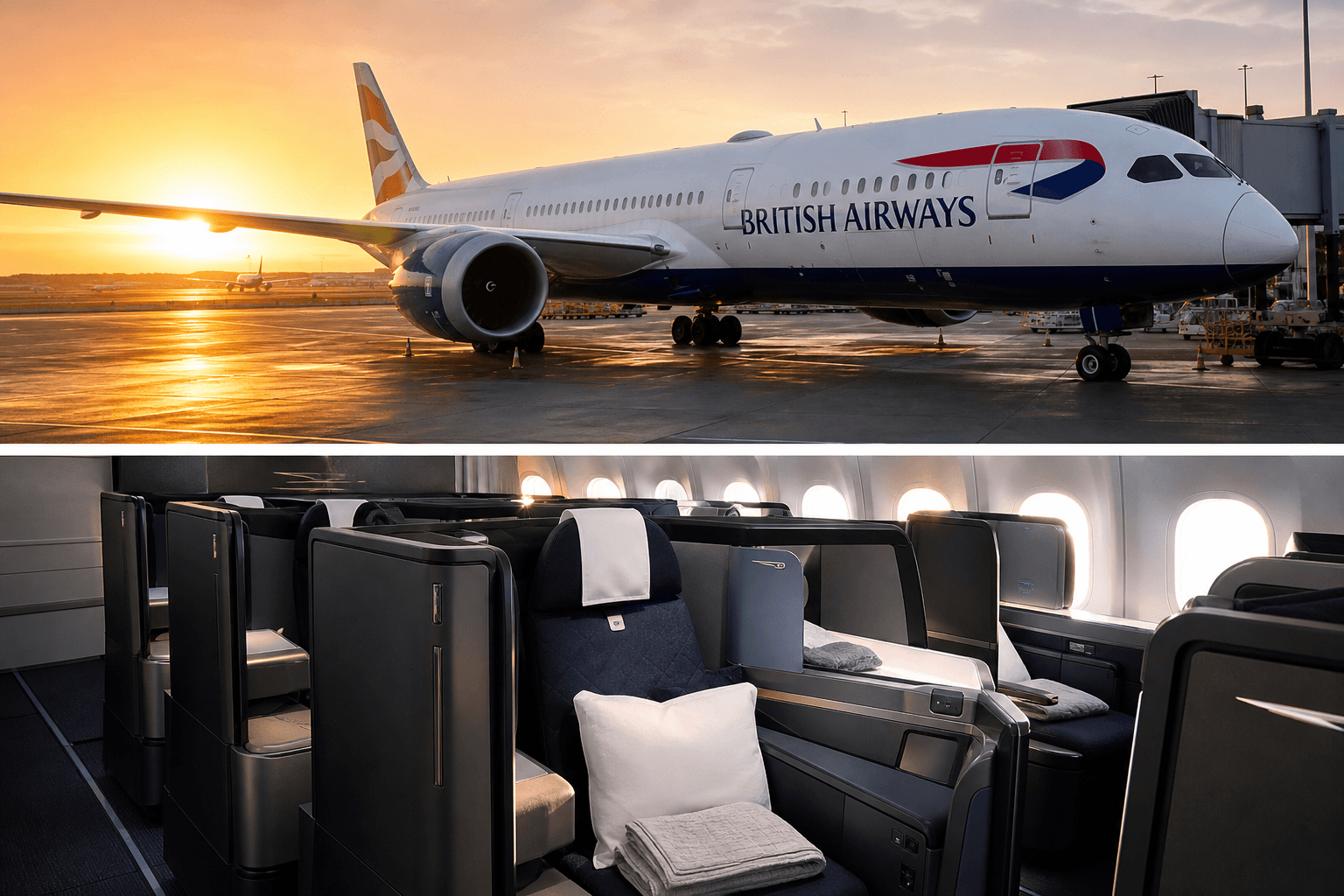
British Airways rolls out its new Club Suite business class on 777-200ER flights from London Heathrow to New York JFK, upgrading its long-haul offering with suite-style seats and modern cabin amenities.
The gist
British Airways elevates its business class with Club Suite cabins on Heathrow–JFK 777s, featuring aisle access, privacy doors, and enhanced service.
British Airways has introduced its Club Suite business class product on select Boeing 777-200ER flights between London Heathrow and New York JFK, marking a significant upgrade from its long-standing Club World seats. The Club Suite offers a modern, suite-style design with direct aisle access for every passenger and sliding privacy doors, bringing BA up to speed with competitors' business class offerings. This rollout reflects BA's commitment to revitalizing its premium cabin experience across much of its long-haul fleet based at Heathrow.
Flying on a 777-200ER equipped with the new Club Suite, passengers encounter a cabin dominated by a sleek reverse herringbone layout with deep blues, grays, and metallic finishes that create a luxurious but futuristic atmosphere. Unlike the previous Club World seats, which varied significantly in quality depending on location, Club Suite seats are more consistent in privacy and comfort across the cabin. The majority of the aircraft accommodates premium cabins, with business, premium economy, and first-class seats comprising two-thirds of total capacity on this high-demand transatlantic route.
Passengers experience thoughtful personal space design with spacious tables and storage lockers adjacent to their seats, which come equipped with amenity kits and water bottles. The entertainment system includes a large screen and noise-cancelling headphones, although the interface shows signs of age, particularly in the flight tracker functionality. The inclusion of suite doors demands that passengers keep them open for takeoff and landing but provides a valuable increase in privacy during cruise.
The ground experience at Heathrow Terminal 5 complements the premium onboard product, featuring dedicated check-in areas for premium customers and access to the Galleries Lounge in concourse 5B. The lounge offers solid food and beverage options including a specialty coffee station and British-themed Pimm’s cocktails. While the airport views from the lounge allow for ramp spotting, sightlines of the sky itself are limited by the terminal roof structure.
Inflight service on Club Suite flights follows a traditional British Airways pattern, with a main meal after takeoff, a mid-flight optional teatime service, and a snack before landing. The menu includes classic British dishes such as tuna tonnato starters, Cornish chicken breast entrées, and sticky toffee pudding for dessert. Service was described as friendly and attentive, enhancing the overall passenger experience.
The Club Suite seats convert into fully flat beds with ample footwell space, equipped with bedding from The White Company, including a mattress pad, pillow, and blanket. This setup supports quality rest on daytime flights, although the lavatories themselves remain standard without notable upgrades. Complimentary midflight drinks include classic British options, such as the Speedbird OG beer, reflecting BA’s brand heritage.
Despite the major improvements, some aspects of the Club Suite experience received critique. These include a relatively light pre-landing snack offering for a long-haul flight, occasional technical issues with the inflight entertainment screen freezing, and a flight map system lacking interactive detail compared to other airlines. Additionally, British Airways' policies require significant copayments for award bookings and seat reservations, which some passengers find less customer-friendly.
Overall, British Airways’ Club Suite introduces important enhancements in space, privacy, and design, successfully addressing long-standing criticisms of the Club World cabins. BA’s revamped business class product enters the competitive transatlantic market with stronger appeal for business travelers seeking comfort and modern amenities on the London to New York route.
Read more
All Airlines →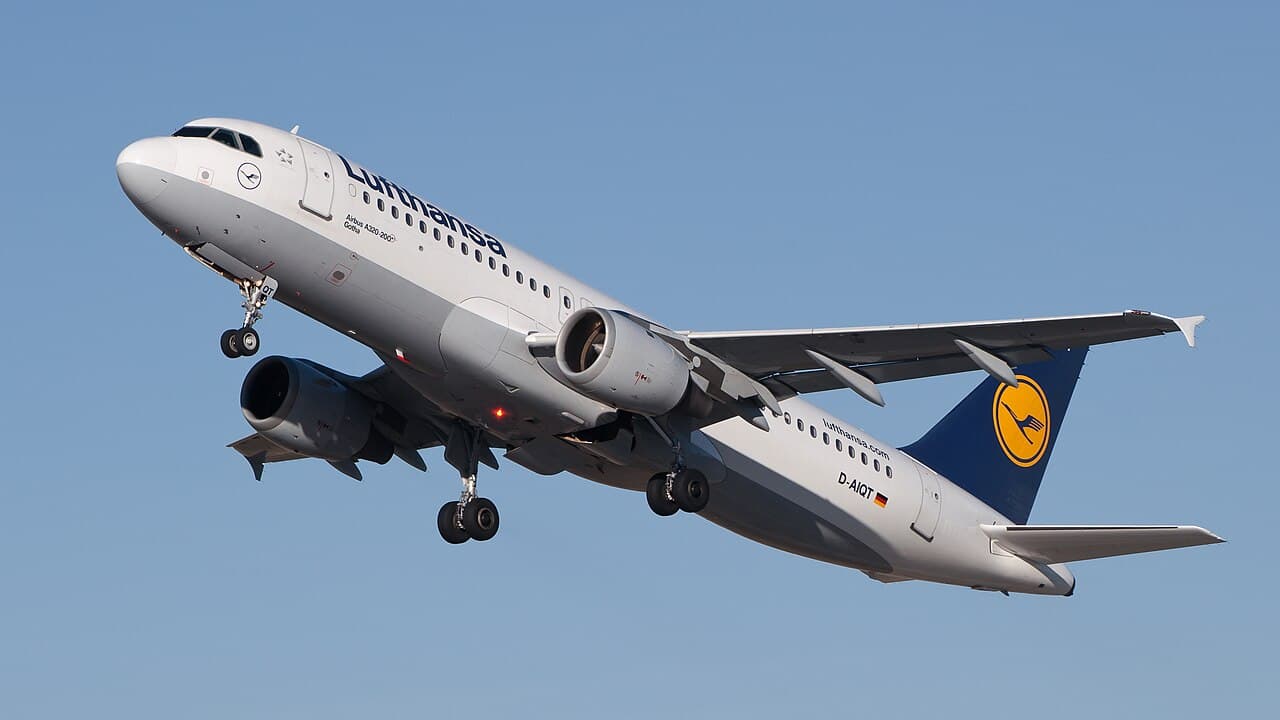
Lufthansa Charges Extra for Most Lufthansa Allegris Business Class Seats
Lufthansa is in the process of rolling out its much anticipated new Allegris business class cabins, and so far, they're installed on select Airbus A350-900s and Boeing 787-9s, consistently available on some long haul routes . Lufthansa has heavily marketed how its new Allegris business class product is all about choice, and that the airline offers at least five different business class seating options. The catch is that a majority of these seats are actually buy-up options, so they'll cost you extra if you just book a standard business class ticket. In this post, I'd like to take a look at how Lufthansa Allegris business class seating actually works in terms of the fees. How much will you pay to assign the various types of Allegris business class seats, and what happens if you don't pay for a seat in advance? Is waiting until check-in to get a seat assignment going to get you the worst seat, or is that the hack to get the best seat? Let's start with covering the basics of Lufthansa's different kinds of Allegris seats, and then we'll talk about how much assigning them will cost you. Types of Lufthansa Allegris business class seats I've now had the chance to fly Lufthansa's Allegris business class on both the Airbus A350 and Boeing 787 . It's a massive improvement over the old product, and there's also a huge difference in terms of the quality between the various seats in this configuration. Lufthansa Allegris business class cabin Lufthansa publishes the below maps of the two plane types that have Allegris, which shows you the different kinds of seating options. Lufthansa Allegris seat map Airbus A350-900 Lufthansa Allegris seat map Boeing 787-9 Let me use the Airbus A350-900 as an example, which has 38 business class seats. Here are the five types of seats, including which cost extra, who can assign them for free, etc.: The classic seats (12 of 38 seats), which are the standard seats closest to the aisle, can be assigned in advance by all passengers at no extra cost The privacy seats (10 of 38 seats), which are the "true" window seats that offer extra privacy, are free for Miles & More HON Circle and Senator members and their companions, and can be booked at an extra cost by others The extra space seats (four of 38 seats), which are the middle "throne" seats that offer a lot of space, are free for Miles & More HON Circle and Senator members and their companions, and can be booked at an extra cost by others The extra long bed seats (four of 38 seats), which are select middle seats with extra long beds behind the extra space seats, are free for Miles & More HON Circle members and their companions, and can be booked at an extra cost by others The business suites (eight of 38 seats), which are the super spacious seats with doors in the first row of each cabin, are available at an extra cost for all passengers Lufthansa Allegris business class privacy seat How much Lufthansa charges for Allegris seat assignments How much does Lufthansa charge to assign seats in Allegris business class? It depends on the length of the flight and the exact seats. Lufthansa actually no longer publishes the amounts (best I can tell), so I guess the pricing is technically dynamic. That being said, at launch the airline did publish these prices, and I think the pricing is largely still similar, so let me share those numbers (while noting that they may be a little different now). The prices shown are in three different currencies. For shorter long haul flights, including to and from Equatorial Guinea, Iran, Nigeria, Saudi Arabia, and the United Arab Emirates, you can find the seat fee chart below. Lufthansa Allegris business class seat fees For medium long haul flights, including to and from Angola, Eastern Canada, India, Kazakhstan, Kenya, and the Eastern United States, you can find the seat fee chart below. Lufthansa Allegris business class seat fees For longer long haul flights, including to and from Argentina, Brazil, Western Canada, China, Colombia, Costa Rica, Hong Kong, Japan, Mexico, Singapore, South Africa, South Korea, Thailand, and the Western United States, you can find the seat fee chart below. Lufthansa Allegris business class seat fees To summarize: The extra space seats range in cost from €130 to €230 The extra long bed seats range in cost from €100 to €170 The privacy seats seats range in cost from €100 to €170 The business suites range in cost from €400 to €600 Lufthansa Allegris business class classic seat What happens if you don't assign a seat in advance? What happens if you are flying in Lufthansa Allegris business class, and don't assign a seat in advance? That could either be because there are no classic seats left to assign, or simply because you want to gamble, and see what you end up with. For example, I recently played around with this a bit on a flight from Austin (AUS) to Frankfurt (FRA). Before online check-in, below is what the seat map looked like (I assume the pricing was showing in CAD since I had redeemed Air Canada Aeroplan points). Lufthansa Allegris business class seat fees As you can see, there was a classic seat left to assign, but it was a center seat in the last row. Meanwhile there were were a few business suites, a couple of privacy seats, and an extra long bed seat, so I figured there was no downside in waiting. Worst case scenario, I'd end up in the only seat I could assign at no cost anyway. Once online check-in opened, I noticed that the privacy seats were available to select at no additional cost. Meanwhile the business suites and extra long bed seats continued to show the same pricing. Lufthansa Allegris business class seat map Lufthansa Allegris business class seat fees So the system seems to be that privacy seats become assignable at no cost when online check-in opens. I understand the concept of wanting to still charge for business suites, but for extra long bed seats? I find that to be weird, as it's a really niche product. Now, who ended up getting the business suites? I know in theory Lufthansa tries to upgrade its top elite members to those seats, but more often than not, things don't seem to play out that way. I was monitoring the seat map, and those seats seemed to go to the last people who checked in, when there were no remaining seats. I of course can't say with certainty, but the people didn't strike me as Lufthansa frequent flyers. So of course it depends on the situation on a particular flight, but it seems that the best way to get a business suite at no cost is to be among the last to check-in. Of course that could also mean you get the worst seats in the cabin, so it goes both ways. Lufthansa Allegris business class extra space seat My take on Lufthansa's Allegris pricing approach As you can see above, the average business class passenger can assign fewer than one-third of Lufthansa's Allegris business class seats at no extra cost. Miles & More elite members can assign more seats at no extra cost, but the front row business class suites are only available for purchase, and aren't given to anyone for free, unless it's for operational reasons. With that in mind, a few thoughts: It's disappointing to think that even having the privilege of looking out the window comes at an extra cost in Allegris business class Those who don't want to pay extra for assigning seats in Allegris business class are going to often find themselves not being able to assign a seat in advance, and/or may also have issues assigning seats next to a travel companion (which is a problem in Allegris business class in general, given that the only seats together are the center business suites) I guess we can't be too judgmental of the concept of charging for business class seat assignments, given that this is something that British Airways has done for years, and which Air France-KLM have adapted as well Lufthansa's first row suites in Allegris business class are excellent, among the better "business class plus" products out there;
Norse Atlantic Eyes Sale or Merger After IndiGo Leasing Deal Ends
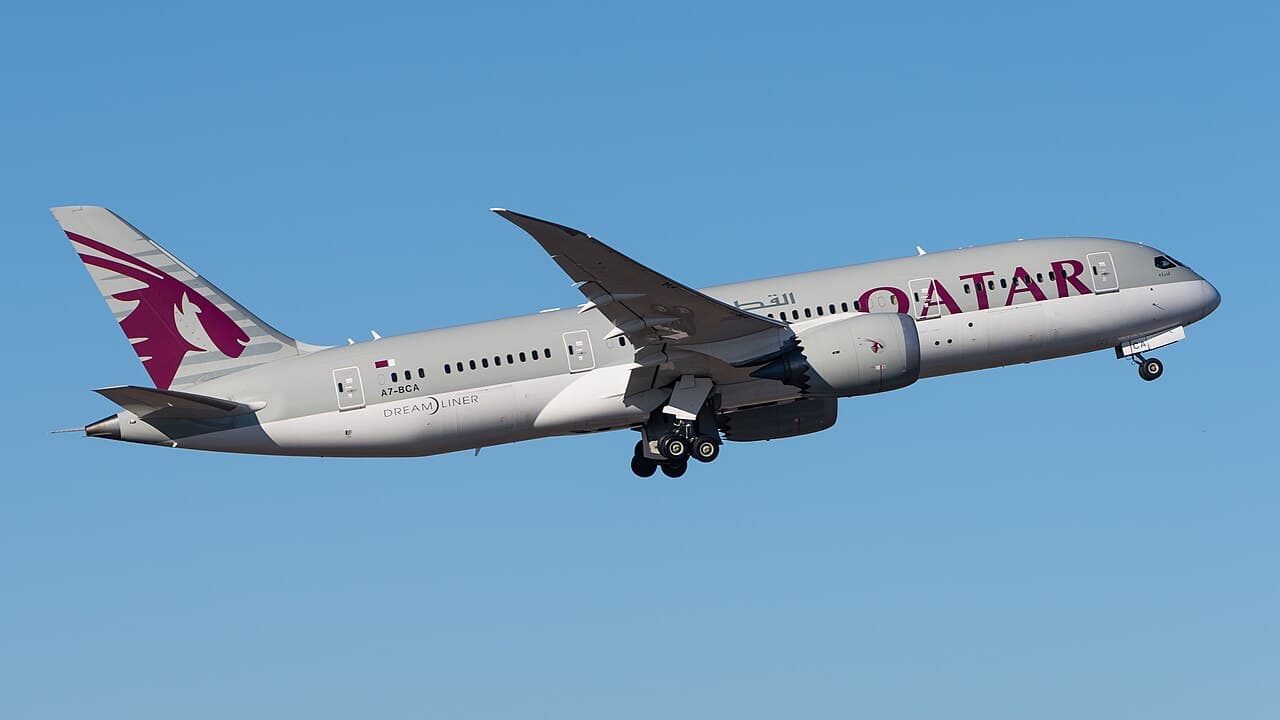
All-Boeing 787 airline Norse Atlantic Airways is pursuing a sale, merger, or partnership, as the airline has otherwise run out of viable options, after India's IndiGo pulled the plug on its aircraft leasing agreement. To Norse Atlantic's credit, the airline sure is putting a positive spin on this . Is there any chance this will work out well for the airline, or is this overoptimism? Norse Atlantic gets back 787s, has nowhere to fly them The airline industry can be a funny business, and there's no clearer example of that than Norse Atlantic Airways. The airline launched in 2022 , with the goal of operating long haul, low cost flights, particularly across the Atlantic. That wasn't exactly a unique business model, because this was exactly what Norwegian did, before it discontinued long haul flights in 2021 . Not only was the idea sort of copied, but Norse Atlantic had some executives from Norwegian, and even picked up the planes that Norwegian previously flew. But as is all too common in the airline industry, clearly they thought it would be different this time around… it wasn't. So in 2024 we saw the airline update its business model , making the focus less about operating regularly scheduled commercial flights, and more about leasing out aircraft, all while reducing its fleet. The company got a lifeline when IndiGo decided to lease some Norse Atlantic 787s to dabble in long haul flying, ahead of the airline taking delivery of its own Airbus A350s . However, between all the airspace closures, high oil costs, and generally declining performance at IndiGo as the airline increasingly moves away from its core strengths, the airline has now decided to scrap that experiment. These planes will be returning to Norse Atlantic as of November 1, 2026. This means Norse Atlantic will be getting back five Dreamliners (beyond the one that has already been returned), just in time for the winter season… which isn't exactly the ideal time of year for a long haul, low cost airline to get more planes! So what's the plan? Norse Atlantic's IndiGo leases are coming to an end Norse Atlantic now open to basically any opportunity What does Norse Atlantic plan to do with these planes that are being returned? Well, let me just quote the airline. Here's what it had to say about fleet deployment: Norse is already engaged in discussions with several airlines regarding ACMI opportunities for up to five aircraft and expects to provide further updates in due course. Moreover, the Company intends to deploy part of the returning fleet within its own network for increased production on selected profitable routes during the upcoming winter season, such as flights from Europe to Orlando and New York. And here's the more interesting point, about a strategic update: The transition provides Norse Atlantic with greater fleet flexibility as the Company advances its strategic review. Given the level of interest received to date as part of the strategic review, the Board has decided to move forward with a formal process, which may result in a sale, merger or partnership. Further information will be provided as and when appropriate. I also can't help but point out this quote from Norse Atlantic CEO Eivind Roald: "The return of these six aircraft opens up strategic opportunities that were not available to us before. We are seeing strong demand for modern, fuel-efficient long-haul aircraft, and we also see attractive opportunities to deploy additional capacity within our own network. Our priority is to use this increased flexibility to improve profitability and create long-term value for our shareholders." Correct, when you run out of business opportunities, that does indeed open up strategic opportunities that were not available before! Now, I'm struggling to see where there's much upside here. Norse Atlantic leases its fleet of planes, so it's not like an "acquisition" of a company that barely has scheduled flights and that is struggling to lease out aircraft adds much value. If Norse Atlantic's own scheduled operations were anywhere close to profitable on a year-round basis, the airline wouldn't be in this situation. If someone wanted the planes, well… they could just do what Norse Atlantic did to Norwegian. Wait until the company goes out of business and the planes are returned to the leasing company, and then pick them up there. I'm not trying to be so flippant, I feel bad for the people who would be losing their jobs here. But we also have to be realistic that basically replicating a failed business model with the same planes and similar routes isn't a recipe for success. We've seen this over and over… just look at what we saw in Iceland with WOW Air and then PLAY Airlines. Norse Atlantic's top cabin is premium economy Bottom line Norse Atlantic is once again finding itself in a tough situation — well, even tougher situation, since I don't think it was ever in a good situation. For the past 18 months or so, the airline has been leasing out a majority of its active fleet to IndiGo, but those planes will be returned as of late 2026. While the airline claims it will try to redeploy the planes on profitable routes, that's easier said than done. It's also reportedly in talks to lease the planes to other airlines. The company is pursuing "strategic opportunities," which could include a sale, merger, or partnership, but the upside seems pretty limited when your planes are leased in the first place. How do you see this situation playing out for Norse Atlantic?
IndiGo Halts Leased Widebody Flights, Awaits Airbus A350 to Restart Long-Haul Service
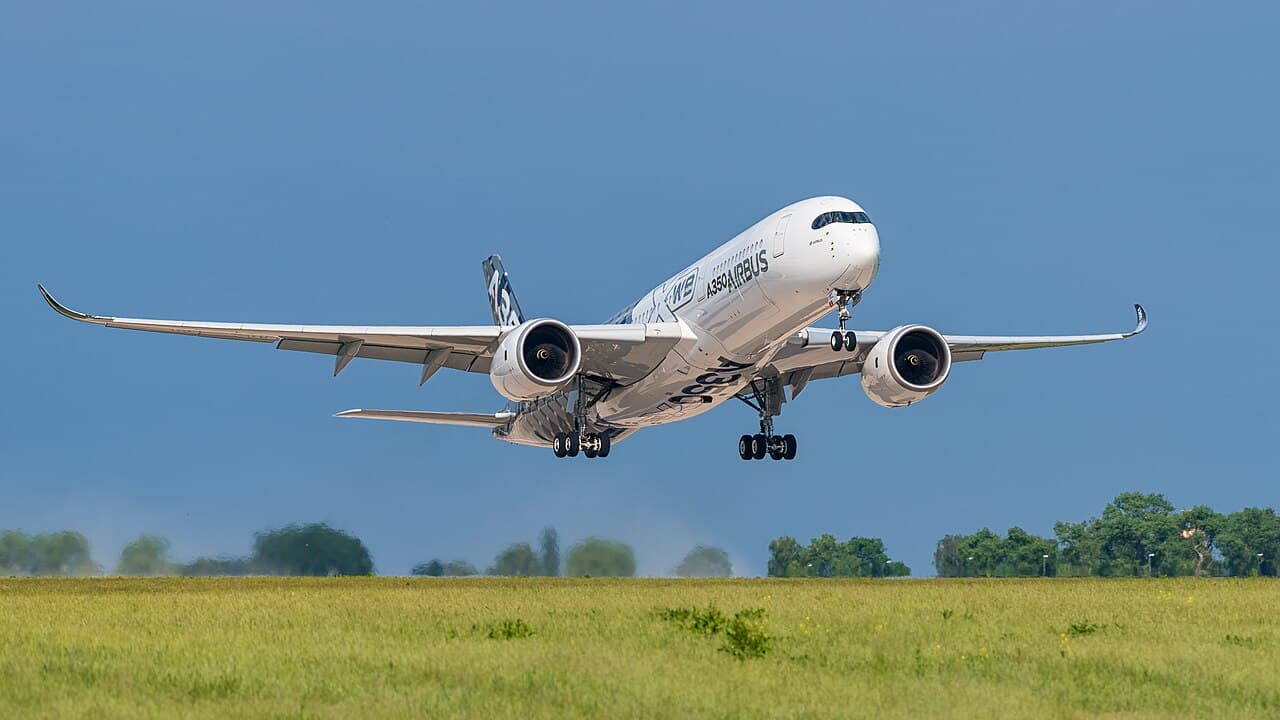
India’s largest airline, IndiGo, will suspend its current wide-body flight operations from October 25, 2026, marking a temporary halt to its early long-haul experiments while it awaits delivery of its own Airbus A350-900 fleet. ezstandalone.cmd.push(function () { ezstandalone.showAds(119); }); The decision, announced on July 31, also ends the airline’s damp-lease (ACMI) agreement with Norway’s Norse Atlantic Airways. Under this arrangement, six Boeing 787-9 aircraft had been operating selected India-Europe routes since early 2025. IndiGo entered the partnership to accelerate learning in long-haul operations, develop crew and network capabilities, and establish brand presence ahead of its A350 arrivals, originally expected from 2027. ezstandalone.cmd.push(function () { ezstandalone.showAds(127); }); The leased Dreamliners enabled services to destinations including London Heathrow, Amsterdam, Manchester, and others. External Pressures Force ACMI Closure However, the operating environment deteriorated markedly. Airspace restrictions linked to Middle East geopolitical tensions forced longer routings, while elevated fuel prices, currency pressures, and rising costs eroded route efficiency, schedule reliability, and competitiveness. ezstandalone.cmd.push(function () { ezstandalone.showAds(128); }); As a result, Mumbai–Amsterdam flights will switch to IndiGo’s Airbus A321XLR narrowbodies from October 25. London Heathrow services will be temporarily discontinued until the A350-900s arrive. Photo Credit: IndiGo The airline has stressed that its broader international expansion plans remain intact, with continued growth via the A321XLR and eventual deployment of its 60 ordered A350s. IndiGo has pledged to support affected passengers through alternative arrangements or refunds. ezstandalone.cmd.push(function () { ezstandalone.showAds(129); }); From Norse Atlantic’s perspective, the parties mutually agreed to end the ACMI partnership effective November 1, 2026. One of the six 787-9s had already been scheduled for return at the end of August following IndiGo’s earlier closure of its Manchester route. The remaining five will now also be redelivered. Norse Atlantic Perspective Norse CEO Eivind Roald described the 18-month collaboration as valuable but noted that elevated fuel prices, airspace disruptions, and longer flight routings from the Middle East conflict had undermined commercial viability for both sides. ezstandalone.cmd.push(function () { ezstandalone.showAds(130); }); “We have jointly concluded that alternative deployment of the aircraft will be more commercially beneficial to both parties,” Roald said. The returned aircraft will give Norse greater flexibility. The carrier is in discussions with multiple airlines for new ACMI placements covering up to five jets and plans to deploy part of the fleet on profitable winter routes, including services from Europe to Orlando and New York. This capacity boost also supports Norse’s ongoing strategic review. Following interest from potential counterparties, the board has launched a formal process that could lead to a sale, merger, or strategic partnership, aiming to enhance long-term shareholder value. ezstandalone.cmd.push(function () { ezstandalone.showAds(131); }); Photo Credit: IndiGo Conclusion The episode highlights the challenges facing long-haul operators in a volatile geopolitical climate. For IndiGo, the pause represents a prudent short-term recalibration rather than a retreat from international ambitions. The airline built its success on a disciplined narrowbody model and views the A350 programme as the foundation for genuine long-haul growth. For Norse Atlantic, the end of a major ACMI contract that once covered half its fleet creates both near-term redeployment opportunities and strategic optionality. As IndiGo transitions its European network and prepares for its own widebodies, and as Norse seeks new partners or structural change, both carriers are adapting to an industry environment where flexibility and cost discipline have become essential. ezstandalone.cmd.push(function () { ezstandalone.showAds(132); }); The temporary cessation of IndiGo’s leased widebody flying underscores how external shocks can reshape even carefully planned expansion strategies, while reinforcing the airline’s long-term commitment to connecting India with the world.
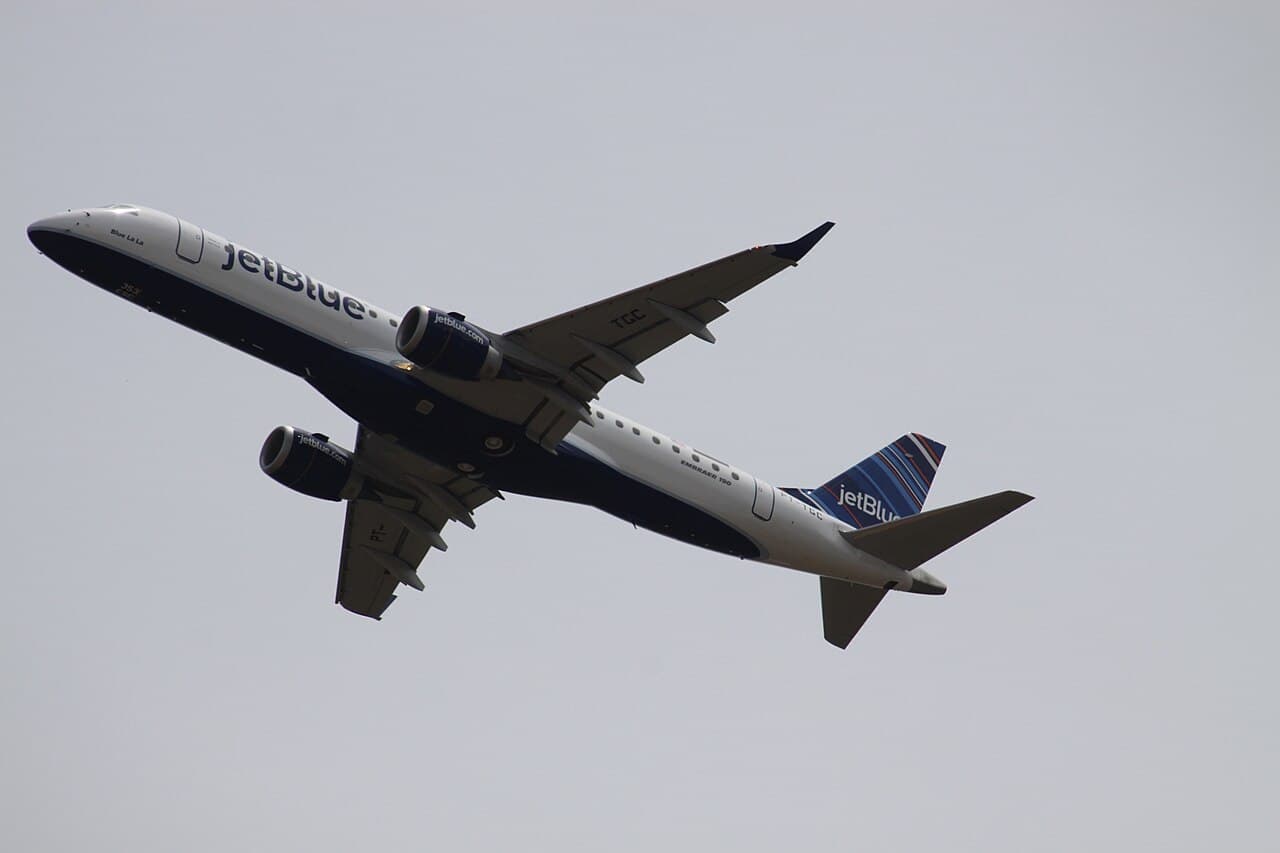
JetBlue Posts 14.5% Revenue Growth in Q2 2026, Reinstates Full-Year Outlook
JetBlue Airways reported robust second-quarter 2026 results on July 28, highlighting the early success of its JetForward transformation strategy despite elevated fuel prices. ezstandalone.cmd.push(function () { ezstandalone.showAds(119); }); The airline posted operating revenue of $2.7 billion, marking a 14.5% increase from the prior year, driven by strong customer demand and targeted commercial initiatives. Revenue per available seat mile (RASM) rose 10.9% year-over-year, landing near the upper end of the company’s revised guidance. ezstandalone.cmd.push(function () { ezstandalone.showAds(127); }); This performance reflects broad-based strength across premium and main cabin products. Premium RASM was up approximately 13% with main cabin RASM growing 11%. Capacity increased a modest 3.2% year-over-year, aligning with expectations. Fuel Costs Create Short-Term Pressure, But Recovery Exceeds Expectations Higher fuel prices significantly impacted profitability. JetBlue’s average fuel cost reached $4.23 per gallon in Q2, a 76% jump from the previous year. ezstandalone.cmd.push(function () { ezstandalone.showAds(128); }); This drove operating expenses higher, resulting in an operating loss of $141 million and a net loss of $247 million, or $0.66 per share. Despite the surge, the airline recaptured nearly 50% of the higher fuel costs—well above initial expectations of 30-40%. ezstandalone.cmd.push(function () { ezstandalone.showAds(129); }); Cost per available seat mile excluding fuel (CASM ex-fuel) rose only 2.4% year-over-year, beating the midpoint of guidance by 1.6 points. This disciplined cost management underscores JetBlue’s operational focus. Photo Credit: JetBlue JetForward Strategy Showing Tangible Progress Two years into JetForward, JetBlue has generated $470 million in cumulative incremental EBIT through June 2026. The company remains on track to deliver $850–$950 million in annual incremental EBIT benefits by the end of 2027, with expectations building to approximately $1.2 billion by 2028. ezstandalone.cmd.push(function () { ezstandalone.showAds(130); }); Key highlights include improved operational reliability, with A14 performance up about one point and Net Promoter Score rising five points year-over-year. In Fort Lauderdale, JetBlue achieved 11% RASM growth despite nearly 40% capacity expansion, capitalizing on market opportunities. Loyalty revenue grew 13%, fueled by strong co-brand card performance and new initiatives like ClarityPay for flexible payments. Premium experiences continue to win acclaim. Mint ranked highest in customer satisfaction among first/business passengers in the J.D. Power 2026 North America Airline Satisfaction Study for the second year running. ezstandalone.cmd.push(function () { ezstandalone.showAds(131); }); The BlueHouse lounge at JFK earned “Best Airport Lounge of 2026” honors, with Boston’s location opening soon. Upcoming enhancements include BlueFirst, the new domestic first-class product launching sales this fall, and expanded Blue Sky reciprocal loyalty benefits. Long-Term Confidence Reflecting momentum, JetBlue introduced a 2028 earnings per share target of at least $1.00, assuming sustained demand and average jet fuel prices of $3.00 per gallon. CEO Joanna Geraghty emphasized the strategy’s role in building a more profitable future. ezstandalone.cmd.push(function () { ezstandalone.showAds(132); }); “We’re encouraged by the progress we’re making,” Geraghty said. “Strong customer demand and decisive actions enabled us to recover fuel costs more quickly than anticipated.” Photo Credit: JetBlue Reinstated 2026 Outlook JetBlue reinstated its full-year 2026 guidance, supported by better visibility into the second half: Capacity (ASMs): 1.5%–3.5% year-over-year for FY; 3.0%–6.0% for Q3 RASM: 10.0%–12.5% for FY; 12.5%–16.5% for Q3 CASM ex-Fuel: 2.0%–4.0% for FY; 2.5%–4.5% for Q3 Adjusted Operating Margin: (2.0%)–(5.0%) for the full year Fuel Price: Approximately $3.49 per gallon Capital Expenditures: ~$850 million for the year ezstandalone.cmd.push(function () { ezstandalone.showAds(133); }); CFO Ursula Hurley noted expectations for second-half operating margin improvement of about 3.5 points year-over-year, supporting the path to sustained profitability. Strategic Positioning for Future Growth JetBlue continues investing in its East Coast leisure network, technology modernization, fuel efficiency, and AI-driven operations. President Marty St. George highlighted traction in commercial initiatives and network enhancements, including additional slots in New York. ezstandalone.cmd.push(function () { ezstandalone.showAds(134); }); As the airline advances JetForward, it aims to deliver greater value to customers and shareholders through reliable service, valued products, and a stronger financial foundation. With demand remaining resilient, JetBlue appears well-positioned to navigate near-term challenges and drive long-term earnings growth.
The Daily Touch & Go
The day's best aviation news in your inbox. Free, no spam.