

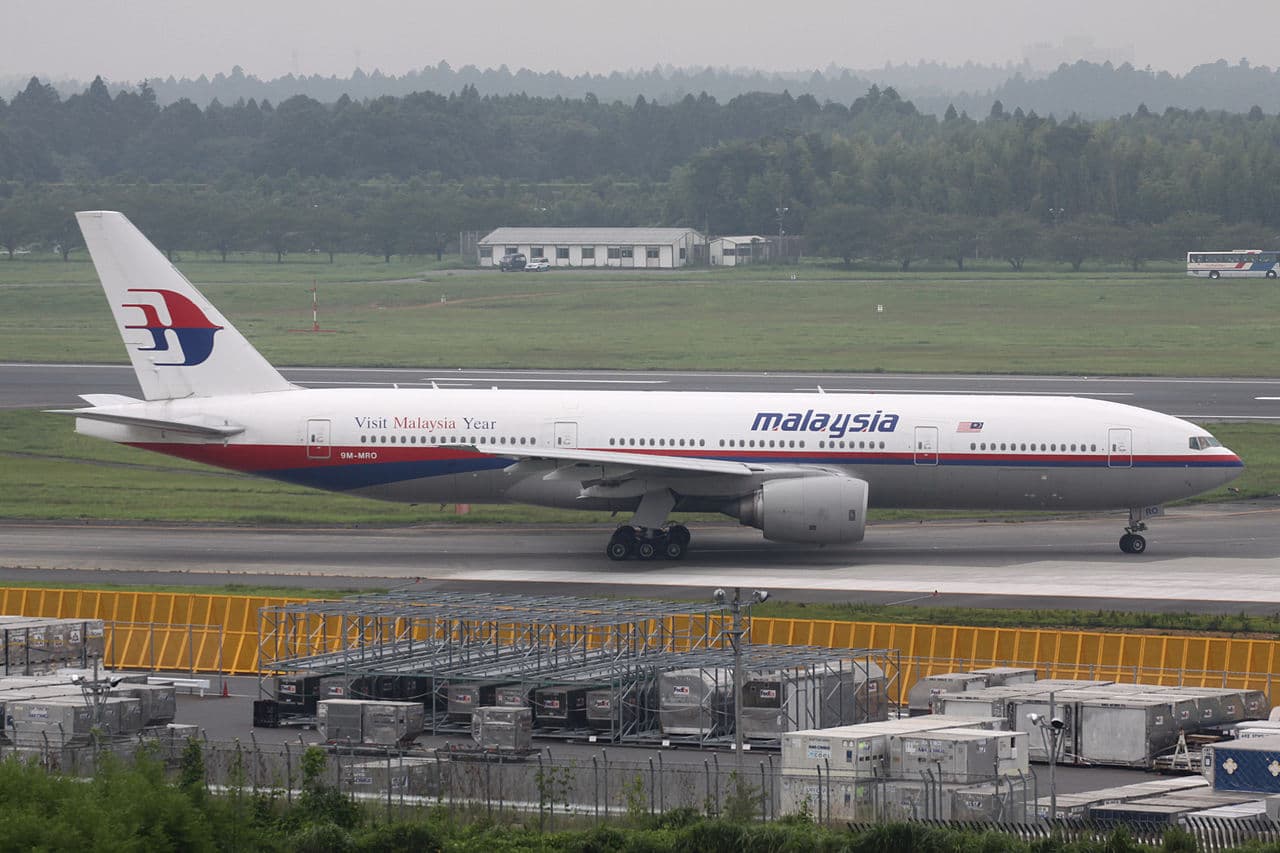
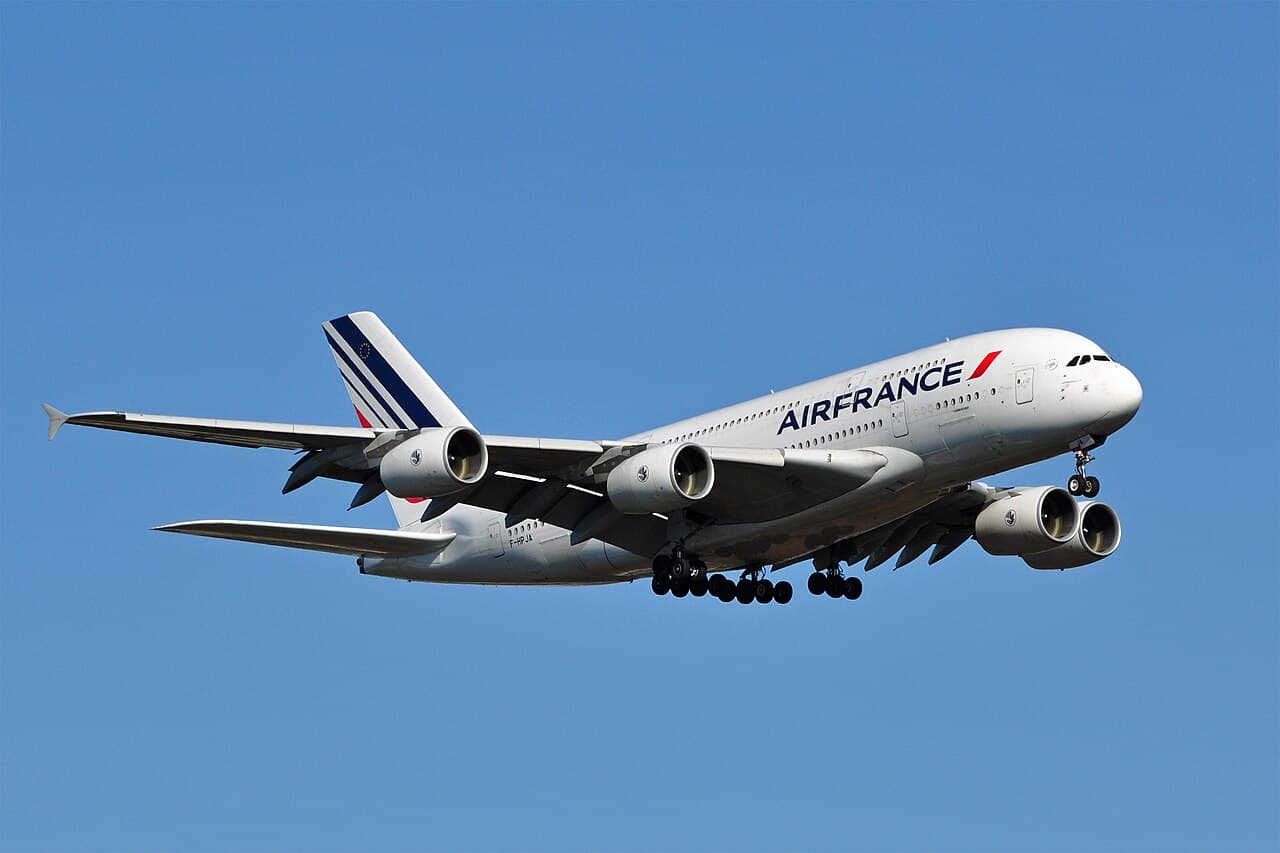
Image: Kentaro Iemoto from Tokyo, Japan · CC BY-SA 2.0 · via Wikimedia Commons
Malaysia Airlines Pilot Detained in Indonesia for Smuggling Over 70,000 Ecstasy Pills
A Malaysia Airlines first officer faces possible death penalty after being caught smuggling large quantities of ecstasy into Jakarta's main airport during a work trip.
The gist
Malaysia Airlines pilot detained at Jakarta airport with 70,000 ecstasy pills, faces death sentence under Indonesian narcotics law.
A Malaysia Airlines pilot is under arrest in Indonesia after customs officials found more than 70,000 ecstasy pills hidden in his luggage upon arrival at Soekarno–Hatta International Airport in Jakarta. The pilot, identified only by the initials MBSO, was detained after a routine luggage X-ray revealed suspicious packages, which were later found to contain over 55 pounds of narcotics including ecstasy and methamphetamine. The discovery triggered a criminal investigation under the stringent Indonesian narcotics law, which carries potential death penalties for serious drug trafficking offenses.
MBSO serves as a first officer on a Boeing 737 and had just completed a flight originating from Kuala Lumpur. Indonesian authorities revealed that during testing he was positive for both ecstasy (MDMA) and cocaine, intensifying his legal predicament. The pilot reportedly confessed to involvement with an organized drug smuggling network, stating he was promised a financial reward of 50,000 Malaysian Ringgit, approximately US $12,235, to transport the illicit cargo. His alleged role entailed delivering the drugs to Jakarta, checking into a hotel, and meeting a contact who would retrieve the shipment.
Prosecutors allege this is not the pilot's first offense; he reportedly smuggled methamphetamine to Sabah, Malaysia as well as previously transporting 7 kilograms of methamphetamine into Jakarta. Authorities are pursuing charges under Indonesia's Law No. 35 of 2009 on Narcotics, where trafficking large quantities of drugs can invoke a death sentence or life imprisonment, depending on the severity and circumstances of the case. The investigation continues, with forensic analysis and interrogations ongoing.
Though cases of airline crew involvement in drug smuggling remain relatively uncommon, incidents like these highlight vulnerabilities within the industry. Pilots and flight attendants are sometimes targeted by drug trafficking organizations, often due to financial pressures or personal issues. Within Malaysia Airlines itself, there have been past instances of crew entangled in similar illegal activities, such as a 2018 case where a cabin crew senior member was jailed for smuggling large sums of illicit cash through Heathrow Airport.
Further illustrating the regional challenges, a Malaysian flight attendant was convicted in 2020 in Australia for heroin smuggling, hiding drugs on her person to fund family medical expenses. In neighboring countries, similar events persist: in 2023, four Vietnam Airlines attendants were arrested for smuggling ecstasy hidden inside toothpaste tubes, and a Thai flight attendant was apprehended in Melbourne while trafficking heroin. These examples underscore a worrying trend of aviation personnel being exploited or coerced into smuggling illicit substances across international borders.
Indonesia’s tough stance on drug trafficking reflects its broader policy of zero tolerance toward narcotics offenses, particularly when they involve trafficking into the country. The pilots’ detention and potential prosecution under these laws demonstrate the severity with which Indonesia approaches airline-related smuggling incidents. The case also raises concerns about how airlines screen and monitor their employees to prevent involvement in illegal activities that jeopardize safety and security.
Malaysia Airlines is currently not publicizing details regarding their internal response or any disciplinary measures relating to the arrest. Aviation stakeholders await further developments, as the pilot’s case will test the enforcement of narcotics laws on foreign airline staff operating in Indonesia and prompt discussions on security and ethical responsibilities within international aviation operations.
Frequently asked questions
- What was the quantity of ecstasy pills the Malaysia Airlines pilot was caught with?
- The pilot was caught with more than 70,000 ecstasy pills, totaling over 55 pounds, concealed in his luggage at Soekarno–Hatta International Airport.
- Under what law is the pilot being prosecuted and what penalties does it carry?
- He is being prosecuted under Indonesia's Law No. 35 of 2009 on Narcotics, which carries a maximum penalty of death or life imprisonment for serious drug trafficking offenses.
- Has the pilot been involved in drug smuggling incidents before?
- Prosecutors allege that the pilot previously smuggled methamphetamine to Sabah, Malaysia, and delivered 7 kilograms of methamphetamine to Jakarta during earlier trips.
Read more
All Airports →
Trump to Reveal $22 Billion Overhaul Plan for Washington Dulles Airport
The president has repeatedly complained about the airport, which he called a poor reflection of Washington, D.C., and the U.S.
Qatar Airways Reactivates Retired Widebodies After Airbus A350 Grounding Crisis
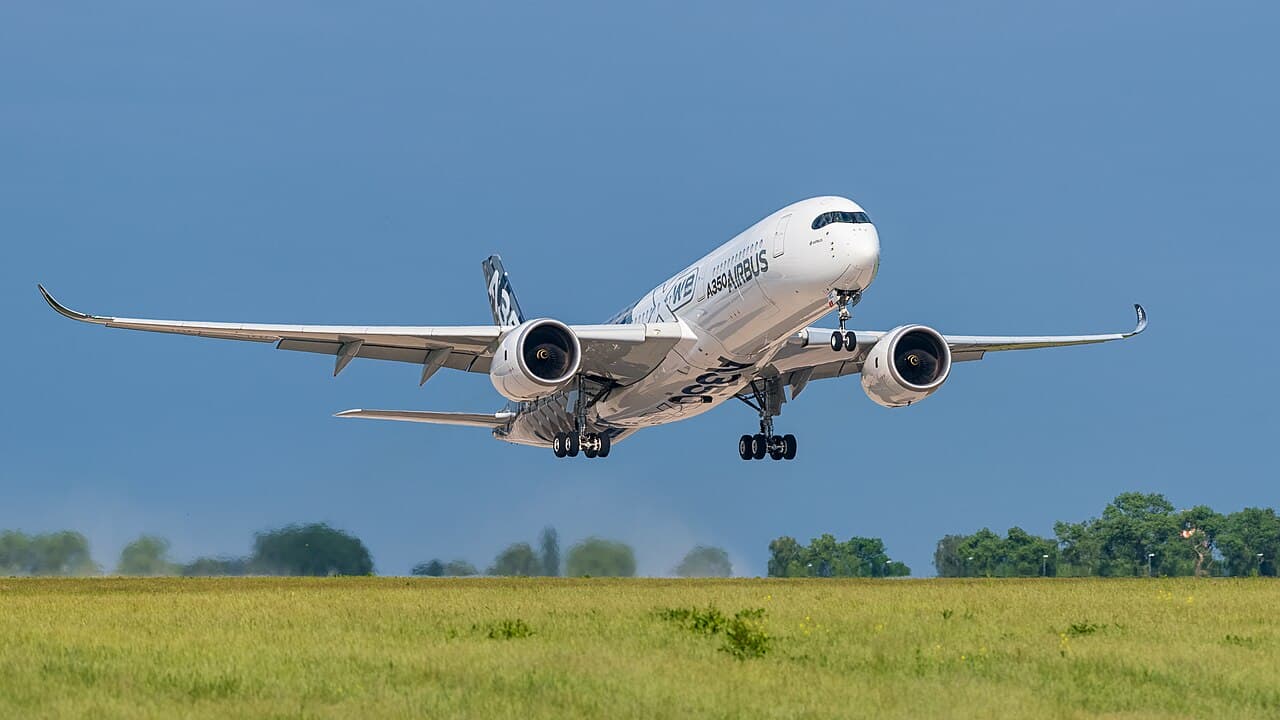
Few global airlines have leaned on stored and semi-retired widebody aircraft as heavily as Qatar Airways . Facing an unprecedented operational deficit that threatened its core hub-and-spoke model at Hamad International Airport in Doha, the Qatari flag carrier chose an aggressive tactical path to reactivate long-haul airframes it had previously written off or scheduled for permanent phase-out.
Small US Airports Invest Heavily to Compete as Regional Aviation Hubs
For years, the biggest headlines in US airport development have focused on sprawling projects at major international gateways such as New York John F. Kennedy International Airport (JFK), Los Angeles International Airport (LAX), and Chicago O'Hare International Airport (ORD), where multi-billion-dollar investments have become almost routine.
Singapore Airlines schedules Airbus A380 service to Dubai starting March 2027
Due to the ongoing war in Iran, Singapore Airlines has regularly changed the planned launch date of Airbus A380 flights from Singapore Changi Airport (SIN) to Dubai International Airport (DXB). While subject to change, the latest schedule sees the type from the end of next March (if it happens).
The Daily Touch & Go
The day's best aviation news in your inbox. Free, no spam.