

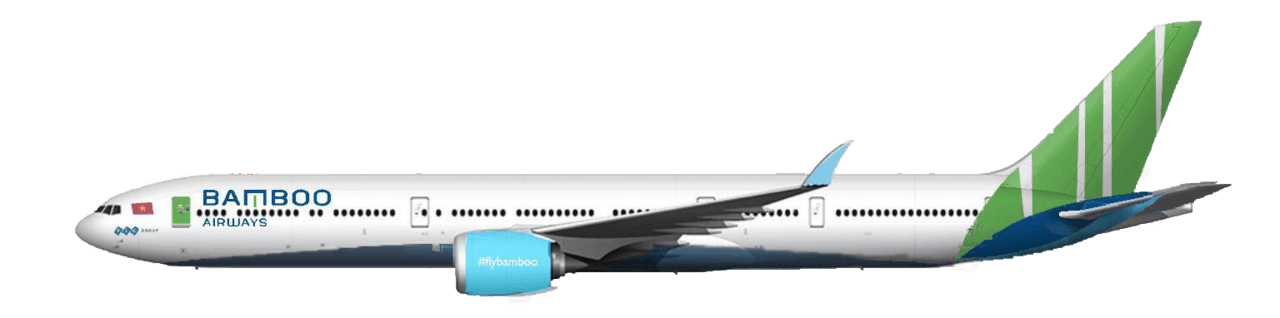
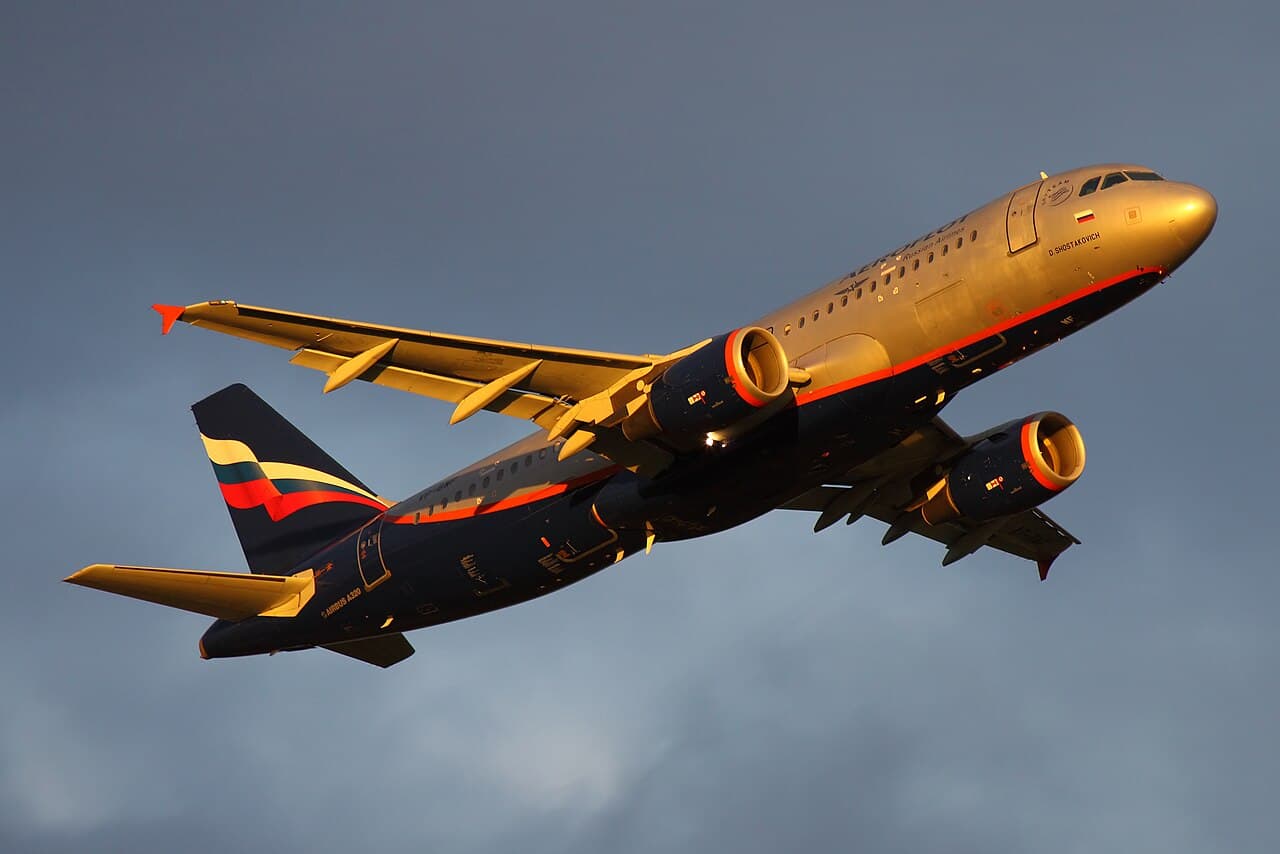
Image: Jmossjm · CC BY-SA 4.0 · via Wikimedia Commons
Bamboo Airways Suspends Scheduled Flights Amid Tax and Fleet Troubles
Vietnam's Bamboo Airways halts domestic scheduled flights from August 2026 due to unpaid taxes exceeding US$16.8 million and a shrinking fleet, operating only limited charters with one active plane.
The gist
Bamboo Airways stops scheduled domestic flights from August 2026 amid heavy tax debt and severe fleet reductions, operating minimal charters with one active Airbus A321.
Bamboo Airways, once a rapidly growing Vietnamese carrier, has suspended ticket sales for all domestic scheduled flights effective August 1, 2026, amid mounting financial pressures. The airline owes over VND440 billion (about US$16.8 million) in unpaid taxes, prompting warnings from the Gia Lai Provincial Tax Department of a potential travel ban on its beneficial owner if debts remain unsettled. This suspension affects major routes including Hanoi to Ho Chi Minh City, Da Nang, and Quy Nhon, with the last scheduled domestic flight planned for August 22.
Since its inception in 2019 under the FLC Group, Bamboo Airways expanded swiftly to hold nearly 20 percent of Vietnam's domestic market, operating a fleet that once featured Boeing 787 Dreamliners and nearly 30 aircraft serving dozens of destinations. However, a series of crises beginning in 2022 triggered its downfall. The arrest of FLC Group's founder on stock manipulation charges precipitated a financial collapse. Bamboo Airways recorded a post-tax loss of VND17.6 trillion for 2022, pushing its equity into negative territory.
Subsequent efforts to restructure the airline included a 2023 capital injection by a new investor group linked to Him Lam and led by Lê Thái Sâm. Despite these attempts, Bamboo Airways’ debt burden remained overwhelming. A 2025 independent audit revealed over VND9,000 billion owed to various creditors, including Airports Corporation of Vietnam (VND2,600 billion) and Sacombank (VND4,000 billion). Operational control reverted to FLC in late 2025, with the fleet reduced to seven aircraft and only 12 domestic routes still served.
The airline's operational capability has deteriorated significantly, with just three Airbus narrowbody jets left on record by mid-2026 and only one actively flying regular services. This limited fleet presence severely constrains scheduling and reliability. For example, on July 28, 2026, a single Airbus A321 (VN-A227) operated a demanding six-sector rotation connecting Hanoi, Ho Chi Minh City, Da Nang, and Macau. Most flights suffered delays ranging from nearly two to three hours, causing cascading disruptions throughout the day.
Bamboo Airways has acknowledged the operational difficulties, apologizing for passenger disruptions and implementing a refund process, although high volumes have slowed reimbursements. Vietnam's Civil Aviation Authority confirmed an on-time performance rate of 66.8 percent in June 2026 for Bamboo, well below the national average of 75.7 percent. These reliability issues reflect the impact of the diminished fleet and ongoing financial constraints, including delayed payments to lessors who have repossessed aircraft.
Minimal scheduled flights place the airline's survival in jeopardy. Its website currently shows no ticket availability on primary domestic routes, with charter services limited to a single active A321 aircraft. The airline's drastic cutback from a peak of 44 aircraft to just three, including two parked, underscores the severity of its financial and operational crisis. Ongoing negotiations with lessors over unpaid debts have forced Bamboo to optimize remaining aircraft use, but operational efficiency continues to suffer.
Despite these challenges, Bamboo Airways' management remains optimistic, aiming to rebuild the fleet to around 40 jets by 2030 with plans for annual additions of eight to ten aircraft. Negotiations are reportedly underway with Boeing, Eastbridge Partners, and South Korea's RAKSO Holdings to facilitate this expansion. However, with the current state of unpaid taxes, limited active planes, and suspended scheduled services, the airline’s short-term future remains precarious.
Passengers face widespread service disruptions as Bamboo Airways struggles to maintain limited charter operations. The combination of heavy legacy debt and tax obligations imposes severe constraints on recovery efforts. How the airline navigates its financial and operational challenges in the coming weeks will determine whether it can resume regular scheduled operations or must further downscale its presence in Vietnam’s aviation market.
Frequently asked questions
- Why has Bamboo Airways suspended its scheduled domestic flights from August 2026?
- Bamboo Airways suspended scheduled domestic flights due to unpaid tax debts exceeding US$16.8 million and a severely reduced fleet, operating only limited charters with one active aircraft.
- How many aircraft does Bamboo Airways currently operate and how has that changed recently?
- Today Bamboo Airways has only three Airbus narrowbody jets on its books, with just one actively flying regular services, down from a peak of 44 aircraft previously.
- What are the operational impacts of Bamboo Airways' financial difficulties on its flights?
- Flight delays increased with low fleet availability, exemplified by multiple flights arriving nearly two to three hours late during a six-sector rotation with one aircraft, and the airline's on-time rate dropped to 66.8 percent in June 2026, below national averages.
Read more
All Business Aviation →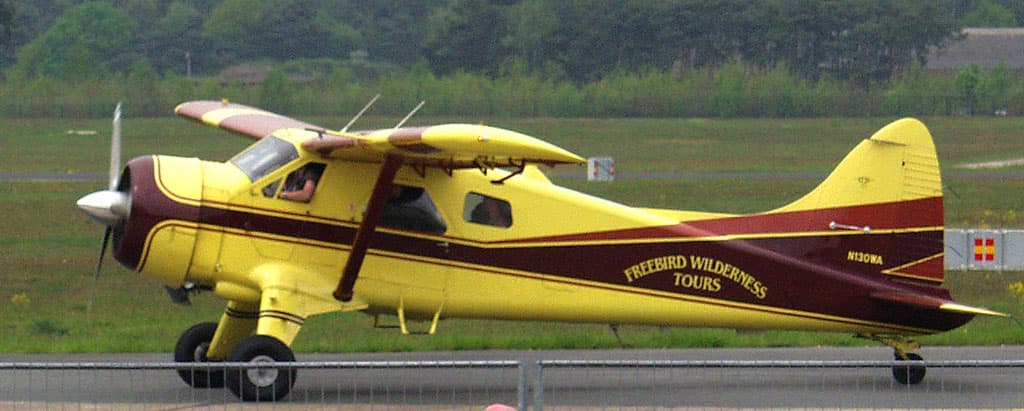
De Havilland to begin final assembly of DHC-515 water bomber with 2028 delivery target
Assembled in Calgary, the DHC-515 is a modernised variant of the prior CL-415 water bomber. De Havilland Canada is marching toward an expected 2028 delivery of its first DHC-515 water bomber, with much of the aircraft already manufactured and final assembly expected to start this year. “The mid…and the forward fuselage [sections] have been put together,” De Havilland vice-president of corporate affairs Neil Sweeney said on 21 July at the Farnborough air show. “It’s on track for delivery in 2028.” Also on that day De Havilland released a video showing major airframe components being assembled at the company’s Calgary site. Workers have joined the first aircraft’s cockpit to its hull (forming the forward fuselage), and the mid-fuselage “is now being integrated with the forward fuselage”. De Havilland has also completed production of the first DHC-515’s 28.6m (93.8ft)-span wing box. “It’ll be moved over to final assembly, I think, by the end of the year, and then we’ll start to do test flights next year,” Sweeney says. The twin Pratt & Whitney Canada (P&WC) PW100-powered DHC-515 is an update to the prior CL-415, itself a sibling in a CL-series product line starting with the 1960s-era piston-powered CL-215. Long-defunct Canadair launched the programme before it was taken over by Bombardier, which produced the CL-415 in Montreal until shuttering the line in 2015. Then in 2016, Viking Aircraft – a subsidiary of Longview Aviation Capital, which also owns De Havilland – acquired the CL programme. Longview later moved the programme from Viking to De Havilland, which set up a DHC-515 assembly site in Calgary. Development is several years behind an original schedule but De Havilland has since 2024 been working toward the 2028 first-delivery goal. Roughly 80 of the prior variant CL-415s remain in service, according to fleet data provider Cirium. Source: De Havilland Canada The DHC-515 differs from the CL-415 in having modern Garmin G300 avionics, a new “water-drop control system”, improved corrosion protection and a new air conditioning system, the company has said. It will cruise at up to 187kt (346km/h), carry up to 6,140 litres (1,620gal) of water and be capable of filling its tanks within 12sec by performing an in-flight scooping manoeuvre over lakes and other water bodies. Alternatively, the DHC-515 can carry 680 litres of firefighting foam. De Havilland has also pitched the aircraft as suitable for surveillance, maritime patrol and medevac missions. The company holds orders for 38 of the aircraft, says Sweeney. That figure is up from about 20 two years ago. Buyers include state authorities in Croatia, Greece, France, Indonesia, Italy, Portugal and Spain.
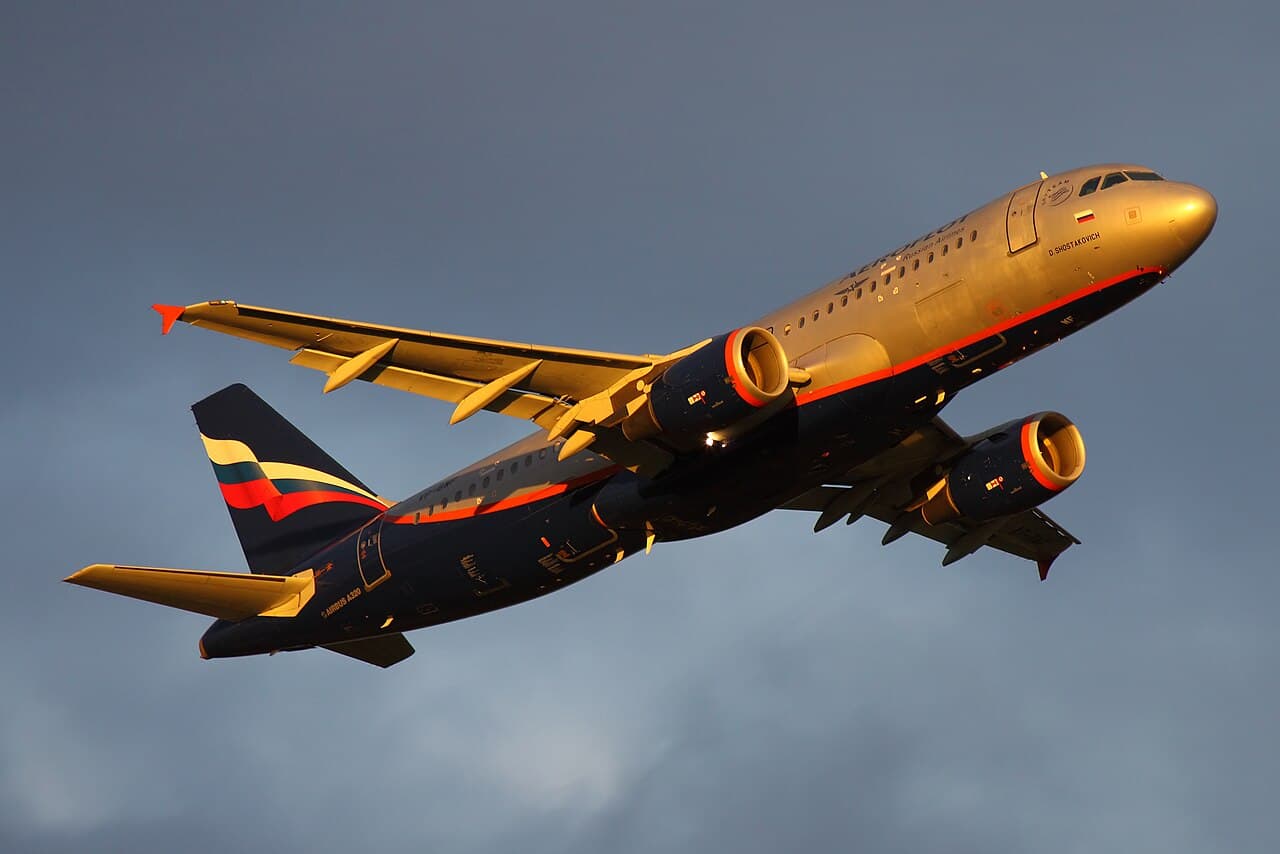
Boeing 737 vs Airbus A320: Which Narrowbody Costs Less Per Seat for Airlines?
Selecting a narrowbody fleet to carry an airline through its plans tends to always end up focusing on fractional cost extraction. Airlines routinely analyze operational data points down to thousandths of a cent to determine whether the Boeing 737 or the Airbus A320 family yields the most favorable bottom-line performance. Marketing materials claim clear structural supremacy, but real-world line operations demonstrate an incredibly balanced competitive environment.
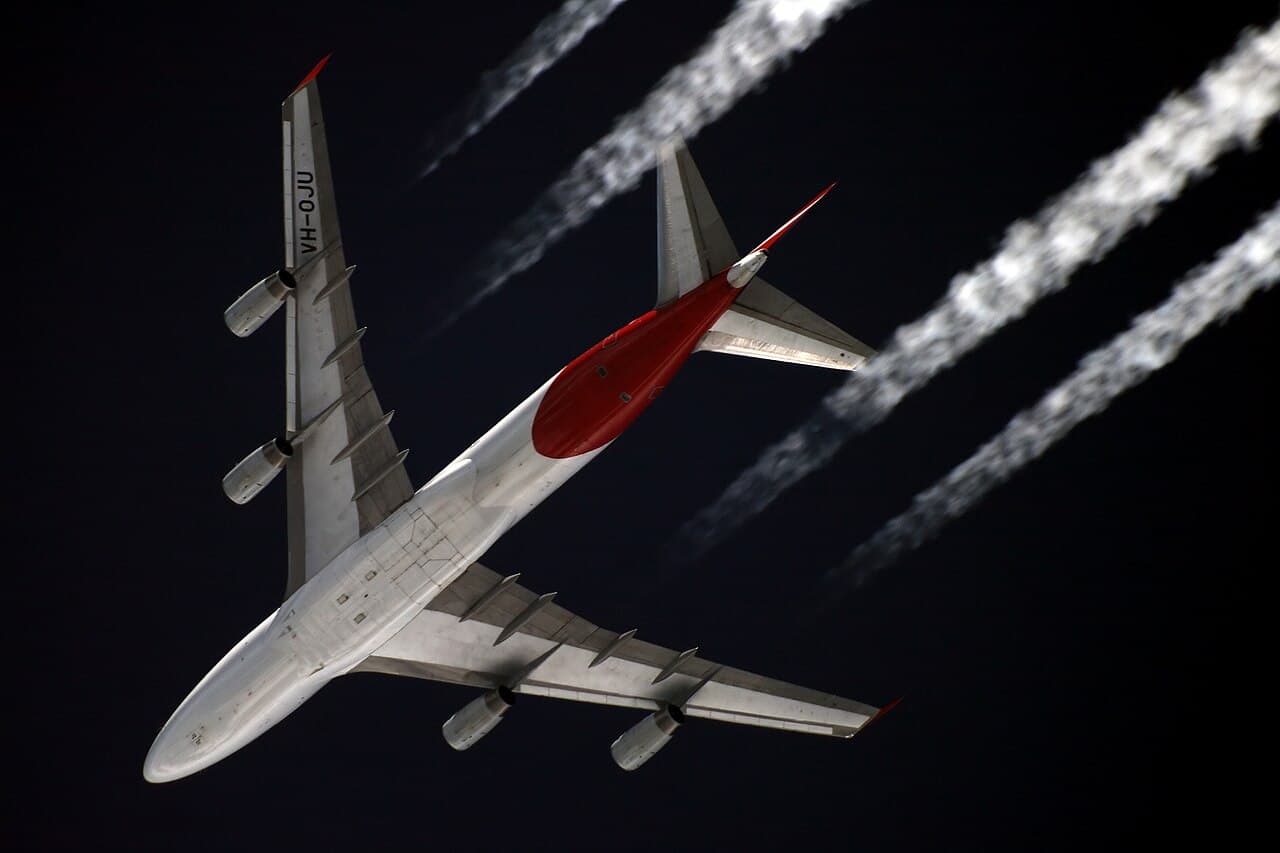
Chartering a Boeing 747 Costs $25K-$40K Per Hour in 2026 for Large Passenger and Cargo Needs
Chartering aircraft has been a popular alternative to commercial air travel since the end of World War II, according to Business Aircraft Center. The introduction of the Learjet 23 in 1963 further cemented charter aircraft operations as a mainstay in the corporate aviation landscape. Several manufacturers from the 1960s onward began to produce their own variants, to grow the business aviation landscape as it stands today. Companies such as Bombardier, Dassault Falcon , Gulfstream, Embraer , and Textron are some of the most common corporate jet manufacturers in the industry today.
Frontier Airlines to Install Starlink Wi-Fi Across Entire Fleet by Early 2027
Denver-based carrier joins growing list of North American airlines to opt for the SpaceX service. Frontier Airlines is to install SpaceX's Starlink in-flight Wi-Fi service on its entire fleet as part of a programme that will see five Indigo Partners-backed carriers equip more than 1,000 aircraft with the system. European budget carrier Wizz Air, Mexico's Volaris, Latin America's JetSmart and Philippines-based Cebu Pacific will also install Starlink on their aircraft. "Starlink will provide our portfolio airlines with reliable, high-speed connectivity," says Indigo Partners managing partner Bill Franke. A Frontier spokesperson confirms to FlightGlobal that all 183 of the carrier's Airbus A320s and A321s will be equipped with Starlink. The first Starlink-equipped aircraft is scheduled to launch in early 2027. Further details on how long the full roll-out will take are still "to come", adds the spokesperson. Frontier becomes the latest in a string of North American carriers to select SpaceX's low-Earth orbit (LEO) satellite-based in-flight connectivity service . Air Canada, Alaska Airlines, American Airlines, Hawaiian Airlines, Southwest Airlines, United Airlines, WestJet and charter carrier JSX have all opted to install Starlink across their fleets. Delta Air Lines and JetBlue Airways, meanwhile, have both selected Amazon's competing Leo service. Frontier says it will be the first US carrier to offer passengers access to Starlink through "a new service managed directly by Starlink". FlightGlobal has approached SpaceX for more information about this service. Starlink uses a network of LEO satellites to provide low-latency global coverage, including across polar regions. Both Starlink and Amazon Leo have been taking market share from incumbent satellite providers , which have traditionally focused on satellites in geostationary orbit. Those providers are increasingly offering multi-orbit solutions to airlines in response.
The Daily Touch & Go
The day's best aviation news in your inbox. Free, no spam.