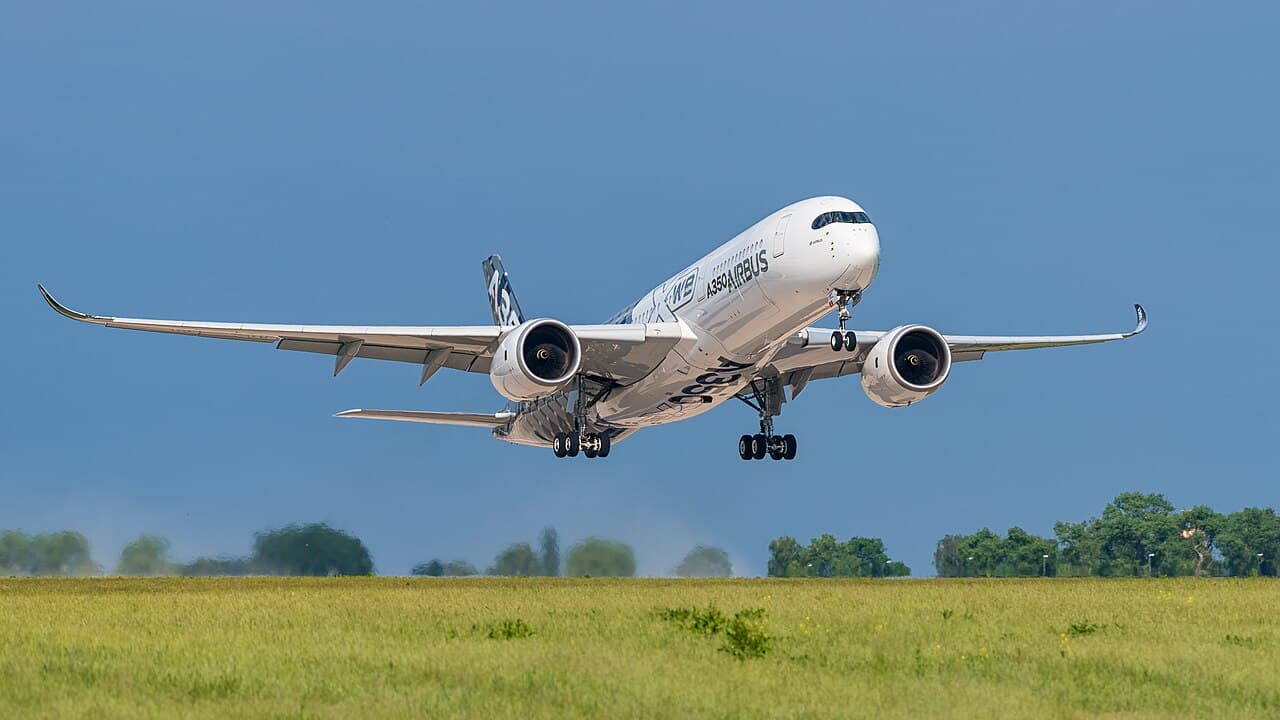
Image: Julian Herzog ( Website ) · CC BY 4.0 · via Wikimedia Commons
IndiGo Halts Leased Widebody Flights, Awaits Airbus A350 to Restart Long-Haul Service
IndiGo suspends Boeing 787-9 operations and ends ACMI deal with Norse Atlantic due to geopolitical and cost pressures, pivoting to narrowbody use until own A350s arrive.
The gist
IndiGo pauses leased widebody flights amid geopolitical hurdles, focusing on narrowbodies until its Airbus A350 fleet is delivered.
Continuing coverage
All Long-Haul Routes →- IndiGo suspends London Heathrow and shifts Amsterdam to A321XLR as it awaits Airbus A350 widebodies
- Singapore Airlines to Drop 16 Long-Haul Routes in Network Reshuffle
- STARLUX Airlines Unveils AIRSORAYAMA Airbus A350-1000 at Phoenix Sky Harbor
- British Airways Ends 36 Long-Haul Routes From London Over Past Two Decades
- Alaska Airlines Debuts Boeing 787-9 Without Premium Economy Cabin Despite CEO's Admission
India's largest carrier, IndiGo, has announced it will suspend all operated widebody flights leased from Norse Atlantic Airways starting October 25, 2026. The airline has decided to temporarily pause this phase of its long-haul expansion as it awaits delivery of its own Airbus A350-900 aircraft, which are essential for the carrier's ambitions in the intercontinental market. Operational since early 2025, the leased Boeing 787-9 Dreamliners under the ACMI agreement enabled IndiGo to serve selected Europe routes, such as London Heathrow, Amsterdam, and previously Manchester. This strategic hiatus marks the end of IndiGo's initial widebody experiments prior to establishing a proprietary long-haul fleet.
The partnership with Norway's Norse Atlantic Airways reflected IndiGo's goal to rapidly gain experience in long-haul flight operations, enhance crew and network capabilities, and cultivate brand presence on key India-Europe corridors. However, a deteriorating operating environment severely impacted the routes' commercial viability. Key complicating factors included extended airspace restrictions linked to escalating geopolitical tensions in the Middle East, which necessitated longer, less efficient flight paths. These conditions, combined with rising jet fuel costs, currency devaluation, and broader cost inflation, eroded route profitability, schedule reliability, and market competitiveness.
Consequently, IndiGo will switch its Mumbai-Amsterdam service to its Airbus A321XLR narrowbody aircraft, starting on October 25, effectively curtailing 787-9 operations on this route. The London Heathrow services currently flown by the leased Dreamliners will be temporarily suspended until the arrival of IndiGo's own A350-900 jets. IndiGo reassured customers it remains committed to international expansion and that affected passengers will be supported with alternative arrangements or refunds. The carrier continues to project growth through its narrowbody fleet enhancements and its ambitious acquisition of 60 Airbus A350 aircraft.
From Norse Atlantic's perspective, the ACMI agreement termination, mutually agreed to take effect November 1, 2026, follows a prior return of one leased Boeing 787-9 that was previously assigned to the now-closed Manchester route. The remaining five leased aircraft will also be redelivered, ending Norse Atlantic's operational collaboration with IndiGo after 18 months. Norse's CEO Eivind Roald cited the combined impact of airspace disruptions, extended flight routings, and high fuel prices as detrimental factors to the commercial logic of the partnership.
Norse Atlantic plans to redeploy its fleet flexibly, targeting new ACMI agreements with various airlines and increasing capacity on profitable winter routes such as Europe to Orlando and New York. This redeployment is part of a larger strategic review by Norse's board, which has initiated a process exploring options including sale, merger, or strategic partnerships to enhance shareholder value and strengthen its market position. The returned aircraft allow Norse to pursue these options with greater fleet versatility.
The resumption of dedicated widebody operations by IndiGo hinges on the arrival of its own A350-900s, positioning these modern, fuel-efficient aircraft at the core of the airline's long-haul strategy. IndiGo's core strength remains its disciplined management of an extensive narrowbody network, which it is expanding through the A321XLR to serve medium-haul international markets during this interim. This approach maintains revenue momentum and network connectivity as it transitions to proprietary widebody operations.
This development exemplifies how sustained geopolitical volatility, particularly in regions critical to air routes on the India-Europe axis, can force airlines to recalibrate growth strategies quickly. For IndiGo, temporarily shuttering leased widebody services represents a pragmatic adjustment rather than withdrawal, preserving resources while laying groundwork for long-term expansion. Meanwhile, Norse Atlantic's fleet realignment opens possibilities for repositioning amid shifting market dynamics governing ACMI operations and widebody demand.
IndiGo's planned shift to narrowbody aircraft on some European routes, alongside the eventual deployment of its own Airbus A350 fleet, indicates a dual-track expansion model focusing on scalable, cost-efficient network growth. The airline’s decision to suspend leased 787 operations highlights how external cost pressures and route inefficiencies can disrupt even carefully staged transitional strategies in international aviation. The carrier’s retention of its 60 A350 orders signals sustained confidence in widebody market potential once operating conditions improve.
In conclusion, IndiGo's pause on leased widebody flying and Norse Atlantic's fleet reorientation underscore the ongoing challenges for airlines navigating geopolitical tensions, fuel volatility, and operational complexities in long-haul markets. Both carriers are adopting tactical flexibility and cost controls to adapt: IndiGo through narrowbody expansions and future A350 deployment, and Norse via strategic ACMI reallocations and corporate restructuring considerations.
Frequently asked questions
- Why is IndiGo suspending its leased widebody operations?
- IndiGo is suspending leased widebody flights due to geopolitical airspace restrictions in the Middle East, rising fuel prices, currency pressures, and operational inefficiencies impacting route viability.
- What aircraft will IndiGo use for its Europe routes after ending the Boeing 787 ACMI lease?
- IndiGo will use its Airbus A321XLR narrowbody aircraft for Mumbai-Amsterdam routes starting October 25, while London Heathrow services will be temporarily suspended until the arrival of its own Airbus A350s.
- How is Norse Atlantic responding to the end of its ACMI partnership with IndiGo?
- Norse Atlantic plans to redeploy its returned Boeing 787-9 aircraft to new ACMI contracts and profitable winter routes, while simultaneously conducting a strategic review that may include sale, merger, or partnerships.
Read more
All Airlines →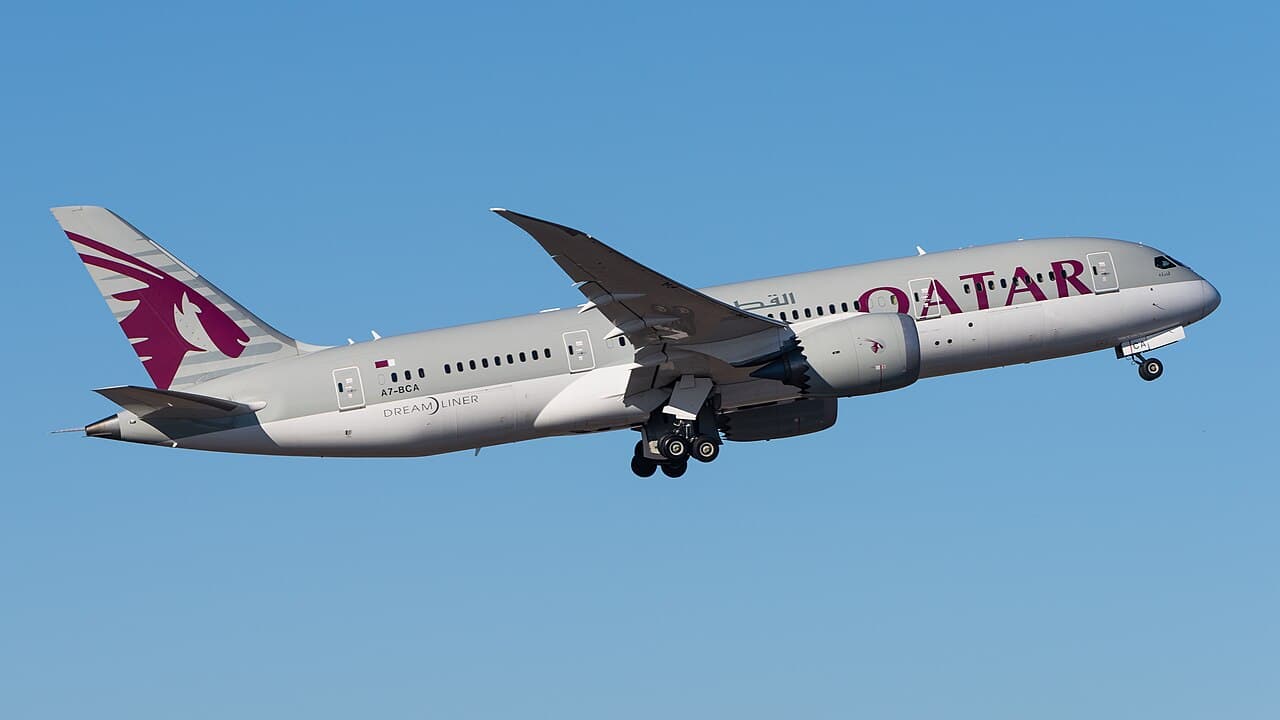
Norse Atlantic and IndiGo end 787 damp-lease amid India-Europe route challenges
Indian budget carrier was using six Norse twinjets but had already opted to return one of them. Long-haul airline Norse Atlantic's entire damp-lease operation with IndiGo is being terminated after the Indian carrier encountered difficulties with its services to Europe. The partnership will end on 1 November. IndiGo had damp-leased six Boeing 787-9s from Norse Atlantic, but had already agreed to return one of the twinjets after axing its route to Manchester in the UK. Geopolitical issues in the Middle East had caused IndiGo to rethink the Manchester service, and Norse says the situation is still affecting India-Europe connections. "There is no doubt that the elevated fuel prices, airspace disruptions and longer flight routes resulting from the Middle East conflict have affected the commercial viability of the arrangement for both parties," states Norse chief executive Eivind Roald. Norse says the two airlines have "mutually agreed" to discontinue the lease arrangement. "We have…jointly concluded that alternative deployment of the aircraft will be more commercially beneficial to both parties," says Roald. Norse is holding talks with several airlines regarding lease opportunities for up to five 787s. It adds that it plans to use part of the fleet returned by IndiGo on its own network, in order to increase capacity on "selected profitable routes" – such as New York and Orlando – during the winter 2026-27 season. The end of the IndiGo partnership is nevertheless a setback for Norse, which has been struggling to become profitable, and had adopted the capacity leasing strategy to counter seasonal fluctuations on its own network. While IndiGo had leased half of Norse's 787 fleet, Roald insists there are positive aspects to the termination. "Return of these six aircraft opens up strategic opportunities that were not available to us before," he says. "We are seeing strong demand for modern, fuel-efficient long-haul aircraft, and we also see attractive opportunities to deploy additional capacity within our own network. "Our priority is to use this increased flexibility to improve profitability and create long-term value for our shareholders." Norse has been undertaking a strategic review of its business and says it will embark on a formal process – which could involve a sale, merger or other partnership – "given the level of interest received to date". IndiGo senior vice-president for planning Abhijit Dasgupta expresses "appreciation" for Norse's "valued partnership". Termination of the lease arrangement comes just as IndiGo is undergoing a management transition, with chief executive-designate Willie Walsh about to take up the top post and a newly-appointed chief financial officer in place.
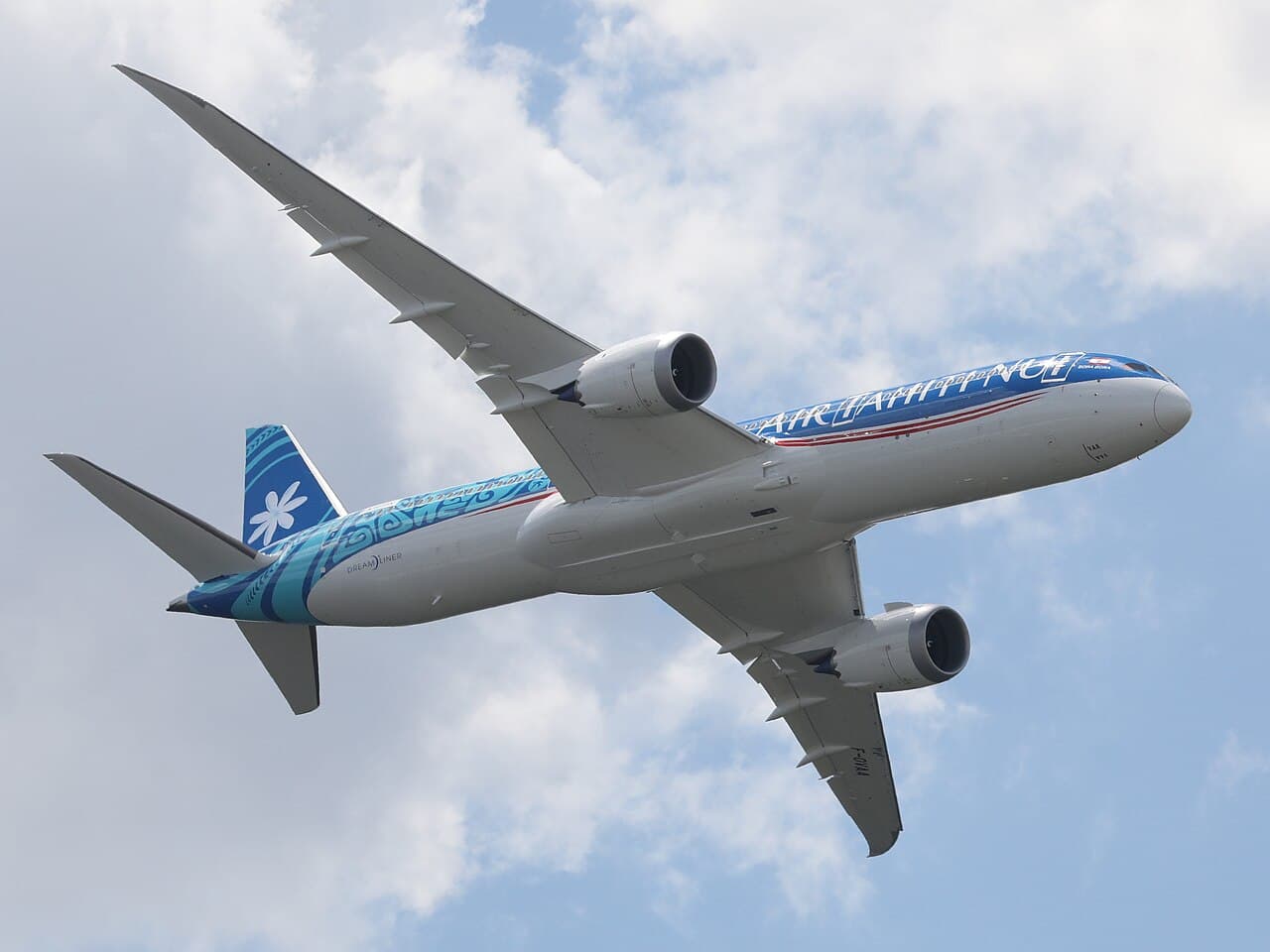
Boeing 787-9 Leads 2026 Widebody Deliveries as Airlines Replace Older Aircraft
Air travel demand continues to rise. The International Air Transport Association (IATA) recently forecast global passenger demand to double by 2050. Airlines are actively responding to the growing demand by adding capacity and opening new routes, while manufacturers are working through substantial order backlogs to deliver the aircraft needed to support that growth. In fact, manufacturers are finally beginning to catch up on aircraft deliveries that were delayed during the pandemic.
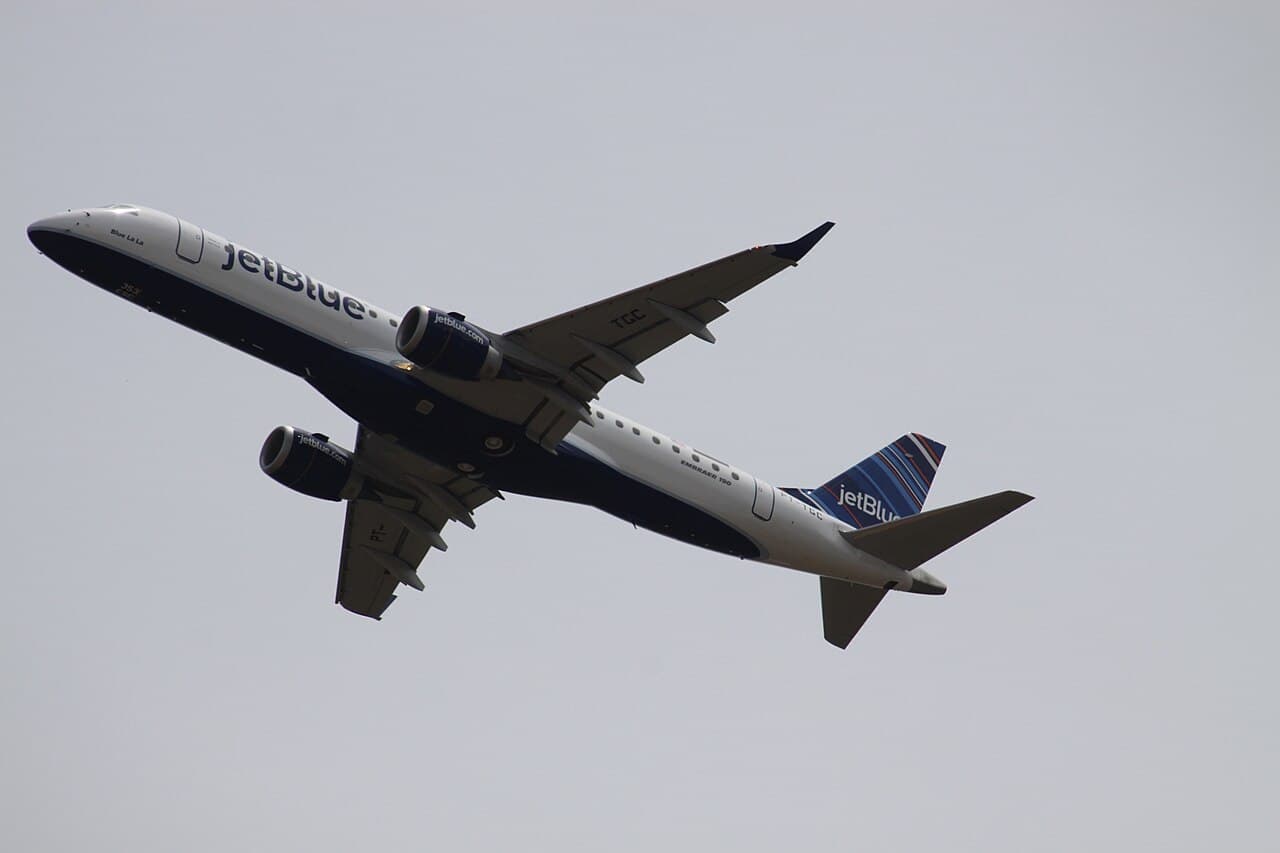
JetBlue Posts 14.5% Revenue Growth in Q2 2026, Reinstates Full-Year Outlook
JetBlue Airways reported robust second-quarter 2026 results on July 28, highlighting the early success of its JetForward transformation strategy despite elevated fuel prices. ezstandalone.cmd.push(function () { ezstandalone.showAds(119); }); The airline posted operating revenue of $2.7 billion, marking a 14.5% increase from the prior year, driven by strong customer demand and targeted commercial initiatives. Revenue per available seat mile (RASM) rose 10.9% year-over-year, landing near the upper end of the company’s revised guidance. ezstandalone.cmd.push(function () { ezstandalone.showAds(127); }); This performance reflects broad-based strength across premium and main cabin products. Premium RASM was up approximately 13% with main cabin RASM growing 11%. Capacity increased a modest 3.2% year-over-year, aligning with expectations. Fuel Costs Create Short-Term Pressure, But Recovery Exceeds Expectations Higher fuel prices significantly impacted profitability. JetBlue’s average fuel cost reached $4.23 per gallon in Q2, a 76% jump from the previous year. ezstandalone.cmd.push(function () { ezstandalone.showAds(128); }); This drove operating expenses higher, resulting in an operating loss of $141 million and a net loss of $247 million, or $0.66 per share. Despite the surge, the airline recaptured nearly 50% of the higher fuel costs—well above initial expectations of 30-40%. ezstandalone.cmd.push(function () { ezstandalone.showAds(129); }); Cost per available seat mile excluding fuel (CASM ex-fuel) rose only 2.4% year-over-year, beating the midpoint of guidance by 1.6 points. This disciplined cost management underscores JetBlue’s operational focus. Photo Credit: JetBlue JetForward Strategy Showing Tangible Progress Two years into JetForward, JetBlue has generated $470 million in cumulative incremental EBIT through June 2026. The company remains on track to deliver $850–$950 million in annual incremental EBIT benefits by the end of 2027, with expectations building to approximately $1.2 billion by 2028. ezstandalone.cmd.push(function () { ezstandalone.showAds(130); }); Key highlights include improved operational reliability, with A14 performance up about one point and Net Promoter Score rising five points year-over-year. In Fort Lauderdale, JetBlue achieved 11% RASM growth despite nearly 40% capacity expansion, capitalizing on market opportunities. Loyalty revenue grew 13%, fueled by strong co-brand card performance and new initiatives like ClarityPay for flexible payments. Premium experiences continue to win acclaim. Mint ranked highest in customer satisfaction among first/business passengers in the J.D. Power 2026 North America Airline Satisfaction Study for the second year running. ezstandalone.cmd.push(function () { ezstandalone.showAds(131); }); The BlueHouse lounge at JFK earned “Best Airport Lounge of 2026” honors, with Boston’s location opening soon. Upcoming enhancements include BlueFirst, the new domestic first-class product launching sales this fall, and expanded Blue Sky reciprocal loyalty benefits. Long-Term Confidence Reflecting momentum, JetBlue introduced a 2028 earnings per share target of at least $1.00, assuming sustained demand and average jet fuel prices of $3.00 per gallon. CEO Joanna Geraghty emphasized the strategy’s role in building a more profitable future. ezstandalone.cmd.push(function () { ezstandalone.showAds(132); }); “We’re encouraged by the progress we’re making,” Geraghty said. “Strong customer demand and decisive actions enabled us to recover fuel costs more quickly than anticipated.” Photo Credit: JetBlue Reinstated 2026 Outlook JetBlue reinstated its full-year 2026 guidance, supported by better visibility into the second half: Capacity (ASMs): 1.5%–3.5% year-over-year for FY; 3.0%–6.0% for Q3 RASM: 10.0%–12.5% for FY; 12.5%–16.5% for Q3 CASM ex-Fuel: 2.0%–4.0% for FY; 2.5%–4.5% for Q3 Adjusted Operating Margin: (2.0%)–(5.0%) for the full year Fuel Price: Approximately $3.49 per gallon Capital Expenditures: ~$850 million for the year ezstandalone.cmd.push(function () { ezstandalone.showAds(133); }); CFO Ursula Hurley noted expectations for second-half operating margin improvement of about 3.5 points year-over-year, supporting the path to sustained profitability. Strategic Positioning for Future Growth JetBlue continues investing in its East Coast leisure network, technology modernization, fuel efficiency, and AI-driven operations. President Marty St. George highlighted traction in commercial initiatives and network enhancements, including additional slots in New York. ezstandalone.cmd.push(function () { ezstandalone.showAds(134); }); As the airline advances JetForward, it aims to deliver greater value to customers and shareholders through reliable service, valued products, and a stronger financial foundation. With demand remaining resilient, JetBlue appears well-positioned to navigate near-term challenges and drive long-term earnings growth.
United Airlines CEO Claims Only Two Premium Airlines Will Last as Service Complaints Mount
United CEO Scott Kirby says only two premium airlines can exist, but passenger photos of broken tray tables, dirty seats, and a battered club sofa are not helping United's case. Also Avios devaluation risk, Singapore Airlines' new first class concierge trial, DFW's plan to buy the Hyatt Regency, and a useful Blacklane credit stack.
The Daily Touch & Go
The day's best aviation news in your inbox. Free, no spam.