

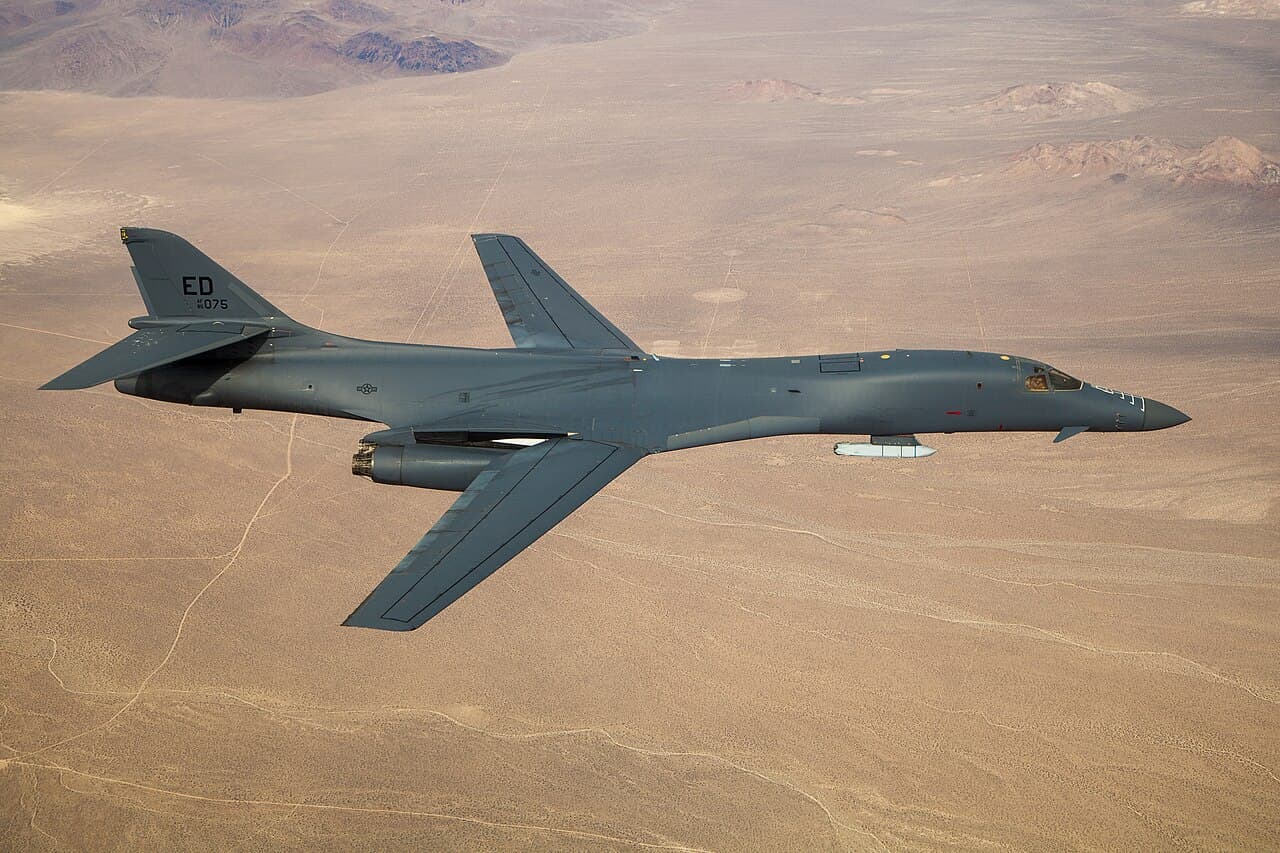
Image: Ethan Wagner · Public domain · via Wikimedia Commons
US Air Force Deploys Nearly One-Third of B-1B Bomber Fleet to RAF Fairford
As tensions with Iran continue, the USAF maintains about 12 B-1B Lancers at RAF Fairford in the UK, leveraging strategic forward basing for Middle East operations.
The gist
The USAF has stationed around 12 B-1B bombers at RAF Fairford, marking a significant forward deployment amid ongoing Iran conflict.
The United States Air Force has positioned a substantial portion of its B-1B Lancer bomber fleet at RAF Fairford in the United Kingdom amid ongoing military operations concerning Iran. As of late July 2026, approximately 12 B-1B aircraft, which constitutes nearly a third of the USAF's operational Lancer fleet, remain deployed at this strategic British airbase. This deployment has been integral to Operation Epic Fury, which began escalating in March 2026, involving sustained airpower projection into the Middle East region.
RAF Fairford, located in Gloucestershire, England, serves as a forward operating base for the US strategic bomber force, complementing other key USAF sites such as Andersen Air Force Base in Guam and Diego Garcia in the British Indian Ocean Territory. The proximity of Fairford to the Middle East offers critical operational reach, especially given emerging threats to Diego Garcia that exposed its vulnerability to Iranian missile systems. As a result, the USAF has reconfigured its basing to emphasize more secure locations like RAF Fairford.
The initial deployment that commenced around March 6, 2026, featured roughly 15 B-1B Lancers arriving alongside six B-52H Stratofortresses. However, by July, the B-52 presence had subsided with that aircraft type returning primarily to continental US bases, leaving the Lancers as the primary bomber assets based at Fairford. These aircraft have been active participants in CENTCOM-led sorties over Iran, showcasing the base's role as a key launch point for operations that require rapid response and strategic bombing capability.
The B-1B Lancer fleet currently numbers approximately 45 operational aircraft, down from the 100 originally built, with congressional mandates requiring 46 in service. The USAF's reliance on this bomber has been augmented by the phasing out of older airframes and planned future replacement by more advanced platforms like the B-21 Raider, expected to enter operations by 2027. Meanwhile, the Lancer's supersonic speed and low radar cross-section remain assets for penetrating heavily defended airspace in volatile theaters.
Despite not engaging directly in offensive strikes against Iran, the United Kingdom has played a vital logistical and strategic role in supporting American air operations. Initially, London declined to allow direct offensive bomber operations from its sovereign bases. However, the UK supported refueling missions, cargo transit, and other support roles. The dynamics shifted when the UK became a target of Iranian drone and missile attacks, especially to bases hosting these US assets, solidifying British commitment to protect these facilities and bolster defensive measures.
The escalating tensions led to Iranian Revolutionary Guard threats explicitly targeting RAF Fairford, claiming it as a legitimate target due to its use in US operations. This rhetoric coincided with political continuity under Prime Minister Andy Burnham, who upheld policies allowing US basing rights. The UK government responded by affirming comprehensive defensive readiness involving layered air and missile defenses provided by British military branches, though the country lacks certain missile defense systems deployed by allied nations.
Strategically, RAF Fairford represents a critical forward footprint for the US Air Force's ability to sustain long-range bomber operations without repeatedly launching from the continental United States, which can limit sortie rates and response times. This deployment underscores the shifting nature of modern airpower projection where geopolitical considerations and threat assessments dictate basing closer to conflict zones while minimizing exposure to adversary attack capabilities.
As the B-1B fleet continues operating from RAF Fairford, this setup reinforces transatlantic defense cooperation and the UK's role as a pivotal player in broader Middle East conflict dynamics. Monitoring the evolving deployment and defense posture around RAF Fairford remains important for understanding not only US strategic bomber operations but also alliance commitments and regional security architectures.
Frequently asked questions
- Why has the US Air Force deployed B-1B bombers to RAF Fairford?
- The US Air Force deployed B-1B bombers to RAF Fairford to position them closer to the Middle East conflict with Iran while operating from a secure forward base beyond the range of Iranian missile threats.
- How many B-1B Lancers are currently based at RAF Fairford?
- As of July 2026, about 12 B-1B Lancer bombers, nearly a third of the USAF's operational fleet, are stationed at RAF Fairford.
- What role has the UK played in US air operations against Iran?
- The UK has supported US operations through basing, refueling, and logistics while participating in regional defense; it has also allowed the US to operate bombers from its bases during the conflict.
Read more
All Military/Defense →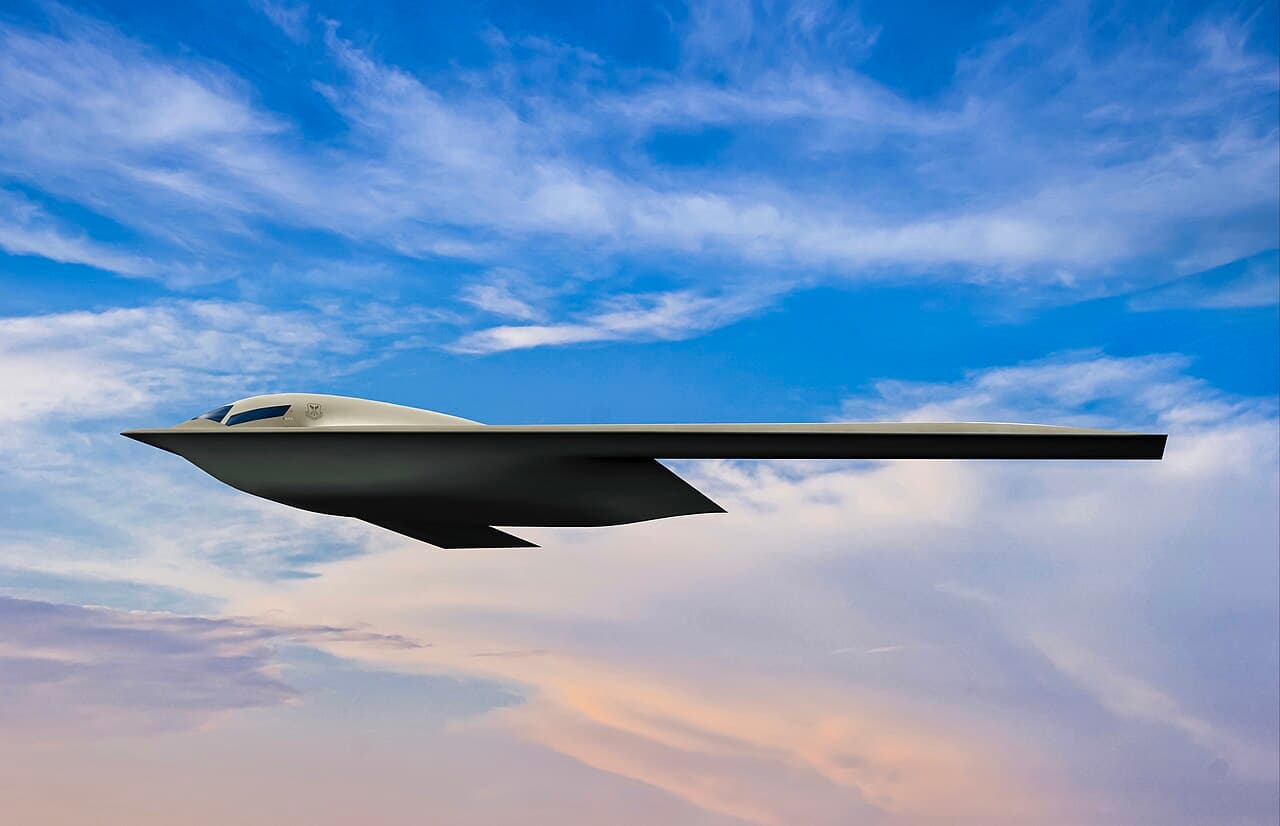
USAF to Convert B-21 Raider Test Jets Directly into Combat Bombers from 2027
The United States Air Force has a couple of test Northrop Grumman B-21 Raiders that are blurring the line between testing and fielding. The B-21 Raider is expected to enter service in 2027, making it the world's first all-new strategic bomber to enter service since the B-2 Spirit entered service in 1997. China is also working to develop its Xi'an H-20 stealthy strategic bomber, but it is unclear when it will enter service.
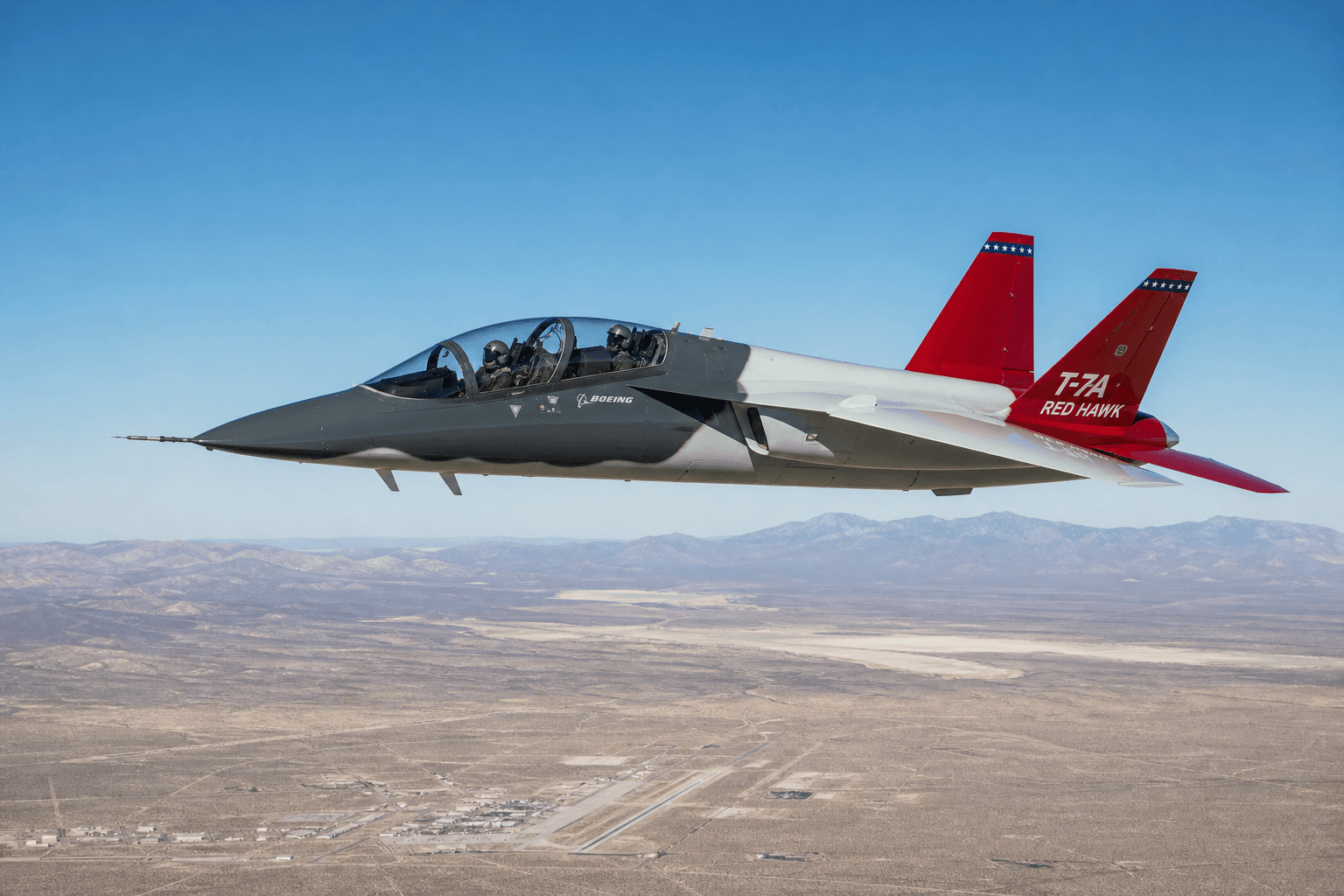
Air Force T-7A Red Hawk Completes First Joint Development and Operational Test Flight
The U.S. Air Force said Thursday it has completed the first T-7A Red Hawk sortie involving both developmental and operational test aircrew. The June 25 flight at Edwards Air Force Base, California, positions the service to begin combined testing as it prepares the advanced jet trainer for operational use. Combining Test Programs The flight placed a 412th Test Wing developmental test pilot and an operational weapon systems officer from the Air Force Operational Test and Evaluation Center's Detachment 5 in the cockpit. Developmental testing determines whether an aircraft meets technical requirements, while operational testing evaluates its performance in the intended training mission. "This flight was a big first step for the T-7 Integrated Test Team," Maj. Kevin Ueunten, AFOTEC's T-7A test director, said in an Air Force release. Ueunten, a former F-15E Strike Eagle weapon systems officer, collected operational-test data during the sortie. Production Plans The Air Force approved the T-7A for initial production in April and said it was moving forward with a $219 million contract for the first 14 aircraft. The contract also covers spare parts, support equipment and training. The Air Force plans to consider each of the first three low-rate production lots separately so test results can be incorporated before additional purchases. The T-7A is intended to replace the T-38 Talon and will be used to prepare pilots for newer fighter and bomber programs. There are expected to be 351 aircraft and 46 ground-based simulators at five Air Education and Training Command bases. Initial operational capability is scheduled for August 2027.
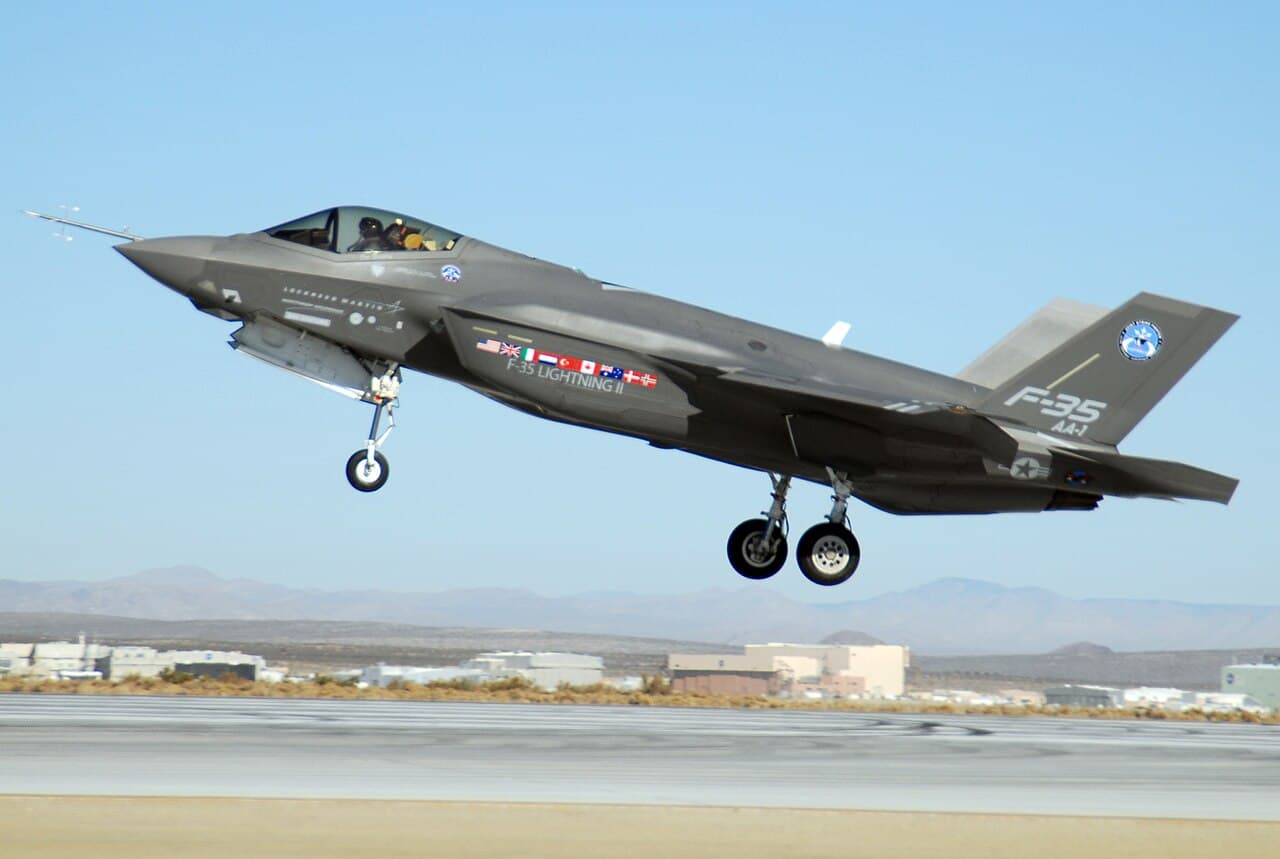
US Controls All F-35 Mission Data Updates, Grounding Allied Squadron Autonomy
The Lockheed Martin F-35 Lightning II is one of the most important weapon systems developed in the 21st century. It represents a major paradigm shift for air power not only in the US Air Force, but the Navy and Marines as well as 19 other US Allied partner nations around the world that are part of the global fleet. In addition to being the most expensive defense industrial project in history, it is also one of the most closely guarded classified projects to ever become a multinational defense program.
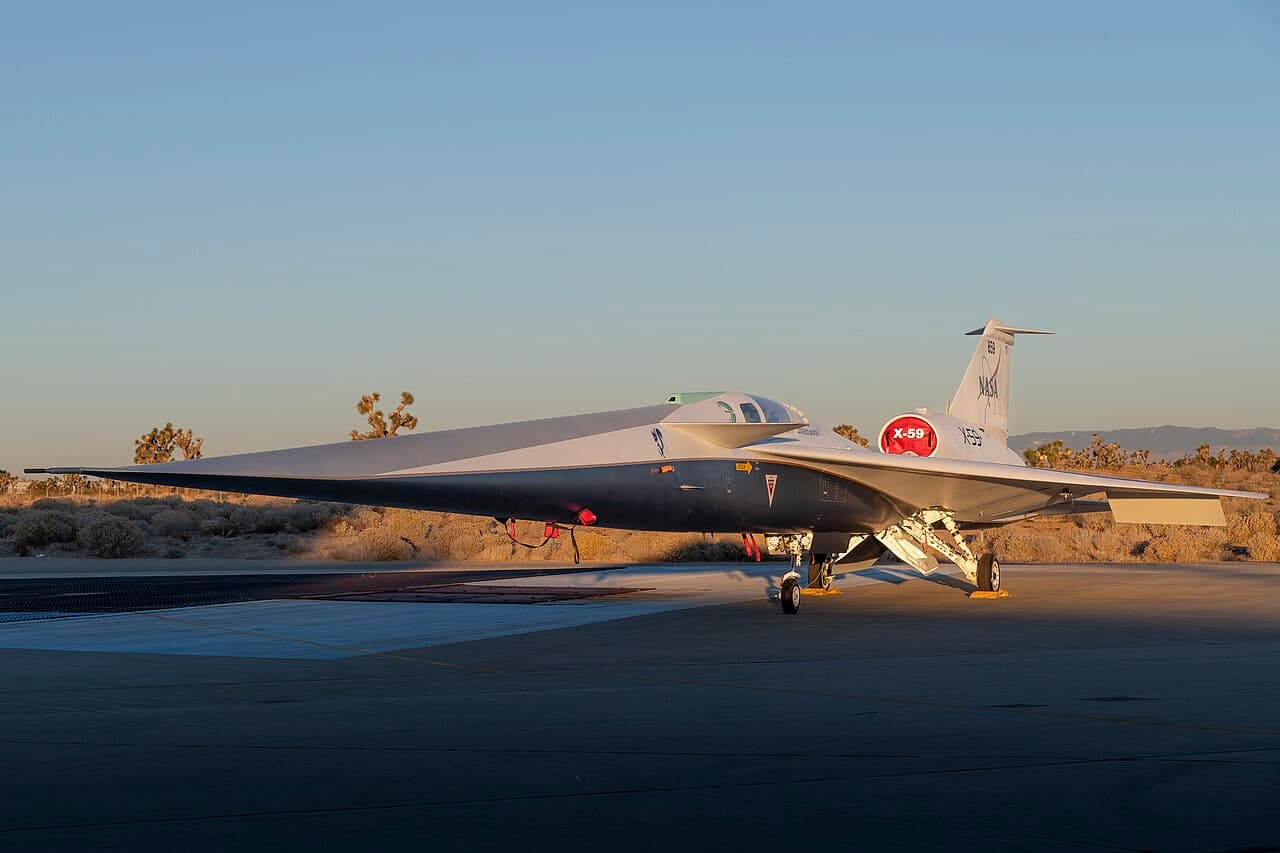
NASA X-59 Quesst Breaks Sound Barrier After Nearly Seven Months of Careful Test Flights
The NASA X-59 Quesst aircraft, built by Lockheed Martin Skunk Works, took roughly seven months from its first flight on October 28, 2025, to safely cross the sound barrier for the first time on June 5, 2026. Rather than immediately flying at full speed, experimental aircraft must undergo a careful process called envelope expansion. Even though the X-59 is intended to pioneer quiet supersonic flight for commercial airliners, engineers must slowly push the aircraft's limits to ensure it remains safe and controllable.
The Daily Touch & Go
The day's best aviation news in your inbox. Free, no spam.