


Image: Lucash · CC BY-SA 3.0 · via Wikimedia Commons
Brussels Airport Reports 11.7 Million Passengers and Strong Cargo Growth in H1 2026
Brussels Airport saw a 3.6% rise in passenger traffic to 11.7 million and an 8.3% increase in cargo volumes despite operational disruptions in early 2026.
The gist
Brussels Airport grew passenger traffic and cargo volumes robustly in the first half of 2026, expanding routes amid regional conflicts and strikes.
Brussels Airport has demonstrated resilience by achieving a 3.6% increase in passenger numbers and an 8.3% rise in cargo volumes during the first six months of 2026, reaching nearly 11.7 million travelers and close to 420,000 tonnes of freight handled. The results came despite disruptions posed by social actions and geopolitical tensions in the Middle East, underscoring the airport’s robust operational capabilities and strategic growth initiatives.
The first half of 2026 marked the launch of eight new destinations at Brussels Airport, including five long-haul routes that notably enhanced its global connectivity. Among these were Air China’s new service and an added connection to Chengdu, strengthening ties with the Asian market. Additionally, the airport inaugurated direct flights to São Paulo via LATAM Airlines, restoring a Belgium-South America link absent for over 25 years, and Brussels Airlines commenced flights to Kilimanjaro, Tanzania, expanding access to East Africa.
Operational challenges impacted activity during the period. The ongoing conflict in the Middle East led to suspended flights to Tel Aviv and scaling back of services to the Gulf region. Meanwhile, strikes disrupted passenger flows, with industrial actions in March and May affecting approximately 55,000 travelers. A strike by air traffic control provider skeyes on June 2 further disrupted 25,000 passengers. Despite these interruptions, demand for air travel at the airport remained resilient, supporting overall growth.
Cargo operations were a highlight, with an 8.3% year-over-year increase to nearly 420,000 tonnes handled, reinforcing Brussels Airport’s role as a key European cargo hub. Freight volumes saw differential growth: full freighter traffic increased by 16.7%, trucked cargo rose 16.2%, and air freight carried in belly holds registered a modest 0.1% uptick, reflecting vulnerability to route disruptions in the Middle East. This diversified uplift points to the benefits of the airport’s strategy targeting a broad range of commodities and market segments.
Investment is underway to modernize the airport’s cargo facilities to support future capacity expansion. These upgrades aim to accommodate increasing demand for pharmaceuticals, perishables, e-commerce goods, and other specialized cargo. Expanded infrastructure is intended to sustain long-term competitiveness and service quality for international logistics operators utilizing Brussels as a gateway.
June 2026 alone surpassed 2.2 million passengers, a 1.7% increase from the previous year, fueled by new routes to São Paulo, Kilimanjaro, and Halifax, alongside resumed services to Doha and increased flight frequencies. Cargo volumes during the month were up 12.2%, with notable surges in full freighter and trucked cargo segments. Passenger flight movements remained nearly stable, with a slight increase in commercial traffic levels.
Popular destinations throughout June included Spain, Italy, Greece, and Germany, indicating strong European travel demand. Transfer passengers accounted for 15% of total traffic, highlighting Brussels Airport’s role as a hub connecting Europe with Africa and North America. These figures reflect sustained and balanced growth in both point-to-point and transfer passenger segments.
Looking beyond the first half of 2026, Brussels Airport’s network now covers 205 direct destinations served by 83 airlines, providing broad connectivity for both leisure and business travelers. The facility continues to assert itself as a leader in European air cargo, especially in the pharmaceutical sector. Its SHIFT 2027 strategic plan emphasizes sustainability, technological innovation, and market diversification as pillars for future development.
As a major economic driver for Belgium, supporting approximately 64,000 jobs, Brussels Airport’s expansion benefits the country and surrounding regions. With investments in infrastructure and a diversified route portfolio, the airport is positioned to leverage its positive momentum and address ongoing operational challenges in the months ahead.
Frequently asked questions
- How many passengers did Brussels Airport serve in the first half of 2026?
- Brussels Airport handled approximately 11.7 million passengers in the first six months of 2026, a 3.6% increase compared to the same period in 2025.
- What cargo growth did Brussels Airport achieve in early 2026?
- Cargo volumes increased by 8.3%, with nearly 420,000 tonnes handled; full freighter and trucked cargo segments saw double-digit growth, while belly cargo growth was minimal.
- What new routes were introduced at Brussels Airport in the first half of 2026?
- Eight new destinations were launched, including Air China services to Chengdu, LATAM flights to São Paulo, and Brussels Airlines routes to Kilimanjaro, expanding long-haul and international connectivity.
Read more
All Cargo →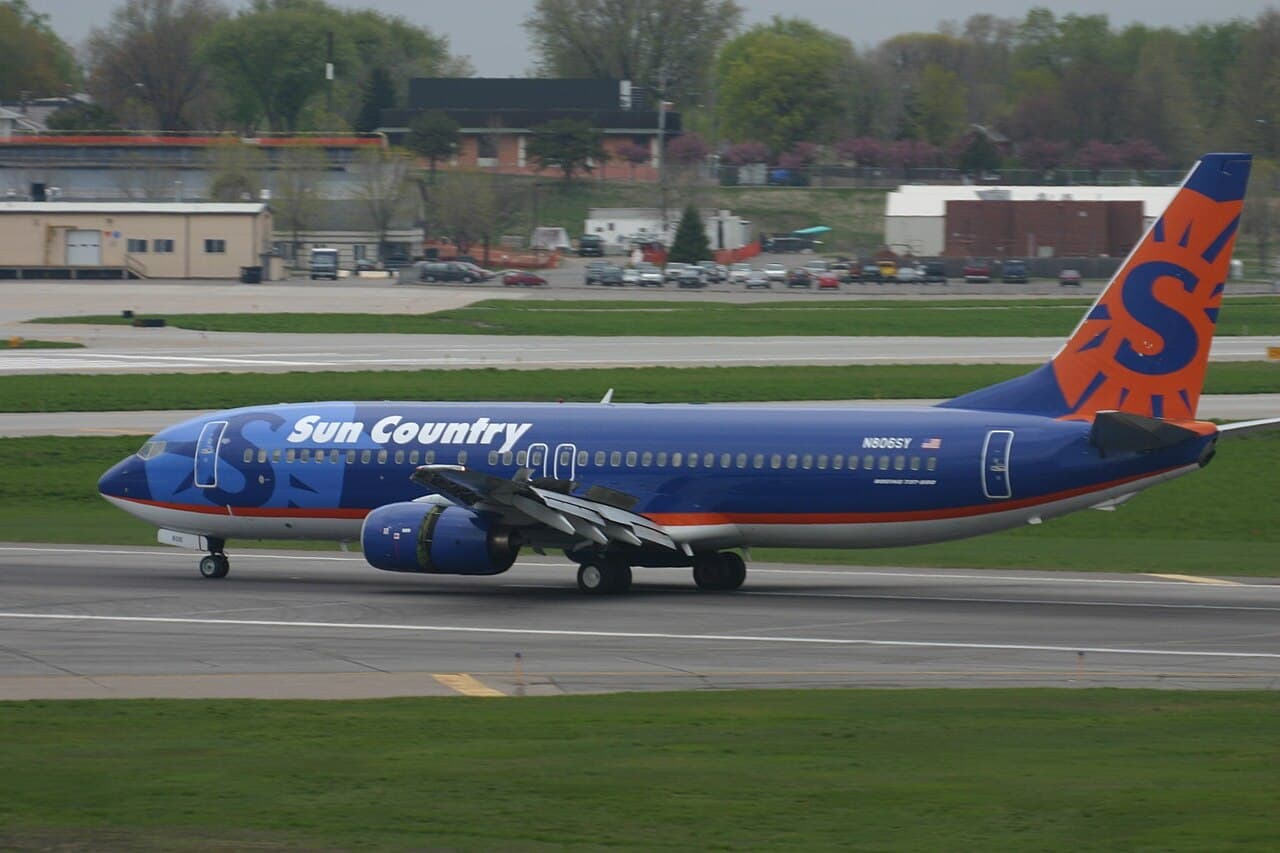
Sun Country Cuts September Flights Due to Crew Attrition and Cargo Growth
The carrier reduced roughly one-third of its September flying as it balances pilot staffing with increased cargo demand.
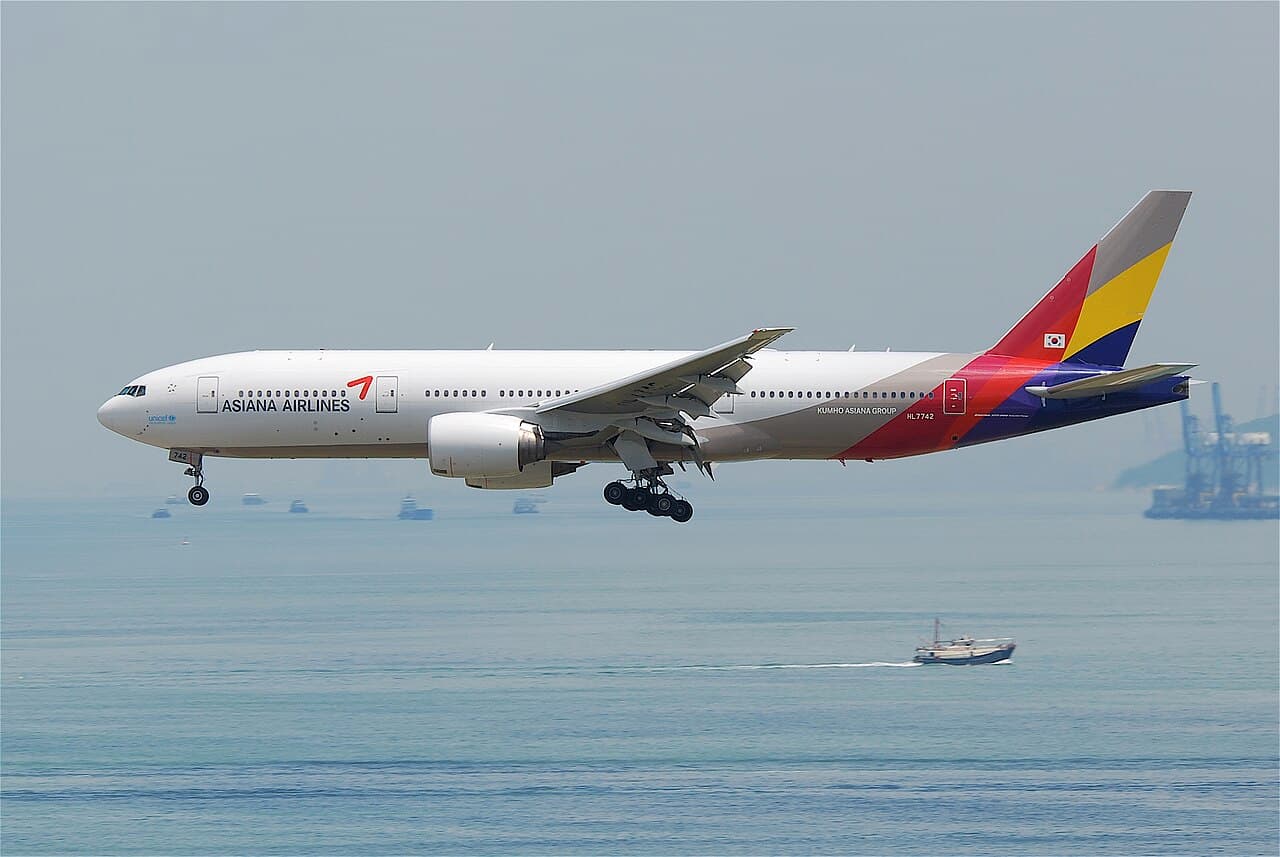
Mammoth Freighters Launches Boeing 777 Conversion Line in Qingdao to Meet Asia-Pacific Cargo Demand
Mammoth Freighters LLC today announced it will expand its 777 freighter conversion operations to Qingdao, China, and has selected STAECO as its newest conversion MRO provider following a Request for Proposal process. The expansion comes in response to growing demand for widebody freighter capacity in China and across the Asia-Pacific region. Mammoth plans to open […]

Archer and Beta Launch US Electric Air Taxi Charger Network Targeting 250 Sites by 2030
Tesla revolutionized electric automobiles by building thousands of interoperable chargers that it opened up to the broader industry. A pair of air taxi manufacturers aim to do the same for electric aircraft. Thursday marked the launch of America's Consortium for Electric Skyways (ACES), a collaboration between electric aircraft developers Archer Aviation and Beta Technologies to stand up as many as 250 air taxi operating sites by 2030. That would entail the installation of Beta's electric charging systems across U.S. airports and cities in states including New York, Florida, California, and Texas, the partners said. "Electric air taxi operations can't scale without the infrastructure to charge them," said Archer founder and CEO Adam Goldstein in a statement . "That's why we're building the backbone to support the next 250 years of electric aviation in America." A Beta spokesperson told FLYING on Thursday that the company's network of fixed and mobile charging systems spans 123 active and in-progress sites. In June, Nate Ward, who leads Beta's North American charge network, said the chargers are online at more than 60 airports. The systems are designed to support eVTOL (electric vertical takeoff and landing) models like Beta's Alia A250 and Archer's Midnight, runway-based electric aircraft such as Beta's Alia CX300, and even electric ground vehicles such as zero-emission airport shuttles. Archer and Beta said Thursday that they plan to expand the network into states where they are devising activities under the FAA's eVTOL Integration Pilot Program (eIPP). Beta earlier this month completed the first official eIPP operations , delivering organs manufactured by its customer United Therapeutics between Maryland and Virginia. But the multiyear effort will span at least 26 states , meaning electric aircraft chargers could soon be online from coast to coast. Macquarie Capital, a global investment and advisory firm, is supporting ACES as a strategic advisor and will provide the funding for site acquisition and development. The partners said they intend to expand the consortium to more aircraft manufacturers, infrastructure providers, and investors. Electrifying America As Archer, Beta, and other electric aircraft manufacturers progress through type certification, they are also focused on what comes after. A type-certified aircraft is no use with a dead battery. Beta's chargers are designed to the Combined Charging Standard (CCS) and are interoperable, allowing any electric air or ground vehicle to plug in. That means the same system could juice up its Alia, Archer's Midnight, or the Valo air taxi under development by the U.K.'s Vertical Aerospace, which has also committed to the CCS. Once the widely accepted standard for electric automobiles, the CCS is being phased out for Tesla's North American Charging Standard. However, the General Aviation Manufacturers Association (GAMA) has endorsed it as the framework for electric aircraft. The CCS is aligned to the European Organisation for Civil Aviation Equipment's (EUROCAE) ED-308 provision, which sets minimum requirements for VTOL charging infrastructure around the world. One competitor, Joby Aviation, developed its own interoperable charging system. Its Global Electric Aviation Charging System (GEACS) includes a coolant mechanism, whereas Beta opted for separate charging and thermal management systems. GEACS also includes multiple DC channels to accommodate the Joby air taxi's distributed battery packs. Archer and Beta have no need for this as their models concentrate the packs in one location. But the industry is largely united around the CCS and views it as preferable to each manufacturer developing a proprietary system. Archer and Beta said the latter's customers, which include Republic Airways, Bristow Group, and Surf Air Mobility, will tap into the ACES network for cargo and medical operations. Archer during peak operational hours would have access for passenger operations. "The infrastructure required to open our nation's airports and future vertiports to advanced air mobility is a fraction of what people expect," Beta founder and CEO Kyle Clark said in a statement. "By deploying interoperable chargers built on an open standard, we're putting in place nearly all the physical infrastructure this industry needs, built so every operator can use it." Archer in 2023 placed an initial order for Beta's charging systems. Both companies have partnered with Signature Aviation and Atlantic Aviation to install them at FBOs nationwide. Ward estimated it takes Beta six to nine months to put a charger in the ground. "FBOs, their bread and butter is general aviation," he told FLYING in June. "Being on that GA apron—where it's a little bit come one, come all, and they've got a mandate to serve the public—is a natural fit for chargers." Ward said the company evaluates heaps of data, including traffic volume, proximity to power sources, and runway length, when evaluating charge sites. Part of the strategy entails clustering chargers together to form a mesh network. "As you add interconnected nodes within an area, you increase the utility, the work that that network can do," he said. The states hosting activities under the eIPP could be next in line for electric aircraft chargers. Beta's organ delivery flights this month were conducted in partnership with the Pennsylvania Department of Transportation (PennDOT), which is leading an eIPP project comprising 17 other states. Beta was also part of winning eIPP bids by state transportation agencies in Texas, Florida, Utah, North Carolina, Louisiana, and New York and New Jersey. Archer is part of the Texas, Florida, and New York and New Jersey-led projects. The company previously shared air taxi route maps for New York City and Miami, which could be an indication those cities are next in line for chargers. Archer and Beta will exhibit at the Farnborough International Airshow in the U.K. from July 20-24. On July 21, Clark, Goldstein, and Dan Edwards, principal deputy assistant secretary for aviation and international affairs within the Transportation Department, will share more about the partnership during a fireside chat.
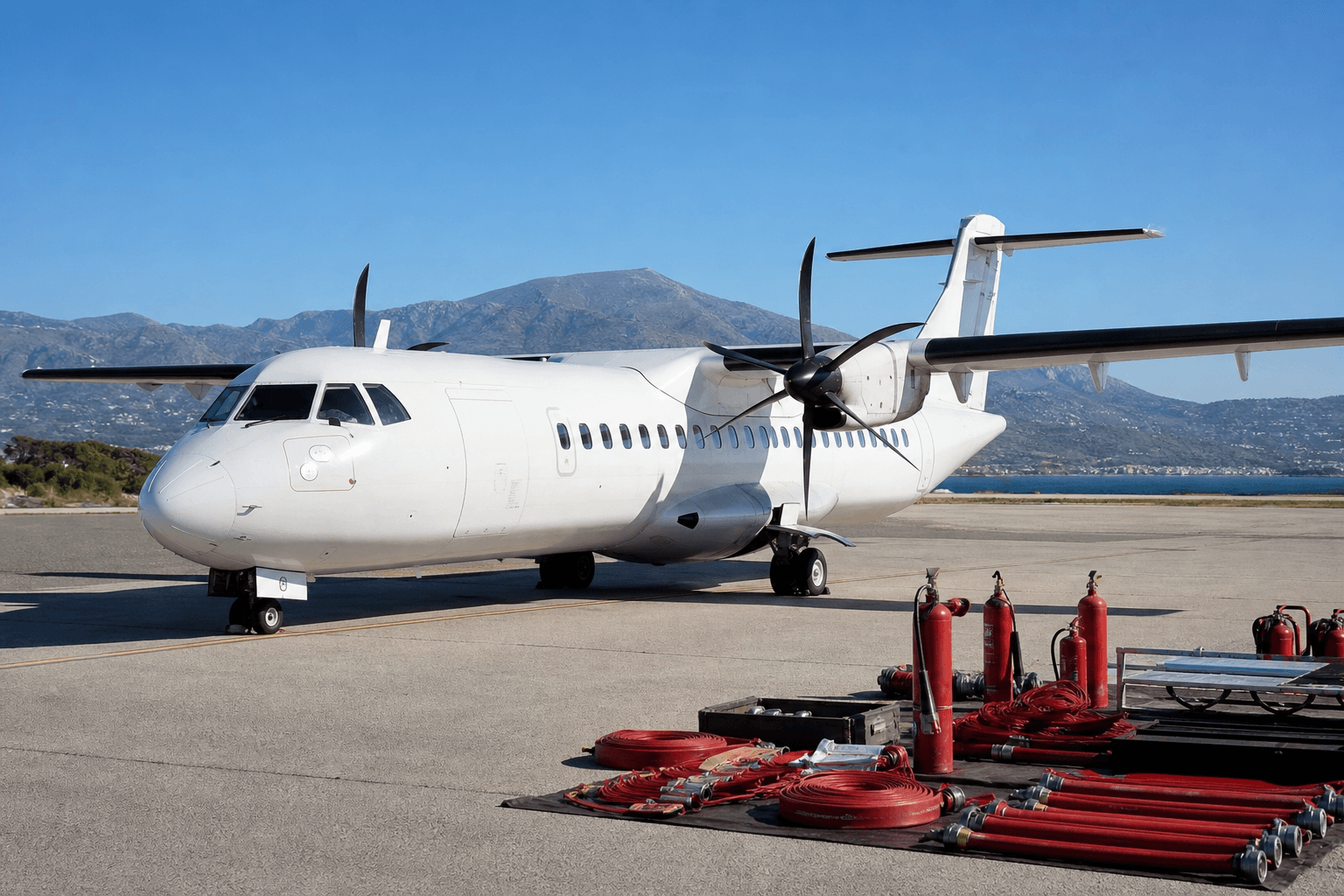
Corsica Technics to Convert ATR 72s into Firefighting Waterbombers with Kepplair Kits
Bastia-based MRO firm signs LoI for 10 modification kits from French developer Kepplair Evolution. MRO provider Corsica Technics has signed a letter of intent (LoI) covering the acquisition of 10 kits from Kepplair Evolution to covert ATR 72 passenger or cargo aircraft into firefighting waterbombers. An element of a wider initiative to grow its Bastia airport home into a maintenance hub in the Mediterranean, the LoI will allow Corsica Technics to provide customers with a rapidly deployable firefighting solution. As part of the conversion, the Kepplair 72 twin-turboprop is also outfitted for cargo transport and medical evacuation missions, delivering year-round versatility. Paris-headquartered Kepplair Evolution currently holds commitments for 18 aircraft or conversion kits. Kepplair is now awaiting the arrival of its first donor aircraft at Toulouse Blagnac airport for conversion into the initial prototype. Based on an ATR 72 cargo aircraft provided by ACIA Aero Capital, modification work, including the integration of the company’s KEDS delivery system, will be performed by Aerotec & Concept Flight testing and the initial drop tests are expected to begin by year-end. "The Kepplair 72 is based on a well-established, robust and readily available platform, with a conversion concept that meets current market needs," says Jean-Marc Cristelli, president of Corsica Technics. "Corsica Technics wishes to capitalise on this momentum by drawing on its roots in the aviation sector and its ability to support the development of new solutions for civil protection."
The Daily Touch & Go
The day's best aviation news in your inbox. Free, no spam.