

Image: WhisperToMe · CC0 · via Wikimedia Commons
Airport Snow Management Roles Key to Keeping Winter Operations Safe and Efficient
Winter weather challenges airports with snow and ice, requiring coordinated snow removal, deicing, and forecasting to maintain safe flight operations.
The gist
Airport snow management involves critical roles in removing snow, deicing aircraft, and forecasting weather to prevent delays and ensure safety.
Winter weather causes major disruptions at airports worldwide each year, with snowfall creating safety hazards that can delay or cancel flights. Snow reduces visibility and causes slippery surfaces on runways, taxiways, and aprons, posing risks to pilots and ground crews alike. In response, airports engage in complex snow management operations to maintain safe, efficient flight schedules during snowy conditions.
Rapid snowfall presents immediate challenges for aircraft in the air and on the ground. Sudden changes in visibility and ground traction complicate takeoff, landing, and taxi maneuvers. Airport snow removal teams prioritize clearing heavily trafficked surfaces quickly to minimize operational delays. Technologies such as Instrument Landing Systems permit operations in some reduced visibility scenarios, though heavy snow often leads to flight interruptions.
Snow management encompasses multiple key components. Heavy-duty snowplows, sweepers, and blowers clear large paved airport surfaces. Deicing operations remove ice and snow buildup on aircraft surfaces, critical for maintaining aerodynamic performance and flight safety. Weather forecasting and monitoring provided by agencies like NOAA and FAA enable proactive decision-making, helping pilots and airports adapt to evolving winter conditions.
Snow removal operations demand coordination among vehicle operators, control towers, and air traffic management to keep runways and taxiways clear and safe. Deicing crews apply anti-icing fluids carefully to aircraft before takeoff to prevent ice formation during flight. Airport management teams develop seasonal plans and coordinate resources, ensuring swift response when winter storms arrive.
Working in airport snow management offers diverse career opportunities. Snow removal operators drive specialized equipment to clear airfield surfaces. Deicing personnel, often seasonal workers, apply fluids to aircraft, supporting airline operations. Airport planners and meteorologists contribute to winter preparedness through strategic planning and weather forecasts, guiding all stakeholders in their response efforts.
These roles require varying qualifications. Snow removal and deicing jobs generally need a high school diploma, driving skills, and willingness to work unusual shifts. Meteorology and airport planning demand specialized education. Compensation ranges widely, with operational staff earning hourly wages around $15 to $25, while planners and meteorologists can earn substantial annual salaries.
Airport snow management is vital to aviation safety during winter, mitigating risks posed by icy surfaces and poor visibility that threaten operations. The integrated efforts of snow removal, deicing, and forecasting ensure airports can function safely and minimize disruptions despite challenging weather.
As climate variability leads to unpredictable winter conditions, airports continue refining snow management techniques and training staff to adapt. Investing in advanced equipment and weather technology enhances resilience, helping keep aircraft and personnel safe in cold-weather environments.
Frequently asked questions
- What are the main challenges that snow creates for airport operations?
- Snow causes reduced visibility and slippery surfaces that disrupt aircraft takeoff, landing, and taxiing, leading to delays and cancellations.
- What types of jobs are involved in airport snow management?
- Roles include snow removal equipment operators, deicing crews, airport operations management, and meteorologists providing weather forecasts.
- What skills and qualifications are needed for airport snow management jobs?
- Operational roles typically require a high school diploma and driving license, while meteorology and management roles need relevant degrees and specialized training.
Read more
All Aviation Safety →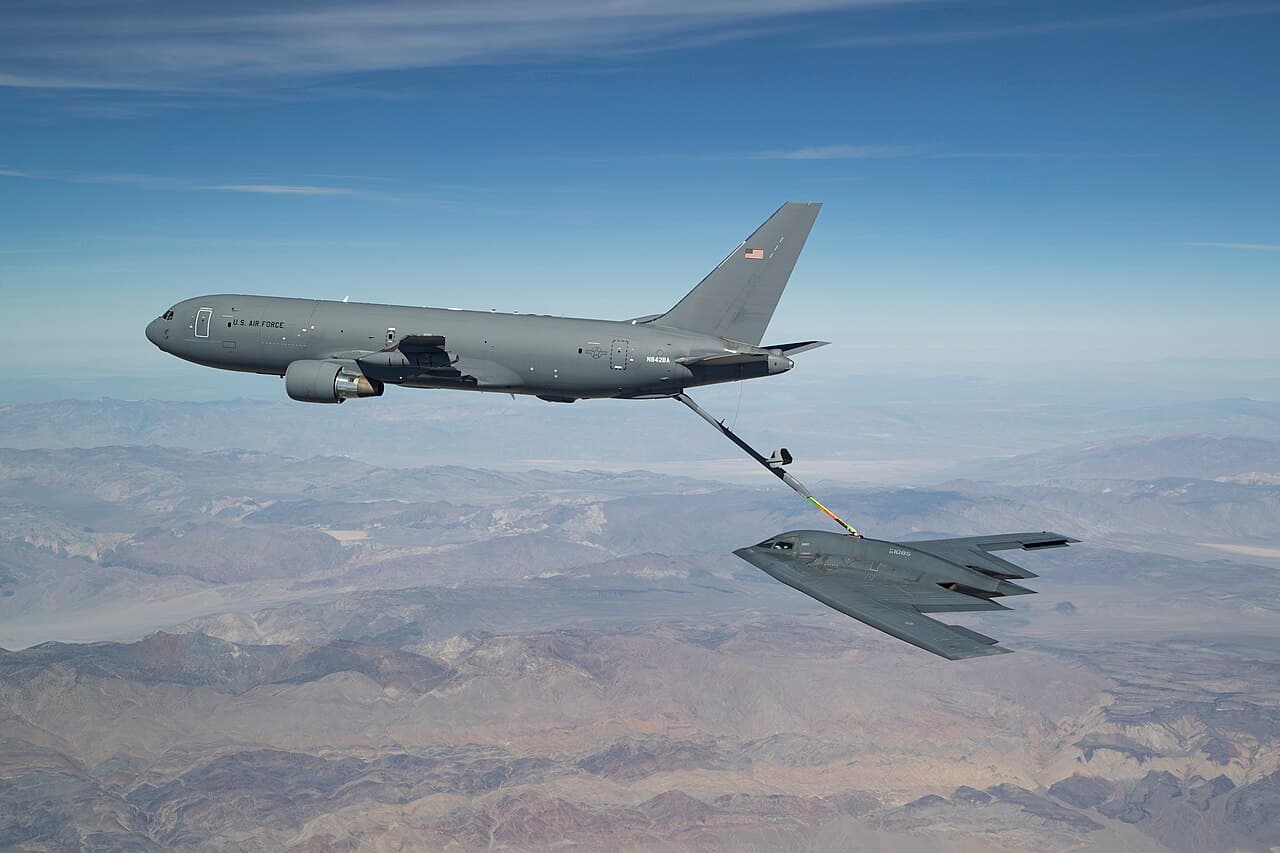
US Air Force's KC-46 Pegasus tackles aging KC-135 refueler challenges amidst technical hurdles
Many of the US Air Force's refueling wings are still flying the KC-135 Stratotanker, which was made in the Eisenhower era and is rapidly approaching an average age of 70. Recent midair mishaps and structural wear have made the KC-135 increasingly dangerous to operate. Yet its replacement, the Boeing KC-46 Pegasus, is highly controversial because it has suffered from severe design flaws, multi-billion-dollar cost overruns, and critical safety hazards.
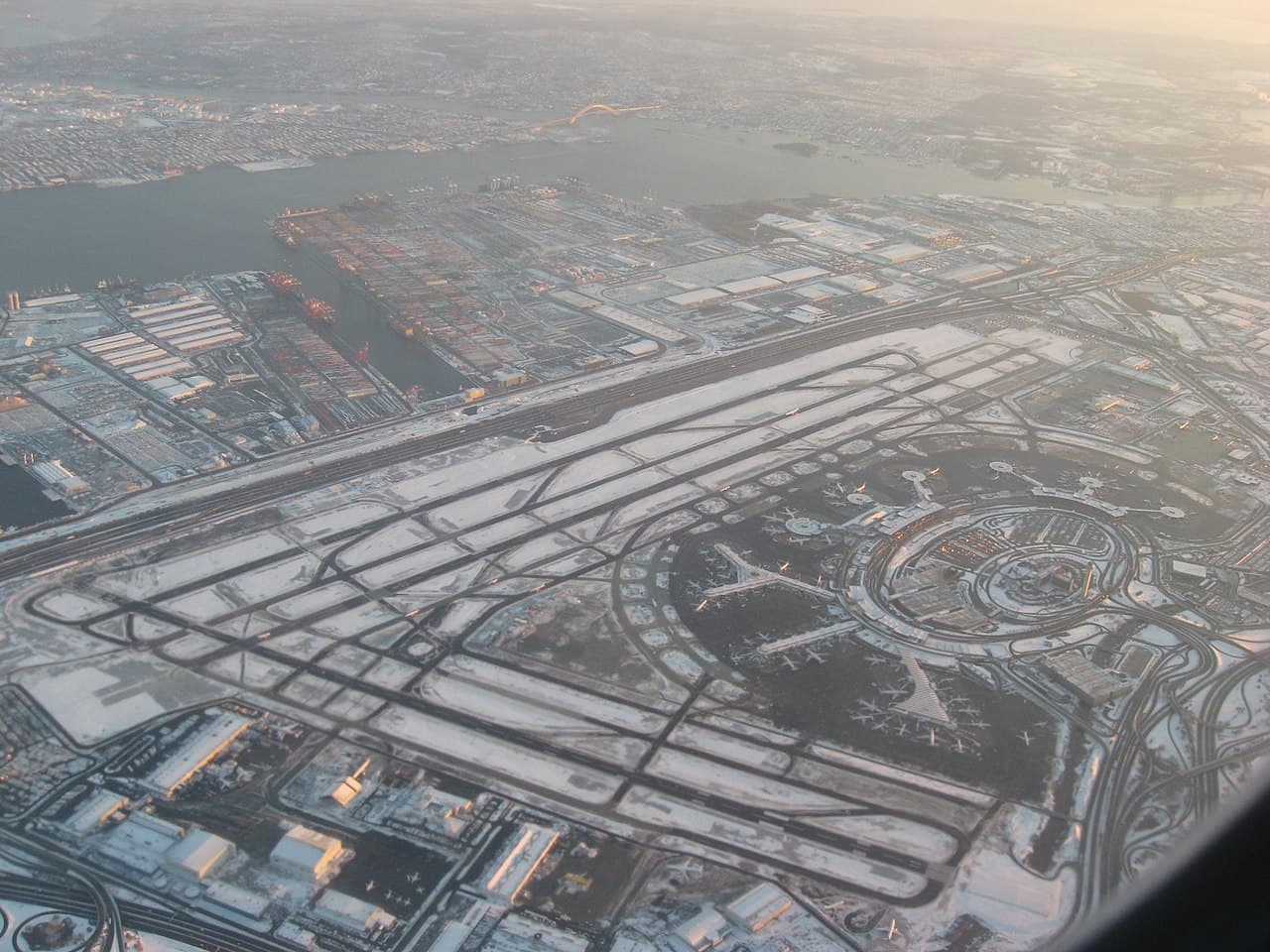
FAA Unveils Advanced Surface Movement Radar at Newark to Boost Airport Safety
The Federal Aviation Administration installed a new surface movement radar at Newark Liberty International Airport, as part of its effort to modernize the nation's aging air traffic control infrastructure. Transportation Secretary Sean Duffy and FAA Administrator Bryan Bedford unveiled the new Surface Movement Radar Model 4 (SMR-4) on Tuesday, saying the system will give controllers a clearer picture of aircraft and vehicle movements on the airport surface, particularly during darkness or low-visibility conditions. The radar replaces equipment that had been in service for roughly three decades. According to the FAA, Newark is the fifth airport to receive the new technology as part of a broader deployment that will place 53 surface movement radar systems at 44 of the nation's busiest airports. The rollout is expected to be completed by 2028. Unlike conventional airport surveillance systems, the SMR-4 is designed to provide controllers with improved situational awareness during poor weather, when visual observation from the control tower may be limited. Officials said the upgraded radar offers greater reliability while helping reduce the risk of runway incursions and ground collisions. "Newark sees well-over a thousand flights per day, and the new Surface Movement Radar will help controllers keep those flights safe at this major U.S. hub," said FAA Administrator Bryan Bedford . "This is just the latest step in the FAA's work to modernize our skies for the Golden Age of Travel." The announcement comes as the FAA continues facing scrutiny over infrastructure reliability following several high-profile equipment outages and recent runway safety incidents. Officials say modernizing surveillance and communications systems is intended to improve both operational efficiency and safety as air traffic demand continues to grow. Meanwhile, the agency reported a decline in runway incursions during the current fiscal year, a trend officials say reflects a combination of new technology, operational improvements, and ongoing safety initiatives.
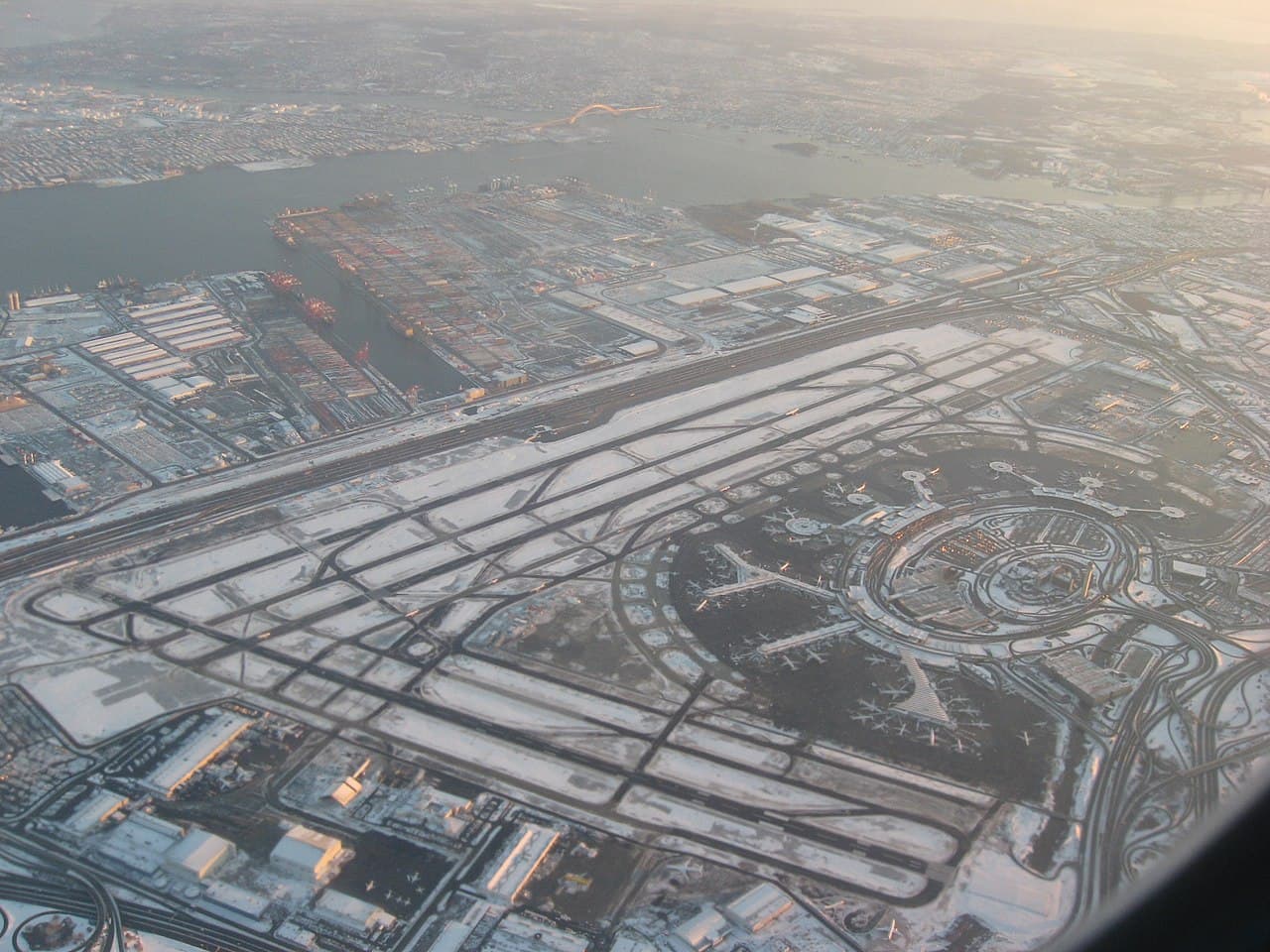
New Surface Movement Radar Enhances Safety at Newark Liberty International
U.S. Transportation Secretary Sean P. Duffy and Federal Aviation Administrator Bryan Bedford unveiled a brand-new Surface Movement Radar at Newark Liberty International Airport (EWR) on August 11, 2026. ezstandalone.cmd.push(function () { ezstandalone.showAds(119); }); This upgrade replaces the airport’s 30-year-old system. It marks another step by the Trump Administration to modernize one of America’s busiest airports and improve safety. The new Surface Movement Radar Model 4 (SMR-4) helps air traffic controllers track aircraft and vehicles on runways and taxiways. It works in all weather and visibility conditions. ezstandalone.cmd.push(function () { ezstandalone.showAds(127); }); EWR’s unit is the fifth of its kind installed nationwide so far. The radar aims to prevent runway incursions and give controllers better situational awareness. Delivering Safety Improvements “Since the start of this administration, we have been working towards building a modern system that will serve America’s skies for generations,” said Secretary Duffy . ezstandalone.cmd.push(function () { ezstandalone.showAds(128); }); “From replacing Newark’s ancient copper wire to investing $30 million into new infrastructure and bringing new radar online, we are delivering real safety and efficiency enhancements at one of our nation’s busiest airports.” FAA Administrator Bryan Bedford added, “Newark sees well-over a thousand flights per day, and the new Surface Movement Radar will help controllers keep those flights safe at this major U.S. hub. This is just the latest step in the FAA’s work to modernize our skies for the Golden Age of Travel.” ezstandalone.cmd.push(function () { ezstandalone.showAds(129); }); Photo Credit: United Airlines $30 Million in Upgrades Coming Over the next three years, EWR will receive $30 million from President Trump’s Working Families Tax Cuts for critical improvements. Officials have already replaced 90% of the airport’s copper wiring with high-speed fiber. This change boosts communication reliability. The airport is also switching from paper flight strips to electronic ones. By the end of summer 2027, EWR will install several more tools. These include new electronic information displays for better controller awareness. New voice switches will improve communication with pilots and other facilities. A new long-range radar will give controllers a more reliable way to track aircraft positions. ezstandalone.cmd.push(function () { ezstandalone.showAds(130); }); Progress After Past Delays In summer 2025, Newark ranked among the worst airports in America for delays. Upgrades have subsequently arrived. Teams deployed a software patch to fix glitches and prevent outages. They expedited new fiber installation to replace aging copper. Runway construction finished ahead of schedule. Officials also rebalanced flight volumes to match available controller staffing. These steps have paid off. Newark now ranks as a leading Northeast airport for on-time flights. Nationwide Modernization Efforts The work at EWR fits into a broader push. The FAA is now upgrading the national air traffic control system at a rapid pace. In the past year, the agency has replaced 60% of all copper wires. ezstandalone.cmd.push(function () { ezstandalone.showAds(131); }); It converted 363 radio sites across the country. Teams installed 96 new Surface Awareness Initiative systems. Nineteen towers switched to electronic flight strips. Controllers now use 151 IP voice switches at control towers. These changes support safer and more efficient air travel. Newark’s new radar shows how targeted investments can deliver results at a high-volume hub. Passengers can expect continued improvements as the administration advances its modernization goals. The focus remains on practical upgrades that enhance safety and reduce delays for the traveling public. ezstandalone.cmd.push(function () { ezstandalone.showAds(132); });
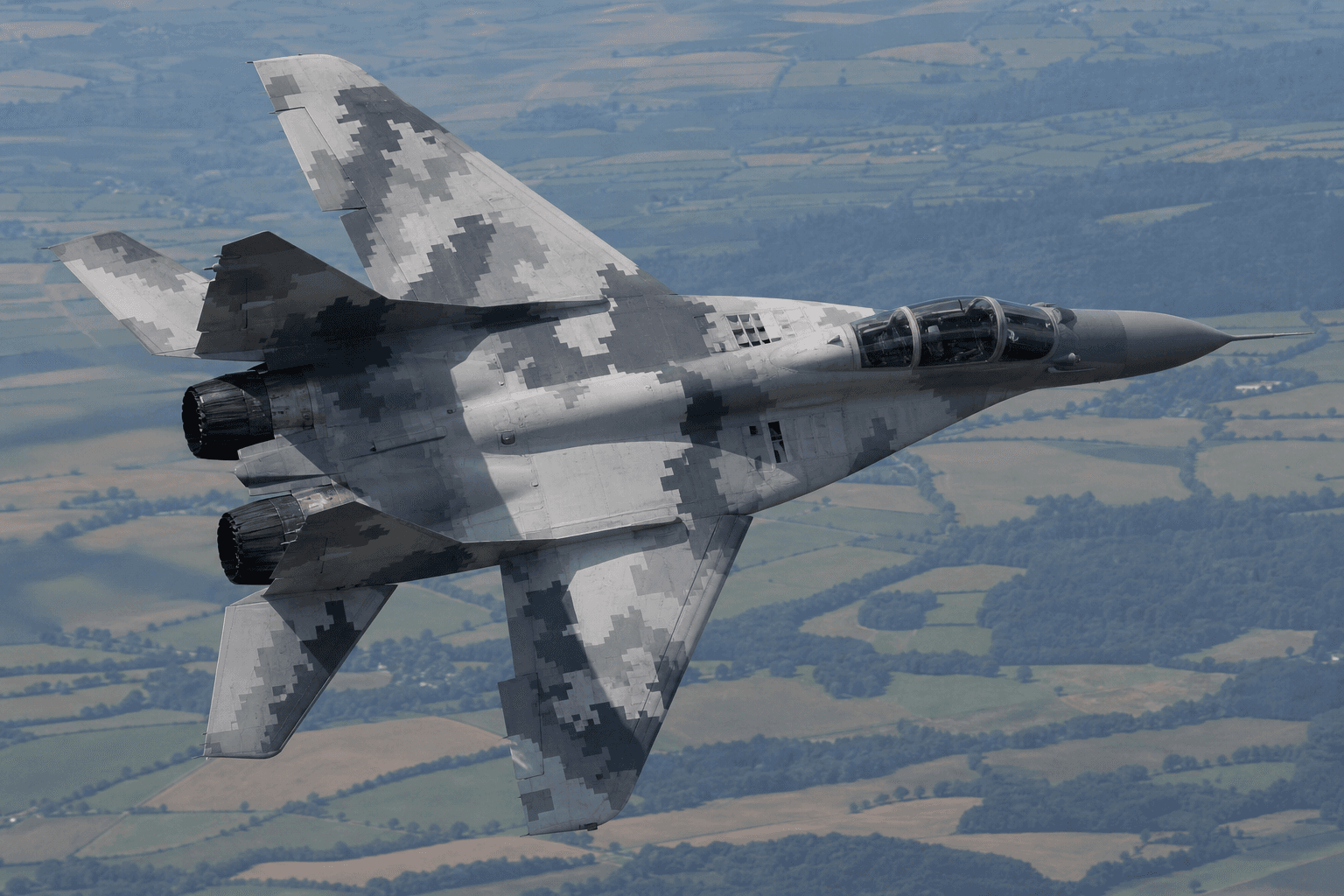
Ukrainian MiG-29 destroyed after catching fire during missile launch over Odesa
A Ukrainian Air Force MiG-29 was destroyed on the evening of August 10, 2026, after the fighter caught fire while launching an air-to-air missile over Odesa Oblast, southern Ukraine. In a statement published on its Telegram channel , the Ukrainian Air Force said the pilot had been flying a mission to destroy Russian aerial targets over the region when the aircraft was lost. According to preliminary data, a "non-standard situation" occurred during the launch of an air-to-air missile, causing the aircraft to catch fire and the pilot to lose control. The pilot attempted to save the aircraft before ejecting, the service said. He was recovered and evacuated to a medical facility. The causes of the incident are being established. Ukrainian MiG-29s use Soviet-designed R-73 infrared-guided and R-27R radar-guided air-to-air missiles, although the Ukrainian Air Force did not identify the weapon involved in the accident. The crash is the fourth Ukrainian combat aircraft loss reported in under two months. On June 16, 2026, a Su-24M frontline bomber crashed in Khmelnytskyi Oblast, killing both crew members. Another MiG-29 was lost over Poltava Oblast on June 27, 2026 , with the pilot ejecting safely. On July 29, 2026, an F-16 went down after an in-flight emergency during an intercept mission, its pilot also ejecting. Ukraine has not disclosed the current size of its MiG-29 fleet. The Soviet-era airframes have been sustained since 2023 by aircraft and spares transferred from Poland and Slovakia, and adapted over the course of the war to carry Western munitions, including the US-made AGM-88 HARM anti-radiation missile . The type remains central to Ukrainian air defense, flying repeated intercept sorties against Russian cruise missiles and one-way attack drones targeting cities including Odesa. Ukraine's Air Force confirmed the loss of a MiG-29 fighter during a combat mission against enemy aerial targets over Odesa Oblast on August 10. Preliminary information indicates an abnormal situation occurred during an air-launched missile firing, after which the aircraft caught… pic.twitter.com/UG78RAq9QL — NOELREPORTS (@NOELreports) August 10, 2026 Poland talks over 14 additional MiG-29s resume Poland, which delivered 14 MiG-29s to Ukraine from April 2023 in the first transfer of combat aircraft by any NATO country, retains 14 more at Mińsk Mazowiecki, upgraded between 2011 and 2014 and in better condition than the ex-Czech and ex-German airframes it sent first. Warsaw has negotiated their handover since December 2025 in exchange for Ukrainian drone technology. Defense Minister Władysław Kosiniak-Kamysz declared the arrangement dead on June 29, 2026, saying Kyiv had accepted it and then failed to deliver. Talks have since resumed, and Deputy Defense Minister Magdalena Sobkowiak-Czarnecka said on July 31, 2026, that Ukraine had submitted a specific list of systems it could provide, with a decision due within weeks. Bulgaria has separately asked to buy the jets. No immediate relief for Ukraine's fighter fleet Ukrainian Air Force F-16 fighters fly over an undisclosed location. (Credit: Ukraine Ministry of Defense) The Ukrainian Air Force has previously said it would need 120 to 130 F-16s to reach parity with Russian aviation, a figure far above the number of Western fighters delivered so far. Ukrainian F-16s, which have accounted for more than 1,000 aerial targets since entering combat in August 2024, and Mirage 2000-5s remain committed primarily to the same air defense mission the MiG-29 was flying when it was lost. Long-term reinforcement plans are taking shape, but they offer no immediate relief to the aging aircraft now carrying much of Ukraine's air defense burden. Saab signed a contract with the Swedish Defence Materiel Administration on June 30, 2026 , for 16 Gripen E fighters destined for Ukraine, worth approximately SEK 24.6 billion ($2.5 billion), with deliveries scheduled for 2029 and 2030. Sweden has separately committed to donate 16 used Gripen C/D aircraft, with transfers expected to begin in early 2027. Paris and Kyiv followed on July 13, 2026, signing a bilateral defense roadmap covering an initial batch of 16 Dassault Rafale fighters for delivery in 2028 and 2029, alongside SAMP/T NG batteries, radars and production licenses for AASM, SCALP-EG and Aster munitions. Both orders are opening tranches of much larger letters of intent, for up to 150 Gripen E signed in October 2025 and up to 100 Rafale signed in November 2025 .
The Daily Touch & Go
The day's best aviation news in your inbox. Free, no spam.