

Illustration: The Touch & Go
Northrop Grumman opens Florida engineering hub for Navy's next-gen carrier fighter
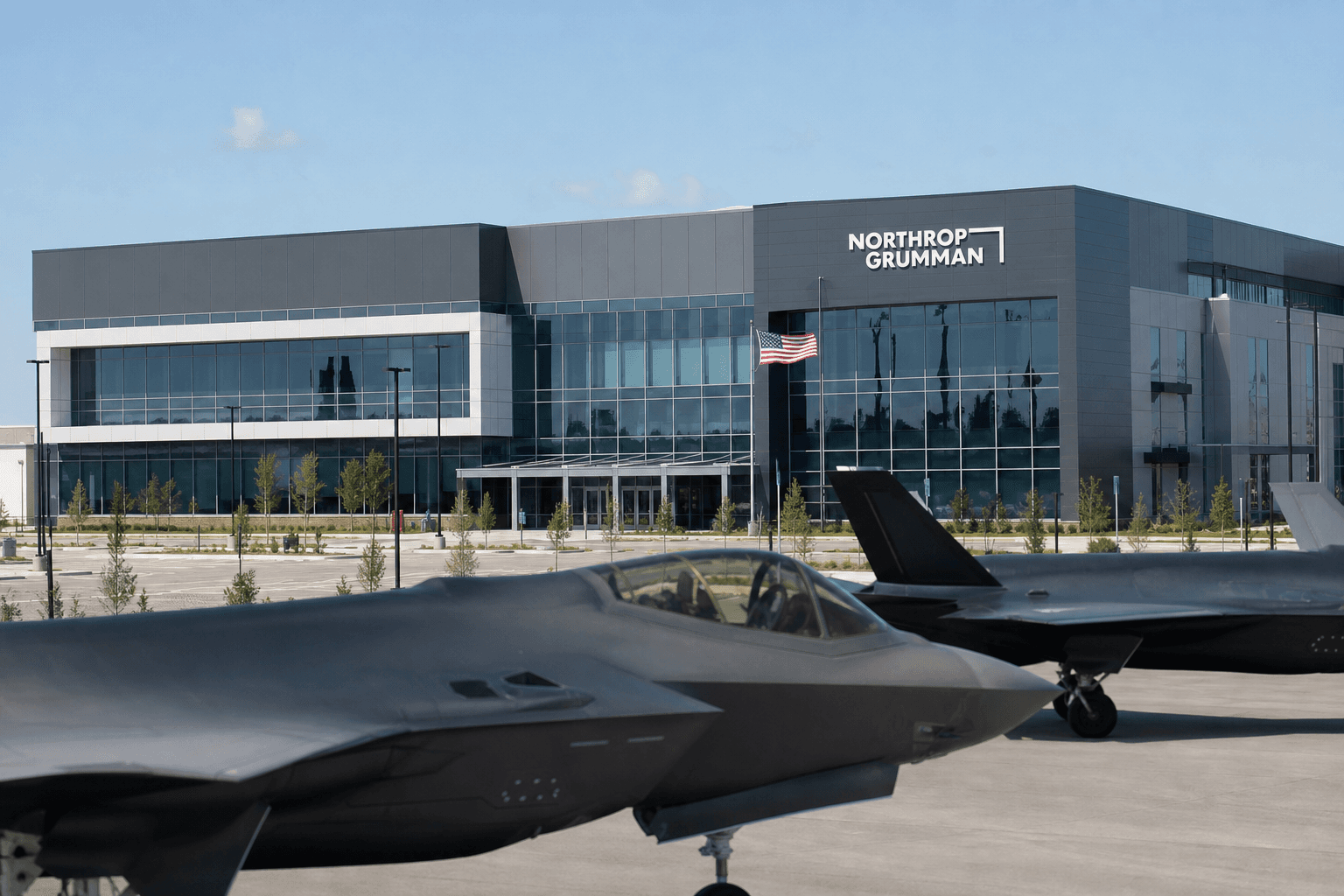
Northrop Grumman launched a 300,000 sq ft facility in Melbourne, Florida, to support design and production of the US Navy's future sixth-generation F/A-XX fighter aircraft.
The gist
Northrop Grumman invests heavily in new Florida site to advance its bid for the US Navy's sixth-gen F/A-XX carrier fighter.
Continuing coverage
All Boeing →- US Air Force's KC-46 Pegasus tackles aging KC-135 refueler challenges amidst technical hurdles
- FAA Orders $2.66M Seat Inspections on 453 Boeing 737 MAX Jets Amid Certification Oversight
- Archer Aviation Acquires Boeing's Wisk, Insitu, and SkyGrid to Expand Aerospace AI Platform
- Boeing's July Orders Highlight Significant Deals with Uganda and AerCap
- Boeing Delivers 53 Jets in July Amid Airbus Lead in 2026 Production Race
Northrop Grumman has unveiled a substantial new engineering facility in Melbourne, Florida, dedicated to advancing the design and production of a next-generation sixth-generation combat aircraft. This 27,870 square meter (300,000 square foot) site will accommodate up to 1,200 engineers and includes 17 secure laboratories focused on cutting-edge aircraft development. The company presented the new site in early August as a pivotal investment in its future military aircraft programs.
The Melbourne facility lies within Northrop’s existing aeronautical hub and aims to solidify the region as a center for sixth-generation fighter innovation. According to Tom Jones, president of Northrop Grumman’s aeronautics sector, the facility will combine state-of-the-art labs with a skilled workforce to drive forward the design concepts and engineering work needed to develop the carrier-based fighter jet.
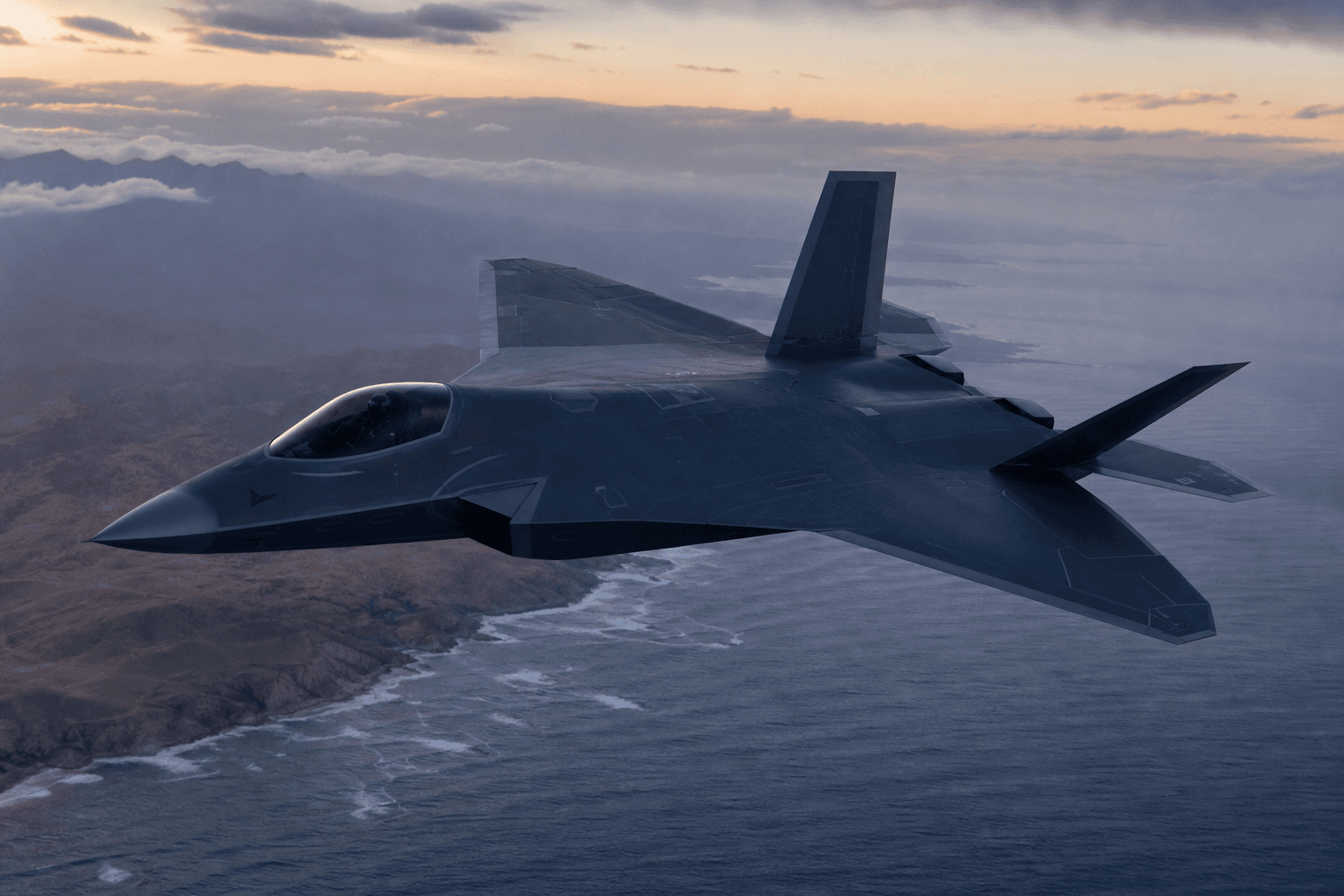
Northrop Grumman is one of the two final contenders for the US Navy’s secretive Next Generation Fighter program, popularly known as F/A-XX. This initiative seeks a successor to the more than 470 Boeing F/A-18E/F Super Hornets currently operated by the Navy. Northrop revealed a conceptual rendering of its proposed F/A-XX earlier in 2026, showcasing a tailless stealth design with dorsal air intakes reminiscent of its B-2 and B-21 bombers’ architecture.
The other competitor vying for the F/A-XX contract is Boeing, which is concurrently developing the F-47, the US Air Force’s sixth-generation fighter. Boeing has committed almost $2 billion to build a massive 102,000 square meter classified production facility in St. Louis, Missouri, intending to manufacture advanced combat aircraft. Construction began in 2024, and the company’s investment strategy reflects a similar industrial approach to Northrop’s new Melbourne plant.
Northrop’s current military portfolio includes assembling the B-21 stealth bomber, with at least two prototypes already flying and initial deliveries scheduled for 2027. This positions Northrop as an experienced manufacturer of stealth platforms, which is potentially advantageous in securing the F/A-XX contract. The Melbourne site represents a considerable expansion of Northrop’s capacity to engineer and produce next-generation airpower.
Despite these preparations, the ultimate selection of the F/A-XX vendor remains uncertain. The US Navy has deferred a final decision several times and aims to announce the winner, awarding an initial engineering and manufacturing development contract, in the latter half of 2026. Political and budgetary debates have complicated the program, particularly with competing priorities for the F-47 fighter and concerns over sustaining two concurrent sixth-generation aircraft efforts.
The tension partly arises from the prior Trump administration's attempts to reduce spending on the F/A-XX program, favoring the Air Force's F-47 development. A 2025 White House memo expressed apprehension over industrial base strain if both programs proceeded simultaneously, highlighting risks of delay and inefficiency. Nonetheless, Pentagon officials like Secretary Pete Hegseth have reiterated the importance of the F/A-XX to future naval aviation capabilities.
If awarded the contract, Northrop Grumman would mark a return to fighter aircraft delivery for the company, which last produced the F-14 Tomcat decades ago. The company’s history includes the YF-23 stealth fighter demonstrator, which lost to Lockheed Martin’s YF-22 in the Air Force’s early 1990s competition. The new facility and ongoing projects underscore Northrop's commitment to establishing itself as a dominant player in the next generation of military aviation.
Frequently asked questions
- What is the purpose of Northrop Grumman's new Florida facility?
- Northrop's new 300,000 sq ft Melbourne, Florida facility is designed to house 1,200 engineers and 17 labs focused on designing and producing the US Navy's sixth-generation F/A-XX fighter aircraft.
- Who are the main competitors for the US Navy's F/A-XX program?
- Northrop Grumman and Boeing are the two finalists competing to build the Navy's F/A-XX sixth-generation fighter, after Lockheed Martin was eliminated in 2025.
- What is the current status of the F/A-XX vendor selection?
- The Navy plans to select a vendor for the F/A-XX in the second half of 2026, awarding an initial engineering and manufacturing development contract to either Northrop or Boeing.
Read more
All Military/Defense →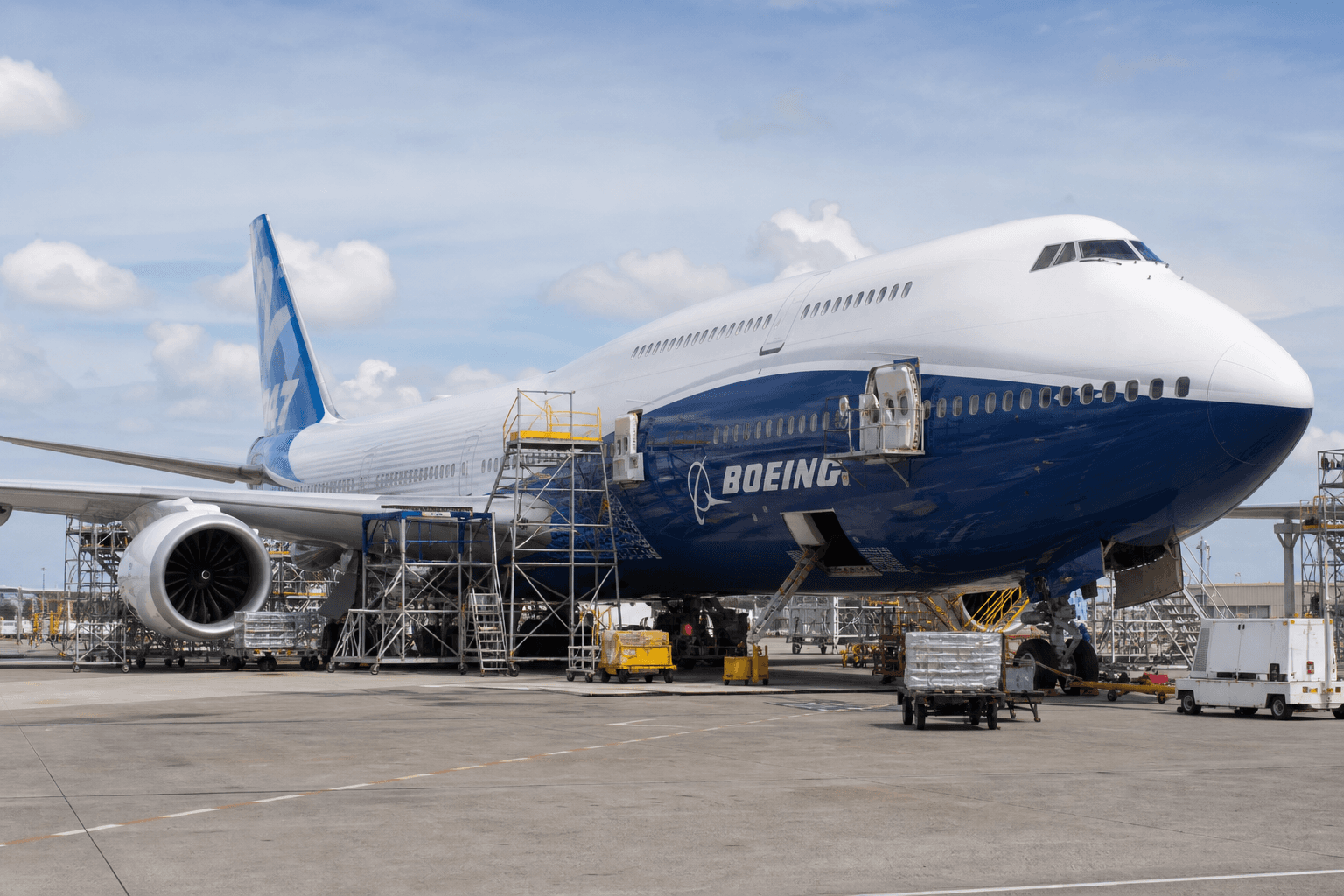
Boeing's VC-25B Air Force One Replacements Delayed to 2028-29 Completion
The Boeing 747 may have ended its commercial production run, but two of the most consequential examples ever built remain deep inside a modification program that has stretched years beyond its original timetable. Boeing 's two purpose-built VC-25B presidential aircraft, which are the long-awaited replacements for the US Air Force's aging VC-25As, were originally expected to be delivered by the end of 2024. Instead, the first aircraft is now scheduled for roughly mid-2028, while the second is expected around mid-2029, according to the latest program reporting summarized by Yahoo Finance .
B-2 Spirit's Cockpit Design Enables 40-Hour Missions with Enhanced Pilot Endurance
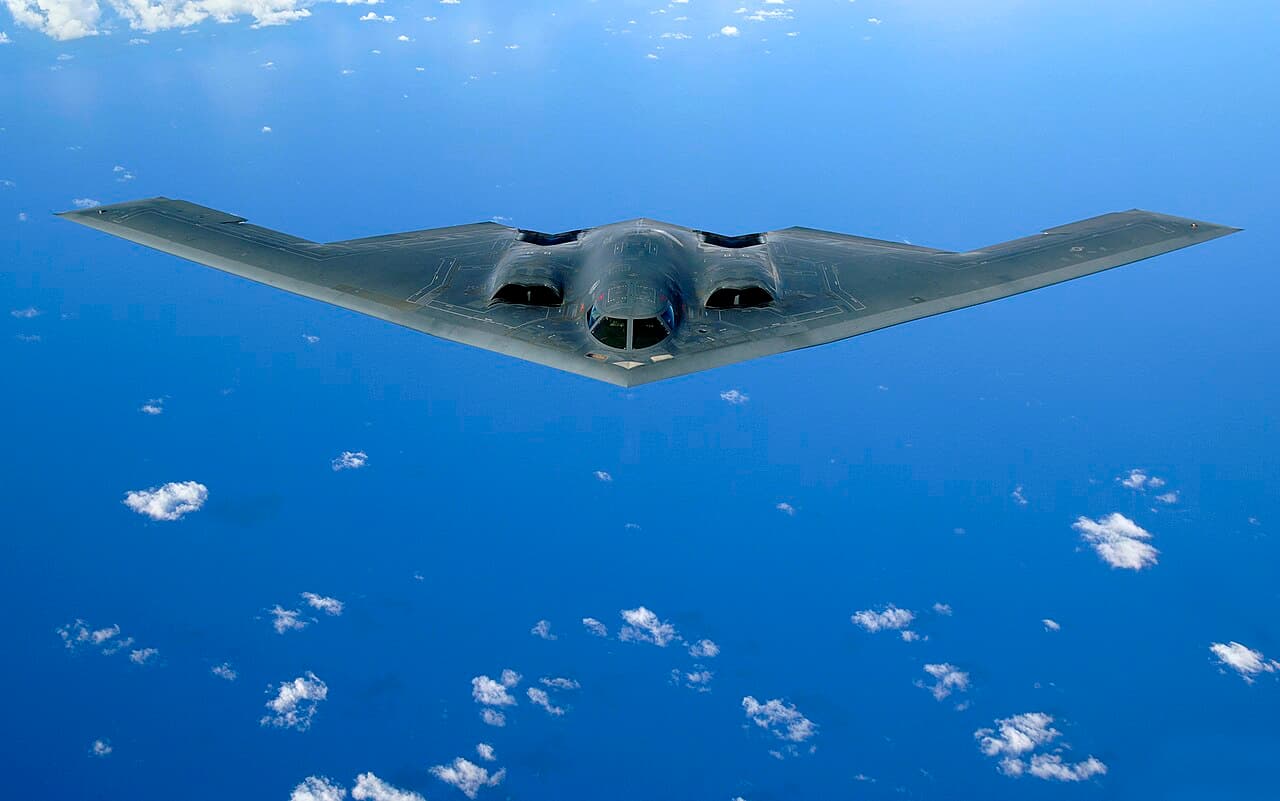
Northrop Grumman B-2 Spirit air crews in the United States Air Force are well-known for flying some of history's longest missions. While a fighter jet measures a mission in minutes, the B-2 measures them in days . When a crew lifts off from Missouri, they aren't just heading to a target: they are entering a 40-hour physiological endurance test.
F-16 Viper Gets Major Combat Boost with New AN/APG-83 AESA Radar Upgrade
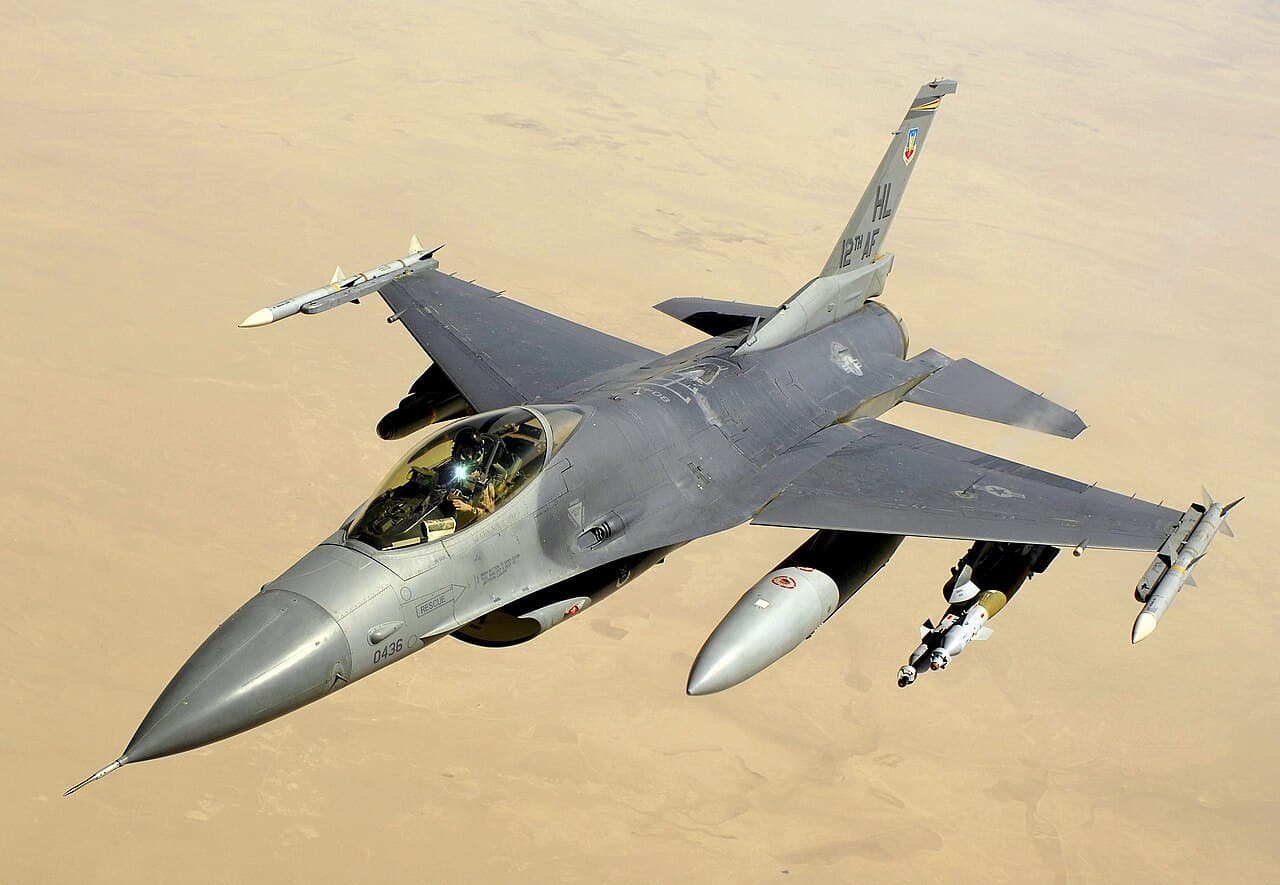
The Lockheed Martin F-16 Fighting Falcon, also known as the Viper, is no longer the premier lightweight fighter jet of the US Air Force, but it is far from irrelevant. As a much less expensive airframe than the more exquisite F-35 Lightning II, the Viper continues to roll off the assembly line. It is the most mass-produced supersonic fighter jet still in production today, with more than 4,500 examples having been delivered. Now, the existing fleet is also getting a major lethality upgrade in the form of the Northrop Grumman AN/APG-83 Scalable Agile Beam Radar.
Japan's GCAP Fighter Offers Sovereign Control Beyond F-35's Limits
The Japanese Self-Defense Forces are one of the founding partners under the trilateral Global Combat Air Program. Managed collectively through the EdgeWing Consortium, Japan has partnered with the United Kingdom and Italy to build a sixth-generation stealth fighter jet based on the template of the BAE Systems 'Tempest.' This aircraft will be the first fighter jet airframe in the nation's history developed independently of any of the aerospace manufacturers of the United States.
The Daily Touch & Go
The day's best aviation news in your inbox. Free, no spam.