
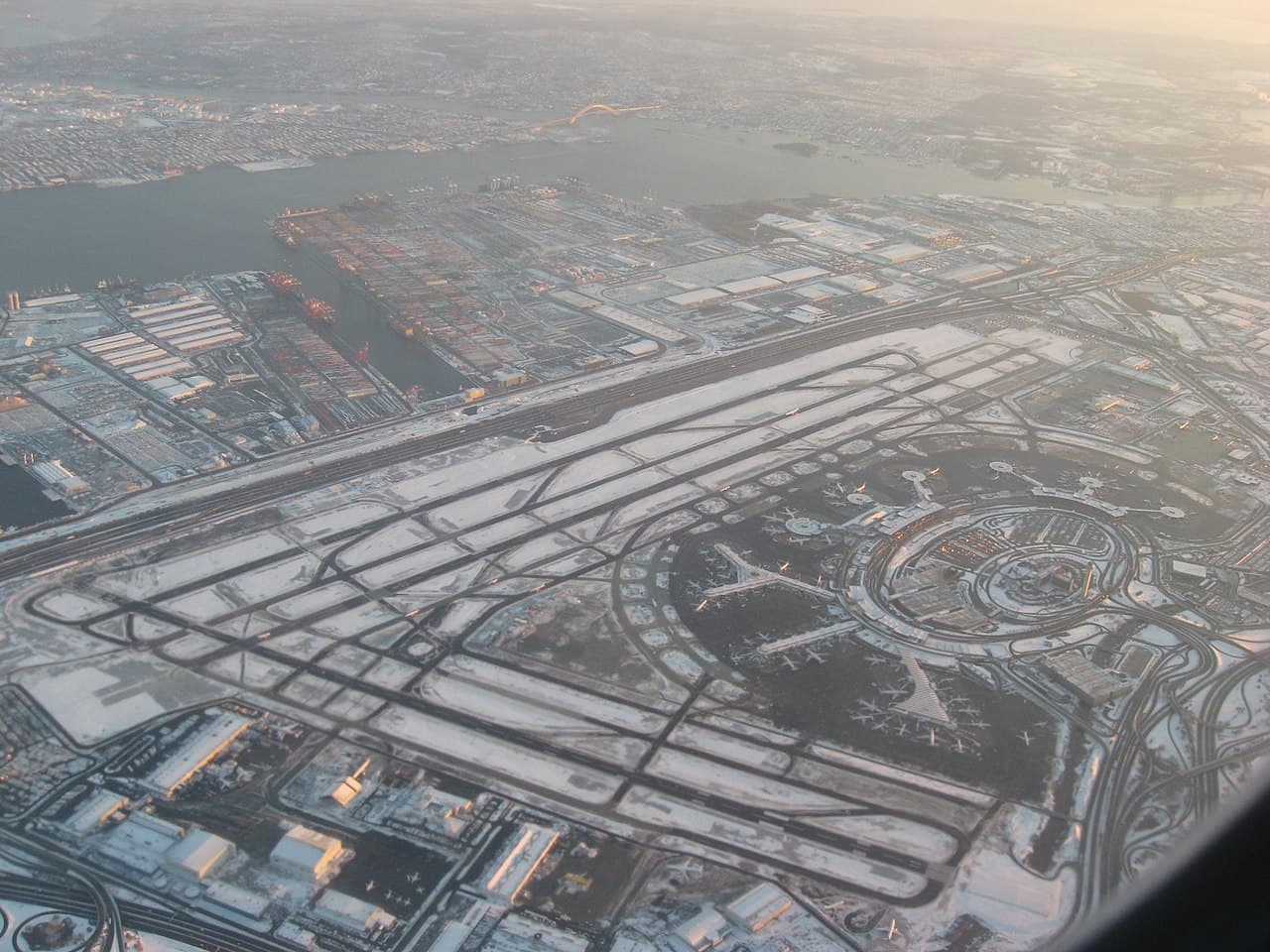
Image: Fan Railer ( talk ) · Public domain · via Wikimedia Commons
FAA Unveils Advanced Surface Movement Radar at Newark to Boost Airport Safety
New radar system installed at Newark Liberty International enhances controller visibility of ground movements under poor conditions, replacing equipment used for 30 years.
The gist
Newark Airport upgrades with FAA’s latest surface movement radar, improving safety and control in low visibility conditions.
Continuing coverage
All Newark Airport →- United Airlines CEO Claims Only Two Premium Airlines Will Last as Service Complaints Mount
- United Polaris Round-Trip Newark-London Tickets Face High UK Tax, Dynamic Upgrade Costs in 2026
- Private Jet Pilot Flies Into Path of United 787 Over Newark Amid ATC Confusion
- United Airlines Showcases Polaris Business Class on Transatlantic Newark-London Flight
The Federal Aviation Administration has introduced a sophisticated Surface Movement Radar Model 4 (SMR-4) at Newark Liberty International Airport, marking a significant upgrade in the airport’s ground safety and navigational capability. This new radar installation is part of the FAA’s comprehensive strategy to modernize the United States’ aging air traffic control infrastructure, ensuring safer and more efficient operations at major hubs. The unveiling ceremony was attended by Transportation Secretary Sean Duffy and FAA Administrator Bryan Bedford, highlighting the system’s importance within national aviation advancement efforts.
The SMR-4 is designed to provide air traffic controllers with enhanced situational awareness of aircraft and vehicle movements on the airport’s surface, specifically under challenging conditions such as nighttime and low visibility due to weather. This marks a substantial improvement over the previous radar equipment, which had served Newark for approximately three decades. The older systems, while effective in their time, lacked the advanced detection and reliability features that the SMR-4 introduces.
Newark is the fifth airport to receive this next-generation radar technology as part of a broader FAA rollout plan. The initiative aims to deploy a total of 53 surface movement radar systems across 44 of the nation’s busiest airports, a process anticipated to reach completion by 2028. This widespread deployment underscores the FAA’s commitment to enhancing airport surface safety on a national scale, tackling known risks such as runway incursions and ground collisions prevalent at large, busy airports.
The new radar system distinguishes itself from conventional airport surveillance by its superior ability to function in adverse weather conditions where visibility is compromised. Control tower personnel previously relied heavily on visual observation, which can be severely limited during fog, heavy rain, or nighttime hours. With SMR-4 technology, controllers gain a clear, consistent, and reliable picture of all ground movements, reducing operational risks and enhancing ground traffic management.
FAA Administrator Bryan Bedford emphasized Newark’s critical role as a major U.S. aviation hub with over a thousand daily flights, noting that the SMR-4 will significantly contribute to keeping such a large traffic volume safe. This addition represents a key increment in the FAA’s broader modernization campaign, which aims to equip the national airspace system with cutting-edge technology suitable for today’s increased travel demands and complexity.
The upgrade arrives amidst heightened scrutiny of the FAA’s infrastructure reliability following several notable equipment outages and runway safety incidents across U.S. airports. These events have directed greater attention toward the need for robust, resilient surveillance and communication tools. The FAA’s investment in modern surface movement radars like the SMR-4 directly addresses these concerns by prioritizing enhanced safety, operational efficiency, and real-time situational awareness.
Recent FAA data has shown a decline in runway incursions in the current fiscal year, signaling positive outcomes from the combined effects of new technology deployments, process improvements, and ongoing safety initiatives. The modernization of radar systems is a critical component of this progress, as better detection capabilities lead to earlier warnings and more informed controller decisions on airport surfaces.
As air traffic levels continue to grow, and with airports becoming increasingly congested, the demand for accurate and reliable surface movement monitoring is higher than ever. The SMR-4’s improved reliability and detection accuracy are poised to reduce the risk of runway collisions and enhance safety margins. Newark Liberty International serves as a prominent example of how incorporating such advanced systems can support complex operational demands while maintaining high safety standards.
Frequently asked questions
- What new technology did the FAA install at Newark Liberty International Airport?
- The FAA installed the Surface Movement Radar Model 4 (SMR-4), a modern radar system that improves controllers' ability to track aircraft and vehicles on the airport surface during low visibility or darkness.
- How many airports will receive the new surface movement radar systems?
- The FAA plans to deploy 53 surface movement radar systems at 44 of the nation's busiest airports by 2028, with Newark being the fifth airport to get the upgrade.
- What benefits does the new radar provide compared to previous systems?
- The SMR-4 offers enhanced situational awareness in poor weather, increased reliability, and helps reduce runway incursions and ground collisions by providing clearer tracking of airport surface movements.
Read more
All Aviation Safety →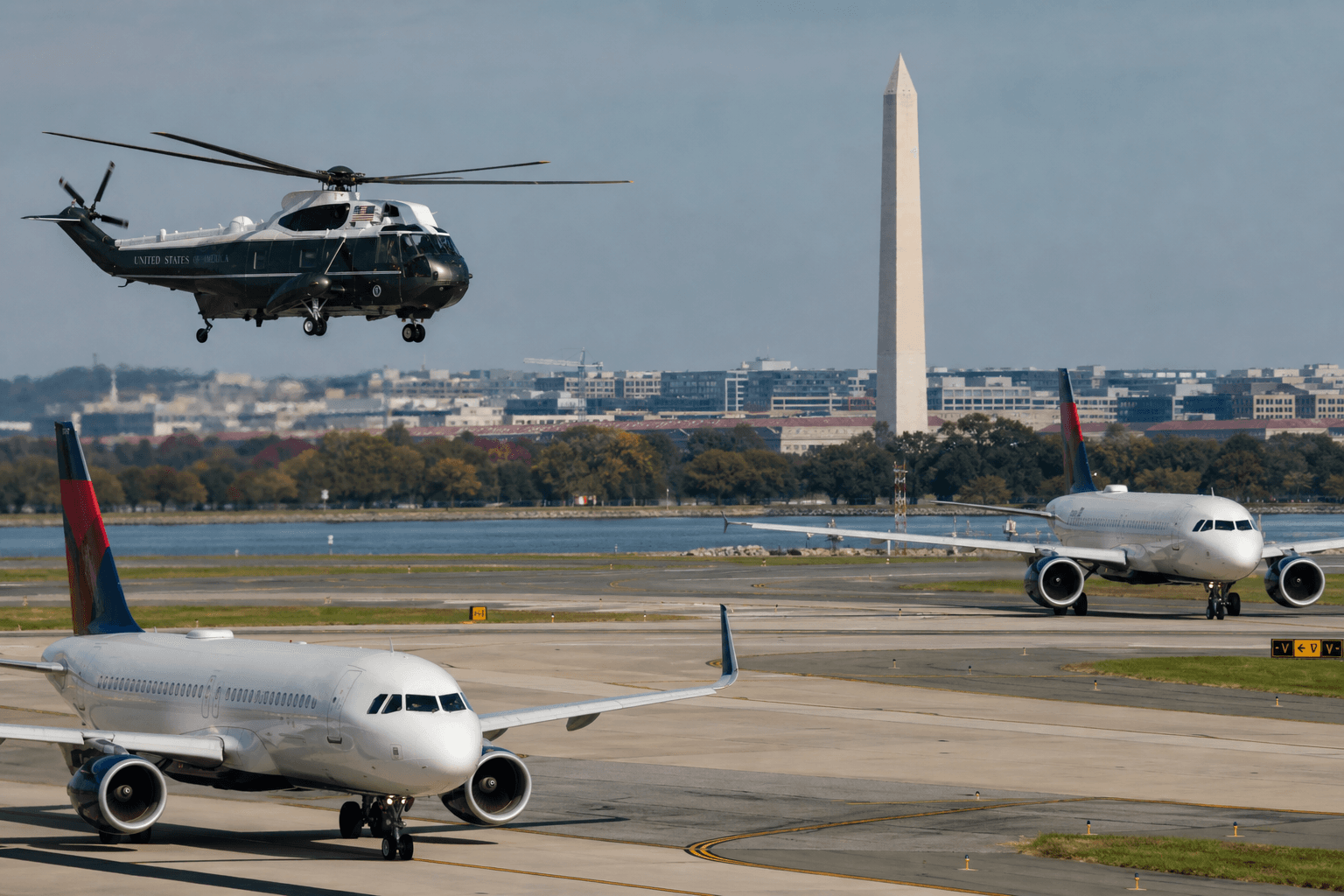
FAA Probes Separation Breach After Marine One and Envoy Air Jet Departured One Minute Apart at DCA
The Federal Aviation Administration ( FAA ) is investigating an incident at Ronald Reagan Washington National Airport (DCA) on Tuesday afternoon, after the presidential helicopter Marine One and a departing regional jet appeared to have lost separation. The helicopter, carrying President Donald Trump, lifted off near the White House at around 2:33 PM local time, just a minute before an Envoy Air Embraer E170 departed from DCA.
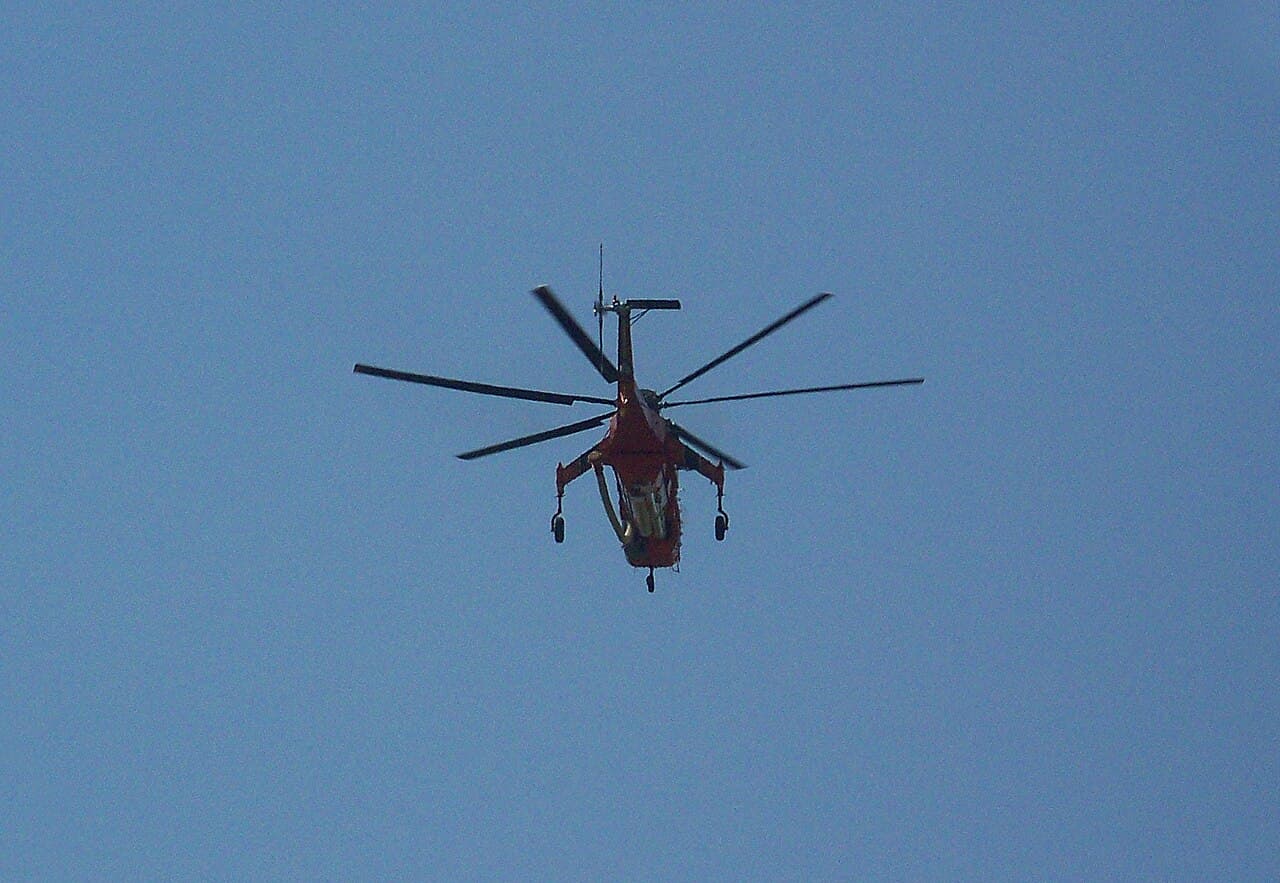
Two Pilots Die in Sikorsky S-64 Skycrane Helicopter Crash Fighting Utah Wildfire
Two pilots died when their firefighting helicopter crashed in central Utah while en route to a blaze in Fishlake National Forest. The Sikorsky S-64 Skycrane was dispatched Friday morning to combat the wildfire. According to the Sevier County Sheriff's Office, the helicopter went down at about 10 a.m. MDT near Richfield, Utah, en route to the fire. Immediately after the accident, access to the crash site was blocked by the raging wildfire, so the condition of the crew could not be immediately determined. READ MORE: Wildfires Near Spokane Threaten Key Airports READ MORE: Daher Delivers TBM 960 for Wildfire Air Attack Operations The helicopter has the ability to carry up to 2,000 gallons of water. The National Transportation Safety Board (NTSB) and the FAA are investigating the accident. The names of the deceased pilots have not been released. They were employed by Helicopter Transport Services, an industrial helicopter company that provides rotor-wing aircraft for a variety of industries. The crash ignited a second fire that spread, connecting with the existing blaze known as the Widemouth 2 Fire.
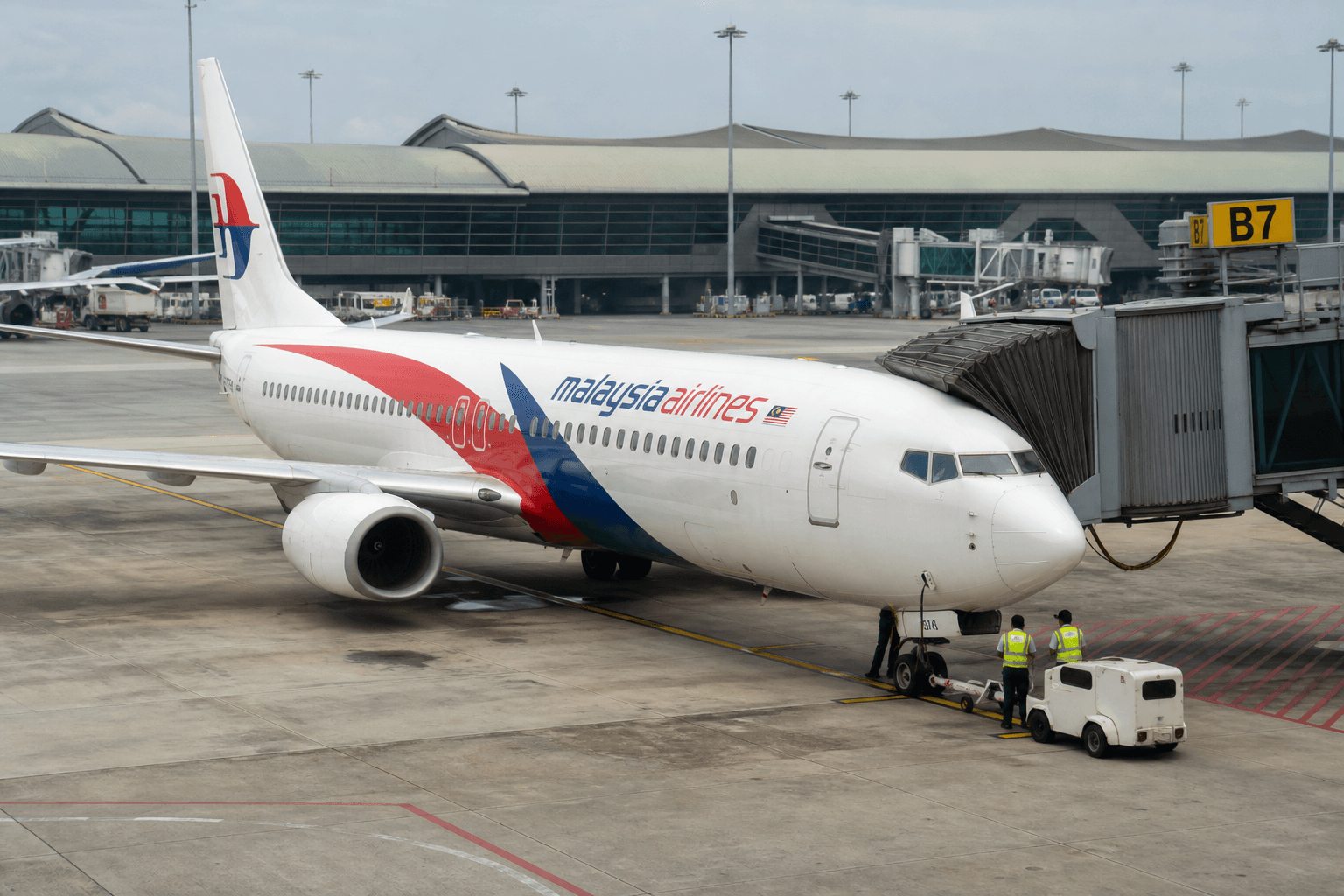
Malaysia Orders 30-Day Drug Testing for All Pilots and Cabin Crew After Smuggling Arrest
A Malaysia Airlines pilot was recently arrested in Indonesia after they were found to be smuggling drugs into the country. With the event having serious safety and reputational ramifications for not just the airline but, indeed, the commercial aviation sector in Malaysia as a whole, authorities are working hard to ensure that the incident is not repeated. Most recently, mandatory drug testing is being rolled out.
FAA mandates inspections on 737 Max door straps and proposes 787 Trent 1000 engine fix
The agency targets a 737 structural concern and an issue that could cause a dual Trent 1000 failure. The Federal Aviation Administration (FAA) is taking action to address risks involving Boeing 737 Max door-related structural components and concerns about uncontained failures of 787 Rolls-Royce Trent 1000 turbofans. The agency this week issued two regulatory documents, including an airworthiness directive (AD) responding to the potential for some 737 Max structural fasteners called “bear straps” to develop stress cracks. Affected straps are on the upper corners of 737 Max right-side forward doorframes, the FAA says. While no 737 Max have been found with cracked straps, the problem has for more than a decade been known to affect earlier-generation 737s. The FAA in 2014 required operators to inspect bear straps on 737 Classics for cracking, and Boeing tells FlightGlobal that in 2019 it notified 737NG operators about the issue and provided them with inspection instructions, which the FAA mandated in 2021. Boeing then in December 2024 issued 737 Max operators an Alert Requirements Bulletin, calling on them to inspect fuselage skins and bear straps. The FAA’s latest AD mandates those inspections, saying 737 Max are likely “susceptible to the same crack conditions” due to the variants’ similarities. The cracks can result from “high operating stresses in the fuselage skin and bear strap due to stress concentration at the corner of the door cutout”, it adds. Cracks “may lead to the inability of the principal structural element to sustain limit loads”. “Inspections provide multiple opportunities to identify and correct possible cracking before cracks exceed critical length,” Boeing says, adding that it “conducted engineering analysis to identify root cause and is working through engineering changes that would prevent such cracking.” Separately, the FAA this week issued a proposed rule addressing risks associated with the 787’s Trent 1000 engines. “The FAA has received a report from the manufacturer indicating that the protection system on the left fan cowl of the right engine does not sufficiently cover the components and systems,” the proposed AD states. The risk arises if a 787’s left-side Trent suffers an uncontained failure, in which case debris ejected from that powerplant’s intermediate pressure turbine rotor could strike the right-side Trent, damaging its oil lines or air-pressure sensor, the FAA says. The result could be dual engine failure, it adds. Boeing addressed the risk in January with a Special Attention Requirements Bulletin sent to operators. That document calls on them to inspect Trents and replace fan cowls on right-side engines. The FAA’s proposal would mandate those actions. It applies to only 22 US-registered 787s – a small number because US airlines primarily operate 787s powered by GE Aerospace GEnx turbofans.
The Daily Touch & Go
The day's best aviation news in your inbox. Free, no spam.