

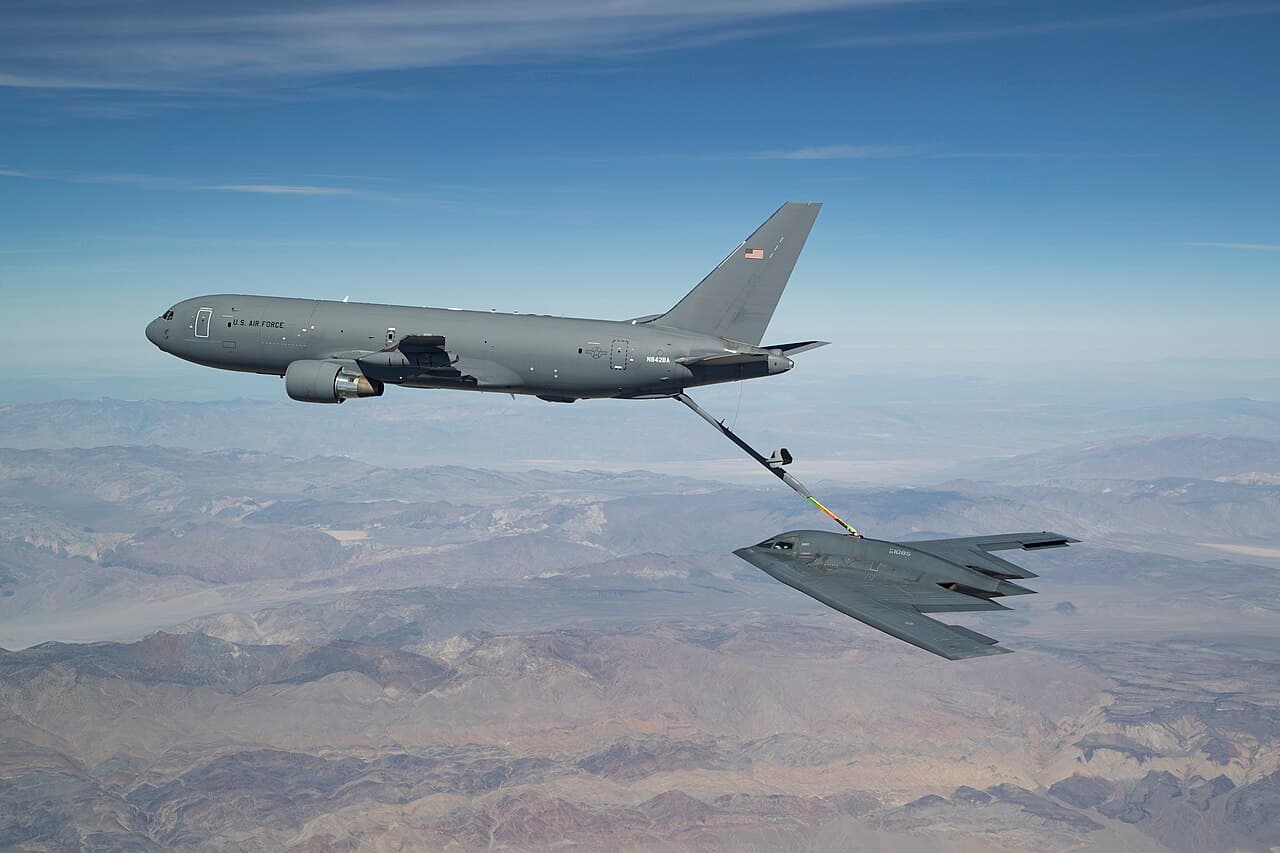
Image: U.S. Air Force photo by Christian Turner · Public domain · via Wikimedia Commons
US Air Force's KC-46 Pegasus tackles aging KC-135 refueler challenges amidst technical hurdles
The KC-46 Pegasus, designed to replace the 70-year-old KC-135 Stratotanker, offers modern multi-role capabilities despite ongoing design issues and cost overruns.
The gist
KC-46 Pegasus steps up to replace aging KC-135 fleet, facing technical and budget challenges while enhancing US aerial refueling.
Continuing coverage
All Boeing →- Northrop Grumman opens Florida engineering hub for Navy's next-gen carrier fighter
- FAA Orders $2.66M Seat Inspections on 453 Boeing 737 MAX Jets Amid Certification Oversight
- Archer Aviation Acquires Boeing's Wisk, Insitu, and SkyGrid to Expand Aerospace AI Platform
- Boeing's July Orders Highlight Significant Deals with Uganda and AerCap
- Boeing Delivers 53 Jets in July Amid Airbus Lead in 2026 Production Race
The US Air Force is increasingly reliant on its Boeing KC-46 Pegasus to succeed its aging KC-135 Stratotanker fleet, which averages nearly 70 years old. With midair incidents and structural degradation raising safety concerns, the long-serving KC-135s are becoming unsuitable for modern combat needs. However, the KC-46 program has confronted significant setbacks, including design flaws, multi-billion-dollar cost overruns, and safety deficiencies, stirring debate over its effectiveness and future.
The KC-135, introduced during the Eisenhower era, was built to endure extreme conditions characteristic of a nuclear conflict scenario, prioritizing rugged survivability over flexibility. While it carried an enormous fuel capacity, the aircraft lacks modern defensive systems such as electronic warfare jamming or radar evasion, making it vulnerable in contemporary contested combat zones. This vulnerability limits its operational utility as adversaries develop long-range missiles capable of targeting support aircraft.
Conversely, the KC-46 was conceived as a modular, multi-mission platform based on a modern Boeing 767 airframe, equipped with defensive sensors, electronic warfare suites, and communication systems tailored for survivability in future contested battlefields. The aircraft expands the mission beyond just refueling, supporting cargo transport, passenger movement, and aeromedical evacuation, with capabilities to reconfigure within two hours. It carries 30% more medical evacuation capacity, twice the passengers, and triple the cargo pallets compared to the KC-135, rivaling heavy lifters like the C-17 Globemaster III.
A notable innovation on the KC-46 is its remotely operated, fly-by-wire fuel boom that enables multipoint and simultaneous aerial refueling, including drogue-based connections, increasing efficiency and flexibility across diverse receiver aircraft types. The Air Force plans further enhancements to the self-protection and survivability features to ensure effectiveness in future combat environments, with ongoing upgrades addressing boom actuator sensitivity to prevent damage during refueling operations.
Despite these advances, Boeing recorded a $565 million loss on the KC-46 program in 2025, reflecting the program's financial and technical challenges. Problems like 'nozzle binding,' where the refueling boom gets trapped during operations, have caused costly aircraft damage and delayed fleet readiness. The Air Force accepted its 100th KC-46A in late 2025 and expects a total of 179 aircraft by 2026, underscoring its commitment to modernizing the tanker fleet despite operational shortcomings.
Plans for a Next Generation Air-refueling System (NGAS) with stealth capabilities remain uncertain due to insufficient funding requests—$12.9 million in 2026 and an apparent budget omission in 2027. This funding gap restricts development of a clean-sheet stealth tanker even though it's strategically desirable to support fifth- and sixth-generation fighters and bombers in contested airspace. Leadership critiques highlight the disparity in funding priorities within the Air Force.
Former Air Mobility Command commander General Mike Minihan sharply criticized the lack of investment in refueling and connectivity platforms, emphasizing the strategic risk posed by underfunding the tanker fleet. Meanwhile, existing KC-46 aircraft receive survivability modifications and increased production funding, with around $3.9 billion requested for fiscal year 2027 to accelerate fleet expansion and technologically upgrade the Pegasus.
Operational pilots, including retired KC-135 aviator Jack Flynt, commend the KC-46 for enhancing the air refueling mission's scope, enabling a wide range of allied operations simultaneously. Nonetheless, persistent category 1 deficiencies and safety concerns have caused lawmakers and military officials to closely scrutinize the program, pausing further orders until critical issues are resolved and ensuring the Pegasus can confidently replace the venerable KC-135.
Frequently asked questions
- Why is the KC-135 Stratotanker fleet becoming increasingly unsafe to operate?
- The KC-135 fleet is nearing 70 years old, facing structural wear and recent midair mishaps that compromise its safety and survivability in modern combat.
- What are the key improvements of the KC-46 Pegasus compared to the KC-135?
- The KC-46 offers multi-mission capability with cargo and medevac options, modern defensive systems, a fly-by-wire refueling boom, and greater flexibility and survivability in contested airspace.
- Why has development of the Next Generation Air-refueling System (NGAS) stalled?
- NGAS development is hindered by insufficient Air Force budget requests and funding cuts, preventing the design of a stealth tanker needed for future combat aircraft support.
Read more
All Aviation Safety →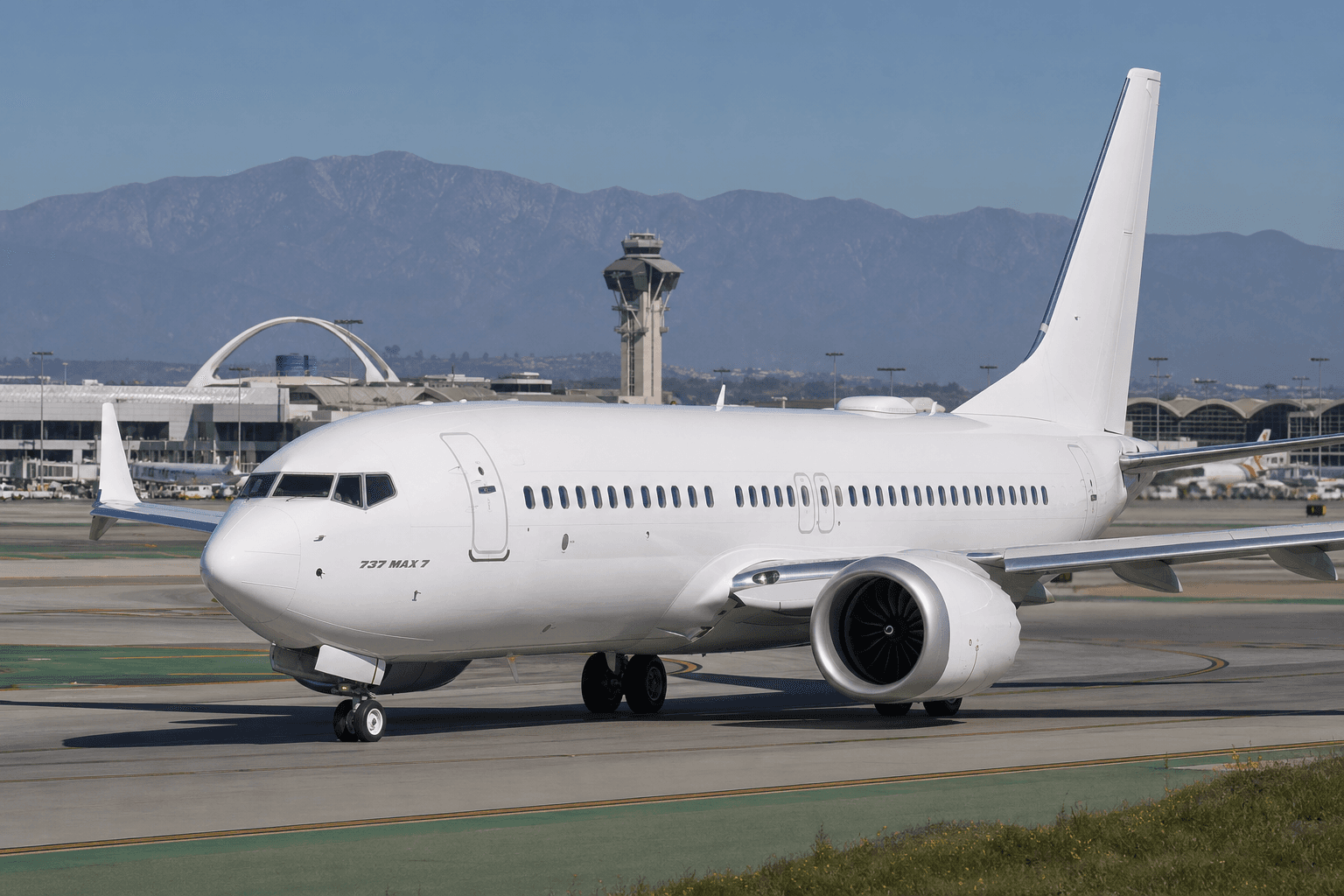
Boeing 737 MAX 7 Secures FAA Certification After Lengthy Development Delay
Just over 13 years ago, Boeing and Southwest Airlines came together to launch the 737 MAX 7, the third and smallest member of the 737 MAX family. In May 2013, Boeing was riding high and, alongside its launch customer Southwest , predicted that the Dallas carrier would receive its first 737-7 delivery in 2019. In the following years, the dynamics shifted significantly for Boeing with two fatal Boeing 737 MAX 8 crashes between 2018 and 2019. The worldwide Boeing MAX fleet was grounded, and confidence in the company's manufacturing and quality controls diminished. In November 2020, the Federal Aviation Administration (FAA) finally gave Boeing 's 737 MAX the go-ahead to fly commercially again, but the impact on the 737-7 development had been significant. Original artwork from 2013 (Boeing) Plans for the 737-7's entry into service were rescheduled and even when Boeing thought they were nearly there, further complications arose during the certification process. However, on August 3, 2026, Boeing finally announced the news it had been waiting to deliver for several years, confirming that the MAX 7 had secured type certification from the FAA. "This important certification validates the rigor of our airplane's design and recognizes the determination and resilience of our 737 MAX development team," Stephanie Pope, President and CEO of Boeing Commercial Airplanes, said. Since the test program began in 2018, the 737-7 has completed more than 1,000 hours of flight and ground evaluation and conducted extensive system safety analysis and human factors reviews. During the program Boeing also updated the engine anti-ice system to address a potential condition that was discovered during flight testing. The Federal Aviation Administration has certified the 737-7! This milestone for the longest-range 737 MAX validates the rigor of the design and testing and recognizes #TeamBoeing 's determination and resilience. Certification includes more than 1,000 hours of flight and ground… pic.twitter.com/0S45IjqL3u — Boeing Airplanes (@BoeingAirplanes) August 3, 2026 Boeing said that the regulatory approval "caps a multi-year certification effort" in which the company "demonstrated through comprehensive testing and analysis that the airplane meets all commercial aviation regulations". "Our team of dedicated engineers and test experts worked through challenges, an extended pandemic, and the transition to new certification processes," Pope added. "Through it all, our team stayed focused on completing all requirements and delivering a safe and more capable airplane to our customers." The FAA on 737-7 certification process The FAA issued Boeing an amended type certificate for the new 737-7 and a Production Limitation Record (PLR). In a statement explaining the aircraft's certification process, the FAA said the approval followed almost a "decade of extensive review". The FAA said its work involved resolving complex technical issues and completing a thorough review of the aircraft's design and supporting safety analyses. "Throughout the process, the FAA performed or directly reviewed significant work involving flight controls, system safety assessments, human factors, flightcrew alerting, and other novel, complex, or safety-critical areas, while also requiring testing, design changes, and additional analysis where necessary," the FAA stated. The FAA required Boeing to "incorporate key improvements" that address requirements in the Aircraft Certification, Safety, and Accountability Act and recommendations from the National Transportation Safety Board (NTSB). Anna Zvereva / Creative Commons These included updates to the flight-control software, flightcrew alerting system, and a redesigned engine anti-ice system. "These changes provide pilots with clearer information and warnings and prevent the engine inlet from overheating and potentially weakening the surrounding structure," the FAA said. FAA safety inspectors will remain present at Boeing sites across the US to oversee the manufacturing process and assess the planemaker's Safety Management System (SMS) and safety culture. "Our Boeing team held regular and detailed discussions with the FAA to ensure Boeing understood the requirements and provided transparency of our progress," said Mike Sinnett, Senior Vice President of Product Strategy, Product Development and Development Programs. "With this certification program, Boeing has developed a clearer understanding of the latest regulatory requirements, which is expected to accelerate future airplane development with a renewed emphasis on human factors, safety and quality." Focus moves to Boeing's 737-7 airline customers Focus will now begin to move to Boeing's airline customers that ordered 737-7 aircraft, namely Southwest Airlines, which has purchased around 250 jets. In response to news of the latest certification, Southwest said it was "pleased with the FAA's certification of the Boeing 737-7 aircraft, and we look forward to the plane entering service in the coming months." "Certification is an important step toward continuing to modernize our all-Boeing 737 fleet with upgraded interiors and more fuel-efficient aircraft to fit our customers' preferences and demand patterns," Southwest Airlines added. According to ch-aviation data, there are around 28 assembled 737-7s destined for Southwest currently in storage. The US carrier plans to introduce the aircraft in 2027. Boeing In the most up to date ch-aviation data available, China's Ruili Airlines has ordered two 737-7s, as had Ukraine's SkyUp Airlines. There in an order on the database for a single 737-7 from Indonesia's Jhonlin Air Transport. Luxair, the European launch customer, also ordered four 737-7s at Paris Air Show 2023. WestJet canceled its orders for Boeing's smallest MAX jet as did the now defunct Canada Jetlines. Turkmenistan Airlines also canceled an order for three 737-7s. With MAX 7 type certification now secure it remains to be seen whether more customers will be willing to purchase the aircraft. RELATED Little and large: Boeing rounds off 737-7 and 737-10 certification flight tests
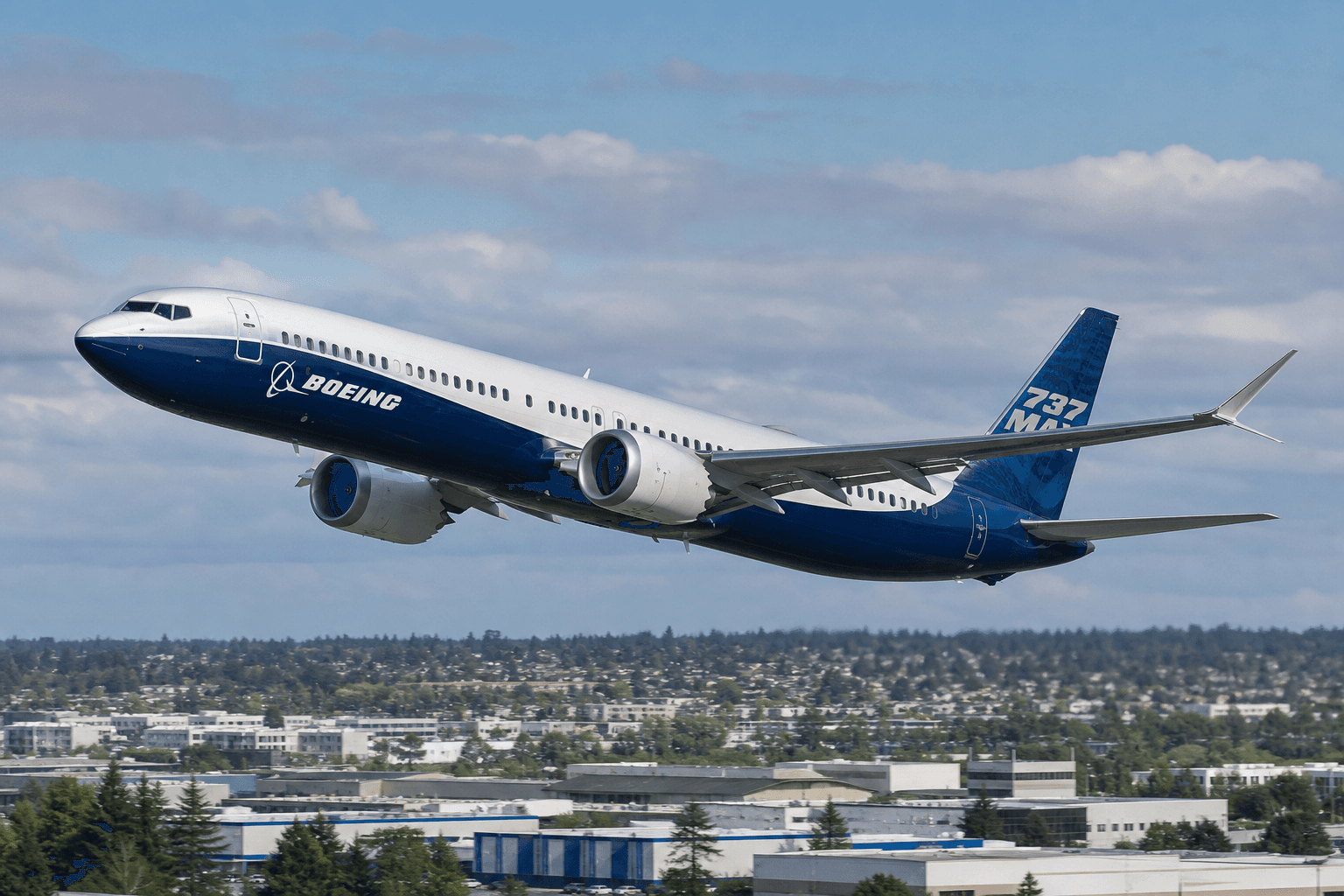
Boeing Completes Final 737 Max 10 Certification Flight Test Ahead of Year-End Approval
Company expects to achieve the Max 10’s certification this year. Boeing has completed its final planned 737 Max 10 certification flight test, a milestone the airframer says puts it on track to meet its goal of achieving the type’s regulatory approval before year-end. “With flight testing complete, the programme now shifts to closing the remaining development assurance reviews and system safety assessments, and submitting final deliverables”, the company said to the US Federal Aviation Administration on 28 July. Boeing is working on the 737 Max 10’s certification programme alongside that of the Max 7 – the two variants of the twinjet that have yet to enter service. The manufacturer has said it expects to secure the Max 7’s approval this summer, followed by the Max 10’s clearance sometime this year. It expects to begin delivering both types next year. The final Max 10 certification flight involved an “interiors evaluation to confirm audibility of the lavatory smoke detector and cabin speaker system”, Boeing says. The jet took off and returned to King County International airport – Boeing Field. The company used three Max 10s for the type’s flight-test programme, logging some 2,060 flight hours. Those flights let Boeing evaluate two design changes : an updated engine anti-ice system and an “enhanced” angle of attack (AoA) system. Boeing redesigned the anti-ice system to prevent a problem involving engine inlet inner barrels overheating in some circumstances. It added "turbulators" on the forward fan cases ahead of the Max's twin CFM International Leap-1B engines. Those devices make air entering the engine swirl, drawing in cooler air and reducing temperatures, Boeing vice-president of 737 development Chris Payne said on 8 July. The enhanced AoA is intended to keep pilots from facing information overload in cases where one of the Max’s two AoA sensors fail – a factor contributing to two 737 Max crashes in 2018 and 2019. The new AoA system simplifies "flight deck effects" by identifying AoA faults, inhibiting stick shake and displaying a simple message to pilots: "AoA Fault", Payne said. All Max models, including aircraft in service, will eventually have both updates.
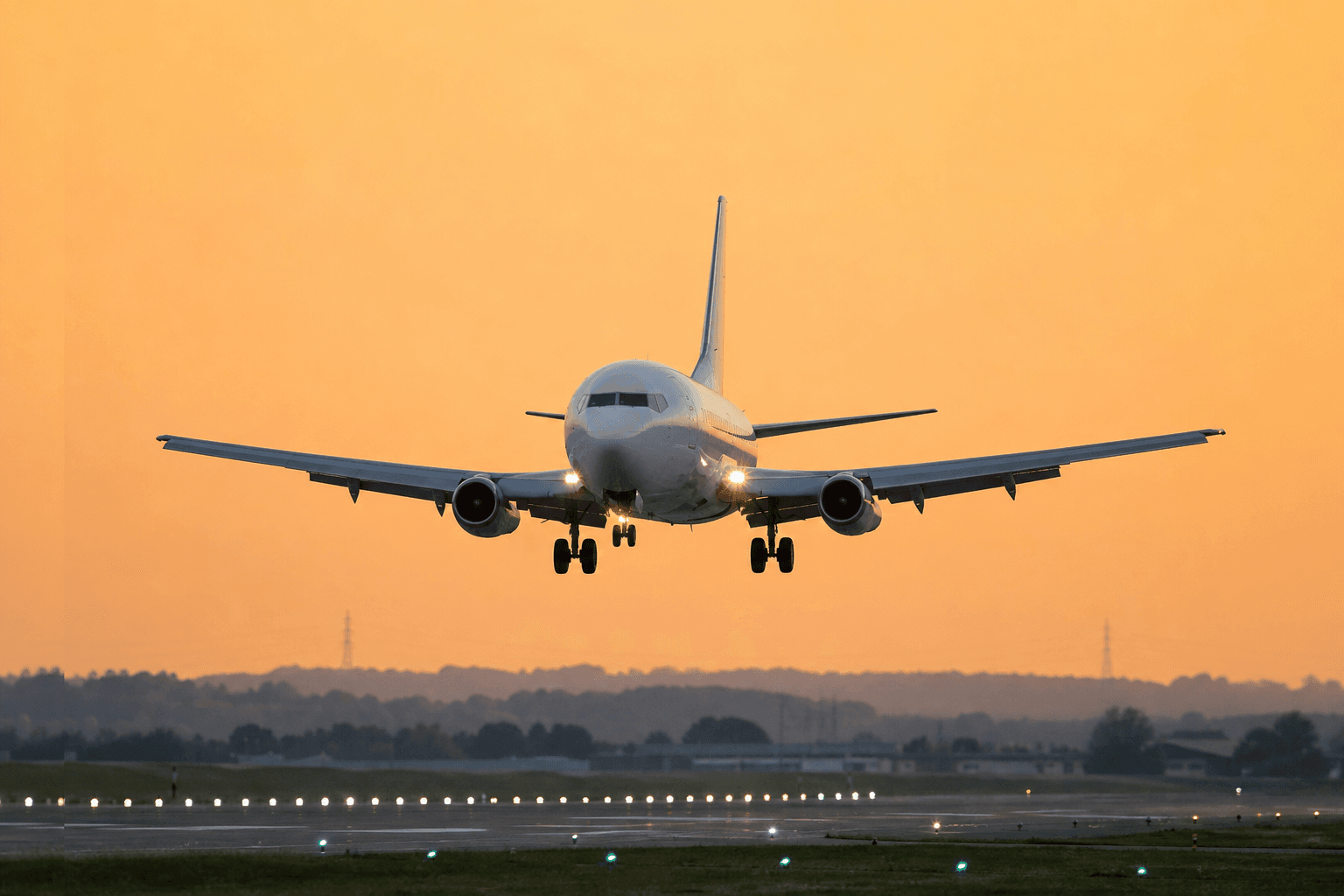
Defunct Cameroon Airlines Sues Boeing for $179M Over 1995 737-200 Crash
Boeing is suing to block a defunct airline's $179 million claim over a 1995 Cameroon Airlines 737 crash. The accident report blamed engine failure and pilot handling, while Boeing says the airline's purchase contract waived these claims decades ago.
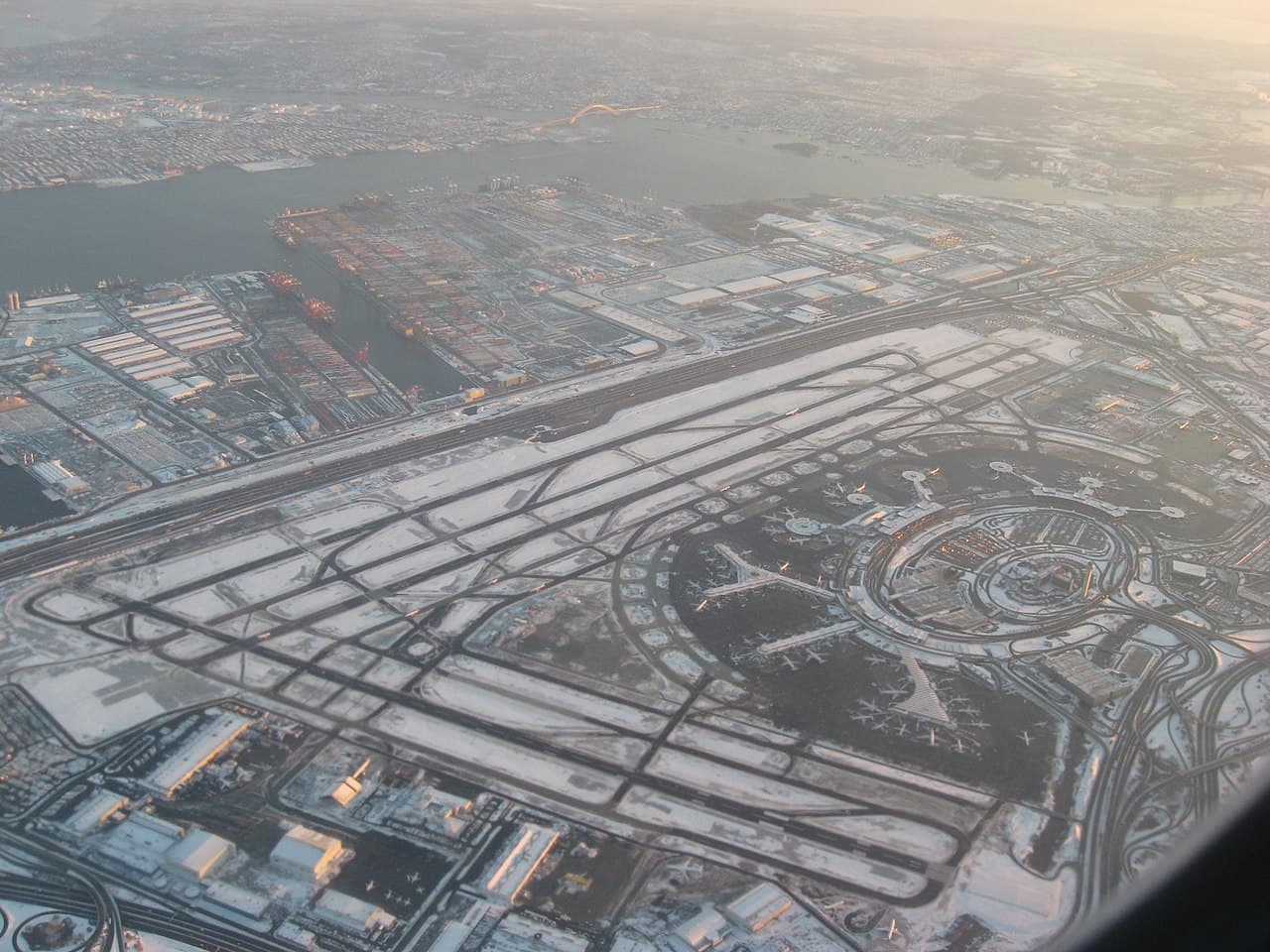
FAA Unveils Advanced Surface Movement Radar at Newark to Boost Airport Safety
The Federal Aviation Administration installed a new surface movement radar at Newark Liberty International Airport, as part of its effort to modernize the nation's aging air traffic control infrastructure. Transportation Secretary Sean Duffy and FAA Administrator Bryan Bedford unveiled the new Surface Movement Radar Model 4 (SMR-4) on Tuesday, saying the system will give controllers a clearer picture of aircraft and vehicle movements on the airport surface, particularly during darkness or low-visibility conditions. The radar replaces equipment that had been in service for roughly three decades. According to the FAA, Newark is the fifth airport to receive the new technology as part of a broader deployment that will place 53 surface movement radar systems at 44 of the nation's busiest airports. The rollout is expected to be completed by 2028. Unlike conventional airport surveillance systems, the SMR-4 is designed to provide controllers with improved situational awareness during poor weather, when visual observation from the control tower may be limited. Officials said the upgraded radar offers greater reliability while helping reduce the risk of runway incursions and ground collisions. "Newark sees well-over a thousand flights per day, and the new Surface Movement Radar will help controllers keep those flights safe at this major U.S. hub," said FAA Administrator Bryan Bedford . "This is just the latest step in the FAA's work to modernize our skies for the Golden Age of Travel." The announcement comes as the FAA continues facing scrutiny over infrastructure reliability following several high-profile equipment outages and recent runway safety incidents. Officials say modernizing surveillance and communications systems is intended to improve both operational efficiency and safety as air traffic demand continues to grow. Meanwhile, the agency reported a decline in runway incursions during the current fiscal year, a trend officials say reflects a combination of new technology, operational improvements, and ongoing safety initiatives.
The Daily Touch & Go
The day's best aviation news in your inbox. Free, no spam.