

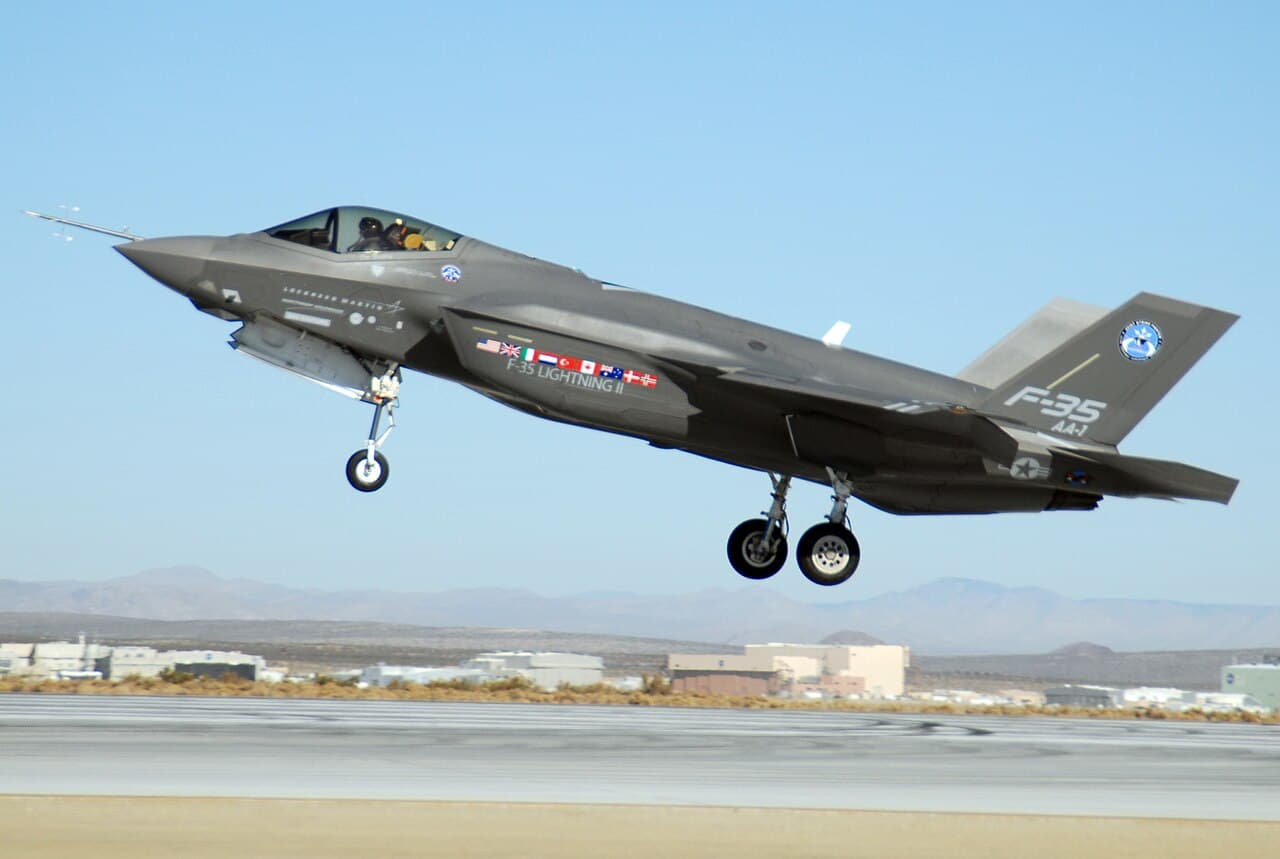
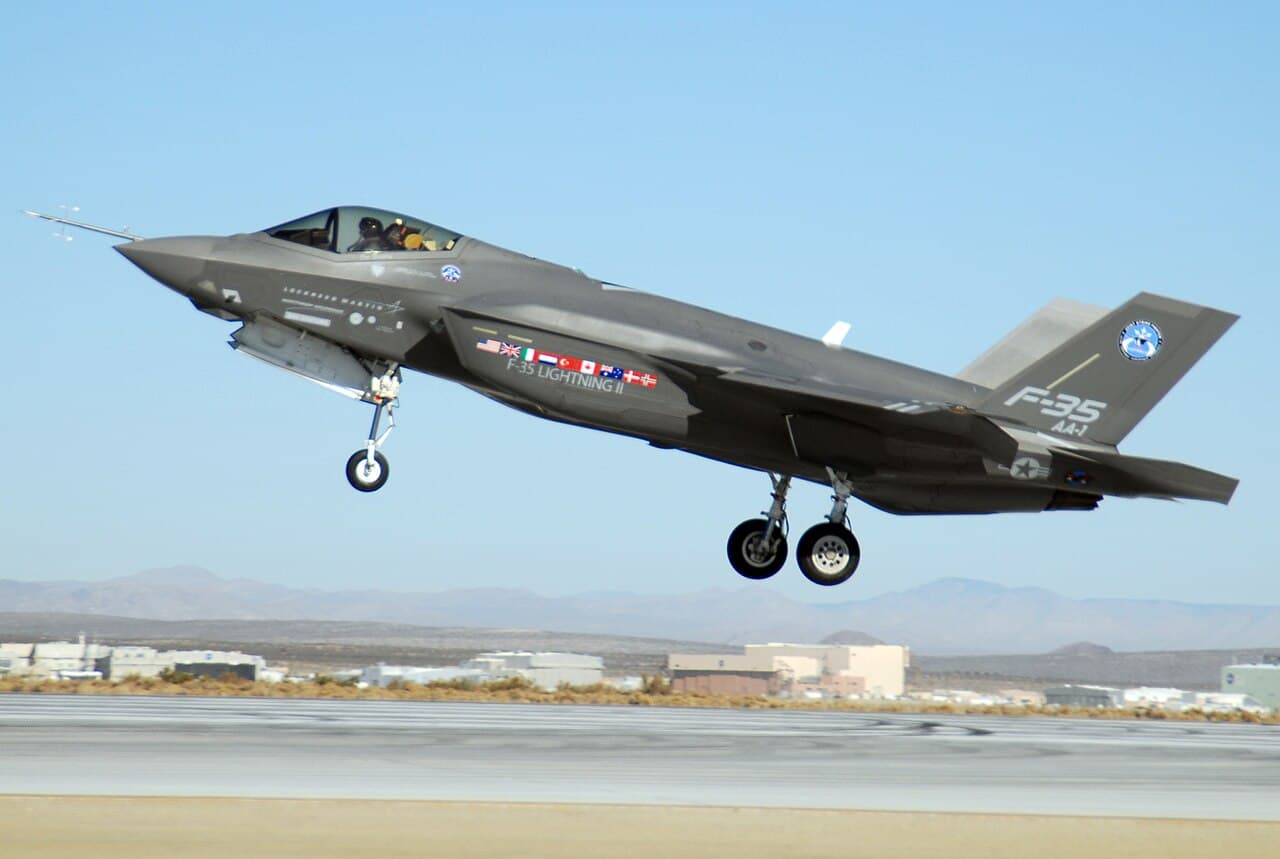
Image: U.S. Air Force photo/Senior Airman Julius Delos Reyes · Public domain · via Wikimedia Commons
World's Stealth Fighter Landscape in 2026 Divided Between F-35 Allies and Sino-Russian Blocks
Over 20 air forces operate the F-35 stealth fighter, while China and Russia field their own distinct stealth jets among aligned nations, reflecting a clear geopolitical divide.
The gist
In 2026, global stealth fighter fleets split sharply: the US-led F-35 dominates allied air forces, while China and Russia supply separate stealth jets to their partners.
Continuing coverage
All F-35 →- Multiple Drones Breach Restricted Airspace Over Australia's RAAF Base Williamtown
- Multiple unknown drones breach restricted airspace at Australian F-35 base
- UK delays delivery of expanded F-35 fleet until early 2030s amid strategic and logistical challenges
- US Controls All F-35 Mission Data Updates, Grounding Allied Squadron Autonomy
- Japan's GCAP Fighter Offers Sovereign Control Beyond F-35's Limits
The global environment of fifth-generation stealth fighter jets in 2026 is defined by two separate and non-overlapping groups of operators. More than 20 nations fly the American Lockheed Martin F-35 Lightning II as their frontline stealth fighter. On the opposing side stand countries operating Chinese or Russian stealth aircraft, reflecting broader geopolitical alliances and access restrictions. This clear division highlights how alliance structures and export policies shape stealth fighter deployment worldwide.
The F-35 program remains the most expansive stealth fighter initiative globally. Since deliveries began in the mid-2010s, Lockheed Martin has supplied over 1,300 jets to at least 17 nations spanning multiple continents. The United States leads the force, with large fleets also operated by Japan, the United Kingdom, Australia, Italy, Norway, Israel, and South Korea. Recently, countries including Poland, Finland, Germany, Switzerland, Canada, Romania, the Czech Republic, Greece, and Singapore have joined the F-35 network. Acquisition decisions are often influenced by NATO interoperability goals and strategic partnerships with Washington.
Each F-35 customer gains access not only to the advanced aircraft but also to a comprehensive global sustainment and software network controlled by the US. This tightly integrated ecosystem requires political alignment with Washington, effectively excluding rival nations. The F-35 club thus represents more than just a technology choice; it is a strategic alliance marker that prohibits nations under US sanction or hostile to American interests from joining. This exclusivity contrasts with the diverse but fragmented ownership of non-American stealth fighters.
The United States also operates the F-22 Raptor, a stealth air superiority fighter introduced in 2005, but it remains unique in never having been exported. Congressional export bans dating back to 1998 have kept the roughly 180 F-22s in service solely within the US Air Force. The F-22’s advanced technologies were considered too sensitive for foreign transfer despite interest from allies like Japan and Australia. Designed to complement rather than replace the F-35, the F-22 excels at supercruise and air dominance but does not share the F-35’s multirole or networked strike capabilities.
China's approach involves two stealth fighter models serving distinct roles. The Chengdu J-20 Mighty Dragon, a long-range, stealthy platform introduced in 2017, remains exclusive to the People's Liberation Army Air Force. By contrast, China developed the Shenyang J-35, originally a carrier-capable fighter, and is marketing a land-based export variant known as the J-35A. Pakistan is poised to become the first international customer of the J-35A, with discussions underway for a fleet of approximately 40 aircraft, supplemented by Chinese airborne early warning and air defense systems.
Russia’s stealth fighter, the Sukhoi Su-57 Felon, has struggled to attract export customers for years. After India's departure from a joint development effort in 2018 and limited domestic procurement, export sales remained elusive. Algeria emerged as the first confirmed foreign operator when Su-57Es started delivery between 2025 and 2028. Prior to that, Algeria received Su-35 Super Flanker jets, originally intended for Egypt but redirected after US pressure halted that sale. The Algerian contract includes roughly a dozen Su-57 jets, indicating Moscow’s effort to establish a foothold with its fifth-generation fighter on the export market.
These diverse stealth fighter fleets reflect fundamentally contrasting philosophies and geopolitical realities. The F-35 embodies multirole capabilities integrated through a US-led alliance structure, while China’s and Russia’s fighters serve as tools for regional allies locked into alternative strategic partnerships. The polarized nature of stealth aircraft deployments in 2026 underscores how export controls, alliance commitments, and technology protection shape the global balance in next-generation airpower.
Frequently asked questions
- Which countries operate the F-35 stealth fighter in 2026?
- Over 20 countries operate the F-35, including the United States, Japan, United Kingdom, Australia, Italy, Norway, Israel, South Korea, Poland, Finland, Germany, and others, mainly NATO members and allies.
- Why has the F-22 Raptor not been exported outside the United States?
- Congress banned F-22 exports in 1998 due to concerns over technology leaks, so the approximately 180 F-22s produced are operated exclusively by the US Air Force with no foreign sales.
- What stealth fighter is Pakistan expected to receive as a new operator?
- Pakistan is expected to become the first foreign operator of the Chinese Shenyang J-35A stealth fighter, with discussions about acquiring around 40 aircraft including associated systems.
Read more
All Military/Defense →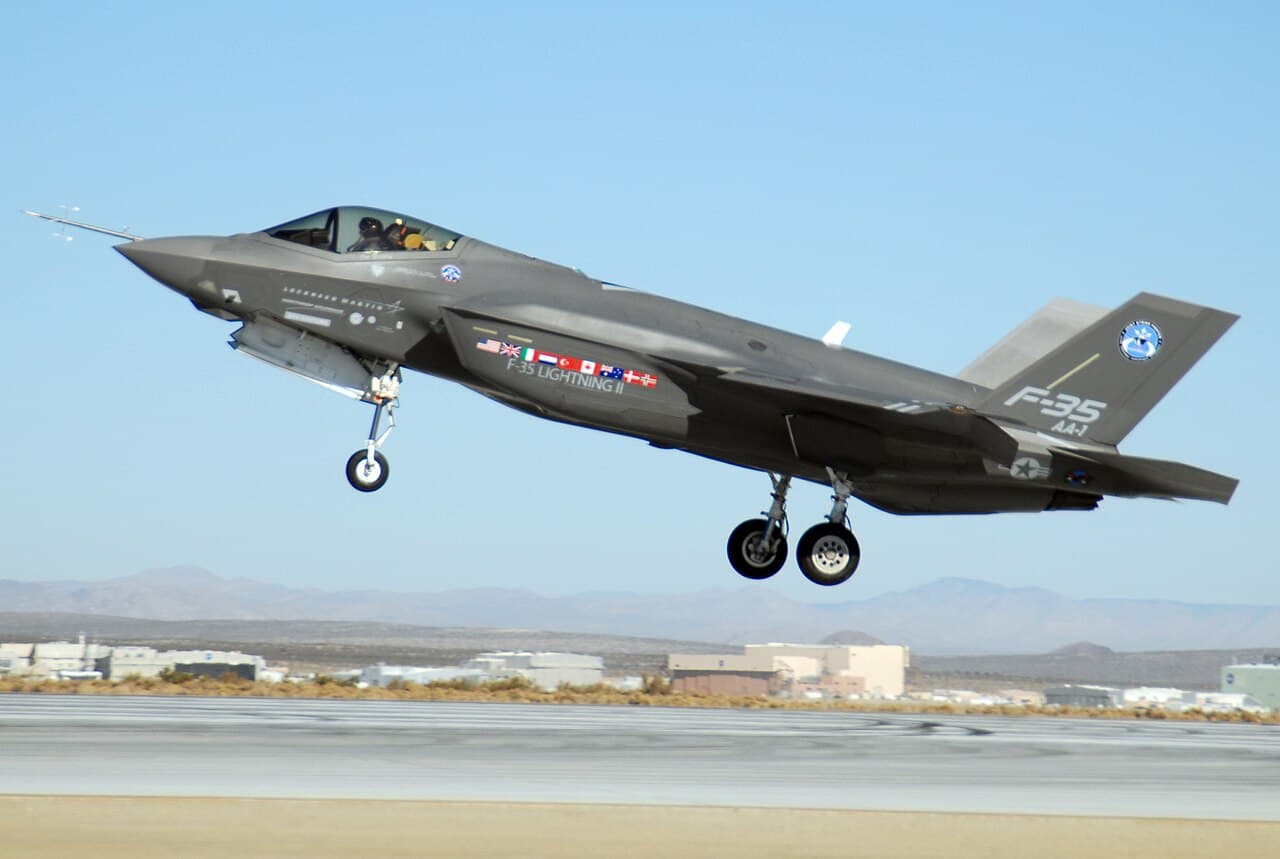
Multiple Drones Breach Restricted Airspace Over Australia's RAAF Base Williamtown
Multiple unidentified drones repeatedly entered restricted airspace around one of Australia's most sensitive military air bases recently, raising questions about how well the country can protect its F-35 fighters and other high-value aircraft from small unmanned aircraft. The drones were reported over RAAF Base Williamtown and neighboring Newcastle Airport in New South Wales between July 11 and 13, 2026, according to Australian media reports. Australia's Department of Defence has acknowledged the incidents, while Defence Industry Minister Pat Conroy said the broad reporting about the number of drones and the days they appeared was accurate. Authorities have not identified the operators or indicated why the drones were there. Williamtown, about 20 miles north of Newcastle, is Australia's main fighter training base and houses most of the Royal Australian Air Force's Lockheed Martin F-35A Lightning II fleet. The base also operates Boeing E-7A Wedgetail airborne early warning and control aircraft, Hawk 127 trainers and Pilatus PC-21 trainers. Newcastle Airport operates from the same airfield under an agreement with the Australian Department of Defence. The Daily Telegraph, which first reported the incursions, said multiple drones were confirmed in restricted airspace during the three-day period. Personnel at Williamtown were reportedly instructed to close window blinds to prevent sensitive information from being viewed or photographed. None of the drones was reported recovered or publicly identified. The incidents were referred to the New South Wales Police Counter-UAS Unit. Conroy said on August 10 that the police investigation has since been completed, but he did not disclose its findings. He also declined to say whether the drone activity disrupted military or civilian flight operations or what, if any, counter-drone measures were used. "We have robust layered security measures to protect our personnel, our bases and our capabilities," Conroy told ABC Newcastle. Australia changed its Defence Regulations last year to give military personnel authority to seize, disable or destroy drones. Conroy said the government is also investing heavily in technology intended to detect and defeat unmanned aircraft. The unexplained flights have prompted concern from Australian defense experts because small commercial drones can be used for surveillance as well as attacks against aircraft and infrastructure. There is no public evidence linking the incursions to a foreign government or establishing that the drones were conducting surveillance.
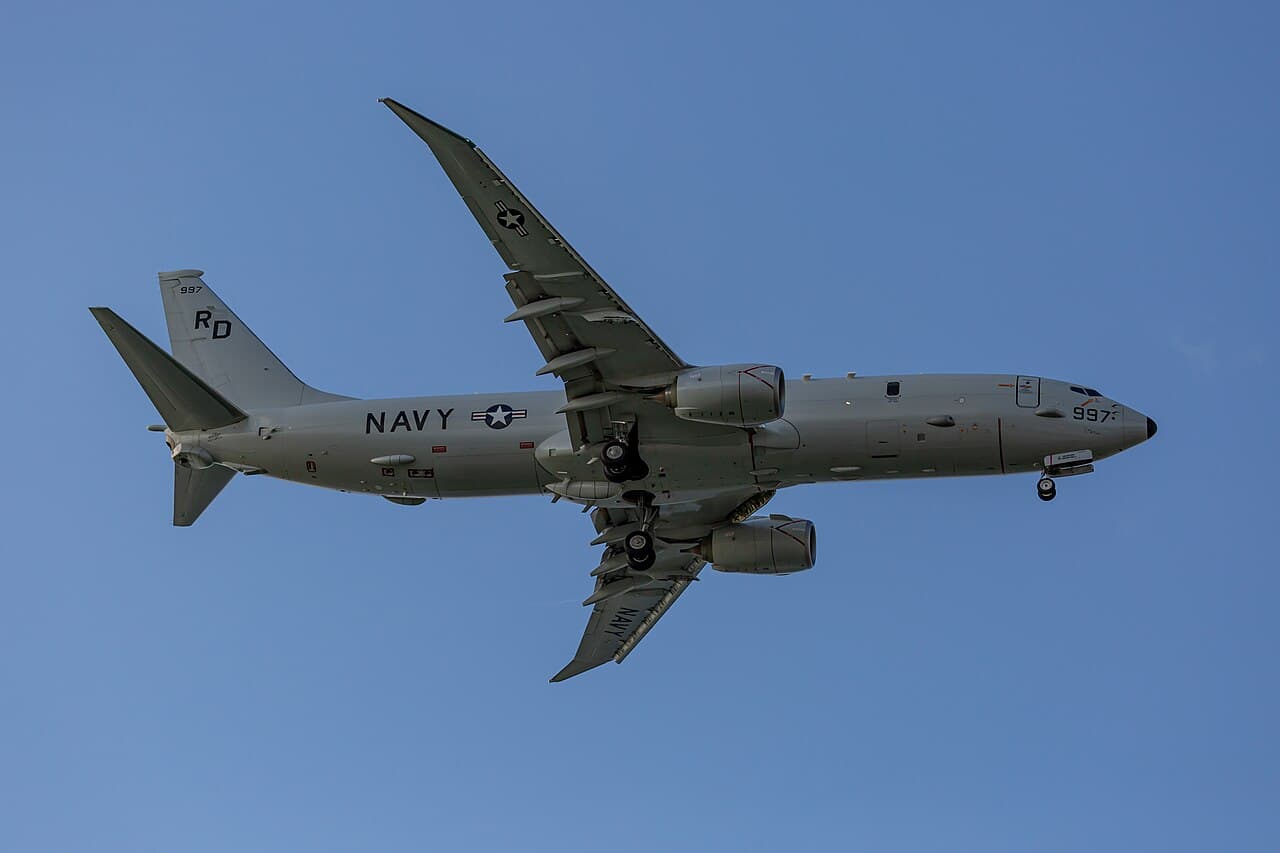
NATO Expands Use of Boeing P-8A Poseidon to Bolster Maritime Surveillance
The Royal Air Force in the United Kingdom took delivery of the first Boeing P-8A Poseidon Maritime Patrol aircraft in 2019. It was the first in the North Atlantic Treaty Organization to induct the new Boeing MPA after the United States. In the year that followed, the roster of nations to adopt the Poseidon is now up to five.
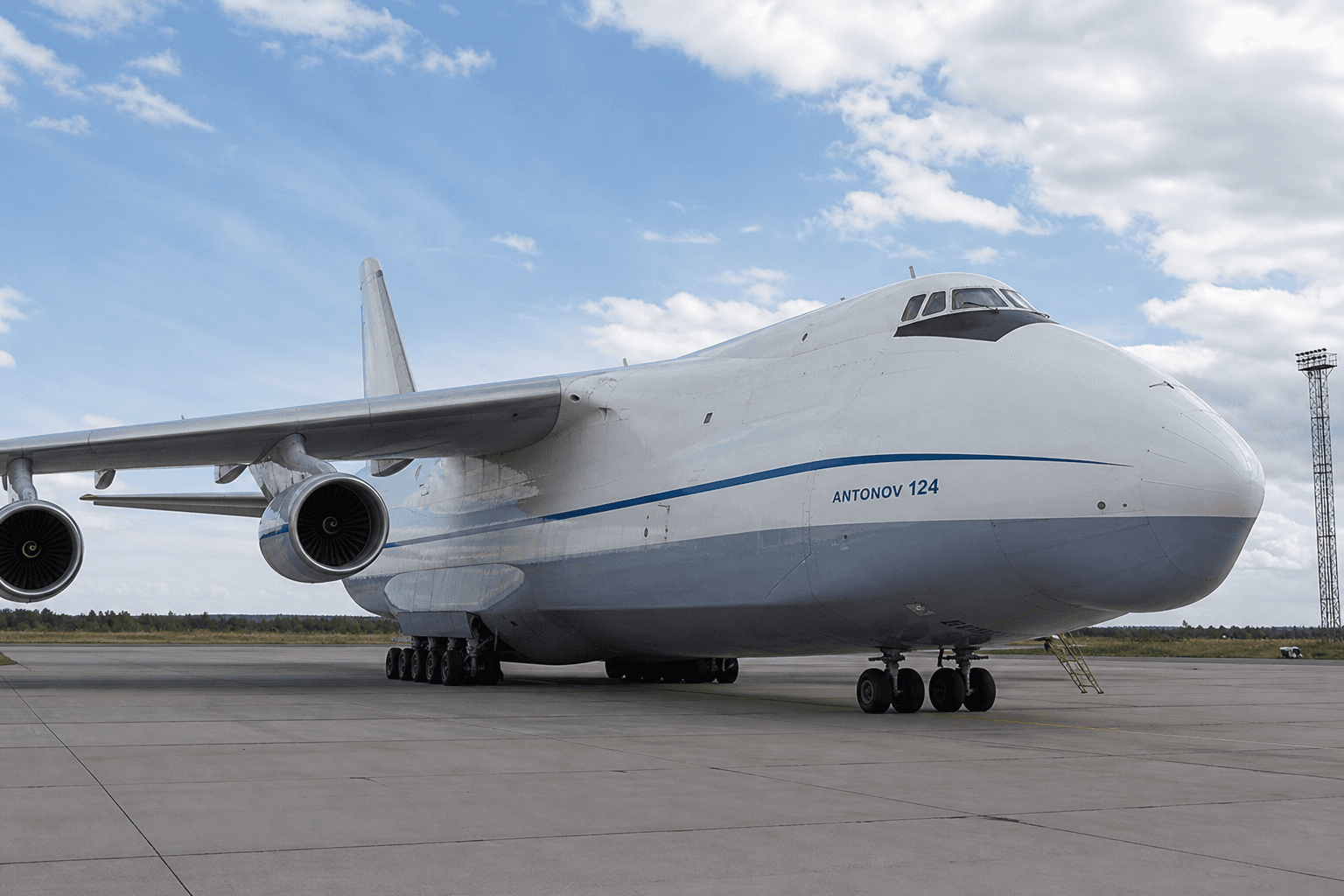
Antonov's Decline: From Soviet Aerospace Giant to Production Hiatus Amid Geopolitical Strains
Antonov produced many of the Soviet Union's most iconic transport aircraft, including the huge An-124 Ruslan and An-225 Mriya . It built most of the mid-sized military transports as well as regional aircraft like the Antonov An-148 and the enormously successful An-2 biplane. By the late 1980s, the company was producing around 250 aircraft annually. After the Soviet collapse, that fell to between five and 20 annual deliveries, with the last new aircraft produced in 2016.
US Controls All F-35 Mission Data Updates, Grounding Allied Squadron Autonomy
The Lockheed Martin F-35 Lightning II is one of the most important weapon systems developed in the 21st century. It represents a major paradigm shift for air power not only in the US Air Force, but the Navy and Marines as well as 19 other US Allied partner nations around the world that are part of the global fleet. In addition to being the most expensive defense industrial project in history, it is also one of the most closely guarded classified projects to ever become a multinational defense program.
The Daily Touch & Go
The day's best aviation news in your inbox. Free, no spam.