

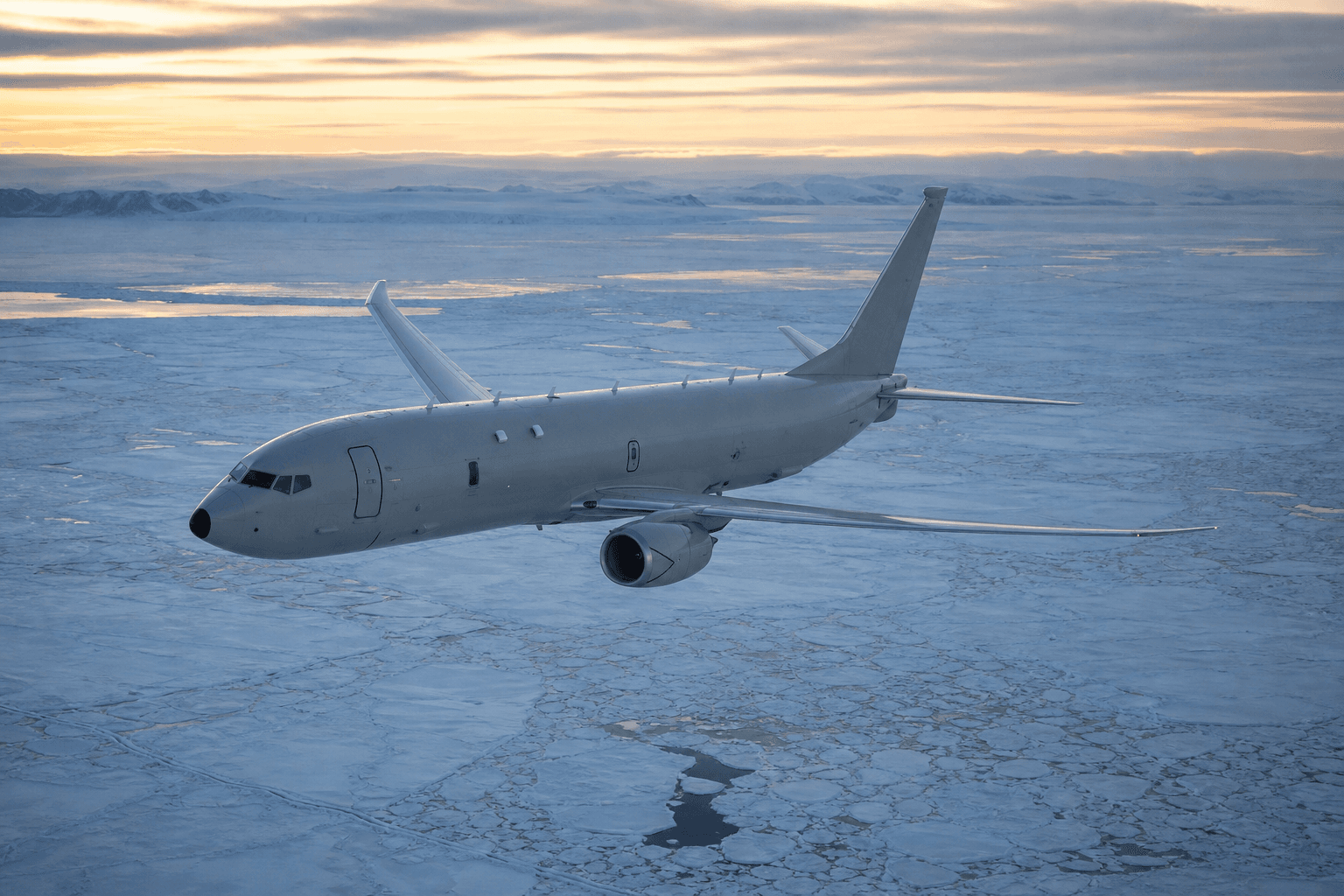
Illustration: The Touch & Go
Denmark to acquire Boeing P-8A Poseidon aircraft and join NATO MQ-4C Triton drone purchase
Denmark speeds Arctic and North Atlantic defense with two P-8A Poseidons and participation in NATO's Triton drone fleet acquisition.
The gist
Denmark is bolstering maritime patrol with P-8A Poseidon aircraft and enhancing NATO ISR with Triton drone procurement.
Continuing coverage
All Maritime Patrol →Denmark has decided to purchase two Boeing P-8A Poseidon maritime patrol aircraft to increase surveillance and sovereignty enforcement in the Arctic and North Atlantic. The Danish Ministry of Defense announced this plan on July 7, 2026, aligning with the country's 2024-2033 defense agreement focused on expanding capabilities in these strategically vital regions. The decision follows a recommendation from Denmark's Chief of Defence, General Michael Wiggers Hyldgaard, emphasizing the necessity to defend all parts of the kingdom, including remote northern areas.
The P-8A Poseidon is a militarized version of the Boeing 737-800, designed for anti-submarine and anti-surface warfare operations. It carries advanced sensors and can deploy weaponry such as torpedoes, mines, depth charges, and anti-ship missiles. Denmark’s acquisition complements other operators including the US Navy, UK, Norway, Australia, and Germany. This purchase is expected to markedly enhance Denmark’s ability to conduct maritime patrol, enforce sovereignty, and fulfill NATO’s capability targets, particularly for anti-submarine warfare missions.
In parallel with the Poseidon acquisition, Denmark joined Finland, Germany, and Norway in launching a joint procurement of up to five Northrop Grumman MQ-4C Triton unmanned surveillance aircraft for NATO. The announcement was made during the NATO Summit Defence Industry Forum held in Ankara, Turkey, on July 7, 2026. The Triton drones, designed for long-endurance, high-altitude maritime surveillance, will strengthen NATO’s Intelligence, Surveillance, and Reconnaissance (ISR) capacity alongside the existing Alliance Ground Surveillance fleet of RQ-4D Phoenix drones.
The MQ-4C Triton is capable of 24-hour missions at altitudes above 15 kilometers and is equipped with long-range sensors, making it ideal for early threat detection and maritime domain awareness. NATO expects these drones to protect critical sea lines of communication and support operations in demanding environments such as the Arctic and the High North. For Denmark, the Triton investment complements the Poseidon aircraft since both platforms were engineered to operate synergistically, as demonstrated by the US Navy and Australia's maritime patrol forces.
Denmark’s role in these acquisitions also reflects broader cooperation with NATO allies to improve collective defense capabilities in the Arctic. The Danish Defence Command is exploring partnerships that could include a joint maritime patrol aircraft unit based in a shared air station, integrating acquisition, operations, maintenance, and training. Norway, which operates five P-8A Poseidons from Evenes Air Station, is considered the most natural partner for Denmark in such cooperative efforts.
The US State Department previously approved a possible sale of up to three P-8A Poseidon aircraft to Denmark in late December 2025, in a deal valued at approximately $1.8 billion. This preliminary governmental clearance paved the way for Denmark's formal announcement. The emphasis on maritime patrol aircraft acquisition builds on the strategic need to safeguard sovereignty in increasingly contested Arctic waters, where Russia and other actors continue to increase their military presence.
The formation of a transatlantic industrial consortium will support the delivery and operation of these capabilities. Northrop Grumman will manufacture the Triton UAVs, while European partners including Airbus Defence and Space will supply ground segment infrastructure, data management, command and control systems, and mission support services. This collaboration exemplifies NATO’s approach to blending US and European industrial strengths to bolster alliance readiness and interoperability.
These developments occurred alongside NATO’s expected approval of the Saab GlobalEye to replace the alliance’s aging E-3A Sentry AWACS fleet, signaling a substantial modernization of NATO’s airborne surveillance and reconnaissance assets. Denmark’s dual commitment to P-8A and MQ-4C platforms illustrates a comprehensive strategy to enhance Arctic defense posture and alliance ISR, ensuring robust maritime domain awareness over critical northern maritime approaches.
Denmark’s investments are timely as Arctic security challenges grow more complex due to climate-driven accessibility changes and geopolitical competition. The integration of cutting-edge manned and unmanned surveillance platforms into NATO operations represents a decisive step to maintain vigilance and uphold collective defense in this strategically important zone. Observers will closely watch how Denmark and its allies implement these assets operationally in the coming years.
Read more
All Military/Defense →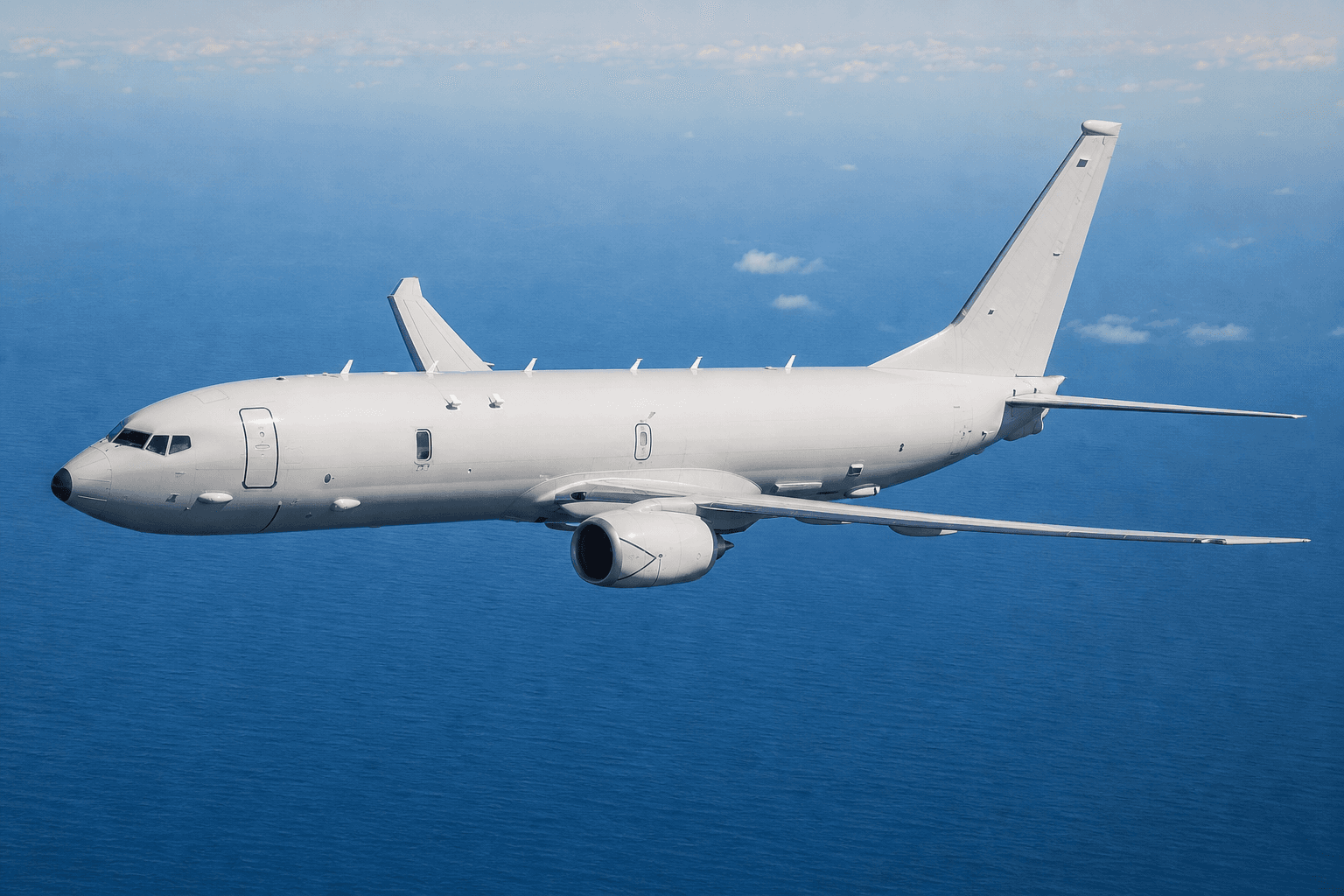
US Navy P-8 Poseidon excels at high-altitude missions despite low-level flight capability
When the US Navy introduced the Boeing P-8A Poseidon, it did a lot more than trade turboprop engines for turbofans. The military-grade 737 Next Generation is the successor to the Lockheed P-3C Orion Maritime Patrol and anti-submarine warfare aircraft. The Orion was a 1960s-vintage submarine hunter made to serve in the Cold War to track and deter Soviet submarines.
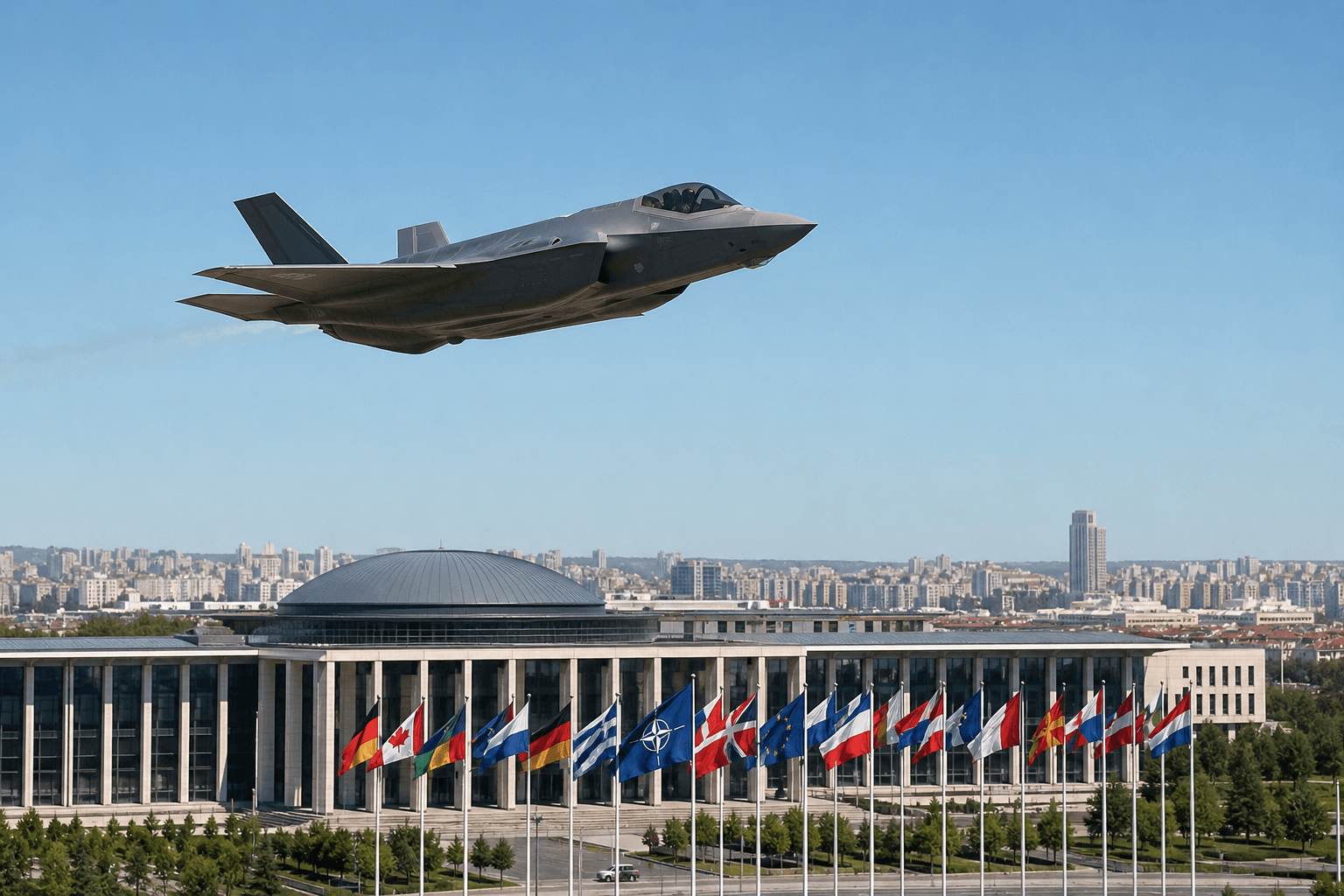
Trump signals lifting Turkey sanctions and reconsiders F-35 sales amid S-400 dispute
US President Donald Trump said he will lift sanctions on Turkey and make a decision on selling the country F-35 fighter jets, a step that could move Ankara closer to regaining access to the stealth fighter program it was removed from in 2019. One possible solution under discussion would involve Turkey sending its Russian-made S-400 air defense system to a third country, but no deal has been reached. Trump made the comments on July 7, 2026, as he met Turkish President Recep Tayyip Erdogan during a NATO summit in Ankara. "We're going to be taking the sanctions off," Trump told reporters when asked about the measures imposed under the Countering America's Adversaries Through Sanctions Act. Trump also said he would make a decision on a possible F-35 sale to Turkey. "It's a decision we're going to make," Trump said, according to Reuters . The comments mark one of the clearest signs yet that the Trump administration wants to move Turkey back toward the F-35 after years of US opposition. But the aircraft still cannot be transferred to Turkey while Ankara keeps the S-400 system. Turkey was removed from the Lockheed Martin F-35 program in 2019 after it bought the S-400 from Russia. The US said the Russian system created an unacceptable security risk because it could expose sensitive F-35 capabilities, including the aircraft's stealth characteristics. Washington imposed CAATSA sanctions on Turkey in 2020 over the S-400 purchase. The US Congress also passed restrictions in the Fiscal Year 2020 National Defense Authorization Act that block F-35 transfers to Turkey unless the US government certifies that Turkey no longer possesses the S-400 system Reuters reported that transferring the S-400 to a third country has gained traction as a possible way to resolve the issue. But such a transfer could face resistance from Russia, which often places end-user restrictions on major arms exports. Turkey had been a partner in the F-35 program before its removal and had planned to buy the aircraft for its air force. Turkish companies also made components for the aircraft before Washington moved to unwind Ankara's role. A bipartisan group of US lawmakers has urged congressional leaders to block any F-35 sale to Turkey while the country still holds the S-400. Lawmakers have argued that Turkey's possession of the Russian system remains incompatible with receiving the US-made stealth fighter. Israel has also raised concerns about a possible F-35 sale to Turkey, according to Axios. Israel operates the F-35I Adir and has long sought to preserve its military edge in the region. While Ankara has spent years trying to regain access to the F-35, Turkey has also moved ahead with plans to buy Eurofighter Typhoons and is developing the Turkish Aerospace KAAN, its own domestic fifth-generation fighter program. The Trump administration recently moved forward with a proposed $700 million sale of General Electric F110 engines to Turkey for the KAAN program. That sale signaled a broader effort to improve defense ties with Ankara ahead of the NATO summit.
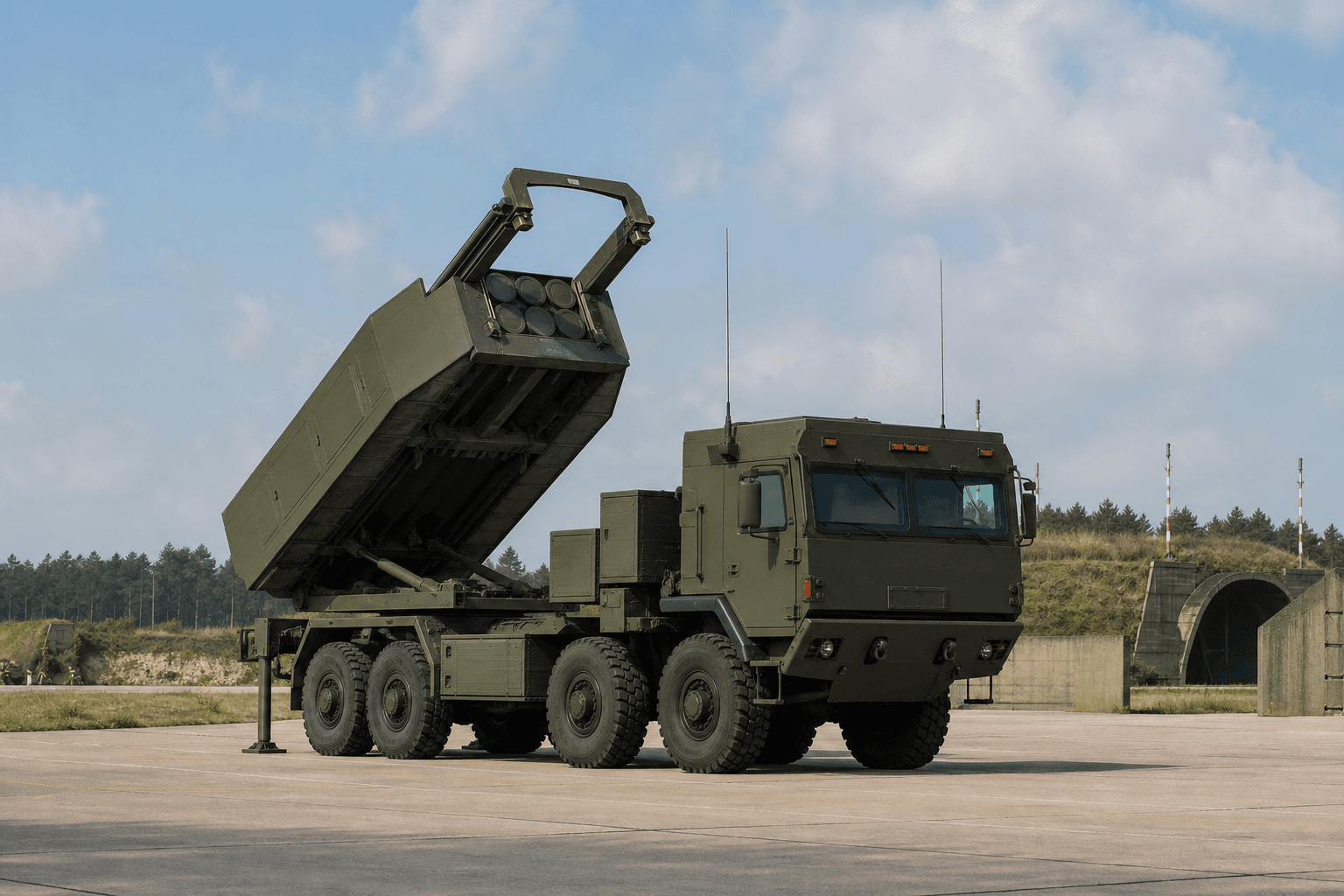
Germany to Acquire Tomahawk Cruise Missiles for Deployment on Home Soil
Germany has reached an agreement with the United States to purchase Tomahawk cruise missiles and station them on German territory, Chancellor Friedrich Merz announced on July 9, 2026. Speaking during a government statement to the Bundestag, Merz said the US administration had approved the sale of the long-range missiles, which will be acquired by the German government and deployed in Germany. The two sides reached the agreement on the sidelines of the NATO summit held in Ankara, Turkey, on July 7 and 8, 2026, a gathering that also produced a pooled A400M transport fleet and the selection of the Saab GlobalEye as NATO's future AWACS platform. "With this, we are closing an important strategic gap in our defense, and we will at the same time work on developing European systems and stationing them in Europe," Merz told lawmakers. The announcement came a day after German Defense Minister Boris Pistorius described talks with Washington as progressing, while cautioning on the morning of July 8, 2026, that no results had yet been achieved. From US deployment to German ownership The deal differs from the arrangement outlined in the joint statement signed by then US President Joe Biden and then Chancellor Olaf Scholz on July 10, 2024, under which the US was to begin episodic deployments of SM-6, Tomahawk, and developmental hypersonic weapons in Germany from 2026. That plan, which prompted Moscow to threaten a return to intermediate-range missile production , was shelved in May 2026 when the Pentagon scrapped the planned Long-Range Fires Battalion, citing stockpile shortages following heavy munitions expenditure in the US-Iran conflict. Under the new agreement, the missiles will instead be German-owned and German-operated, placing Berlin alongside the United Kingdom and the Netherlands as European operators of the Raytheon-built weapon, which can strike targets up to 2,500 kilometers (1,550 miles) away. A bridge to European deep strike MBDA's LCM / NCM Mk2 missile displayed at Eurosatory 2026, with the DELUGE long-range teleoperated munition shown above it. (Credit: AeroTime) Merz framed the purchase as an interim measure while Europe builds sovereign long-range capabilities. The chancellor's remarks echo a broader push that saw the UK commit £1.4 billion ($1.9 billion) to the Franco-British-Italian Stratus cruise missile on July 8, 2026, and MBDA present its complete Land Cruise Missile system at Eurosatory 2026 in June 2026. Germany is also participating in the European Long-Range Strike Approach (ELSA) alongside France, Italy, and Poland.
UK confirms purchase of 12 F-35As to restore RAF nuclear strike role
The UK's Defence Investment Plan, published on June 30, 2026, confirms funding for 12 Lockheed Martin F-35A fighters…
The Daily Touch & Go
The day's best aviation news in your inbox. Free, no spam.