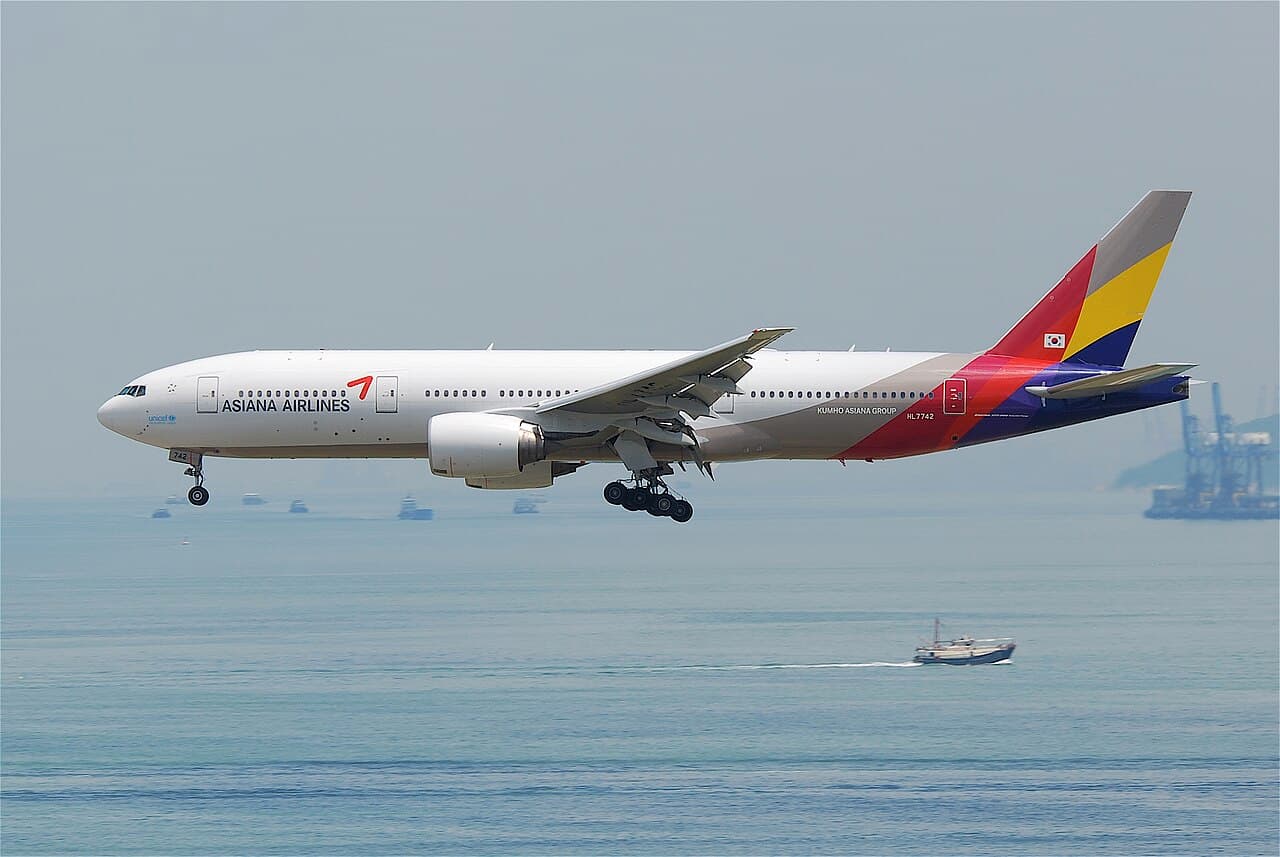
Image: Aero Icarus from Zürich, Switzerland · CC BY-SA 2.0 · via Wikimedia Commons
FAA Investigates Viral Boeing 777 Low Pass Video Near Texas Resort
The FAA has begun looking into a viral video showing a Boeing 777-200LR executing an alarmingly low approach over Horseshoe Bay Resort's jet center runway in Texas.
The gist
FAA probes viral video of Boeing 777-200LR making dangerously close low pass at Texas resort airport.
A video depicting a Boeing 777-200LR making an unusually low pass over Horseshoe Bay Resort Jet Center in Texas has sparked a wave of concern and debate within the aviation community. The aircraft appears to skim the runway surface by mere inches, triggering alarm and widespread discussion about the legitimacy and safety implications of the maneuver. The clip, shared on social media by user @EBAviation, quickly went viral, attracting both skepticism and scrutiny from pilots and aviation enthusiasts.
In response to the viral attention, the Federal Aviation Administration (FAA) confirmed it is investigating the incident to determine whether any regulations or safety protocols were violated during the aircraft's approach. The FAA's inquiry aims to verify the video's authenticity and assess whether the Boeing 777-200LR's flight path complied with established aviation standards. An FAA spokesman noted that the agency takes all reports of unsafe aircraft operation seriously and will evaluate the situation accordingly.
Among those voicing strong opinions about the video was Steve Giordano, a partner at Nomadic Aviation Group and host of the popular CockpitCasual YouTube channel. Giordano condemned the apparent low pass, describing it as recklessly close to disaster without any justifiable reason. His commentary echoed broader concerns within the professional pilot community about maintaining safe operating parameters during approach and landing phases, especially with large, wide-body aircraft like the 777.
The Horseshoe Bay Resort Jet Center, located in a relatively compact and scenic area in Texas, is not typically associated with large, long-range aircraft such as the Boeing 777-200LR. This type of jet is generally utilized for long-haul international flights, making an appearance at a smaller resort jet center unusual and likely contributing to the intensity of reactions to the video. The incident has drawn attention to the complexities of operating heavy aircraft in constrained environments.
Questions have also emerged about the video's origin and authenticity, with some aviation enthusiasts debating whether the footage is genuine or a product of artificial intelligence or digital manipulation. Given advances in AI-generated imagery and deepfake technology, discerning real aviation incidents from fabricated ones has become a challenge, underscoring the need for official clarification from regulatory bodies like the FAA.
The FAA's investigation will involve reviewing flight data, communications between the flight crew and air traffic control, as well as any relevant radar and surveillance footage to establish the facts. Confirming whether the aircraft indeed performed this hazardous low pass or if the video was doctored is critical for maintaining public trust in aviation safety management. The results will also determine if any enforcement action or safety advisories are necessary.
Such incidents, when verified, often prompt a review of operational procedures for flights operating in and out of non-standard airports or resort airfields. The balance between operational necessity, pilot discretion, and adherence to safety margins is an ongoing focus for the FAA and commercial operators to ensure similar events are prevented. The broader industry continues to emphasize strict compliance with approach and landing criteria, particularly for large jets in confined areas.
While viral videos can offer dramatic glimpses into aviation occurrences, they also serve as reminders of the importance of contextual information and official follow-up. The FAA's current investigation seeks to cut through speculation and provide a factual account of the event, which is essential to uphold the stringent safety culture inherent to commercial aviation operations. Pending the FAA's report, pilots and enthusiasts alike await clarity on whether this near-ground scrape was a rare lapse or a misrepresented moment captured on social media.
Read more
All Aviation Safety →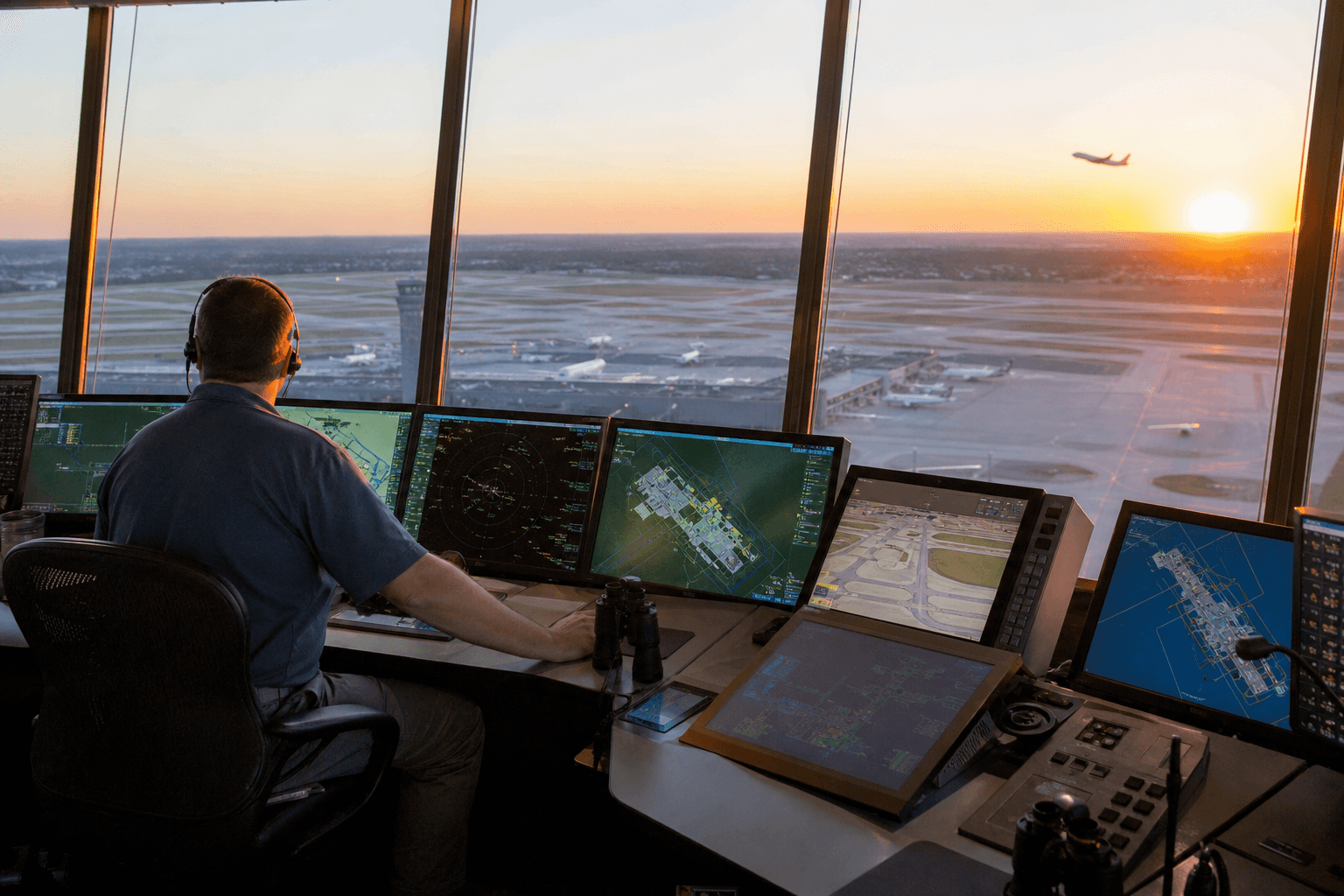
FAA Seeks Billions More to Fund CAP Automation Amid Growing Industry Competition
As competition for the FAA's common automation platform (CAP) contract heats up, the agency still lacks the funds required to develop the technology, which is envisioned to combine its En Route Automation Modernization (ERAM) and Standard Terminal Automation Replacement System (STARS) platforms. Thales becomes the latest company to pitch a CAP solution to the FAA. On Wednesday, it announced TopSky-America, a cloud-based, AI-powered platform that it said is tailored for the FAA to enhance information sharing, decision making, and situational awareness for air traffic controllers (ATCs). The idea is to reduce controller workload by combining data from ERAM, which manages high-altitude flights, and STARS, which coordinates arrivals and departures in towers and terminal route approach control (TRACON) facilities, in a single digital interface. STARS also provides sequencing and issues weather updates and conflict alerts. The CAP is billed as a core pillar of the Transportation Department's (DOT) Brand New Air Traffic Control System (BNATCS) effort. Without funding, though, it is unclear how the FAA plans to support the CAP's development and deployment. Congress last year allocated $12.5 billion toward BNATCS, while the DOT has requested a total of $31.5 billion to fund its more expensive components. The Modern Skies Coalition, led by the Aircraft Owners and Pilots Association (AOPA), in July called on Congress to allocate another $20 billion toward the effort. It estimated that the CAP alone would cost $10 billion. Transportation Secretary Sean Duffy has previously asked for the additional $20 billion but in recent months has signalled that the agency would settle for less. Duffy on Tuesday said the DOT "would love $20 [billion], but we'll take $10 [billion]." The secretary clarified that $10 billion would cover certain software upgrades planned under BNATCS. A "second $10 billion," he said, would be required for the "actual bricks and mortar" of new ATC facilities, such as TRACONs. Duffy did not mention the CAP in his remarks Monday, and the FAA's internal estimate of its cost is unclear. Thales said Thursday that it supports the "FAA's call for additional congressional funding." Competition Heats Up Thales described TopSky-America as an advanced ATC automation system "built specifically for the U.S. National Airspace System [NAS]." The platform is a version of the company's popular TopSky-ATC offering. But Thales emphasized that it is "customized for the unique requirements" of and designed "exclusively" for U.S. airspace. "These capabilities will deliver greater predictability for air carriers and the traveling public, improve operational performance, and help reduce workload on the controller workforce—while continuing to uphold the highest standards of safety," the company said in its announcement. TopSky-America is not the only CAP candidate. RTX's Collins Aerospace is pitching a version of its AutoTrac platform for the FAA contract, FlightGlobal reported in March. Collins was previously selected for BNATCS to provide hundreds of new ATC radars , while parent RTX is the FAA's prime STARS contractor. Leidos, which maintains the ERAM system, also has a CAP solution . The Air Current in April reported that Thales, Collins, Leidos, Australia's Frequentis, and Spain's Indra—the FAA's other BNATCS radar contractor—are the five companies shortlisted for the CAP contract. Thales' path to winning the contract could involve highlighting the success of its TopSky-ATC, which it estimates manages 40 percent of air traffic globally. The company in July announced agreements to modernize the air traffic management systems of Singapore and Mongolia. It also produces primary and secondary ATC surveillance radars and is developing capabilities for the management of uncrewed aircraft systems (UAS) traffic. Also working in the French company's favor is a commitment to design TopSky-America software upgrades in the U.S., a nod to the DOT's desire for domestic companies to lead the ATC modernization effort. "One of the focuses in modernization was to onshore production of critical infrastructure," FAA Administrator Bryan Bedford said Tuesday. "We have brought those jobs back to the United States, which is a key focus of [Secretary Duffy] and [President Donald Trump]." Thales has about 5,000 U.S. employees and said producing the platform domestically will create hundreds of new jobs. Ultimately, the contract award could come down to a battle among the shortlisted companies. Thales earlier this year lost out on the FAA's contract for Strategic Management of Airspace, Routes, and Trajectories (SMART)—an AI-powered, predictive air traffic management software —after being shortlisted for that award. Bedford said Tuesday that Thales, Palantir, and Air Space Intelligence (ASI), which ultimately won the contract, each created digital twins of the NAS for evaluation. Duffy described the exercise as a "competition" and said ASI produced the "best product, the best tool that we thought would help us best manage the airspace." "We want the best companies building our software," Duffy said. "And what's different is we're not just picking a contractor to work for us. We're actually going through a competition to see who actually can deliver on behalf of the FAA."
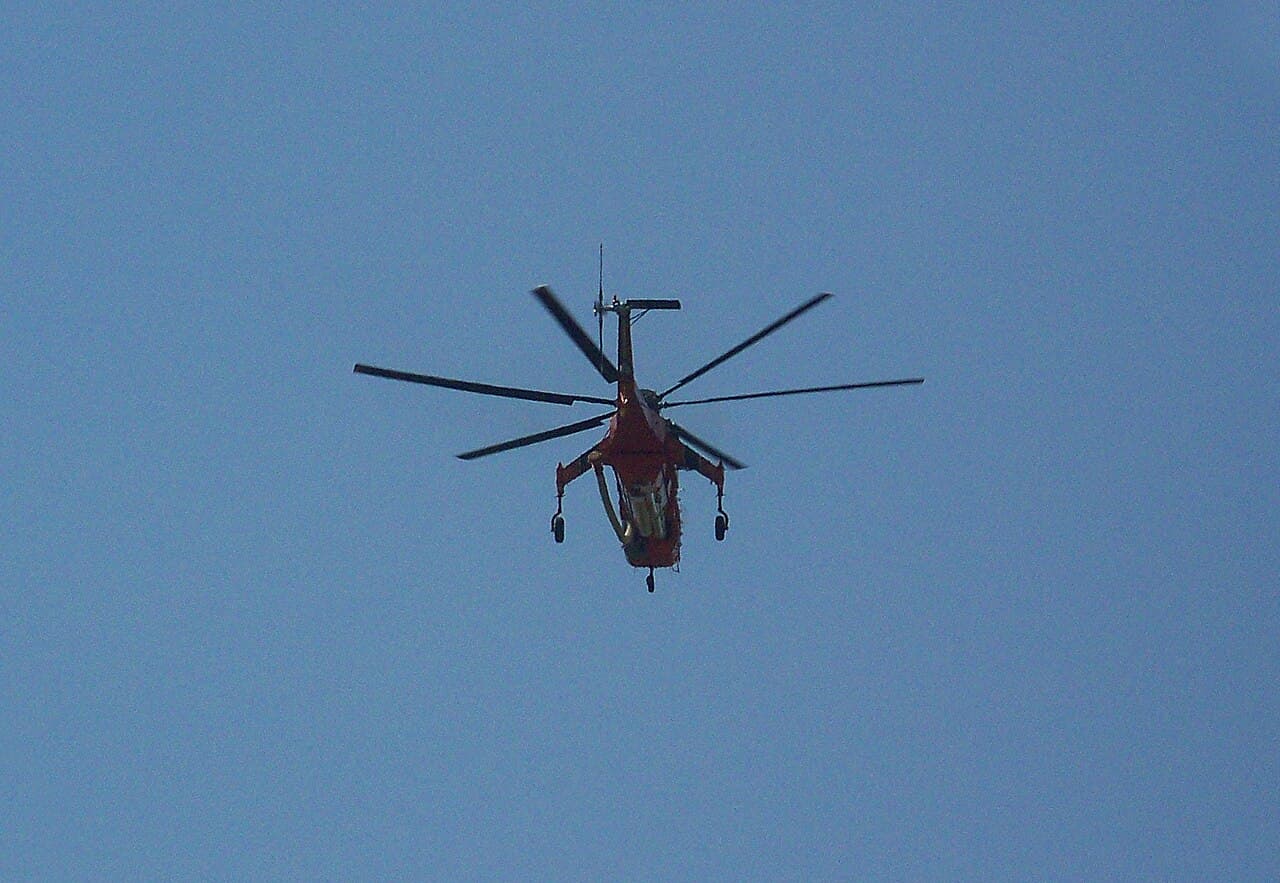
Two Pilots Die in Sikorsky S-64 Skycrane Helicopter Crash Fighting Utah Wildfire
Two pilots died when their firefighting helicopter crashed in central Utah while en route to a blaze in Fishlake National Forest. The Sikorsky S-64 Skycrane was dispatched Friday morning to combat the wildfire. According to the Sevier County Sheriff's Office, the helicopter went down at about 10 a.m. MDT near Richfield, Utah, en route to the fire. Immediately after the accident, access to the crash site was blocked by the raging wildfire, so the condition of the crew could not be immediately determined. READ MORE: Wildfires Near Spokane Threaten Key Airports READ MORE: Daher Delivers TBM 960 for Wildfire Air Attack Operations The helicopter has the ability to carry up to 2,000 gallons of water. The National Transportation Safety Board (NTSB) and the FAA are investigating the accident. The names of the deceased pilots have not been released. They were employed by Helicopter Transport Services, an industrial helicopter company that provides rotor-wing aircraft for a variety of industries. The crash ignited a second fire that spread, connecting with the existing blaze known as the Widemouth 2 Fire.
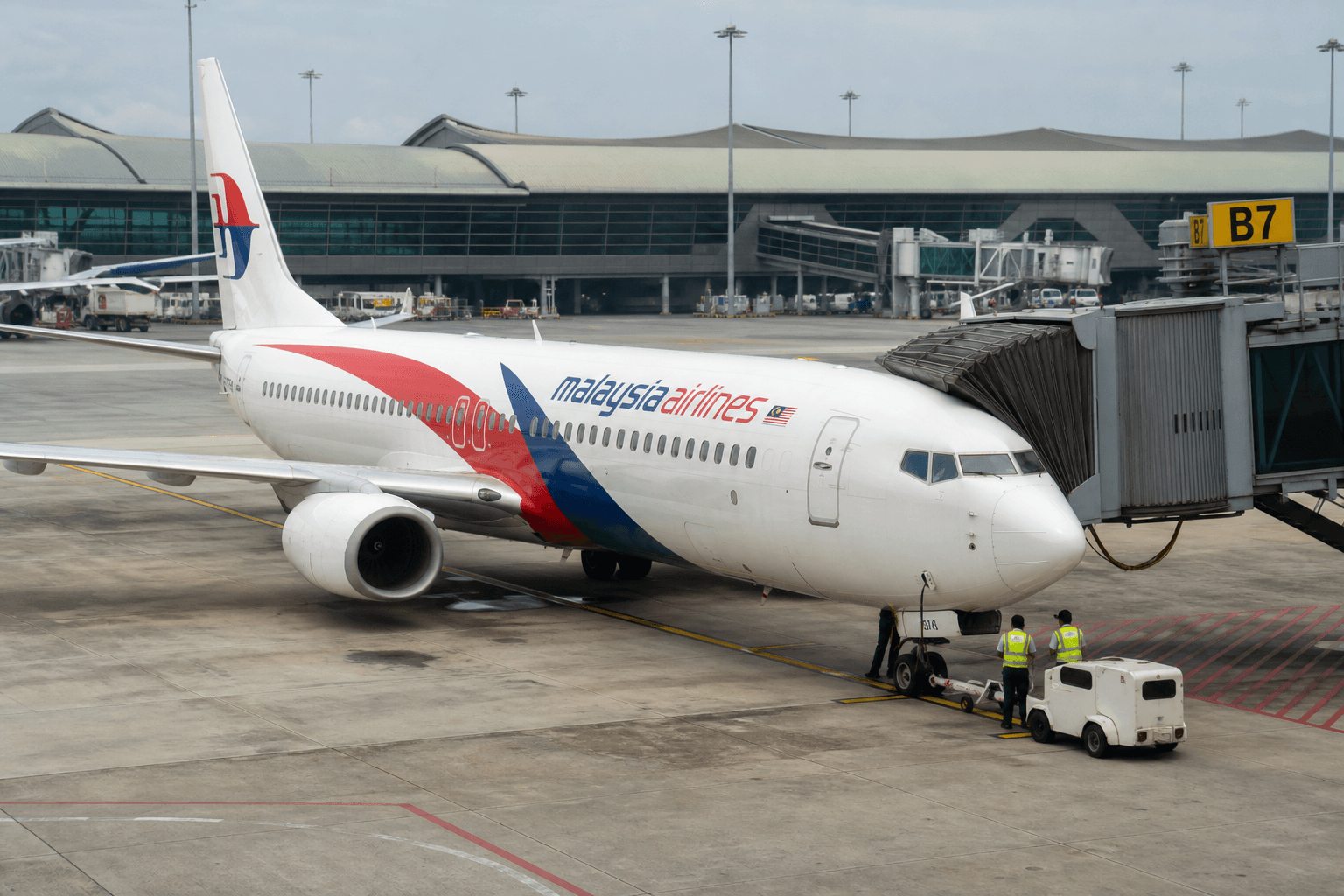
Malaysia Orders 30-Day Drug Testing for All Pilots and Cabin Crew After Smuggling Arrest
A Malaysia Airlines pilot was recently arrested in Indonesia after they were found to be smuggling drugs into the country. With the event having serious safety and reputational ramifications for not just the airline but, indeed, the commercial aviation sector in Malaysia as a whole, authorities are working hard to ensure that the incident is not repeated. Most recently, mandatory drug testing is being rolled out.
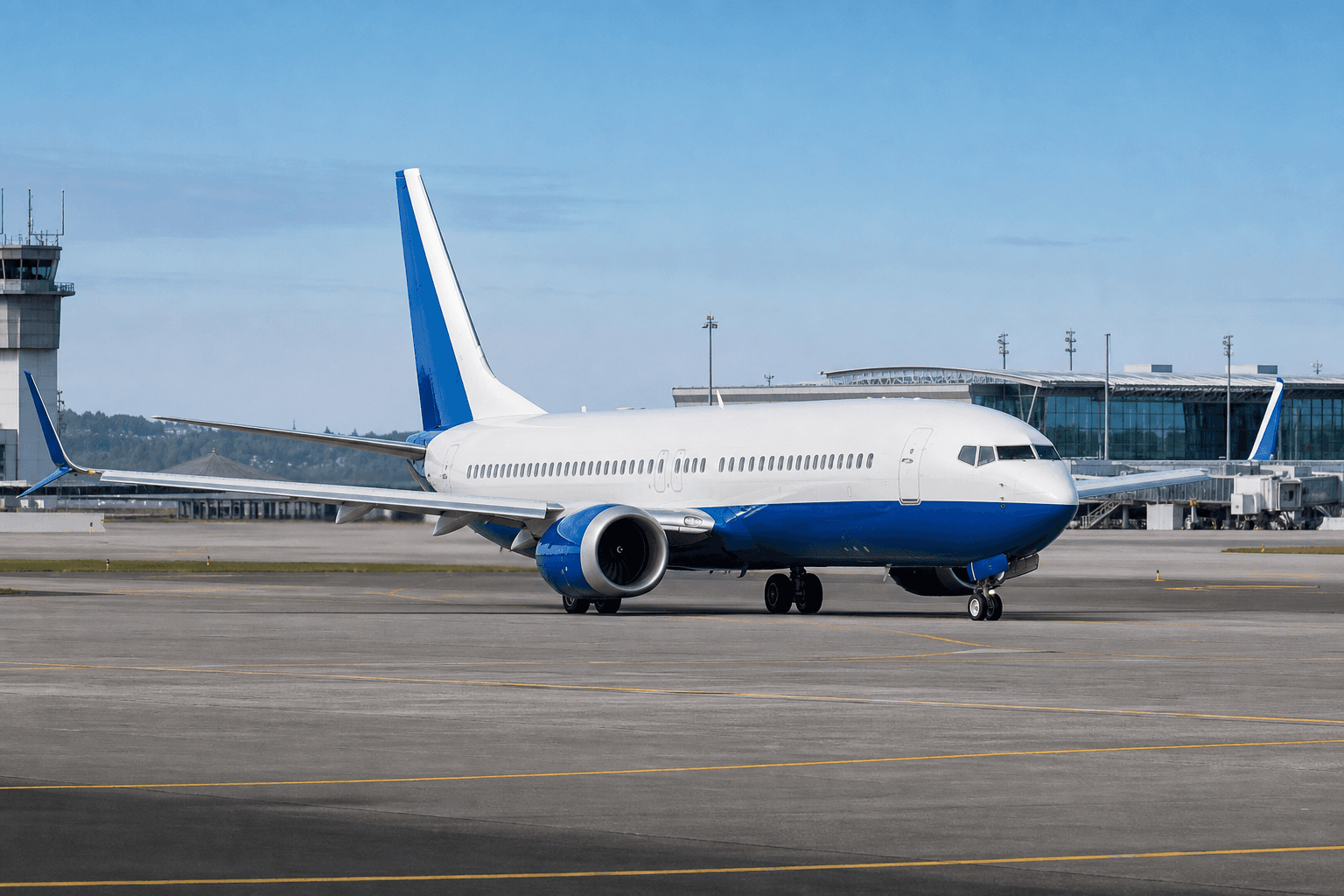
FAA mandates inspections on 737 Max door straps and proposes 787 Trent 1000 engine fix
The agency targets a 737 structural concern and an issue that could cause a dual Trent 1000 failure. The Federal Aviation Administration (FAA) is taking action to address risks involving Boeing 737 Max door-related structural components and concerns about uncontained failures of 787 Rolls-Royce Trent 1000 turbofans. The agency this week issued two regulatory documents, including an airworthiness directive (AD) responding to the potential for some 737 Max structural fasteners called “bear straps” to develop stress cracks. Affected straps are on the upper corners of 737 Max right-side forward doorframes, the FAA says. While no 737 Max have been found with cracked straps, the problem has for more than a decade been known to affect earlier-generation 737s. The FAA in 2014 required operators to inspect bear straps on 737 Classics for cracking, and Boeing tells FlightGlobal that in 2019 it notified 737NG operators about the issue and provided them with inspection instructions, which the FAA mandated in 2021. Boeing then in December 2024 issued 737 Max operators an Alert Requirements Bulletin, calling on them to inspect fuselage skins and bear straps. The FAA’s latest AD mandates those inspections, saying 737 Max are likely “susceptible to the same crack conditions” due to the variants’ similarities. The cracks can result from “high operating stresses in the fuselage skin and bear strap due to stress concentration at the corner of the door cutout”, it adds. Cracks “may lead to the inability of the principal structural element to sustain limit loads”. “Inspections provide multiple opportunities to identify and correct possible cracking before cracks exceed critical length,” Boeing says, adding that it “conducted engineering analysis to identify root cause and is working through engineering changes that would prevent such cracking.” Separately, the FAA this week issued a proposed rule addressing risks associated with the 787’s Trent 1000 engines. “The FAA has received a report from the manufacturer indicating that the protection system on the left fan cowl of the right engine does not sufficiently cover the components and systems,” the proposed AD states. The risk arises if a 787’s left-side Trent suffers an uncontained failure, in which case debris ejected from that powerplant’s intermediate pressure turbine rotor could strike the right-side Trent, damaging its oil lines or air-pressure sensor, the FAA says. The result could be dual engine failure, it adds. Boeing addressed the risk in January with a Special Attention Requirements Bulletin sent to operators. That document calls on them to inspect Trents and replace fan cowls on right-side engines. The FAA’s proposal would mandate those actions. It applies to only 22 US-registered 787s – a small number because US airlines primarily operate 787s powered by GE Aerospace GEnx turbofans.
The Daily Touch & Go
The day's best aviation news in your inbox. Free, no spam.